
Lepisiota capensis
- Scientific Name
- Lepisiota capensis
- Tribe
- Plagiolepidini
- Subfamily
- Formicinae
- Author
- Mayr, 1862
- Common Name
- Small Black Sugar Ant
- Distribution
- Found in 8 countries
Lepisiota capensis Overview
Lepisiota capensis (commonly known as the Small Black Sugar Ant) is an ant species of the genus Lepisiota. It is primarily documented in 8 countries , including Congo, Democratic Republic of the, Cabo Verde. Detailed taxonomic data and occurrence records can be further explored via authoritative databases such as AntWeb or the Global Biodiversity Information Facility (GBIF).
Lepisiota capensis - "Small Black Sugar Ant"
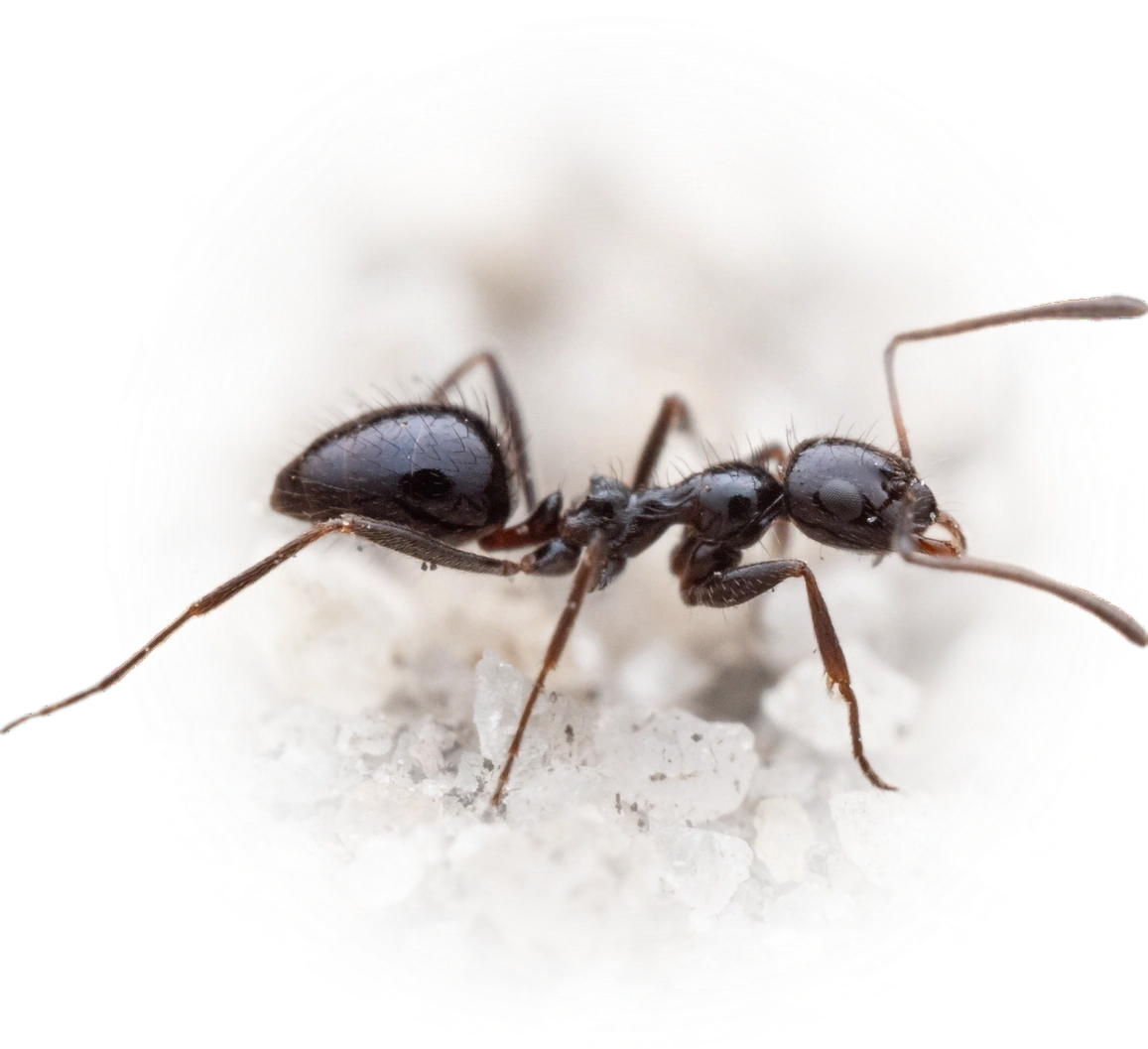
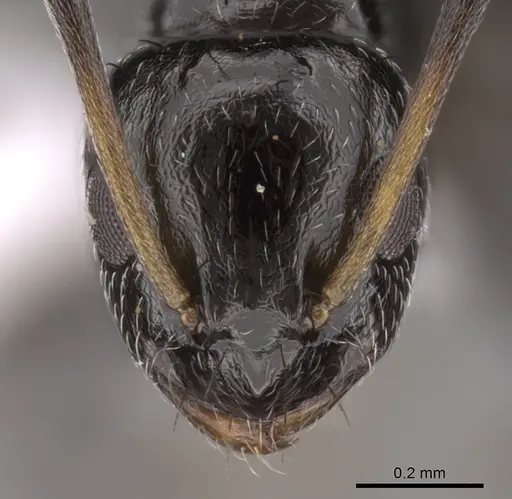
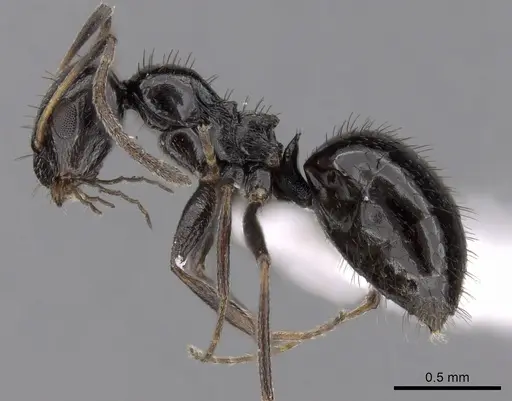
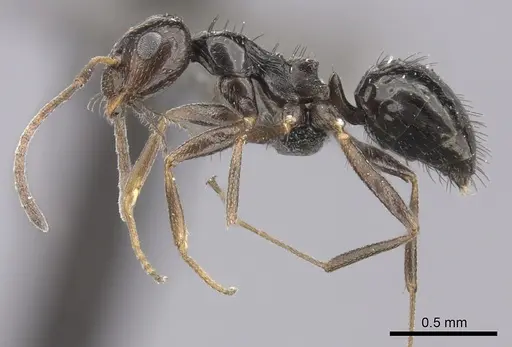
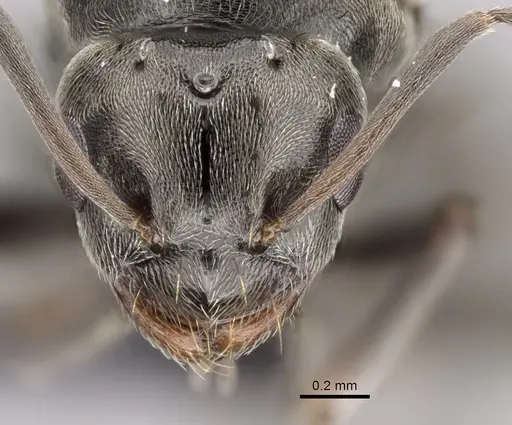
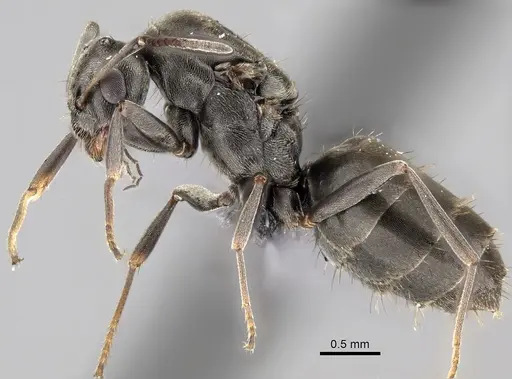
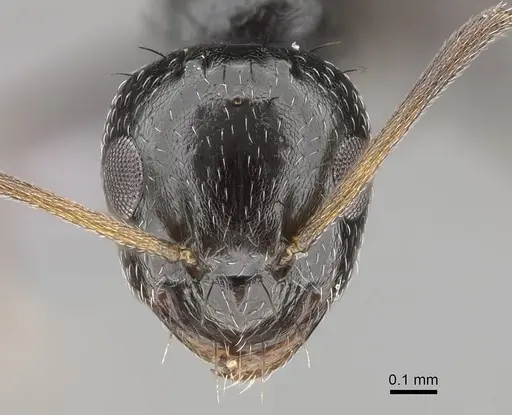
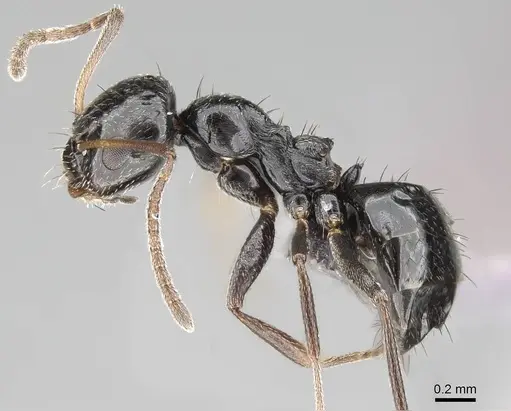
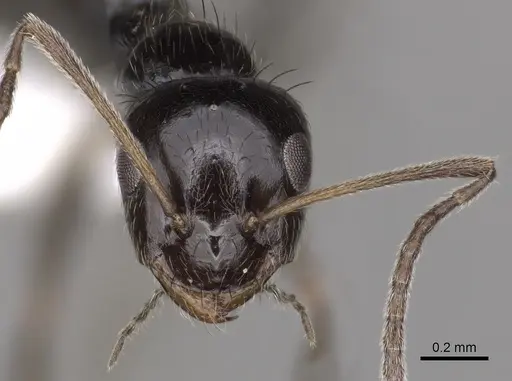
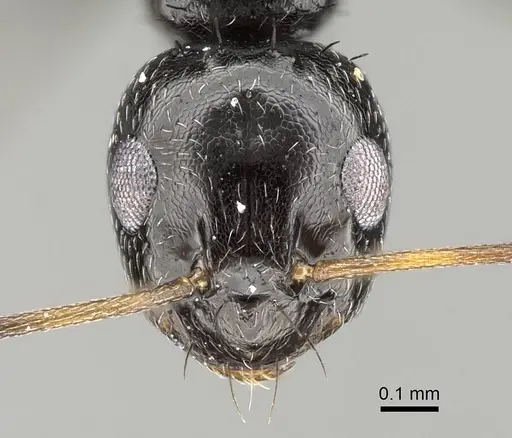
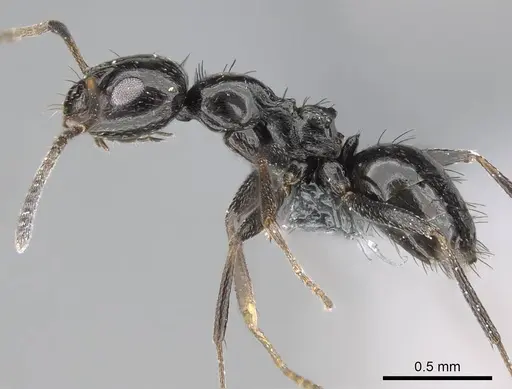
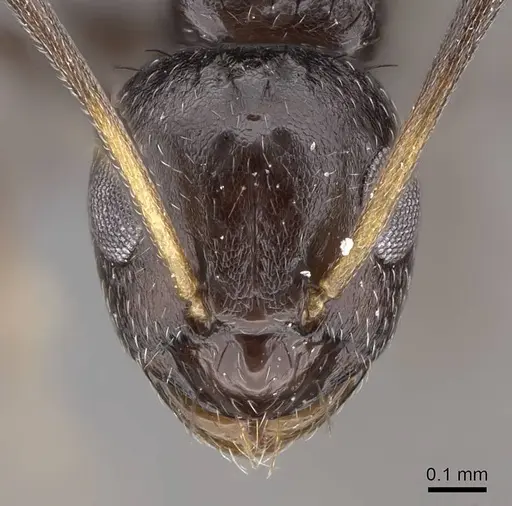
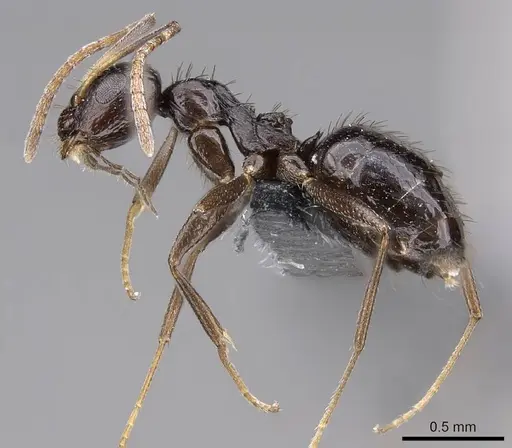
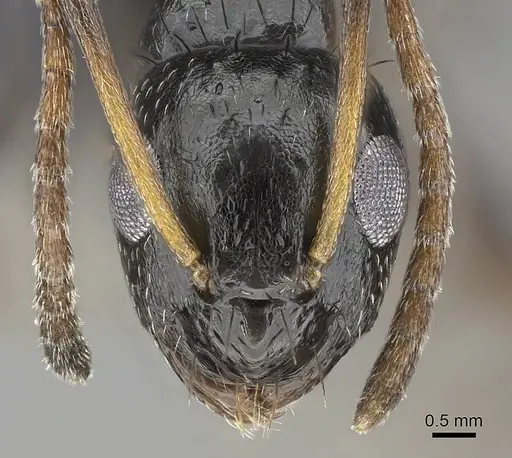
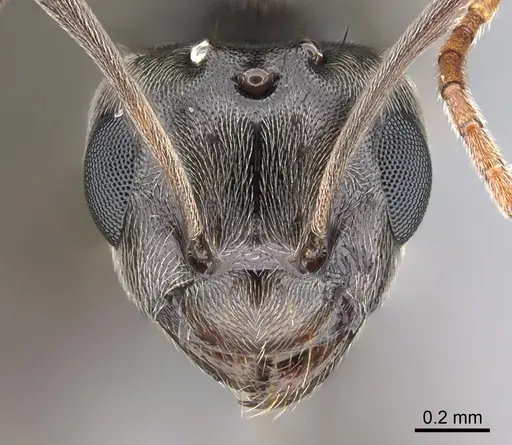
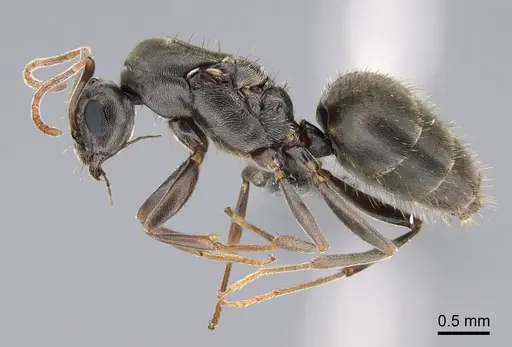
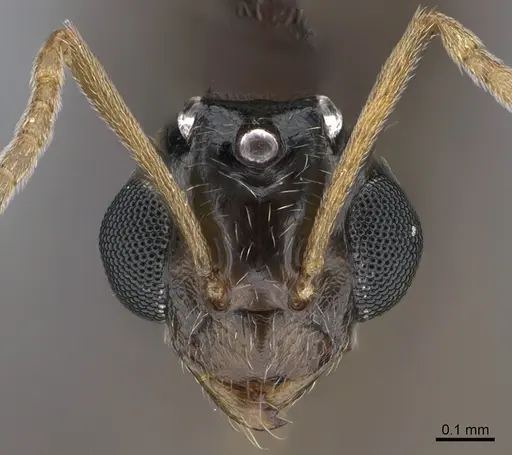
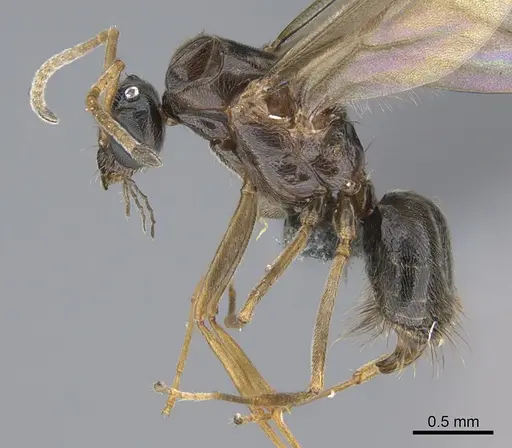
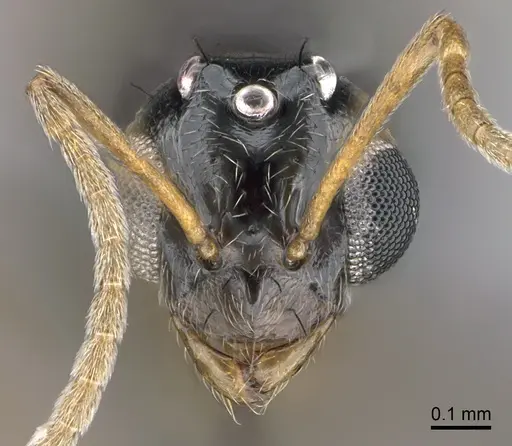
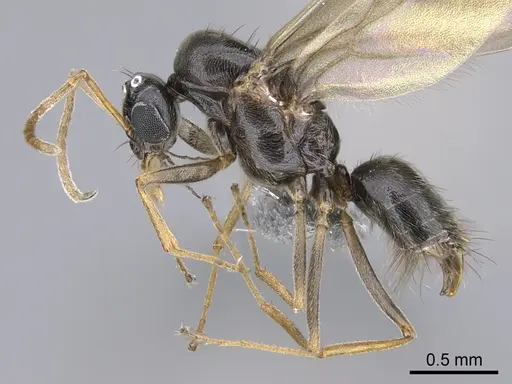
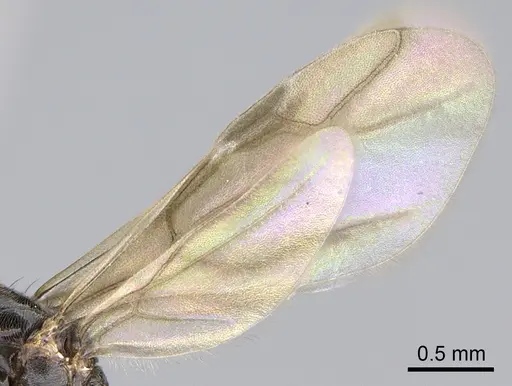
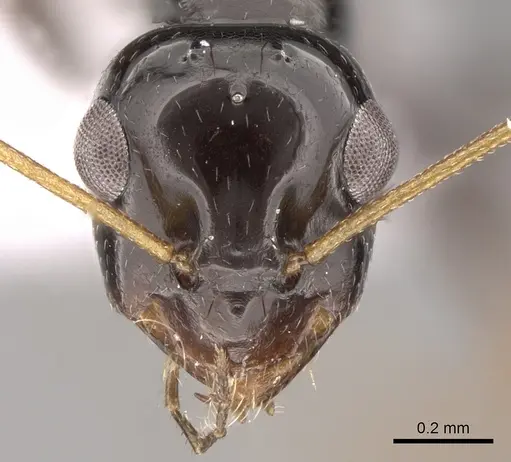
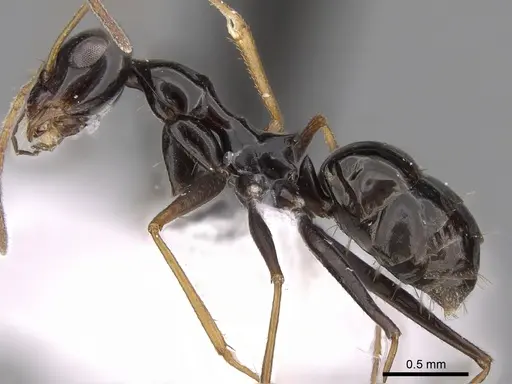
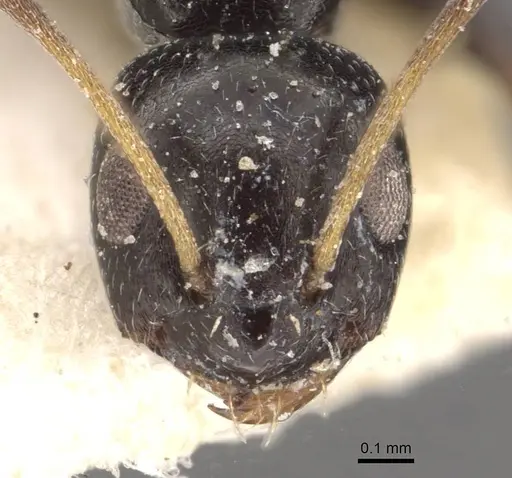
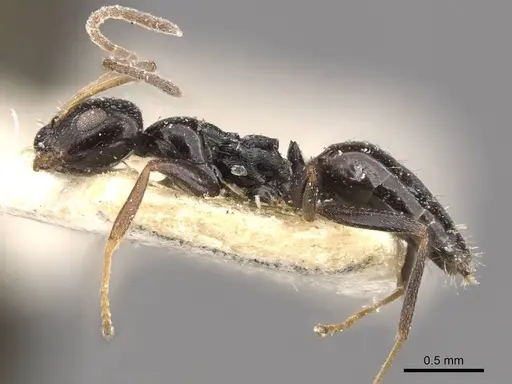
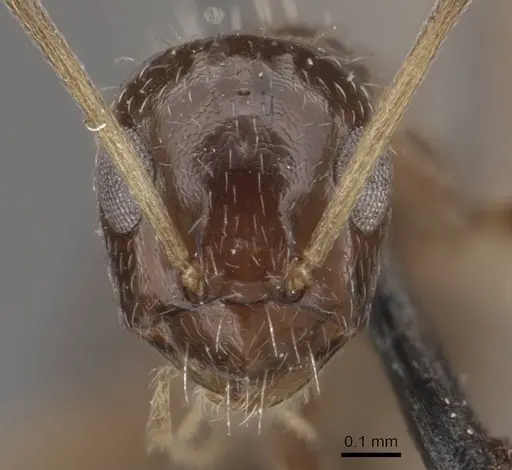
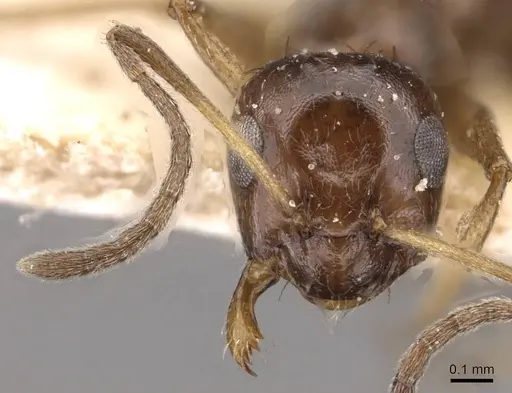
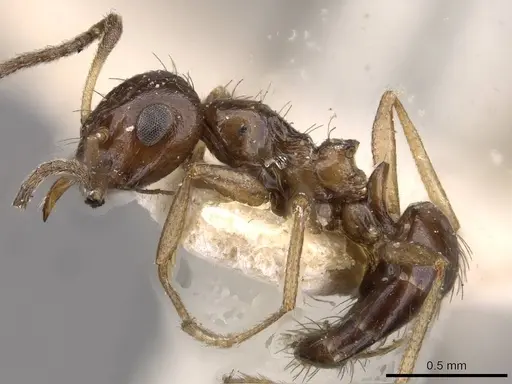
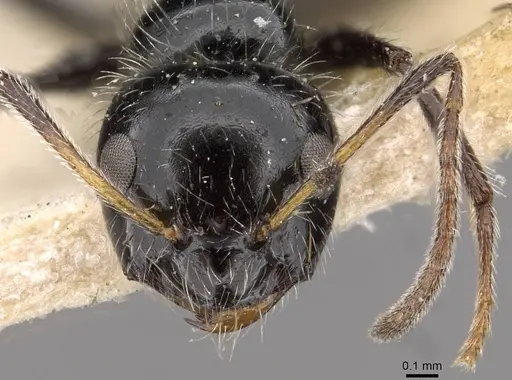
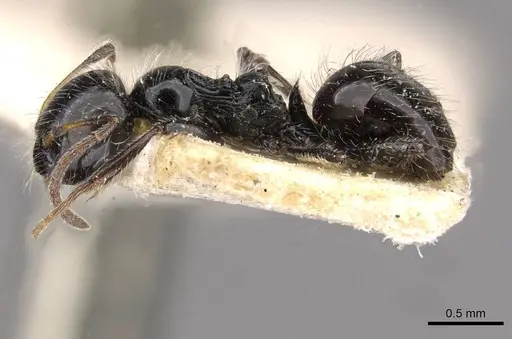
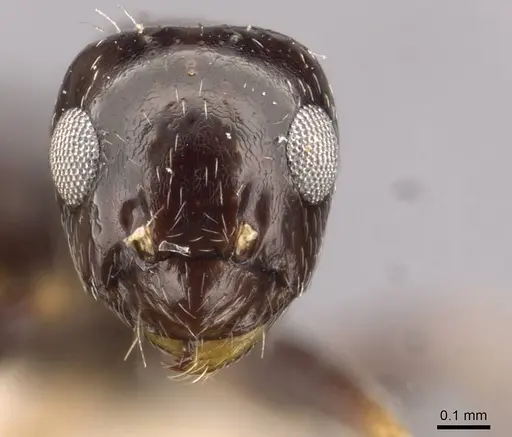
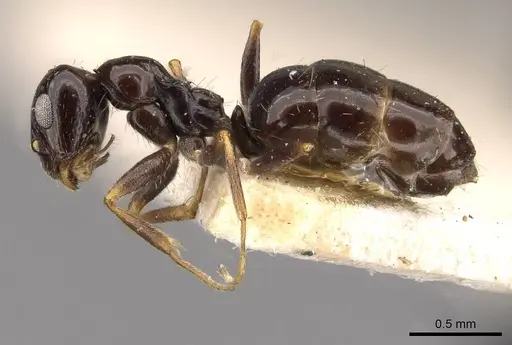
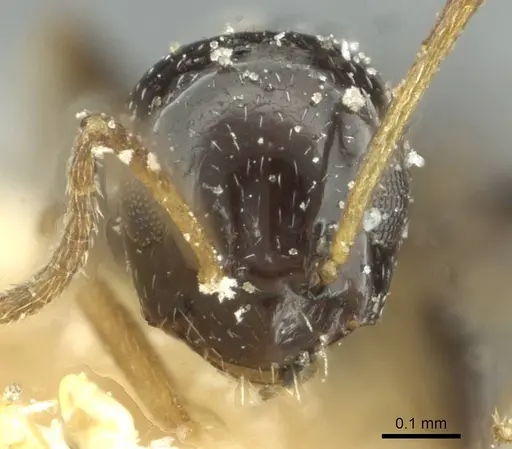
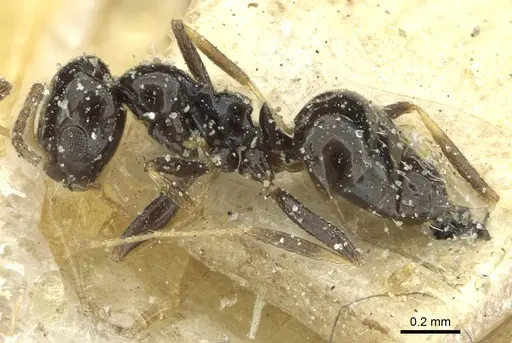
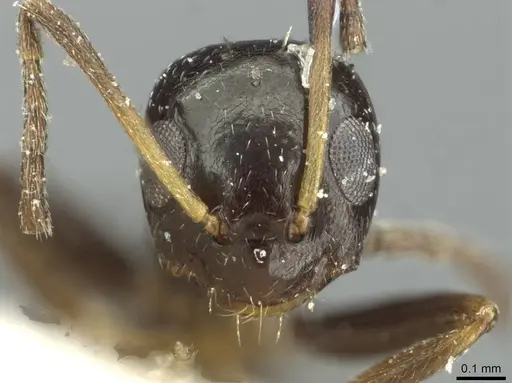
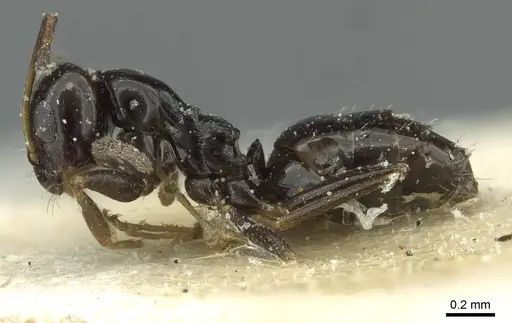
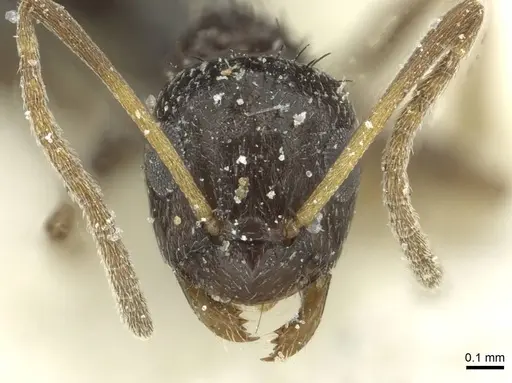
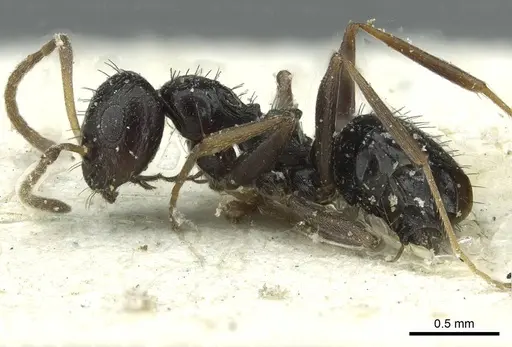
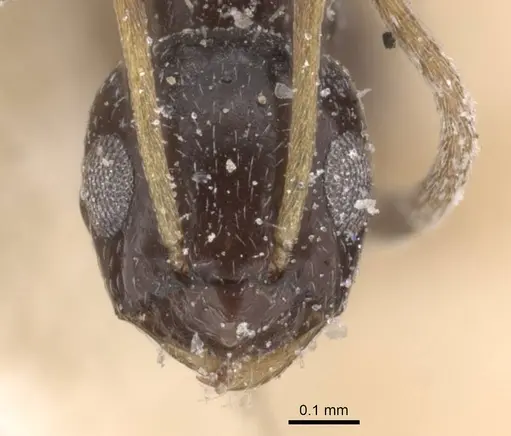
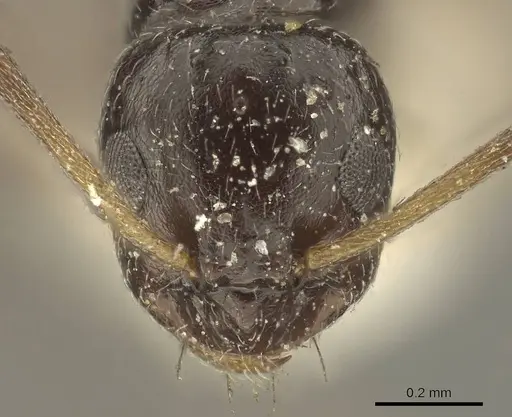
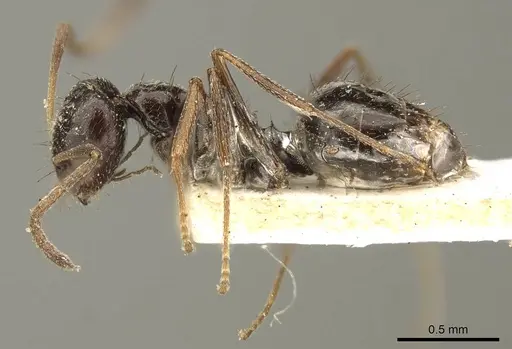
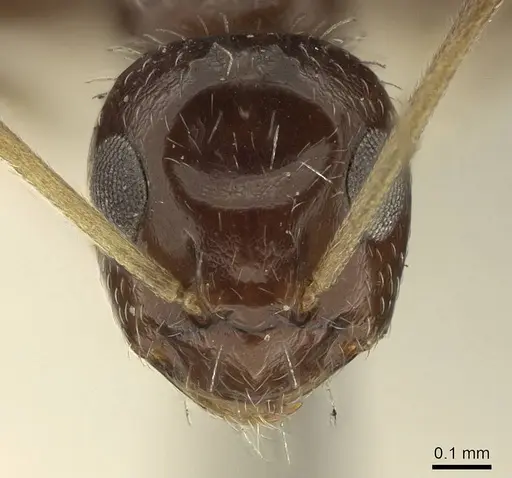
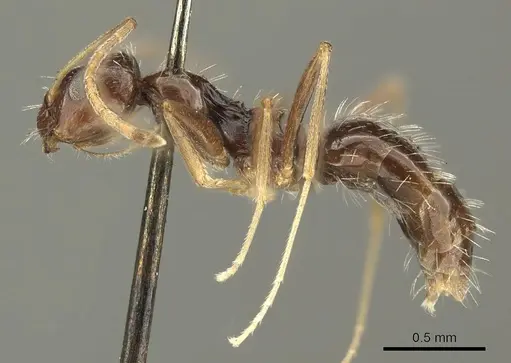
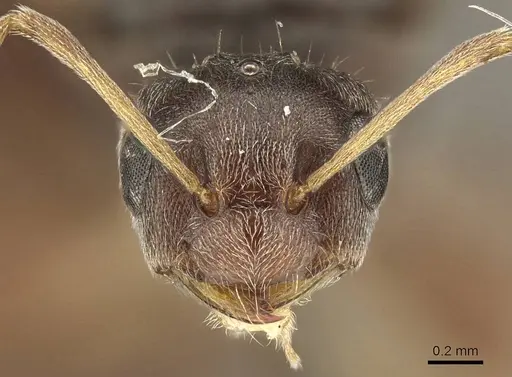
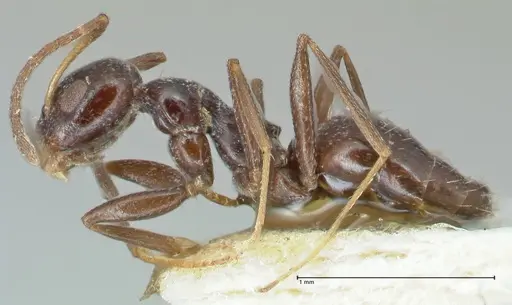
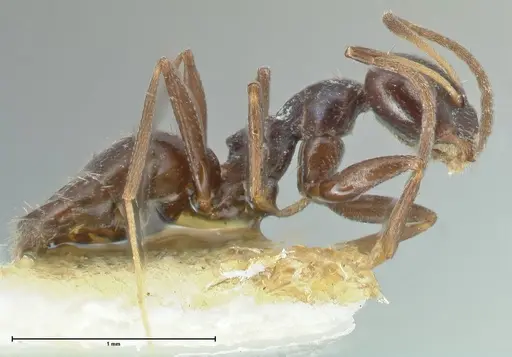
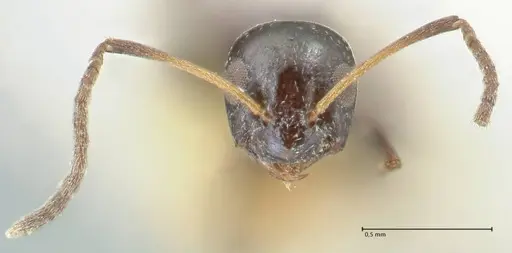
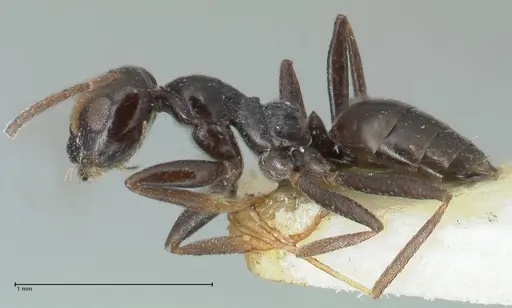
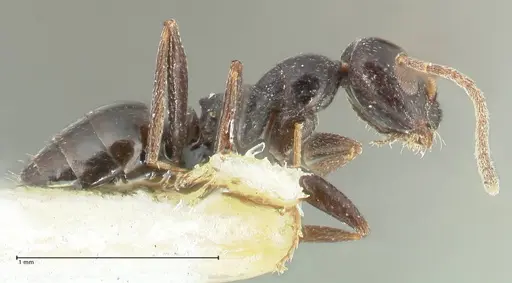
Lepisiota capensis is a small to medium-sized ant native to southern Africa, where it is found across countries including South Africa, Namibia, Botswana, Mozambique, and Kenya. Workers measure 2.3-3.3mm and are distinctive for their dark black coloration with sparse dark erect hairs and very shiny body surface [1]. The antennae, mandibles, and leg tarsi are yellowish-brown to reddish-brown. Queens are larger and were described by Emery in 1877. This species is known for its association with lycaenid butterflies, it serves as a host for multiple Aloeides species, where butterfly larvae shelter in ant nests and feed on ant eggs [2]. In its native range, L. capensis is common in various habitats from coastal areas to elevations over 2000m in South Africa [3]. It has also been introduced to the Canary Islands and Sri Lanka, where it is considered an exotic species [4][5].
Quick Summary
- Difficulty: Easy
- Origin & Habitat: Native to southern Africa (South Africa, Namibia, Botswana, Mozambique, Kenya, Eritrea, and other Afrotropical regions). Found in diverse habitats including fynbos, grasslands, and forest edges. Also recorded from Madagascar and introduced to the Canary Islands [6]. In South Africa, elevation range is 875-1625m [7].
- Colony Type: Likely monogyne (single queen colonies). Over 20 queens were observed in a part-nest collected for study of lycaenid butterfly associations, suggesting possible polygynous tendencies in some colonies [8]. Further research needed to confirm colony structure.
- Colony: Monogyne
- Founding: Claustral
- Size & Growth:
- Queen: Larger than workers, exact measurements not documented in available research
- Worker: 2.3-3.3mm [1]
- Colony: Colony size not specifically documented, likely moderate colonies based on related species patterns
- Growth: Moderate, based on typical Formicinae development patterns
- Development: 6-8 weeks estimated based on typical Formicinae development at warm temperatures (Development time inferred from genus patterns, direct measurements not available for this species)
- Antkeeping:
- Temperature: Keep at 22-26°C. Based on native range in southern Africa with warm temperatures. Provide a gentle temperature gradient allowing workers to self-regulate [6].
- Humidity: Moderate humidity. In native habitat they nest under stones and in soil in areas with variable moisture. Keep nest substrate lightly moist but not waterlogged. Provide some drier areas for ants to choose [6].
- Diapause: Not required. As a species from southern Africa (not Mediterranean climate), they likely do not require a true hibernation. However, cooler temperatures during winter months (15-18°C) may slow activity naturally [6].
- Nesting: In the wild, they nest under stones, in soil, and occasionally in rotting wood. They are often found in open habitats and are categorized as opportunists. In captivity, a Y-tong or plaster nest works well. Provide a test tube setup for founding colonies with access to an outworld [6].
- Behavior: Lepisiota capensis is an opportunist species that forages actively and tends to hemipterans (scale insects and aphids) for honeydew. They are nectarivores and scavengers, feeding on sweet liquids and protein sources [9]. Workers are moderately aggressive when defending the nest but not particularly large or dangerous. They are known to be displaced by invasive Argentine ants (Linepithema humile) in South Africa [10]. Escape prevention is important as workers are small and can squeeze through small gaps, use standard barrier methods. They are active foragers and will recruit nestmates to food sources.
- Common Issues: displacement by invasive ants, if kept near Argentine ant colonies, L. capensis may be outcompeted for food, small size means escape prevention must be adequate, they can slip through small gaps, confusion with similar species, the taxonomy of Lepisiota is chaotic and specimens may be misidentified, colonies may be stressed by excessive disturbance, they prefer stable nest conditions, introduced populations in Canary Islands and Sri Lanka are considered exotic, do not release in non-native areas
Housing and Nest Setup
Lepisiota capensis does well in standard ant keeping setups. For founding colonies, use a test tube setup with a water reservoir connected to a cotton plug. The queen will seal herself in a chamber and raise her first workers (nanitics) alone. Once the colony reaches 20-30 workers, you can connect to an outworld or move to a formicarium. Y-tong nests or plaster nests work well for established colonies. They prefer tight, snug chambers rather than large open spaces. Provide a shallow water dish in the outworld and ensure the nest area maintains light moisture. These ants are not particularly demanding about humidity but do best with some moisture available in the nest substrate. [7][6]
Feeding and Diet
In the wild, L. capensis is an opportunist feeder, they are nectarivores and scavengers [9]. They actively tend hemipterans (scale insects and aphids) on plants including Ficus trees in South Africa [11]. In captivity, offer sugar water or honey as a constant energy source. For protein, provide small insects like fruit flies, small crickets, or mealworms. They will also accept protein-based commercial ant foods. Feed small amounts initially and remove any uneaten food after 24-48 hours to prevent mold. Workers will recruit nestmates to good food sources through pheromone trails.
Temperature and Seasonal Care
As a species from southern Africa, Lepisiota capensis prefers warm conditions. Keep the nest area at 22-26°C for optimal brood development. A heating cable on one side of the nest can create a temperature gradient, but ensure there's a cooler area workers can retreat to if needed. They do not require a true hibernation diapause, but may show reduced activity in cooler temperatures. Room temperature (around 20-22°C) is generally acceptable. Avoid temperatures below 15°C for extended periods. These ants are native to regions with warm summers and mild winters, so they adapt well to typical room conditions in most homes. [7][6]
Behavior and Colony Dynamics
Lepisiota capensis colonies establish quickly once the first workers emerge. Workers are active foragers and will explore the outworld systematically. They are not overly aggressive but will defend the nest if threatened. The species is known for its associations with lycaenid butterflies in the wild, butterfly larvae sometimes live in their nests and feed on ant brood [2]. This relationship is mutualistic from the butterfly perspective but can stress the ant colony if butterfly numbers are high. In captivity, you may observe workers tending to any small insects or sweet substances you provide. They communicate through pheromones and use tandem-running to recruit nestmates to food sources.
Legal and Ethical Considerations
This species has been introduced to the Canary Islands and Sri Lanka, where it is considered an exotic or potentially invasive species [4][5]. If you keep this species in these regions or other non-native areas, do not release colonies into the wild. They can compete with native ant species and may disrupt local ecosystems. Always check your local regulations regarding ant keeping. In their native African range, they are common and not protected. The taxonomy of this species is complex, there are 14 subspecies and possibly cryptic species within what is currently called L. capensis [12], so exact identification can be challenging.
Frequently Asked Questions
Is Lepisiota capensis a good beginner ant?
Yes, Lepisiota capensis is considered a good species for beginners. They are relatively hardy, adapt well to captivity, and have straightforward care requirements. They are not aggressive and don't require special equipment beyond standard ant keeping supplies.
How long does it take for Lepisiota capensis to produce first workers?
Based on typical Formicinae development patterns, expect 6-8 weeks from egg to first worker at optimal temperatures (around 24-26°C). The exact timeline hasn't been specifically documented for this species, but related Formicinae ants typically develop within this timeframe.
Can I keep multiple Lepisiota capensis queens together?
The colony structure is not fully documented. While over 20 queens were observed in one wild colony fragment, it's unclear if this represents functional polygyny or just multiple foundresses. For antkeeping, it is safest to start with a single queen claustrally founding to avoid aggression between unrelated queens.
What do Lepisiota capensis eat?
They are opportunist feeders, nectarivores and scavengers. Offer sugar water or honey constantly for energy, and provide small insects (fruit flies, small crickets, mealworms) for protein 2-3 times per week. They will also accept commercial ant foods.
Do Lepisiota capensis need hibernation?
No, they do not require a true hibernation. As a species from southern Africa, they experience mild winters rather than cold winters that would trigger diapause. However, they may show reduced activity in cooler temperatures (15-18°C) during winter months.
Why are my Lepisiota capensis dying?
Common causes include: stress from excessive disturbance (they prefer stable conditions), too low temperature (keep above 20°C), mold from overfeeding or poor ventilation, or competition with other ant species if housed near aggressive ants like Argentine ants. Ensure proper escape prevention as their small size allows them to slip through small gaps.
How big do Lepisiota capensis colonies get?
Colony size is not specifically documented, but based on related species patterns, colonies likely reach several hundred to low thousands of workers. They are not considered supercolonial.
What makes Lepisiota capensis special?
This species is notable for its extensive associations with lycaenid butterflies, it serves as a host for multiple Aloeides species in South Africa. Butterfly larvae can live in their nests for months, feeding on ant eggs. This makes them a fascinating species for observing ant-butterfly mutualisms.
References

This caresheet is licensed under CC BY-SA 4.0 .
CASENT0100958
View on AntWeb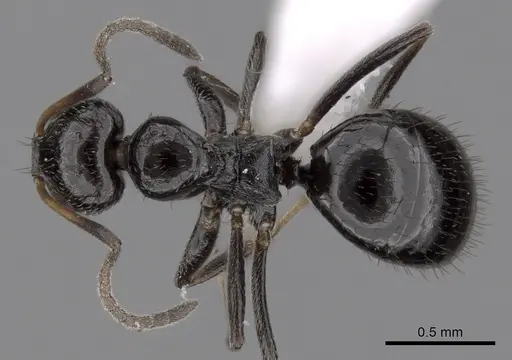
CASENT0178255
View on AntWeb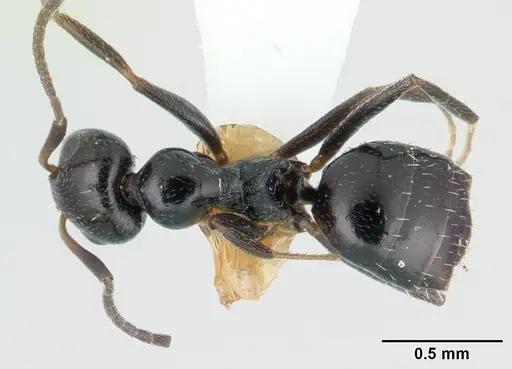
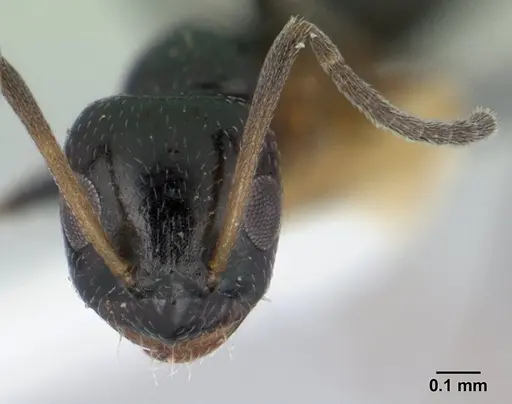
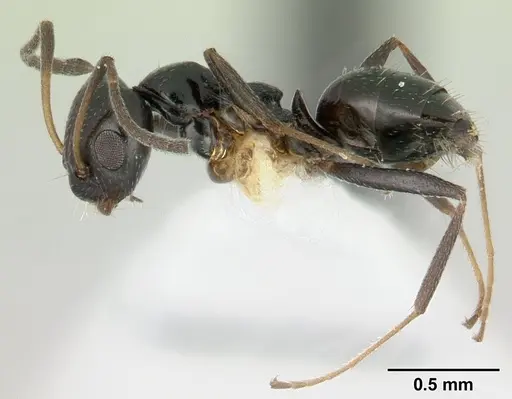
CASENT0178257
View on AntWeb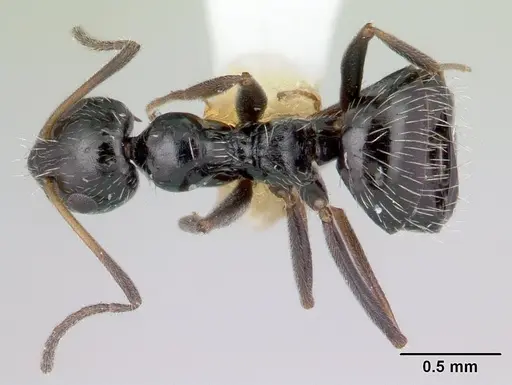
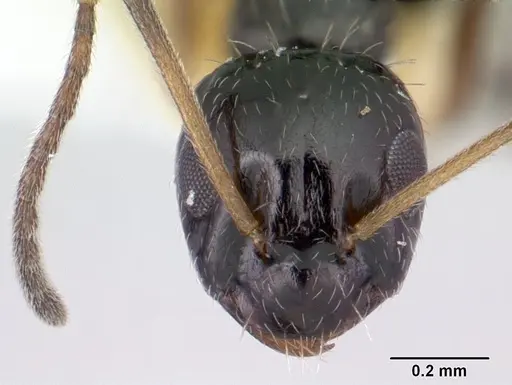
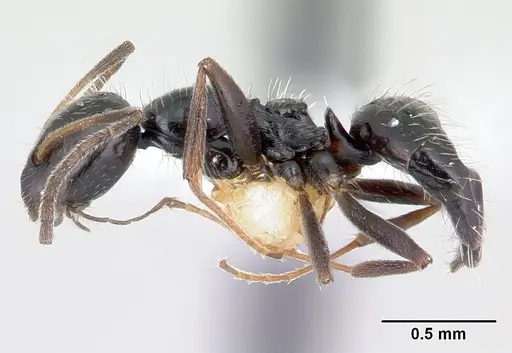
CASENT0235893
View on AntWeb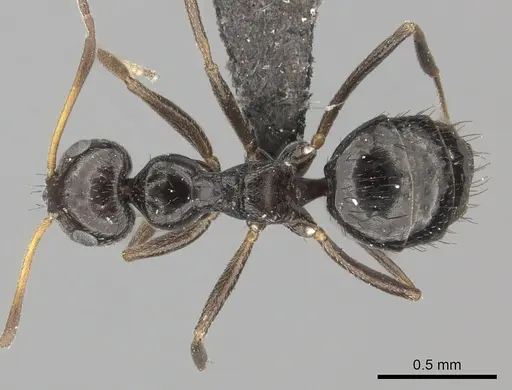
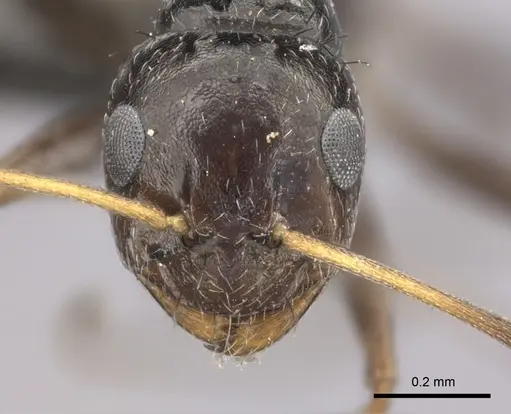
CASENT0249819
View on AntWeb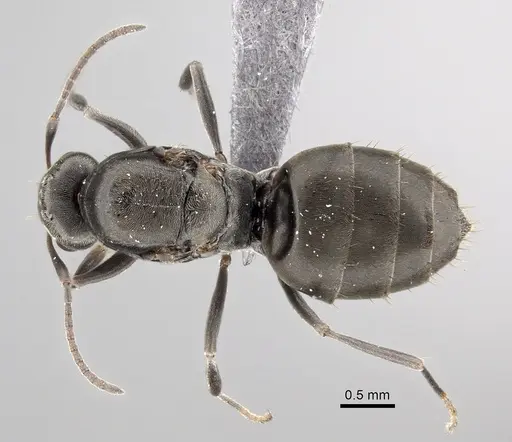
CASENT0264032
View on AntWeb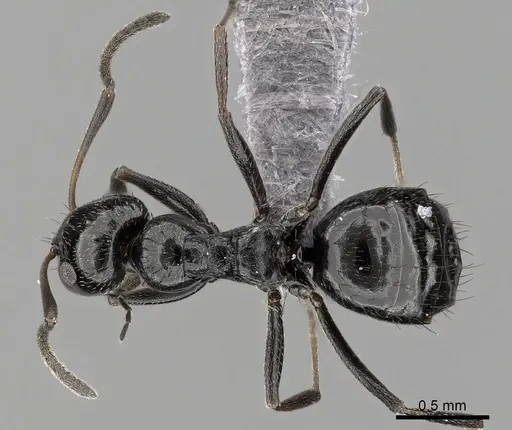
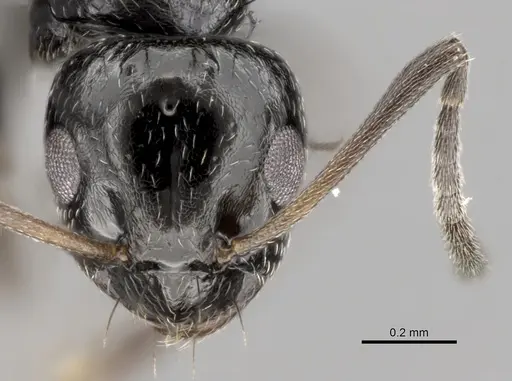
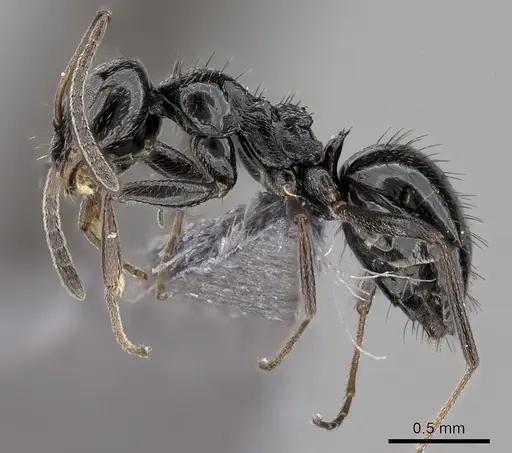
CASENT0264034
View on AntWeb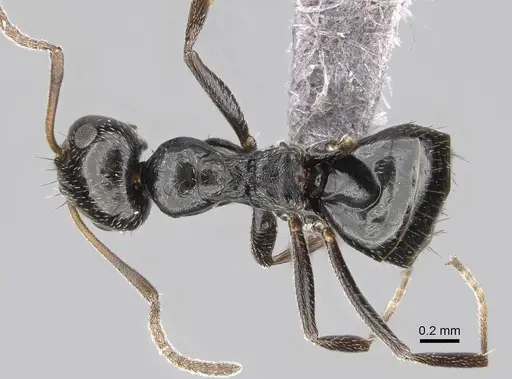
CASENT0280474
View on AntWeb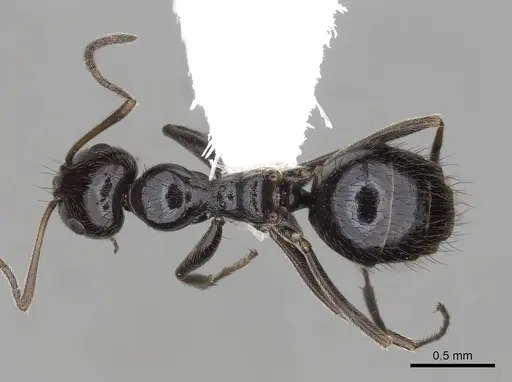
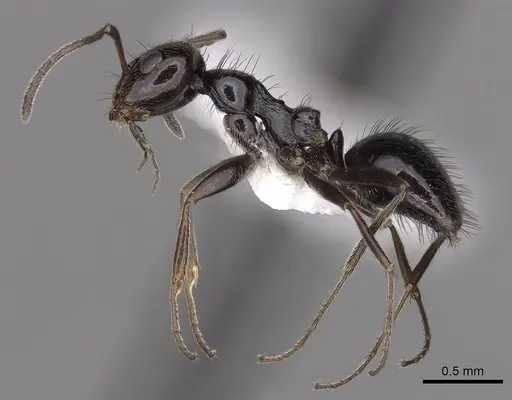
CASENT0785815
View on AntWeb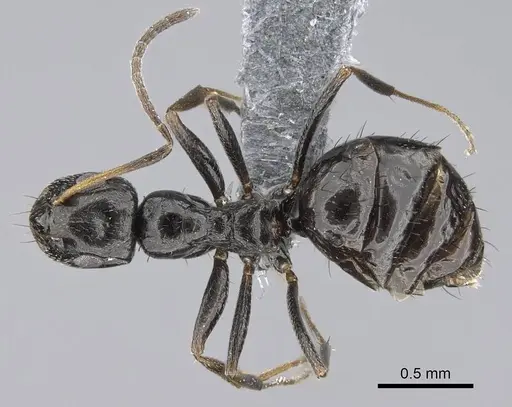
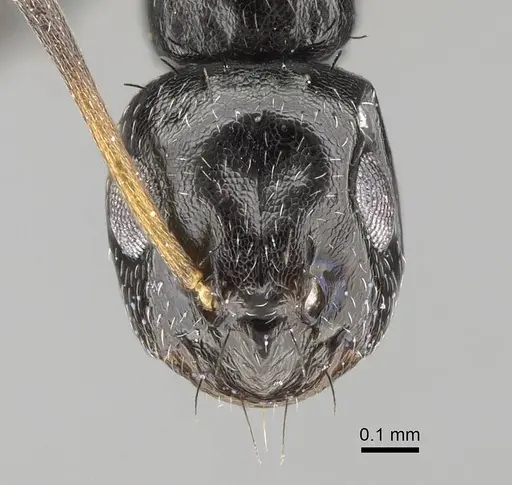
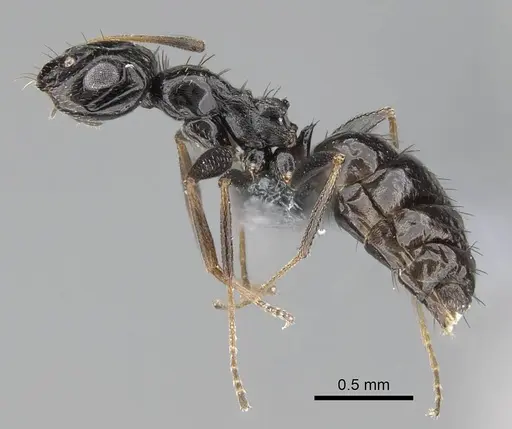
CASENT0785816
View on AntWeb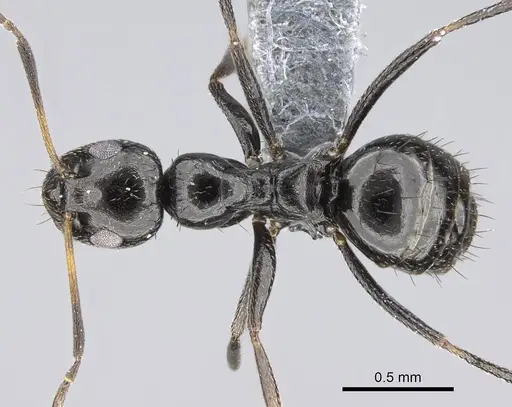
CASENT0785969
View on AntWeb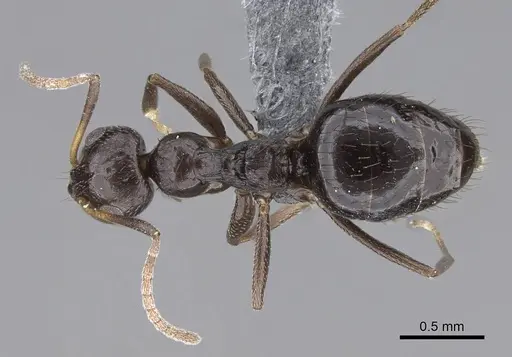
CASENT0822220
View on AntWeb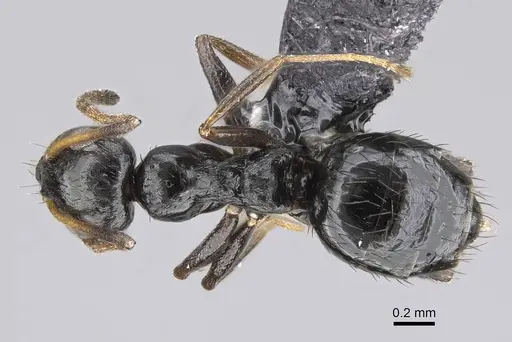
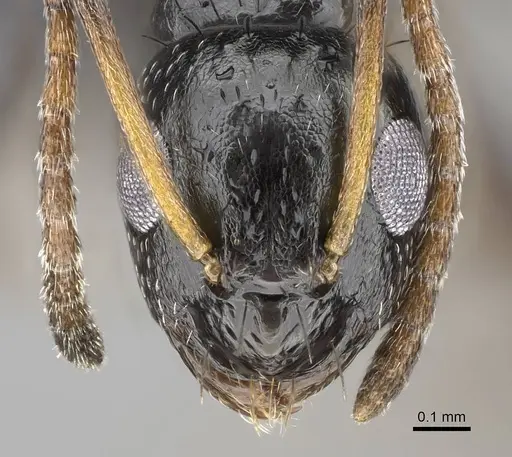
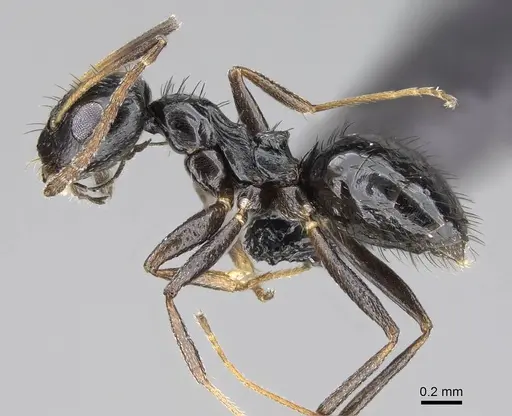
CASENT0822225
View on AntWeb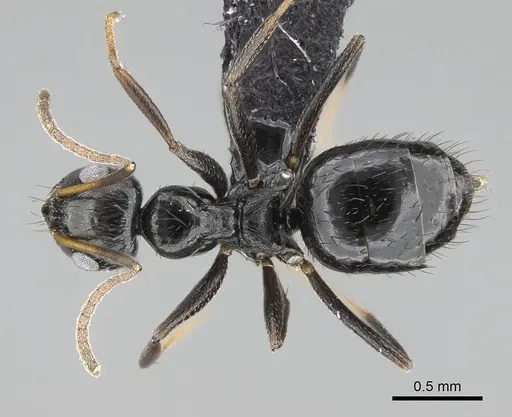
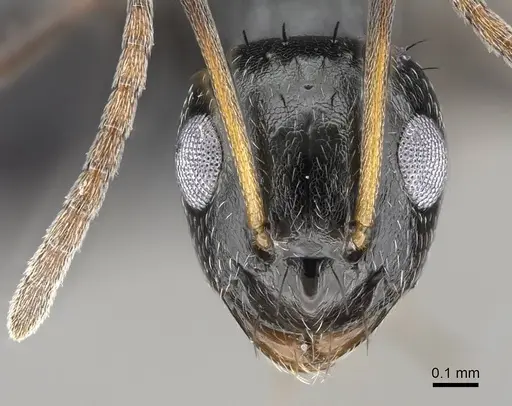
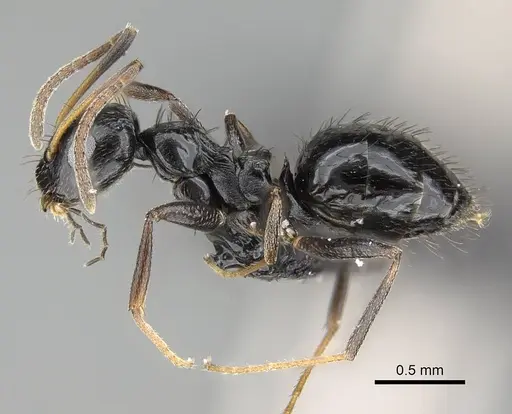
CASENT0861511
View on AntWeb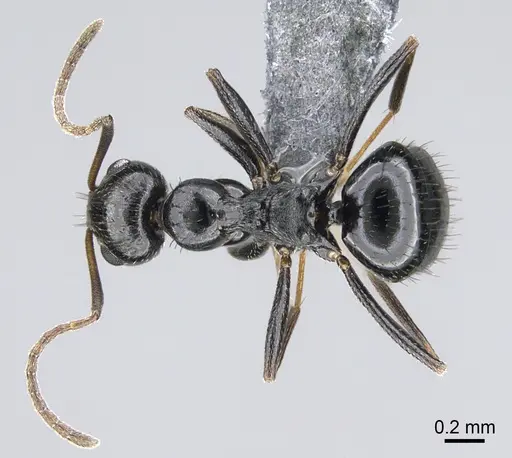
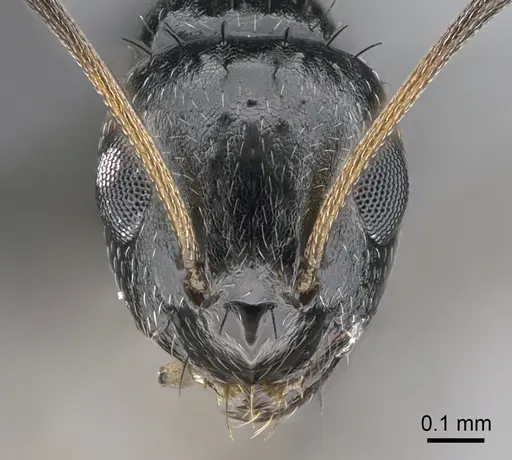
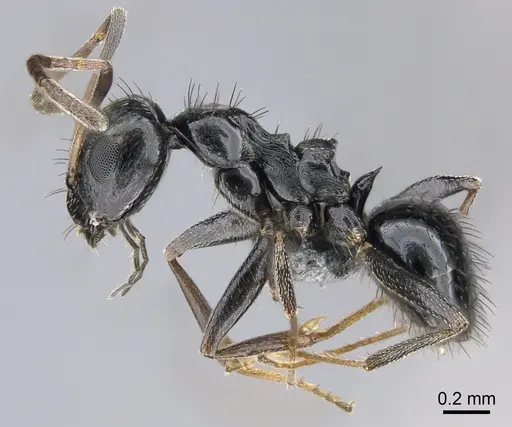
CASENT0861515
View on AntWeb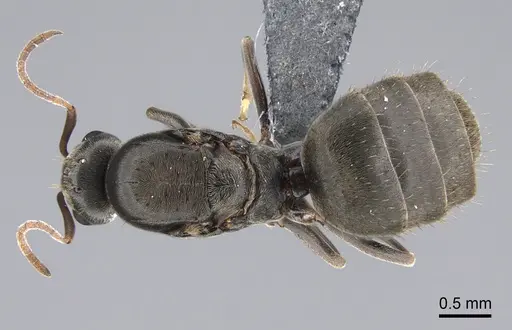
CASENT0861516
View on AntWeb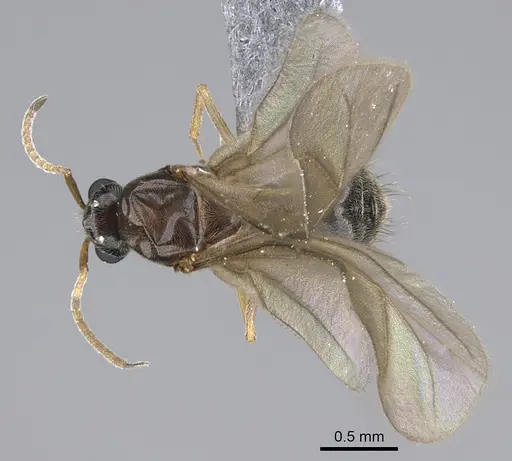
CASENT0861517
View on AntWeb
CASENT0903161
View on AntWeb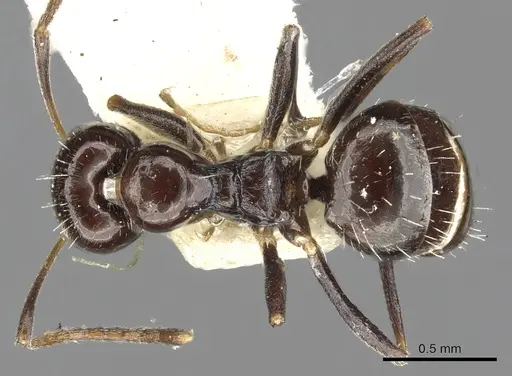
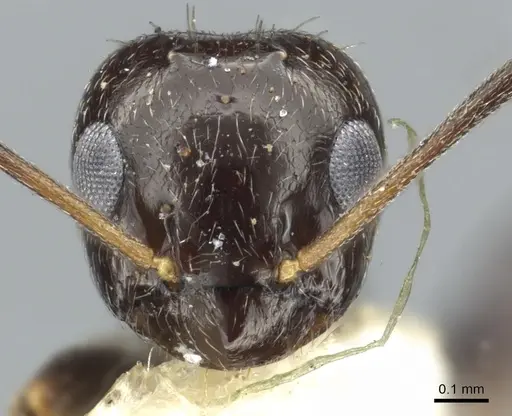
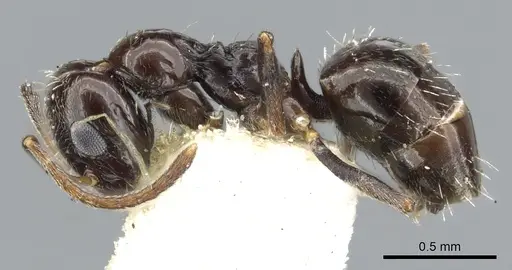
CASENT0903162
View on AntWeb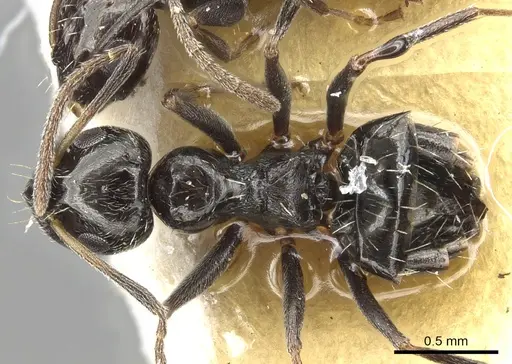
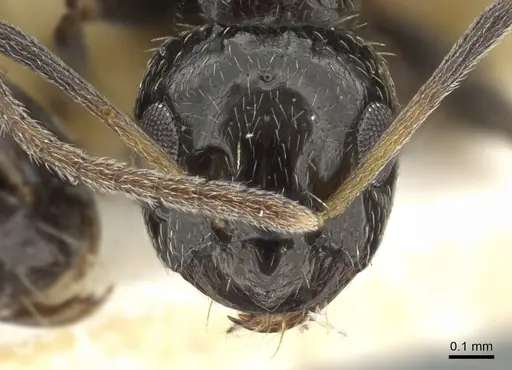
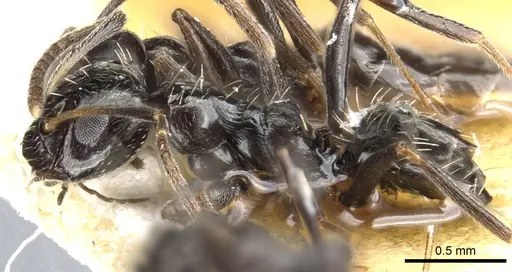
CASENT0905156
View on AntWeb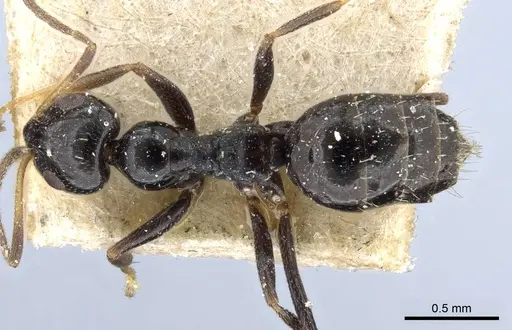
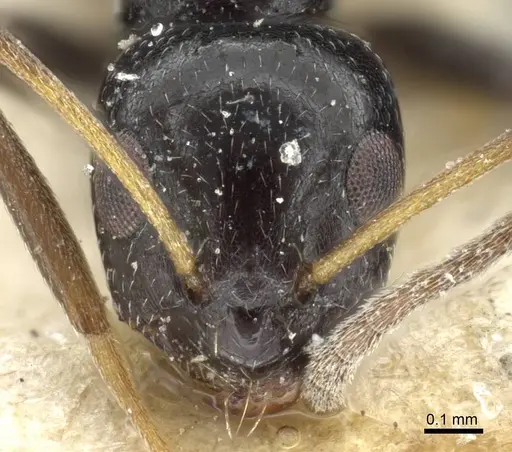
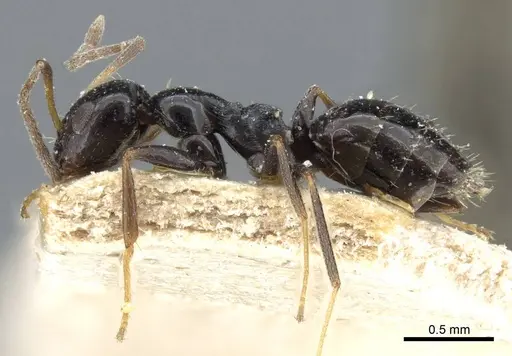
CASENT0906465
View on AntWeb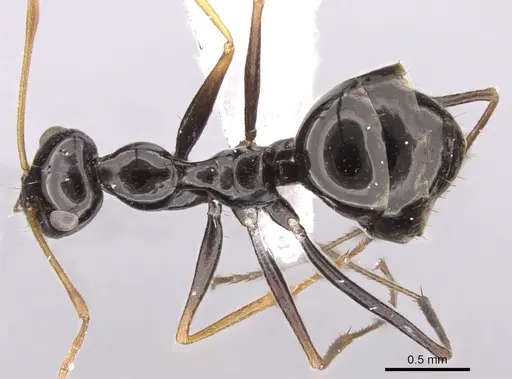
CASENT0909871
View on AntWeb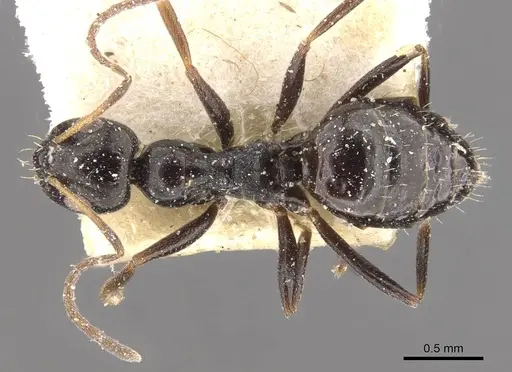
CASENT0909872
View on AntWeb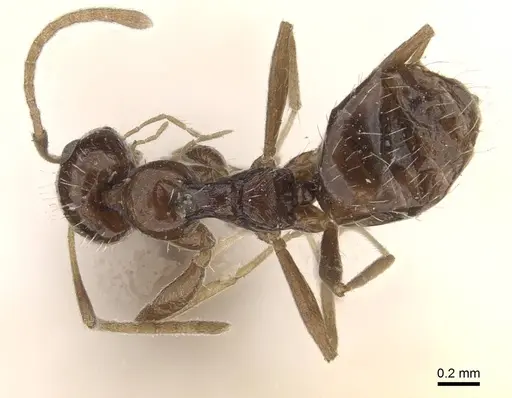
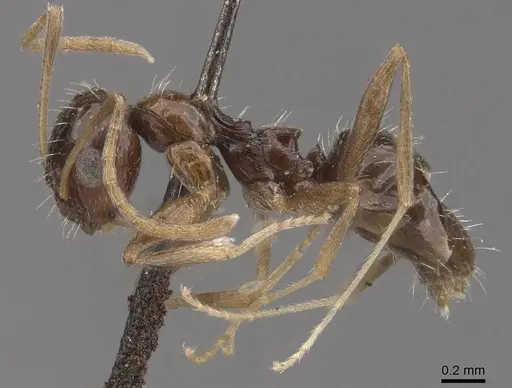
CASENT0909873
View on AntWeb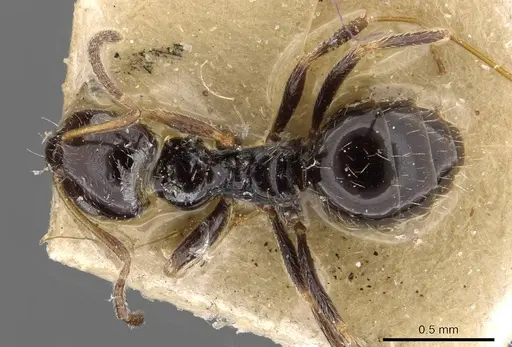
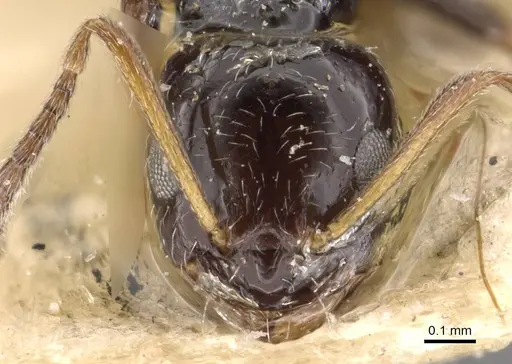
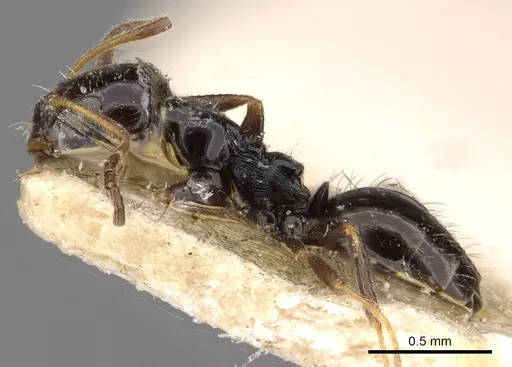
CASENT0909874
View on AntWeb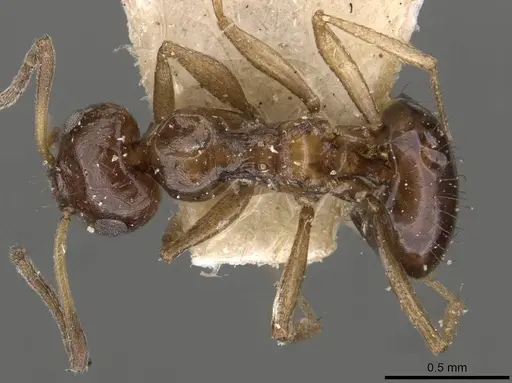
CASENT0909877
View on AntWeb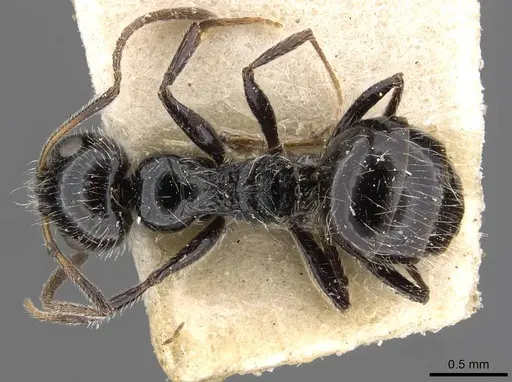
CASENT0909878
View on AntWeb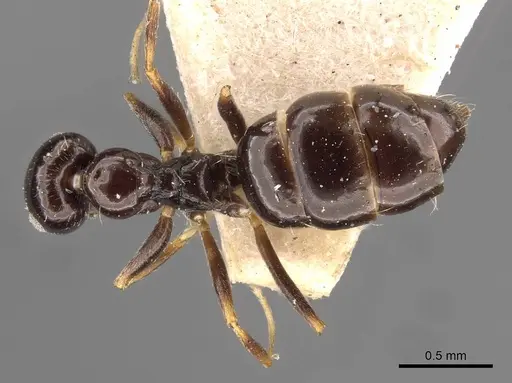
CASENT0912373
View on AntWeb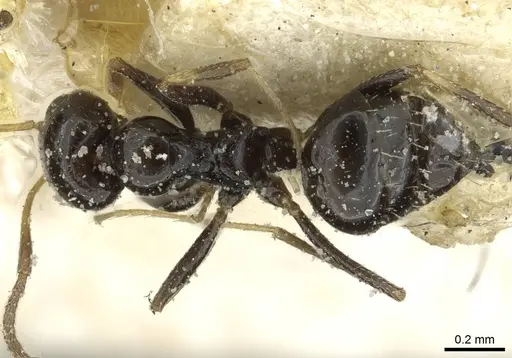
CASENT0912374
View on AntWeb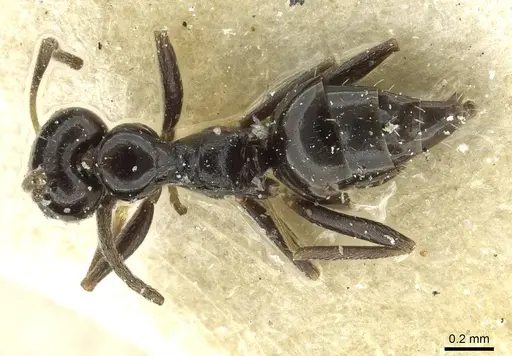
CASENT0912375
View on AntWeb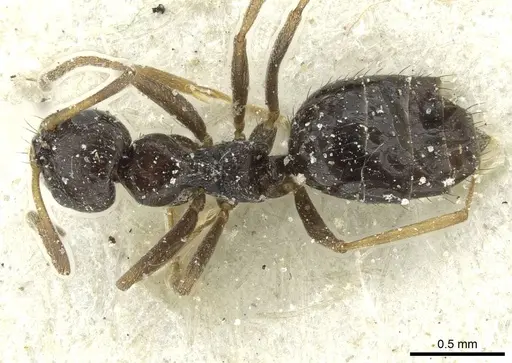
CASENT0912392
View on AntWeb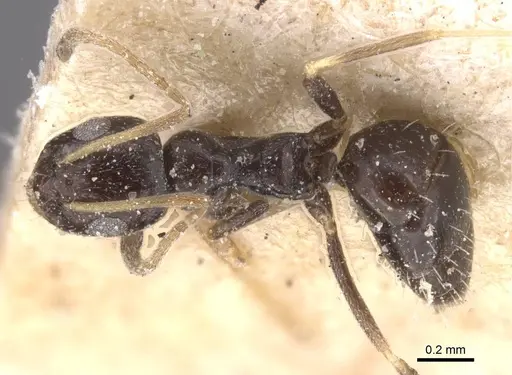
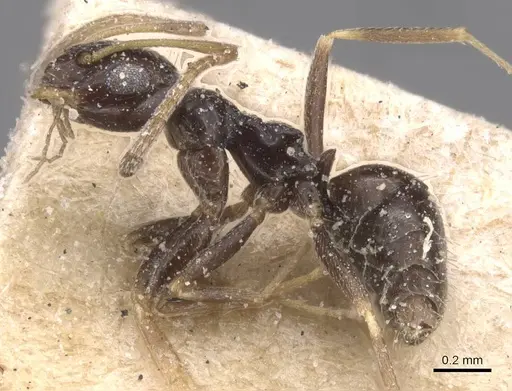
CASENT0915714
View on AntWeb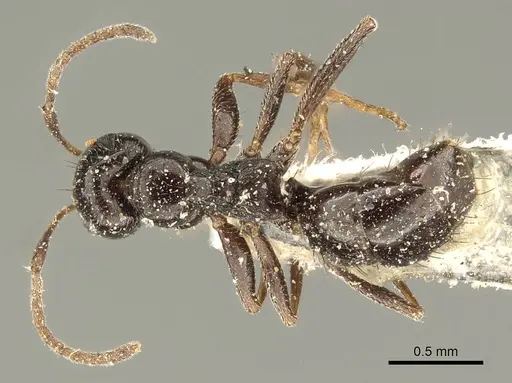
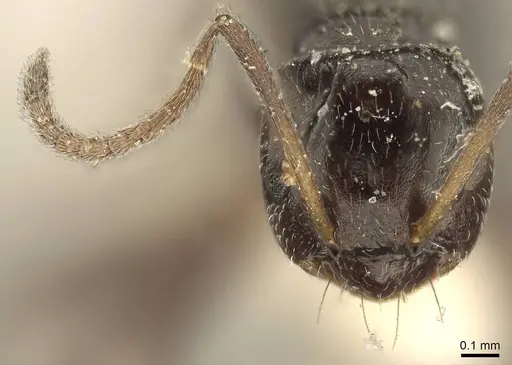
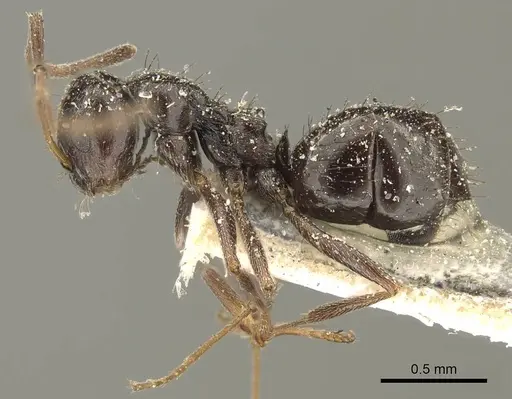
CASENT0915715
View on AntWeb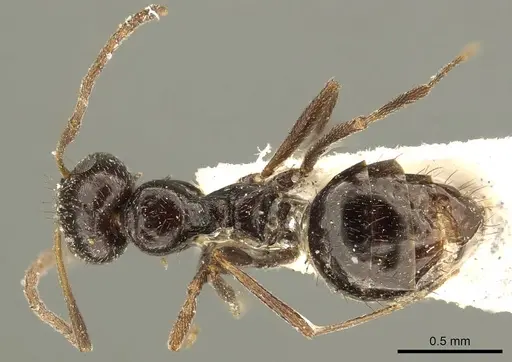
CASENT0915716
View on AntWeb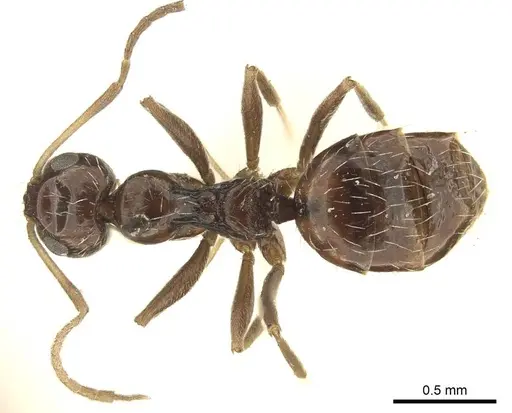
CASENT0915717
View on AntWeb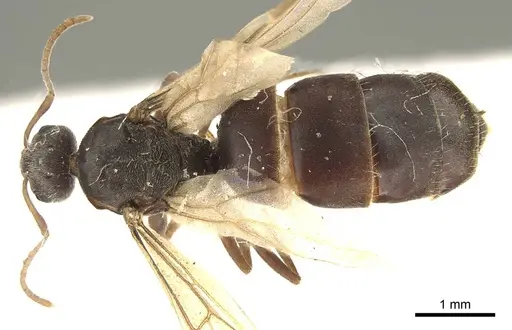
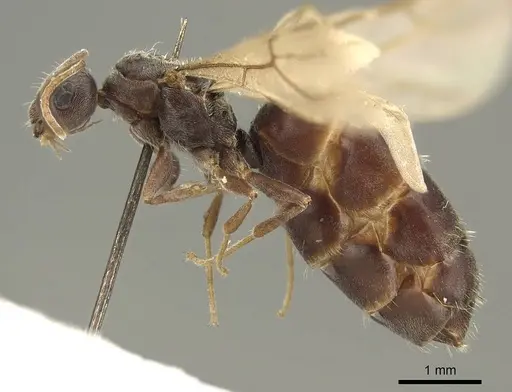
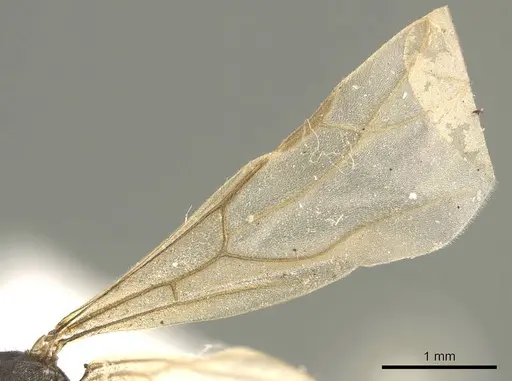
FOCOL1785
View on AntWeb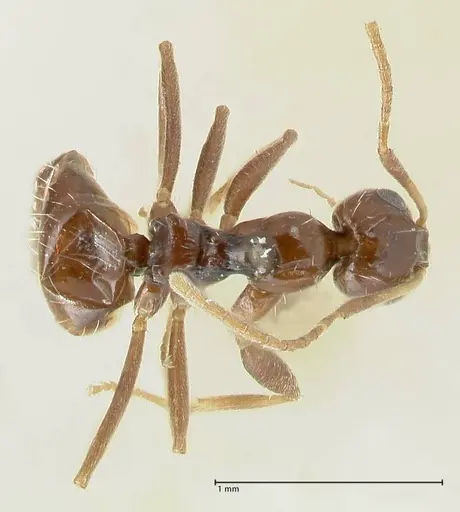
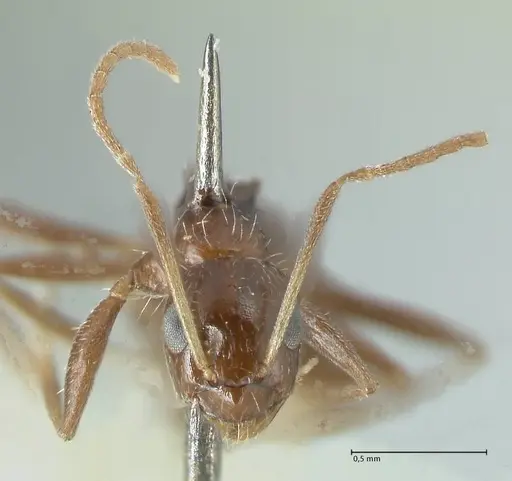
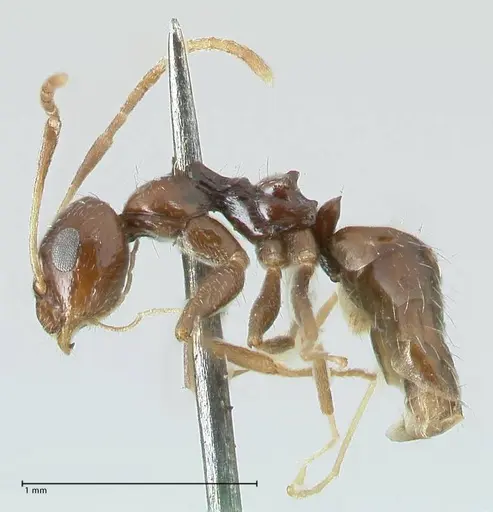
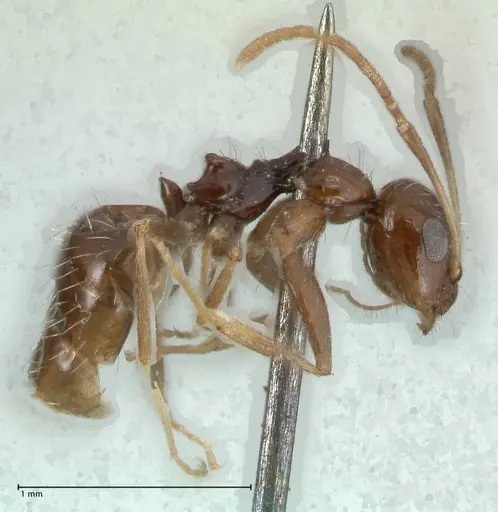
FOCOL2208
View on AntWeb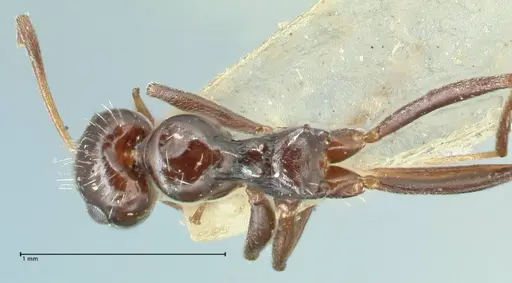
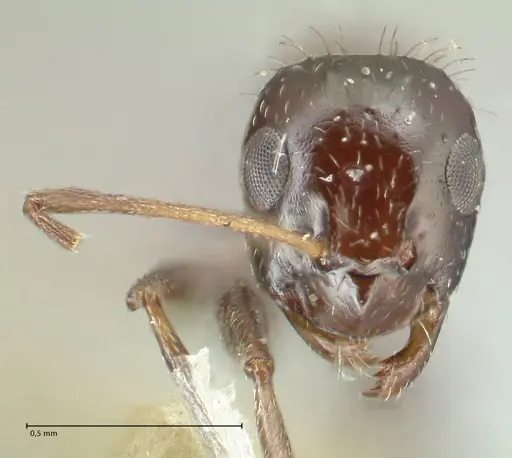
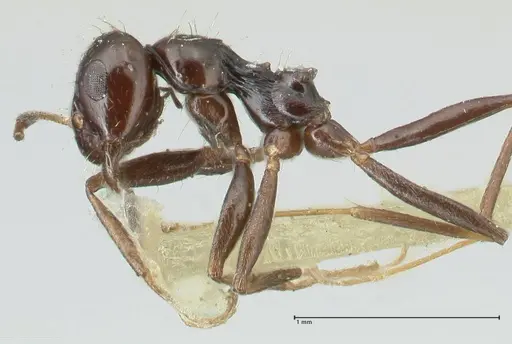
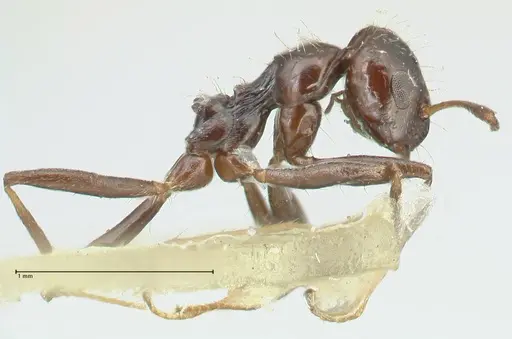
FOCOL2209
View on AntWeb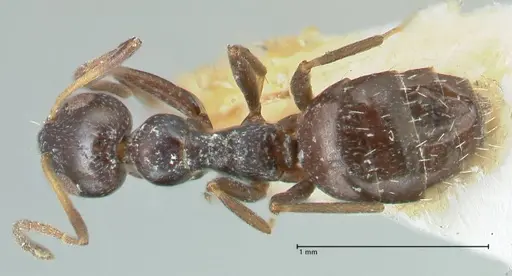
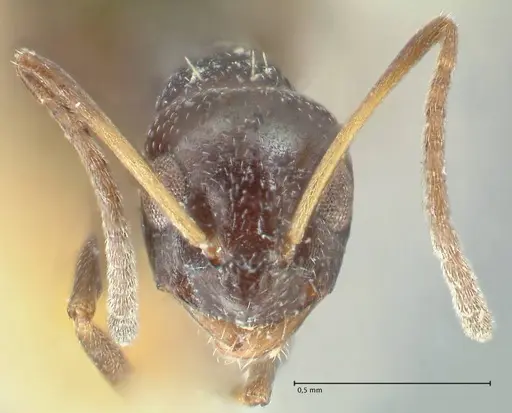
FOCOL2210
View on AntWeb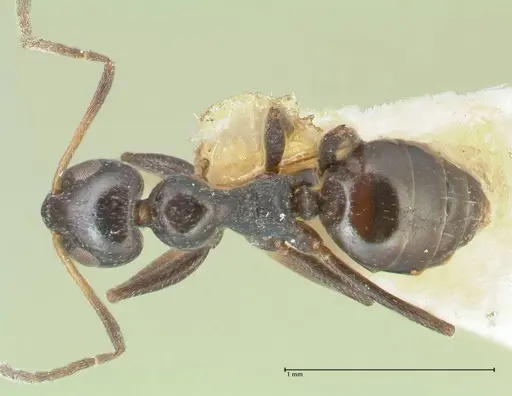
Literature
Loading...Loading products...