

Lasius xerophilus
- Scientific Name
- Lasius xerophilus
- Tribe
- Lasiini
- Subfamily
- Formicinae
- Author
- MacKay & MacKay, 1994
- Common Name
- White Sands Fuzzy Ant
- Distribution
- Found in 1 countries
Lasius xerophilus Overview
Lasius xerophilus (commonly known as the White Sands Fuzzy Ant) is an ant species of the genus Lasius. It is primarily documented in 1 countries , including United States of America. Detailed taxonomic data and occurrence records can be further explored via authoritative databases such as AntWeb or the Global Biodiversity Information Facility (GBIF).
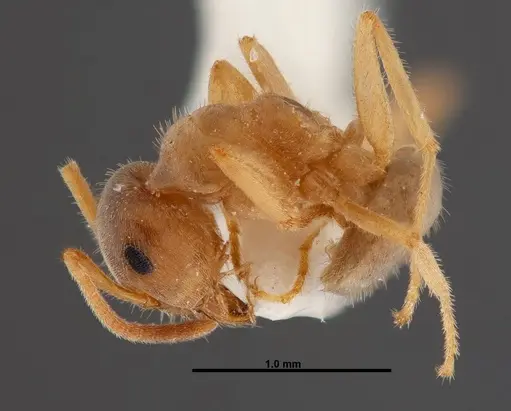
Lasius xerophilus - "White Sands Fuzzy Ant"
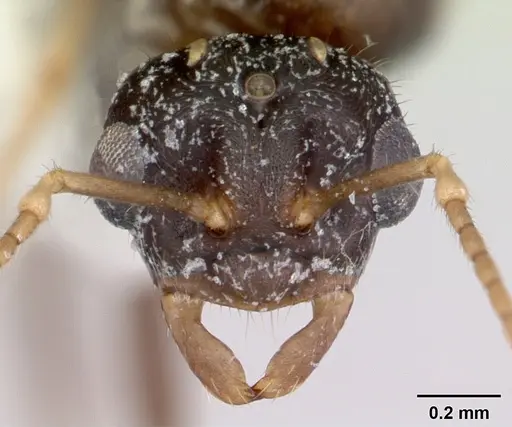
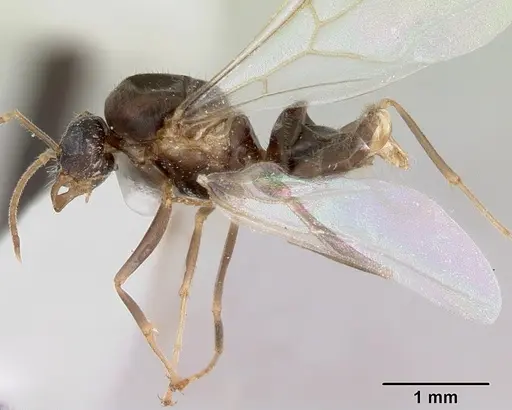
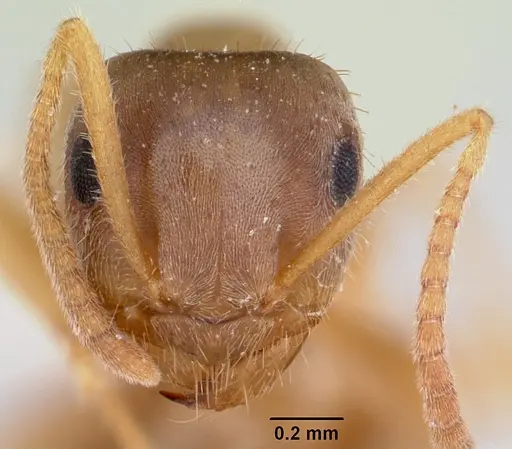
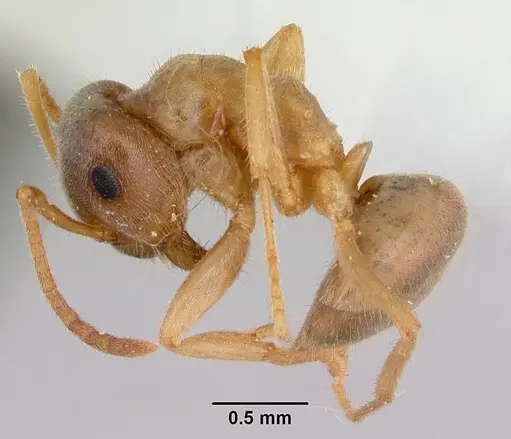
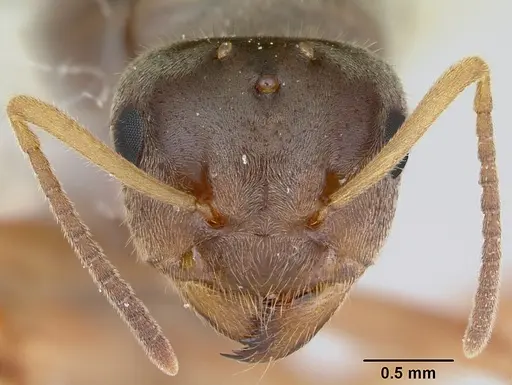
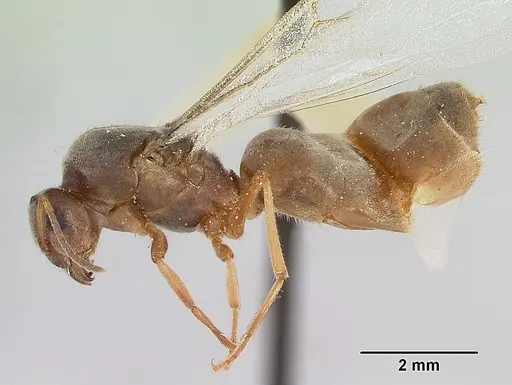
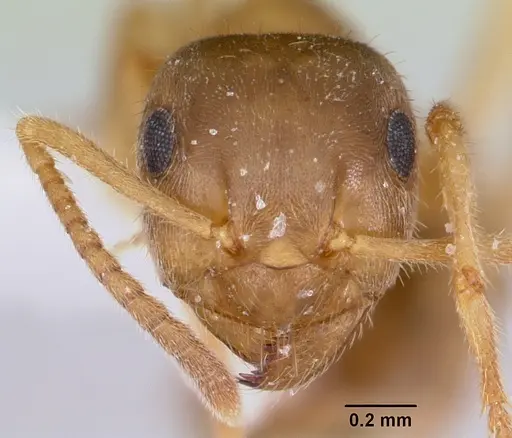
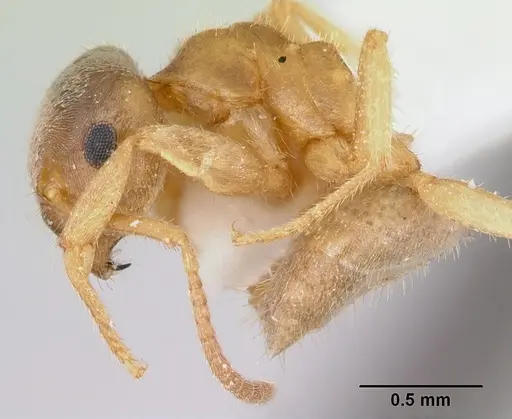
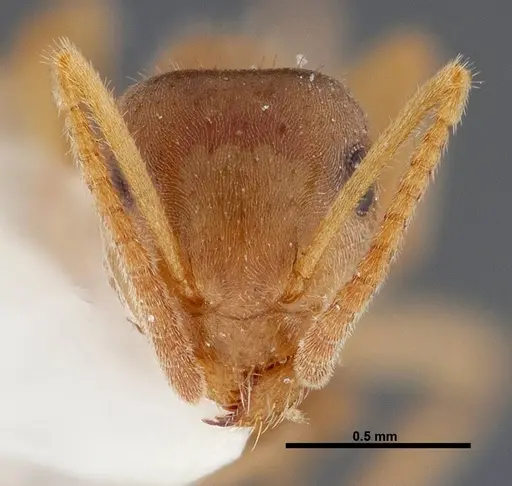
Lasius xerophilus is a small, light brown ant belonging to the neoniger species complex. Workers measure 0.84-0.86mm with a distinctive feature of being covered in short, bristly golden hairs that distinguish them from related species like Lasius neoniger. Queens are larger at 1.46-1.48mm and equally hairy. This species is native to the arid and semi-arid regions of the Chihuahuan Desert, ranging from New Mexico northwards into Utah [1].
What makes this species interesting is its adaptation to extreme desert environments. Found primarily in sandy sites like the gypsum sand dunes at White Sands National Monument, these ants build small, inconspicuous nests with tiny entrances surrounded by modest soil mounds. Workers are timid and secretive, when their nests are excavated, they attempt to hide rather than defend aggressively. They forage mainly at night or during twilight, becoming more active during daylight only on cool, cloudy days [1].
Quick Summary
- Difficulty: Easy
- Origin & Habitat: Native to the arid and semi-arid Chihuahuan Desert region of the United States, ranging from New Mexico northwards into Utah. Nests are found in sandy soil, particularly in dune areas. [1]
- Colony Type: Small colonies with approximately 100 workers. Single-queen (monogyne) colonies based on typical Lasius niger-group behavior. [1]
- Colony: Monogyne
- Founding: Claustral
- Size & Growth:
- Queen: 1.46-1.48mm [1]
- Worker: 0.84-0.86mm [1]
- Colony: About 100 workers [1]
- Growth: Moderate
- Development: 6-10 weeks (estimated based on typical Lasius niger-group development) (Development times follow typical Lasius patterns, exact timing for this species has not been directly studied)
- Antkeeping:
- Temperature: Keep at room temperature, roughly 20-24°C. This species naturally occurs in desert environments, so they can tolerate warmer conditions. A gentle gradient with a warm side around 24-26°C is suitable. [1]
- Humidity: Low to moderate. As a desert species, they prefer drier conditions than many other Lasius. Keep the nest substrate moderately dry, allowing it to partially dry between waterings. Avoid excessive moisture. [1]
- Diapause: Yes. As a temperate species from northern latitudes, they require a winter rest period. Provide 2-3 months of hibernation at 5-10°C during winter months. [1]
- Nesting: Test tube setups work well for founding colonies. For established colonies, a Y-tong or plaster nest with dry to moderately humid chambers suits their desert preferences. Provide sand or sandy soil as substrate if using a naturalistic setup. [1]
- Behavior: Workers are timid and non-aggressive. They are nocturnal or crepuscular foragers, meaning they search for food primarily at night or during twilight. During cool or cloudy days, they may forage throughout the day. They are not defensive and will retreat when disturbed rather than attack. Escape risk is low, their small size is manageable with standard barrier methods. [1]
- Common Issues: colonies stay small, this is normal, they max out around 100 workers, dry conditions can kill founding colonies, balance is key, too dry is as bad as too wet, nocturnal foraging means you may not see activity for hours after feeding, check overnight, timid workers may abandon brood if disturbed too frequently during founding, hibernation is required, skipping winter rest can weaken or kill colonies
Nest Preferences and Setup
Lasius xerophilus naturally nests in sandy soil, creating small inconspicuous nests with tiny entrances surrounded by modest soil mounds. In captivity, test tubes work well for founding colonies, fill one-third with water, plug with cotton, and place the queen in the dark. For established colonies, Y-tong nests or plaster formicariums suit them well. Because they are a desert species, keep the nest relatively dry. A small water chamber for humidity is sufficient, avoid creating constantly damp conditions. If using a naturalistic setup, provide sandy substrate that can dry out between waterings. [1]
Feeding and Diet
Like other Lasius species in the niger group, Lasius xerophilus is omnivorous. They consume honeydew from aphids and scale insects, and will readily accept sugar water or honey. For protein, offer small insects like fruit flies, small mealworms, or cricket pieces. In the wild, they forage for both sweet substances and insect prey. Feed protein sources 2-3 times per week, and keep a constant sugar source available. Remove uneaten prey after 24-48 hours to prevent mold. Since they are nocturnal foragers, place food in the outworld in the evening and check the next morning. [1]
Temperature and Seasonal Care
This desert-adapted species tolerates warmer temperatures than many Lasius. Keep them at 20-24°C as a baseline, with a warm side around 24-26°C if using a heat gradient. They can handle brief periods higher, but avoid overheating. During winter, they require a diapause (hibernation) period of 2-3 months at 5-10°C. Place the colony in a cool location like an unheated garage or refrigerator (not freezer) during this time. Reduce feeding during hibernation and keep the nest slightly drier. Do not feed during the deep hibernation period. [1]
Behavior and Colony Dynamics
Lasius xerophilus colonies are small, typically containing only about 100 workers at maturity. Workers are timid and non-aggressive, when their nest is disturbed, they retreat and hide rather than defend. They are primarily nocturnal or crepuscular foragers, active mainly at night or during twilight. On cool or cloudy days, they may forage throughout the day. This species does not form supercolonies or exhibit aggressive territorial behavior. Queens are relatively small (1.46-1.48mm) and claustral, sealing themselves in to raise the first brood alone. Colonies grow at a moderate pace. [1]
Frequently Asked Questions
How long does it take for Lasius xerophilus to produce first workers?
Expect first workers (nanitics) to emerge in 6-10 weeks after the queen lays eggs, depending on temperature. Warmer conditions within the suitable range speed development slightly. This is typical for Lasius species in the niger group. [1]
Can I keep Lasius xerophilus in a test tube?
Yes, test tubes work perfectly for founding colonies. Use a standard test tube setup with a water reservoir and cotton plug. Keep the tube in darkness and avoid disturbing the queen during claustral founding. Once workers arrive, you can transition to a formicarium if desired. [1]
How big do Lasius xerophilus colonies get?
Colonies remain relatively small, maxing out at around 100 workers. This is smaller than many other Lasius species. Do not expect massive colonies, these are compact, modest-sized colonies. [1]
Do Lasius xerophilus need hibernation?
Yes, they require a winter diapause period. Provide 2-3 months of hibernation at 5-10°C during winter. This is essential for colony health and triggers reproductive behavior. Skip hibernation at your own risk, it can weaken or kill the colony. [1]
What should I feed Lasius xerophilus?
Offer a balanced diet: sugar water or honey constantly, and small insects (fruit flies, small mealworms, cricket pieces) 2-3 times per week. They are nocturnal foragers, so place food in the evening and check the next morning. [1]
Are Lasius xerophilus good for beginners?
Yes, they are a good beginner species. They are easy to care for, tolerate a range of conditions, and have simple dietary needs. Their small colony size and modest requirements make them manageable for new antkeepers. [1]
When do Lasius xerophilus have nuptial flights?
Nuptial flights occur in July, at night between 20:00-23:00. If you are breeding this species, timing mating flights to these summer evening hours is important. [1]
Why are my Lasius xerophilus not foraging during the day?
This is normal behavior. Lasius xerophilus is primarily nocturnal or crepuscular, they forage at night or during twilight. Daytime activity only occurs on cool or cloudy days. Check for food consumption overnight rather than expecting daytime activity. [1]
Can I keep multiple Lasius xerophilus queens together?
This species is monogyne, single-queen colonies. Combining unrelated queens is not recommended and may result in fighting. Allow only one queen per colony. [1]
References

This caresheet is licensed under CC BY-SA 4.0 .
CASENT0103504
View on AntWeb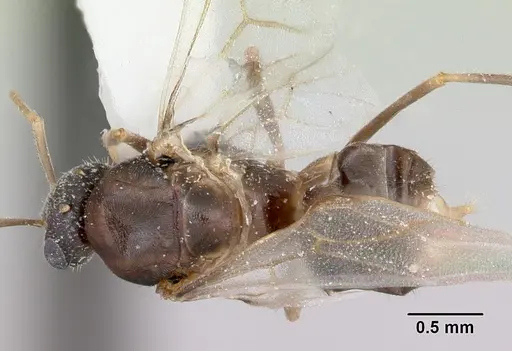
CASENT0103505
View on AntWeb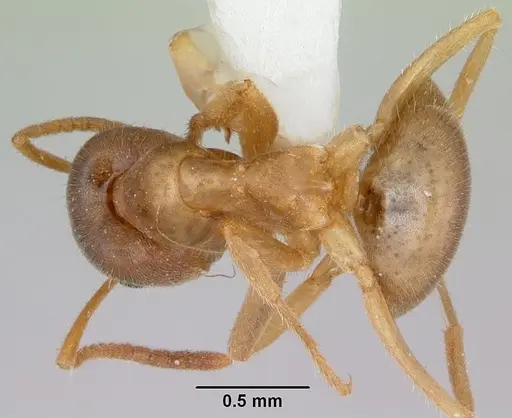
CASENT0103506
View on AntWeb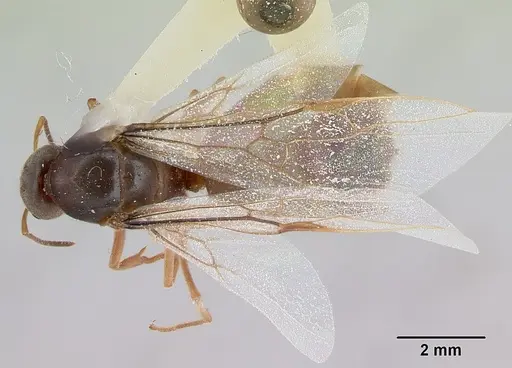
CASENT0103507
View on AntWeb
FMNHINS0000047298
View on AntWeb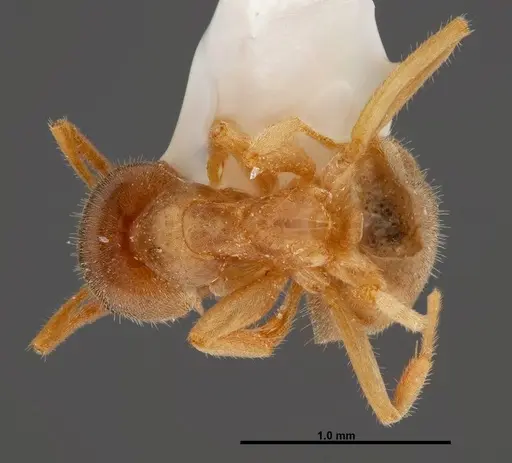
Literature
Loading...Loading products...