

Lasius talpa
- Scientific Name
- Lasius talpa
- Tribe
- Lasiini
- Subfamily
- Formicinae
- Author
- Wilson, 1955
- Distribution
- Found in 2 countries
Lasius talpa Overview
Lasius talpa is an ant species of the genus Lasius. It is primarily documented in 2 countries , including Japan, Korea, Republic of. Detailed taxonomic data and occurrence records can be further explored via authoritative databases such as AntWeb or the Global Biodiversity Information Facility (GBIF).
Lasius talpa
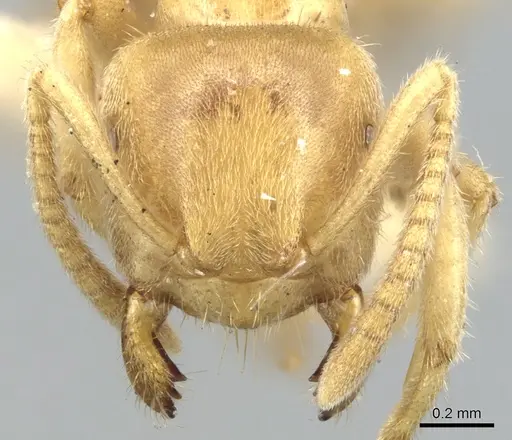
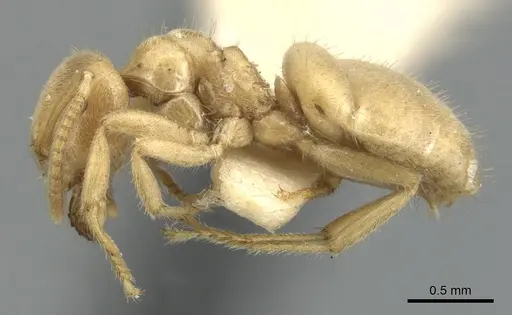
Lasius talpa is a small, yellow ant belonging to the Cautolasius subgenus within the genus Lasius. Workers measure 2-3mm and are distinguished by their very hairy bodies, particularly the numerous erect hairs on their scapes and tibiae, along with unusually small eyes containing only 6-17 facets [1]. Queens are light brown and slightly larger, with HW around 1.33-1.35mm. This species is a forest-dwelling ant found across southern Japan, the Korean Peninsula, and into the Himalayas, where it nests in rotting stumps and moist forest environments [1]. Unlike many Lasius species that prefer open habitats, Lasius talpa is the ecological equivalent of the North American Lasius nearcticus, it thrives in moister, more densely wooded situations.
Quick Summary
- Difficulty: Medium
- Origin & Habitat: Native to southern Japan, the Korean Peninsula, and the Himalayas. This is a forest species that nests in rotting stumps on steep slopes in moist, mixed fir-hardwood forests at elevations up to 6000 feet (1800-2800m in the Himalayas)[2]. The northernmost records reach Sendai, Miyagi Prefecture in Japan [1].
- Colony Type: Likely single-queen colonies (monogyne), typical of the Cautolasius subgenus. Colonies are not large, with typical Lasius talpa colonies reaching several hundred workers at most.
- Colony: Monogyne
- Founding: Claustral
- Size & Growth:
- Queen: ~1.33-1.35mm head width
- Worker: 2-3mm [1]
- Colony: Estimated several hundred workers based on typical Cautolasius colony sizes
- Growth: Moderate, typical for Lasius species
- Development: Estimated 6-10 weeks based on typical Lasius development at room temperature (Development time is inferred from related Cautolasius species, specific data for L. talpa is not available)
- Antkeeping:
- Temperature: Keep at room temperature (18-24°C). This is a cold-climate specialist found at high elevations and in northern Japan, so they prefer cooler conditions than many tropical ants. Avoid temperatures above 26°C [3].
- Humidity: Requires high humidity, they live in moist forest floors and are closely associated with root aphids in their natural habitat [4]. Keep the nest substrate consistently damp but not waterlogged.
- Diapause: Yes, as a species from temperate Japan and high-altitude Himalayas, they require a winter dormancy period. Reduce temperature to around 10-15°C for 2-3 months during winter.
- Nesting: Prefers damp nest materials. In captivity, they do well in test tubes with water reservoirs, Y-tong nests, or plaster nests that retain moisture. The key is maintaining humidity without flooding. Given their association with rotting wood in nature, they may prefer more naturalistic setups with soil/wood substrates.
- Behavior: Workers are small and relatively docile. They are subterranean, living close to the ground surface and tending root aphids for honeydew [4]. They are not aggressive and do not have a painful sting. Their small size (2-3mm) means they can escape through small gaps, use fine mesh barriers. They are slow-moving compared to many Lasius species due to their forest-floor lifestyle.
- Common Issues: escape prevention is critical due to their tiny 2-3mm size, they can squeeze through standard test tube barriers, colonies may fail if kept too warm, this cold-climate species prefers cooler temperatures, root aphids are their primary food source in nature, they may be reluctant to accept other sugar sources, high humidity requirements can lead to mold if ventilation is poor, slow growth means colonies take time to establish, don't overfeed or disturb founding queens
Housing and Nest Setup
Lasius talpa does well in standard test tube setups when starting a colony. Use a test tube with a water reservoir separated by a cotton plug, this maintains the humidity they need without flooding the colony. Because they are a forest species requiring high humidity, consider using a Y-tong (acrylic) nest or plaster nest that holds moisture well. The key is keeping the substrate consistently damp. Avoid dry environments, this species comes from moist forest floors where they live alongside root aphids. A small outworld connected to the nest allows for feeding. Since they are tiny (2-3mm workers), ensure all connections are sealed with cotton or fine mesh to prevent escapes. [1][4]
Feeding and Diet
In the wild, Lasius talpa lives in close association with root aphids and feeds primarily on honeydew [4]. This means they are more specialized than typical Lasius species that readily accept sugar water. In captivity, offer sugar water or honey water occasionally, but don't be surprised if they show weak interest. Protein is important, offer small insects like fruit flies, pinhead crickets, or mealworm pieces. Live prey is likely preferred given their predatory nature. Some keepers report success with diluted honey or sugar solutions, but acceptance varies. The key is providing consistent protein while offering sugar sources as supplements.
Temperature and Seasonal Care
This is a cold-climate specialist found at high elevations (1800-2800m in the Himalayas) and northern Japan [2][3]. Keep them at room temperature or slightly below, aim for 18-24°C, avoiding anything above 26°C. During winter, they require a diapause (hibernation) period. Reduce temperatures to 10-15°C for 2-3 months, typically from late autumn through early spring. This mimics their natural cycle in temperate Japan where winters are cold. Do not skip hibernation, it is important for colony health and triggering reproductive behavior. If your room temperature stays above 20°C year-round, consider placing the colony in a cooler location during winter months.
Colony Development
Lasius talpa colonies remain relatively small compared to species like Lasius niger or Lasius flavus. A mature colony likely reaches several hundred workers at most. The founding process follows typical Lasius patterns: the claustral queen seals herself in a chamber, lays eggs, and raises the first workers (nanitics) entirely on her stored fat reserves. Once the first workers emerge, they begin foraging for protein to feed subsequent brood. Growth is moderate, expect 6-10 weeks from egg to first worker at optimal temperatures. Colonies develop slowly, so patience is key during the founding phase. Do not disturb the queen during founding or overfeed, as this can cause mold problems in the enclosed chamber. [1]
Behavior and Temperament
This is a docile, non-aggressive species. Workers are small, slow-moving, and primarily subterranean, they spend most of their time underground tending aphids and caring for brood. They are not defensive and unlikely to bite or sting. Their small size (2-3mm) makes them excellent escape artists, even small gaps in tubing or test tube setups can allow them to slip through. Use cotton or fine mesh at all connections. They are not colony aggressive toward members of their own colony but will defend against intruders. In the wild, they form small colonies in rotting stumps, with nest densities around 0.20 nests per square meter in suitable forest habitat [4].
Frequently Asked Questions
Can I keep Lasius talpa in a test tube?
Yes, test tubes work well for founding colonies. Use a standard test tube with a water reservoir, keep the cotton damp but not soaked. Ensure all connections are sealed with cotton or fine mesh since workers are only 2-3mm and can escape through tiny gaps.
How long until first workers appear?
Expect 6-10 weeks from egg to first worker at room temperature (around 20-24°C). This is typical for Lasius species. The claustral queen seals herself in and raises the first brood alone using stored fat reserves.
What do Lasius talpa eat?
They are specialized honeydew feeders in the wild, living closely with root aphids [4]. In captivity, offer small insects (fruit flies, pinhead crickets, mealworms) as primary protein. Sugar water or honey water may be accepted but often less readily than with other Lasius species.
Do Lasius talpa need hibernation?
Yes. As a cold-climate species from northern Japan and high-altitude Himalayas, they require a winter dormancy period. Reduce temperature to 10-15°C for 2-3 months during winter. This is essential for colony health.
Are Lasius talpa good for beginners?
They are moderate difficulty. While colonies are small and manageable, their specialized diet (preference for honeydew/aphids), high humidity needs, and requirement for cooler temperatures make them slightly more challenging than common Lasius species like L. niger. They are not the best choice for a first ant but are manageable for intermediate keepers.
How big do Lasius talpa colonies get?
Colonies remain relatively small, likely several hundred workers at most. This is smaller than many common Lasius species. They are not a rapidly expanding species.
Why are my Lasius talpa dying?
Common causes include: temperatures too warm (keep below 26°C), low humidity (they need damp conditions), improper diet (they need protein and may ignore sugar), or escapes due to their tiny size. Check that your setup maintains proper humidity and temperature before troubleshooting further.
When do Lasius talpa have nuptial flights?
In Japan, nuptial flights occur during August and September [1]. This is when winged queens and males emerge for their mating flight. If you have a mature colony, you might see alates (reproductives) during these months.
References

This caresheet is licensed under CC BY-SA 4.0 .
CASENT0903665
View on AntWeb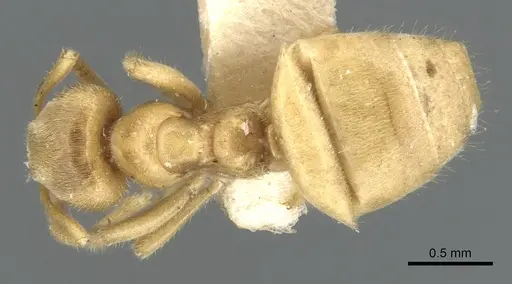
Literature
Loading...Loading products...