
Lasius nearcticus shows a August to September flight window. Peak activity occurs in September, with nuptial flights distributed across 2 months.
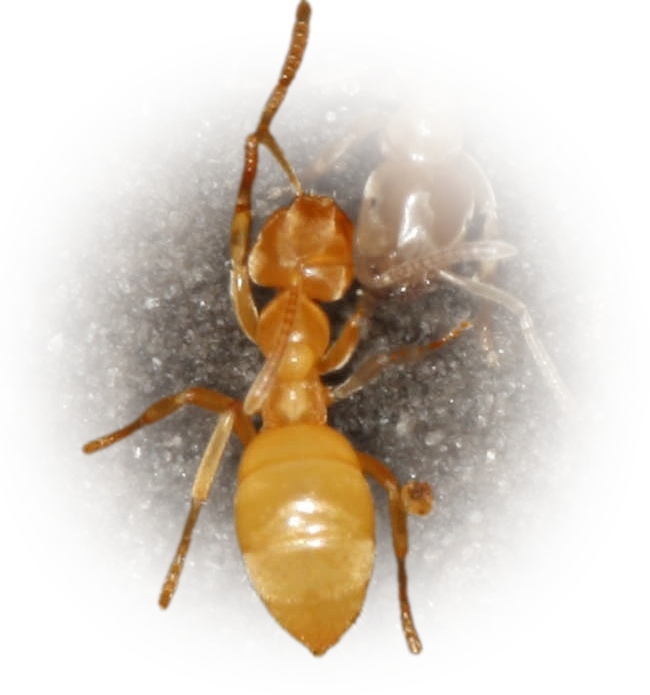
Lasius nearcticus
- Scientific Name
- Lasius nearcticus
- Tribe
- Lasiini
- Subfamily
- Formicinae
- Author
- Wheeler, 1906
- Common Name
- New World Fuzzy Ant
- Distribution
- Found in 2 countries
- Nuptial Flight
- from August to September, peaking in September
AI Identifiable
try →
Lasius nearcticus Overview
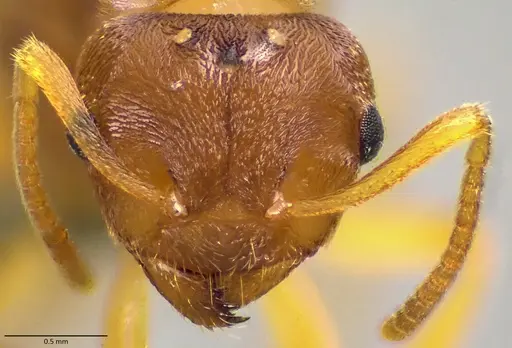
Lasius nearcticus (commonly known as the New World Fuzzy Ant) is an ant species of the genus Lasius. It is primarily documented in 2 countries , including Canada, United States of America. Detailed taxonomic data and occurrence records can be further explored via authoritative databases such as AntWeb or the Global Biodiversity Information Facility (GBIF).
The nuptial flight of Lasius nearcticus is a significant biological event, typically occurring from August to September, peaking in September. During this time, winged queens and males leave the nest to mate and establish new colonies.
Lasius nearcticus - "New World Fuzzy Ant"
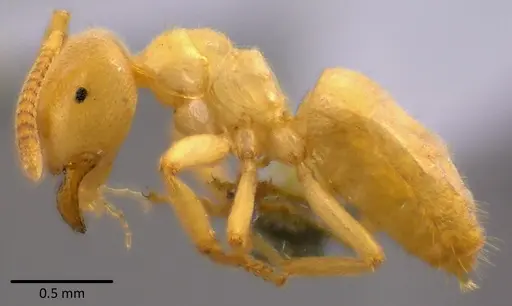
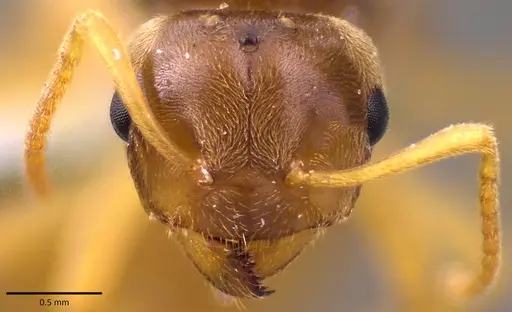
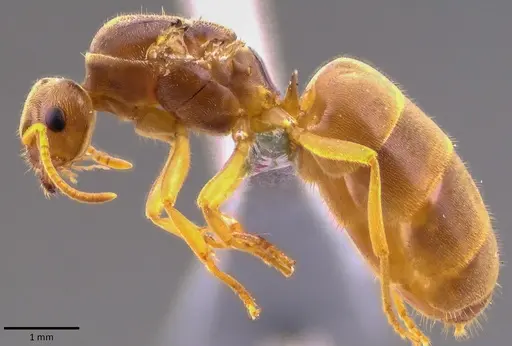
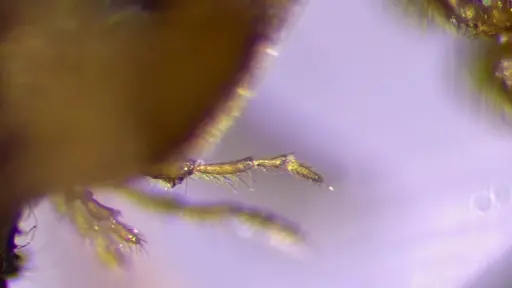
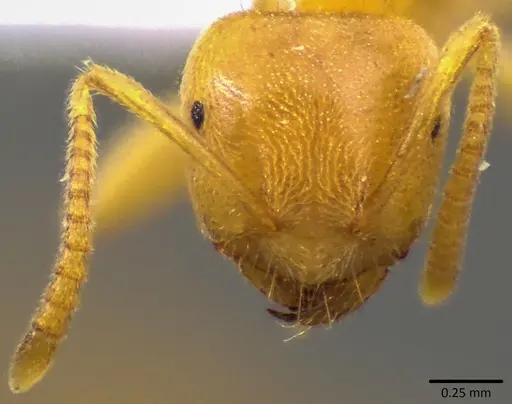
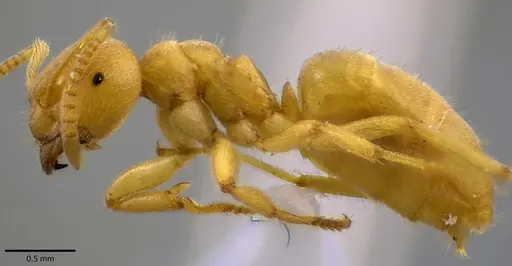
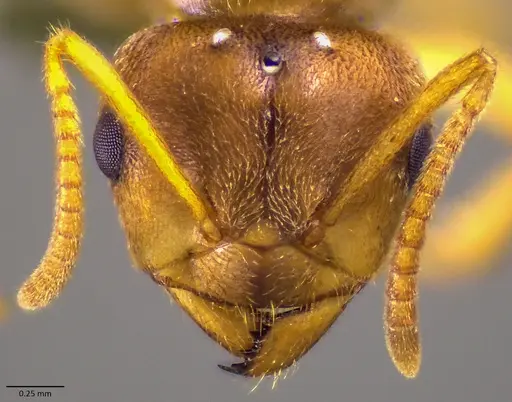
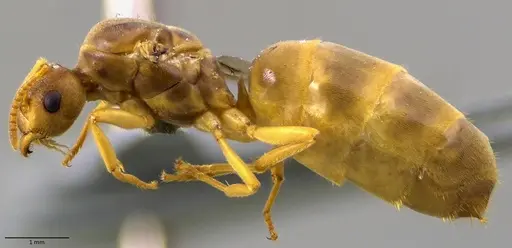
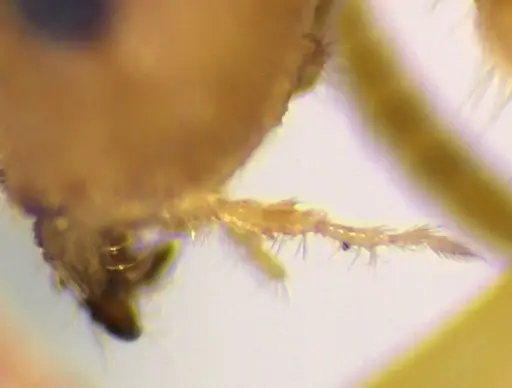
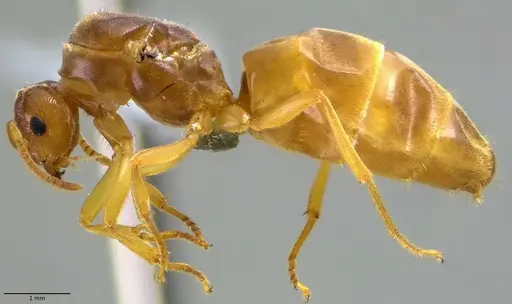
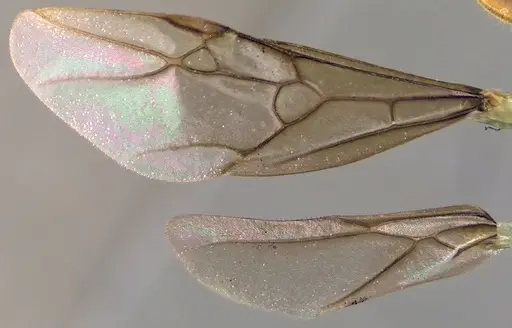
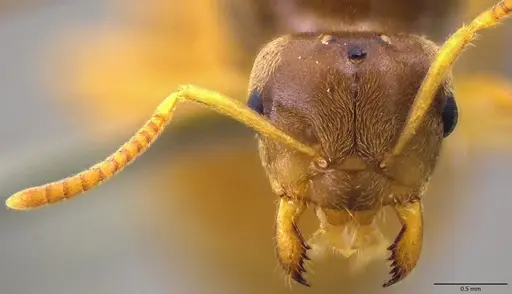
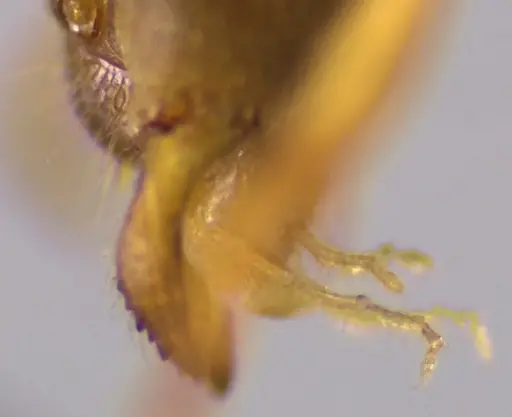
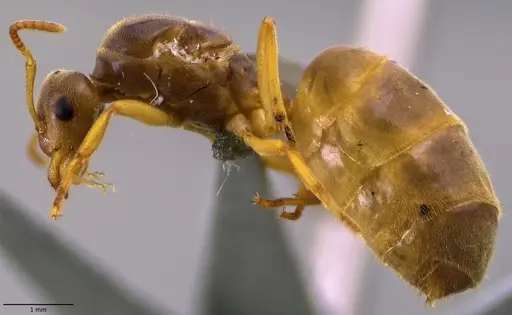
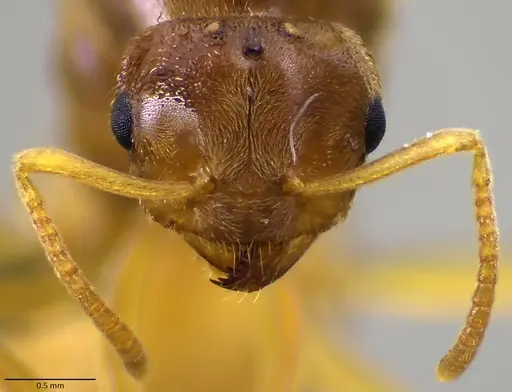
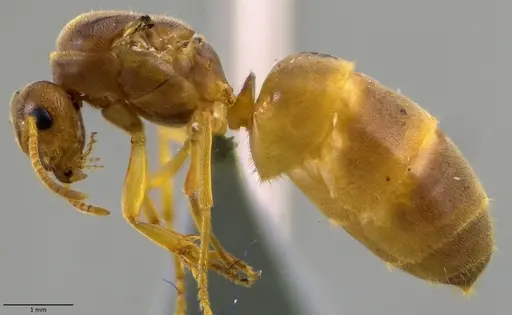
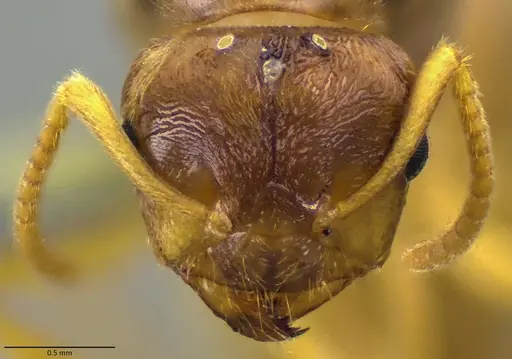
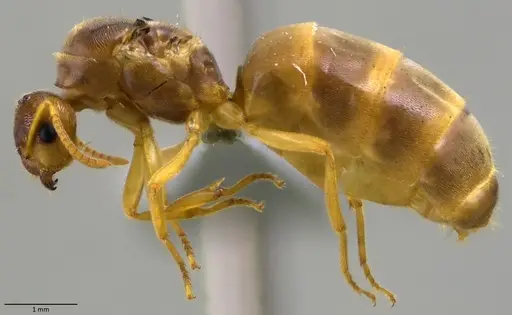
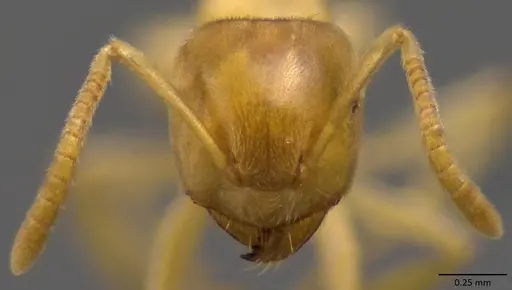
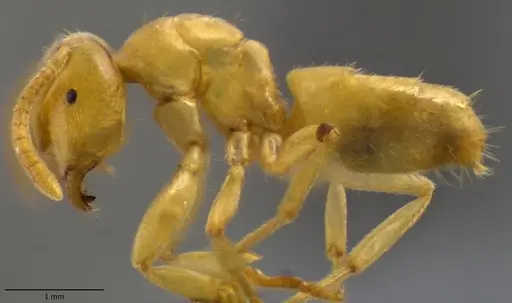
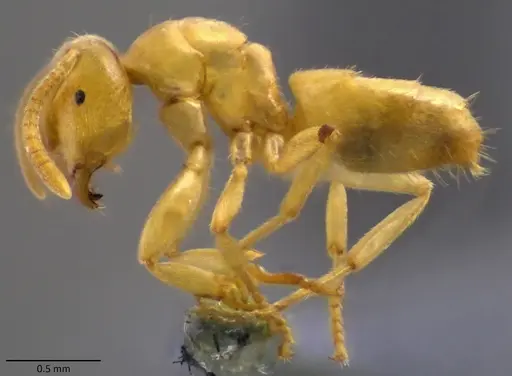
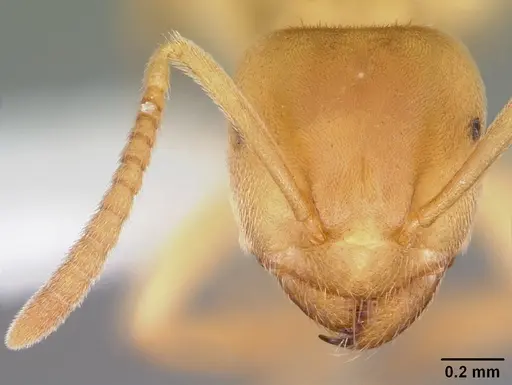
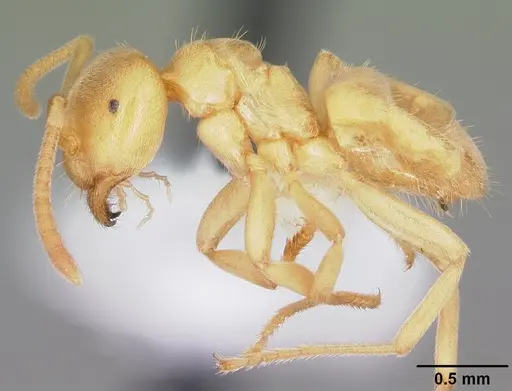
Lasius nearcticus is a small, pale yellow to orangish-yellow ant measuring 2.5-4.0mm. It belongs to the subgenus Cautolasius and is recognized by its very tiny eyes (fewer than 35 ommatidia, usually about 20), longer antennal scapes that extend past the back of the head, and a maxillary palp where the terminal segment is longer than the penultimate segment. This species is a predominately subterranean ant found throughout eastern North America, from southeastern Canada to the southern Appalachian mountains, with occasional sightings as far west as South Dakota and Wyoming [1][2].
What makes L. nearcticus distinctive is its strong preference for moist, dense woodland habitats with thick leaf litter and humus cover, unlike its close relative Lasius flavus which prefers more open areas. It lives almost exclusively underground, with workers and brood typically found in galleries under rocks and fallen logs, extending out into the surrounding soil [3]. This subterranean lifestyle makes it a challenging species to observe in the wild and relatively rare in ant collections.
Quick Summary
- Difficulty: Medium
- Origin & Habitat: Eastern North America, moist deciduous forests from Quebec and Ontario south to North Carolina, west to South Dakota and Wyoming. Found in oak-hickory woods, particularly in deeper, moister areas with accumulated leaf litter [3][1].
- Colony Type: Single-queen colonies (monogyne). Colonies are small, with workers and brood found under stones, logs, moss, and leaf layers, spreading into surrounding soil [3][1].
- Colony: Monogyne
- Founding: Claustral
- Size & Growth:
- Queen: Estimated 5-7mm based on genus patterns
- Worker: 2.5-4.0mm [2][1]
- Colony: Small colonies, likely under 500 workers based on typical Cautolasius patterns and field observations [1]
- Growth: Moderate, inferred from similar Lasius species
- Development: 6-10 weeks (estimated based on related Lasius species) (Development timeline not specifically documented for this species, estimates based on genus-level data for Lasius)
- Antkeeping:
- Temperature: Keep at room temperature (20-24°C). As a woodland species from temperate forests, they prefer cooler conditions than tropical ants. A slight thermal gradient allows workers to choose their preferred temperature [3].
- Humidity: High humidity preferred, this is a moist forest species. Keep nest substrate consistently damp but not waterlogged. The natural habitat has thick leaf litter and humus that retains moisture [3][1].
- Diapause: Yes, as a temperate species, they require a winter rest period. In their natural range, alates are produced from June through September, with colonies needing a cold period for proper seasonal cycling [3].
- Nesting: Use a naturalistic setup with soil or a plaster/acrylic nest with moisture retention. They nest under stones and in decaying wood in the wild, so provide substrate they can tunnel through. Test tubes work for founding but transfer to a more naturalistic setup once colony establishes [3].
- Behavior: Workers are docile and not aggressive. They are hypogaeic (subterranean) by nature, spending most of their time underground or in leaf litter. Foraging occurs primarily in the soil and under cover, rarely emerging into the open. They are not escape artists due to their small size but can squeeze through small gaps, use standard barriers. They do not sting [4].
- Common Issues: subterranean lifestyle makes them hard to observe, keepers may think the colony is inactive when they're just staying underground, small colony size means growth appears slow, which can frustrate beginners, wild-caught colonies may have parasites that are difficult to detect, moisture requirements must be balanced, too wet causes mold, too dry kills brood, nuptial flights are late-season (August-September) so timing differs from spring-flying species
Nuptial Flight Activity Analysis 74 observations
Flight Activity by Hour 74 observations
Lasius nearcticus nuptial flight activity peaks around 18:00 during the evening. Activity is spread across a 22-hour window (00:00–21:00). A secondary activity peak occurs around 16:00. Times may be influenced by human observation patterns.
Housing and Nest Setup
Lasius nearcticus does best in a naturalistic or semi-naturalistic setup that mimics its woodland habitat. A soil-based formicarium or a plaster nest with good moisture retention works well. The key is providing a moist environment with plenty of organic material, think forest floor, not desert. For founding colonies, a test tube setup with a water reservoir works, but transfer to a larger setup once you have 15-20 workers. The ants will dig tunnels in soil or use pre-made chambers in plaster/acrylic. Because they're subterranean, you won't see them as often as surface-nesting ants, this is normal behavior, not a sign of problems [3][1].
Feeding and Diet
In the wild, L. nearcticus feeds primarily on honeydew secreted by root-feeding aphids [4]. They also consume small insects and arthropods they encounter underground. In captivity, offer sugar water or honey water as a constant energy source. For protein, provide small insects like fruit flies, pinhead crickets, or mealworm pieces. Because they forage underground, place food near their nest entrance or in foraging areas. Remove uneaten protein after 24-48 hours to prevent mold. Some keepers report success with commercial ant jelly or sugar gels [5].
Temperature and Seasonal Care
Keep L. nearcticus at room temperature, ideally 20-24°C. As a woodland species from eastern North America, they prefer cooler conditions than many tropical ant species. A thermal gradient is beneficial, let the ants choose their preferred temperature by placing heat on one end of the nest. During winter, they require a diapause (hibernation) period. Reduce temperature to 5-10°C for 2-3 months, mimicking natural seasonal cycles. This is essential for colony health and alate production. In the wild, alates develop from June through September, with nuptial flights occurring in late summer, the winter rest helps trigger this reproductive cycle [3].
Colony Development and Growth
Lasius nearcticus colonies remain relatively small compared to some Lasius species like L. niger. Colonies are described as small in the wild, likely reaching only a few hundred workers at most [1]. Growth is moderate, queens are claustral and will seal themselves in a chamber, laying eggs and raising the first brood without leaving. The first workers (nanitics) will be smaller than mature workers. Because colonies stay small, don't expect rapid population explosions. Patience is key, these ants are long-lived perennials in the wild, with colonies potentially surviving many years [3][1].
Behavior and Observation
This is a subterranean species by nature. Workers spend most of their time underground or in the leaf litter layer, rarely emerging into the open. You may see them foraging under stones, logs, or within your nest setup. They are not aggressive and will not defend their nest aggressively, if threatened, they're more likely to retreat than to attack. They do not have a functional stinger. The small colony size and cryptic lifestyle mean you'll see less activity than with larger, more visible species. This is normal, don't mistake their quiet nature for inactivity or illness. They are most active during warmer months and will reduce activity significantly during diapause [3][1][4].
Frequently Asked Questions
Is Lasius nearcticus a good species for beginners?
This species is moderate difficulty. While not as challenging as some specialized predators, the subterranean lifestyle and small colony size can be less rewarding for beginners who want active, visible ants. They require patience and proper moisture management. If you want an easy Lasius, consider L. niger or L. alienus instead.
How long does it take for the first workers to emerge?
Based on typical Lasius development, expect 6-10 weeks from egg to first worker at room temperature. The queen will seal herself in and not emerge until nanitics have hatched. This timeline is an estimate since specific development data isn't documented for this species.
What do I feed Lasius nearcticus?
Feed them sugar water or honey water as a constant energy source. For protein, offer small insects like fruit flies, small mealworms, or cricket pieces. They are honeydew feeders in the wild, so sugar sources are important. Remove uneaten protein after a day or two to prevent mold.
Do they need hibernation?
Yes, they require a winter diapause. As a temperate species from eastern North America, they need 2-3 months of cold (5-10°C) during winter. This is essential for colony health and triggers alate production in the following season.
How big do Lasius nearcticus colonies get?
Colonies remain small, likely under 500 workers at maturity. This is one of the smaller Lasius species. Don't expect the large colonies seen in species like L. niger.
Can I keep multiple queens together?
No, L. nearcticus is monogyne, colonies have a single queen. Multiple unrelated queens will fight. Only one queen per colony.
Why can't I see my ants activity?
This is normal, L. nearcticus is a subterranean species that lives mostly underground or in leaf litter. They're not surface-active like many common ants. They may be very active in their tunnels without emerging where you can see them. This is typical behavior, not a problem.
When do nuptial flights happen?
Nuptial flights occur in late summer, primarily August through September. This is later than many spring-flying ant species. Males and females have been observed flying from late July through early October in the wild [3].
What makes Lasius nearcticus different from Lasius flavus?
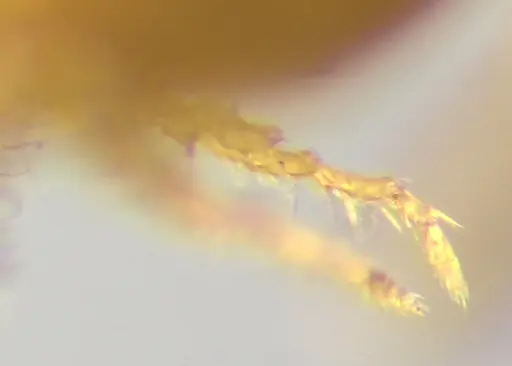
These two species look similar but have different habitat preferences. L. nearcticus prefers moist, dense woodlands with thick leaf litter, while L. flavus favors more open areas with sparse ground cover. They can be distinguished by examining maxillary palps under magnification, in L. nearcticus, the terminal segment is longer than the penultimate segment [4].
References

This caresheet is licensed under CC BY-SA 4.0 .
ANTWEB1041743
View on AntWeb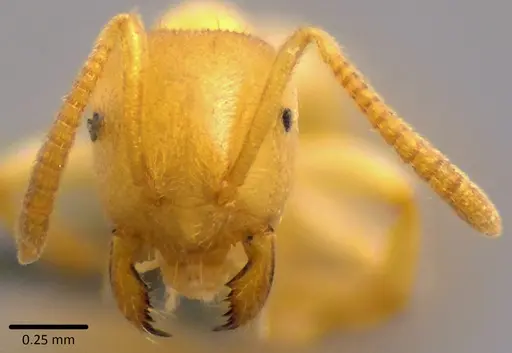
ANTWEB1041777
View on AntWeb
ANTWEB1041803
View on AntWeb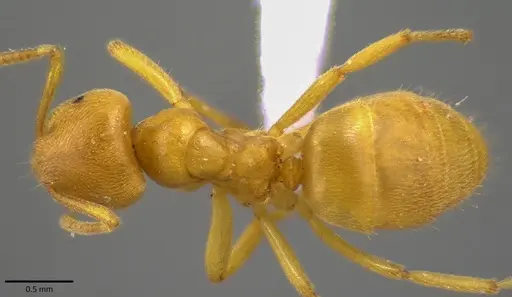
ANTWEB1041879
View on AntWeb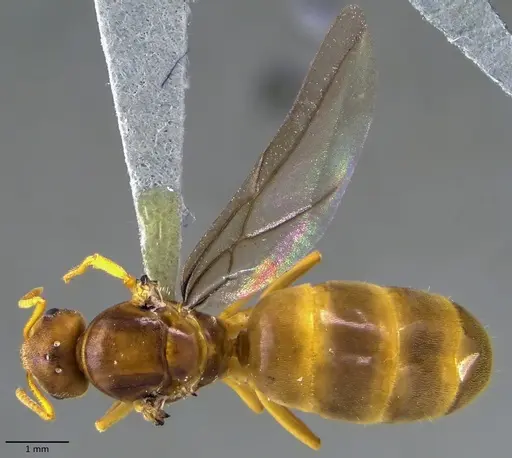
ANTWEB1041883
View on AntWeb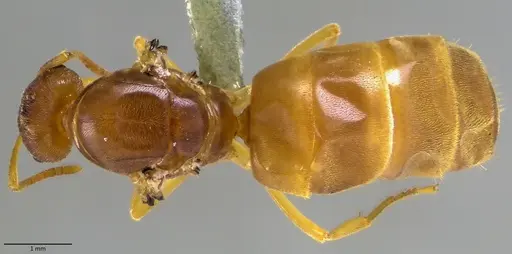
ANTWEB1060000
View on AntWeb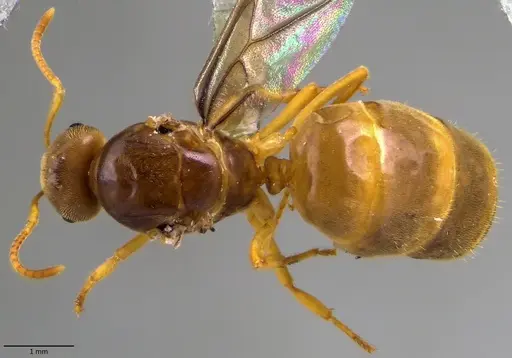
ANTWEB1060004
View on AntWeb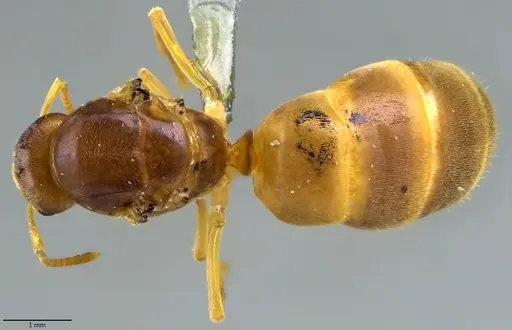
ANTWEB1060005
View on AntWeb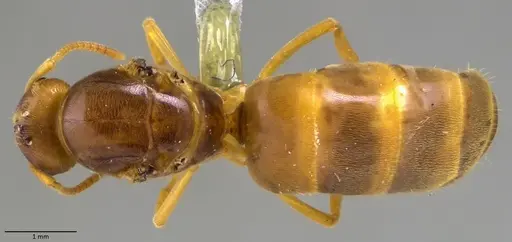
ANTWEB1060116
View on AntWeb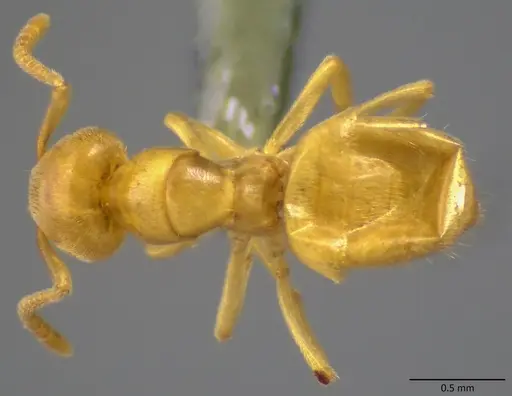
CASENT0104774
View on AntWeb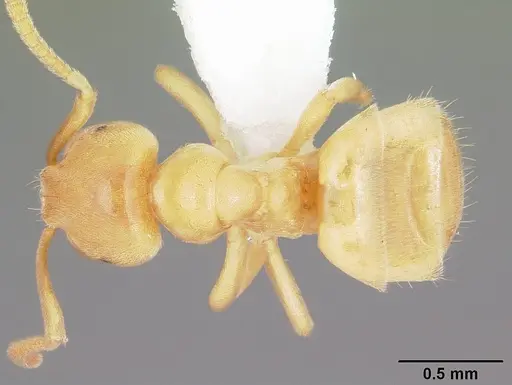
CASENT0923595
View on AntWeb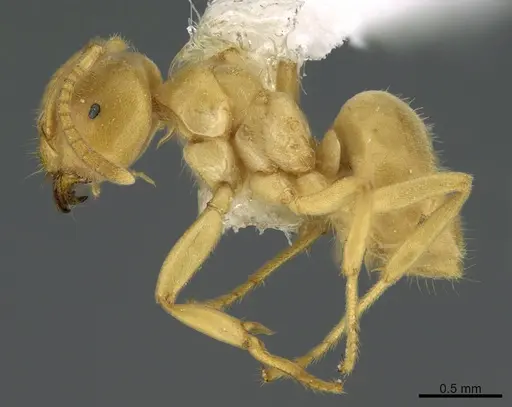
Literature
Loading...Loading products...