Lasius speculiventris shows a June to September flight window. Peak activity occurs in July, with nuptial flights distributed across 4 months.

Lasius speculiventris
- Scientific Name
- Lasius speculiventris
- Tribe
- Lasiini
- Subfamily
- Formicinae
- Author
- Emery, 1893
- Common Name
- Shiny-bellied Fuzzy Ant
- Distribution
- Found in 2 countries
- Nuptial Flight
- from June to September, peaking in July
AI Identifiable
try →
Lasius speculiventris Overview
Lasius speculiventris (commonly known as the Shiny-bellied Fuzzy Ant) is an ant species of the genus Lasius. It is primarily documented in 2 countries , including Canada, United States of America. Detailed taxonomic data and occurrence records can be further explored via authoritative databases such as AntWeb or the Global Biodiversity Information Facility (GBIF).
The nuptial flight of Lasius speculiventris is a significant biological event, typically occurring from June to September, peaking in July. During this time, winged queens and males leave the nest to mate and establish new colonies.
Lasius speculiventris - "Shiny-bellied Fuzzy Ant"
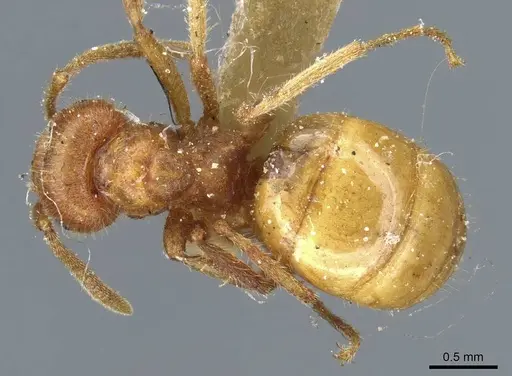
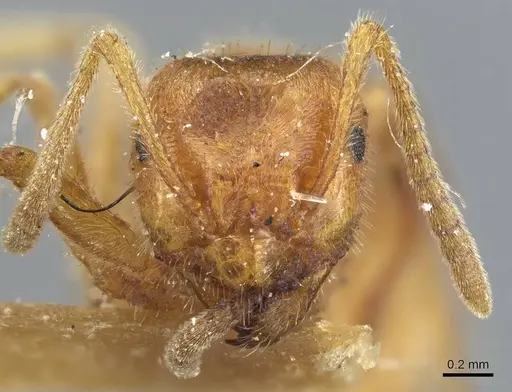
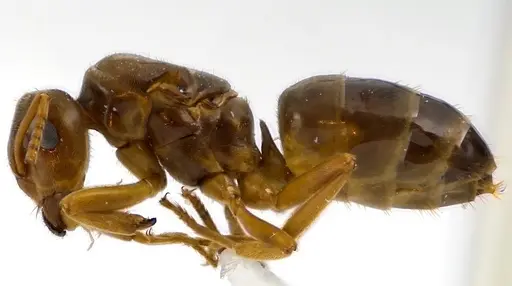
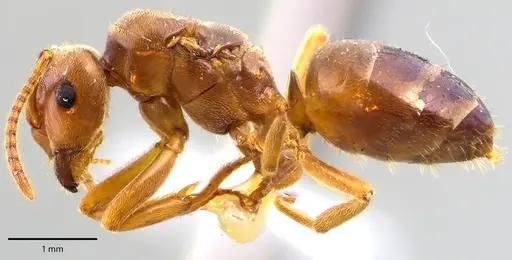
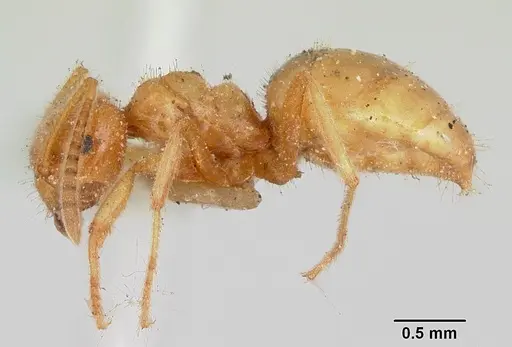
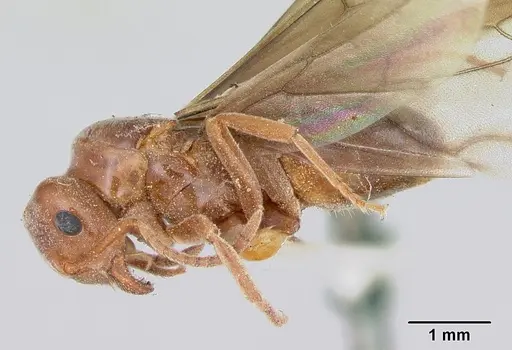
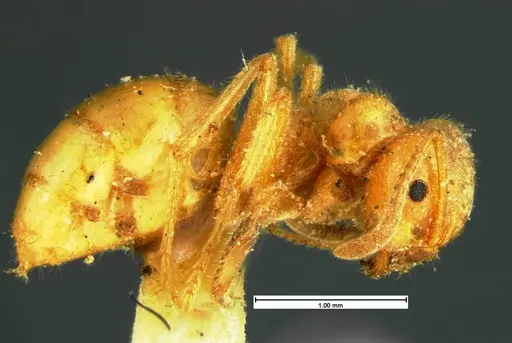
Lasius speculiventris is a small, distinctive yellow to brownish-yellow ant native to northeastern North America. Workers measure 4.5-5.2mm with a unique appearance: the second segment of their abdomen (gaster) is unusually glossy because it lacks the fine hairs (pubescence) found on most ants [1][2]. This gives them a shiny, almost polished look compared to their relatives. They belong to the umbratus group within the flavus clade of Lasius ants [3].
This is a rarely encountered species with fascinating ecology. It is a temporary social parasite that depends on another ant species (Lasius minutus) to establish its colonies, the queen invades a host colony, kills or replaces the host queen, and uses the host workers to raise her first brood [2][4]. This social hyperparasitism is rare in ants. They prefer moist habitats like bogs, fens, and swampy woodlands, where they nest in rotting wood or build soil mounds [3][5][6].
Quick Summary
- Difficulty: Hard
- Origin & Habitat: Native to northeastern and Great Lakes regions of North America, from Quebec south to Pennsylvania and west to Minnesota, Kansas, and potentially Texas [2][1]. Found in moist habitats including bogs, fens, swamps, moist woodlands, and wet pastures. Nests in rotten logs, under rocks, and in soil mounds in low, wet areas [3][5][6].
- Colony Type: Temporary social parasite, colony founding depends on invading and replacing Lasius minutus queens. Colony structure in established colonies is poorly documented but likely single-queen once established [2][4].
- Size & Growth:
- Queen: size data unavailable, only head width measurements exist in literature
- Worker: 4.5-5.2mm [2][1]
- Colony: Unknown, rarely collected, limited data available
- Growth: Moderate
- Development: 6-10 weeks (estimated based on related Lasius species) (No direct studies on development time. Related Lasius species typically take 6-10 weeks at optimal temperatures.)
- Antkeeping:
- Temperature: 22-28°C, they fly best at moderate temperatures (72-83°F / 22-28°C) [2].
- Humidity: High humidity required, this is a wetland species. Keep nest substrate consistently moist but not waterlogged. Provide a moisture gradient so ants can choose their preferred level [5][6].
- Diapause: Yes, as a temperate species from northeastern North America, they require winter diapause. Provide 12-16 weeks at 5-10°C during winter months [5].
- Nesting: Rotten wood or test tube setups with high humidity. In the wild they nest in rotting logs and moist soil. Y-tong or plaster nests work well. Keep substrate consistently damp. Avoid dry conditions [7][6].
- Behavior: Workers are rarely seen above ground, they forage underground through soil and under woody roots [5]. This makes them a secretive species that spends most of their time in hidden tunnels. They attend root aphids for honeydew and are considered generalist foragers. They are not aggressive and rarely sting. Escape risk is moderate, workers are small but not tiny, standard containment measures should work. Their dependence on a host species (Lasius minutus) for colony founding makes them challenging to establish in captivity [2][4].
- Common Issues: temporary social parasitism makes founding extremely difficult, you need a host colony to establish a new colony, rare species with almost no captive breeding data, expect challenges with no established protocols, high humidity requirements are critical, drying out kills colonies, workers rarely come above ground, making them difficult to observe and feed, limited availability, rarely sold in ant trade, nuptial flight timing is late season (August-September), limiting collection opportunities
Nuptial Flight Activity Analysis 65 observations
Flight Activity by Hour 65 observations
Lasius speculiventris nuptial flight activity peaks around 16:00 during the afternoon. Activity is spread across a 17-hour window (07:00–23:00). A secondary activity peak occurs around 11:00. Times may be influenced by human observation patterns.
Temporary Social Parasitism
Lasius speculiventris is one of the few ants that practices temporary social parasitism. This means new colonies can only be founded by a queen invading an established colony of another species, specifically Lasius minutus [2][4]. The invading queen kills or displaces the host queen and uses the host workers to raise her first brood. Once her workers emerge, they gradually replace the host workers until the colony becomes purely L. speculiventris.
This dependency makes this species extremely difficult to keep. You cannot simply house a queen alone and expect her to found a colony like most ants. Instead, you would need to introduce a newly mated queen into an active Lasius minutus colony. The success rate of such introductions is unknown but likely low. This species is therefore not recommended for most antkeepers, it is best left to experienced researchers working with specific conservation goals [2][4].
Habitat and Nesting
In the wild, Lasius speculiventris inhabits moist environments like bogs, fens, swamps, and wet woodlands. They nest in rotting logs, under rocks in damp ground, and in soil mounds. One study found colonies in a massive mound of fine black muck in a tamarack-poison sumac-red maple swamp, while others nested in rotting wood, including a stump thoroughly galleried with tunnels running down roots into soil [5].
For captivity, provide high humidity conditions. A test tube setup or Y-tong nest with consistently moist substrate works best. The substrate should feel damp but not have standing water. Plaster nests with a water reservoir can maintain humidity well. Avoid dry conditions entirely, this species will not survive in dry setups [5][6][2].
Feeding and Diet
Like most Lasius species, L. speculiventris feeds primarily on honeydew from aphids and scale insects. Workers in the wild have been observed attending root aphids underground [5]. They probably also consume small insects and other arthropods for protein.
In captivity, offer sugar water or honey water as a constant food source. For protein, small insects like fruit flies or pinhead crickets may be accepted. However, since workers rarely come above ground, getting them to accept food in a visible outworld may be challenging. Consider providing food in the nest chamber or in a shallow dish with a cover to encourage discovery. Their secretive nature means you may not observe active foraging behavior [5][2].
Distribution and Range
Lasius speculiventris is found across northeastern North America, primarily in the Great Lakes region and New England. Records extend from Quebec and New Jersey west to Minnesota, Iowa, and Kansas, with isolated records further south [2][1]. It is considered a rare species everywhere, one 26-year study in Michigan found only 15 colonies total [5].
This rarity makes wild collection difficult and unlikely. The species is not established in the ant-keeping trade, and captive colonies are essentially unavailable. If you encounter this species, it is almost certainly wild-caught rather than captive-bred. Always check local regulations before collecting, this species may be protected in some states [5][1].
Identification
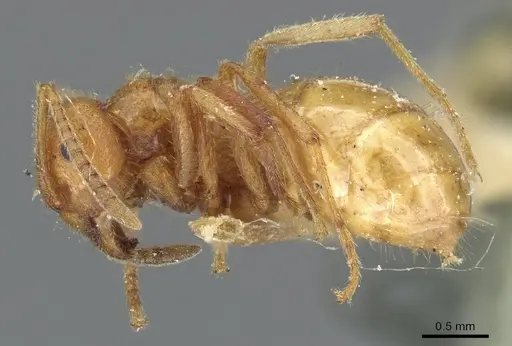
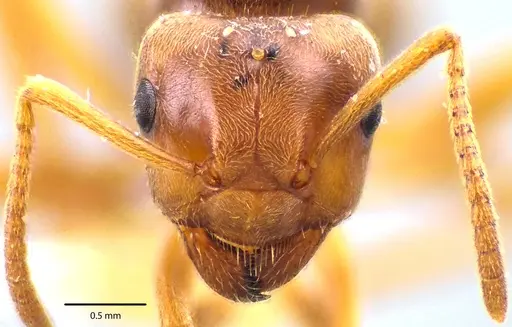
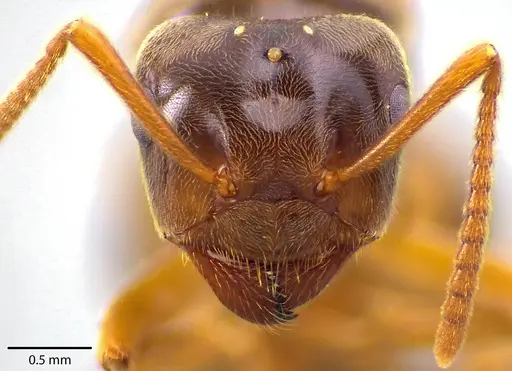
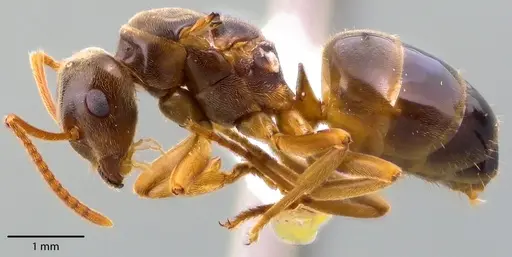
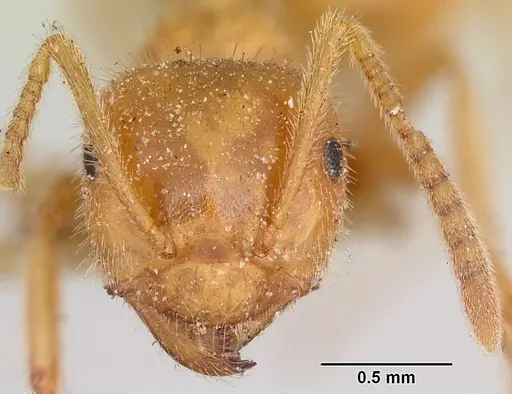
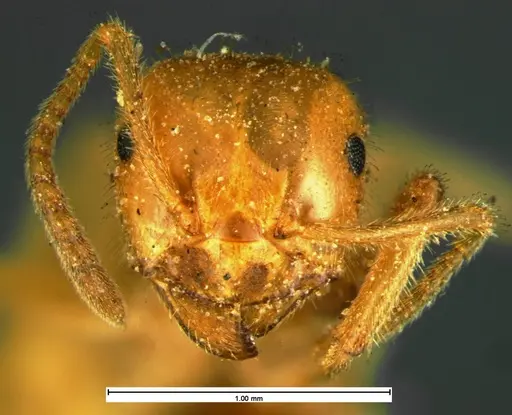
Lasius speculiventris can be identified by its distinctive glossy appearance. The second segment of the gaster (abdomen) is almost completely devoid of the fine pubescence (tiny hairs) that gives most ants a fuzzy appearance. This makes that area extremely smooth and shiny, a key identifying feature [2]. Workers are yellow to brownish-yellow, typically 4.5-5.2mm in length.
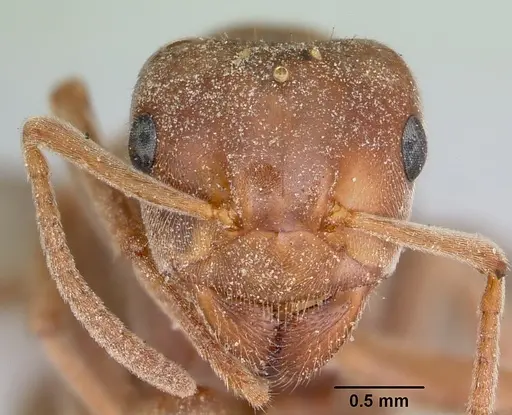
They are closely related to Lasius umbratus but can be distinguished by this shinier gaster and a tendency toward denser hairs on the head and legs. In the field, they appear brighter yellow and more shining than the similar L. umbratus [5]. This species is rarely collected precisely because workers stay underground and are not found on the surface [2].
Frequently Asked Questions
Can I keep Lasius speculiventris as a pet ant?
This species is not recommended for antkeeping. They are temporary social parasites requiring a host colony (Lasius minutus) to establish new colonies. This makes captive breeding extremely difficult. Additionally, they are rarely encountered in the wild and are not available through commercial ant farms. Most antkeepers should choose a different species.
How do Lasius speculiventris colonies form?
New colonies form through temporary social parasitism. A newly mated queen must invade an established Lasius minutus colony, kill or replace the host queen, and use the host workers to raise her first brood. This dependency on a host species makes natural colony founding very rare and captive establishment nearly impossible [2][4].
What do Lasius speculiventris eat?
They feed on honeydew from root aphids (their primary food in the wild) and small insects for protein. In captivity, offer sugar water or honey water constantly, plus small insects occasionally. However, workers rarely come above ground, making feeding observations difficult [5][2].
Where does Lasius speculiventris live?
They live in moist habitats across northeastern North America, bogs, fens, swamps, and wet woodlands. Their range extends from Quebec to Pennsylvania and west to Minnesota and Kansas. They are most common in the Great Lakes region [2][1].
How big do Lasius speculiventris colonies get?
Maximum colony size is unknown. This is a rarely collected species with almost no data on established colony sizes. One 26-year field study found only 15 total colonies, indicating populations are naturally sparse [5].
Do Lasius speculiventris need hibernation?
Yes. As a temperate species from northeastern North America, they require a winter rest period. Provide 12-16 weeks at 5-10°C during winter months [5].
What makes Lasius speculiventris different from other ants?
Two things make them unique: their extremely glossy appearance (the second gastral segment lacks pubescence), and their temporary social parasitic lifestyle. They are one of the few ant species that must invade another species' colony to establish new colonies [2][1].
Can I find Lasius speculiventris in my area?
They are rare and found primarily in the Great Lakes region and New England. Even in their range, they are rarely collected because workers stay underground. Your best chance is in moist habitats like bogs, fens, or wet woodlands, but expect to search a long time [5][1].
Why are Lasius speculiventris so rarely seen?
Workers almost never come above ground. They forage underground through soil and under roots, rarely appearing on the surface. Combined with their naturally low population density and restricted moist habitat preferences, this makes them one of the least encountered ant species in eastern North America [5][2].
Report an Issue
The current care sheet is based fully on literature. See inconsistencies, or something that's incorrect? Please , it will be resolved after review from an admin. Contributing to the blogs tab also helps providing information, to make us be able to further improve the caresheets. Thank you for your support!
References

This caresheet is licensed under CC BY-SA 4.0 .
ANTWEB1041588
View on AntWeb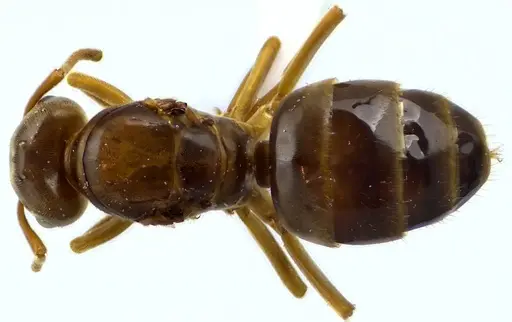

ANTWEB1041692
View on AntWeb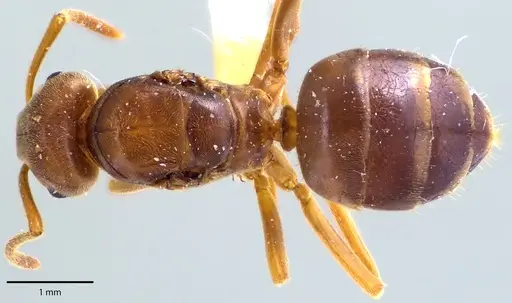
ANTWEB1041710
View on AntWeb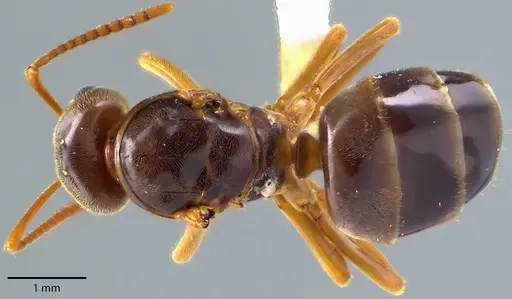
CASENT0103508
View on AntWeb
CASENT0103509
View on AntWeb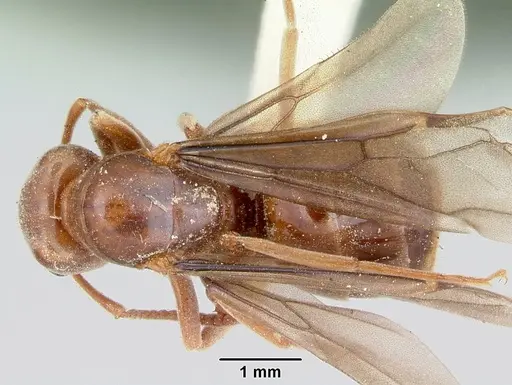
CASENT0105613
View on AntWeb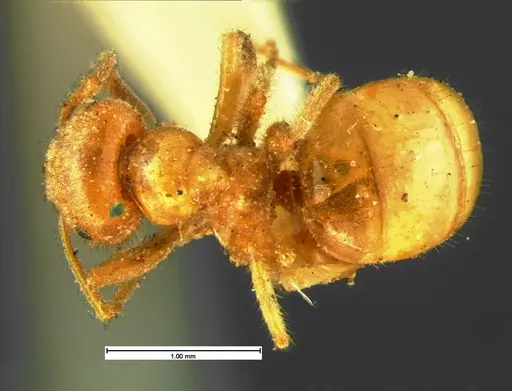
CASENT0905687
View on AntWeb