

Lasius sitiens
- Scientific Name
- Lasius sitiens
- Tribe
- Lasiini
- Subfamily
- Formicinae
- Author
- Wilson, 1955
- Distribution
- Found in 2 countries
Lasius sitiens Overview
Lasius sitiens is an ant species of the genus Lasius. It is primarily documented in 2 countries , including Mexico, United States of America. Detailed taxonomic data and occurrence records can be further explored via authoritative databases such as AntWeb or the Global Biodiversity Information Facility (GBIF).
Lasius sitiens
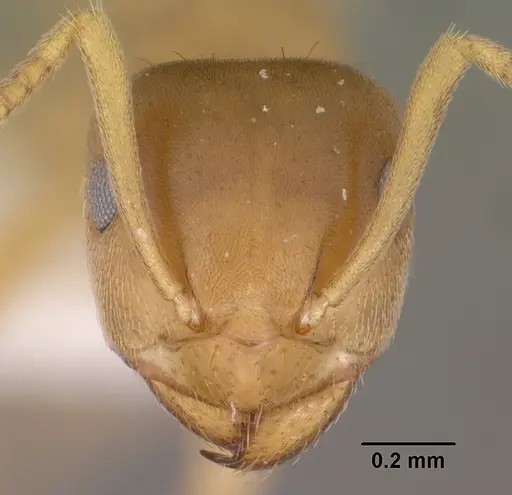
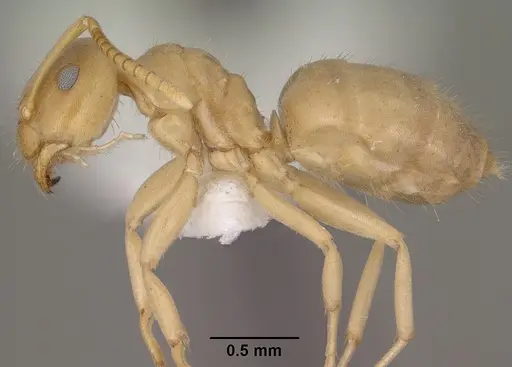
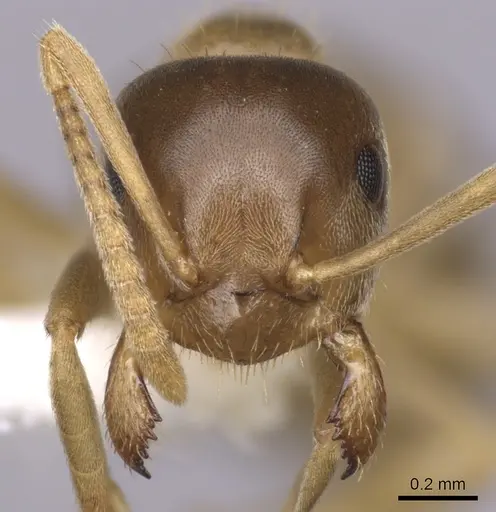
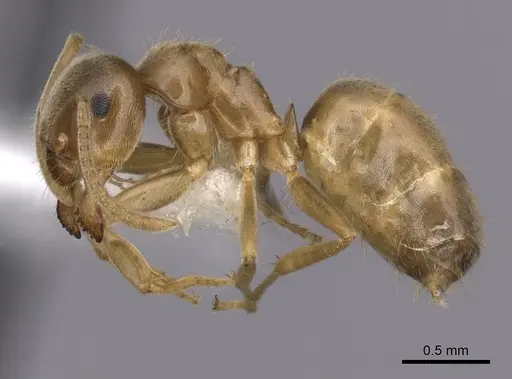
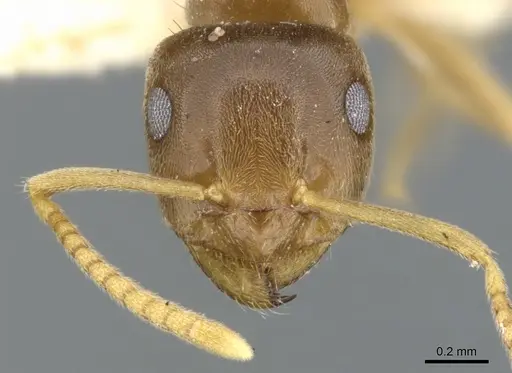
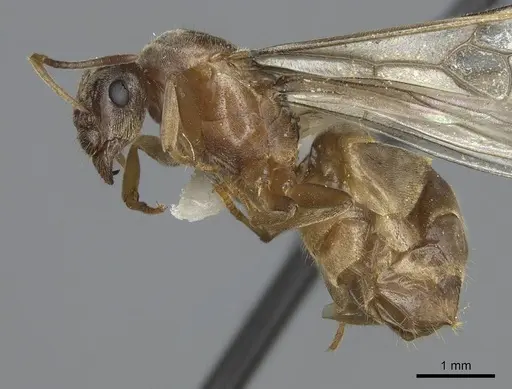
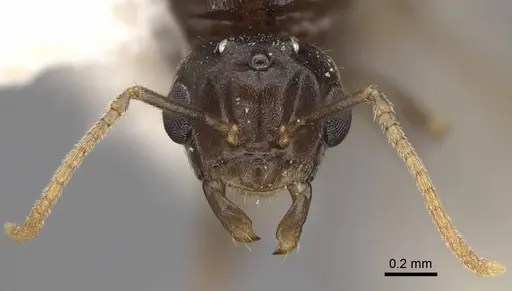
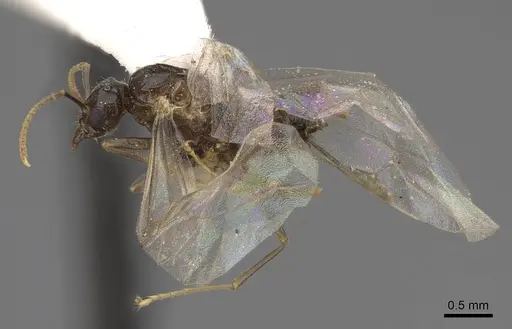
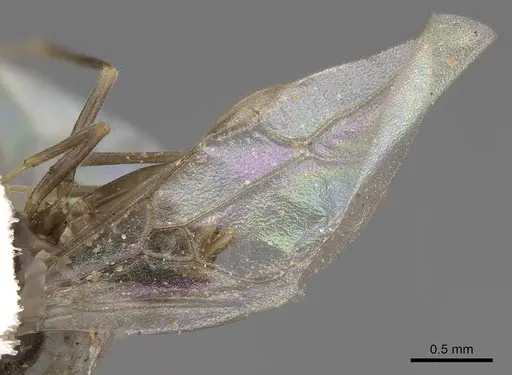
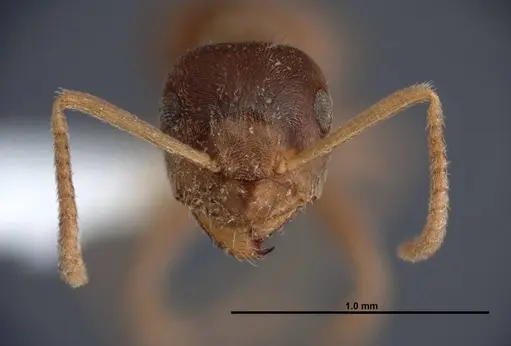
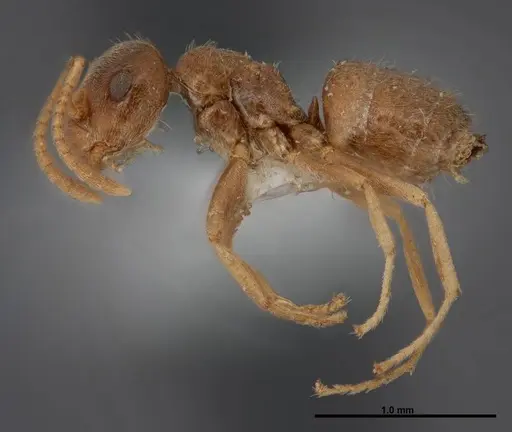
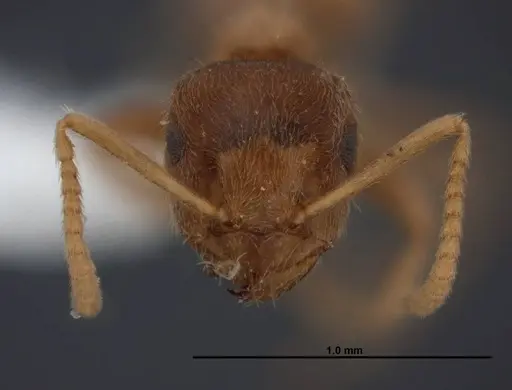
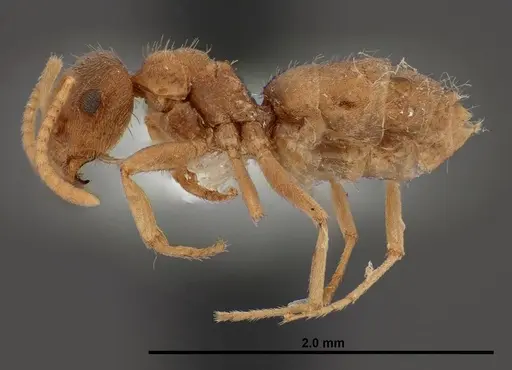
Lasius sitiens is a small, light-colored ant native to the southwestern United States and northern Mexico. Workers are medium yellowish brown with noticeably small eyes, a key identifying feature that sets them apart from related species like Lasius neoniger and Lasius crypticus. They lack standing hairs on their scapes and tibiae, giving them a relatively smooth appearance. Workers measure around 0.4-0.56mm in pronotum width, making them one of the smaller Lasius species. Queens are similarly small at 0.63-0.78mm head width and medium to dark brown in color with pale yellowish legs.
This species has evolved remarkable adaptations for a subterranean lifestyle. Its small eyes, shortened appendages, and pale coloration represent a convergent evolution with the subgenus Cautolasius, these traits help it survive underground where it forages rarely above the surface. Unlike many Lasius species that actively forage in the open, Lasius sitiens nests almost exclusively under stones in dry, open situations and workers are seldom seen above ground. This makes them a fascinating species for antkeepers interested in observing unusual behavioral adaptations.
Quick Summary
- Difficulty: Medium
- Origin & Habitat: Southwestern United States (Arizona, Colorado, New Mexico) and northern Mexico (Chihuahua, Hidalgo, Nuevo León, Durango). Found from juniper scrub at 7000 feet elevation up to mixed pine-spruce forest at 8000 feet. Nests under stones in dry, open situations in sandy soils, loam, and rocky soils [1].
- Colony Type: Single-queen colonies (monogyne). Colonies are relatively small based on the limited foraging activity and small worker size.
- Colony: Monogyne
- Size & Growth:
- Queen: 0.63-0.78mm head width [1]
- Worker: 0.40-0.56mm pronotum width, typically smaller than related Lasius species [1]
- Colony: Unknown, likely moderate sized colonies based on small worker size and subterranean habits
- Growth: Moderate, typical for Lasius genus
- Development: Estimated 6-10 weeks based on typical Lasius development patterns (Development likely occurs from March to August in the wild based on brood presence records. Queens likely claustral (seal themselves in) as typical for Lasius species.)
- Antkeeping:
- Temperature: Keep around 20-24°C. This species prefers warmer conditions typical of southwestern US habitats, but avoid excessive heat as they naturally nest underground where temperatures are more moderate. A gentle gradient allowing workers to self-regulate is ideal.
- Humidity: Low to moderate. These ants naturally nest under stones in dry, open situations, they are adapted to drier conditions than many Lasius species. Allow the nest to dry out between waterings rather than keeping it constantly moist.
- Diapause: Likely requires a winter dormancy period. In their native range (7000-8000ft elevation), they experience cold winters. A 2-3 month period at 5-10°C during winter is recommended.
- Nesting: Y-tong (AAC) nests work well for this small species. Provide a tight-fitting setup since their small size makes them prone to escaping through small gaps. Naturalistic setups with flat stones or soil-filled containers also mimic their natural under-stone nesting preferences.
- Behavior: Very docile and non-aggressive. Workers are rarely seen foraging above ground, they are adapted to a subterranean lifestyle and spend most of their time underground. This makes them a calm species to observe, though their reclusive nature means you'll see less activity than more surface-active ants. They are not known to sting and pose no danger to keepers. Their small size means escape prevention is important, they can squeeze through surprisingly small gaps.
- Common Issues: small size makes escape likely without fine mesh barriers, colonies may appear inactive because workers rarely forage above ground, this is normal behavior, not a problem, slow growth can frustrate beginners who overfeed or disturb the nest, dry nesting preferences mean overwatering can kill colonies, limited availability in the antkeeping hobby since they are not commonly collected
Housing and Nest Setup
Lasius sitiens is a small species that does well in Y-tong (acrylic) nests or naturalistic setups. Because they naturally nest under stones in the wild, a setup with a thin layer of soil or sand under a flat stone or glass surface works well and mimics their natural conditions. The chambers should be appropriately sized for their small worker size, tight passages are better than large open spaces.
For escape prevention, use fine mesh barriers and ensure all connections are sealed. Despite their small size, they are not particularly strong climbers, but they can squeeze through tiny gaps. A thin barrier of fluon on the rim of the outworld helps prevent escapes.
Provide a water tube with a cotton plug as their primary water source. Since they are subterranean, they will use the water tube but won't be as frequently visible at water sources as surface-active species. [1]
Feeding and Diet
Like other Lasius species, Lasius sitiens is omnivorous and will accept both sugar sources and protein. Offer sugar water, honey, or diluted maple syrup as a constant sugar source. For protein, small insects like fruit flies, small mealworms, or cricket pieces work well. Feed protein prey once or twice weekly, adjusting based on colony size and consumption.
Because workers rarely forage above ground, they may be slower to discover food in the outworld. Place food near the nest entrance and give them time to find it. A shallow feeding dish makes cleanup easier. Remove uneaten prey after 24-48 hours to prevent mold.
Their subterranean lifestyle suggests they may rely more on honeydew and small prey found within the nest structure rather than extensive foraging, so don't be concerned if they seem less interested in large food items. [1]
Temperature and Seasonal Care
Maintain temperatures in the 20-24°C range. This species comes from the warm southwestern US and northern Mexico, so they prefer conditions warmer than typical room temperature. A small heating cable on one side of the nest can create a gentle gradient, but avoid direct heat that could dry out the nest too quickly.
For winter dormancy, provide a 2-3 month period at 5-10°C. In their native habitat at 7000-8000 feet elevation, they experience cold winters that likely trigger dormancy. Reduce feeding during this period and keep the nest slightly cooler. This rest period supports healthy colony development and longevity.
Monitor humidity carefully, these ants prefer drier conditions than many Lasius species. Allow the nest to partially dry between waterings. [1]
Behavior and Observation
Lasius sitiens is one of the more reclusive Lasius species. Workers spend most of their time underground and are rarely seen foraging on the surface. This is not a sign of illness, it's their natural behavior. The small eyes and shortened appendages are evolutionary adaptations for subterranean life, similar to cave-dwelling organisms.
Queens are founding colonies are likely claustral, meaning they seal themselves in a chamber and survive on stored fat until their first workers emerge. This is typical of the Lasius genus. During founding, minimize disturbances to give the queen the best chance of success.
The colony will be relatively calm and non-aggressive. They pose no sting threat to keepers. Observation is rewarding because you can watch their subtle underground activities through clear nest walls, a window into their hidden world. [1]
Frequently Asked Questions
How long does it take for Lasius sitiens to produce first workers?
Estimated 6-10 weeks from egg to first worker at optimal temperatures (around 22-24°C). This is based on typical Lasius development patterns since specific development data for this species is not available. Be patient, founding colonies can take time.
Can I keep Lasius sitiens in a test tube?
Yes, test tubes work well for founding colonies. Use a small diameter tube appropriate for their tiny size. Provide a water reservoir and keep the tube in darkness during the founding phase. Once the colony grows to 20-30 workers, consider moving to a small formicarium.
What do Lasius sitiens eat?
They are omnivorous like other Lasius species. Offer sugar water, honey, or maple syrup as a constant sugar source. For protein, provide small insects like fruit flies, small mealworms, or cricket pieces. Feed protein 1-2 times weekly.
Do Lasius sitiens need hibernation?
Yes, they likely require a winter dormancy period. In their native southwestern US habitat at higher elevations, they experience cold winters. Provide 2-3 months at 5-10°C during winter months.
Are Lasius sitiens good for beginners?
They are moderate difficulty. Their small size requires good escape prevention, and their reclusive nature means less visible activity than other species. However, their docile temperament and simple care requirements make them suitable for committed beginners.
Why are my Lasius sitiens workers rarely seen above ground?
This is completely normal behavior. Lasius sitiens is adapted to a subterranean lifestyle, workers rarely forage above ground and spend most of their time in the nest. This is not a sign of illness.
How big do Lasius sitiens colonies get?
Colony size is not well documented, but based on their small worker size and limited foraging activity, colonies likely reach several hundred workers at most. They are not among the largest Lasius species.
When should I move Lasius sitiens to a formicarium?
Move them when the test tube becomes crowded or the water reservoir needs frequent refilling. For Lasius sitiens, this is typically when the colony reaches 30-50 workers. Choose a small formicarium with appropriately sized chambers.
Can I keep multiple Lasius sitiens queens together?
No, this species is monogyne (single-queen colonies). Multiple unrelated queens will fight. Only keep one queen per colony.
References

This caresheet is licensed under CC BY-SA 4.0 .
CASENT0102806
View on AntWeb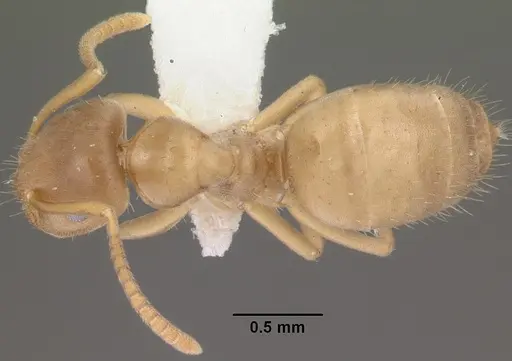
CASENT0280442
View on AntWeb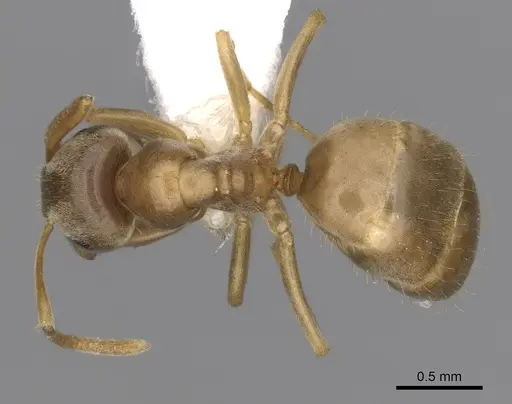
CASENT0903205
View on AntWeb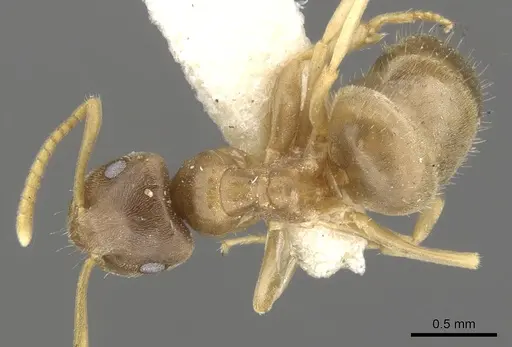
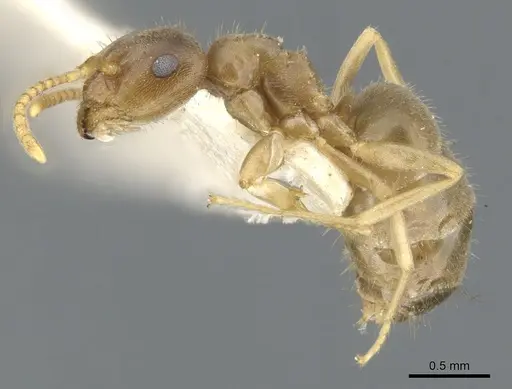
CASENT0923062
View on AntWeb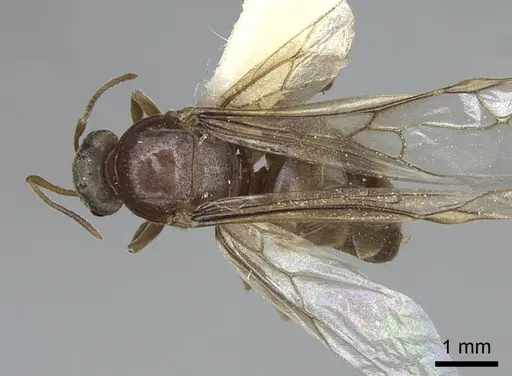
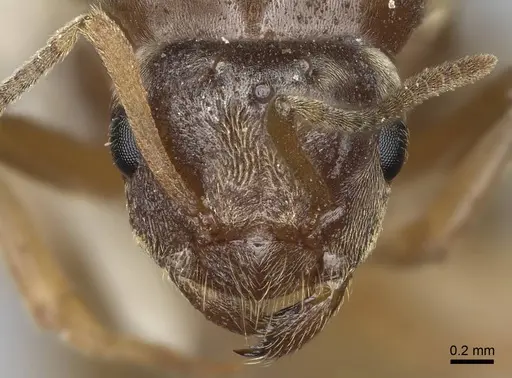
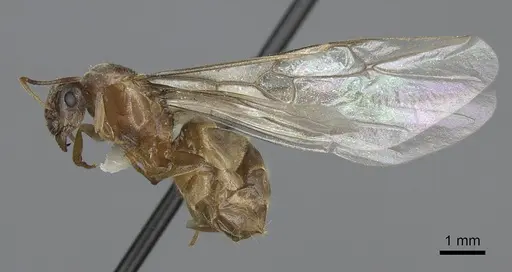
CASENT0923063
View on AntWeb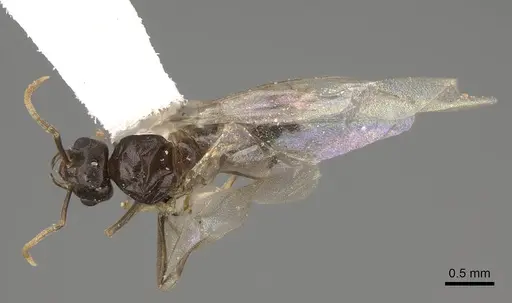
FMNHINS0000062730
View on AntWeb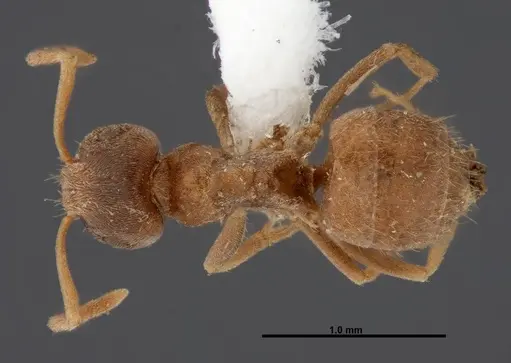
FMNHINS0000062733
View on AntWeb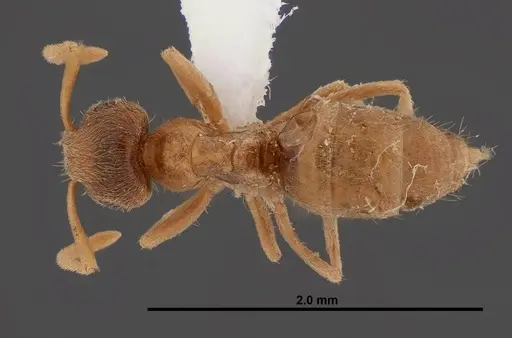
Literature
Loading...Loading products...