

Lasius crypticus
- Scientific Name
- Lasius crypticus
- Tribe
- Lasiini
- Subfamily
- Formicinae
- Author
- Wilson, 1955
- Common Name
- Cryptic Fuzzy Ant
- Distribution
- Found in 1 countries
Lasius crypticus Overview
Lasius crypticus (commonly known as the Cryptic Fuzzy Ant) is an ant species of the genus Lasius. It is primarily documented in 1 countries , including United States of America. Detailed taxonomic data and occurrence records can be further explored via authoritative databases such as AntWeb or the Global Biodiversity Information Facility (GBIF).
Lasius crypticus - "Cryptic Fuzzy Ant"
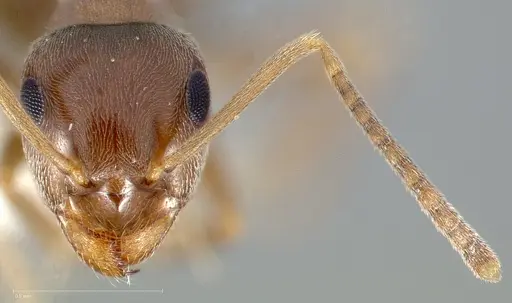
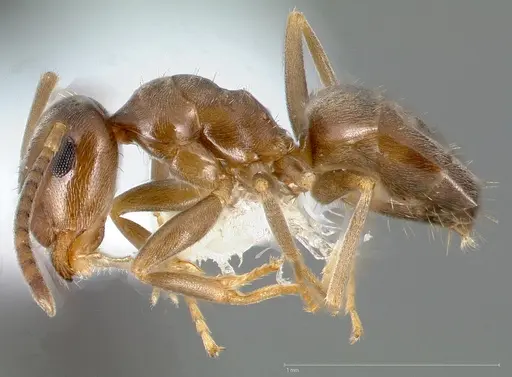
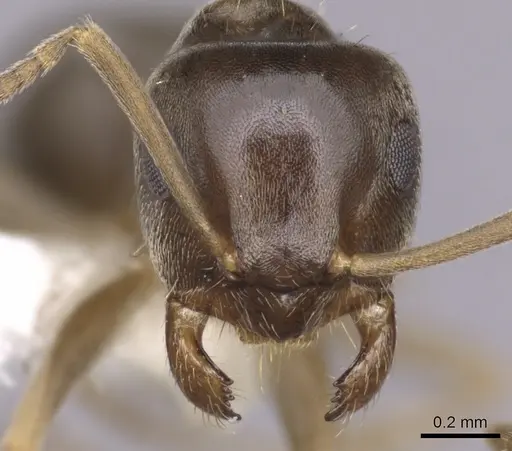
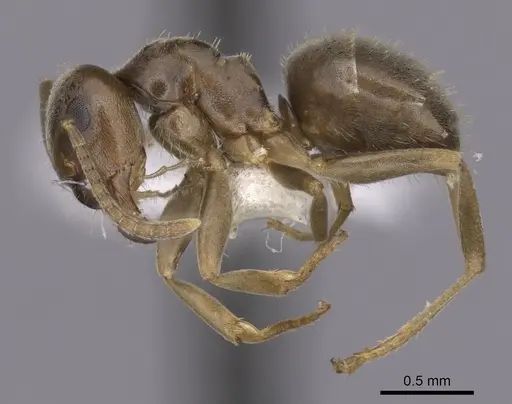
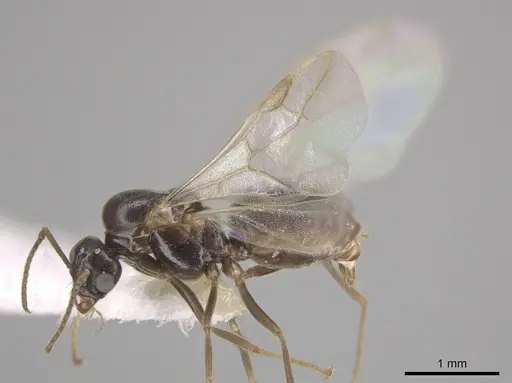
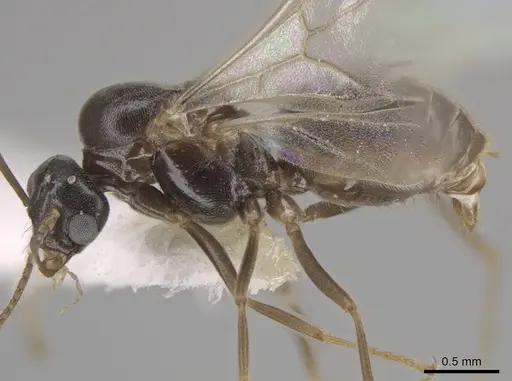
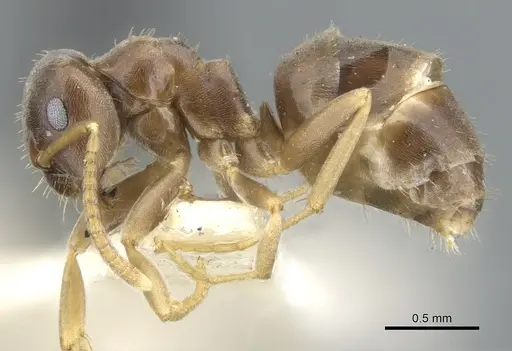
Lasius crypticus is a small, dark brown ant native to western North America. Workers measure around 4-5mm and are nearly black to dark brown in color, noticeably darker than the similar Lasius neoniger. The scapes (the antennae segments closest to the head) have only flat, appressed hairs with no standing hairs, this is one key way to tell them apart from related species. Queens can be either fully winged or brachypterous (short-winged), which is unusual among Lasius ants. This species is most at home in dry, open prairies and grasslands across the Great Plains, Rocky Mountains, and Great Basin regions, ranging from Canada down to Mexico [1][2].
Quick Summary
- Difficulty: Easy
- Origin & Habitat: Western North America, Great Plains, Rocky Mountains, Great Basin, from Alberta and North Dakota to California, Oregon, and Mexico. Found in sagebrush, grasslands, pinyon-juniper woodlands, and oak savannah. Nests under stones in sandy to rocky loam soils [2][3].
- Colony Type: Single-queen colonies (monogyne). Queens can be winged or brachypterous (short-winged). Brachypterous queens disperse on foot with workers, typically associated with colony fission [4].
- Colony: Monogyne
- Founding: Claustral
- Size & Growth:
- Queen: 5-6mm (estimated from genus)
- Worker: 4-5mm [3]
- Colony: Unknown, likely several hundred workers based on similar Lasius species
- Growth: Moderate
- Development: 6-10 weeks (estimated from genus-level Lasius data) (Brood documented in nests from March to August, suggesting seasonal breeding pattern [3])
- Antkeeping:
- Temperature: Room temperature (18-24°C) is suitable. In nature found from high desert to mountain habitats, suggesting tolerance for temperature variation. Provide a gentle gradient if possible.
- Humidity: Low to moderate. Naturally inhabits dry, exposed prairie situations. Keep nest substrate moderately dry, not waterlogged. Provide a shallow water dish in the outworld.
- Diapause: Yes, likely required. Native to temperate regions with cold winters. Provide 3-4 months at 5-10°C during winter.
- Nesting: Soil nests under stones work well. In captivity, a standard formicarium with sandy/loam substrate or a Y-tong nest with dirt chambers suits them. They prefer compactable soil for tunneling.
- Behavior: Generally docile and non-aggressive. Foragers scavenge for insects and tend root-feeding hemiptera (aphids and similar insects) [2]. Workers are active foragers that will take a variety of food. They are not strong climbers but can escape if given the chance, use standard barrier methods. Small size means escape prevention should be considered.
- Common Issues: colonies can be slow to establish, patience is needed during founding, dry conditions preferred, overwatering can cause colony decline, small workers can slip through loose connections in equipment, winter dormancy is required for long-term health, may be confused with Lasius neoniger, verify identification
Housing and Nest Setup
Lasius crypticus does well in standard ant housing. For founding colonies, a test tube setup works fine, just make sure the cotton is packed snugly so tiny workers can't squeeze through. Once the colony reaches 20-30 workers, you can move them to a formicarium. They prefer soil-based nests where they can dig their own tunnels, so a naturalistic setup with a dirt chamber or a Y-tong filled with substrate works well. Because they naturally nest under stones, they do fine in compact nests with moderate humidity. Avoid overly wet conditions, this species prefers drier nest conditions than many other ants. [2][3]
Feeding and Diet
Like most Lasius ants, these are generalist scavengers. Workers will take sugar water, honey, or diluted syrup readily. For protein, offer small insects like fruit flies, small crickets, or mealworm pieces. In the wild, they scavenge dead insects and tend hemiptera (aphids and scale insects) on roots [2]. A varied diet keeps colonies healthy, offer protein roughly twice weekly and keep sugar water available at all times. Remove uneaten prey after 24-48 hours to prevent mold.
Temperature and Seasonal Care
Lasius crypticus tolerates a wide temperature range since they're found from hot high-desert areas to cooler mountain regions. Room temperature (18-24°C) is ideal, with slight warming during the active season helping growth. Like all temperate Lasius, they need a winter dormancy period. Reduce temperatures to 5-10°C for 3-4 months during winter, this mimics their natural cycle and helps maintain colony health. You can move them to a garage, basement, or refrigerator during this period. Reduce feeding during dormancy but keep water available. [1][3]
Colony Development
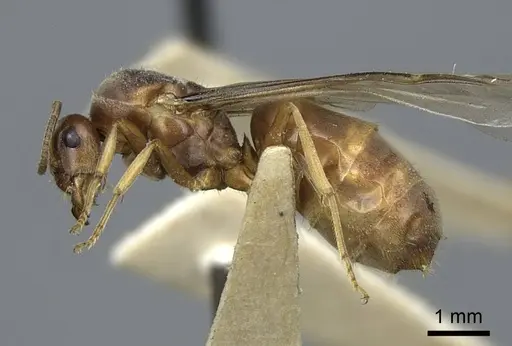
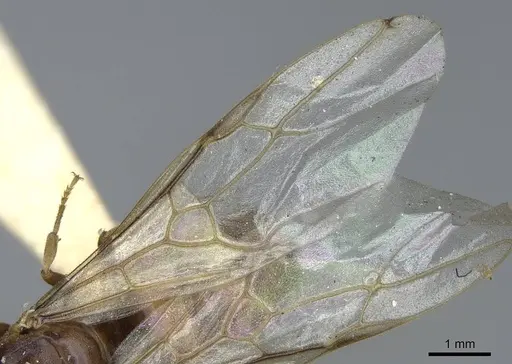
This species has an unusual trait, queens can be either fully winged or brachypterous (short-winged). Brachypterous queens have tiny non-functional wings that often break off quickly after emerging. These queens disperse on foot alongside workers, which is associated with colony fission rather than mass nuptial flights [4]. Brood appears in nests from March through August, with winged reproductives appearing from mid-July to late August [3]. Workers are small (4-5mm) and relatively long-lived. Colonies build up steadily over several years.
Identification Tips
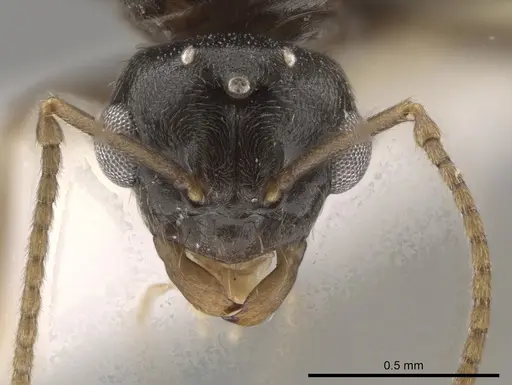
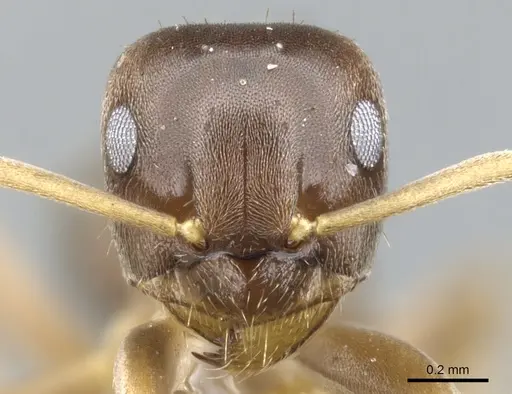
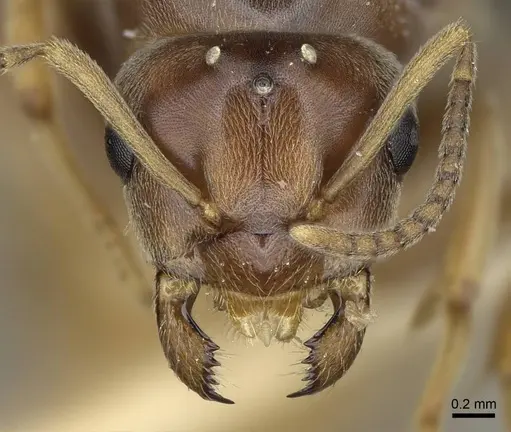
Lasius crypticus can be tricky to distinguish from the closely related Lasius neoniger and Lasius americanus. Key identifying features: the scapes and front tibiae have only flat-lying (appressed) hairs with no standing hairs, the body is noticeably darker than L. neoniger (dark brown vs light brown), and the eye is relatively large with 12-14 ommatidia across its diameter [3]. The penultimate basal tooth on the mandible is often greatly reduced or absent, creating a gap between the other teeth. Because these features vary, examining a series of workers is recommended for confident identification.
Frequently Asked Questions
How long does it take for Lasius crypticus to produce first workers?
Expect 6-10 weeks from egg to first worker under warm conditions (around 22-24°C). This is typical for Lasius species. Founding colonies need patience, the queen lays eggs slowly at first.
What temperature do Lasius crypticus need?
Room temperature (18-24°C) works well. They tolerate a range since they're found in varied habitats from deserts to mountains. A slight gradient is beneficial but not required.
Do Lasius crypticus need hibernation?
Yes, they require a winter dormancy period. Keep them at 5-10°C for 3-4 months during winter. This is essential for long-term colony health and reproduction.
Can I keep multiple Lasius crypticus queens together?
This species is monogyne, single-queen colonies. Unlike some Lasius, they don't form multi-queen colonies. Only one queen per colony is recommended.
What do Lasius crypticus eat?
They accept sugar water, honey, or syrup for carbohydrates. For protein, offer small insects like fruit flies, pinhead crickets, or mealworm pieces. They naturally scavenge dead insects and tend aphids.
How big do Lasius crypticus colonies get?
Colony size is not well documented but likely reaches several hundred workers over several years. They are not among the largest Lasius species.
Are Lasius crypticus good for beginners?
Yes, they are considered easy to keep. They are docile, tolerate typical room conditions, and don't have special humidity requirements. Their main needs are proper identification and winter dormancy.
When do Lasius crypticus have nuptial flights?
Winged reproductives appear from mid-July through late August, based on field collections. No actual nuptial flights have been recorded, brachypterous queens disperse on foot instead.
How do I identify Lasius crypticus?
Look for dark brown/black body color, scapes with only flat-lying hairs (no standing hairs), and a relatively large eye. The mandible often has a gap where one tooth would be. Examine multiple workers for best results.
References

This caresheet is licensed under CC BY-SA 4.0 .
CASENT0005402
View on AntWeb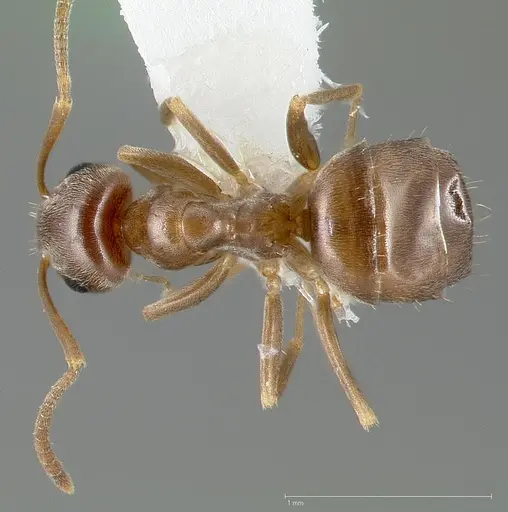
CASENT0280441
View on AntWeb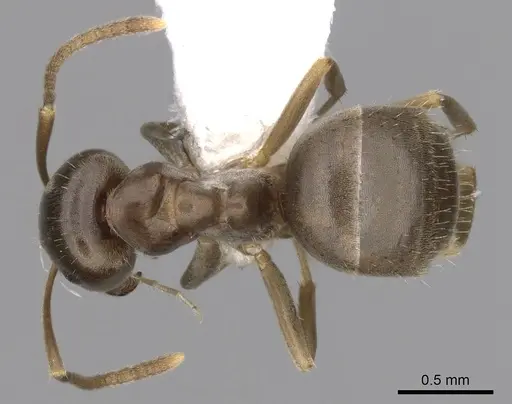
CASENT0644123
View on AntWeb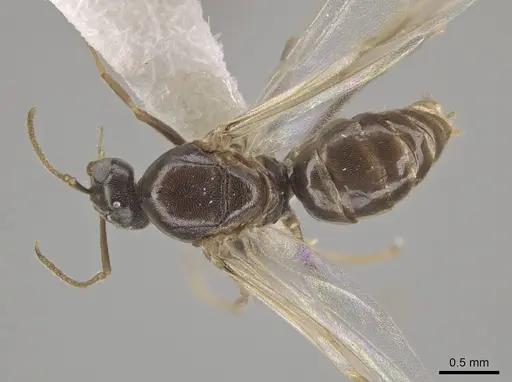
CASENT0903204
View on AntWeb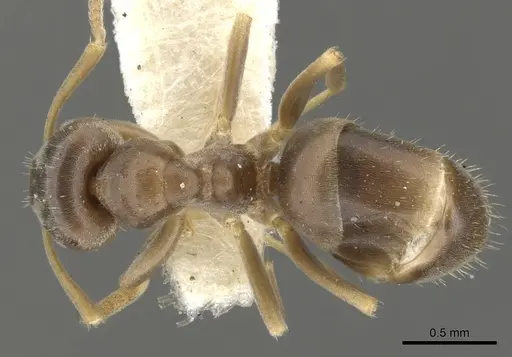
CASENT0923057
View on AntWeb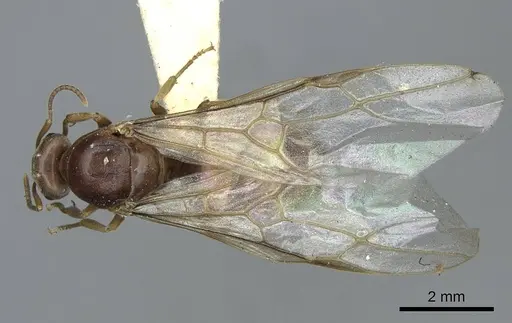
Literature
Loading...Loading products...