

Lasius ponderosae
- Scientific Name
- Lasius ponderosae
- Tribe
- Lasiini
- Subfamily
- Formicinae
- Author
- Schär <i>et al.</i>, 2022
- Distribution
- Found in 2 countries
Lasius ponderosae Overview
Lasius ponderosae is an ant species of the genus Lasius. It is primarily documented in 2 countries , including Canada, United States of America. Detailed taxonomic data and occurrence records can be further explored via authoritative databases such as AntWeb or the Global Biodiversity Information Facility (GBIF).
Lasius ponderosae
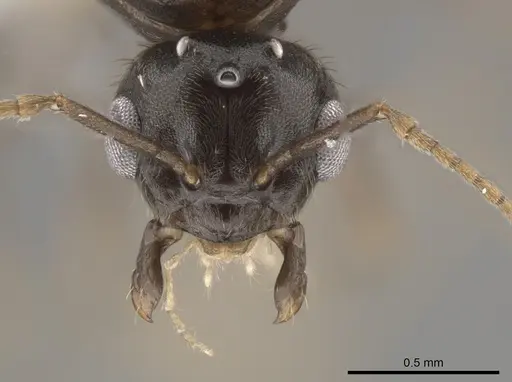
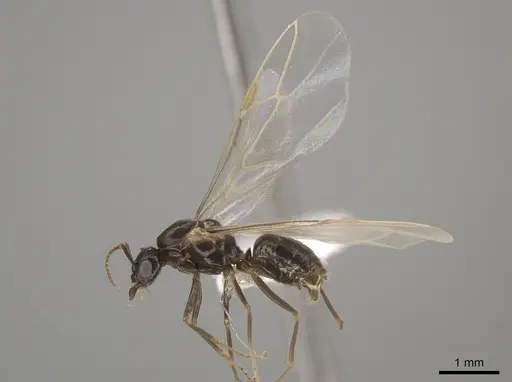
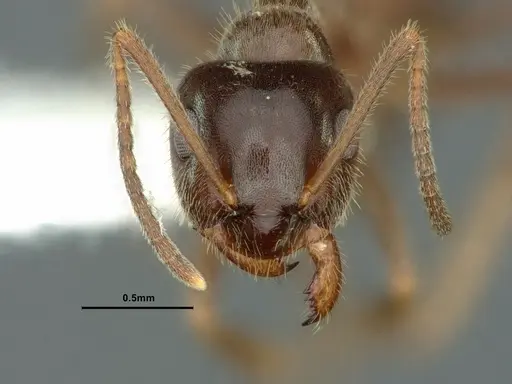
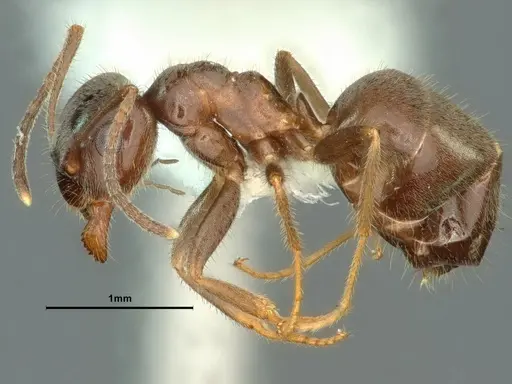
Lasius ponderosae is a small, dark ant species newly described in 2022 from western North America. Workers measure 0.8-0.86mm in head length with a characteristic dark brown to black coloration, while queens are significantly larger at 1.42-1.45mm head length [1]. This species was previously misidentified as Lasius niger or Lasius alienus until genetic and morphological analysis revealed it as a distinct species [2]. The name 'ponderosae' refers to the ponderosa pine tree (Pinus ponderosa), which is central to its habitat in western Rocky Mountains and northern Arizona [2]. These ants are part of the Formicinae subfamily and are closely related to the common Lasius niger complex.
What makes L. ponderosae interesting is its adaptation to high-elevation ponderosa pine ecosystems across western North America. They nest in and under dead wood, and under stones in soil, from elevations of 20m to 3220m [2]. The species shows remarkable genetic diversity with at least 15 distinct mitochondrial lineages, indicating a complex evolutionary history [2]. For antkeepers, this is a North American native species that offers the opportunity to keep a recently described species with documented habitat preferences.
Quick Summary
- Difficulty: Easy
- Origin & Habitat: Western North America, found in Alberta (Canada), Arizona, Baja California (Mexico), California, Colorado, Idaho, Montana, Nevada, Oregon, Utah, and Washington (USA). Typical habitat is ponderosa pine forest and associated communities including dry meadows, sagebrush, and gambel oak woodland, also meadows bordered by aspen-spruce or alpine scree slopes. Nests in and under dead wood, and under stones in soil. Elevation range 20-3220m with mean around 2000m [2].
- Colony Type: Colony structure is unconfirmed for this specific species. Based on typical Lasius genus patterns, likely single-queen (monogyne) colonies with claustral founding where the queen seals herself in to raise first workers alone.
- Size & Growth:
- Queen: 1.42-1.45mm head length [1]
- Worker: 0.81-0.86mm head length [1]
- Colony: Unknown for this species. Related Lasius species typically reach 5,000-15,000 workers.
- Growth: Moderate, typical for Lasius genus
- Development: 6-10 weeks estimated based on typical Lasius development at room temperature (Development time inferred from related Lasius species. Queens likely raise first workers (nanitics) alone over several months.)
- Antkeeping:
- Temperature: Keep at room temperature, roughly 18-22°C. This species comes from high-elevation temperate regions, so avoid overheating. A slight temperature gradient allowing cooler areas is beneficial [2].
- Humidity: Moderate, these ants prefer dry to moderately damp conditions typical of ponderosa pine forests. Keep nest substrate slightly moist but not wet. Provide a water source but avoid excessive moisture.
- Diapause: Yes, this species requires a winter dormancy period given its temperate/high-elevation origin. Keep colonies around 5-10°C for 3-4 months during winter, typical for Lasius species [2].
- Nesting: Provide a nest that allows for dry to moderately humid conditions. Y-tong (acrylic) nests work well, or a test tube setup with access to a foraging area. They naturally nest in dead wood and under stones, so include some substrate options. Ensure good escape prevention as workers are small.
- Behavior: Workers are small but active foragers. Like other Lasius species, they are not aggressive and typically flee when disturbed. They are omnivorous, feeding on honeydew from aphids, sugar water, and small insects. Workers have the ability to spray formic acid as a defense, though this is mild. Escape risk is moderate, their small size means they can squeeze through small gaps, so use fine mesh barriers. They are diurnal and actively forage throughout the day.
- Common Issues: colonies may fail if kept too warm, avoid temperatures above 25°C, escape prevention is important due to small worker size, hibernation is required, colonies that don't receive proper winter rest may decline, slow founding phase means new keepers should be patient with newly mated queens, wild-caught colonies may harbor parasites that can affect captive colonies
Housing and Nest Setup
Lasius ponderosae does well in standard ant keeping setups. A test tube setup works well for founding colonies, use a clean test tube with a cotton ball providing water, connected to a small foraging area. For established colonies, Y-tong (acrylic) nests or plaster nests work well. The species naturally nests in dead wood and under stones, so you could also use a naturalistic setup with soil and pieces of wood. Ensure the nest has chambers scaled appropriately for their small worker size. Provide a water source, a shallow water dish or damp cotton works. Escape prevention is important: use fine mesh over any openings as workers can squeeze through surprisingly small gaps. [2]
Feeding and Diet
Like other Lasius species, these ants are omnivorous. Their primary diet in nature consists of honeydew from aphids and other homopteran insects, plus small insects and arthropods. In captivity, offer sugar water or honey water (change every 2-3 days to prevent fermentation), and protein sources like small crickets, mealworms, or fruit flies. Feed protein 2-3 times per week for established colonies. Queens in founding stage do not need food, they survive on stored fat reserves until their first workers emerge. Once workers are present, they will readily accept sugar water and small prey. Avoid overfeeding as leftover food can mold and harm the colony.
Temperature and Seasonal Care
Lasius ponderosae comes from high-elevation temperate regions, so they prefer cooler conditions than many ant species. Keep the nest at room temperature, ideally 18-22°C. Avoid temperatures above 25°C as this can stress colonies. A temperature gradient allowing workers to choose their preferred warmth is ideal. During winter, this species requires a diapause (hibernation) period. Reduce temperature to 5-10°C for 3-4 months, typically from late fall to early spring. Place the colony in a cool location like an unheated garage or refrigerator during this period. Do not feed during hibernation. This winter rest is essential for colony health and may trigger reproductive behavior the following season. [2]
Behavior and Colony Development
Lasius ponderosae workers are small but active and form established foraging trails. Colonies grow moderately, the founding phase is slow as the queen raises her first workers (nanitics) alone. These first workers are typically smaller than normal workers. Once the colony reaches 10-20 workers, growth accelerates. Workers are not aggressive and will flee rather than attack. When threatened, they can spray formic acid as a defense, though this is mild and rarely affects keepers. The species is diurnal, with peak foraging activity during daylight hours. Workers communicate using chemical trails to food sources. Colonies are single-queen based on typical Lasius patterns, though this specific species hasn't been extensively studied in captivity. [2]
Growth Timeline and Expectations
Newly mated queens should be placed in a test tube setup with water access via a cotton ball. The queen will seal herself into a chamber and lay eggs. She will not leave to forage, claustral founding means she lives entirely on stored fat reserves. Eggs develop through larval and pupal stages over 6-10 weeks at room temperature, with the first workers (nanitics) emerging typically smaller than mature workers. The first batch usually numbers only a few workers. After nanitics emerge, the queen resumes egg-laying and the colony begins growing. Growth is moderate, expect 6-12 months to reach 50 workers, and 2-3 years to reach several thousand workers in a healthy colony. Patience is key during the founding phase.
Frequently Asked Questions
How long does it take for Lasius ponderosae to produce first workers?
Expect 6-10 weeks from egg to first worker at room temperature (18-22°C). This is typical for Lasius species. The founding phase requires patience, the queen raises her first brood alone without leaving the nest.
What temperature do Lasius ponderosae need?
Keep them at room temperature, ideally 18-22°C. This species comes from high-elevation temperate regions and prefers cooler conditions. Avoid temperatures above 25°C.
Do Lasius ponderosae need hibernation?
Yes, this species requires a winter dormancy period. Reduce temperatures to 5-10°C for 3-4 months during winter, typically from late fall to early spring. This is essential for colony health.
Can I keep multiple Lasius ponderosae queens together?
Not recommended. Based on typical Lasius behavior, this species is likely single-queen (monogyne). Combining unrelated queens has not been documented and queens would likely fight.
What do Lasius ponderosae eat?
They are omnivorous. Offer sugar water or honey water as a constant food source, plus small insects like fruit flies, crickets, or mealworms 2-3 times per week. They also collect honeydew in nature.
Are Lasius ponderosae good for beginners?
Yes, this species is beginner-friendly. They are small, manageable, and have straightforward care requirements. The main challenges are providing proper hibernation and being patient during the slow founding phase.
How big do Lasius ponderosae colonies get?
Exact colony size is unconfirmed for this species, but related Lasius species typically reach 5,000-15,000 workers. Growth is moderate, expect 2-3 years to reach several thousand workers.
When should I move Lasius ponderosae to a formicarium?
Wait until the colony has at least 30-50 workers before moving to a formicarium. Before that, a test tube setup with a small foraging area is sufficient and less stressful for the colony.
Why are my Lasius ponderosae dying?
Common causes include: temperatures too high (above 25°C), improper humidity (too wet or too dry), lack of hibernation, overfeeding leading to mold, or parasites from wild-caught colonies. Check temperature and humidity first.
References

This caresheet is licensed under CC BY-SA 4.0 .
CASENT0106128
View on AntWeb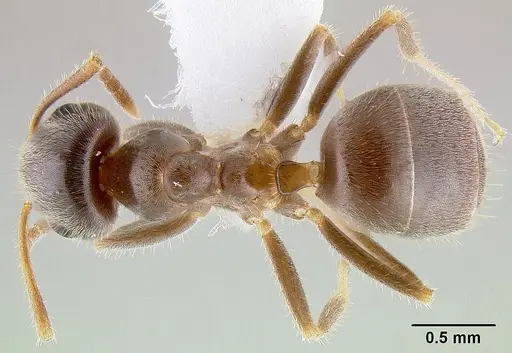
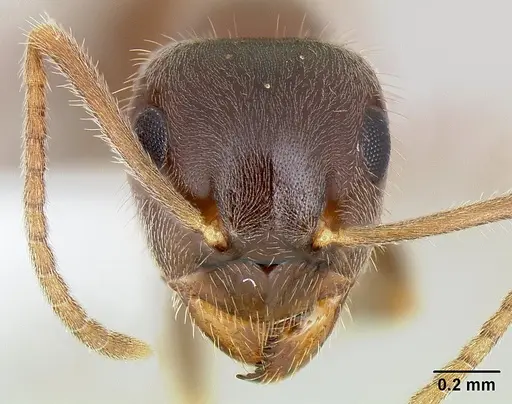
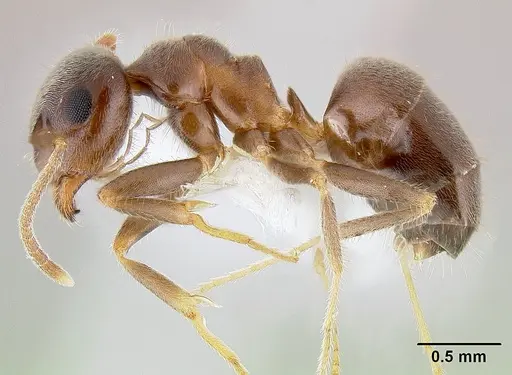
CASENT0639945
View on AntWeb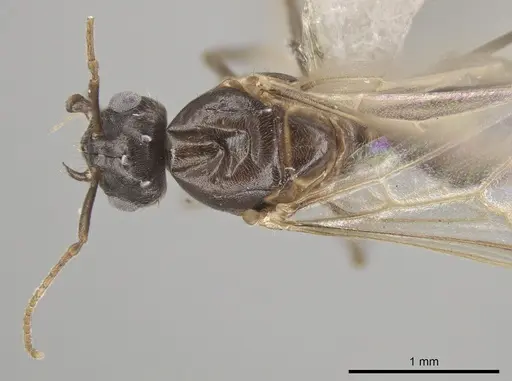
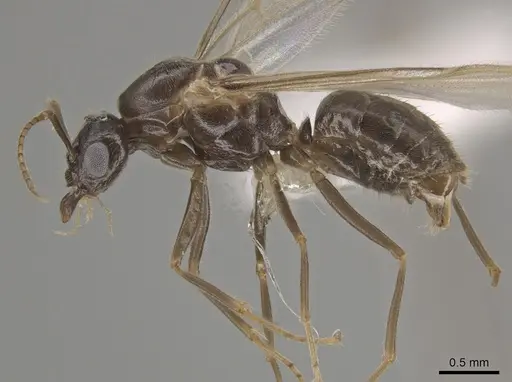
CASENT0732626
View on AntWeb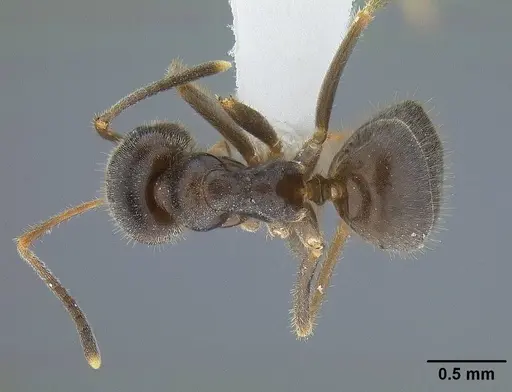
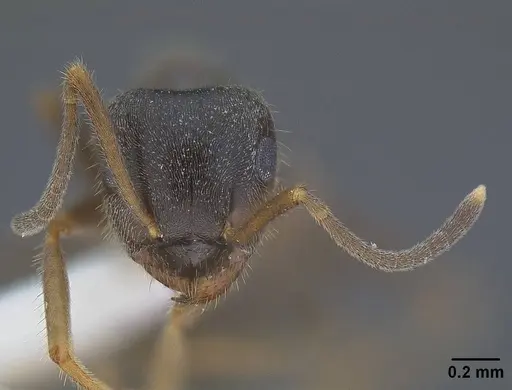
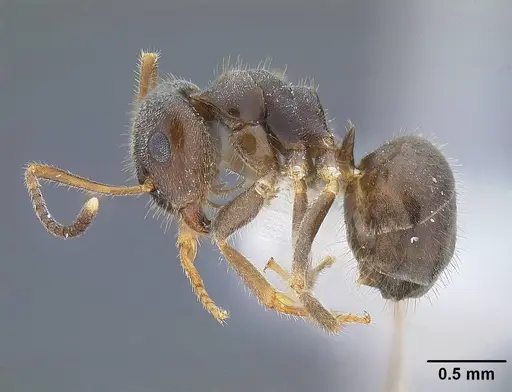
CASENT0882264
View on AntWeb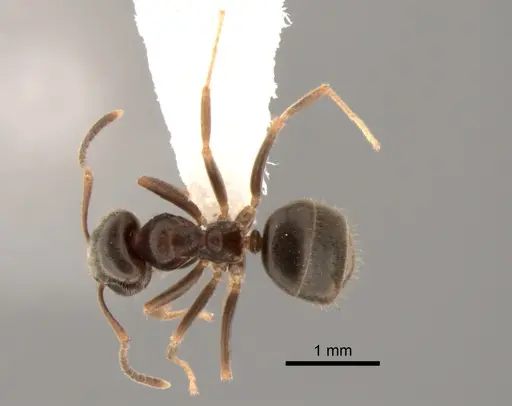
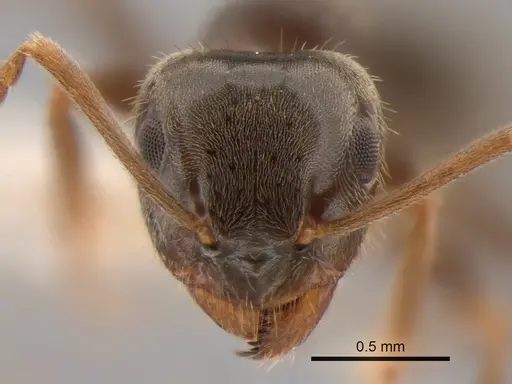
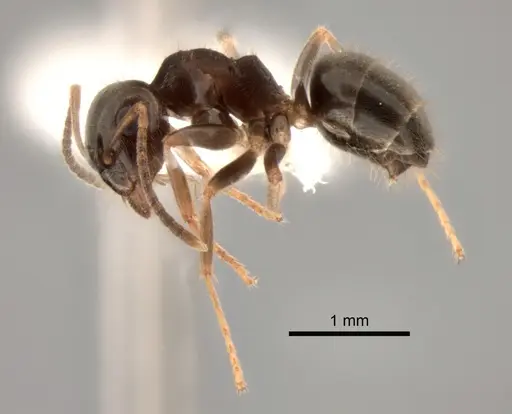
CASENT0883310
View on AntWeb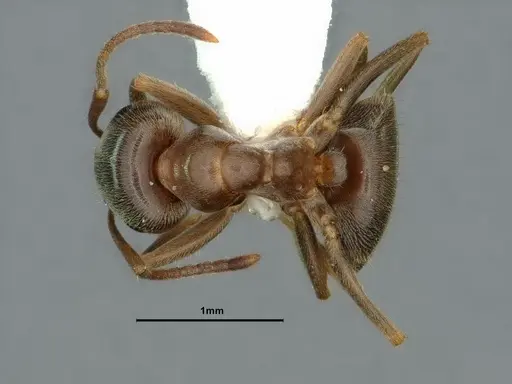
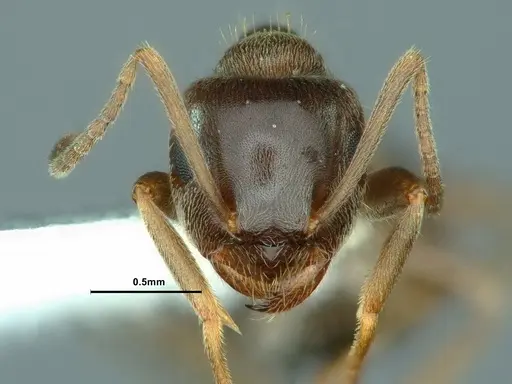
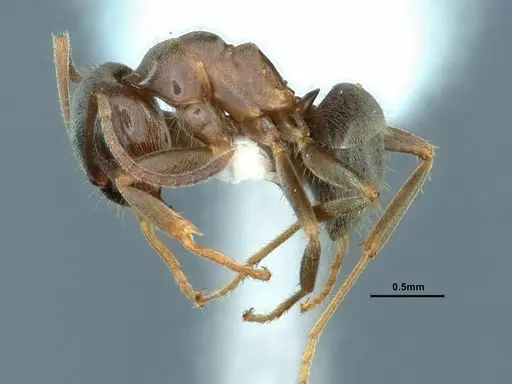
CASENT0883407
View on AntWeb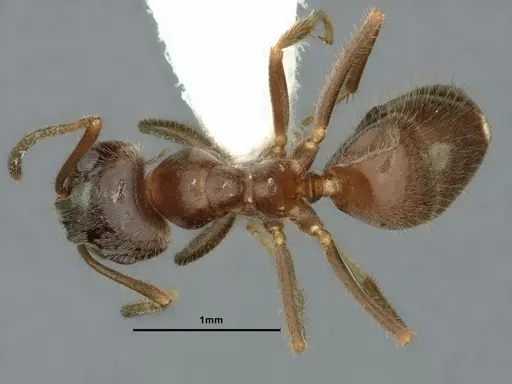
Literature
Loading...Loading products...