

Lasius orientalis
- Scientific Name
- Lasius orientalis
- Tribe
- Lasiini
- Subfamily
- Formicinae
- Author
- Karavaiev, 1912
- Distribution
- Found in 2 countries
Lasius orientalis Overview
Lasius orientalis is an ant species of the genus Lasius. It is primarily documented in 2 countries , including Korea, Republic of, Russian Federation. Detailed taxonomic data and occurrence records can be further explored via authoritative databases such as AntWeb or the Global Biodiversity Information Facility (GBIF).
Lasius orientalis
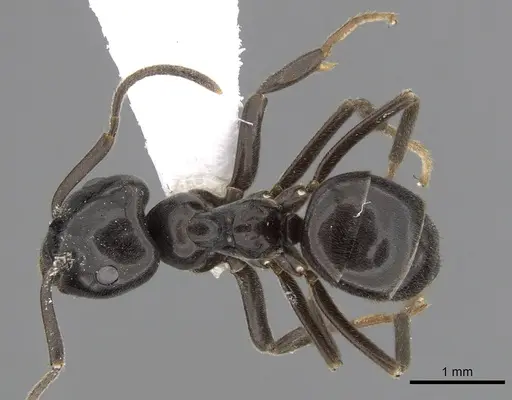
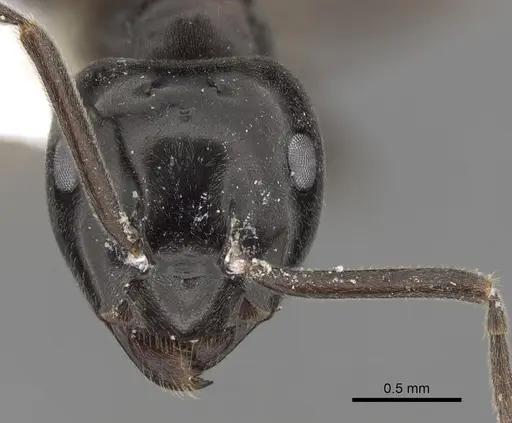
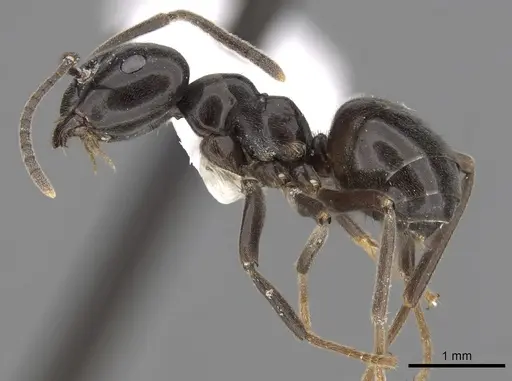
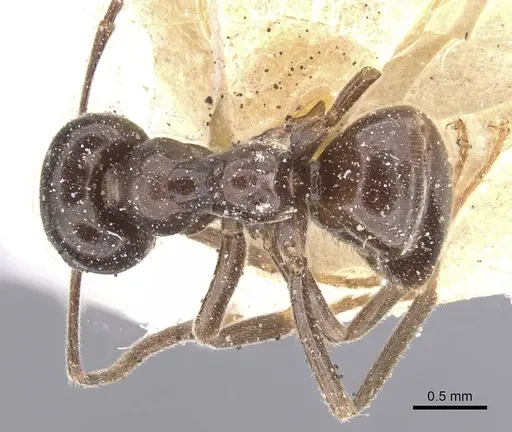
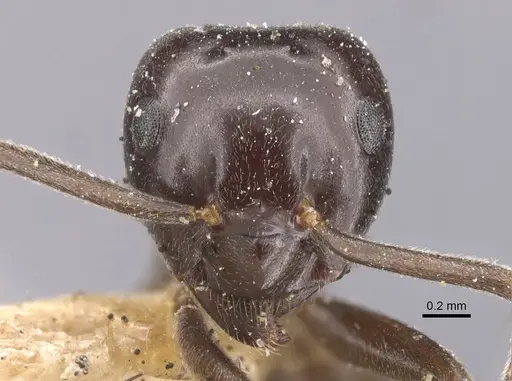
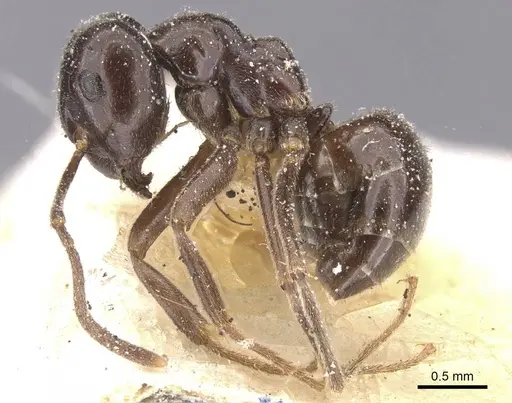
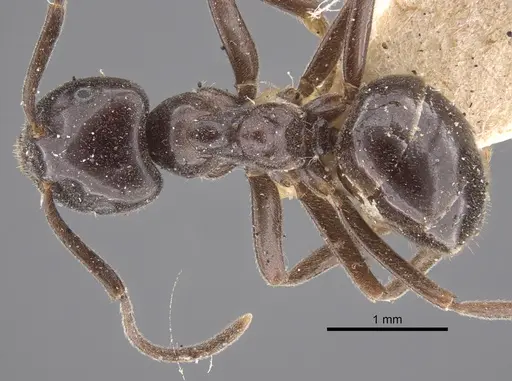
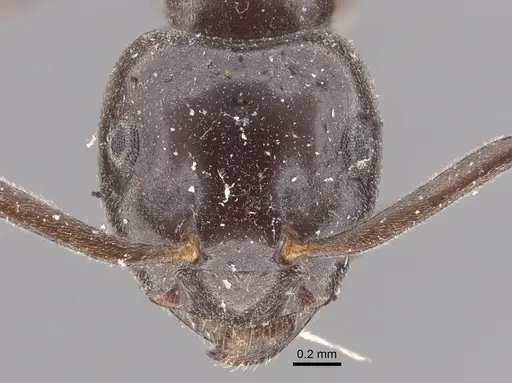
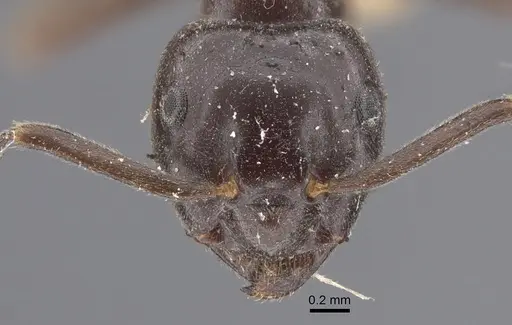
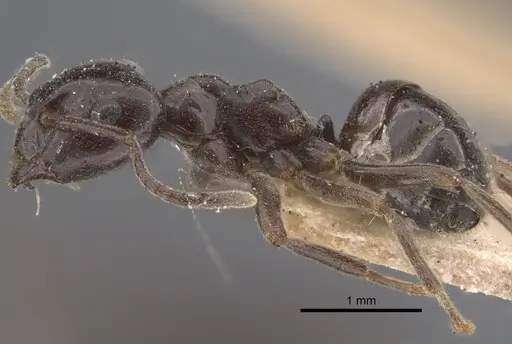
Lasius orientalis is a small jet-black ant belonging to the subgenus Dendrolasius, known for their distinctly flattened antennae and thick, low petiolar scale. Workers measure 3.0-3.5mm and have a characteristic inverted U-shaped petiole profile when viewed from the side. This species is notable for being a temporary social parasite, the queen invades colonies of Lasius flavus (the yellow meadow ant), kills the host queen, and uses the host workers to raise her first brood before her own workers eventually take over [1].
This species inhabits mountainous forest regions across the Russian Far East, Korean Peninsula, and northern Japan. It is considered rare in the wild, with nuptial flights occurring in July and August [1][2]. The jet black coloration and highly flattened scapes make this species distinctive within the genus Lasius.
Quick Summary
- Difficulty: Hard
- Origin & Habitat: Mountainous forest areas of Russian Far East (Amursky and Primorsky Regions, Islands Shikotan and Kunashir), Korean Peninsula, and Japan (Hokkaido, northern and central Honshu) [3][4]. Prefers forested habitats at higher elevations.
- Colony Type: Temporary social parasite, queen requires invasion of Lasius flavus host colony to establish. After the host queen is killed, the parasite queen uses host workers to raise her first brood until her own workers emerge.
- Colony: Monogyne
- Queen: Socially parasitic, Temporary parasitic
- Size & Growth:
- Queen: Estimated 6-8mm based on related Dendrolasius species
- Worker: 3.0-3.5mm [1]
- Colony: Unknown for this species, likely similar to other Dendrolasius species reaching several thousand workers
- Growth: Moderate, initial growth depends on host colony integration
- Development: Unknown for this species. Based on typical Lasius patterns, expect 6-10 weeks at optimal temperature. (Development timeline is not directly studied. Initial colony growth depends on successful host integration rather than typical claustral founding.)
- Antkeeping:
- Temperature: Keep at 18-22°C. As a temperate species from northern Japan and Russian Far East, they prefer cooler conditions than tropical ants. Room temperature within this range is typically suitable.
- Humidity: Moderate humidity around 50-70%. Forest-dwelling species prefer substrate that holds some moisture but isn't waterlogged. Provide a water tube in the outworld.
- Diapause: Yes, this temperate species requires winter hibernation. Reduce temperature to 5-10°C for 3-4 months during winter (roughly November-February in the Northern Hemisphere).
- Nesting: Standard Lasius setups work well once colony is established. Test tubes for founding, then transition to formicarium with soil or plaster nest. The key challenge is the initial establishment requiring a host colony.
- Behavior: Generally peaceful and not aggressive. Workers are small at 3-4mm and not particularly defensive. As a temporary social parasite, the founding queen must be introduced to a host Lasius flavus colony, this is the critical challenge for keepers. Once established, colonies are manageable and not prone to escaping. Workers forage for honeydew and small insects.
- Common Issues: Establishment failure, getting the queen to integrate with a host L. flavus colony is difficult and many attempts fail, Colony collapse if host workers die before parasite queen's workers emerge, Rare species, wild colonies are difficult to locate and collect, Hibernation mortality if temperature isn't properly lowered, Slow growth once established compared to non-parasitic species
Understanding Temporary Social Parasitism
Lasius orientalis is a temporary social parasite, meaning its queen cannot found a colony alone like most ants. Instead, a newly mated queen must find and invade an established colony of Lasius flavus (the yellow meadow ant). The host colony must be queenless for the invasion to succeed, either a naturally queenless fragment or one where you've removed the queen. The invading queen kills or replaces the host queen and uses the host workers to raise her first brood. This is a delicate process that often fails, which is why this species is considered challenging to keep [1].
The key to success is timing and preparation. The host colony should be healthy with plenty of workers but no queen. Introduce the parasite queen carefully, some keepers use a introduction tube or chamber where the two can gradually acclimate. The host workers will initially attack the intruder, but if they accept her (which happens when they detect her cuticular hydrocarbons), they will begin caring for her eggs and larvae. Over time, the parasite queen's own workers will emerge and gradually replace the host workers.
Housing and Setup
For the initial establishment phase, you will need both a host Lasius flavus colony and housing for the parasite queen. A standard test tube setup works for the parasite queen, but she needs access to the host colony. Some keepers use a connected setup where the queen can move between chambers, while others introduce her directly to a queenless host colony fragment.
Once the colony is established (parasite queen has her own workers), standard Lasius housing works well. A Y-tong (AAC) nest or plaster formicarium with a connected outworld provides ideal conditions. The nest should have chambers scaled to their small worker size. Keep the nest area at stable room temperature (18-22°C) with moderate humidity. A water tube in the outworld ensures they have access to moisture. Lighting isn't critical, these are forest ants that prefer dimmer conditions.
Feeding and Nutrition
Once established, Lasius orientalis workers feed like other Lasius species, primarily on sugar sources (honey water, sugar water) and protein (small insects). In the wild, they tend aphids and feed on honeydew, so sugar water should be available at all times. For protein, small crickets, fruit flies, and mealworm pieces work well. Feed protein 2-3 times per week, removing uneaten prey after 24 hours.
During the parasitic founding phase, the host workers feed both the parasite queen and her brood. Once your colony has its own workers, they will readily take sugar water and protein from the outworld. The small worker size means prey items should be appropriately sized, very small pieces or small insects.
Seasonal Care and Hibernation
As a temperate species from northern Japan and the Russian Far East, Lasius orientalis requires a winter hibernation period. In captivity, this means reducing temperatures to roughly 5-10°C for 3-4 months. This typically coincides with late autumn through early spring (November through February in the Northern Hemisphere).
Before hibernation, ensure the colony is well-fed, workers should have full crops. Reduce temperature gradually over 1-2 weeks. During hibernation, check periodically that the setup doesn't dry out completely, but minimal maintenance is needed. In spring, gradually warm the colony back to room temperature and resume normal feeding. Colonies that don't receive proper hibernation may have reduced longevity or fail to produce reproductive castes the following season.
Behavior and Temperament
Lasius orientalis workers are small and relatively docile. They are not aggressive and don't have a painful sting. Their small size (3.0-3.5mm) means they can escape through small gaps, so escape prevention is important, use fluon on test tube rims and ensure any connections between nest and outworld are secure.
The most interesting behavior is the parasitic integration process itself. Once established, the colony behaves much like a normal Lasius colony, workers forage for sugar and protein, tend brood, and expand their nest. The transition from host-dependent to self-sufficient is fascinating to observe. Workers are moderately active and will explore the outworld regularly. [1]
Frequently Asked Questions
How do I start a Lasius orientalis colony?
You need two things: a mated Lasius orientalis queen and a queenless Lasius flavus host colony. The parasite queen must invade and integrate with the host workers. This is challenging, many introductions fail. The host colony should be healthy with plenty of workers but no queen. Introduce the parasite queen carefully and monitor for acceptance.
Can I keep Lasius orientalis without a host colony?
No. This is a temporary social parasite, the queen cannot found a colony alone. She requires a host Lasius flavus colony to raise her first brood. Without a host, the queen will die. This makes this species significantly harder to start than typical ants that can found colonies independently.
What do Lasius orientalis eat?
Once established, they eat standard ant foods: sugar water or honey water (always available) and small protein sources like crickets, mealworms, or fruit flies. Feed protein 2-3 times per week. The small worker size means prey should be appropriately small.
What temperature do Lasius orientalis need?
Keep them at 18-22°C, room temperature is typically suitable. As a temperate species from northern Japan and Russia, they prefer cooler conditions than tropical ants. Avoid high temperatures.
Do Lasius orientalis need hibernation?
Yes. This temperate species requires winter hibernation. Reduce temperature to 5-10°C for 3-4 months during winter (roughly November-February). This is essential for colony health and longevity.
Are Lasius orientalis good for beginners?
No. This species is not recommended for beginners due to the complex founding requirement (needing a host colony). Even experienced antkeepers find the parasitic integration challenging. Start with easier species like Lasius niger or Lasius neoniger before attempting parasitic species.
How long does it take for Lasius orientalis to establish?
The establishment phase depends on successful host integration. Once the parasite queen is accepted by host workers, her first workers typically appear within 6-10 weeks (from the time of successful integration). Full colony development takes longer, possibly several years to reach large colony size.
Where can I find Lasius orientalis?
This species is rare in the wild, found in mountainous forest areas of Japan (Hokkaido, northern Honshu), Korean Peninsula, and Russian Far East. Nuptial flights occur in July-August. Finding a colony requires locating Lasius flavus colonies first, then looking for invading L. orientalis queens, not practical for most keepers. Captive breeding from existing colonies is the primary source.
References

This caresheet is licensed under CC BY-SA 4.0 .
Literature
Loading...Loading products...