

Lasius occidentalis
- Scientific Name
- Lasius occidentalis
- Tribe
- Lasiini
- Subfamily
- Formicinae
- Author
- Wheeler, 1909
- Common Name
- Western Citronella Ant
- Distribution
- Found in 3 countries
Lasius occidentalis Overview
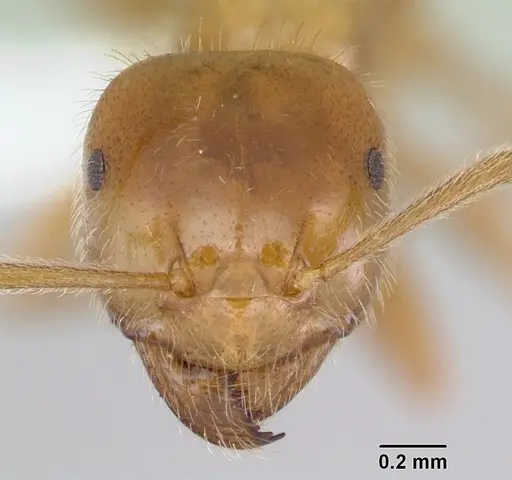
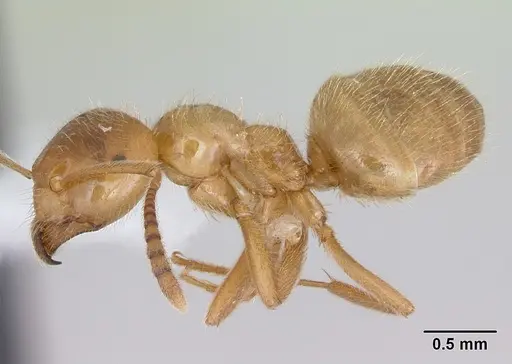
Lasius occidentalis (commonly known as the Western Citronella Ant) is an ant species of the genus Lasius. It is primarily documented in 3 countries , including Canada, Mexico, United States of America. Detailed taxonomic data and occurrence records can be further explored via authoritative databases such as AntWeb or the Global Biodiversity Information Facility (GBIF).
Lasius occidentalis - "Western Citronella Ant"
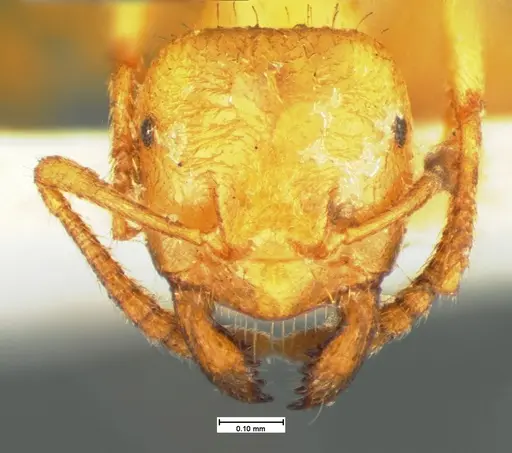
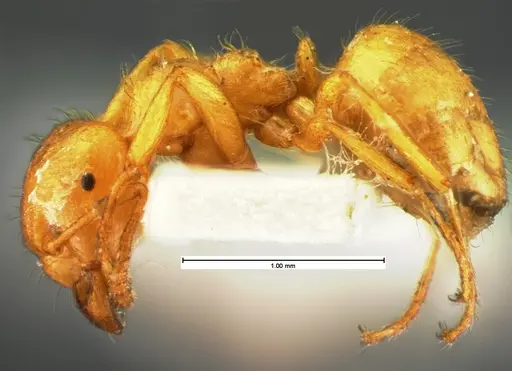
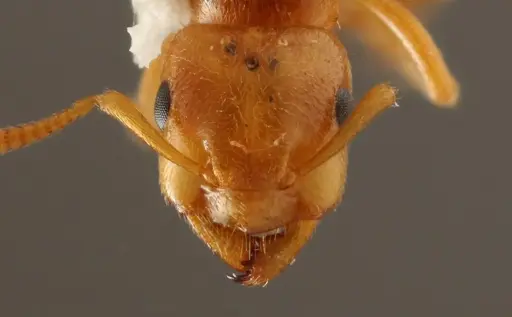
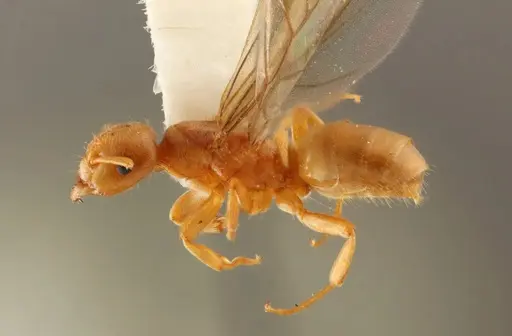
Lasius occidentalis is a pale yellowish to brownish ant native to western North America, ranging from British Columbia and Washington east to Manitoba and Minnesota, with isolated populations extending south to New Mexico and northern Mexico [1]. Workers are small at 4-5mm with a moderately sharp, often notched petiole (the narrow waist section), while queens are larger at 6-7mm and have a distinctive broadly emarginated (notched) posterior border of the head [1]. This species nests under stones or logs in sandy soil or loam with scattered rocks, preferring dry to moderately moist habitats from near sea level to over 8000 feet elevation [1]. What makes Lasius occidentalis particularly interesting is that it is a temporary social parasite, the queen must invade and take over a host colony (typically another Lasius species) to establish her own colony, killing or replacing the host queen [1].
Quick Summary
- Difficulty: Medium to Hard
- Origin & Habitat: Western North America, British Columbia east to Manitoba and Minnesota, south to New Mexico and northern Mexico. Nests under stones or logs in sandy soil or loam with scattered rocks, from near sea level to over 8000 feet elevation [1][2].
- Colony Type: Single-queen colonies (monogyne). Queens are temporary social parasites that must invade host colonies (likely other Lasius species like L. niger or L. neoniger) to establish their colony [1].
- Colony: Monogyne
- Queen: Temporary parasitic
- Size & Growth:
- Queen: 6-7mm [1], estimated from related species and genus patterns
- Worker: 4-5mm [1], from species descriptions
- Colony: Unknown for this specific species, but likely several thousand workers based on typical Lasius colony sizes
- Growth: Moderate, based on typical Lasius development patterns
- Development: 6-8 weeks, estimated from typical Lasius genus development at optimal temperature (Development time is estimated based on related Lasius species. Queens must first establish via parasitic colony takeover before producing workers.)
- Antkeeping:
- Temperature: Keep nest area at 20-24°C. This species tolerates a range of conditions from cooler northern latitudes to warmer southwestern areas. A gentle temperature gradient allows workers to regulate their exposure [1].
- Humidity: Moderate humidity. They nest in sandy soil that should be kept slightly moist but not waterlogged. Allow the substrate to dry partially between waterings [1].
- Diapause: Yes, this is a temperate species requiring a winter rest period. Keep colonies at 5-10°C for 3-4 months during winter, typically from late October through February in the Northern Hemisphere [1].
- Nesting: Test tubes work well for founding colonies. Once established, they adapt well to Y-tong (AAC), plaster, or naturalistic setups. Provide a moisture reservoir and sandy substrate for workers to dig in. They do well with moderate nesting space [1].
- Behavior: Workers are relatively docile and not aggressive toward keepers. They are moderate foragers, actively searching for honeydew and small prey. Escape prevention should be good, while not the smallest ants, they can still squeeze through small gaps, so standard barrier methods work well [1]. They are primarily nocturnal foragers and nuptial flights occur at night during July and August [1].
- Common Issues: temporary parasitism makes founding difficult, queens need a host colony to establish, host colony acquisition is challenging, you must obtain a compatible host colony (Lasius niger, L. neoniger, or similar) for the queen to invade, colonies may fail if the host colony is too small or weak to support the invading queen, winter die-offs are common if diapause conditions are not provided, wild-caught colonies may have parasites that affect survival in captivity
Colony Founding and Parasitism
Lasius occidentalis is a temporary social parasite, meaning the queen cannot found a colony on her own like most ants. Instead, she must locate and invade an established colony of another Lasius species (likely Lasius niger, L. neoniger, or similar species). Upon finding a host colony, the queen kills or replaces the host queen and uses the existing workers to raise her first brood. This makes captive establishment significantly more challenging than typical ant species, you cannot simply keep a queen in a test tube until workers hatch. Instead, you must acquire both a Lasius occidentalis queen AND a compatible host colony. The host colony should be established with at least 20-50 workers to have enough workers to support the invading queen. Some keepers report success by introducing the queen to a host colony in a neutral space (like a foraging area) and allowing the workers to gradually accept her through gradual introduction methods [1].
Feeding and Diet
Like other Lasius species, Lasius occidentalis workers are omnivorous and will collect honeydew from aphids and scale insects, as well as small insects and other protein sources. In captivity, offer sugar water or honey water as a constant energy source. For protein, provide small insects like fruit flies, small mealworms, or cricket pieces. They will also tend aphids if provided host plants. Feed protein 2-3 times per week, and keep sugar water available at all times. Remove uneaten prey after 24-48 hours to prevent mold issues. Workers are primarily nocturnal foragers, so place food in the foraging area in the evening for best acceptance [1].
Temperature and Seasonal Care
Lasius occidentalis tolerates a range of temperatures but thrives in the low-to-mid 20s Celsius. In their natural range, they experience both cool northern climates and warmer southwestern conditions, so they are adaptable. Keep the nest area at 20-24°C with a gentle gradient so workers can choose their preferred temperature. During the active season (spring through fall), room temperature is often suitable. This species requires a winter diapause period, keep colonies at 5-10°C from late October through February in a basement, garage, or refrigerator. Do not feed during diapause but ensure the nest substrate remains slightly moist, not dry. Gradually warm the colony in spring to initiate activity [1].
Nesting Preferences
In the wild, Lasius occidentalis nests under stones, logs, or in sandy soil with scattered rocks. They prefer dry to moderately moist conditions and avoid overly wet substrates. In captivity, test tubes work well for founding colonies, use a standard test tube setup with a water reservoir sealed with cotton. Once the colony reaches 30-50 workers, you can move them to a formicarium. Y-tong (AAC) nests, plaster nests, or naturalistic setups with sandy substrate all work well. Provide a moisture gradient so workers can choose their preferred humidity level. Include some form of cover or darkening material over the nest chambers, as these ants prefer darker nesting areas [1].
Nuptial Flights and Reproduction
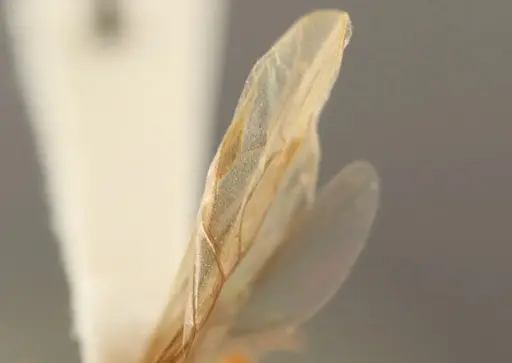
Nuptial flights occur during July and August, primarily at night. Males and reproductives are attracted to black light traps, indicating they fly after dark. Winged queens and males emerge from colonies ready to fly when environmental conditions are right (warm, humid summer evenings). After mating, females shed their wings and seek out host colonies to establish new colonies via temporary parasitism. If you wish to propagate this species, you would need to catch a newly mated queen and introduce her to a host colony. The extreme flight dates range from mid-July to mid-August or later based on collection data [1].
Frequently Asked Questions
How do I start a Lasius occidentalis colony?
This species is a temporary social parasite, which makes captive establishment challenging. Unlike most ants, you cannot simply keep a queen in a test tube until workers hatch. Instead, you need to obtain both a Lasius occidentalis queen AND a compatible host colony (such as Lasius niger or L. neoniger). Introduce the queen to the host colony gradually, some keepers place the queen in the foraging area and allow workers to discover her slowly. The host colony should have at least 20-50 workers to successfully support an invading queen.
What ants can serve as hosts for Lasius occidentalis?
Lasius occidentalis is a temporary parasite of other Lasius species. Based on related species behavior, likely hosts include Lasius niger, Lasius neoniger, and other common Lasius species in the niger complex. You will need to maintain a healthy host colony before introducing the parasitic queen.
When do Lasius occidentalis have nuptial flights?
Nuptial flights occur at night during July and August. Males and queens are attracted to black light traps, indicating they fly after dark. The flight season likely extends from mid-July to mid-August or later.
What temperature do Lasius occidentalis need?
Keep nest temperatures in the range of 20-24°C. They are adaptable and tolerate both cooler and warmer conditions within reason. A gentle temperature gradient allows workers to self-regulate. Room temperature is often suitable for this species.
Do Lasius occidentalis need hibernation?
Yes, this is a temperate species requiring winter diapause. Keep colonies at 5-10°C for 3-4 months, typically from late October through February. Reduce or stop feeding during this period and ensure the nest substrate remains slightly moist.
How long does it take for Lasius occidentalis to develop from egg to worker?
Development time is estimated at 6-8 weeks from egg to first worker at optimal temperature (around 20-24°C). This is based on typical Lasius genus development patterns, as specific development data for this species is not available.
Are Lasius occidentalis good for beginners?
No, this species is not recommended for beginners due to the complexity of colony founding. The temporary parasitic requirement means you must maintain a host colony and successfully introduce the queen, which is significantly more challenging than keeping typical claustral ants. Experienced antkeepers familiar with Lasius species and parasitic colony establishment will have better success.
What do Lasius occidentalis eat?
They are omnivorous like other Lasius species. Offer sugar water or honey water constantly for energy. Provide protein sources like small insects (fruit flies, small mealworms, cricket pieces) 2-3 times per week. They will also collect honeydew from aphids if provided.
How big do Lasius occidentalis colonies get?
Colony size is not specifically documented for this species, but based on typical Lasius colony growth patterns, established colonies likely reach several thousand workers over several years.
Can I keep multiple Lasius occidentalis queens together?
This species is monogyne, meaning colonies naturally have a single queen. Multiple unrelated queens would likely fight. However, if you are establishing a colony through the parasitic method, you only need one queen to take over a host colony.
Where is Lasius occidentalis found in the wild?
This species is native to western North America, ranging from British Columbia and Washington east to Manitoba and Minnesota, with populations extending south to New Mexico and northern Mexico. They nest under stones or logs in sandy soil or loam with scattered rocks.
References

This caresheet is licensed under CC BY-SA 4.0 .
CASENT0105574
View on AntWeb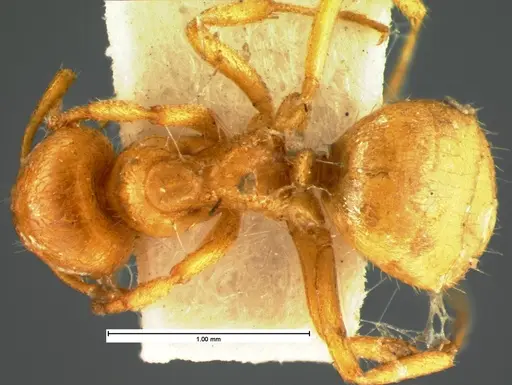
CASENT0172699
View on AntWeb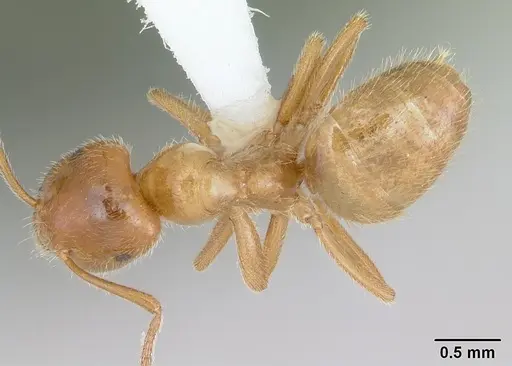
CASENT0349011
View on AntWeb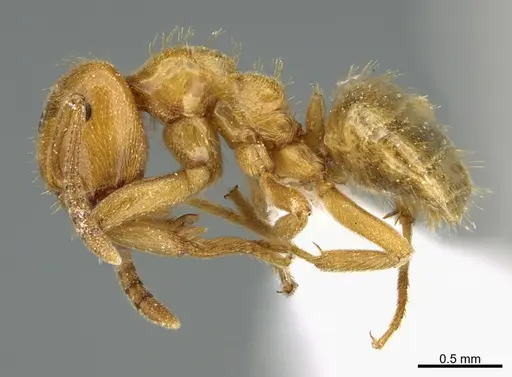
WRME532319
View on AntWeb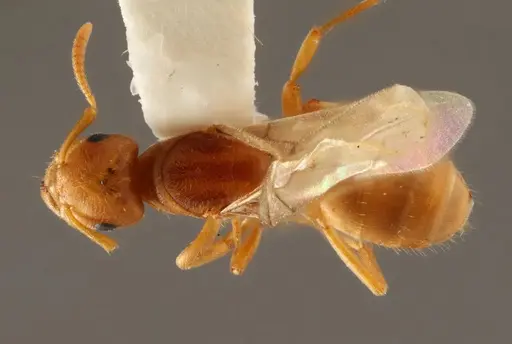
Literature
Loading...Loading products...