

Lasius mauretanicus
- Scientific Name
- Lasius mauretanicus
- Tribe
- Lasiini
- Subfamily
- Formicinae
- Author
- Seifert, 2020
- Distribution
- Found in 2 countries
Lasius mauretanicus Overview
Lasius mauretanicus is an ant species of the genus Lasius. It is primarily documented in 2 countries , including Spain, Morocco. Detailed taxonomic data and occurrence records can be further explored via authoritative databases such as AntWeb or the Global Biodiversity Information Facility (GBIF).
Lasius mauretanicus
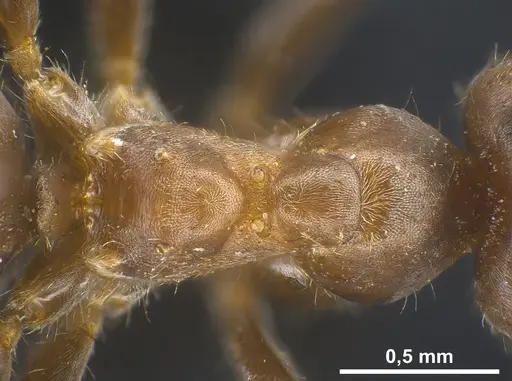
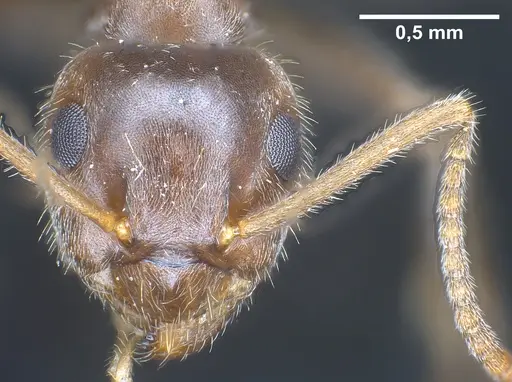
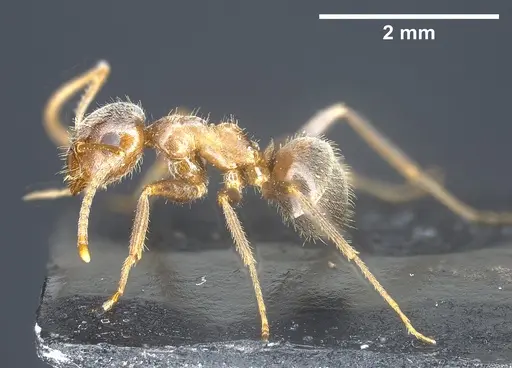
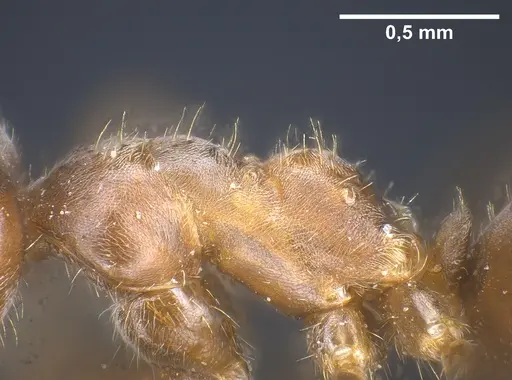
Lasius mauretanicus is a medium to large Formicinae ant native to Morocco and the Canary Islands. Workers are dark brown with pale yellowish-brown mandibles, scapes, and tibiae, and are covered in numerous long standing setae across all body parts [1]. This species was only recently described in 2020 and is the sister species to Lasius grandis, from which it differs in having longer maxillary palps, a larger torulo-clypeal distance, and more numerous body setae [1]. The species gets its name from Mauritania, the Latin name for the Maghreb region where it occurs. These ants behave aggressively when their nest is disturbed, making them a more challenging species for handling [1].
Quick Summary
- Difficulty: Medium
- Origin & Habitat: Morocco and Canary Islands, from sea level up to 2800m elevation [1]. In lower altitudes they prefer moist, sheltered forests of oak, willow, chestnut, and eucalyptus, as well as heather and laurel forests. At higher elevations above 1900m they inhabit open pastures and grasslands with spiny vegetation. In urban areas they nest in shady gardens with trees [1].
- Colony Type: Single-queen (monogyne) colonies, this is typical for the Lasius niger group. The colony structure follows the standard Lasius pattern.
- Colony: Monogyne
- Founding: Claustral
- Size & Growth:
- Queen: Estimated 8-10mm based on typical Lasius niger group size (related species)
- Worker: Medium to large, approximately 4-6mm based on typical Lasius worker size for this group [1]
- Colony: Likely several thousand workers at maturity based on typical Lasius colony development
- Growth: Moderate, typical Lasius development timeline
- Development: Estimated 6-8 weeks at optimal temperature based on typical Lasius niger group development (Development follows standard Lasius patterns, claustral founding with queen raising first workers alone)
- Antkeeping:
- Temperature: Keep at 22-26°C during active season. They prefer warm conditions matching their Mediterranean habitat. A heating cable on one side of the nest creates a suitable gradient [1].
- Humidity: Moderate, they prefer moist but not waterlogged conditions. Keep the nest substrate slightly damp, with some drier areas available. This matches their preference for sheltered, moist forest habitats at lower altitudes [1].
- Diapause: Yes, as a temperate/Palaearctic species, they require a winter dormancy period. Reduce temperature to 10-15°C for 2-3 months during winter, mimicking their natural seasonal cycle.
- Nesting: Y-tong (AAC) nests or plaster nests work well. They prefer tight chambers typical of Lasius nesting. Provide a water test tube as a humidity source. naturalistic setups with soil and stones also work, matching their natural nesting under stones and in soil in shaded areas.
- Behavior: These ants are aggressive when their nest is disturbed, this is a notable defensive behavior [1]. Workers are active foragers and will readily explore their outworld for food. They are medium-sized Lasius ants with good climbing ability, so escape prevention is important. They are not suitable for handling due to their defensive nature. They likely show typical Lasius foraging patterns, collecting honeydew and small insects.
- Common Issues: aggressive behavior makes them prone to biting when nest is disturbed, give them space during the founding stage, escape prevention is important, use fluon on nest edges and ensure any gaps are sealed, colonies may be slow to establish during claustral founding, avoid checking the nest too frequently, test tube flooding can drown founding queens, use appropriate water reservoir size, winter dormancy is required, failing to provide diapause can weaken or kill colonies
Housing and Nest Setup
Lasius mauretanicus does well in Y-tong (AAC) nests or plaster formicariums, which provide the tight chambers these ants prefer. The nest should have chambers scaled to their medium-large size. Provide a water test tube connected to the nest for humidity, Lasius species need access to free water. For the outworld, use a simple foraging area where you can offer food. Escape prevention is important, apply fluon or similar barriers to prevent escapes, especially around any connections between nest and outworld. A naturalistic setup with a soil layer and some stones can also work well, reflecting their natural nesting preferences in shaded, moist areas [1].
Feeding and Diet
Like other Lasius species, these ants are omnivorous. Their primary protein sources are small insects (fruit flies, small crickets, mealworms) and other arthropods. They also readily accept sugar sources, offer sugar water, honey, or diluted honey water regularly. In the wild, they likely tend aphids and collect honeydew, so providing a sugar source is important for colony health. Feed protein prey 2-3 times per week, and keep a sugar source available at all times. Remove uneaten prey after 24-48 hours to prevent mold.
Temperature and Seasonal Care
Maintain temperatures between 22-26°C during the active season. A heating cable placed on part of the nest can create a temperature gradient, allowing the ants to self-regulate. During winter, they require a diapause period, reduce temperatures to 10-15°C for 2-3 months. This mimics their natural seasonal cycle in the Mediterranean and Canary Islands. The alates (reproductives) are observed in mid-May in Morocco [1], suggesting the breeding season aligns with spring warming. Do not skip the winter dormancy, as it is essential for colony health and reproductive development.
Behavior and Handling
Lasius mauretanicus is notably aggressive when its nest is disturbed [1]. This is a key consideration for keepers, avoid excessive nest inspections, especially during the founding stage. Workers will readily bite in defense. This aggression also means they are not suitable for handling or for keepers who want to frequently observe their colony. However, their defensive behavior makes them interesting to observe, as they quickly mobilize to protect the nest. They are active foragers and will establish clear trails to food sources. Their medium size and good climbing ability mean all connections must be secure to prevent escapes.
Colony Development
As a claustral species, the queen seals herself in a small chamber and raises her first workers alone. She relies on stored fat reserves and does not forage during founding. The first workers (nanitics) will be smaller than mature workers. After the first workers emerge, the colony enters a growth phase. Development from egg to worker likely takes 6-8 weeks at optimal temperature, typical of the Lasius niger group. Colony growth is moderate, expect several months before you have a substantial number of workers. Mature colonies can reach several thousand workers. The species was only described in 2020,so specific development data is limited, but they follow standard Lasius patterns.
Frequently Asked Questions
Is Lasius mauretanicus good for beginners?
This species is not ideal for complete beginners due to its aggressive defensive behavior and the need for proper winter diapause. The recent description (2020) also means less keeper experience is documented. However, antkeepers with some experience with Lasius or similar species should do well with them.
How long does it take for the first workers to emerge?
Expect 6-8 weeks from egg to first worker at optimal temperature (22-26°C). This is typical for Lasius species. The queen is claustral and will seal herself in, raising the first brood alone using stored fat reserves.
What do Lasius mauretanicus eat?
They are omnivorous. Offer small insects (fruit flies, small crickets, mealworms) as protein 2-3 times per week, and keep a sugar source (honey water, sugar water) available at all times. They will also tend aphids if present.
Do they need hibernation?
Yes, they require a winter dormancy period. Reduce temperatures to 10-15°C for 2-3 months during winter. This is essential for colony health and the development of reproductives.
Can I keep multiple queens together?
No, Lasius mauretanicus is monogyne, colonies have a single queen. Multiple unrelated queens will fight. Only one queen should be per colony.
When should I move them to a formicarium?
Keep newly caught or purchased queens in a simple test tube setup until the colony reaches 20-30 workers. Then you can transition to a Y-tong or plaster nest. Moving too early can stress the colony.
Why are my ants dying during winter?
This could be due to several issues: temperatures dropping too low (below 5°C can be fatal), keeping them too wet during dormancy, or disturbing them too often. Ensure they have a quiet, cool (10-15°C), and moderately dry location for their winter rest.
How big do colonies get?
Mature colonies likely reach several thousand workers, typical of Lasius niger group species. Growth is moderate, it takes several months to a year to establish a strong colony.
What makes Lasius mauretanicus different from other Lasius?
This species was only described in 2020 and is native to Morocco and the Canary Islands. It differs from its sister species L. grandis in having longer maxillary palps, more body setae, and a larger torulo-clypeal distance. It is notably more aggressive when disturbed than many common Lasius species.
References

This caresheet is licensed under CC BY-SA 4.0 .
ANTWEB1041448
View on AntWeb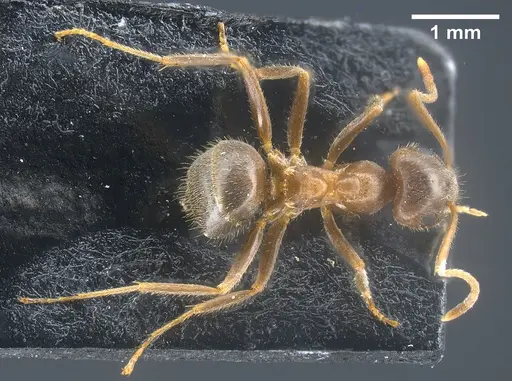
Literature
Loading...Loading products...