

Lasius kabaki
- Scientific Name
- Lasius kabaki
- Tribe
- Lasiini
- Subfamily
- Formicinae
- Author
- Seifert, 2020
- Distribution
- Found in 1 countries
Lasius kabaki Overview
Lasius kabaki is an ant species of the genus Lasius. It is primarily documented in 1 countries , including China. Detailed taxonomic data and occurrence records can be further explored via authoritative databases such as AntWeb or the Global Biodiversity Information Facility (GBIF).
Lasius kabaki
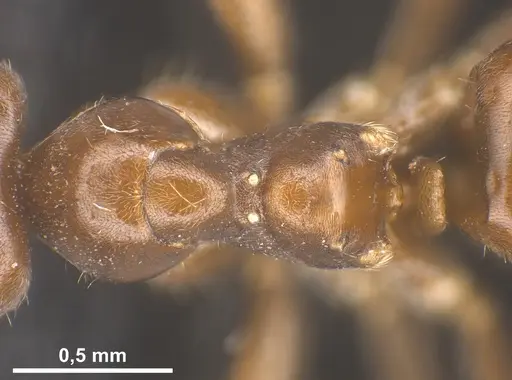
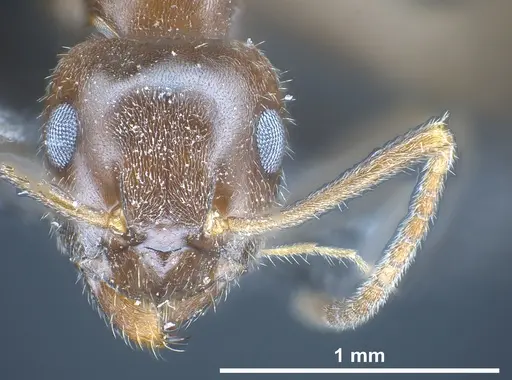
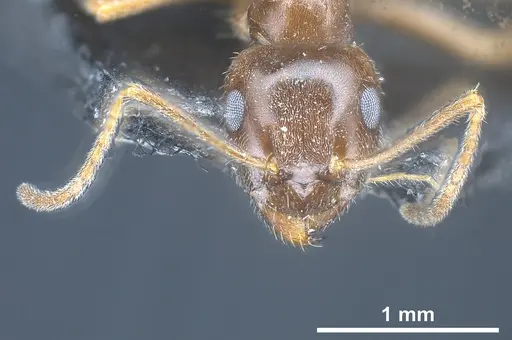
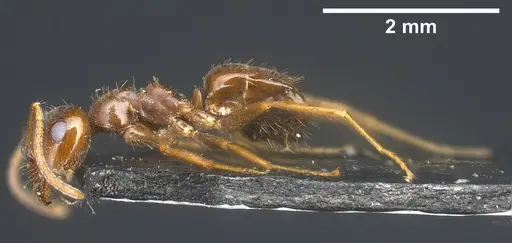
Lasius kabaki is a tiny, recently described ant species from the niger clade, discovered in the high mountains of southern Sichuan, China. Workers are among the smallest in the genus, measuring only about 2mm, with a uniformly yellowish to chestnut brown coloration. They were formally described in 2020 by Bernhard Seifert, making them one of the newest recognized ant species in the Palaearctic region. These ants live at remarkably high elevations (3035-3435m), well above their close relatives Lasius sichuensis and Lasius coloratus, suggesting they are specially adapted to cool, mountainous conditions.
Quick Summary
- Difficulty: Unknown, likely Medium due to limited data
- Origin & Habitat: High mountains in southern Sichuan, China at elevations of 3035-3435m. The type locality coordinates suggest an affinity for woodland habitats [1].
- Colony Type: Likely single-queen colonies based on typical niger clade patterns. No documented ergatoid (wingless replacement queen) system for this species specifically.
- Colony: Monogyne
- Founding: Claustral
- Size & Growth:
- Queen: Unconfirmed, likely 7-9mm based on related Lasius species in the niger clade
- Worker: Approximately 2mm (CS 921 ± 44 µm) [2]
- Colony: Likely 100-500 workers based on typical niger clade colony sizes
- Growth: Moderate, estimated 6-10 weeks from egg to first worker at optimal temperature
- Development: Estimated 6-10 weeks based on related Lasius species (Development time is temperature-dependent, high-elevation origin suggests they may develop slower at cooler temperatures)
- Antkeeping:
- Temperature: Keep at 18-22°C. Their high-elevation origin (3000m+) indicates preference for cooler conditions than typical room temperature. A gradient allowing cooler areas is beneficial.
- Humidity: Moderate humidity (50-70%). Keep the nest substrate slightly moist but not waterlogged. Woodland habitat suggests they tolerate damp conditions.
- Diapause: Yes, required. As a high-elevation temperate species, they need a winter rest period of 3-4 months at 5-10°C. This mimics their natural cold-season dormancy.
- Nesting: Y-tong (AAC) nests or plaster nests work well. Their tiny size requires narrow chambers. They likely prefer darker, more enclosed spaces reflecting their woodland understory origin.
- Behavior: Docile and non-aggressive. Workers are small and unlikely to sting. They are typical Lasius foragers, likely collecting honeydew from aphids and small insects. Their tiny size means escape prevention is critical, they can slip through very small gaps. Use fine mesh and tight-fitting barriers.
- Common Issues: limited captive care data exists, this is a newly described species with no established husbandry protocols, high-elevation origin means they may be sensitive to overheating, keep away from direct heat sources, slow colony growth may frustrate beginners expecting rapid development, tiny worker size requires excellent escape prevention, standard test tube setups may need additional barriers, hibernation failure is likely fatal, proper winter cooling is essential for colony survival
Nest Preferences
Lasius kabaki is a tiny ant species that requires appropriately scaled nesting spaces. In the wild, they likely nest in soil or under stones in woodland areas at high elevations. For captivity, Y-tong (AAC) nests or plaster nests work well because they provide the dark, enclosed conditions these ants prefer. The chambers should be narrow and appropriately sized for their 2mm workers, standard test tube setups work but may need to be modified to prevent escapes. Avoid large, open spaces that would cause stress. The nest should be placed in a cooler area of your setup, away from direct sunlight or heating elements, reflecting their mountain origin. [2][1]
Feeding and Diet
Like other Lasius species, Lasius kabaki likely accepts sugar sources (honey water, sugar water) and protein foods (small insects, mealworms). Their tiny worker size means prey items should be appropriately small, fruit flies, springtails, or small cricket pieces work well. They probably tend aphids for honeydew in captivity if given the opportunity. Feed sugar water constantly and offer protein 2-3 times per week. Remove uneaten prey within 24 hours to prevent mold. Their small colony size means portions should be modest, overfeeding can lead to mold problems in the nest.
Temperature and Seasonal Care
These ants require cooler conditions than many common ant species. Keep the nest area at 18-22°C, avoiding temperatures above 25°C. Their natural habitat at 3000m+ elevation means they are adapted to cool conditions and may struggle in warm rooms. A heating cable on only one side of the nest can create a temperature gradient, allowing workers to choose their preferred temperature. During winter, they require a proper hibernation period of 3-4 months at 5-10°C. This is essential for colony health and likely triggers reproductive cycles. Do not skip hibernation, it is probably required for the queen to produce new brood. [2]
Behavior and Temperament
Lasius kabaki is a docile species with no significant defensive behaviors. Workers are tiny and unlikely to sting humans. They are typical foragers, likely searching for honeydew and small prey items. The main husbandry concern is their small size, they are excellent escape artists and can slip through gaps that would hold larger ants. Use fine mesh (at least 0.5mm) on all openings and consider applying fluon to the edges of test tube ports. Colonies are relatively slow-growing compared to tropical species, so patience is required. Workers are likely long-lived, which is typical for Lasius. [2]
Frequently Asked Questions
How long does it take for Lasius kabaki to produce first workers?
Expect 6-10 weeks from egg to first worker at optimal temperature (around 20°C). This is typical for Lasius species, though their high-elevation origin may mean slightly slower development.
Can I keep Lasius kabaki in a test tube setup?
Yes, test tubes work well for founding colonies. However, their tiny size means you need excellent escape prevention, use cotton plugs that are firmly packed and consider adding a fluon barrier.
What temperature should I keep Lasius kabaki at?
Keep them cooler than most ants: 18-22°C. Their mountain origin means they prefer cool conditions and may die if overheated. Avoid temperatures above 25°C.
Do Lasius kabaki need hibernation?
Yes, a 3-4 month winter rest at 5-10°C is essential. This species originates from high elevations in Sichuan where winters are cold and prolonged.
How big do Lasius kabaki colonies get?
Based on related species, colonies likely reach 100-500 workers at maturity. They are not among the largest Lasius species.
What do Lasius kabaki eat?
They likely accept sugar water or honey water, plus small protein sources like fruit flies, springtails, or tiny insect pieces. This follows typical Lasius dietary preferences.
Is Lasius kabaki good for beginners?
This species has limited available care information since it was only described in 2020. It may be challenging for complete beginners due to its specific temperature needs and limited documented care. Consider starting with more established species like Lasius niger first.
References

This caresheet is licensed under CC BY-SA 4.0 .
ANTWEB1041444
View on AntWeb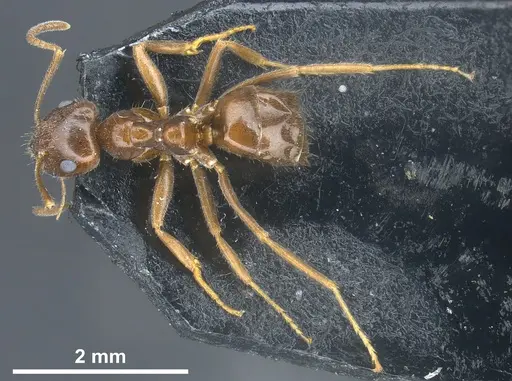
Literature
Loading...Loading products...