

Lasius coloratus
- Scientific Name
- Lasius coloratus
- Tribe
- Lasiini
- Subfamily
- Formicinae
- Author
- Santschi, 1937
- Distribution
- Found in 1 countries
Lasius coloratus Overview
Lasius coloratus is an ant species of the genus Lasius. It is primarily documented in 1 countries , including China. Detailed taxonomic data and occurrence records can be further explored via authoritative databases such as AntWeb or the Global Biodiversity Information Facility (GBIF).
Lasius coloratus
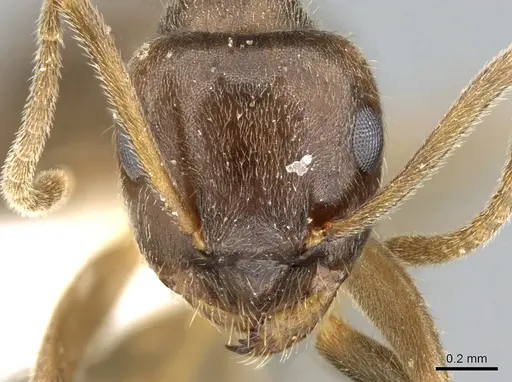
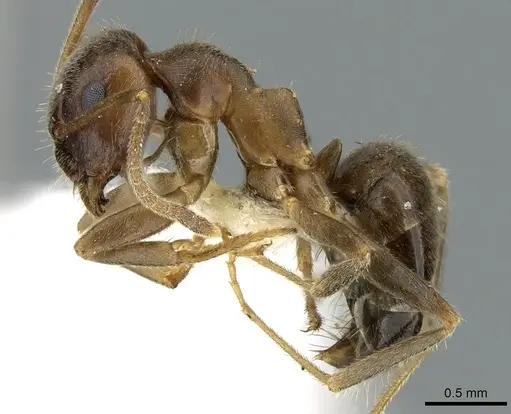
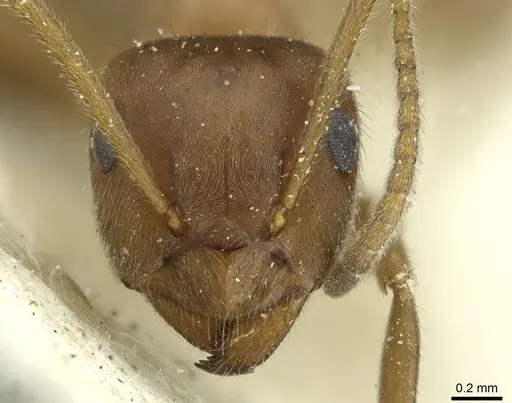
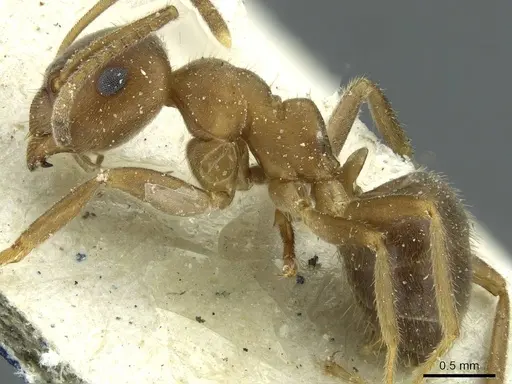
Lasius coloratus is a medium-sized ant belonging to the Lasius niger group, native to central China and Taiwan. Workers measure around 1mm in body length and display a distinctive bicolored appearance, lighter forms have a pale yellowish-reddish brown mesosoma while darker specimens show medium reddish brown coloring with a dark brown head and blackish-brown gaster. The species is characterized by relatively long head and scape (antenna), a conspicuous conic propodeal dome, and rough pubescence across the body. It belongs to the subgenus Lasius s.str. and is closely related to Lasius sichuensis and the Japanese species Lasius hayashi [1][2]. This ant is always found in woodland habitats, both in continental China and Taiwan, typically at elevations around 1400 meters [2].
Quick Summary
- Difficulty: Easy
- Origin & Habitat: Central China (Sichuan and Shaanxi provinces) and Taiwan, found in woodland habitats at elevations of 583-2490 meters with an average of 1388m [2].
- Colony Type: Single-queen (monogyne) colonies, typical of the Lasius niger group. The species is not known to be polygynous.
- Colony: Monogyne
- Founding: Claustral
- Size & Growth:
- Queen: Estimated 7-9mm based on typical Lasius queen size [1]
- Worker: ~1mm (CS 985 µm) [2]
- Colony: Likely several thousand workers typical of niger group species [1]
- Growth: Moderate, typical Lasius development timeline
- Development: 6-8 weeks at optimal temperature (estimated from genus patterns) (Development time is inferred from related Lasius species, actual timing may vary based on temperature conditions)
- Antkeeping:
- Temperature: Keep at 20-24°C. The high elevation woodland habitat suggests they prefer cooler conditions than lowland tropical ants. Room temperature is likely suitable for most of the year [2].
- Humidity: Moderate humidity (50-70%). Woodland habitat suggests they prefer somewhat damp conditions but not wet. Provide a water tube as moisture source.
- Diapause: Likely a winter rest period during colder months given their temperate-mountain distribution in central China and Taiwan. Reduce temperature to 10-15°C for 2-3 months during winter.
- Nesting: Y-tong (AAC) nests or test tube setups work well. They prefer tight chambers typical of Lasius nesting. Provide some soil or substrate for tunneling if using naturalistic setups.
- Behavior: Generally calm and non-aggressive workers. Like other Lasius species, they are not known to be particularly defensive or prone to stinging. Workers are active foragers that will collect honeydew from aphids and hunt small insects. Escape risk is moderate, their 1mm size requires standard escape prevention but they are not as tiny as some ant species.
- Common Issues: colonies may struggle if kept too warm, avoid temperatures above 28°C, winter dormancy is important for colony health, skipping hibernation can weaken colonies over time, test tube setups work well but ensure humidity is maintained without flooding, wild-caught colonies may have parasites, quarantine and observe new colonies, queens can live several years so patience is needed during founding phase
Housing and Nest Setup
Lasius coloratus adapts well to standard ant keeping setups. Test tube colonies work perfectly for founding queens and young colonies, use a standard test tube with a water reservoir separated by a cotton plug. For established colonies, a Y-tong (AAC) formicarium provides appropriate chamber sizes. The species prefers tight, snug chambers rather than large open spaces. If using a naturalistic setup, include soil or sandy substrate for tunneling. Escape prevention should include standard barriers like fluon on test tube rims, while not extremely small, they can still squeeze through small gaps. A small outworld for foraging allows you to offer food without disturbing the nest. [1][2]
Feeding and Diet
Like other Lasius species, Lasius coloratus is omnivorous with a preference for sugar sources and protein. Offer sugar water, honey, or diluted maple syrup as a constant carbohydrate source. For protein, provide small insects like fruit flies, pinhead crickets, or mealworms. They will also collect honeydew from aphids if present in the setup. Feed protein sources 2-3 times per week for growing colonies, and ensure sugar water is always available. Remove uneaten prey after 24-48 hours to prevent mold. Workers will forage actively in the outworld and carry food back to the colony.
Temperature and Seasonal Care
Lasius coloratus originates from high-elevation woodland areas in central China and Taiwan, suggesting they prefer cooler, more temperate conditions than many ant species. Keep the nest area at 20-24°C during the active season. They can tolerate brief periods slightly outside this range but avoid sustained temperatures above 28°C. During winter (roughly November to February in the Northern Hemisphere), reduce temperatures to 10-15°C to simulate their natural dormancy period. This winter rest is important for colony health and may trigger reproductive behavior in spring. Do not feed during hibernation but ensure some moisture is available. [2]
Colony Development
Lasius coloratus follows the typical claustral founding pattern of the genus. The queen seals herself into a small chamber and lays eggs while living entirely on her stored fat reserves, she will not leave to forage during this time. First workers (nanitics) typically appear within 6-8 weeks under optimal conditions, though this is estimated from related species. The initial nanitic workers are smaller than mature workers and will begin foraging once they emerge. Colony growth is moderate, expect the first year to produce perhaps 20-50 workers, with faster growth in subsequent years as the colony reaches several hundred workers. Queens can live for 15-20 years, making this a long-term project. [1]
Behavior and Temperament
Lasius coloratus workers are calm and manageable, making them suitable for beginners. They are not particularly aggressive and rarely sting. Workers are active foragers that will readily explore outworlds in search of food. The species shows typical Lasius behavior, they maintain clean nests and remove debris. Their moderate size (around 1mm workers) means they are not difficult to observe but do require some attention to escape prevention. Colonies become more active and visible as they grow, with workers patrolling foraging routes and tending to any aphid populations present. [1]
Frequently Asked Questions
How long does it take for Lasius coloratus to produce first workers?
First workers typically appear in 6-8 weeks after the queen lays eggs, assuming temperatures around 22-24°C. This timeline is estimated from related Lasius species since specific development data for Lasius coloratus is not available.
What temperature is best for Lasius coloratus?
Keep them at 20-24°C. Their high-elevation woodland origin means they prefer cooler conditions than many tropical ants. Room temperature is usually suitable.
Do Lasius coloratus need hibernation?
Yes, they benefit from a winter rest period. Reduce temperatures to 10-15°C for 2-3 months during winter (roughly November to February). This helps maintain colony health and may trigger spring reproduction.
Can I keep multiple Lasius coloratus queens together?
Lasius coloratus is monogyne, single-queen colonies. Combining unrelated queens is not recommended as they will likely fight. Only one queen should be kept per colony.
What do Lasius coloratus eat?
They are omnivorous. Offer sugar water, honey, or maple syrup as a constant carbohydrate source. Feed protein (small insects like fruit flies, mealworms) 2-3 times per week.
How big do Lasius coloratus colonies get?
Colonies likely reach several thousand workers over several years, typical of the Lasius niger group. Queens can live 15-20 years.
Are Lasius coloratus good for beginners?
Yes, they are considered easy to keep. They are calm, not aggressive, and adapt well to standard test tube and formicarium setups. Their moderate temperature requirements are easy to meet.
When should I move Lasius coloratus to a formicarium?
Move them once the colony reaches 50-100 workers and the test tube space becomes cramped. A Y-tong or similar formicarium with appropriately sized chambers works well.
Where is Lasius coloratus native to?
Central China (Sichuan and Shaanxi provinces) and Taiwan, found in woodland habitats at elevations around 1400 meters.
References

This caresheet is licensed under CC BY-SA 4.0 .
CASENT0906278
View on AntWeb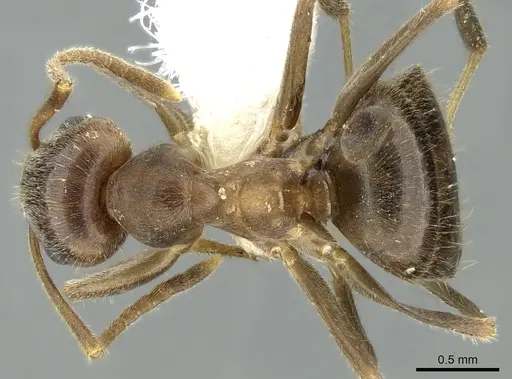
CASENT0912290
View on AntWeb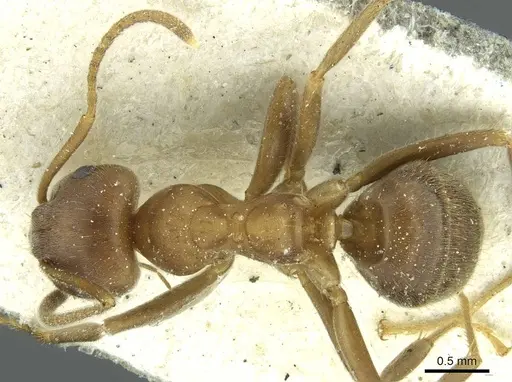
Literature
Loading...Loading products...