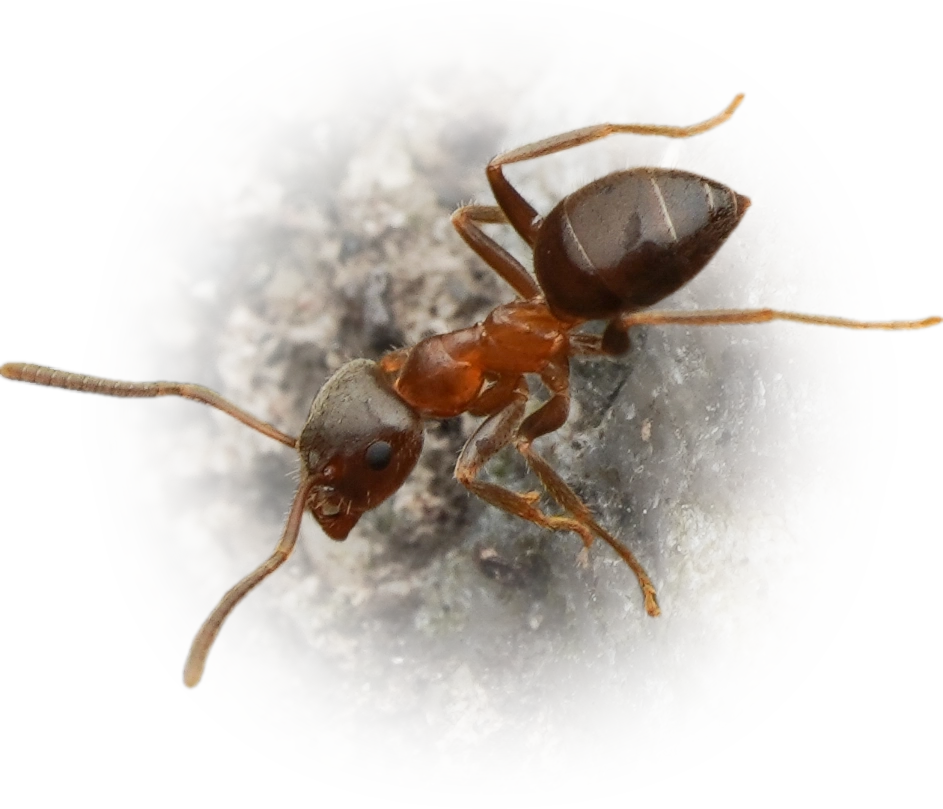

Lasius hayashi
- Scientific Name
- Lasius hayashi
- Tribe
- Lasiini
- Subfamily
- Formicinae
- Author
- Yamauchi & Hayashida, 1970
- Distribution
- Found in 2 countries
Lasius hayashi Overview
Lasius hayashi is an ant species of the genus Lasius. It is primarily documented in 2 countries , including Japan, Korea, Republic of. Detailed taxonomic data and occurrence records can be further explored via authoritative databases such as AntWeb or the Global Biodiversity Information Facility (GBIF).
Lasius hayashi
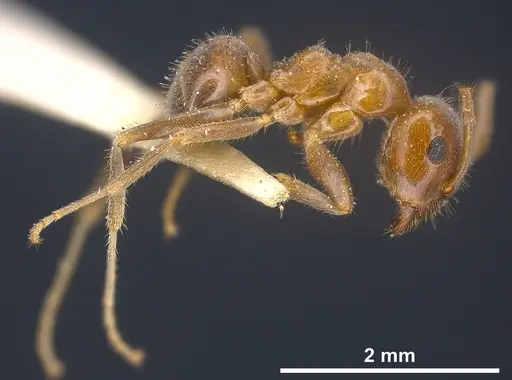
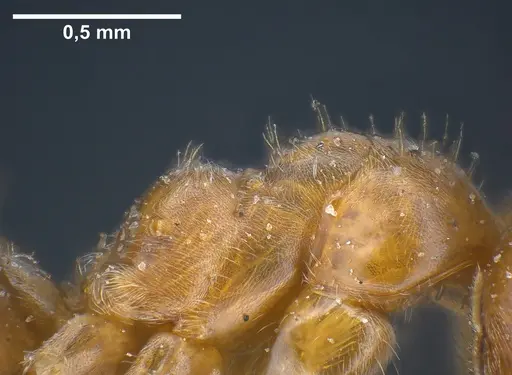
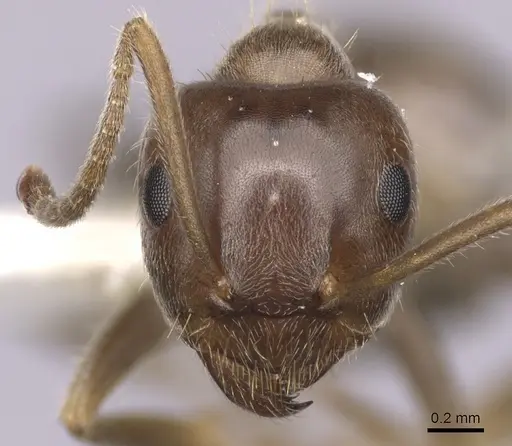
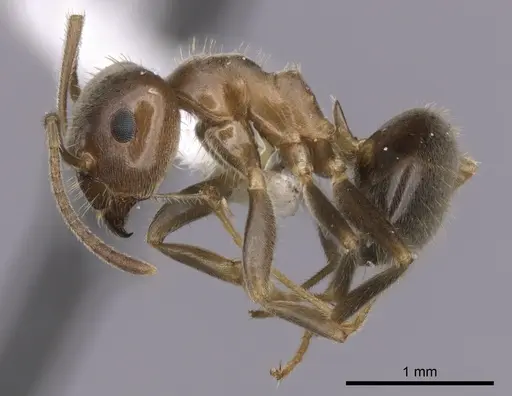
Lasius hayashi is a small to medium-sized ant native to East Asia, found throughout Japan, the Korean Peninsula, and parts of the Russian Far East and China. Workers measure 2-4mm with a distinctive bicolored appearance, a dark reddish brown abdomen contrasting with a lighter yellowish brown thorax and head. Their most notable behavioral trait is building protective covers over their foraging trails using macerated plant material and humus, which they maintain throughout their unusually long foraging season lasting until mid-November. This species is strongly associated with shady deciduous forests and large trees, where it nests within root systems or hollow tree trunks.
Quick Summary
- Difficulty: Medium
- Origin & Habitat: Native to Japan, Korean Peninsula, Russian Far East, and China. Found in shady deciduous woodland with large trees, nesting in tree trunks and root systems at elevations up to 600m in Hokkaido and 1600m in Shikoku [1][2].
- Colony Type: Single-queen colonies (monogyne). This follows the typical Lasius s.str. pattern where colonies maintain one reproductive queen.
- Colony: Monogyne
- Founding: Claustral
- Size & Growth:
- Queen: 7-8 mm [2]
- Worker: 2-4 mm [3][2]
- Colony: Unknown maximum, but typical for Lasius s.str., likely several thousand workers at maturity
- Growth: Moderate, development timeline follows typical Lasius patterns
- Development: 6-10 weeks (estimated based on genus-level data for Lasius s.str.) (Direct development data unavailable, estimates based on related Lasius species. Nuptial flights occur July-August, suggesting spring-summer founding cycle.)
- Antkeeping:
- Temperature: Keep at 20-24°C. This species tolerates cooler temperatures than many ants, in their native range they remain active until mid-November and nuptial flights occur at 22-24°C [1]. Room temperature is likely suitable.
- Humidity: Moderate humidity around 50-70%. They nest in tree trunks and root systems in humid forest environments but not in waterlogged conditions. Provide a water tube as their primary moisture source.
- Diapause: Yes, required for colony health. Based on their northern distribution and activity until mid-November, they need a winter rest period of 3-4 months at 5-10°C, simulating cold temperate conditions.
- Nesting: Prefers arboreal or root-system nesting. In captivity, a Y-tong (AAC) nest or plaster nest works well. They do best with some vertical space and prefer darker nesting areas, this is a forest-dwelling species that avoids bright light.
- Behavior: Generally peaceful but defensive when threatened. Workers take on a defensive posture similar to larger Formica species when their foragers are attacked. They are arboreal foragers with strong dependence on tending aphids (Homoptera), more so than other Lasius species. Workers move rapidly and are active foragers. Escape risk is moderate, workers are 2-4mm so standard test tube setups work fine but ensure barriers are secure.
- Common Issues: colonies may fail if kept too warm year-round, they need winter cooling period, wild-caught colonies from tree hollows can be difficult to establish in captivity, foraging trail covers may be misinterpreted as mold by new keepers, they strongly prefer arboreal aphid honeydew, sugar water alone may not sustain colonies, slow founding phase typical of Lasius can frustrate beginners
Housing and Nest Setup
Lasius hayashi is a tree-dwelling species that naturally nests in hollow trunks and root systems of large deciduous trees. In captivity, they do well in Y-tong (AAC) nests or plaster nests that provide dark, humid chambers. Avoid bright lighting near the nest area, this is a shade-loving species that naturally nests in concealed locations. A test tube setup can work for founding colonies, but established colonies benefit from more space. The outworld should include climbing structures since they are arboreal foragers. Keep the nest moderately humid with a water tube, but avoid excessive moisture that could cause mold in the foraging area. [1][2][3]
Feeding and Diet
Like other Lasius species, L. hayashi is omnivorous but shows strong preference for honeydew from aphids. In captivity, offer sugar water or honey water as a constant energy source. They also accept protein from small insects. What makes this species unique is their heavy dependence on arboreal Hemiptera, they maintain and protect aphid colonies more intensively than related species. If possible, provide access to small aphid colonies or substitute with regular sugar offerings. Protein should be offered 1-2 times weekly. Their foraging trails are covered with plant material in the wild, which may relate to their aphid-tending behavior. [1][2]
Temperature and Seasonal Care
Lasius hayashi tolerates cooler temperatures than many ants, they remain active in Sapporo until mid-November, later than sympatric L. niger and L. sakagamii. Keep the nest at 20-24°C as a baseline, room temperature is often suitable given their cool-temperate origin. They require a winter dormancy period of 3-4 months at 5-10°C to maintain healthy colony cycles. This can be provided by moving the colony to an unheated garage or refrigerator during winter. The nuptial flight period in July-August occurs at relatively cool evening temperatures (22-24°C), confirming they prefer not overly warm conditions. [1][2]
Behavior and Colony Dynamics
This species exhibits several distinctive behaviors. Workers cover their foraging paths with macerated plant material and humus, this is more pronounced than in related species and serves to protect their trails while tending aphids. When threatened, they display a defensive posture similar to larger Formica ants, though less exaggerated. They are rapid movers compared to similar-sized ants. Colonies grow moderately, founding can be slow as with most Lasius, but established colonies develop steadily. Queens are 7-8mm and workers are 2-4mm. The colony produces sexuals (alates) in summer, with nuptial flights occurring July-August in late evening. [1][2]
Founding and Early Colony Development
New colonies are founded claustrally, the queen seals herself in a chamber and raises the first workers (nanitics) on stored body fat without foraging. This process typically takes 6-10 weeks at optimal temperature. Founding colonies should be kept in darkness with minimal disturbance. The first workers will be smaller than mature workers (nanitics). Once workers emerge, the colony can be fed small amounts of sugar water and tiny protein items. Growth is moderate, patience is required during the founding phase as with all Lasius species. [2]
Frequently Asked Questions
How long does it take for Lasius hayashi to have first workers?
Expect 6-10 weeks from egg to first worker at room temperature (20-24°C). This is typical for Lasius s.str. species, founding is relatively slow compared to some other ant genera.
Do Lasius hayashi ants need hibernation?
Yes, they require a winter rest period. Given their northern distribution and activity until mid-November, provide 3-4 months of cold storage at 5-10°C during winter months.
What do Lasius hayashi eat?
They are omnivorous with a strong preference for sugar sources. Offer sugar water or honey water constantly, plus small insects (fruit flies, small mealworms) for protein. They are particularly fond of honeydew and will tend aphids if given access.
Are Lasius hayashi good for beginners?
They are moderate difficulty. The main challenges are their need for winter cooling and their slow founding phase. They are more particular about nesting conditions than common Lasius niger, they prefer darker, more humid arboreal-style setups.
Can I keep multiple Lasius hayashi queens together?
No, this is a monogyne (single-queen) species. Unlike some Lasius that can be polygyny, L. hayashi colonies should be started with one queen. Combining unrelated queens has not been documented and would likely result in fighting.
When do Lasius hayashi have nuptial flights?
Nuptial flights occur from early July to late August, starting in late evening at low light intensities (0-10 lux) and temperatures of 22-24°C. This is a relatively narrow flight window.
How big do Lasius hayashi colonies get?
Exact maximum is unknown, but based on related Lasius s.str. species, colonies likely reach several thousand workers at maturity. They are not among the largest Lasius species.
What's the best nest type for Lasius hayashi?
Y-tong (AAC) nests or plaster nests work well. They prefer darker nesting areas and benefit from some vertical space. Avoid very bright or dry conditions, this is a forest-dwelling species that appreciates humidity.
References

This caresheet is licensed under CC BY-SA 4.0 .
ANTWEB1041269
View on AntWeb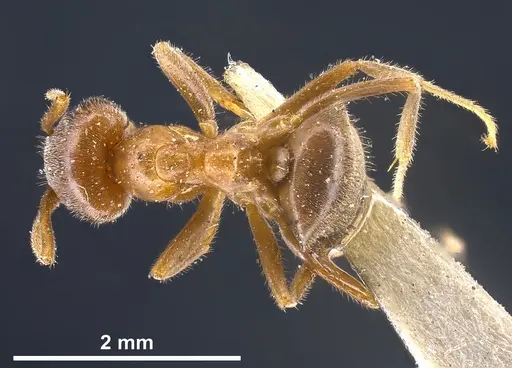
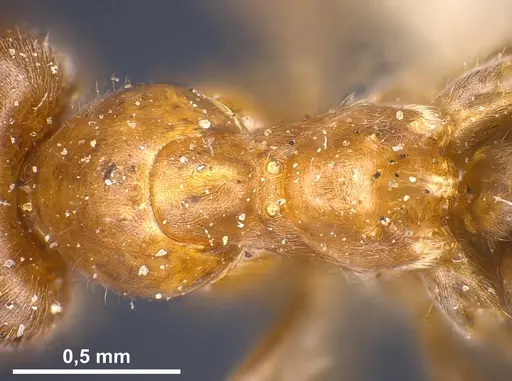
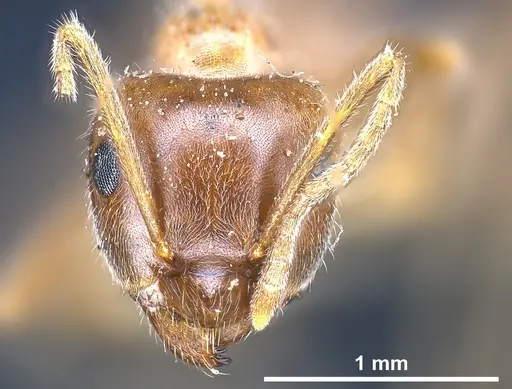
CASENT0280448
View on AntWeb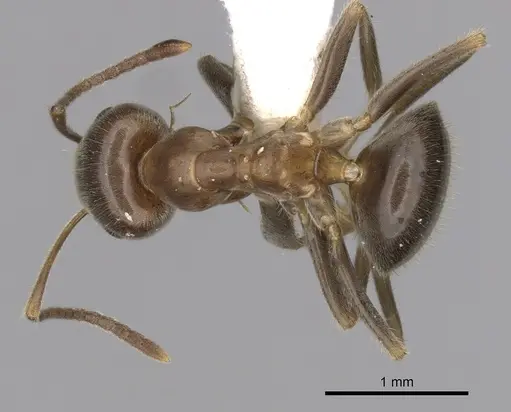
Literature
Loading...Loading products...