

Lasius fallax
- Scientific Name
- Lasius fallax
- Tribe
- Lasiini
- Subfamily
- Formicinae
- Author
- Wilson, 1955
- Distribution
- Found in 1 countries
Lasius fallax Overview
Lasius fallax is an ant species of the genus Lasius. It is primarily documented in 1 countries , including United States of America. Detailed taxonomic data and occurrence records can be further explored via authoritative databases such as AntWeb or the Global Biodiversity Information Facility (GBIF).
Lasius fallax
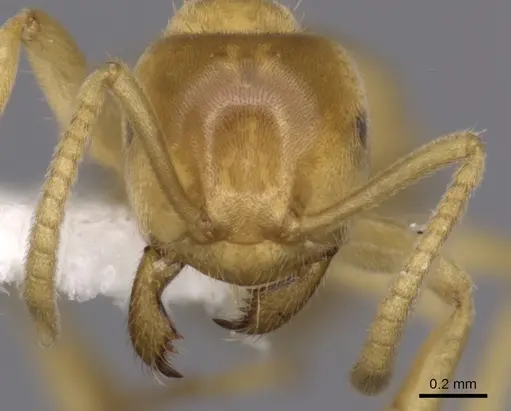
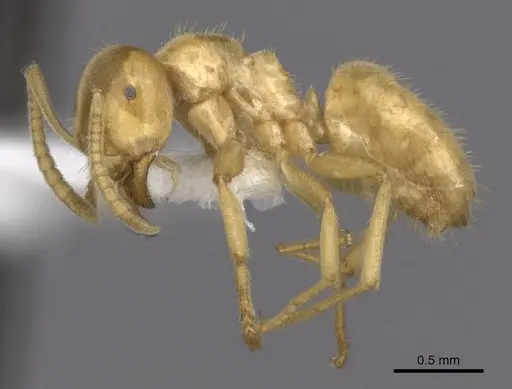
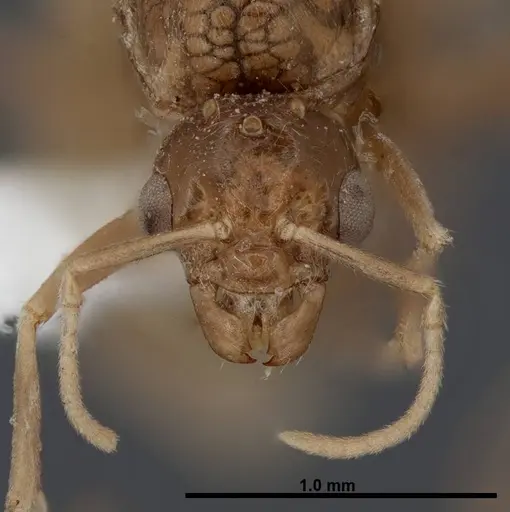
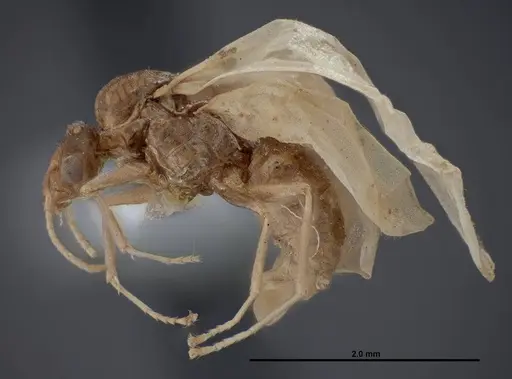
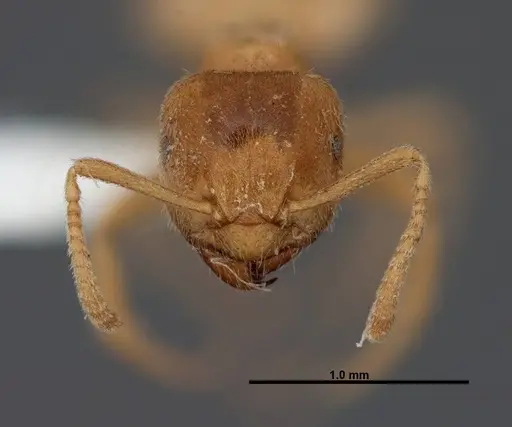
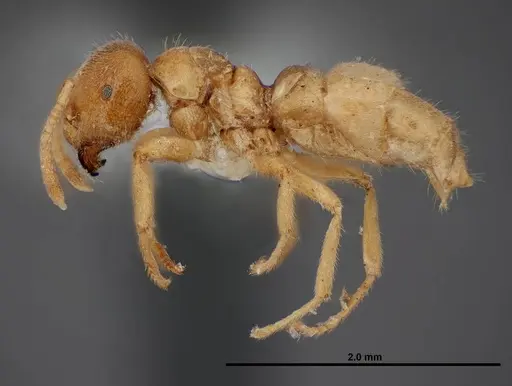
Lasius fallax is a small, pale yellow to light brown ant native to western North America, ranging from Washington and Montana south to Arizona. Workers measure just 0.44-0.70mm in pronotal width, making them one of the smaller Lasius species. They have a distinctive very small eye with fewer than 35 ommatidia (usually around 20), and their tibiae have erect or semierect hairs on all surfaces. Queens are larger at 1.38-1.55mm head width. This species belongs to the flavus clade (subgenus Cautolasius) and is closely related to Lasius brevicornis, Lasius nearcticus, and Lasius talpa, with which it shares many intermediate characteristics. In the wild, colonies nest under stones in rocky sands or loam soils, often in forested areas like pinyon-juniper and ponderosa pine habitats, particularly near riparian zones.
Quick Summary
- Difficulty: Easy
- Origin & Habitat: Western North America, Washington, Idaho, Montana, Wyoming, Colorado, Utah, Arizona. Also confirmed in Saskatchewan, Canada. Nests under stones in rocky sands or loam soils in forested areas (pinyon-juniper, ponderosa pine) and riparian habitats [1][2][3].
- Colony Type: Colony structure is unconfirmed. Based on related species in the flavus clade, likely forms single-queen colonies (monogyne), though some Lasius species can be multi-queen (polygyne).
- Founding: Claustral
- Size & Growth:
- Queen: 1.38-1.55mm head width [1]
- Worker: 0.44-0.70mm pronotal width [1]
- Colony: Unknown for this specific species. Related Lasius species typically reach 5,000-10,000 workers.
- Growth: Moderate, estimated based on related species in the flavus clade
- Development: 6-10 weeks estimated based on typical Lasius development patterns (Development time inferred from related Lasius species. Temperature-dependent, warmer conditions accelerate development.)
- Antkeeping:
- Temperature: Keep around 20-24°C. Related Lasius species in this clade prefer moderate temperatures. Provide a temperature gradient so ants can self-regulate.
- Humidity: Moderate humidity around 50-60%. Keep the nest substrate moist but not waterlogged. These ants nest under stones in nature, indicating they prefer somewhat damp but not saturated conditions.
- Diapause: Yes, likely requires winter hibernation. Related Lasius species typically need 3-4 months of cold period (5-10°C) during winter.
- Nesting: Test tube setups work well for founding colonies. For established colonies, use a formicarium with moist soil or plaster. They naturally nest under stones in compact soil, so provide a substrate they can dig into. Y-tong nests with narrow chambers also work for their small size.
- Behavior: Generally calm and non-aggressive. Workers are small but active foragers. They likely tend aphids for honeydew and collect small insects as protein sources, similar to other Lasius species. Escape risk is moderate due to their small size, use standard barriers but no special escape prevention needed beyond standard measures.
- Common Issues: small worker size means they can escape through standard test tube cotton if not properly packed, colonies may be slow to establish during founding phase, patience is required, winter hibernation is essential, skipping it can weaken or kill colonies, overheating is more dangerous than cold, avoid temperatures above 28°C, wild-caught colonies may contain parasites that can decimate captive colonies
Nest Preferences and Housing
Lasius fallax naturally nests under stones in compact soils like rocky sands and loam. For captive colonies, start with a standard test tube setup for the founding queen. Fill the tube with water, plug with cotton, and place the queen inside. Keep it dark and undisturbed for 2-4 weeks until eggs appear. Once the colony reaches 20-30 workers, you can move them to a formicarium. A Y-tong (acrylic) nest with narrow chambers works well given their tiny worker size. Alternatively, a naturalistic setup with moist soil and a flat stone on top mimics their natural nesting conditions. Whatever setup you choose, ensure the nest chamber is humid but not wet, these ants avoid flooded conditions. [1]
Feeding and Diet
Like other Lasius species, Lasius fallax is omnivorous with a preference for sugar sources and protein. Offer sugar water (1:1 ratio) or honey diluted with water as a constant carbohydrate source. For protein, provide small insects like fruit flies, pinhead crickets, or mealworm pieces. They will also accept honeydew if you have access to aphid colonies. Feed protein sources 2-3 times per week, and keep sugar water available at all times. Remove uneaten prey after 24-48 hours to prevent mold. During hibernation, reduce or eliminate feeding entirely.
Temperature and Seasonal Care
Maintain nest temperatures around 20-24°C. These ants are adapted to temperate climates and do not require high heat. A heating cable on one side of the nest creates a temperature gradient, allowing workers to move between warmer and cooler areas. During summer, room temperature is usually sufficient. In winter, colonies require a hibernation period of 3-4 months at 5-10°C. Place the colony in an unheated garage, basement, or refrigerator (not freezer) during this time. Gradually cool them down over 1-2 weeks in autumn, and gradually warm them up in spring. Skipping hibernation weakens colonies and shortens queen lifespan.
Behavior and Colony Dynamics
Lasius fallax workers are small but active and efficient foragers. The colony will establish a network of trails for foraging to sugar sources and protein prey. Queens are claustral, they seal themselves in a chamber and raise the first brood alone without leaving to forage. The first workers (nanitics) are smaller than mature workers but quickly expand the colony. Workers likely exhibit typical Lasius behaviors including tending aphids for honeydew and recruiting nestmates to food sources through chemical trails. Colonies grow moderately, expect several months before the first workers appear, then steady growth over 1-2 years to reach several hundred workers.
Frequently Asked Questions
How long does it take for Lasius fallax queens to raise their first workers?
Expect 4-8 weeks from egg to first worker at room temperature (20-24°C). The queen seals herself in and raises the brood alone. First workers (nanitics) are smaller than mature workers but will begin foraging once emerged.
What temperature range is best for Lasius fallax?
Keep nest temperatures between 20-24°C. They prefer moderate temperatures and can tolerate cooler conditions better than heat. Avoid temperatures above 28°C, which can be fatal. Room temperature is typically suitable.
Do Lasius fallax need hibernation?
Yes, they require a winter rest period of 3-4 months at 5-10°C. This is essential for colony health and queen longevity. Skip hibernation at your own risk, it typically weakens or kills colonies over time.
Can I keep multiple Lasius fallax queens together?
Not recommended. Unlike some polygyne Lasius species, this species likely forms single-queen colonies. Combining unrelated queens typically results in fighting. If you catch multiple queens, house them separately.
What do Lasius fallax eat?
Offer sugar water or honey as a constant carbohydrate source. For protein, provide small insects like fruit flies, pinhead crickets, or mealworm pieces. They will also accept honeydew from aphids. Remove uneaten prey after 1-2 days.
How big do Lasius fallax colonies get?
The maximum colony size is not documented, but related Lasius species typically reach 5,000-10,000 workers. Growth is moderate, expect 1-2 years to reach several hundred workers, and several more years for maximum size.
Are Lasius fallax good for beginners?
Yes, this species is beginner-friendly. They are small, calm, and have straightforward care requirements. The main challenges are providing proper hibernation and being patient during the slow founding phase.
When should I move Lasius fallax from a test tube to a formicarium?
Move them once the colony reaches 20-30 workers. Before then, the test tube provides proper humidity and darkness for the queen. Make sure the formicarium has appropriately sized chambers for their tiny workers.
Why are my Lasius fallax dying during hibernation?
Common causes include temperatures fluctuating too much, substrate being too wet (causing fungal growth), or disturbing the colony too often. Keep hibernation temperatures stable (5-10°C), ensure moderate but not saturated humidity, and place the colony in a dark, quiet location.
References

This caresheet is licensed under CC BY-SA 4.0 .
CASENT0064824
View on AntWeb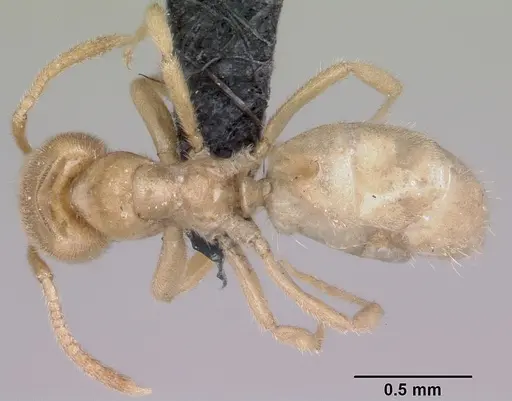
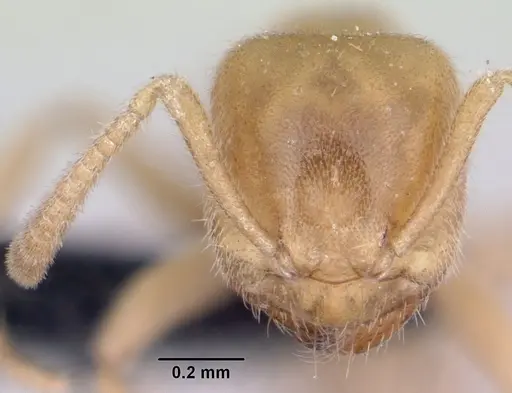
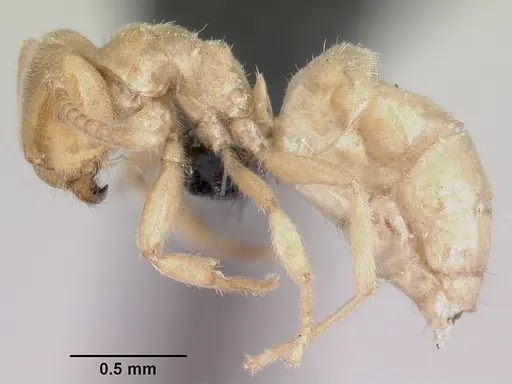
CASENT0280454
View on AntWeb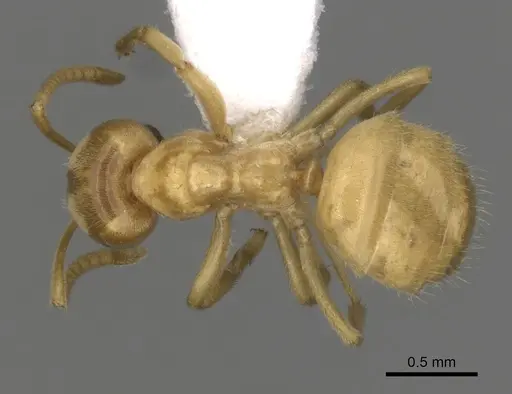
CASENT0903206
View on AntWeb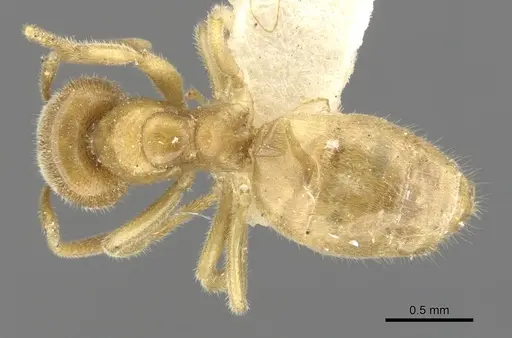
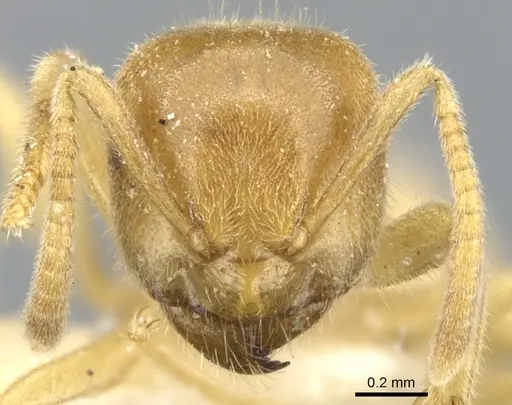
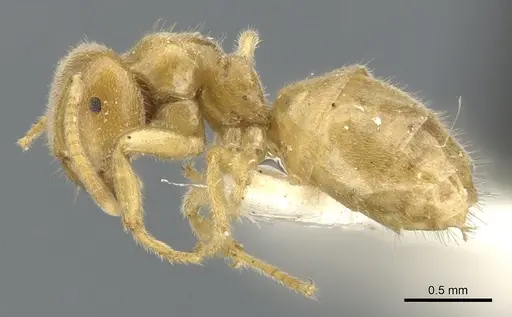
FMNHINS0000062720
View on AntWeb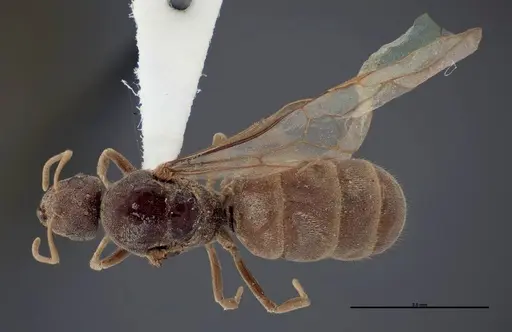
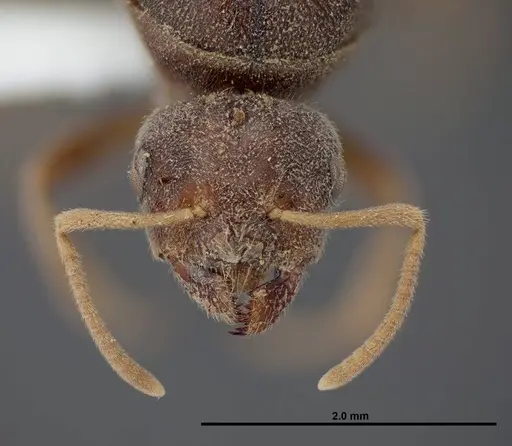
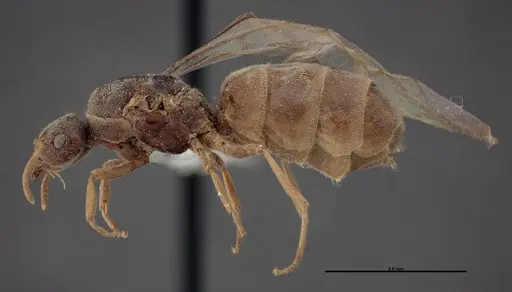
FMNHINS0000062721
View on AntWeb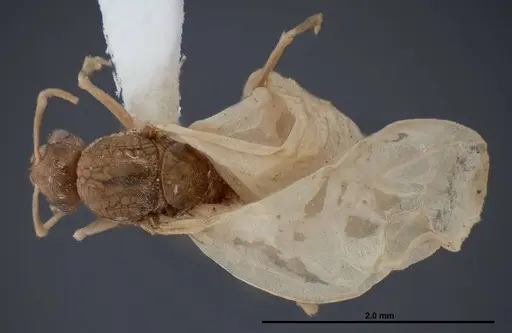
FMNHINS0000062726
View on AntWeb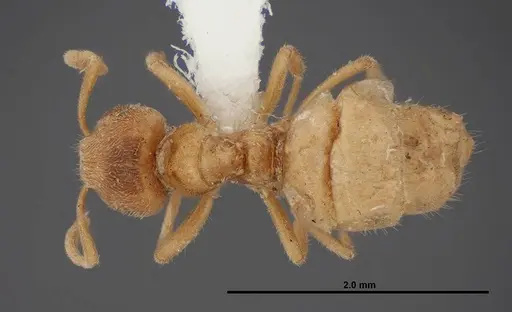
Literature
Loading...Loading products...