

Lasius elevatus
- Scientific Name
- Lasius elevatus
- Tribe
- Lasiini
- Subfamily
- Formicinae
- Author
- Bharti & Gul, 2013
- Distribution
- Found in 1 countries
Lasius elevatus Overview
Lasius elevatus is an ant species of the genus Lasius. It is primarily documented in 1 countries , including India. Detailed taxonomic data and occurrence records can be further explored via authoritative databases such as AntWeb or the Global Biodiversity Information Facility (GBIF).
Lasius elevatus
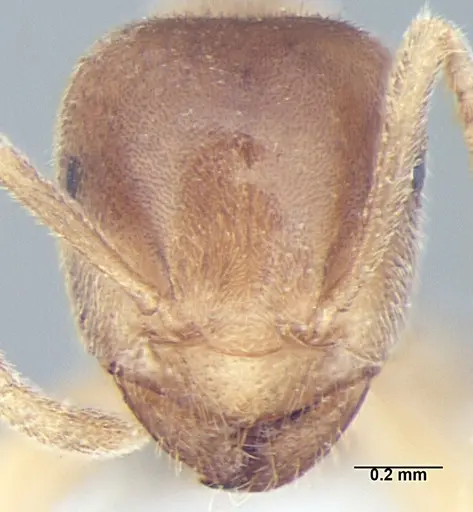
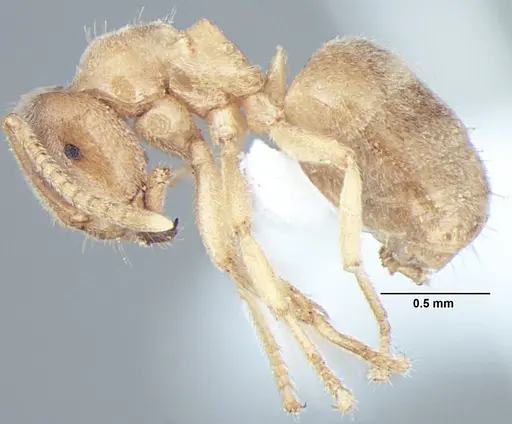
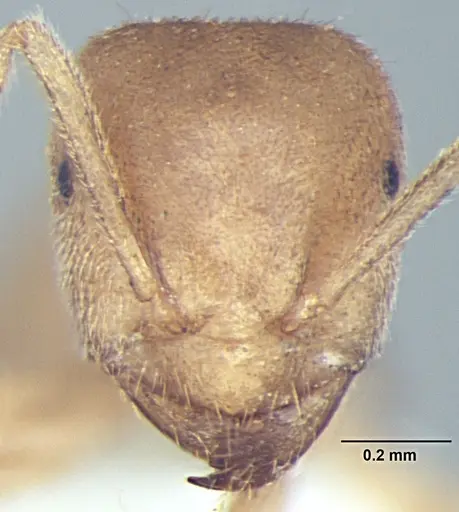
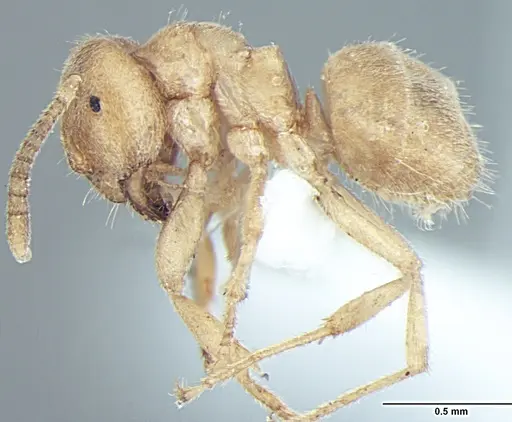
Lasius elevatus is a tiny yellow ant species native to the high altitudes of the Indian Himalayas. Workers measure just 3-4mm in length, with a light to dark yellow body, dark brownish mandibles, and black eyes. The species was formally described in 2013 and belongs to the flavus clade within the subgenus Cautolasius. It closely resembles Lasius talpa and Lasius alienoflavus but can be distinguished by its sparse body setae, smaller eye size, and the structure of its petiole. This is a recently described species with limited published research, so much of its biology is inferred from related Lasius species.
Quick Summary
- Difficulty: Medium
- Origin & Habitat: Native to the high altitudes of Himachal Pradesh, India, found at elevations between 1700-1845 meters. They nest in soil and under stones in forested areas, including dense pine forests beside rivers with moist soil and grassy hill slopes [1].
- Colony Type: Single-queen (monogyne) colonies are typical for the flavus clade. Like other Lasius species, founding queens likely seal themselves in and raise their first workers alone (claustral founding).
- Colony: Monogyne
- Founding: Claustral
- Size & Growth:
- Queen: Approximately 6-8mm (estimated based on related Lasius species in the flavus clade)
- Worker: 3-4mm total length (HL 0.73-0.85mm, HW 0.67-0.80mm based on measurements) [1]
- Colony: Likely several hundred workers at maturity, typical for small Lasius species
- Growth: Moderate, similar to other small Lasius species, likely 6-10 weeks from egg to first worker
- Development: Estimated 6-10 weeks at optimal temperature (based on typical flavus clade development) (Development time is inferred from related species in the flavus clade. Higher altitude origin suggests tolerance for cooler conditions.)
- Antkeeping:
- Temperature: Keep at room temperature, roughly 18-22°C. Being a high-altitude Himalayan species, they can tolerate cooler conditions than tropical ants. A gentle gradient with a slightly warmer side (around 22-24°C) supports brood development.
- Humidity: Prefers moderate to high humidity. Keep the nest substrate consistently moist but not waterlogged. Their natural habitat includes moist riverbank soils in pine forests, so aim for damp substrate conditions with some drier areas available.
- Diapause: Yes, as a high-altitude Himalayan species, they require a winter dormancy period. Reduce temperature to around 5-10°C for 2-3 months during winter, mimicking natural seasonal cycles.
- Nesting: Use test tubes or small acrylic nests. They naturally nest in soil and under stones, so a moist substrate nest works well. Given their tiny worker size (3-4mm), ensure chambers are appropriately scaled and escape prevention is adequate.
- Behavior: These are small, generally peaceful ants that focus on tending aphids and collecting honeydew. Workers are active foragers but due to their tiny size, they pose minimal sting risk to humans. They are not aggressive and typically flee when disturbed. Their small size means escape prevention is important, they can squeeze through small gaps that larger ants cannot.
- Common Issues: tiny size makes escape prevention critical, use fine mesh and tight-fitting lids, high-altitude origin means they need proper hibernation, colonies can weaken or die without winter dormancy, slow founding phase means patience is required, claustral queens take time to raise first workers, moisture balance is important, too wet causes fungal issues, too dry causes brood death, limited published care information means some trial and error may be needed
Housing and Nest Setup
Lasius elevatus is a tiny ant species, so their housing must be appropriately scaled. Test tube setups work well for founding colonies, use a small test tube with a cotton ball creating a water reservoir. The tube should be narrow enough that the ants can walk easily on the walls. For established colonies, small acrylic nests or ytong nests with narrow chambers work well. Because they naturally nest in soil and under stones in humid forested areas, they do best with moist substrate that stays damp but not waterlogged. A layer of moist soil or sand in the outworld helps them forage naturally. Escape prevention is critical due to their tiny 3-4mm worker size, use fine mesh barriers and ensure all connections are sealed tightly. [1]
Feeding and Diet
Like other Lasius species in the flavus clade, Lasius elevatus likely has a typical diet of honeydew from aphids and small insects. In captivity, offer sugar water or honey water as a constant energy source. For protein, provide small prey items like fruit flies, pinhead crickets, or other tiny insects. They are small predators and will hunt small arthropods. You can also offer commercial ant jelly or protein paste. Feed small amounts initially and observe what they consume quickly. Remove uneaten food after 24-48 hours to prevent mold. A constant sugar source should be available alongside periodic protein feedings.
Temperature and Seasonal Care
Being from high altitudes in the Indian Himalayas (1700-1845m elevation), Lasius elevatus prefers cooler temperatures than many common ant species. Room temperature around 18-22°C is ideal. They can tolerate brief periods cooler or warmer, but avoid extreme temperatures. During the active season, a slight temperature gradient allows workers to choose their preferred zone. In winter, they require a diapause period, reduce temperatures to roughly 5-10°C for 2-3 months. This mimics their natural high-altitude seasonal cycle and is essential for colony health. Do not feed during hibernation and keep the nest slightly moist but not wet. Return to normal temperatures gradually in spring. [1]
Colony Founding
The founding process follows typical Lasius patterns. A mated queen will seal herself into a small chamber (claustral founding) and survive on her stored fat reserves while laying eggs and raising the first brood. She will not leave to forage during this time. The first workers (nanitics) are typically smaller than mature workers and emerge after several weeks. Once workers emerge, the colony grows as the queen continues laying eggs and workers take over foraging and brood care. Founding colonies require patience, do not disturb the queen during this critical phase. Keep the setup dark and vibration-free, checking only occasionally for signs of progress.
Behavior and Temperament
Lasius elevatus workers are small, active, and generally peaceful. They are not aggressive and will typically flee from threats rather than engage. Their small size (3-4mm) means they pose virtually no sting risk to humans, their stingers are too small to penetrate human skin effectively. Workers are active foragers, searching for honeydew and small prey. They are not known for major escape attempts compared to some species, but their tiny size means they can slip through surprisingly small gaps. Overall, they are a calm species suitable for observation. They may form moderate-sized colonies over several years. [1]
Frequently Asked Questions
How long does it take for Lasius elevatus to produce first workers?
Based on typical flavus clade development, expect first workers (nanitics) around 6-10 weeks after the queen lays eggs. This timeline depends on temperature, warmer conditions within their range speed development, while cooler conditions slow it. Be patient during founding as the queen raises her first brood alone.
What temperature do Lasius elevatus need?
Keep them at room temperature, roughly 18-22°C. As a high-altitude Himalayan species, they tolerate cooler conditions better than tropical ants. A slight gradient to around 22-24°C on one side supports active foraging and brood development.
Do Lasius elevatus need hibernation?
Yes, they require a winter dormancy period. Being from high altitudes in the Himalayas, they need 2-3 months at reduced temperatures (5-10°C) during winter. This is essential for colony health and mimics their natural seasonal cycle.
How big do Lasius elevatus colonies get?
Likely several hundred workers at maturity, typical for small Lasius species in the flavus clade. Growth is moderate over several years from a single founding queen.
Can I keep multiple Lasius elevatus queens together?
Not recommended. This species is monogyne (single-queen) in structure. Combining unrelated queens has not been documented and would likely result in fighting. Start with one founding queen for best success.
What do Lasius elevatus eat?
They accept sugar sources (honey water, sugar water) and small protein prey like fruit flies, pinhead crickets, or other tiny insects. They likely also collect honeydew in nature, so sugar water should be available constantly.
Are Lasius elevatus good for beginners?
They are moderate difficulty, not the easiest but not challenging. Their small size requires attention to escape prevention, and their high-altitude origin means proper hibernation is important. They are peaceful and interesting to observe. Some experience with ant keeping is helpful.
When should I move Lasius elevatus to a formicarium?
Keep them in a test tube setup through the founding stage. Once the colony reaches 20-30 workers and you see consistent activity, you can move them to a small formicarium with appropriate chamber sizes. Ensure the new setup has moist substrate and escape prevention.
Why is my Lasius elevatus colony declining?
Common causes include: improper hibernation (they need winter dormancy), too dry or too wet conditions, temperature extremes, insufficient food, or disease. Check that temperatures are appropriate (18-22°C), substrate is moist but not waterlogged, and they have constant sugar plus regular protein. Ensure they had a proper winter rest period.
References

This caresheet is licensed under CC BY-SA 4.0 .
ANTWEB1008001
View on AntWeb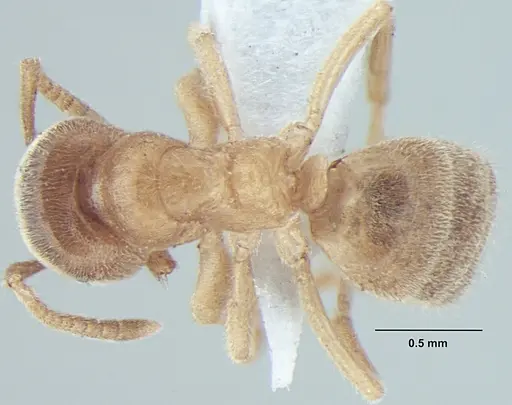
ANTWEB1008002
View on AntWeb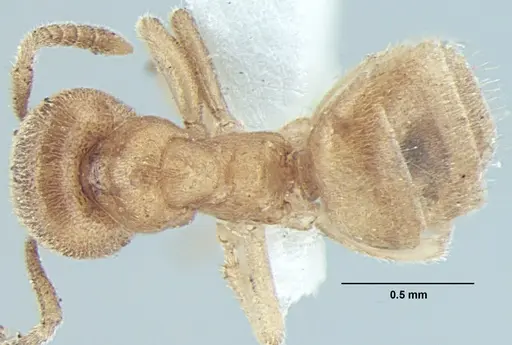
Literature
Loading...Loading products...