

Lasius alienoflavus
- Scientific Name
- Lasius alienoflavus
- Tribe
- Lasiini
- Subfamily
- Formicinae
- Author
- Bingham, 1903
- Distribution
- Found in 1 countries
Lasius alienoflavus Overview
Lasius alienoflavus is an ant species of the genus Lasius. It is primarily documented in 1 countries , including India. Detailed taxonomic data and occurrence records can be further explored via authoritative databases such as AntWeb or the Global Biodiversity Information Facility (GBIF).
Lasius alienoflavus
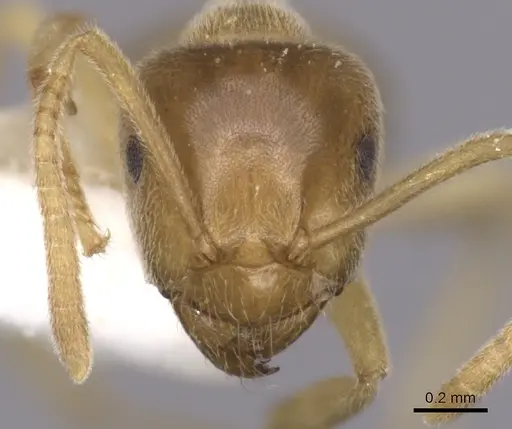
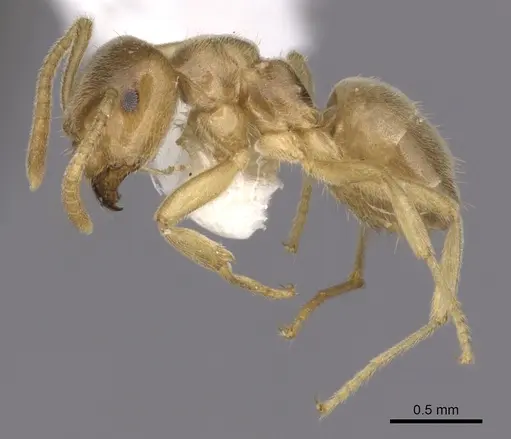
Lasius alienoflavus is a small, yellow to dark yellow ant endemic to the Himalayan region. Workers measure 2.5-2.8mm and are characterized by their relatively large eyes compared to other species in the flavus group, and their maxillary palps have the apical segment longer than the preapical one, which distinguishes them from the closely related Lasius flavus [1]. Queens are significantly larger at 5.7-6.3mm with a dark brown body and dark yellow legs [1]. This species belongs to the subgenus Cautolasius and is found across the Himalayas in India, Nepal, Pakistan, and Bhutan at elevations between 1600-2300 meters [2][3][1].
What makes this species interesting is its specialization to high-altitude Himalayan environments. Nests are built very close to the surface, only 3-5 inches deep, in moist soil covered by herbs in forested mountain areas [1]. As a cold-climate specialist, this ant is adapted to cooler temperatures than most tropical ant species, which affects how you'll need to keep them in captivity [4].
Quick Summary
- Difficulty: Medium
- Origin & Habitat: Himalayan region (India, Nepal, Pakistan, Bhutan) at elevations of 1600-2300 meters. Nests in moist soil close to the surface (3-5 inches deep) in forested mountain areas, often covered by herbs [2][3][1].
- Colony Type: Single-queen colonies (monogyne) based on typical flavus-group patterns. No specific data on ergatoid replacement reproductives for this species.
- Colony: Monogyne
- Founding: Claustral
- Size & Growth:
- Queen: 5.7-6.3mm [1]
- Worker: 2.5-2.8mm [1]
- Colony: Unknown, likely moderate-sized colonies typical of flavus-group (thousands of workers) based on related species patterns
- Growth: Moderate, inferred from related Lasius flavus which has moderate development
- Development: Estimated 6-10 weeks at optimal temperature based on typical Lasius development patterns (Development time is estimated from related species in the flavus group. Queens are claustral, they seal themselves in and raise first workers alone on stored fat reserves.)
- Antkeeping:
- Temperature: Keep cool compared to most ants, aim for 18-22°C. This species is a cold-climate specialist adapted to high-altitude Himalayan conditions [4]. Room temperature is often suitable. Avoid overheating.
- Humidity: Keep substrate consistently moist but not waterlogged. In nature they nest in moist soil covered by herbs [1]. Provide a water tube and occasional misting of the outworld.
- Diapause: Yes, as a Himalayan cold-climate species, they require a winter dormancy period. Reduce temperature to 10-15°C for 2-3 months during winter.
- Nesting: Shallow nest setups work best given their natural nesting depth of only 3-5 inches. Test tubes or shallow acrylic nests with moist substrate are ideal. They prefer dark, humid chambers close to the surface.
- Behavior: Generally docile and non-aggressive. Like other Lasius species, they are primarily subterranean and not particularly active on the surface. Workers are small but not especially prone to escaping, standard escape prevention is adequate. They likely feed on honeydew from aphids and small insects, typical of flavus-group ants. Queens are claustral and will seal themselves in to raise their first brood.
- Common Issues: cold tolerance means overheating is a real risk, keep them below 25°C, shallow nesting means they need appropriate nest depth, deep formicaria may be unnecessary, high-altitude origin means they need winter dormancy, skipping hibernation can weaken colonies, moisture requirements are important, dry conditions will cause colony decline, limited availability in the antkeeping hobby means founding colonies may be difficult to obtain
Nest Preferences and Setup
Lasius alienoflavus naturally nests very close to the surface, only 3-5 inches deep in moist soil covered by herbs in forested mountain areas [1]. This means they prefer shallow nest setups rather than deep formicaria. Test tubes with a water reservoir work well for founding colonies, and you can transition to shallow acrylic nests or plaster nests as the colony grows.
Keep the nest dark and humid. These ants are subterranean by nature and don't need visible light, in fact, they'll be more active in darker conditions. The substrate should remain consistently moist but never waterlogged. A water tube connected to a cotton plug provides a reliable moisture source that gradually diffuses into the nest chamber.
Because they come from high-altitude Himalayan environments, they don't need extreme humidity, aim for moderate moisture levels that keep the substrate damp without flooding. The key is consistency rather than high humidity.
Temperature Requirements
This is the most critical aspect of keeping Lasius alienoflavus. As a cold-climate specialist endemic to the Himalayan region at elevations of 1600-2300 meters, they are adapted to cool conditions [2][4]. Keep the nest between 18-22°C, this is ideal for their activity and brood development.
Avoid temperatures above 25°C, as overheating can be fatal. Room temperature is often perfect for this species. If your room runs warm, consider placing the nest in a cooler area or using a small cooling method. Unlike most ant species that people keep, this one actually prefers cooler conditions.
During summer months when ambient temperatures rise, ensure good ventilation and consider moving the colony to a cooler location in your home. Their native habitat stays relatively cool even in summer at those elevations.
Feeding and Diet
Like other Lasius species in the flavus group, these ants are likely omnivorous with a preference for honeydew and small insects. Feed them sugar water or honey regularly, and offer protein sources like small crickets, mealworms, or fruit flies.
For a growing colony, offer protein prey items 2-3 times per week, removing any uneaten prey after 24 hours. Sugar water should always be available, you can offer it on a small piece of cotton or in a test tube with a cotton wick.
Given their small worker size (2.5-2.8mm), prey items should be appropriately sized. Very small insects or pre-killed prey works well for founding colonies. As the colony grows, they can take down larger prey items.
Winter Dormancy and Hibernation
Because Lasius alienoflavus comes from the high-altitude Himalayas, they require a winter dormancy period to stay healthy [4]. This diapause is essential for their natural lifecycle.
During winter, reduce the temperature to 10-15°C for 2-3 months. You can accomplish this by moving the colony to a cooler location like an unheated garage or basement, or using a small refrigerator set to the appropriate temperature. Do not feed them during hibernation, but ensure they have access to water.
In spring, gradually warm the colony back to their normal temperature range. This cooling and warming cycle helps trigger reproductive behavior and keeps the colony on a natural seasonal rhythm. Skipping hibernation can lead to weakened colonies and reduced longevity.
Colony Founding
Like other Lasius species, Lasius alienoflavus queens are claustral, they seal themselves in a chamber and raise their first workers entirely on stored fat reserves without leaving to forage [1]. When you obtain a newly mated queen, place her in a test tube setup with a water reservoir and keep her in complete darkness.
Do not disturb the queen during founding, this is a critical period where she is vulnerable. She will remain sealed in her chamber while laying eggs and raising the first brood (nanitics). These first workers will be smaller than normal workers but will then take over foraging duties.
Founding colonies need minimal intervention, just maintain humidity via the water tube and keep temperatures in the 18-22°C range. The queen will typically seal herself within the first day or two. Wait several weeks before checking, disturbance can cause her to abandon the chamber.
Frequently Asked Questions
How long does it take for Lasius alienoflavus to raise first workers?
Based on typical Lasius development patterns, expect 6-10 weeks from egg to first worker (nanitics) at optimal temperatures of 18-22°C. The exact timeline for this specific species has not been documented, but related species in the flavus group take approximately this long.
What temperature should I keep Lasius alienoflavus at?
Keep them cool, between 18-22°C. This is a cold-climate species from high-altitude Himalayas that can be harmed by temperatures above 25°C. Room temperature is often ideal.
Do Lasius alienoflavus need hibernation?
Yes, they require a winter dormancy period. Reduce temperatures to 10-15°C for 2-3 months during winter. This is essential for their health and natural lifecycle as a Himalayan cold-climate specialist.
Can I keep multiple Lasius alienoflavus queens together?
This is not recommended. While specific data on pleometrosis (multiple queen founding) is not available for this species, Lasius species are typically monogyne with single-queen colonies. Combining unrelated queens often results in fighting.
What do Lasius alienoflavus eat?
They are omnivorous like other Lasius species. Feed them sugar water or honey regularly, plus small protein sources like fruit flies, small crickets, or mealworms. Prey should be appropriately sized for their tiny workers (2.5-2.8mm).
How big do Lasius alienoflavus colonies get?
The maximum colony size is not documented for this species, but related Lasius flavus colonies reach several thousand workers. Expect moderate growth over several years.
Are Lasius alienoflavus good for beginners?
They are rated as medium difficulty. The main challenges are their need for cool temperatures and winter dormancy, which differs from most commonly kept ant species. If you can provide the cool conditions they need, they are relatively straightforward to keep.
When should I move Lasius alienoflavus to a formicarium?
Wait until the colony has at least 20-30 workers before moving from a test tube setup. They naturally nest shallowly (3-5 inches deep), so a shallow acrylic or plaster nest works well. Make sure the new setup maintains similar humidity levels.
References

This caresheet is licensed under CC BY-SA 4.0 .
CASENT0280453
View on AntWeb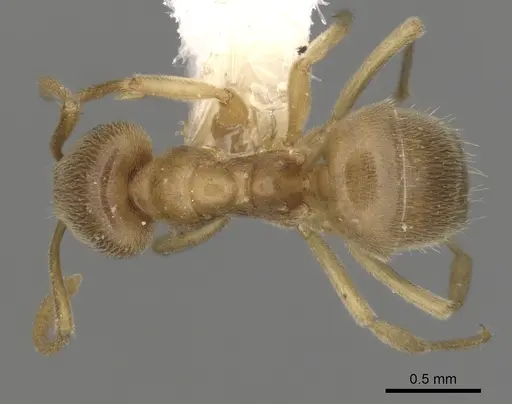
Literature
Loading...Loading products...