

Lasius bureni
- Scientific Name
- Lasius bureni
- Tribe
- Lasiini
- Subfamily
- Formicinae
- Author
- Wing, 1968
- Distribution
- Found in 1 countries
Lasius bureni Overview
Lasius bureni is an ant species of the genus Lasius. It is primarily documented in 1 countries , including United States of America. Detailed taxonomic data and occurrence records can be further explored via authoritative databases such as AntWeb or the Global Biodiversity Information Facility (GBIF).
Lasius bureni
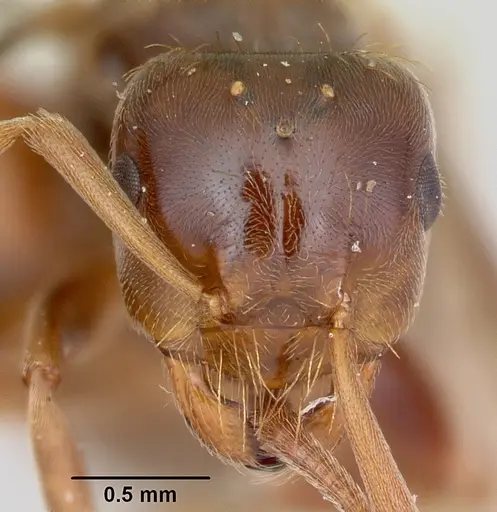
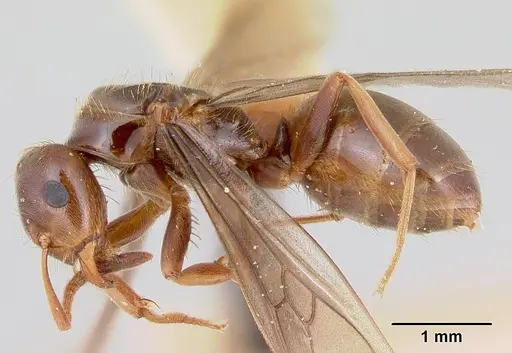
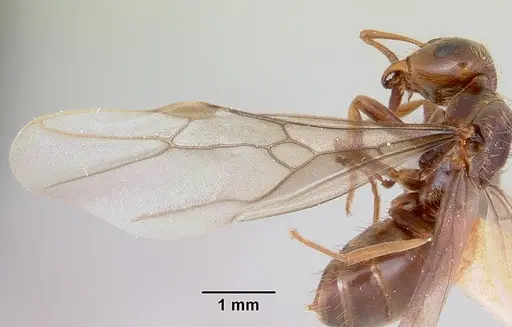
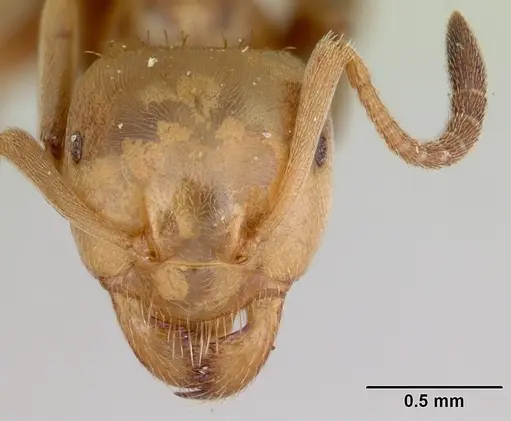
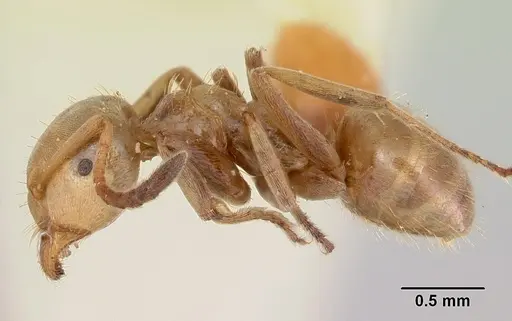
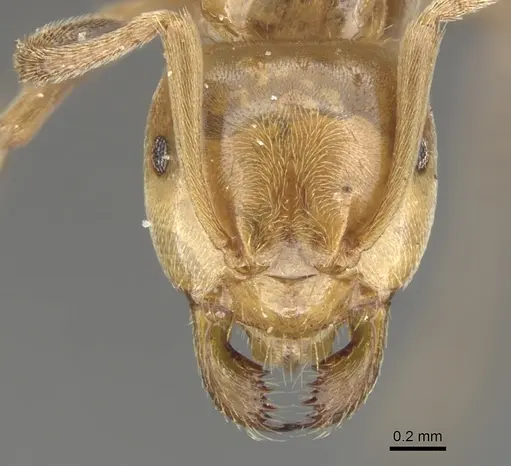
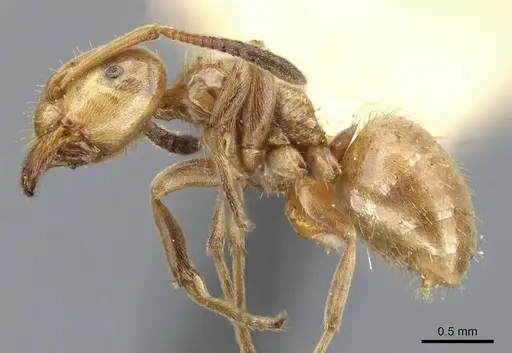
Lasius bureni is a small to medium-sized ant native to the upper Midwestern United States. Workers are brown to yellowish brown with a pubescent body and relatively shining alitrunk. Queens are a deep chestnut brown color and measure around 1.20mm or more in head width. This species belongs to the flavus clade and claviger species group, making it a close relative of other North American Lasius ants.
This species is one of the most poorly documented ants in North America, it is only known from the original type series collected in 1941 from Wisconsin. No ecological or behavioral observations have been published, so keepers must rely on what we know about related Lasius species when providing care. This makes it a challenging species to keep, as there is no established husbandry knowledge to draw from.
Quick Summary
- Difficulty: Expert
- Origin & Habitat: Known only from Comstock, Wisconsin in the Nearctic region. The type series was collected from a temperate grassland/meadow habitat in August 1941 [1].
- Colony Type: Colony structure is unconfirmed. Based on related species in the flavus clade, likely single-queen colonies (monogyne) with potential for multiple queens in some populations (facultatively polygyne).
- Colony: Monogyne
- Founding: Claustral
- Size & Growth:
- Queen: Head width 1.20mm or more [1]. Estimated total length 6-8mm based on related species.
- Worker: Small, typical of Lasius workers, approximately 3-5mm [1].
- Colony: Unknown, but related Lasius species typically reach 1,000-5,000 workers. Estimated 1,000-3,000 workers based on genus patterns.
- Growth: Unknown, likely moderate like other Lasius species. Expect 6-10 weeks from egg to first worker at optimal temperature.
- Development: Estimated 6-10 weeks based on related Lasius species in the flavus clade. (No direct development data exists for this species. Timing is inferred from genus-level patterns.)
- Antkeeping:
- Temperature: Keep nest area around 20-24°C. This follows typical Lasius preferences, they do well at room temperature with a slight gradient. Avoid temperatures above 28°C.
- Humidity: Lasius species prefer moderate to high humidity. Keep nest substrate consistently moist but not waterlogged. Provide a water test tube as a moisture source. The type locality in Wisconsin suggests they tolerate cooler, more humid conditions.
- Diapause: Yes, as a Nearctic species from Wisconsin, they require a winter hibernation period. Keep at 5-10°C for 3-4 months during winter, typically October/November through March.
- Nesting: In nature, Lasius bureni likely nests in soil or under stones in open habitats. For captivity, a test tube setup works well for founding colonies. Once established, a Y-tong (AAC) nest or plaster/acrylic formicarium with moist substrate is suitable. Keep nesting area dark and quiet.
- Behavior: Workers are small and likely forage underground or near the nest entrance. Like other Lasius species, they probably tend aphids for honeydew and collect small insects. They are not aggressive but will defend the nest. Escape prevention is important due to their small size, use fine mesh barriers and tight-fitting lids. Workers likely show typical Lasius behavior: moderate activity, tendency to stay near nest, and nocturnal foraging patterns common in subterranean ants.
- Common Issues: no documented husbandry means trial and error is required, expect some losses while learning their needs, as a very rare species, obtaining stock is extremely difficult, likely only available through specialized ant keepers or research colonies, hibernation failure is common when keepers don't provide proper cold period, this species absolutely requires winter rest, small worker size means escape prevention must be excellent, they can squeeze through standard mesh, without known food preferences, acceptance of captive foods may be poor, be prepared to experiment with different protein and sugar sources
Obtaining Lasius bureni
This is perhaps the biggest challenge with keeping Lasius bureni. The species is only known from a single collection in 1941 and has never been documented in the wild since. You will not find this species for sale at typical ant suppliers. Your best options are: connecting with myrmecology researchers who may have living colonies, reaching out to ant-keeping communities who might have rare species, or checking if any laboratory colonies exist. If you do obtain a colony, treat it with extra care, you may be one of very few people keeping this species in captivity. Always ensure any colony was obtained legally and ethically. [1]
Housing and Nest Setup
For founding colonies, use a standard test tube setup with a water reservoir. The queen will seal herself into a dark chamber and remain there until her first workers emerge. Make sure the tube is kept horizontal or at a slight angle so the water reservoir is at one end and the cotton at the other. Cover the tube with something dark to reduce stress.
Once the colony reaches 20-30 workers, you can transition to a more permanent setup. A Y-tong (AAC) nest works well, or you can use a plaster/acrylic formicarium. Lasius ants prefer some moisture in their nesting area, so keep the nest substrate damp but not flooded. Provide a connected outworld for foraging. Because workers are small, ensure all connections between nest and outworld are secure, these ants can squeeze through surprisingly small gaps.
Feeding and Diet
Like other Lasius species, Lasius bureni likely accepts both sugar and protein sources. For sugar, offer diluted honey water, sugar water, or commercial ant nectar. For protein, small insects like fruit flies, pinhead crickets, or mealworm pieces work well. Lasius ants are also known to tend aphids for honeydew in the wild, so they may readily accept aphid honeydew if available.
Feed small amounts initially and observe what the colony takes. Remove any uneaten food after 24-48 hours to prevent mold. During founding, the queen will not eat, she survives entirely on stored fat reserves. Once workers emerge, they will begin foraging and can be offered food. Feed every 2-3 days for established colonies, with constant access to sugar water.
Temperature and Seasonal Care
Lasius bureni comes from Wisconsin, a region with cold winters and moderate summers. Keep the nest at room temperature (20-24°C) for most of the year. A slight temperature gradient allows workers to choose their preferred zone. Avoid temperatures above 28°C or below 15°C for extended periods.
During winter (roughly October/November through March), provide a hibernation period. Move the colony to a cool location around 5-10°C, a refrigerator set to vegetable drawer temperature works well, or an unheated garage if temperatures stay above freezing. Do not feed during hibernation. This cold period is essential for the colony's health and triggers natural reproductive cycles. Without proper hibernation, colonies often fail to thrive or produce reproductives.
Understanding the Challenge
You need to understand what you're getting into with Lasius bureni. This is not a species with established care guides or known requirements, you are essentially pioneering the husbandry of a species that has never been kept in captivity before. Every observation you make is potentially new information.
Keep detailed notes on feeding behavior, temperature preferences, humidity needs, and colony development. Document what works and what doesn't. Share your findings with the ant-keeping community. Because this species is so poorly known, your experiences could become the foundation for future husbandry guides. The difficulty is part of the appeal for some keepers, you're contributing to real knowledge about a species that otherwise remains a mystery. [1]
Frequently Asked Questions
Is Lasius bureni a good species for beginners?
No. This is an expert-level species due to its extreme rarity in the hobby and complete lack of documented care information. You will be pioneering husbandry for a species that has never been studied in captivity. If you're new to ant keeping, start with established species like Lasius niger, Camponotus floridanus, or Messor structor.
Where can I buy Lasius bureni ants?
You likely cannot. This species is only known from a single collection in 1941 and has never been documented in the wild since. It is not commercially available and may not exist in any living ant colonies. If you're determined to keep this species, you would need to connect with researchers or very specialized collectors, and even then, finding stock would be extremely unlikely.
How long does it take for Lasius bureni to develop from egg to worker?
No specific data exists. Based on related Lasius species in the flavus clade, expect approximately 6-10 weeks from egg to first worker at optimal temperature (around 22-24°C). The exact timeline may vary, and you'll need to observe your specific colony to confirm.
Do Lasius bureni ants need hibernation?
Yes. As a species from Wisconsin (a cold-temperate region), they absolutely require a winter hibernation period. Keep the colony at 5-10°C for 3-4 months during winter. Without this cold period, the colony will likely fail to thrive and may not produce reproductives. This is non-negotiable for this species.
What do Lasius bureni ants eat?
Not specifically documented, but based on related species, they likely accept sugar sources (honey water, sugar water) and small protein sources (fruit flies, small crickets, mealworms). They probably also tend aphids for honeydew like other Lasius species. Start with standard ant foods and observe what your colony accepts.
How big do Lasius bureni colonies get?
Not documented, but related Lasius species typically reach 1,000-5,000 workers. Estimate 1,000-3,000 workers for a mature colony. Growth will be slow given the lack of specific husbandry knowledge, be patient.
Are Lasius bureni ants aggressive?
Not documented, but Lasius species are generally not aggressive toward keepers. They will defend their nest if threatened but are not known for painful stings or swarming behavior. Their small size means any sting would be minimal anyway.
Can I keep multiple Lasius bureni queens together?
Unknown for this specific species. Many Lasius are monogyne (single queen) but some are facultatively polygyne (can have multiple queens). Without documented behavior, it is safest to keep only one queen per colony. Combining unrelated queens has not been studied and could result in aggression.
What is the best nest type for Lasius bureni?
For founding: a test tube setup with water reservoir. For established colonies: Y-tong (AAC) nest or a moist plaster/acrylic formicarium. Lasius ants prefer some humidity in their nesting area and typically like darker nesting sites. Ensure the setup allows for easy observation while keeping the nest area dark and quiet.
Why is so little known about Lasius bureni?
This species was described in 1968 from a single collection made in 1941 in Wisconsin. It has simply never been collected or studied again since then. The type series (20 queens,39 males,60 workers) represents all known specimens of this species. It appears to be either extremely rare in the wild or has a very limited range, making it one of North America's most obscure ant species.
References

This caresheet is licensed under CC BY-SA 4.0 .
CASENT0103502
View on AntWeb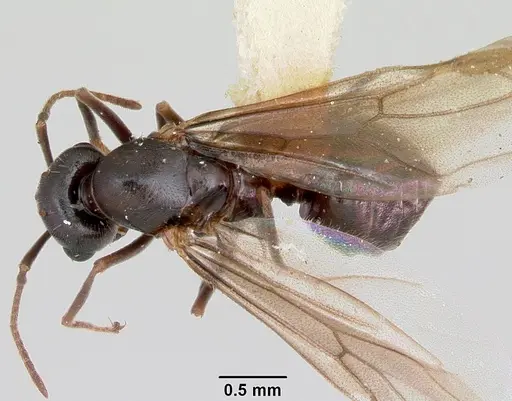
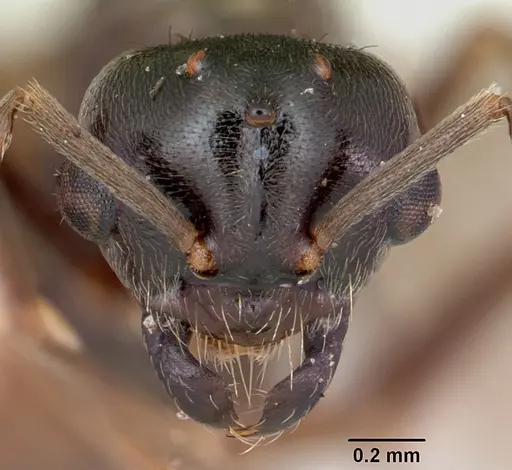
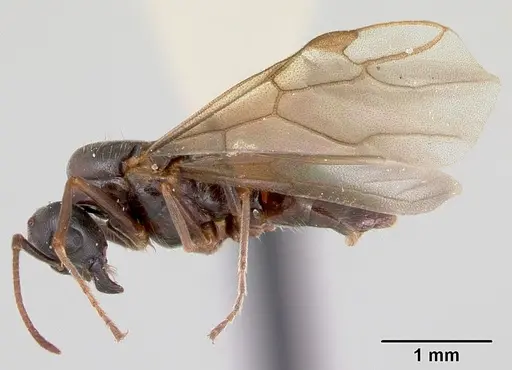
CASENT0103503
View on AntWeb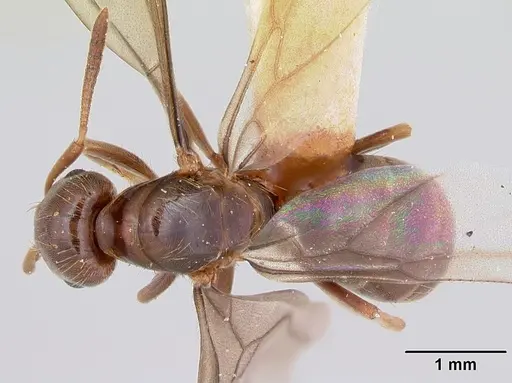
CASENT0105712
View on AntWeb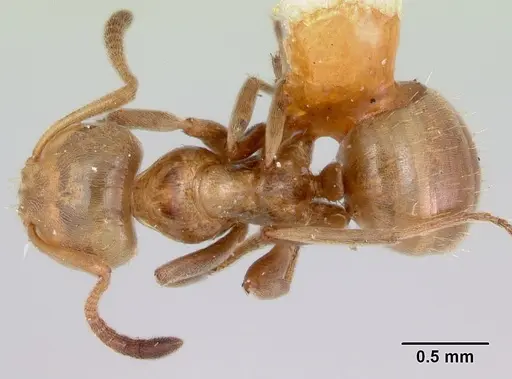
CASENT0903200
View on AntWeb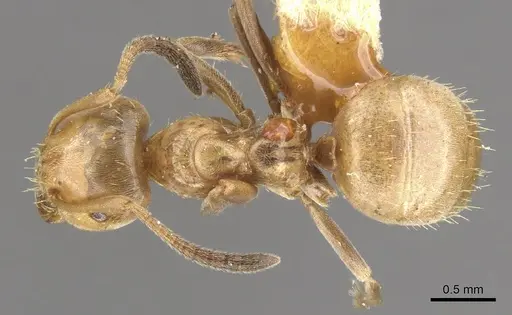
Literature
Loading...Loading products...