

Lasius bicornis
- Scientific Name
- Lasius bicornis
- Tribe
- Lasiini
- Subfamily
- Formicinae
- Author
- Foerster, 1850
- Distribution
- Found in 13 countries
Lasius bicornis Overview
Lasius bicornis is an ant species of the genus Lasius. It is primarily documented in 13 countries , including Austria, Belgium, Switzerland. Detailed taxonomic data and occurrence records can be further explored via authoritative databases such as AntWeb or the Global Biodiversity Information Facility (GBIF).
Lasius bicornis
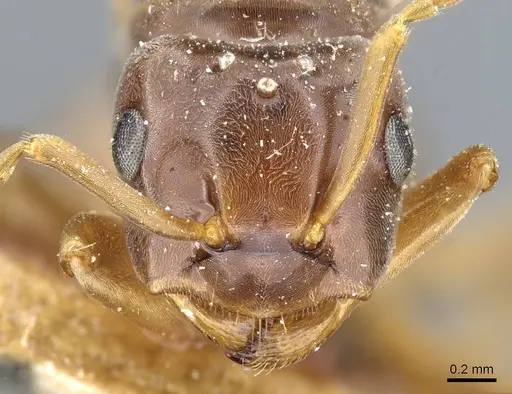
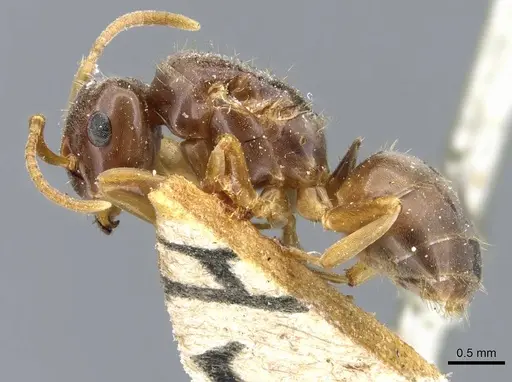
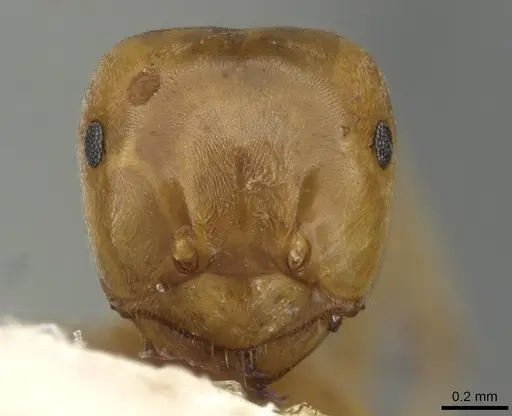
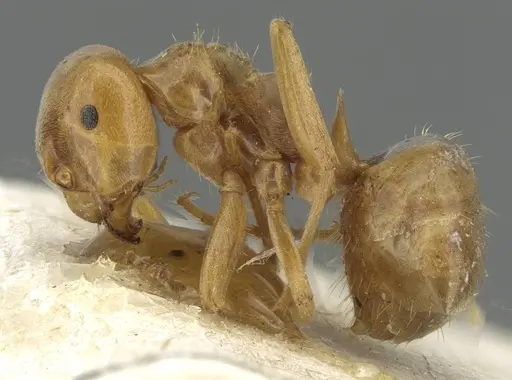
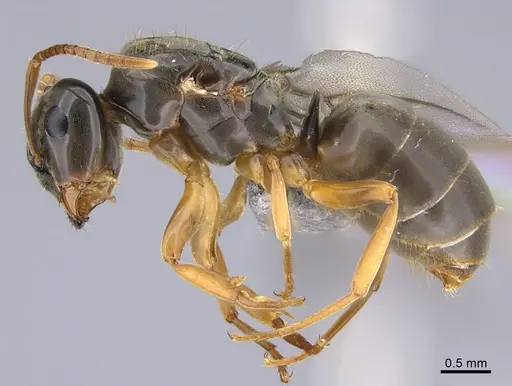
Lasius bicornis is a small, pale yellow ant belonging to the subgenus Chthonolasius, known for its distinctive deeply-notched petiole scale that gives it the 'two-horned' appearance. Workers measure 4.0-4.5mm with a clear citron-yellow body color and notably lack hairs on their antennae and legs, a key identification feature. This species ranges across central and southern Europe, from the Pyrenees to the Caucasus, with isolated populations in the Himalayas [1][2].
What makes Lasius bicornis particularly fascinating is its temporary social parasitic lifestyle. Unlike most ants, queens cannot found colonies independently. Instead, a newly mated queen must infiltrate an established nest of another Lasius species (likely Lasius brunneus), kill the host queen, and use the host workers to raise her first brood [3]. This parasitic strategy, combined with their subterranean lifestyle feeding on root aphid honeydew, explains why they remain one of the rarest and most elusive ants in Europe.
Quick Summary
- Difficulty: Expert
- Origin & Habitat: Central and southern Europe, ranging from the Pyrenees and Caucasus east to the Himalayas. Found in deciduous forests, forest edges, parks, and orchards with mature trees [1][4]. Nests in rotting logs, dead parts of living trees, and under stones near trees [3][5].
- Colony Type: Temporary social parasite, single queen colonies that establish by invading host Lasius s.str. colonies. Queens kill the host queen and use host workers to raise their first brood [3].
- Colony: Monogyne
- Queen: Temporary parasitic
- Size & Growth:
- Queen: 4.3-5.1mm [1]
- Worker: 4.0-4.5mm [1][5]
- Colony: Unknown, likely small colonies typical of Chthonolasius species
- Growth: Unknown, dependent on host colony development
- Development: Unknown, development is tied to host colony dynamics (Development timeline has not been studied as this species relies entirely on host workers for brood-rearing)
- Antkeeping:
- Temperature: Keep at room temperature around 18-22°C. As a European species, they prefer cooler conditions than tropical ants and do not require heating [1].
- Humidity: Moderate humidity, they nest in decaying wood which should be moist but not waterlogged. Provide a humid environment similar to their forest floor habitat [4][3].
- Diapause: Yes, as a European species, they require winter hibernation at around 5-10°C for 3-4 months, typically from November to March [1].
- Nesting: This species cannot be kept like typical ants. You must establish a host colony (Lasius brunneus or similar Lasius s.str.) first, then introduce a Lasius bicornis queen. Use a naturalistic setup with decaying wood sections, as they naturally nest in rotting logs and dead tree parts [3][6].
- Behavior: Lasius bicornis is extremely secretive and hypogaeic (subterranean), spending most of their time hidden within nest structures. Workers are slow-moving and rarely forage in the open. They feed primarily on honeydew from root aphids kept in the nest [7]. The species is not aggressive and poses no sting risk to humans. Escape prevention is not critical as they are not escape artists, but their tiny size means standard barriers are advisable [1].
- Common Issues: This species cannot be kept in captivity, queens require a host Lasius colony to survive, making captive establishment virtually impossible for hobbyists, Even if you obtain a queen with workers, they will die without a functioning host colony to tend them, The species is critically endangered in many European countries and should not be collected from the wild, Their hypogaeic lifestyle means they are rarely active above ground, making observation extremely difficult, No established protocol exists in the antkeeping hobby for maintaining this parasitic species
Why This Species Cannot Be Kept in Captivity
Lasius bicornis is one of the few ant species that simply cannot be maintained in captivity by hobbyists. This is not a matter of difficulty or specialized equipment, it is a fundamental biological constraint. As a temporary social parasite, Lasius bicornis queens are obligate parasites that cannot establish colonies independently. A newly mated queen must find and infiltrate an established nest of another Lasius species (primarily Lasius brunneus), kill the resident queen, and trick the host workers into raising her offspring [3]. Without a host colony present, the queen will inevitably die. Even if you somehow obtained both a Lasius bicornis queen and a host colony, the dynamics of colony introduction are extremely complex and have never been documented in captive settings. For these reasons, Lasius bicornis should be appreciated in the wild rather than collected for captive keeping. Many European countries list this species as threatened or endangered, and it is fully protected in several regions including Austria and Germany [8][6].
Identification and Key Features
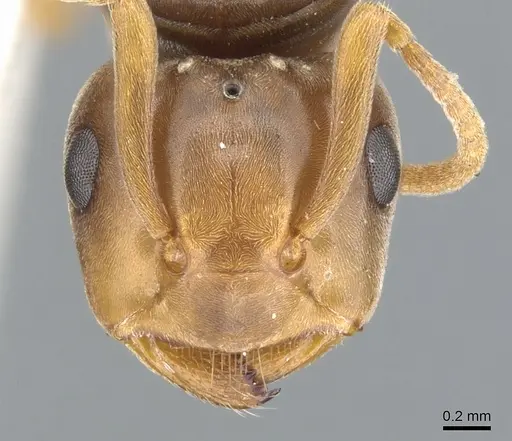
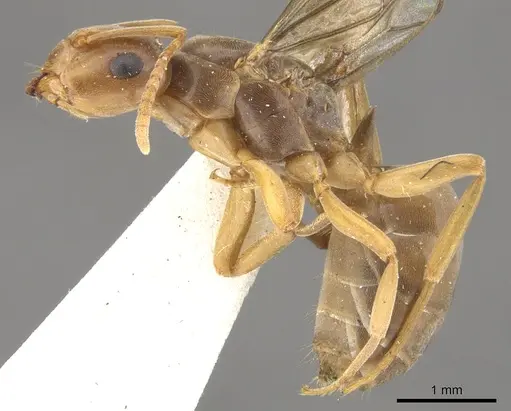
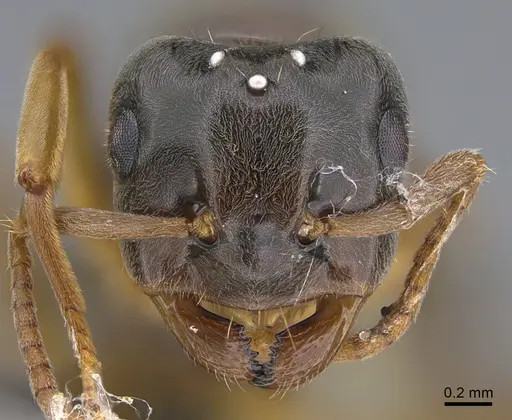
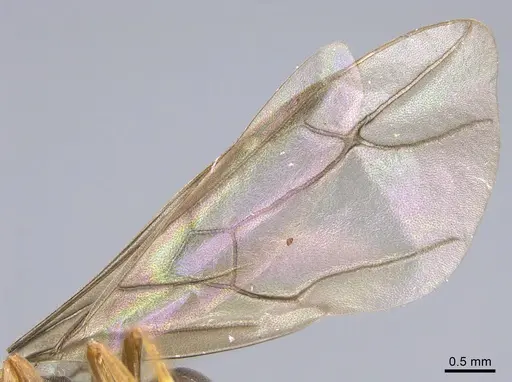
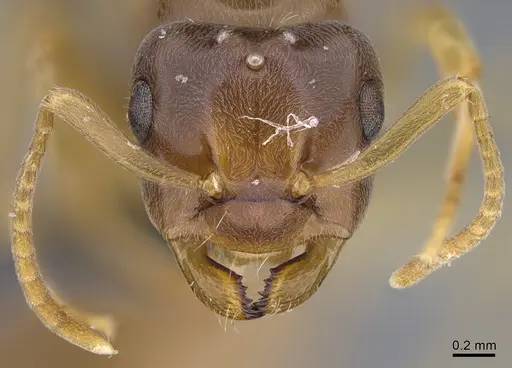
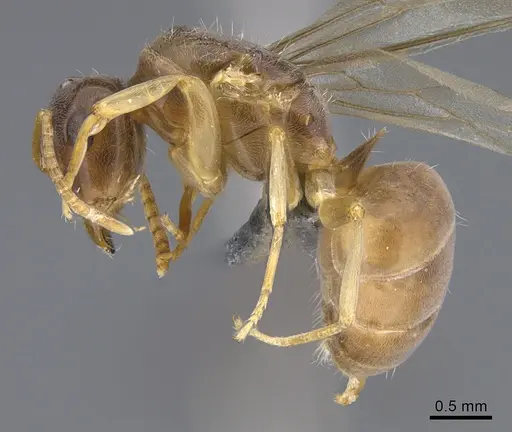
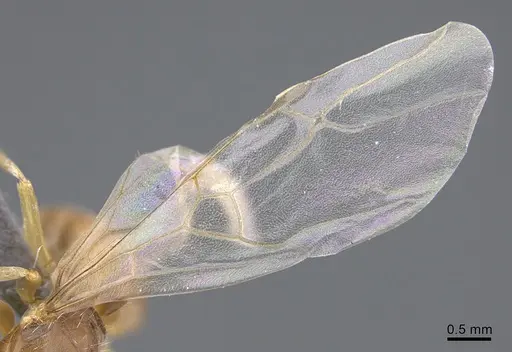
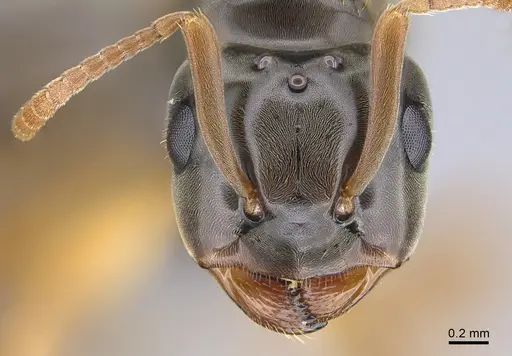
Lasius bicornis workers are distinctive among European Lasius species. They are clear citron yellow in color and relatively small at 4.0-4.5mm. The most diagnostic feature is the deeply notched (emarginate) petiole scale, when viewed from the side, the top of the petiole has a deep V-shaped notch, giving the appearance of two small horns. The antennae scapes are distinctly flattened, and notably, workers lack standing hairs on their antennae scapes and tibiae, a key distinguishing feature from similar species like Lasius umbratus [9][1]. Queens are larger at 4.3-5.1mm with the same pale yellow coloration and deeply notched petiole. The species is considered one of the easier Chthonolasius to identify due to its distinctive pilosity pattern [3].
Natural History and Ecology
Lasius bicornis is a hypogaeic (subterranean) species that spends most of its life hidden within nest structures in decaying wood or soil. They are rarely seen on the surface except during nuptial flights. Their diet consists primarily of honeydew from root aphids, which they tend in underground chambers, this is why they are almost never observed foraging in the open [7][10]. The species is considered a very rare ant throughout its entire range, with confirmed records from most European countries but always in very low numbers. In the Netherlands, the species has not been recorded since 1980 and may already be extinct [11]. Their rarity stems from both their parasitic lifestyle (which limits population density) and their cryptic habits making them extremely difficult to detect [3].
Nuptial Flights and Reproduction
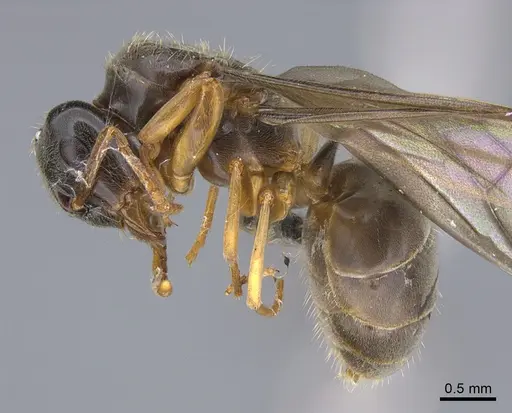
Nuptial flights occur from July to September in central Europe, with most records in August and September. However, spring flights have been recorded in the Netherlands (April) and Norway (May-June), suggesting the species may have two flight periods or overwintering alate queens in some regions [1][12]. Males and females are attracted to light traps during swarming, which is how most specimens are collected. The flight period range spans from early April in the Netherlands to early October in Poland, with most records corresponding to August and September [13]. After mating, females must quickly locate a suitable host colony, a task that is biologically challenging and explains why the species remains so rare.
Conservation Status
Lasius bicornis is considered threatened or endangered throughout most of its European range. It is listed as critically endangered in the Flemish Red List of Belgium, vulnerable in Austria, and endangered in Saxony-Anhalt (Germany) [14][15][16]. The species has likely disappeared from the Netherlands, with no confirmed records since 1980 [11]. In Poland, it is listed as data deficient but confirmed as present in very few locations [5]. The main threats include loss of deciduous forests, removal of dead wood from forests (which destroys their nesting habitat), and intensification of forest management. Their cryptic lifestyle and association with specific host species also make them vulnerable to population fluctuations. The species is fully protected in several Austrian states [6][16].
Frequently Asked Questions
Can I keep Lasius bicornis ants in captivity?
No. This species cannot be kept in captivity. As a temporary social parasite, Lasius bicornis queens require an established host colony of another Lasius species (like Lasius brunneus) to survive. Without a host colony, the queen will die. No successful captive protocol exists for this species, and it is not recommended, or legal, to attempt to collect them from the wild.
What do Lasius bicornis eat?
Like other Chthonolasius species, Lasius bicornis feeds primarily on honeydew from root aphids that they tend in underground chambers. They are not active foragers and rarely hunt for insects. In captivity, even if paired with a host colony, their specialized diet would be extremely difficult to replicate.
Where does Lasius bicornis live?
This species lives across central and southern Europe, from Spain and France east to the Caucasus, with isolated populations in the Himalayas. In Europe, it is found in Belgium, Netherlands, Germany, Austria, Switzerland, Italy, Spain, Poland, Czech Republic, Hungary, Romania, Bulgaria, Croatia, Slovenia, Serbia, and Greece. It is always rare wherever it occurs.
How do Lasius bicornis queens found colonies?
Lasius bicornis uses temporary social parasitism to found colonies. After mating, a queen must find an established nest of a host Lasius species (likely Lasius brunneus). She infiltrates the nest, kills the resident queen, and uses chemical deception to trick the host workers into accepting her. The host workers then raise her brood until her own workers emerge and gradually replace the host colony.
What is the best nest type for Lasius bicornis?
There is no appropriate nest type for keeping this species. Lasius bicornis cannot be maintained in captivity under any circumstances due to their obligate parasitic lifestyle. They require a living host colony to survive, which cannot be replicated in a typical ant farm or formicarium setting.
Do Lasius bicornis need hibernation?
As a European species, Lasius bicornis would require winter hibernation similar to other Lasius species. However, since the species cannot be kept in captivity, this question is purely academic. If maintained (which is not possible), they would likely need a 3-4 month diapause period at 5-10°C.
Why is Lasius bicornis so rare?
Lasius bicornis is rare for several reasons: their temporary parasitic lifestyle limits how many colonies can exist (they need host colonies), their hypogaeic (underground) habits make them extremely difficult to find, and they require specific decaying wood habitat in deciduous forests. They are also threatened by habitat loss throughout Europe.
Can I help conserve Lasius bicornis?
Yes, you can help by not collecting this species and supporting forest conservation efforts. Leave decaying wood and dead trees in forests where you find them, as these are essential nesting sites. Support local conservation organizations working to protect old-growth deciduous forests. If you encounter this species in the wild, report it to local biodiversity databases rather than collecting specimens.
What is the difference between Lasius bicornis and Lasius umbratus?
Both species belong to the subgenus Chthonolasius and are similar in appearance. Lasius bicornis can be distinguished by its completely hairless antennae scapes and tibiae (Lasius umbratus has some hairs), and its deeply emarginate petiole scale. Lasius bicornis is also generally rarer and has a more restricted distribution than Lasius umbratus.
References

This caresheet is licensed under CC BY-SA 4.0 .
CASENT0280461
View on AntWeb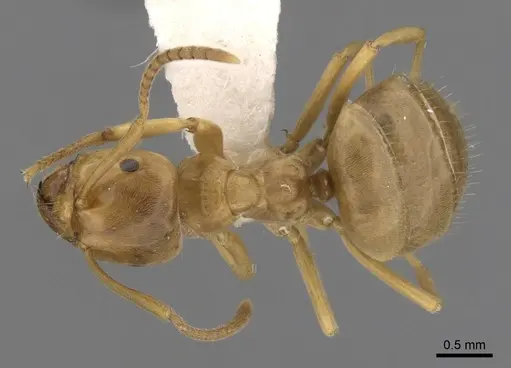
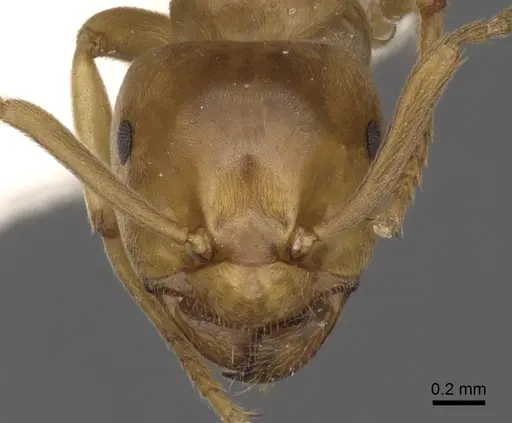
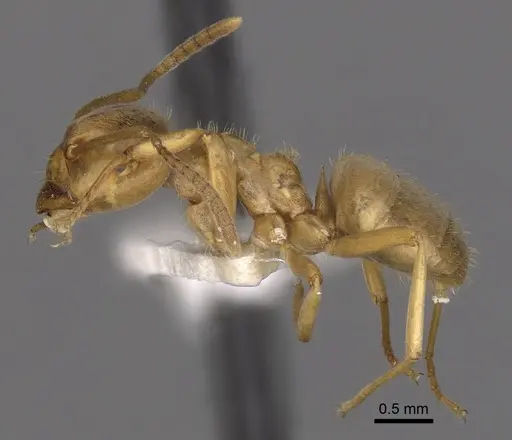
CASENT0903211
View on AntWeb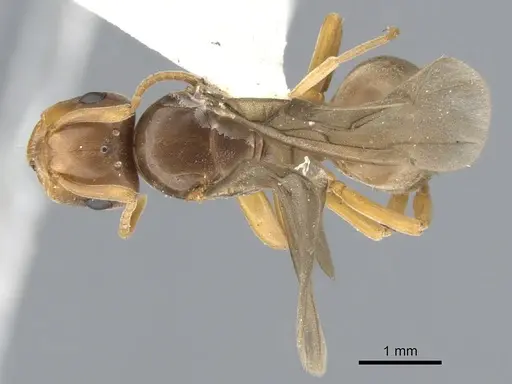
CASENT0905680
View on AntWeb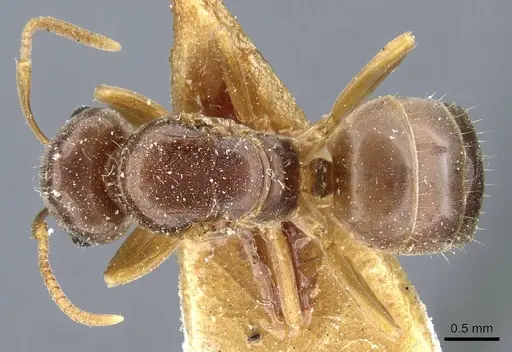
CASENT0911052
View on AntWeb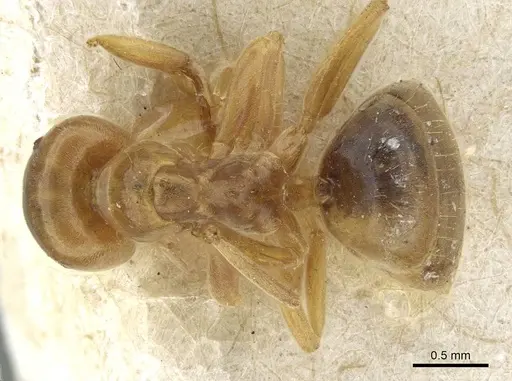
CASENT0923679
View on AntWeb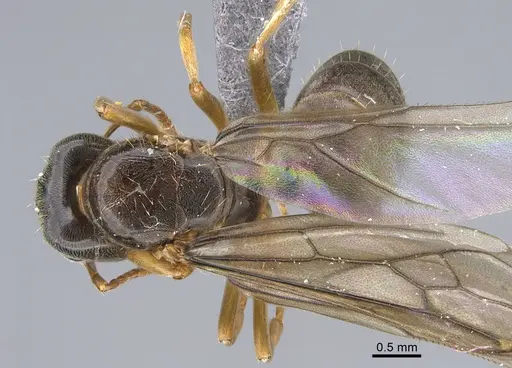
CASENT0923725
View on AntWeb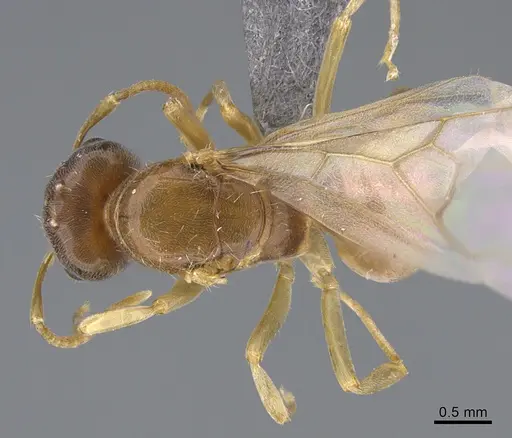
CASENT0923735
View on AntWeb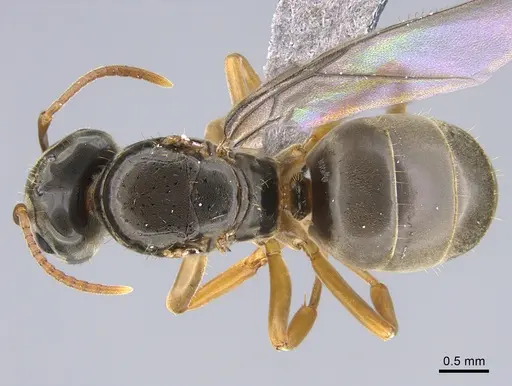
Literature
Loading...Loading products...