
Lasius brunneus has a tightly defined flight window centered on June. Most nuptial flights occur within just 2 months, making this a highly predictable species for collectors. The concentrated timeframe makes peak months critical for sightings.
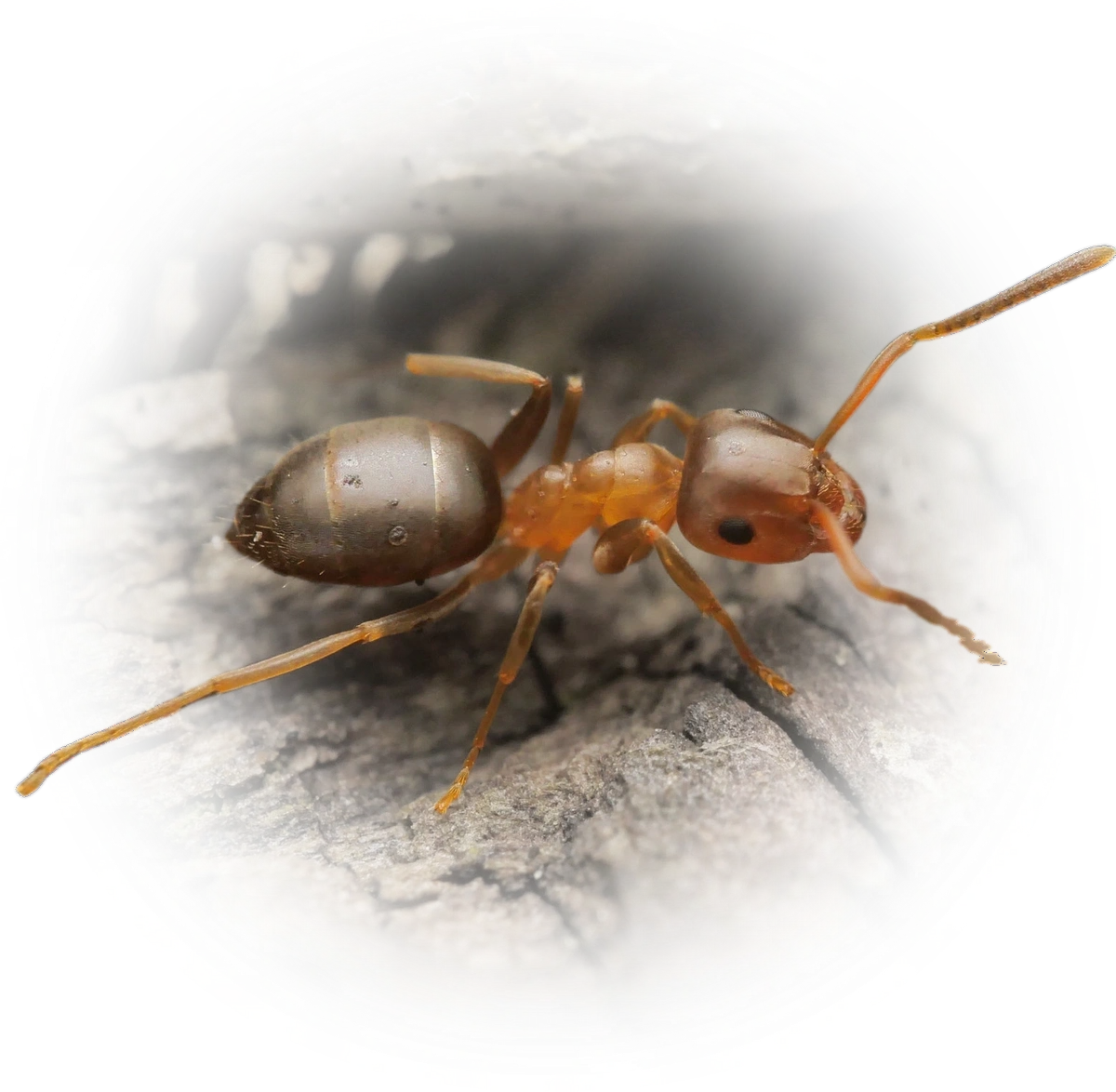
Lasius brunneus
- Scientific Name
- Lasius brunneus
- Tribe
- Lasiini
- Subfamily
- Formicinae
- Author
- Latreille, 1798
- Common Name
- Brown Ant
- Distribution
- Found in 12 countries
- Nuptial Flight
- from May to June, peaking in June
AI Identifiable
try →
Lasius brunneus Overview
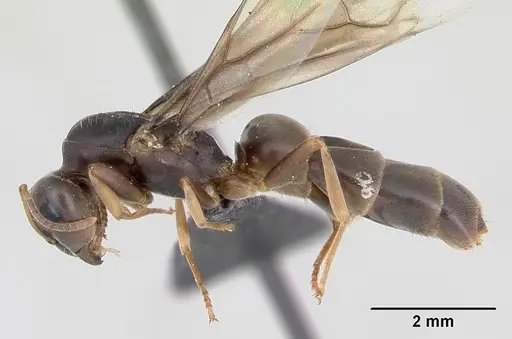
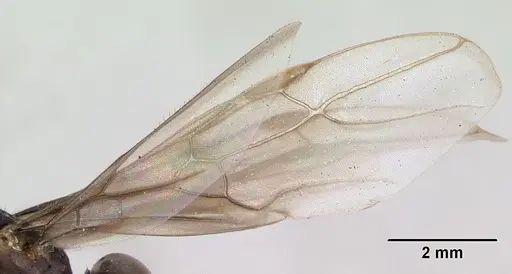
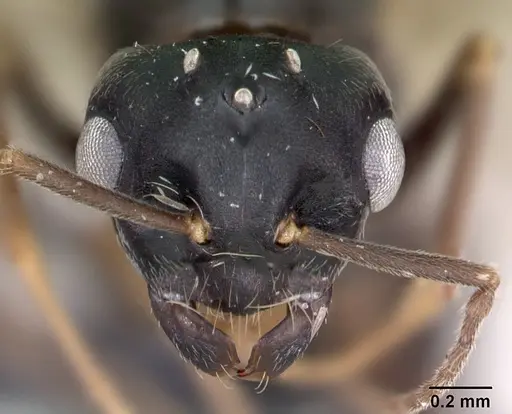
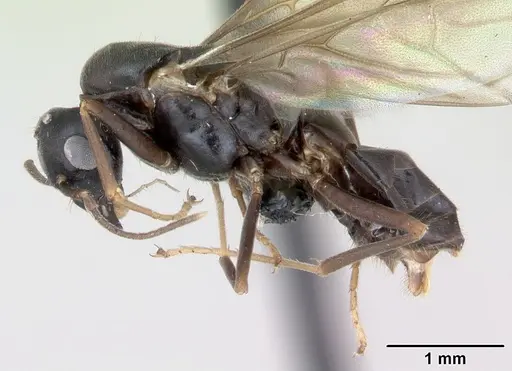
Lasius brunneus (commonly known as the Brown Ant) is an ant species of the genus Lasius. It is primarily documented in 12 countries , including Austria, Belgium, Switzerland. Detailed taxonomic data and occurrence records can be further explored via authoritative databases such as AntWeb or the Global Biodiversity Information Facility (GBIF).
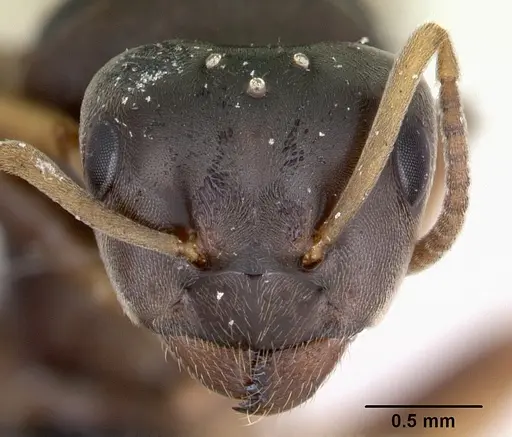
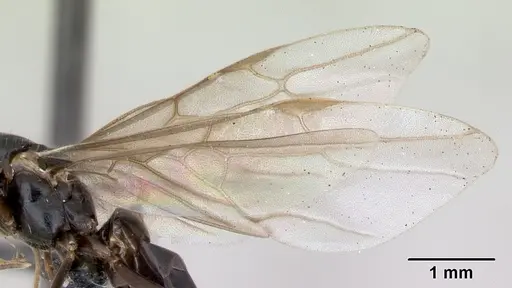
The nuptial flight of Lasius brunneus is a significant biological event, typically occurring from May to June, peaking in June. During this time, winged queens and males leave the nest to mate and establish new colonies.
Lasius brunneus - "Brown Ant"
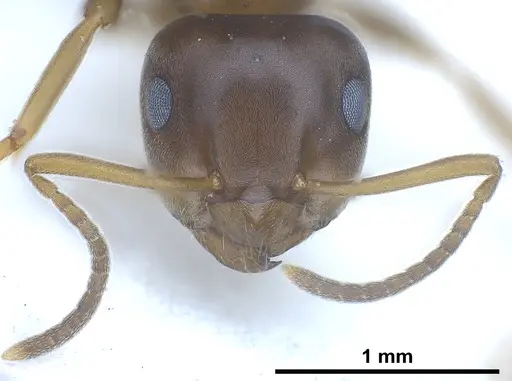
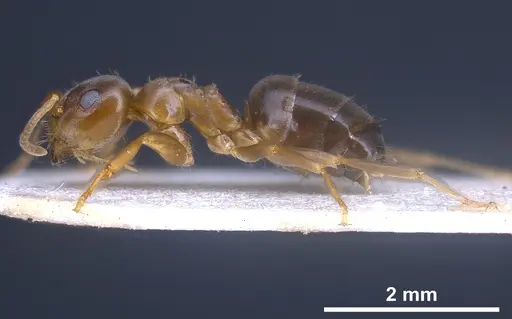
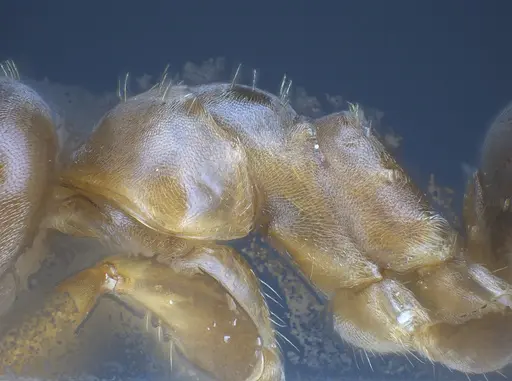
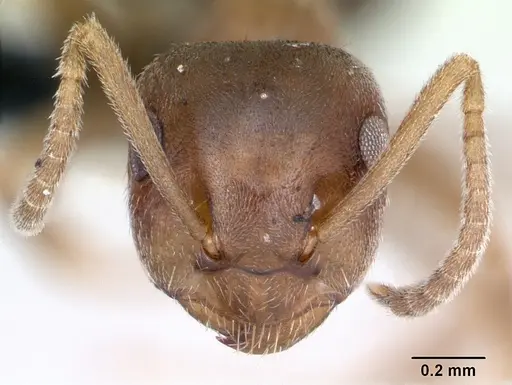
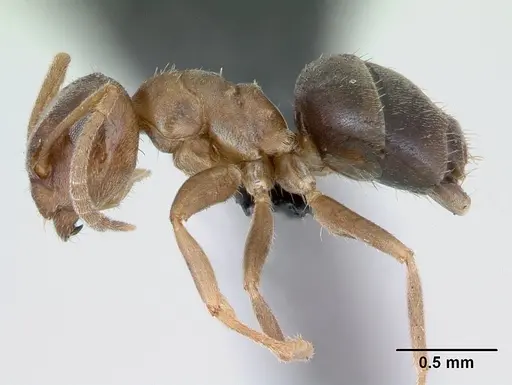
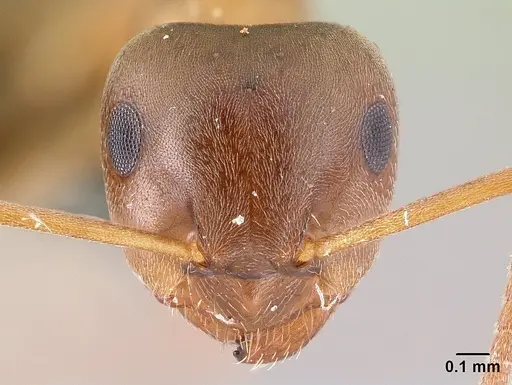
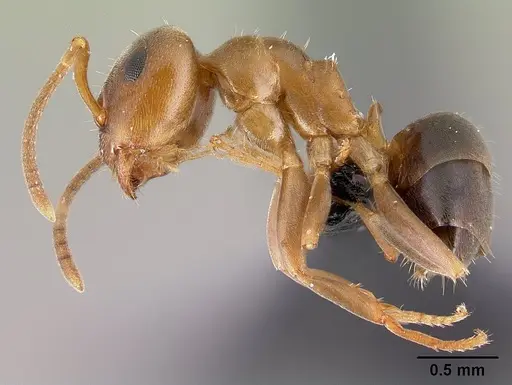
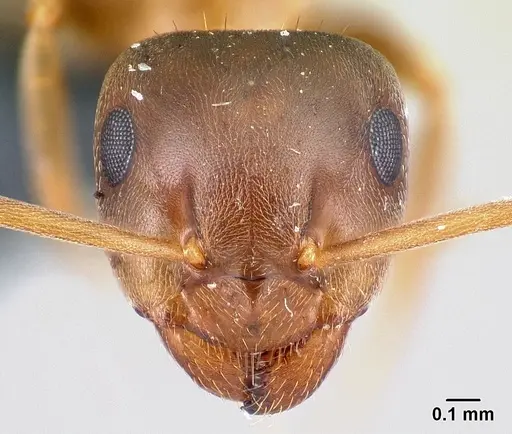
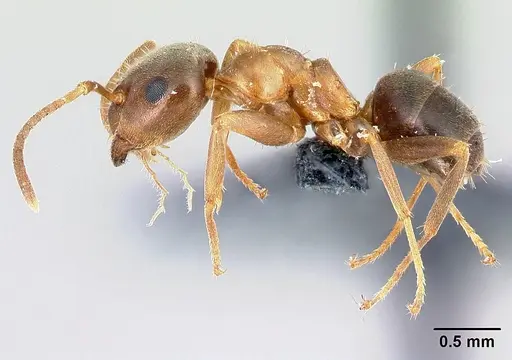
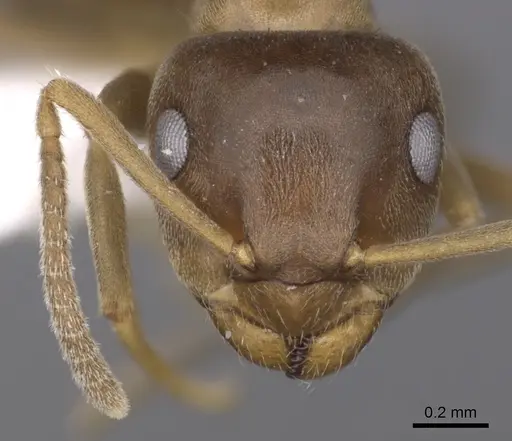
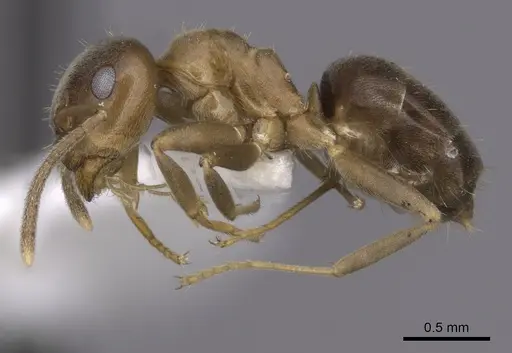
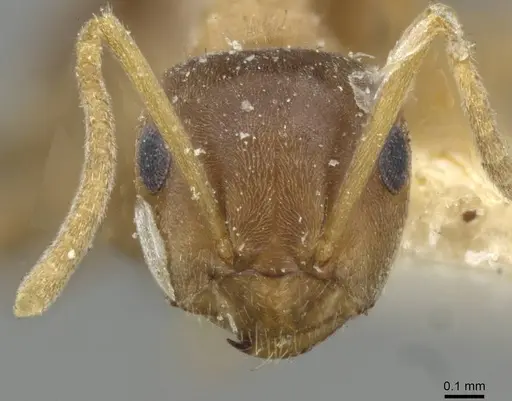
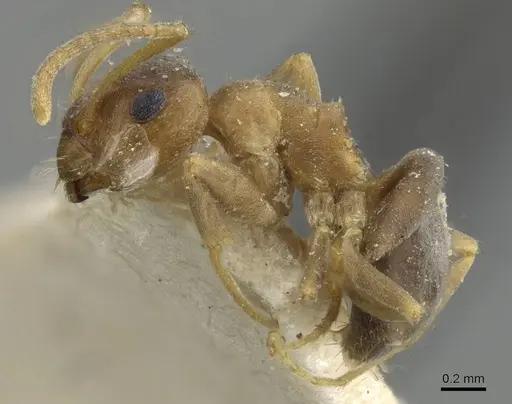
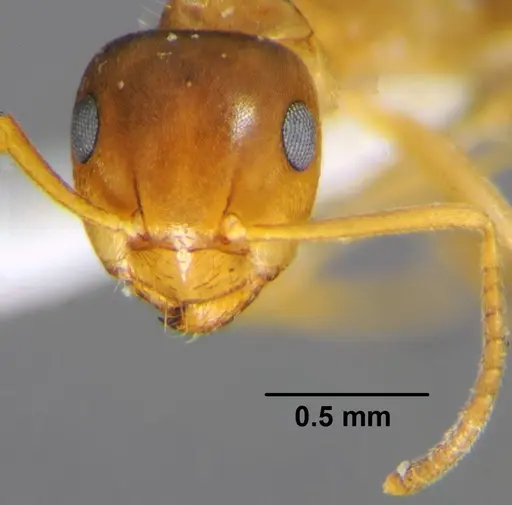
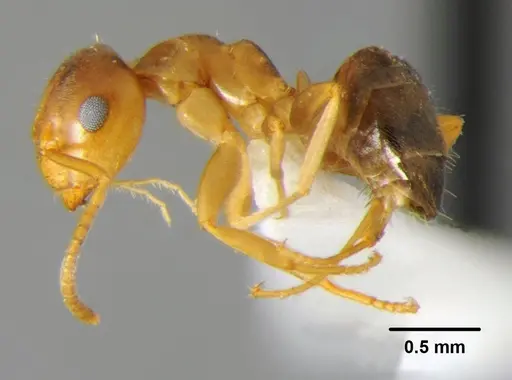
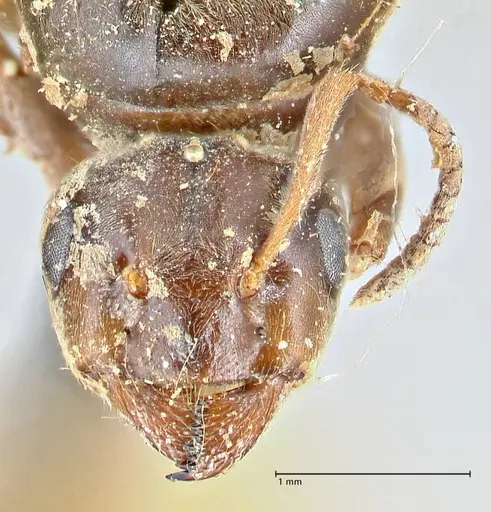
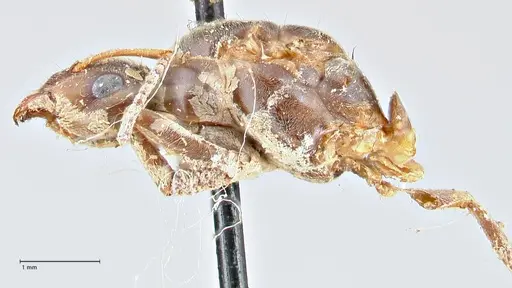
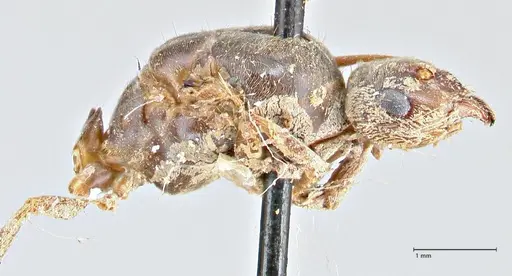
Lasius brunneus is a bicolored arboreal ant native to Europe and parts of Asia. Workers measure 2-4 mm with a distinctive color pattern: a yellowish-brown head and mesosoma contrasting sharply with a dark brown to black gaster. This species is strongly tied to deciduous trees, nesting in dead wood, under bark, or in tree hollows from the trunk base up into the branches. Unlike many ants, they are extremely timid and secretive, when their nest is opened, workers immediately flee and hide in crevices rather than defend. They avoid open spaces and light, moving along tree trunks and bark ridges in search of food. Their primary food source is honeydew from tree aphids, particularly the large Stomaphis species, though they also scavenge small insects. This species can be found across most of Europe, from Britain and Iberia east to the Caucasus and Turkey [1][2].
Quick Summary
- Difficulty: Easy
- Origin & Habitat: Europe and western Asia, found in deciduous forests, parks, and gardens across this range. In the wild, they nest exclusively in dead or decaying wood of deciduous trees like oak, beech, elm, and poplar, from the root area up into the main branches [1][2].
- Colony Type: Monogyne (single queen colonies). Queens may occasionally be accepted back into the mother colony after nuptial flights, suggesting potential for temporary polygyny in some populations [2][3].
- Colony: Monogyne
- Founding: Claustral
- Size & Growth:
- Queen: 6.5-8.5 mm [2]
- Worker: 2-4 mm [4][5]
- Colony: Up to approximately 10,000 workers based on estimates from related species [6]
- Growth: Moderate
- Development: Approximately 5-6 weeks under favorable conditions [7] (Development time is temperature-dependent, faster in warmer conditions. First workers (nanitics) are smaller than mature workers.)
- Antkeeping:
- Temperature: Keep at room temperature, around 18-22°C. This species is less thermophilic than related species like Lasius emarginatus, preferring cooler conditions [8][9].
- Humidity: Moderate to high humidity. As an arboreal species that naturally lives in decaying wood, they appreciate some moisture but not waterlogged conditions. Provide a water tube as usual but avoid excessive dampness.
- Diapause: Yes, requires winter hibernation. In their natural range, colonies become inactive from November to January. Reduce temperature to around 5-10°C during winter dormancy [6].
- Nesting: Best kept in setups that mimic their natural arboreal habitat. Y-tong (AAC) nests or wooden formicaria work well. You can also use test tubes with wood shavings or small twigs to simulate decaying wood. They prefer dark, enclosed spaces and will readily colonize wood-based nests.
- Behavior: Extremely timid and non-aggressive. Workers will flee rather than fight when threatened. They avoid open surfaces and light, traveling along bark and in crevices. Foraging is primarily arboreal, they climb trees to reach aphid colonies in the canopy. They are not known to sting and pose no danger to keepers. Their small size means escape prevention is important, use fluon on any exposed edges.
- Common Issues: colonies often go unnoticed for years due to their secretive nature, infestations may not be discovered until swarming occurs, can become structural pests in buildings when they nest in moist, decaying wood, very small workers can escape through tiny gaps, fine mesh and tight-fitting lids are essential, slow to establish in captivity, give them time to settle and don't disturb newly founded colonies, may decline rapidly if aphids or honeydew substitutes are not consistently available
Nuptial Flight Activity Analysis 513 observations
Flight Activity by Hour 513 observations
Lasius brunneus nuptial flight activity peaks around 14:00 during the afternoon. Activity is spread across a 21-hour window (00:00–20:00). Times may be influenced by human observation patterns.
Housing and Nest Setup
Lasius brunneus is an arboreal species that naturally nests in decaying wood, so your setup should reflect this. Y-tong (AAC) nests work very well because they provide the dark, enclosed spaces these ants prefer. You can also use wooden formicarium or custom wood-based setups. If using test tubes, add small pieces of wood, bark, or twigs to give them something to chew on and simulate their natural environment. Place the nest in a shaded area away from direct sunlight, these ants strongly avoid light. The outworld should include climbing structures like twigs or cork bark so workers can forage at height, mimicking their tree-climbing behavior in the wild. A water tube is essential, but avoid over-wetting the nest substrate. [1][2][4]
Feeding and Diet
In the wild, Lasius brunneus feeds primarily on honeydew from tree aphids, especially the large Stomaphis species that live on oak and other deciduous trees. They also supplement their diet with small insects captured in the tree canopy. In captivity, you should provide a constant sugar source (sugar water, honey, or diluted honey) and regular protein. For protein, small insects like fruit flies, pinhead crickets, or mealworm pieces work well. Since they're arboreal foragers, place food elevated in the outworld rather than on the ground, they prefer to eat where they can climb. Fresh fruit, especially sweet fruits, is often readily accepted. Avoid overfeeding protein as it can spoil quickly in their setup. [1][4]
Temperature and Seasonal Care
Keep your colony at room temperature, ideally between 18-22°C. This species is less heat-tolerant than other Lasius species like L. emarginatus, they prefer cooler, shadier conditions. During the active season (spring through autumn), normal room temperature is fine. In winter, they require a hibernation period. Reduce temperatures to 5-10°C (a garage or unheated room works well) from November through January. Some keepers in heated homes skip hibernation, but this may stress the colony long-term and reduce lifespan. If you skip hibernation, keep the colony slightly cooler than typical room temperature. Activity naturally declines in autumn as the colony prepares for winter rest. [8][6][9]
Behavior and Handling
Lasius brunneus is one of the most timid ant species you can keep. When their nest is disturbed, workers immediately scatter and hide rather than attacking. This makes them easy to handle but also means they're not particularly entertaining to watch, they spend most of their time hidden in the nest or moving along cover. Workers avoid open spaces and light, traveling along edges and in crevices. They are not aggressive and do not sting. Their small size (2-4mm) means they can slip through tiny gaps, so check your setup regularly for escapes. Despite their shyness, established colonies can become quite populous, and you'll see workers moving in characteristic quick bursts along branches or nest edges. [1][4][2]
Colony Development
A newly mated queen will seal herself into a small chamber (typically under bark or in wood crevices,3-12m above ground in the wild) and lay her first eggs within 1-4 weeks. She raises the first brood alone, living off her body fat and degenerating flight muscles. The first workers (nanitics) emerge after about 5-6 weeks and are smaller than mature workers. The colony grows slowly at first, in the second year, workers number in the hundreds. By year 10,colonies can reach 100,000 workers. In captivity, expect moderate growth over several years. The queen can live for many years, and colonies can persist indefinitely with proper care. Nuptial flights occur in June-July, earlier than most other Lasius species. [7][1][2]
Frequently Asked Questions
Can I keep Lasius brunneus in a test tube?
Yes, but they do better in wood-based nests. Test tubes work for founding colonies, but add wood shavings or small twigs to give them something to interact with. For established colonies, Y-tong or wooden formicaria are more suitable.
How long until first workers appear?
Expect first workers (nanitics) approximately 5-6 weeks after the queen lays her eggs, depending on temperature. Warmer conditions speed development slightly.
What do Lasius brunneus eat?
Their primary food is honeydew from aphids. In captivity, provide constant sugar water or honey, plus small insects for protein. They readily accept sweet liquids and fruit.
Are Lasius brunneus good for beginners?
Yes, they are relatively easy to keep. They are not aggressive, don't require special heating, and are forgiving of minor care mistakes. The main challenges are their small size (escape prevention) and preference for dark, quiet conditions.
Do they need hibernation?
Yes, they benefit from a winter rest period. Reduce temperatures to 5-10°C from November to January. Skipping hibernation may shorten the colony's lifespan.
Why are my ants hiding all the time?
This is normal behavior, Lasius brunneus is extremely secretive and light-averse. They prefer dark spaces and will remain hidden unless foraging. This is not a problem if workers are occasionally seen collecting food.
Can I keep multiple queens together?
Not recommended for captivity. While wild colonies may occasionally accept multiple queens temporarily, founding colonies with multiple unrelated queens typically results in fighting. Start with a single queen for best success.
References

This caresheet is licensed under CC BY-SA 4.0 .
ANTWEB1041436
View on AntWeb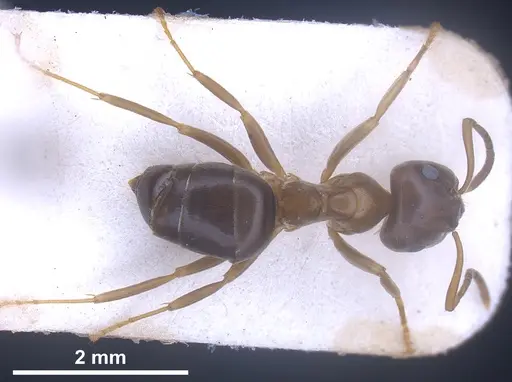
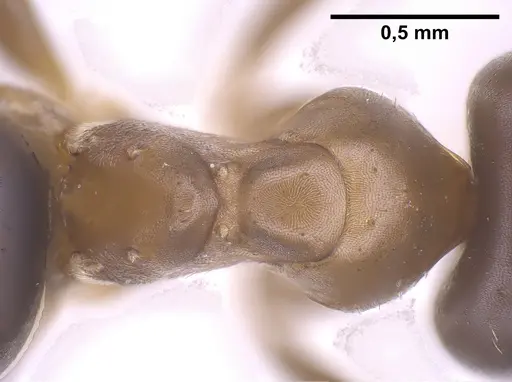
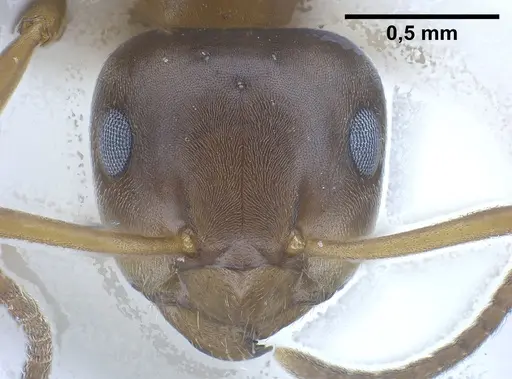
CASENT0172717
View on AntWeb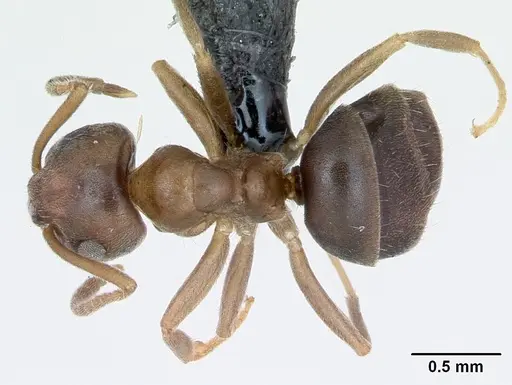
CASENT0172745
View on AntWeb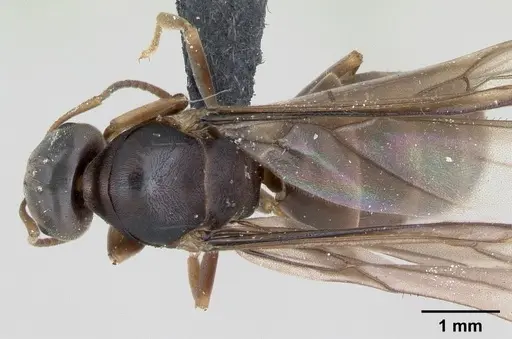
CASENT0172746
View on AntWeb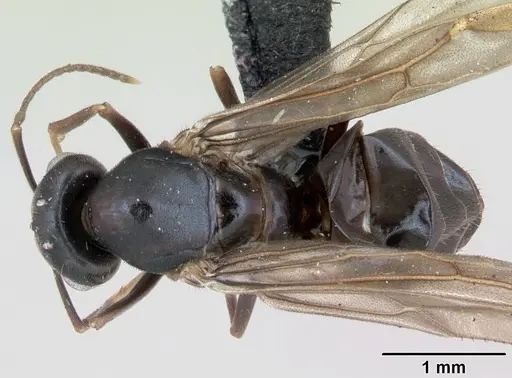
CASENT0179886
View on AntWeb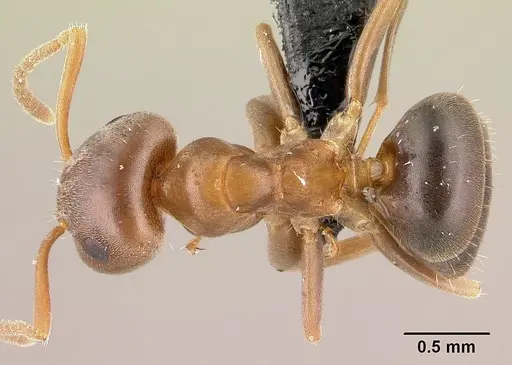
CASENT0179917
View on AntWeb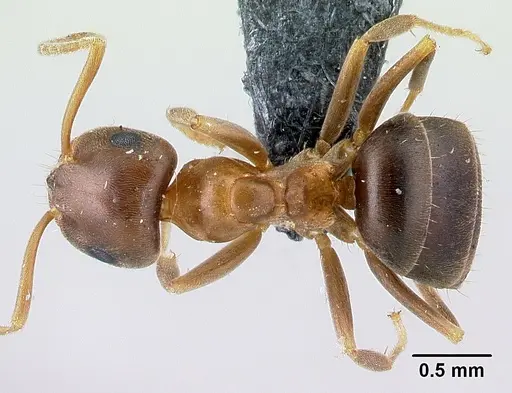
CASENT0280440
View on AntWeb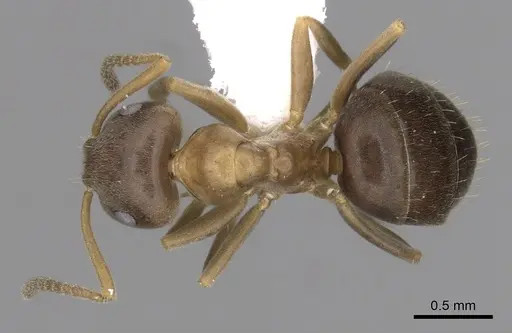
CASENT0911044
View on AntWeb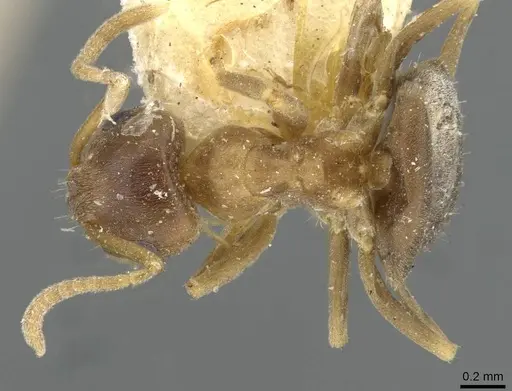
CFH000052
View on AntWeb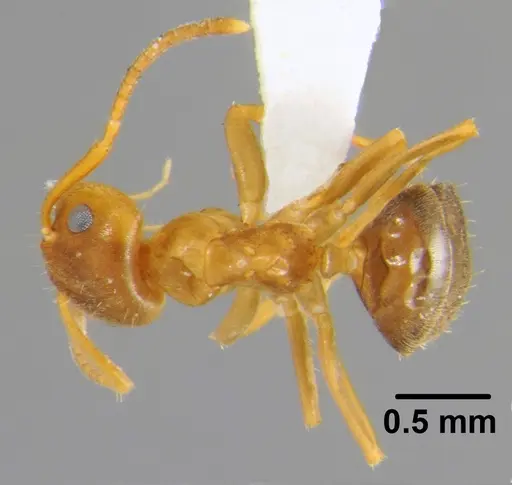
FOCOL2737
View on AntWeb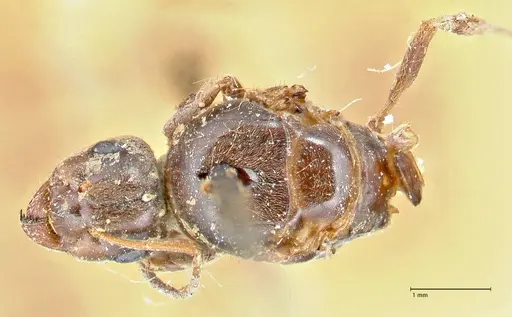
Literature
Loading...Loading products...