

Iridomyrmex victorianus
- Scientific Name
- Iridomyrmex victorianus
- Tribe
- Leptomyrmecini
- Subfamily
- Dolichoderinae
- Author
- Forel, 1902
- Distribution
- Found in 1 countries
Iridomyrmex victorianus Overview
Iridomyrmex victorianus is an ant species of the genus Iridomyrmex. It is primarily documented in 1 countries , including Australia. Detailed taxonomic data and occurrence records can be further explored via authoritative databases such as AntWeb or the Global Biodiversity Information Facility (GBIF).
Iridomyrmex victorianus
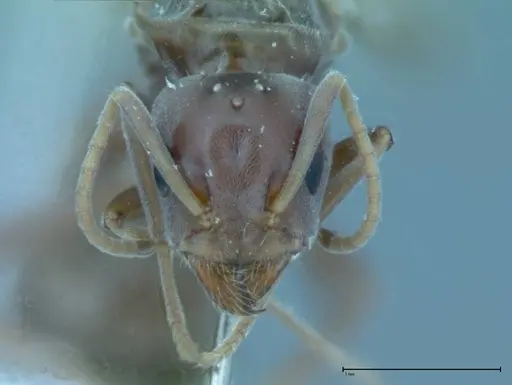
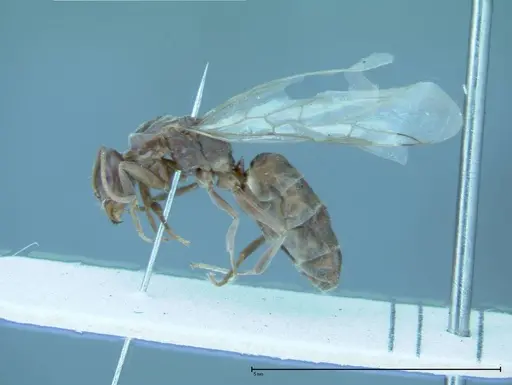
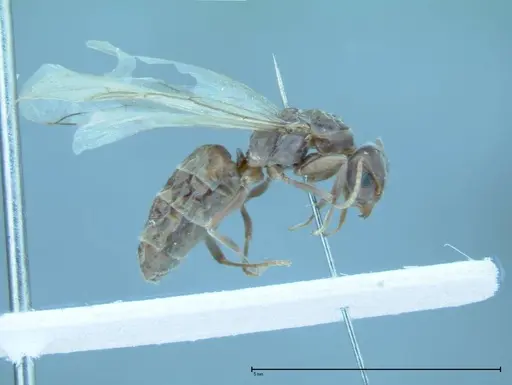
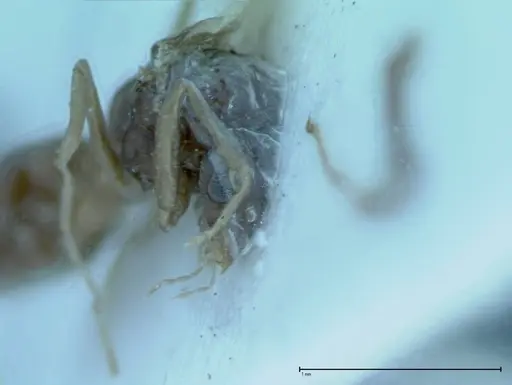
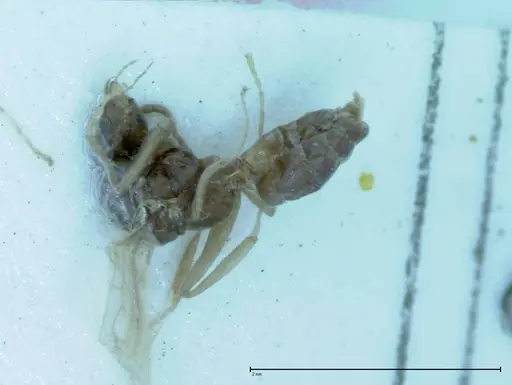
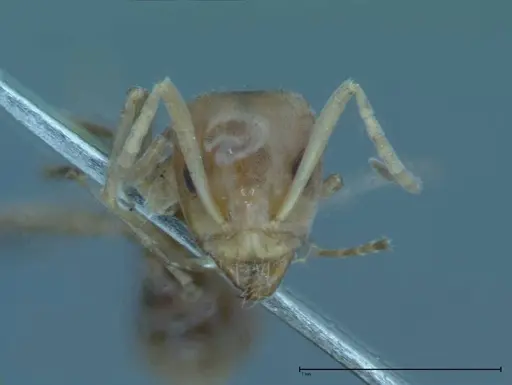
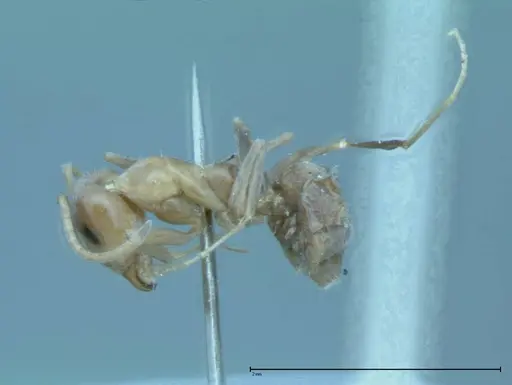
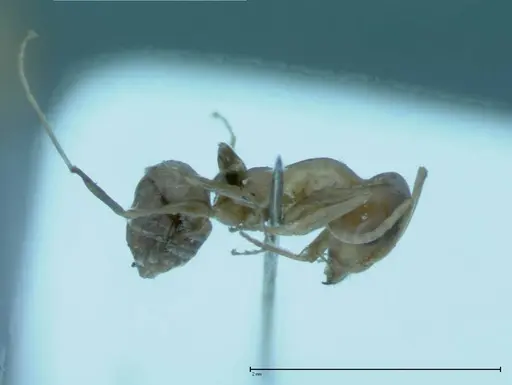
Iridomyrmex victorianus is a medium-sized dolichoderine ant native to the east coast of Australia. Workers measure 0.66-0.91mm in head length and display variable coloration ranging from light brown to nearly black, with a distinctive bluish-green iridescence on the gaster [1]. This species closely resembles the smaller workers of Iridomyrmex rufoniger but can be distinguished by the lack of erect setae on the hind tibiae and a slightly longer antennal scape [1]. The species occupies wet and dry sclerophyll forests from South Australia through Victoria, New South Wales, and into Queensland [2].
What makes this species particularly interesting is its relationship with blue butterflies. Like other Iridomyrmex species, I. victorianus tends caterpillars of the common grass-blue butterfly (Jalmenus evagoras), protecting them in exchange for honeydew [2]. Additionally, workers exhibit thanatosis, a death-feigning behavior where they become completely motionless to evade predators or capture [2]. This species is also known to opportunistically occupy the nest mounds of larger ant species, such as bulldog ants (Myrmecia pyriformis), rather than excavating their own cavities in virgin soil [2].
Quick Summary
- Difficulty: Medium
- Origin & Habitat: East coast of mainland Australia, from Kangaroo Island and the Fleurieu Peninsula in South Australia, eastwards through Victoria and New South Wales, north to Queensland around Eungella National Park. Preferred habitats are wet and dry sclerophyll forests, where they nest under bark, in fallen timber, under stones, or directly in soil [2].
- Colony Type: Colony structure is not well-documented in scientific literature. Based on typical Iridomyrmex patterns, colonies likely establish with a single founding queen and grow to moderate sizes. Workers are polymorphic with considerable size variation observed across populations, workers from some coastal NSW populations may be nearly twice the size of those from Armidale area populations [1].
- Size & Growth:
- Queen: Undocumented in primary literature, estimated 6-8mm based on genus patterns
- Worker: 0.66-0.91mm head length (HL),0.60-0.83mm head width (HW) [1]
- Colony: Not directly documented, estimated several hundred workers based on related Iridomyrmex species
- Growth: Moderate, inferred from typical dolichoderine development patterns
- Development: 8-12 weeks, estimated based on typical Iridomyrmex development at warm temperatures (Development time estimated from genus-level data, specific temperature requirements not documented for this species)
- Antkeeping:
- Temperature: Keep at 22-26°C. As a species from temperate to subtropical eastern Australia, they tolerate a range but prefer warmth. A heating cable on one side of the nest creates a gradient allowing workers to self-regulate
- Humidity: Moderate humidity preferred (50-70%). In nature, they avoid waterlogged soils by nesting under bark, in rotting wood, or at the bases of tussock grasses [3]. Keep substrate moderately moist but allow some drying areas
- Diapause: Likely required, Australian temperate species typically need a winter rest period. Reduce temperature to 15-18°C for 2-3 months during austral winter (roughly June-August in Southern Hemisphere)
- Nesting: Y-tong (AAC) nests or plaster nests work well. They prefer tight chambers and narrow passages. Naturalistic setups with flat stones or rotting wood pieces can also work. Avoid overly wet conditions that could flood the nest [3][2]
- Behavior: Workers are active foragers that readily climb vertical surfaces including tree trunks [2]. They are not aggressive and lack a functional stinger, defense is limited to mild chemical spraying typical of dolichoderine ants. Workers may exhibit thanatosis (playing dead) when disturbed, which can be alarming to new keepers but is a normal defense mechanism. Escape prevention is important as their small size allows them to squeeze through tiny gaps. They are skilled climbers and may explore beyond the nest area actively.
- Common Issues: escape prevention is critical, their tiny size means they can squeeze through standard barrier gaps, thanatosis behavior may alarm keepers, motionless workers appear dead but revive when undisturbed, colonies may be slow to establish, founding queens can take several weeks to lay first eggs, wild-caught colonies may have parasites that affect survival in captivity, moderate humidity requirements mean overwatering can cause mold problems
Housing and Nest Setup
Iridomyrmex victorianus adapts well to various captive setups. Y-tong (acrylic) nests with narrow chambers work excellently for this species, providing the tight spaces they prefer. Plaster nests are also suitable and help maintain stable humidity. Test tube setups can work for founding colonies but may need upgrading as the colony grows. Because workers readily climb, ensure all connections between nest and outworld are secure. Use cotton or foam plugs in test tubes, and apply fluon or barrier tape on any exposed edges. A small outworld with natural decorations (soil, stones, twigs) encourages natural foraging behavior. Lighting the outworld with a low-wattage lamp can encourage activity and help maintain warmth.
Feeding and Diet
Like other Iridomyrmex species, I. victorianus is omnivorous with a preference for sugar sources. Offer sugar water, honey, or diluted maple syrup as a constant food source. They also readily accept protein in the form of small insects, flightless fruit flies, small crickets, mealworms, and waxworms are all appropriate. In observation of their mutualistic relationship with blue butterflies in the wild, they likely tend aphids or scale insects for honeydew if given the opportunity. Feed protein prey 2-3 times per week, and ensure sugar water is always available. Remove uneaten prey after 24-48 hours to prevent mold. [2]
Temperature and Seasonal Care
Maintain nest temperatures between 22-26°C for optimal colony development. Australian east coast species experience temperate to subtropical conditions, so they can tolerate some variation. During the warmer summer months (December-February in Australia), room temperature alone may suffice. In winter, reduce temperatures to 15-18°C for a 2-3 month dormancy period, this simulates natural seasonal cycles and may improve colony health long-term. A heating cable placed on one side of the nest creates a thermal gradient allowing workers to regulate their own temperature by moving between warmer and cooler areas. Avoid temperatures below 10°C or above 30°C. [2]
Behavior and Handling
Iridomyrmex victorianus workers are active and curious foragers that will readily explore their environment. They are not aggressive toward keepers and lack a painful sting, making them suitable for observation-focused antkeepers. The most notable behavior is thanatosis, when threatened or disturbed, workers will curl up and remain completely motionless, simulating death. This is an effective anti-predator defense and should not be mistaken for illness or death. Simply leave the colony undisturbed and they will recover within minutes. Workers are excellent climbers and may attempt to explore beyond contained areas, so escape prevention requires attention to all potential gaps. [2]
Colony Development
Colony founding proceeds similarly to other Iridomyrmex species. The queen seals herself in a small chamber and relies on stored fat reserves to survive until her first workers emerge, this is claustral founding. First workers (nanitics) are typically smaller than mature workers and may take 8-12 weeks to emerge under warm conditions. After the nanitics eclose, the queen resumes egg-laying and the colony begins to grow. Growth rate is moderate, expect several months before reaching 50 workers, and a year or more to reach larger sizes. Colonies may live for several years with proper care. The significant size polymorphism observed in wild populations (some workers nearly twice the size of others) suggests this species produces major workers as the colony matures. [1]
Frequently Asked Questions
How long does it take for Iridomyrmex victorianus to produce first workers?
Expect 8-12 weeks from egg to first worker under optimal warm conditions (24-26°C). This is typical for Iridomyrmex species and may take longer if temperatures are cooler.
What do Iridomyrmex victorianus eat?
They are omnivorous with a sweet tooth. Offer sugar water, honey, or maple syrup constantly. For protein, provide small insects like fruit flies, small crickets, or mealworms 2-3 times per week.
Are Iridomyrmex victorianus good for beginners?
They are moderately difficulty. They are not aggressive and don't sting, but their small size requires good escape prevention, and they need specific humidity conditions. They are more suitable for intermediate antkeepers.
Do Iridomyrmex victorianus need hibernation?
Yes, they likely benefit from a winter rest period. Reduce temperatures to 15-18°C for 2-3 months during winter. This simulates their natural seasonal cycle in temperate eastern Australia.
Why do my Iridomyrmex victorianus workers play dead?
This is normal behavior called thanatosis. When threatened, they curl up and become completely motionless to avoid predators. Leave them undisturbed and they will recover within minutes.
Can I keep multiple Iridomyrmex victorianus queens together?
Not recommended. There is no documented evidence of pleometrosis (multiple-queen founding) for this species. Combining unrelated queens may result in aggression.
How big do Iridomyrmex victorianus colonies get?
Colony size is not well-documented, but based on related species, expect several hundred workers at maturity. Colonies can likely live for several years with proper care.
Why are my Iridomyrmex victorianus dying?
Common causes include: escape (check for tiny gaps), mold from overwatering, temperatures too cold (below 18°C), or stress from too much disturbance. Also check for parasites which can affect wild-caught colonies.
References

This caresheet is licensed under CC BY-SA 4.0 .
CASENT0922448
View on AntWeb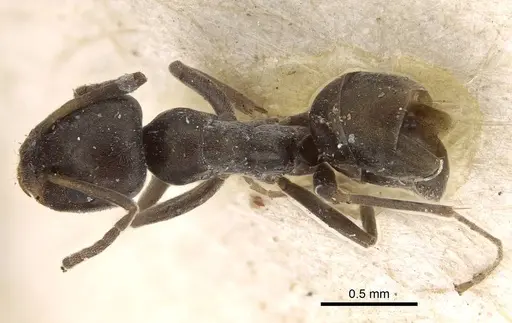
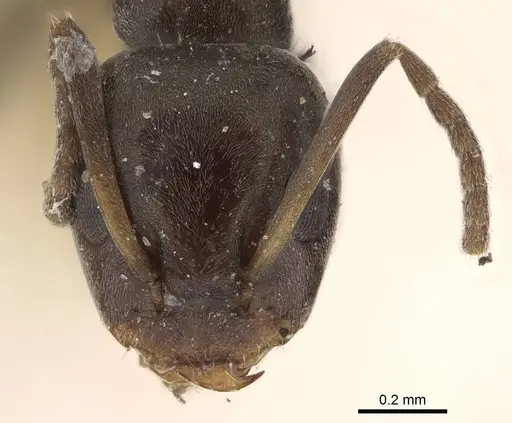
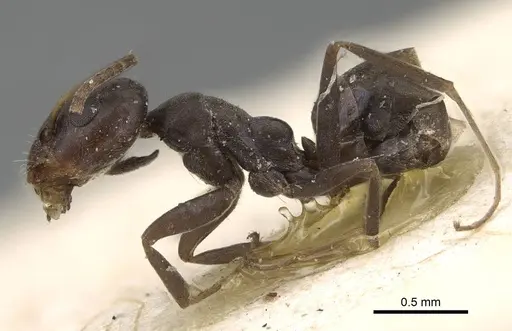
FOCOL0016
View on AntWeb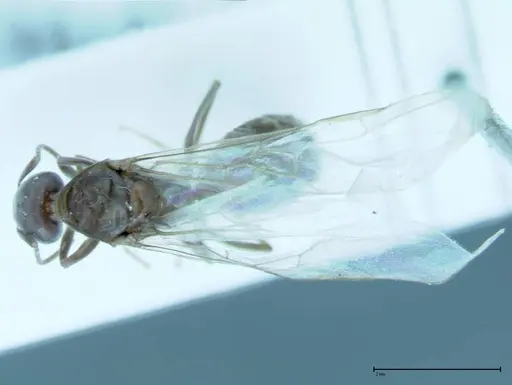
FOCOL0017
View on AntWeb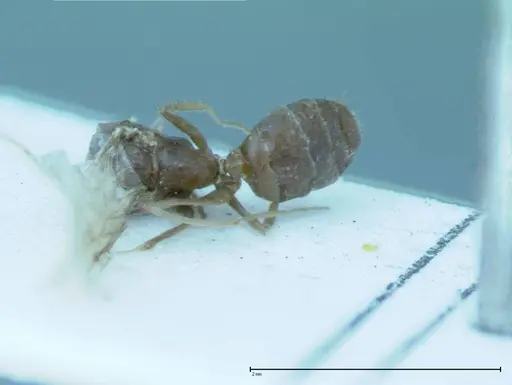
FOCOL0018
View on AntWeb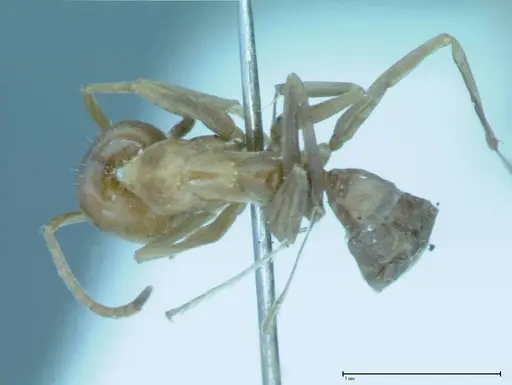
Literature
Loading...Loading products...