

Hypoponera defessa
- Scientific Name
- Hypoponera defessa
- Tribe
- Ponerini
- Subfamily
- Ponerinae
- Author
- Bolton & Fisher, 2011
- Distribution
- Found in 2 countries
Hypoponera defessa Overview
Hypoponera defessa is an ant species of the genus Hypoponera. It is primarily documented in 2 countries , including Ghana, Equatorial Guinea. Detailed taxonomic data and occurrence records can be further explored via authoritative databases such as AntWeb or the Global Biodiversity Information Facility (GBIF).
Hypoponera defessa
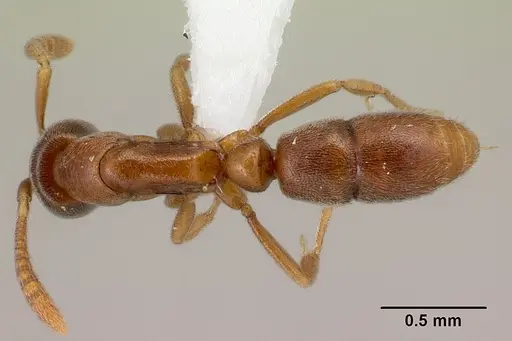
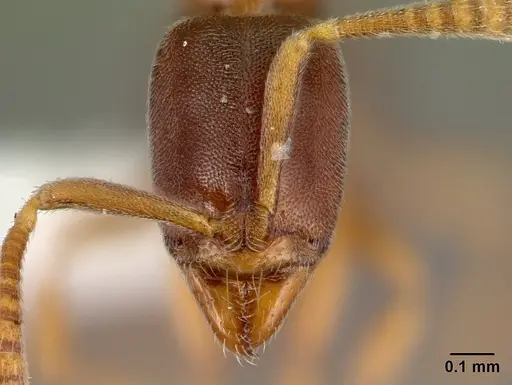
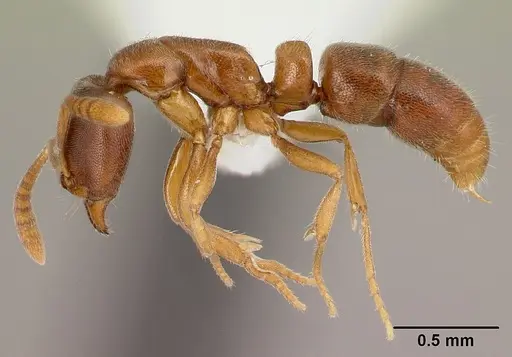
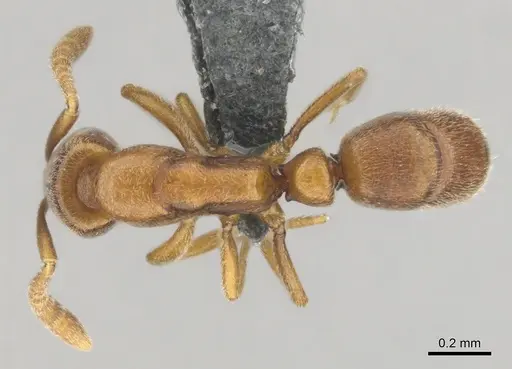
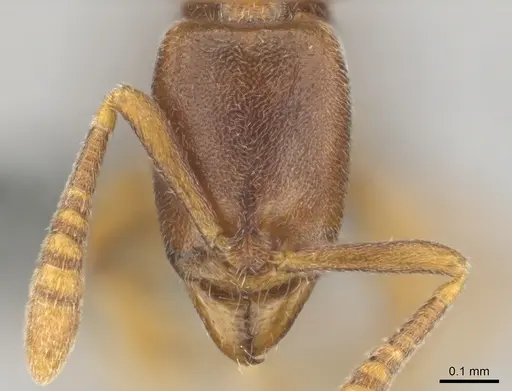
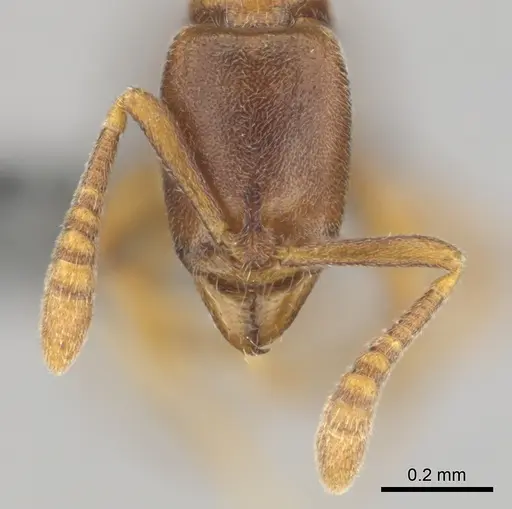
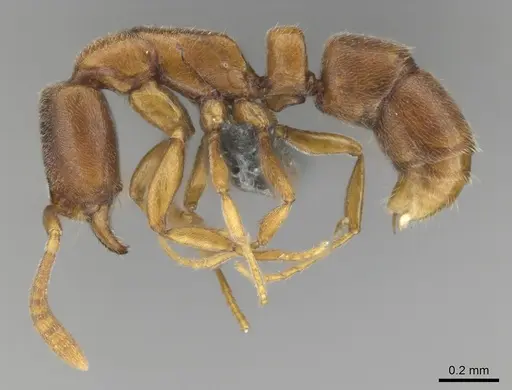
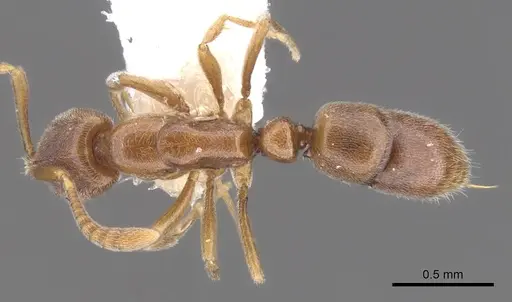
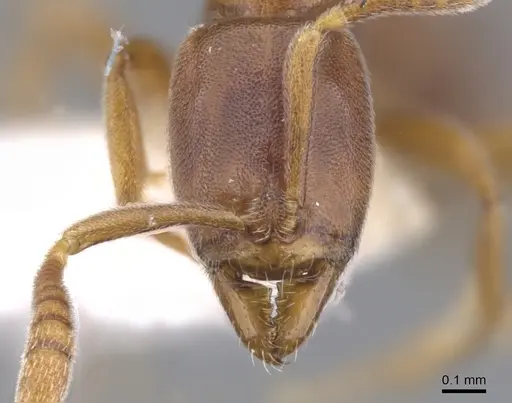
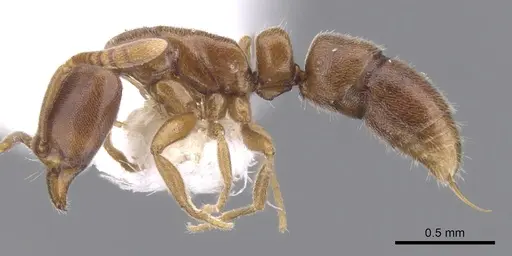
Hypoponera defessa is a tiny, eyeless ponerine ant native to West and Central African rainforests. Workers measure just 0.57-0.61mm in head length, making them one of the smaller ant species you'll encounter [1]. They belong to the Hypoponera abeillei group and are distinguished by their lack of a raised median clypeal ridge, a columnar petiole node, and light brown coloration with lighter appendages [1]. This species is closely related to Hypoponera fatiga and Hypoponera lassa, with all three being small, eyeless, brownish-yellow species found in rainforest litter [1]. Despite being documented across multiple countries including Ghana, Ivory Coast, Togo, Cameroon, and Gabon, they appear to be uncommon in collections, typically found only through sifting leaf litter [1][2].
Quick Summary
- Difficulty: Hard
- Origin & Habitat: West and Central African rainforests, specifically Ghana, Ivory Coast, Togo, Cameroon, and Gabon. They live in sifted rainforest litter [1][2].
- Colony Type: Colony structure is unconfirmed. Based on typical Hypoponera patterns, likely single-queen colonies, but no specific documentation exists for this species.
- Size & Growth:
- Queen: Undescribed, queens have not been documented in scientific literature [1].
- Worker: Workers are extremely tiny: HL 0.57-0.61mm, HW 0.43-0.46mm [1].
- Colony: Unknown, only single specimens or small samples of a few workers have been collected [1].
- Growth: Unknown, no colony development data exists for this species.
- Development: Unconfirmed, no direct development data exists. Based on typical Ponerine patterns, expect 2-4 months at warm temperatures, but this is an estimate. (No specific development data exists for this species. Related Hypoponera species suggest a relatively slow development typical of ponerine ants.)
- Antkeeping:
- Temperature: Inferred from rainforest habitat: keep warm at 24-28°C. These ants come from humid tropical forests, so stable warmth is important. A gentle gradient allowing slightly cooler areas is recommended.
- Humidity: High humidity is essential, think damp rainforest floor. Keep the nest substrate consistently moist but not waterlogged. Provide a water reservoir and ensure condensation forms periodically. Avoid drying out.
- Diapause: Unlikely, as a tropical species from African rainforests, they probably do not require true hibernation. They may show reduced activity during cooler periods but should not be subjected to cold temperatures.
- Nesting: Natural nesting: sifted rainforest litter. In captivity, a naturalistic setup with moist substrate (like a dirt-filled container or plaster nest) works well. Given their tiny size, avoid large open spaces. Tight chambers scaled to their minute size help them feel secure. Y-tong nests with very small chambers or small test tube setups with moist cotton can work for founding colonies.
- Behavior: These are tiny, cryptic ants that live in leaf litter. They are likely predatory on small micro-arthropods given their ponerine heritage. Workers are slow-moving and secretive. Escape prevention is critical due to their extremely small size, they can squeeze through the tiniest gaps. Use fine mesh barriers and ensure all openings are sealed. Their stinger is present but likely too small to penetrate human skin effectively. They are not aggressive and will likely flee rather than fight when disturbed.
- Common Issues: escape prevention is critical, their tiny size means they can slip through gaps invisible to the human eye, high humidity requirements can lead to mold if ventilation is poor, balance is essential, lack of documented care means you're pioneering, expect a learning curve, wild-caught colonies may be stressed from collection and difficult to establish, slow growth and small colony sizes mean patience is required
Understanding Your Ant: Hypoponera defessa
Hypoponera defessa is a fascinating species for advanced antkeepers because so little is known about them in captivity. They are tiny, eyeless ants that live in African rainforests, a habitat that tells us a lot about what they need. Their eyes being absent is interesting: in the dark, humid environment of rainforest floor litter, eyes simply aren't useful. They navigate and find their way around using their antennae and chemical signals, like most ants do anyway, but without the backup of sight. Workers measure just half a millimeter in head length, that's smaller than many springtails you'll be feeding them. They belong to the Ponerinae subfamily, which means they have a stinger, though it's probably too small to feel on human skin. Their closest relatives are Hypoponera fatiga and Hypoponera lassa, and all three species share the trait of being small, eyeless, and living in rainforest litter [1]. The fact that they've only been collected in small numbers suggests colonies are naturally small and scattered.
Creating the Right Habitat
Since these ants come from rainforest litter, you need to replicate damp, dark, confined spaces. A naturalistic setup works best, think of a small container filled with moist, chunky substrate that holds humidity well. Coconut fiber mixed with pieces of leaf litter or rotting wood creates the kind of environment they'd naturally live in. The substrate should feel damp to the touch but not have standing water. Because they're so tiny, the chambers or spaces they live in should be small and tight, large open areas stress them out. If you're using a test tube setup, use a small diameter tube with a generous water reservoir, but keep the cotton packed tight to prevent escapes. Some keepers have success with small plastic boxes modified with tiny breathing holes and filled with moist soil. Whatever setup you choose, focus on maintaining high humidity without letting mold take over, this means some ventilation but not too much airflow.
Feeding and Nutrition
As a Ponerine ant, Hypoponera defessa is likely predatory, meaning they hunt small live prey rather than just gathering sugar. In the wild, they probably eat tiny springtails, mites, and other micro-arthropods that live in leaf litter. In captivity, your primary food should be live springtails, these are the right size and nutritional value for such tiny ants. You might also experiment with other micro-arthropods like tiny isopods or fruit fly larvae, but success varies. Sugar sources are uncertain, some Ponerines accept them, others don't. You can offer a tiny drop of honey water occasionally, but don't rely on it as a primary food source. Feed small amounts of prey every few days, removing any uneaten prey after 24 hours to prevent mold. The key is offering appropriately-sized live prey that these tiny ants can actually tackle.
Temperature and Seasonal Care
Keep these ants warm, aim for 24-28°C as a starting point. They come from tropical African rainforests where temperatures are consistently warm year-round. A small heat mat on one side of the enclosure can create a gentle gradient, but be careful not to overheat them. Room temperature in a heated home (around 22-24°C) might work, but monitor colony activity. If workers seem sluggish and cluster together, they're too cold. If they avoid the heated area, it's too hot. Unlike temperate ants, they likely don't need a winter rest period, attempting to hibernate them could be fatal. They may show some reduced activity during cooler periods, but this is different from true diapause. Stable warmth and high humidity together are the keys to keeping this species healthy.
Handling and Observation
Given their tiny size and secretive nature, you'll do more observing than handling with Hypoponera defessa. They're not aggressive and will likely retreat when disturbed rather than use their stinger. Their small size actually makes them interesting to watch, you can see behaviors that larger ants get away with, like how they navigate, how they respond to prey, and how they interact in small groups. Use a magnifying glass or macro lens if you want to really appreciate their details. When you need to move them (for cleaning or transfers), use gentle techniques like coaxing them into a small container or using soft brushes. Avoid blowing on them or making sudden movements, these tiny ants are easily stressed. Because they're so small, any sudden movement or vibration can scatter the colony.
Frequently Asked Questions
How long does it take for Hypoponera defessa to produce first workers?
This is unknown, no documented development timeline exists for this species. Based on typical Ponerine development patterns, expect 2-4 months from egg to worker at warm temperatures (around 26°C), but this is an estimate. You'll need patience as you establish the first generation.
What do Hypoponera defessa ants eat?
They likely eat small live prey, springtails are the best choice given their tiny size. As Ponerine ants, they're predatory by nature. Offer live springtails or other micro-arthropods regularly. Sugar acceptance is uncertain, you can offer tiny drops of honey water occasionally, but don't rely on it as a primary food source.
Can I keep Hypoponera defessa in a test tube?
Yes, a small test tube setup can work for founding colonies. Use a small diameter tube with a water reservoir, but pack the cotton tightly to prevent escapes, their tiny size means they'll squeeze through gaps you'd never notice. Transfer to a larger naturalistic setup once the colony grows.
Are Hypoponera defessa good for beginners?
No, this species is not recommended for beginners. There's almost no captive care information available, they require high humidity, their tiny size makes escape prevention challenging, and wild-caught colonies are difficult to establish. This is a species for experienced antkeepers who enjoy pioneering care for rare species.
What temperature do Hypoponera defessa need?
Keep them warm at 24-28°C. They're from tropical African rainforests and need consistent warmth. A small heat mat on one side of the enclosure can create a gentle gradient. Avoid temperatures below 20°C or above 32°C.
Do Hypoponera defessa need hibernation?
No, they're a tropical species from African rainforests and do not require hibernation. Attempting to cool them significantly could be harmful. They may show reduced activity during cooler periods but this is not true diapause.
How big do Hypoponera defessa colonies get?
Unknown, only single specimens or very small samples have been collected in the wild [1]. Based on related species and their cryptic litter-dwelling lifestyle, colonies are likely small, probably under 100 workers even at maturity.
Why are my Hypoponera defessa dying?
Common causes include: humidity dropping too low (they need consistently damp conditions), escapes through tiny gaps, stress from too much handling or disturbance, mold from poor ventilation, or prey being too large for them to tackle. Review each of these factors and adjust accordingly. Wild-caught colonies may also arrive stressed or with internal parasites.
Can I keep multiple queens together?
Not documented for this species. Hypoponera colony structures vary, and combining unrelated queens without documentation is risky. It's not recommended, keep queens separate unless you observe them naturally tolerating each other.
References

This caresheet is licensed under CC BY-SA 4.0 .
Literature
Loading...Loading products...