

Hypoponera lassa
- Scientific Name
- Hypoponera lassa
- Tribe
- Ponerini
- Subfamily
- Ponerinae
- Author
- Bolton & Fisher, 2011
- Distribution
- Found in 1 countries
Hypoponera lassa Overview
Hypoponera lassa is an ant species of the genus Hypoponera. It is primarily documented in 1 countries , including Côte d'Ivoire. Detailed taxonomic data and occurrence records can be further explored via authoritative databases such as AntWeb or the Global Biodiversity Information Facility (GBIF).
Hypoponera lassa
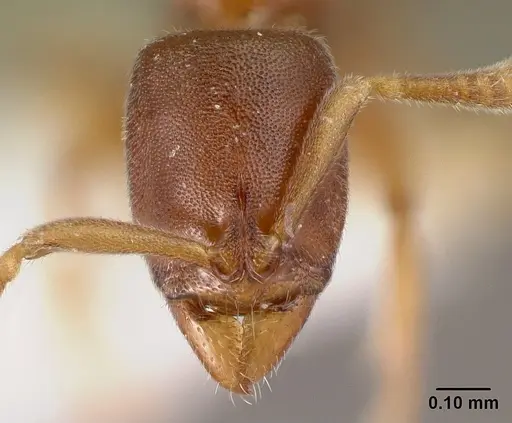
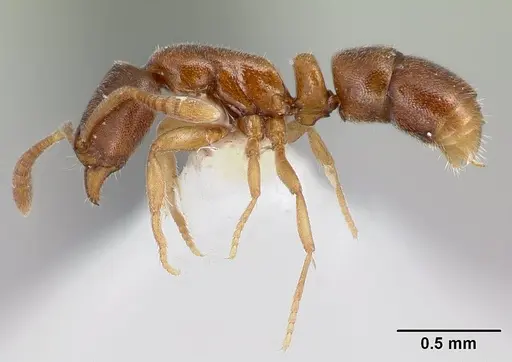
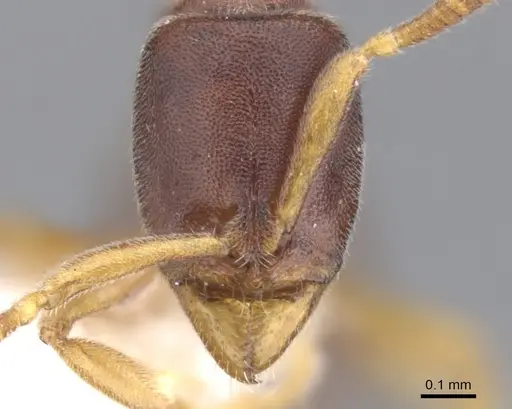
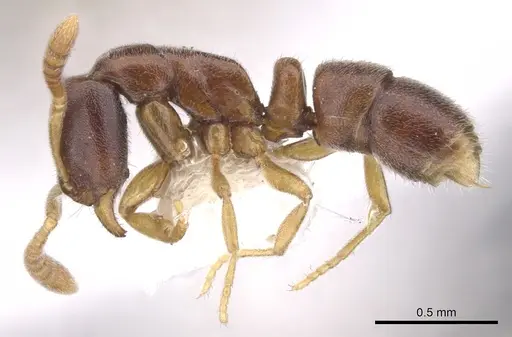
Hypoponera lassa is an extremely tiny ant species from West Africa, known only from Ivory Coast and Ghana where it lives in leaf litter in forest environments [1]. Workers are light brown with lighter appendages and have no eyes, which is typical for leaf-litter dwelling ants in this genus [1]. They belong to the Hypoponera abeillei group and are closely related to H. defessa and H. fatiga, sharing characteristics like the absence of a metanotal groove and distinctive sculpture on the gaster [1]. This species was described in 2011 by Bolton and Fisher.
What makes H. lassa interesting is its extremely small size combined with specialized morphology, workers are among the smallest ants you'll encounter. Their eyeless condition indicates they navigate and forage primarily through chemical and tactile cues in the dark, humid microhabitat of forest floor debris. This makes them a fascinating species for keepers interested in observing primitive ant behavior.
Quick Summary
- Difficulty: Medium
- Origin & Habitat: West Africa (Ivory Coast and Ghana), found in leaf litter in forest environments [1]
- Colony Type: Colony structure is unconfirmed for this specific species. Based on genus patterns, likely single-queen colonies.
- Size & Growth:
- Queen:{.size-link} Size data unavailable, no measurements published
- Worker:{.size-link} Approximately 1.5-2mm, inferred from genus measurements (head length 0.51-0.56mm, mesosoma length 0.66-0.74mm) [1]
- Colony: Unknown, no data available for this species
- Growth: Slow, small species with likely extended development times
- Development: Unconfirmed, estimated 8-12 weeks based on related Ponerine species (Small Ponerine species typically have moderate development times. Expect slower growth than larger ants.)
- Antkeeping:
- Temperature: Keep warm and stable, roughly 24-28°C, they are a tropical forest floor species
- Humidity: High humidity, leaf litter environment is consistently moist. Keep substrate damp but not waterlogged.
- Diapause: No, being tropical, they do not require hibernation. Maintain warm conditions year-round.
- Nesting: Naturalistic setup works best, shallow containers with moist soil and leaf litter mixture. Their tiny size means they need very small chambers and passages. Test tubes with cotton can work for founding colonies if humidity is maintained.
- Behavior: Hypoponera ants are generally docile. Workers are slow-moving and forage primarily through leaf litter, likely hunting small micro-arthropods. They possess a sting typical of Ponerine ants, though it is rarely effective against humans. Their tiny size makes escape prevention critical, they can squeeze through the smallest gaps. Eyeless workers indicate cryptic, substrate-dwelling behavior rather than surface foraging.
- Common Issues: escape prevention is critical due to their extremely tiny size, use fine mesh and check for any gaps, slow growth can frustrate beginners, colonies develop slowly and may appear stagnant for weeks, high humidity requirements can lead to mold problems if ventilation is poor, small colony size means they produce few workers initially, don't expect rapid expansion, difficulty establishing foundings, founding behavior is unconfirmed for this species
Nest Preferences and Housing
Hypoponera lassa is a leaf-litter species that naturally lives in the humid, dark microhabitat of forest floor debris. In captivity, they do best in naturalistic setups that mimic this environment. Use a shallow container filled with a moist soil and leaf litter mixture, this provides both humidity retention and foraging opportunities. Because of their tiny size, standard test tube setups can work for founding colonies if you use a small diameter tube and maintain high humidity by wrapping the water end in damp cotton. For established colonies, a small nest with very narrow chambers scaled to their tiny size works well. Avoid tall, open spaces, these ants are substrate-dwellers and will feel exposed in large areas. Keep the nest area dark or dimly lit, as eyeless species avoid light. [1]
Feeding and Diet
As a Ponerine ant, Hypoponera lassa is predatory on small invertebrates. In captivity, offer small live prey such as springtails, fruit fly larvae, tiny crickets, and other micro-arthropods. Their extremely small size means prey items must be appropriately sized, anything larger than themselves will be ignored. Feed small prey items 2-3 times per week, removing any uneaten prey after 24 hours to prevent mold. Sugar sources are not typically accepted by Ponerine ants, but you can occasionally offer a tiny drop of diluted honey or sugar water, don't be surprised if they ignore it. Freshly killed insects are more likely to be accepted than live prey if the workers can handle them. Always ensure prey is small enough for the workers to subdue and dismember.
Temperature and Care
Being a tropical West African species, Hypoponera lassa requires warm conditions year-round. Maintain temperatures between 24-28°C, with a slight gradient allowing workers to self-regulate. A heating cable on one side of the nest can create this gradient, place it on top of the nest material to avoid drying it out. Room temperature alone is likely too cool unless your home is consistently warm. Unlike temperate species, they do not require a diapause or winter rest period. The most critical aspect of temperature care is consistency, avoid sudden temperature drops or drafts. Monitor with a thermometer placed near the nest. If workers become sluggish and cluster together, the temperature may be too low, if they avoid the heated area, it's too warm.
Behavior and Temperament
Hypoponera lassa workers are slow, deliberate foragers that spend most of their time moving through the substrate rather than out in the open. They are not aggressive toward keepers. Workers communicate primarily through chemical cues rather than vision since they have no eyes, so they rely heavily on pheromone trails. Colonies are typically peaceful and do not exhibit territorial aggression. The main behavioral concern for keepers is their cryptic lifestyle, you may not see much activity on the surface, which can make it seem like the colony is struggling when they're actually doing fine. Resist the urge to dig around in the nest to check on them, this causes stress. Instead, observe during feeding times and occasional substrate checks. [1]
Colony Establishment
Establishing a colony of Hypoponera lassa requires patience. If you obtain a founding queen, founding behavior is unconfirmed for this species, she may seal herself in a small chamber and raise her first workers alone without foraging. Provide a small container with moist substrate and keep it dark and undisturbed. Do not feed the founding queen if she is claustral, she relies on stored fat reserves. The first workers will be very small and may take several months to emerge. After the first workers arrive, you can begin offering tiny prey items. Growth is slow, don't expect rapid expansion. Always use excellent escape prevention from day one, as even nanitics can slip through surprisingly small gaps.
Frequently Asked Questions
How long does it take for Hypoponera lassa to produce first workers?
This is unconfirmed for this specific species. Expect 8-12 weeks based on related Ponerine species, though their small size may extend development times. Be patient, the queen may be inactive for weeks while she lays eggs and raises brood.
Can I keep Hypoponera lassa in a test tube?
Yes, test tubes can work for founding colonies. Use a small diameter tube and keep the cotton end damp to maintain high humidity. Wrap the tube in dark material to simulate the dark leaf-litter environment they prefer. However, a naturalistic setup with soil and leaf litter is often more successful long-term.
What do Hypoponera lassa eat?
They are predatory on small invertebrates. Feed tiny live prey like springtails, fruit fly larvae, and other micro-arthropods. Prey must be appropriately sized, these ants are extremely small. Sugar sources are rarely accepted.
Are Hypoponera lassa good for beginners?
They are rated as medium difficulty. While not aggressive or dangerous, their tiny size, specific humidity needs, slow growth, and escape risk make them better suited for keepers with some experience. Beginners may struggle with escape prevention and patience during slow founding stages.
Do Hypoponera lassa need hibernation?
No, they are tropical ants from West Africa and do not require hibernation. Keep them warm year-round at 24-28°C. Unlike temperate species, they do not enter diapause.
Why are my Hypoponera lassa dying?
Common causes include: escape through tiny gaps, low humidity, temperatures below 24°C, mold from overwatering or poor ventilation, and stress from disturbance. Also ensure prey is small enough, they cannot tackle large insects.
How big do Hypoponera lassa colonies get?
Colony size is unknown for this species. Based on typical Hypoponera species, colonies likely reach a few hundred workers at maximum. Expect slow, steady growth over many months or years.
When should I move Hypoponera lassa to a formicarium?
Move them when the test tube or founding setup becomes crowded or the water reservoir is depleted. However, they often do better in naturalistic setups than in commercial formicariums due to their small size and humidity needs.
Can I keep multiple Hypoponera lassa queens together?
Colony type is unconfirmed for this species. Single-queen colonies are typical for the genus, but this has not been documented for H. lassa specifically. Combining unrelated queens is not recommended without evidence they can coexist.
Report an Issue
The current care sheet is based fully on literature. See inconsistencies, or something that's incorrect? Please , it will be resolved after review from an admin. Contributing to the blogs tab also helps providing information, to make us be able to further improve the caresheets. Thank you for your support!
References

This caresheet is licensed under CC BY-SA 4.0 .
CASENT0226550
View on AntWeb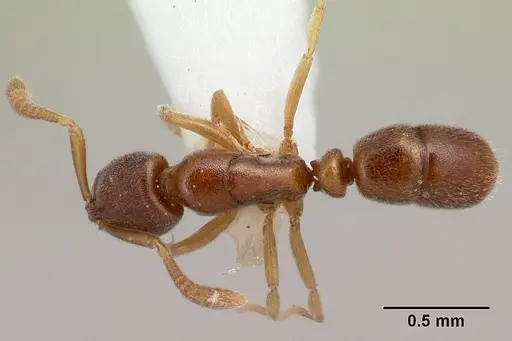
CASENT0902551
View on AntWeb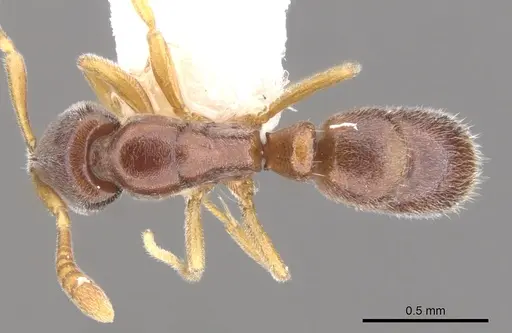
Literature
Loading...Loading products...