

Hylomyrma sagax
- Scientific Name
- Hylomyrma sagax
- Tribe
- Pogonomyrmecini
- Subfamily
- Myrmicinae
- Author
- Kempf, 1973
- Distribution
- Found in 3 countries
Hylomyrma sagax Overview
Hylomyrma sagax is an ant species of the genus Hylomyrma. It is primarily documented in 3 countries , including Brazil, Colombia, French Guiana. Detailed taxonomic data and occurrence records can be further explored via authoritative databases such as AntWeb or the Global Biodiversity Information Facility (GBIF).
Hylomyrma sagax
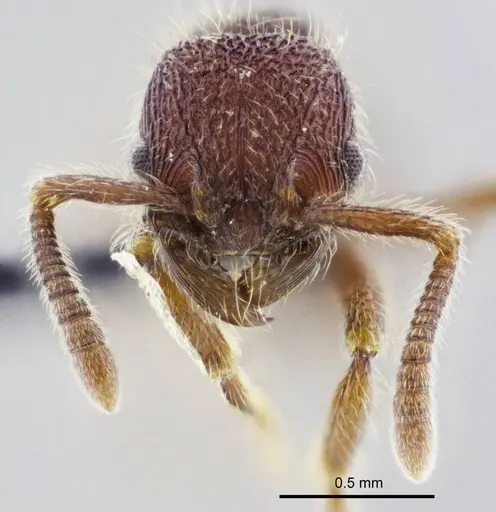
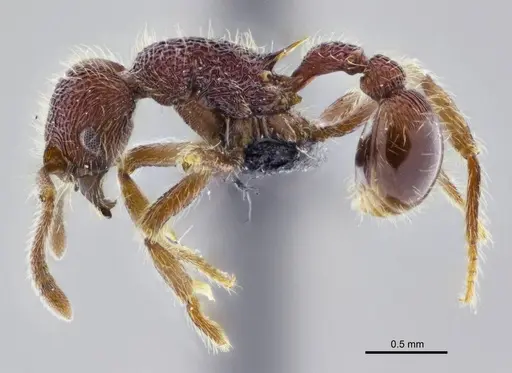
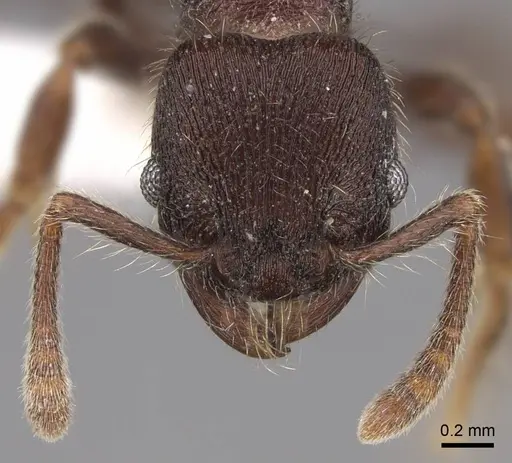
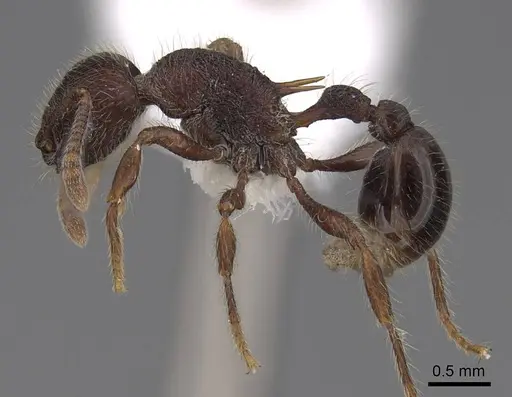
Hylomyrma sagax is a small to medium-sized ant native to the Amazon region of southeast Colombia. Workers measure 5.24-5.70mm and have a distinctive appearance with vermicular (worm-like) striations on their head and mesosoma, long propodeal spines, and a smooth ventral petiole surface. The queen is slightly larger at 5.92mm. This species is known only from the Amazonas region near Leticia, Colombia, where it was collected from tropical rainforest leaf-litter. It is similar to Hylomyrma virginiae and Hylomyrma mitiae but is geographically separated from both, being restricted to southeast Colombia. The genus Hylomyrma contains relatively few described species, and this ant remains poorly studied in captivity.
Quick Summary
- Difficulty: Unknown, likely Medium to Hard
- Origin & Habitat: Southeast Colombia (Amazonas region) near Leticia. Found in tropical rainforest leaf-litter, suggesting they nest in fallen logs, rotten wood, or natural cavities in soil [1][2].
- Colony Type: Unconfirmed, likely single-queen colonies based on typical genus patterns
- Size & Growth:
- Queen: 5.92mm [1]
- Worker: 5.24-5.70mm [1]
- Colony: Unknown, likely under 500 workers based on related leaf-litter ants
- Growth: Unknown, likely moderate
- Development: Unknown, estimate 6-10 weeks based on related Myrmicinae in tropical conditions (No direct development data exists for this species. Estimates based on genus-level patterns for small Myrmicinae in tropical rainforests.)
- Antkeeping:
- Temperature: Keep warm at 24-28°C, these are tropical rainforest ants requiring stable warmth
- Humidity: High humidity required, aim for 70-85%. Keep substrate consistently moist but not waterlogged, mimicking the damp forest floor where they naturally live
- Diapause: Likely no true diapause, being a tropical species, they probably remain active year-round with slight seasonal slowing during cooler periods
- Nesting: Provide a naturalistic setup with damp substrate, or a Y-tong/plaster nest with moisture retention. They prefer tight chambers and passages scaled to their medium size. Avoid dry conditions entirely.
- Behavior: Behavior is unstudied in captivity. Based on their leaf-litter habitat and related species, they are likely docile and not aggressive. Workers probably forage individually through the leaf-litter layer. Escape risk is moderate, they are not tiny but can climb well. Use standard barrier methods.
- Common Issues: no captive husbandry information exists, this is an extremely rare species in the antkeeping hobby, high humidity requirements can lead to mold if ventilation is poor, tropical temperature needs may require heating in cooler climates, wild-caught colonies may have parasites or fail to adapt to captivity, their specific dietary needs are unknown, related species are omnivorous
Natural History and Distribution
Hylomyrma sagax is one of the rarest ants in the antkeeping hobby, known only from a small area near Leticia in the Amazonas region of southeast Colombia. The original specimens were collected in February 1972 from forest leaf-litter using a berlesate extraction method, which involves sifting through fallen leaves to collect tiny arthropods. This collecting method tells us these ants live in the leaf-litter layer of tropical rainforest, similar to many other small Myrmicinae ants. Their known distribution is extremely limited, they have only been found in this one location in Colombia, making them a truly rare species both in the wild and in captivity [1].
The genus Hylomyrma contains relatively few species compared to other Myrmicinae genera, and most are found in South American rainforests. This species is distinguished from its relatives (H. virginiae and H. mitiae) by having larger teeth on the clypeus, longer propodeal spines, and a continuous dorsal margin on the petiole. All three species are geographically separated (allopatric), with H. sagax being the most northern in Colombia, H. mitiae in French Guiana, and H. virginiae in Ecuador and western Colombia [1].
Housing and Nest Setup
Because Hylomyrma sagax is collected from leaf-litter in tropical rainforests, you should replicate those conditions in captivity. A naturalistic setup works best, use a container with several centimeters of damp, loose substrate (a mix of soil, sand, and rotting wood fragments works well). The substrate should feel moist but not waterlogged, with good drainage to prevent stagnation.
For nest options, a Y-tong (acrylic) nest with moisture chambers or a plaster nest with a water reservoir works well for maintaining humidity. The chambers should be appropriately sized for their medium worker size (5-6mm). Avoid completely dry setups, these ants need constant access to moisture. A small water tube or reservoir connected to the nest helps maintain humidity levels. Provide a shallow foraging area where you can offer food, connected to the nest via tubing.
Escape prevention is important though not as critical as for tiny ants, they are medium-sized and cannot squeeze through the small gaps that tiny species exploit. Standard formicarium connections and barriers should suffice, but always use proper fitting lids. [2]
Feeding and Diet
The specific diet of Hylomyrma sagax has not been studied, but related leaf-litter Myrmicinae are typically omnivorous, feeding on small insects, honeydew from aphids, and various organic matter. Based on genus patterns, you should offer a varied diet including:
Protein sources: Small live or frozen insects such as fruit flies, small crickets, mealworms, and other appropriately sized prey. Offer protein 2-3 times per week.
Sugar sources: A small dish of sugar water, honey, or diluted honey water can be offered occasionally, though many leaf-litter ants are not strongly attracted to sugar. Observe whether they accept it.
Fresh water: Always provide a clean water source, either through a cotton ball in a small container or a water tube.
Since this species has never been kept in captivity before, be prepared to experiment with food acceptance. Start with small amounts of various options and remove uneaten food after 24-48 hours to prevent mold.
Temperature and Humidity Requirements
Being a tropical rainforest species from the Colombian Amazon, Hylomyrma sagax requires warm and humid conditions. Maintain temperatures in the range of 24-28°C (75-82°F). This can be achieved using a heating cable or mat placed under one side of the enclosure to create a gentle temperature gradient. Room temperature alone may be too cool depending on your climate.
Humidity is critical, aim for 70-85% relative humidity. The substrate should remain consistently damp but never sitting in standing water. Mist the enclosure occasionally if needed, but ensure good ventilation to prevent mold growth. A moisture-retaining substrate (like a soil-sand mix) helps stable humidity. Place the nest area on damp plaster or use a water tube connected to the nest to provide constant moisture.
Unlike temperate species, these ants likely do not require a winter dormancy period. They probably remain active year-round with perhaps slight slowing during any natural cool periods. [2]
Colony Structure and Development
The exact colony structure of Hylomyrma sagax has not been documented in scientific literature. Based on typical patterns within the Myrmicinae subfamily and related genera, they most likely form single-queen (monogyne) colonies. The founding behavior is also unconfirmed, but Myrmicinae ants typically use claustral founding, where the queen seals herself in a chamber and lives off her stored fat reserves until her first workers emerge.
Colony size in the wild is unknown, but related leaf-litter ants typically form colonies of several hundred workers at most. Growth rate is unstudied, but based on similar species, you can expect several months from founding to first workers (nanitics), and potentially a year or more to reach a mature colony size. Be patient, this is a slow-growing species by ant standards.
No information exists on nuptial flight timing for this species. In the wild Colombian Amazon, mating flights likely occur during the warm, rainy season when conditions are favorable for newly mated queens to establish colonies. [1]
Challenges and Considerations
Hylomyrma sagax is an extremely rare species in the antkeeping hobby, there are no established captive breeding populations, and virtually no one has kept this species in captivity. This presents several challenges:
First, obtaining a colony is extremely difficult. They are known only from a very restricted range in Colombia and have never been commercially collected for the antkeeping trade. Any colonies in captivity would likely be wild-caught imports, which often struggle to adapt to captive conditions.
Second, we have no captive care precedents to follow. Everything in this guide is inferred from related species and general antkeeping principles. You will essentially be pioneering the husbandry of this species, which requires careful observation and experimentation.
Third, wild-caught colonies often carry parasites or may simply fail to thrive in captivity due to stress, diet changes, or environmental mismatches. Success with this species would be a significant achievement and would contribute valuable knowledge to the antkeeping community.
For these reasons, Hylomyrma sagax cannot be recommended for beginners. Only experienced antkeepers with the ability to provide precise tropical conditions and who are willing to experiment should attempt to keep this remarkable species.
Frequently Asked Questions
How do I keep Hylomyrma sagax ants?
This species has never been kept in captivity before, so no established protocol exists. Based on their natural habitat (tropical rainforest leaf-litter in Colombia), provide a naturalistic setup with damp substrate at 24-28°C and 70-85% humidity. Use a Y-tong or plaster nest with moisture retention. Feed small insects and experiment with sugar sources.
What do Hylomyrma sagax ants eat?
Their specific diet is unstudied. Based on related leaf-litter Myrmicinae, they likely accept small insects (fruit flies, small crickets, mealworms), and may occasionally take sugar water or honey. Offer a varied diet and remove uneaten food promptly.
How big do Hylomyrma sagax colonies get?
Colony size is unknown, but related leaf-litter ants typically reach several hundred workers. They are a medium-sized ant (workers 5.24-5.70mm) and likely form moderate-sized colonies.
What temperature do Hylomyrma sagax ants need?
Keep them warm at 24-28°C (75-82°F). These are tropical rainforest ants from the Colombian Amazon that require stable warmth. A heating cable on one side of the enclosure can provide the necessary heat.
Do Hylomyrma sagax ants need hibernation?
No, being a tropical species from the Amazon, they likely do not require a winter dormancy period. They probably remain active year-round with possible slight seasonal slowing.
Where is Hylomyrma sagax found?
This species is known only from southeast Colombia, specifically the Amazonas region near Leticia. It has an extremely limited distribution and has never been recorded outside this small area.
Is Hylomyrma sagax a good species for beginners?
No. This is one of the rarest ants in the hobby with no established captive care protocols. It is not recommended for beginners. Only experienced antkeepers willing to experiment should attempt to keep this species.
How long does it take for Hylomyrma sagax to produce first workers?
The development timeline is completely unstudied for this species. Based on related Myrmicinae in tropical conditions, expect 6-10 months from founding to first workers, possibly longer. Patience is essential.
Can I keep multiple Hylomyrma sagax queens together?
Colony structure is unconfirmed for this species. Based on typical Myrmicinae patterns, they likely form single-queen colonies. Combining unrelated queens is not recommended without evidence of polygynous behavior.
References

This caresheet is licensed under CC BY-SA 4.0 .
ANTWEB1008993
View on AntWeb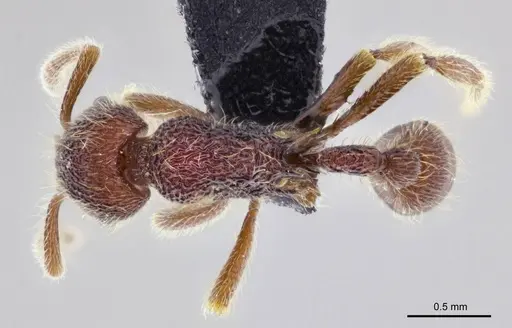
CASENT0923020
View on AntWeb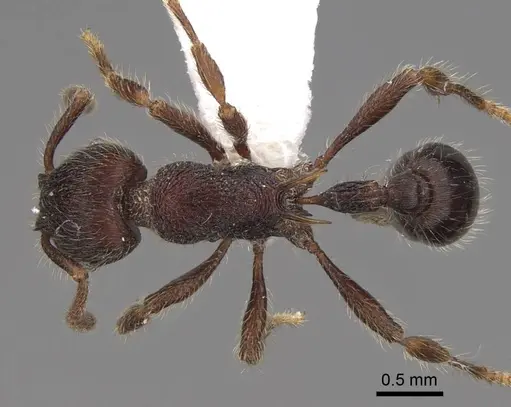
Literature
Loading...Loading products...