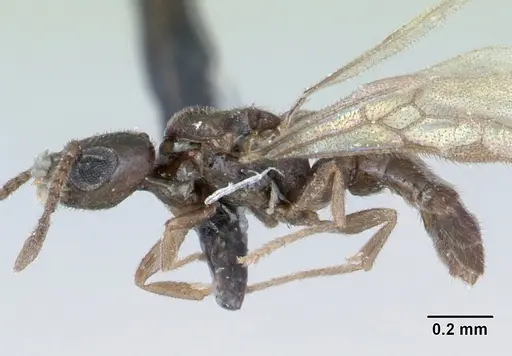
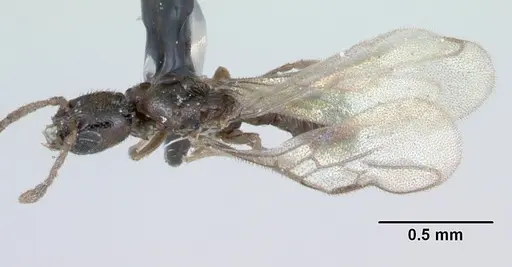
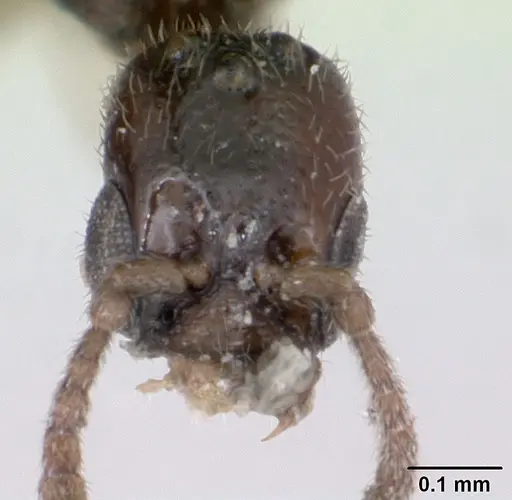
Fulakora minima - "Unknown (Only Male Specimens Described)"
Fulakora minima is a highly enigmatic ant species belonging to the primitive Amblyoponinae subfamily. Remarkably, only male specimens of this species have ever been collected and formally described. This means the appearance, size, and specific behaviors of the queen and worker castes remain completely unknown to science. Like other ants in the Fulakora genus, they are presumed to be specialized predators, but without observation of their full colony structure, much of their biology is a mystery.
- Difficulty: Expert
- Origin & Habitat: Neotropical Region (Argentina, Costa Rica, Guatemala, Nicaragua) in Specific environmental preferences for Fulakora minima are unknown. Other species within the Fulakora genus (e.g., F. saundersi) are found in forests, coastal scrubland, and gardens, often nesting cryptobiotically under leaf litter, stones, and rotting logs. It is speculated that F. minima might share similar preferences for moist, hidden microhabitats, but this is unconfirmed due to the lack of worker or queen specimens..
- Colony Type: Unknown (Likely Monogyne or Oligogyne, based on related primitive species. For Fulakora saundersi, colonies are small and exhibit budding behavior), unknown (likely semi-claustral or budding, based on general fulakora genus traits, where queens forage for their initial brood) founding.
- Size & Growth:
- Queen: Not specified
- Worker: Not specified
- Colony: Unknown (Presumed Small, possibly tens of workers, based on related Fulakora species which typically have colonies of 10-30 workers). Unknown (Presumed Slow, based on general traits of primitive ant subfamilies and small colony sizes observed in related species) growth.
- Antkeeping:
- Temperature: Optimal temperature for Fulakora minima is unknown. Given its Neotropical distribution, a stable temperature range typical of tropical or subtropical environments is inferred, likely between 20-26°C. Consistent temperatures are crucial for brood development..
- Humidity: Optimal humidity is unknown. However, for most ant species, especially those from tropical regions and primitive subfamilies, high humidity is critical for egg survival (typically above 55%, with highest survival between 90-95%). Given the presumed cryptobiotic lifestyle, a high humidity level of 80-95% is likely beneficial for any potential brood..
- Diapause: Not required. Not specified at Not specified.
- Nesting: Preferred nest type is unknown. If similar to other Fulakora species, they may prefer simple, temporary nests in soil or decaying wood, likely favoring hidden, subterranean environments. Artificial nests would need to replicate these conditions, possibly using naturalistic setups with ample substrate..
- Behavior: Unknown (Other Fulakora species can sting to subdue prey, so likely capable of stinging, but aggressiveness towards handlers is unknown and likely low due to their presumed cryptic nature.) aggressiveness.
- Common Issues: Impossible to obtain for keeping, No information on queen or worker biology, Unknown dietary needs beyond general predation, Hypothetical colony stalling due to unknown specific requirements, Hypothetical humidity fluctuations if attempting care.
Fulakora minima is an extremely unique case in antkeeping because, to date, only male specimens have ever been found and described by scientists. This means we have absolutely no information on what the queens or workers look like, how large they are, or what their typical colony structure entails. For an ant hobbyist, this presents an insurmountable challenge; without a queen or workers, it's simply impossible to start or maintain a colony, as the entire basis of antkeeping revolves around these castes.
The limited scientific knowledge about this species underscores its 'Expert' difficulty rating, which essentially means it's currently unobtainable and unkeepable for the average ant enthusiast. Any care recommendations for this species are purely speculative, drawing inferences from other, better-studied species within the Fulakora genus or the broader Amblyoponinae subfamily. This situation makes Fulakora minima more of a fascinating scientific mystery than a viable antkeeping project.
Given that F. minima belongs to the Amblyoponinae, often referred to as 'Dracula ants' in the community, they are generally specialized predators. Many species in this subfamily, such as Fulakora saundersi, feed their larvae by offering pieces of prey or through a unique 'hemolymph feeding' where workers or queens pierce the larvae to consume their hemolymph, a primitive feeding behavior. Should this species ever be observed in full, its feeding habits would undoubtedly be equally intriguing and potentially challenging to replicate in captivity.
The lack of collected workers also means there's no data on their foraging habits. While other Fulakora species are known to be cryptic, often nesting and foraging beneath leaf litter or in rotting wood, rarely venturing above ground, this might also hold true for F. minima. Setting up a suitable environment for an unobserved species would require extensive research and replication of suspected natural conditions, which, again, is purely theoretical at this point.
Ultimately, Fulakora minima remains firmly in the realm of scientific study, a testament to the vast, unexplored diversity of the ant world. For those deeply interested in ant biology and taxonomy, it's a species that sparks curiosity about what future discoveries might reveal. However, for practical antkeeping purposes, enthusiasts should focus on species with known and accessible colony structures and care requirements.
Frequently Asked Questions
Can I keep Fulakora minima as a pet ant colony?
Unfortunately, at this time, it's practically impossible to keep Fulakora minima. Only male specimens have ever been discovered and described by scientists, meaning we lack any knowledge of the queens or workers needed to establish a colony. It's truly a species shrouded in mystery for now.
Why is so little known about Fulakora minima?
Fulakora minima is an elusive species, and its obscurity stems from the fact that only male ants have been formally documented. Without the discovery of queens and workers, which form the core of any ant colony, their life cycle, behaviors, and colony structure remain largely unknown to the antkeeping community and even to most researchers.
What kind of habitat would Fulakora minima prefer if it were keepable?
While we don't know for sure, based on its genus, Fulakora minima would likely prefer a highly humid environment, possibly nesting in decaying wood or beneath leaf litter in a setup mimicking a tropical forest floor. These 'Dracula ants' often thrive in cryptobiotic niches, staying hidden from direct light.
Are Fulakora ants difficult to keep in general?
Yes, ants in the Fulakora genus, and the broader Amblyoponinae subfamily, are generally considered challenging to keep. They have specialized predatory diets and unique feeding behaviors, like hemolymph feeding, that require specific live prey. Their primitive nature often means smaller, nomadic colonies and less robust development than more commonly kept species.
What do Fulakora minima eat?
Since we've only identified males, their specific diet is unknown. However, other Fulakora species are specialized predators, feasting on small arthropods, often centipedes or beetle larvae. It's highly probable that Fulakora minima would also have a carnivorous diet, but the exact prey items are a complete mystery.
Has a queen of Fulakora minima ever been seen?
No, as of the current scientific understanding, no queen or worker of Fulakora minima has ever been formally collected or described. The species is only known from male specimens, making it one of the most mysterious ants in the ant world.
If workers were found, what would their size likely be?
While speculative, workers of other Fulakora species, like Fulakora saundersi, typically range from 3 to 5 millimeters in length. It's plausible that Fulakora minima workers, if discovered, would fall within a similar small size range, fitting the generally diminutive nature of many primitive ant species.
Do these ants sting?
Given that other species within the Fulakora genus, such as Fulakora saundersi, possess a functional sting used to immobilize their prey, it's highly likely that Fulakora minima workers and queens (if they exist) would also be capable of stinging. However, their temperament towards humans is entirely unknown.
What is the typical colony size for ants in the Fulakora genus?
For related species like Fulakora saundersi, colonies are quite small, often comprising only 10 to 30 workers. This suggests that if Fulakora minima forms colonies, they would likely also be small, which is typical for many primitive ant species.
Are there any research efforts to find Fulakora minima workers or queens?
While specific research efforts solely focused on finding Fulakora minima workers and queens aren't widely publicized, entomologists and myrmecologists continuously explore ant diversity in the Neotropical region. Any discovery of these missing castes would be a significant scientific breakthrough, greatly expanding our understanding of this enigmatic species.