

Fulakora smithi
- Scientific Name
- Fulakora smithi
- Tribe
- Amblyoponini
- Subfamily
- Amblyoponinae
- Author
- Brown, 1960
- Distribution
- Found in 1 countries
Fulakora smithi Overview
Fulakora smithi is an ant species of the genus Fulakora. It is primarily documented in 1 countries , including Australia. Detailed taxonomic data and occurrence records can be further explored via authoritative databases such as AntWeb or the Global Biodiversity Information Facility (GBIF).
Fulakora smithi
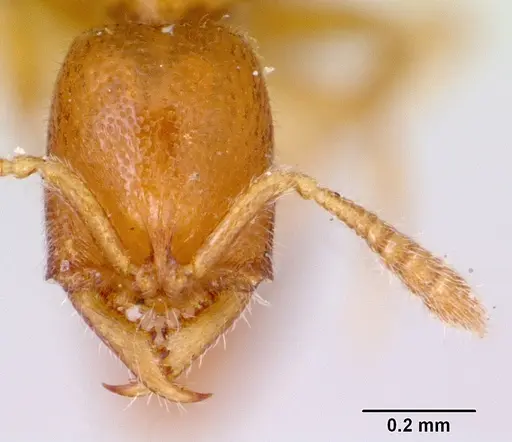
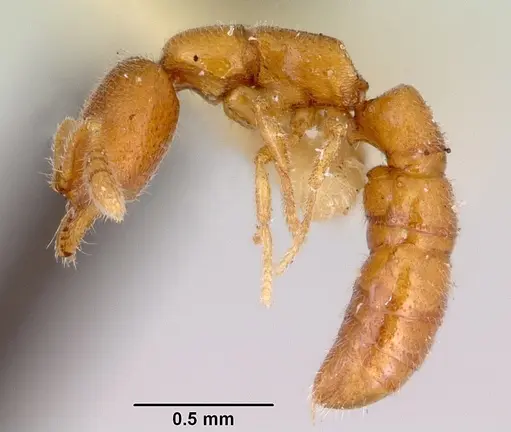
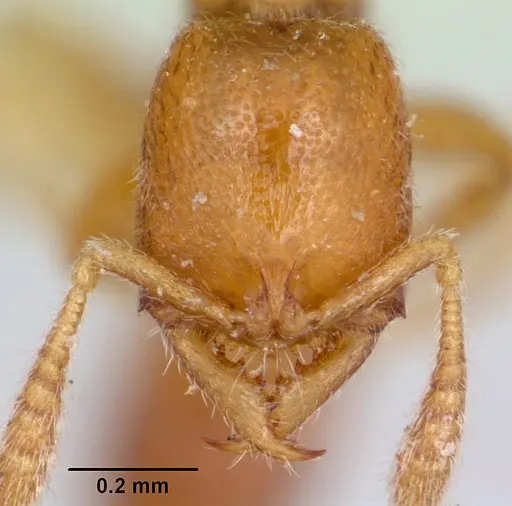
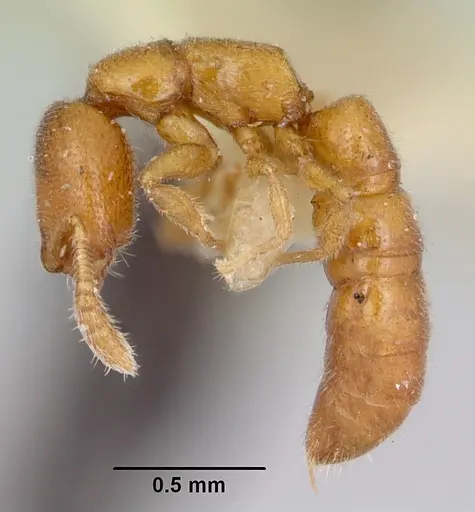
Fulakora smithi is a small, predatory ant species native to South Australia, specifically found in the Lofty Ranges near Mount Lofty [1]. Workers are typical of Amblyoponinae, slender ants with long, sickle-shaped mandibles adapted for hunting small prey. The genus Fulakora (formerly part of Stigmatomma) belongs to the Amblyoponini tribe, commonly called 'dracula ants' due to their unique behavior of feeding on hemolymph (the insect equivalent of blood) from their brood, a trait shared with their close relatives. These ants are rarely kept in captivity and are considered an advanced species for experienced antkeepers interested in unusual predatory ants.
Quick Summary
- Difficulty: Advanced
- Origin & Habitat: Native to South Australia, specifically the Lofty Ranges region near Mount Lofty at approximately 550m elevation. They inhabit temperate woodland areas in southern Australia [1].
- Colony Type: Colony structure is unconfirmed. Based on related Amblyoponinae, likely single-queen colonies with potential ergatoid (wingless) replacement reproductives. More research needed on this species specifically.
- Colony: Monogyne
- Founding: Semi-claustral
- Size & Growth:
- Queen: Unconfirmed, likely 5-7mm based on genus patterns for Fulakora species
- Worker: Unconfirmed, related Fulakora species typically 3-5mm
- Colony: Unknown for this species, likely small colonies of under 100 workers based on typical Amblyoponinae patterns
- Growth: Unknown, likely moderate based on related species
- Development: Unconfirmed, estimates based on related Amblyoponinae suggest 6-10 weeks at optimal temperature (Development timeline has not been directly studied for this species. Related Fulakora species suggest moderate development times.)
- Antkeeping:
- Temperature: Based on their temperate Australian habitat (South Australia), keep nest areas around 18-22°C with a slight gradient. Room temperature in most homes should work well. Avoid overheating, they come from a cooler temperate region.
- Humidity: Moderate humidity preferred. Keep nest substrate lightly moist but not waterlogged. These ants naturally inhabit woodland floor environments with moderate moisture levels.
- Diapause: Likely yes, based on temperate Australian origin, they probably require a winter rest period. However, specific diapause requirements for this species are unconfirmed.
- Nesting: In nature, they likely nest in soil or under stones in woodland areas. In captivity, a naturalistic setup with soil substrate or a Y-tong/plaster nest with narrow chambers works well. They prefer dark, quiet locations.
- Behavior: Fulakora smithi is a specialized predator. Like other Amblyoponinae, they are active hunters using their long mandibles to capture small prey. Workers are relatively small and may be shy or reclusive. Escape prevention should be good due to their small size, they can squeeze through small gaps. They are not aggressive toward humans and unlikely to sting. Their unique 'dracula ant' behavior involves tapping the brood and drinking hemolymph, which keepers should be aware of when observing their behavior.
- Common Issues: lack of documented care information makes proper husbandry challenging, small colony sizes mean losses have big impact, start with healthy colonies, specialized predatory diet may be difficult to meet, live micro-prey is essential, escape prevention is important despite small size, they can fit through tiny gaps, temperate origin suggests hibernation needs, but specifics are unconfirmed
Species Background and Taxonomy
Fulakora smithi was originally described as Fulakora smithi by Brown in 1960,based on worker specimens collected from the Lofty Ranges in South Australia [1]. The species has undergone several taxonomic changes, moving through Stigmatomma before being placed in the genus Fulakora by Ward and Fisher in 2016. The Lofty Ranges near Mount Lofty provide a temperate habitat in southern Australia, with the type locality at approximately 550 meters elevation. This species remains poorly studied in the wild, with limited biological data available. The genus Fulakora contains predatory ants specialized in hunting small invertebrates, and they share the distinctive 'dracula ant' behavior of feeding on hemolymph from their own brood, a unique trait among ants that gives the subfamily its common name.
Housing and Nest Setup
For Fulakora smithi, a naturalistic setup with a soil-based substrate works best to mimic their natural woodland floor habitat. Use a shallow container with moist soil (not waterlogged) and provide hiding spots like small stones or cork bark. A Y-tong (acrylic) nest with narrow chambers can also work, but ensure the chambers are appropriately sized for their small worker size. These ants prefer dark, quiet locations and may be shy about foraging in open spaces. If using an outworld, keep it simple and dimly lit. The nest should have some moisture but not be wet, think damp forest floor, not swamp. Adequate ventilation is important to prevent mold while maintaining humidity.
Feeding and Diet
Fulakora smithi is a specialized predator, as expected from Amblyoponinae ants. They require live small prey, their primary diet in the wild consists of small insects and other micro-arthropods. Offer small live prey such as fruit flies, springtails, small mealworms, or other tiny insects. Prey should be small enough for their mandibles to handle easily. Unlike many ants, they are not typically attracted to sugar sources, their unique 'dracula ant' behavior involves tapping their own brood for hemolymph rather than foraging for honeydew. Feed small prey items every few days, adjusting based on colony size and consumption rate. Remove uneaten prey to prevent mold.
Temperature and Seasonal Care
As a species from temperate South Australia, Fulakora smithi prefers cooler temperatures than many tropical ants. Keep the nest area around 18-22°C, room temperature in most homes should be suitable. Avoid placing the nest in direct sunlight or near heat sources. They likely require a winter rest period (diapause) given their temperate origin, though specific requirements are unconfirmed for this species. During winter (southern hemisphere winter, roughly June-August in their native range), consider reducing temperatures slightly to around 10-15°C for a few months. If you're in the northern hemisphere, this may mean providing a cooler period during your winter. Monitor colony behavior, if workers become less active and cluster together, they may be entering rest mode.
Behavior and Observation
Fulakora smithi workers are active hunters, using their distinctive long, sickle-shaped mandibles to capture prey. Unlike many ants that recruit nestmates to food sources, these ants typically hunt alone. The unique 'dracula ant' behavior involves workers tapping or slightly biting their own larvae and pupae to drink hemolymph, this is normal behavior and not a sign of illness or aggression. Workers are likely somewhat shy and may retreat when disturbed. They are not aggressive toward humans and their small size means they pose minimal sting risk. Observation is best done with minimal disturbance, these ants prefer quiet, dark environments. Colony activity may increase in evening hours when they're more likely to forage.
Frequently Asked Questions
Is Fulakora smithi good for beginners?
No, Fulakora smithi is not recommended for beginners. This species has very limited documented care information, requires specialized live prey feeding, and likely needs specific temperature and seasonal conditions. The care requirements are not well-established in the antkeeping hobby. Consider starting with more common species like Lasius, Camponotus, or Tetramorium that have well-documented care guides.
What do Fulakora smithi ants eat?
Fulakora smithi is a specialized predator that requires live small prey. Feed small live insects like fruit flies, springtails, tiny mealworms, or other micro-arthropods. They are not typically interested in sugar sources like honey or sugar water. Remove uneaten prey within 24 hours to prevent mold issues.
How big do Fulakora smithi colonies get?
Colony size is unknown for this specific species. Based on typical Amblyoponinae patterns, colonies likely remain relatively small, probably under 100 workers. They are not known for reaching the large colony sizes seen in some other ant genera.
Do Fulakora smithi ants sting?
Fulakora smithi workers are small and unlikely to sting humans. Their mandibles are designed for hunting small prey, not defense. They are not considered dangerous to keep.
What temperature do Fulakora smithi need?
Keep them around 18-22°C, which is cooler than many tropical ant species. Room temperature in most homes should work well. They come from temperate South Australia and prefer cooler conditions. Avoid overheating.
How long does it take for Fulakora smithi to develop from egg to worker?
The exact development timeline is unconfirmed for this species. Based on related Amblyoponinae ants, expect approximately 6-10 weeks from egg to first worker at optimal temperature. This is an estimate based on genus patterns, not specific data for F. smithi.
Do Fulakora smithi need hibernation?
Likely yes, based on their temperate Australian origin. They probably require a winter rest period. However, specific diapause requirements are unconfirmed for this species. Consider providing a cooler period (around 10-15°C) for a few months during winter.
Can I keep multiple Fulakora smithi queens together?
This is unconfirmed. Based on related Amblyoponinae, they likely form single-queen colonies. Combining unrelated queens is not recommended since this has not been documented for this species.
When will there be more care information for Fulakora smithi?
This species is rarely kept in captivity and has limited scientific study. More care information will likely emerge as more antkeepers work with this species. Consider joining antkeeping communities to share observations if you obtain this species.
References

This caresheet is licensed under CC BY-SA 4.0 .
CASENT0172232
View on AntWeb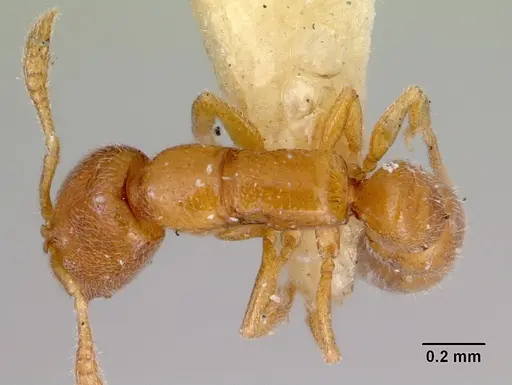
CASENT0172800
View on AntWeb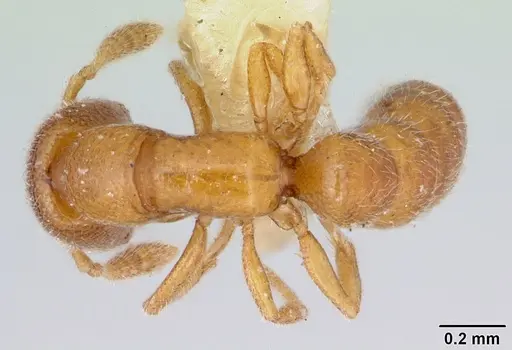
Literature
Loading...Loading products...