

Fulakora falcata
- Scientific Name
- Fulakora falcata
- Tribe
- Amblyoponini
- Subfamily
- Amblyoponinae
- Author
- Lattke, 1991
- Distribution
- Found in 3 countries
Fulakora falcata Overview
Fulakora falcata is an ant species of the genus Fulakora. It is primarily documented in 3 countries , including Dominican Republic, Puerto Rico, Virgin Islands (U.S.). Detailed taxonomic data and occurrence records can be further explored via authoritative databases such as AntWeb or the Global Biodiversity Information Facility (GBIF).
Fulakora falcata
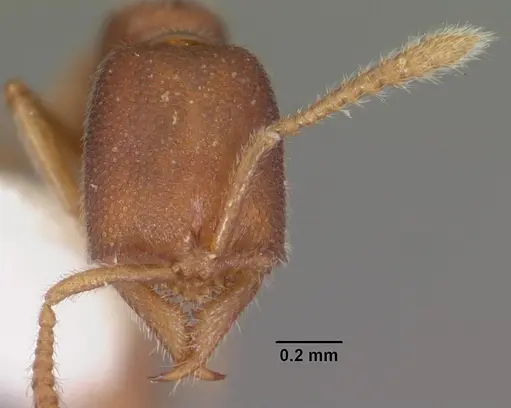
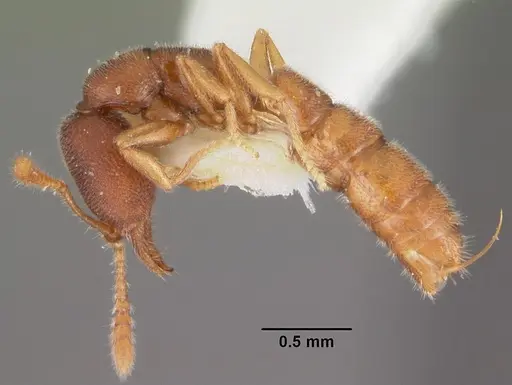
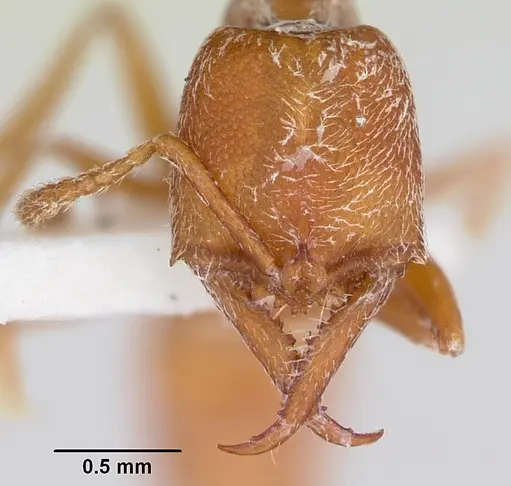
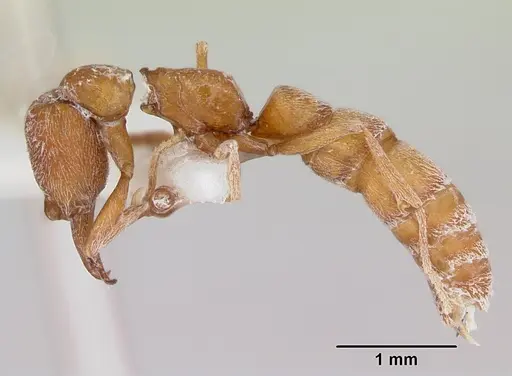
Fulakora falcata is a tiny, rare ant species found only in the Caribbean islands of Puerto Rico, the Dominican Republic, and Saint Thomas. Workers measure just 0.85-1.32mm in body length and are easily recognized by their rusty yellow coloration and the distinctive yellow or beige boomerang-shaped spot on the underside of their abdomen . Unlike most ants, they have no eyes and navigate using their antennae. Their most striking feature is their long, sickle-shaped mandibles that give the species its name (falcata means 'sickle-shaped' in Latin) . This species lives in leaf litter and duff accumulated between rocks in subtropical wet forests [1][2].
Quick Summary
- Difficulty: Expert
- Origin & Habitat: Greater Antilles (Puerto Rico, Dominican Republic) and Lesser Antilles (Saint Thomas). Found in leaf litter in subtropical wet forests and transitional dry forests at elevations around 92-985m [1][2][3].
- Colony Type: Colony structure is unconfirmed. Only workers have been described, queens have been collected but remain undescribed, and males are unknown . Based on related Fulakora species, expect small colonies with single queen (monogyne) structure.
- Size & Growth:
- Queen: Undescribed, queens have been collected but not formally described . Estimate based on genus: likely 4-5mm.
- Worker: 0.85-1.32mm total length, head width 0.57-1.00mm .
- Colony: Unknown, likely small, possibly under 100 workers based on typical leaf-litter ant patterns.
- Growth: Slow to moderate, likely 8-12 weeks egg to worker based on related Amblyoponinae species.
- Development: 8-12 weeks (estimated based on related Amblyoponinae species) (Development time is estimated, no specific study exists for this species. Related Amblyoponinae typically have slower development than many other ant subfamilies.)
- Antkeeping:
- Temperature: Keep around 24-28°C. This is a tropical Caribbean species that prefers warm, stable conditions. Use a heating cable on one side of the nest to create a gentle gradient if room temperature is below 24°C.
- Humidity: High humidity, these ants live in leaf litter and forest floor debris. Keep the nest substrate consistently moist but not waterlogged. Mist occasionally and provide a water tube.
- Diapause: No, as a tropical species from the Caribbean, they do not require hibernation. Keep them warm year-round.
- Nesting: Naturalistic setup works best, a shallow layer of moist soil/leaf litter with flat stones or pieces of bark on top mimics their natural habitat. They can also be kept in test tubes with a small chamber setup, but they prefer tight spaces scaled to their tiny size.
- Behavior: These are shy, slow-moving ants that forage through leaf litter. Workers have no eyes and navigate using chemical cues and antennae. They are not aggressive and will flee from threats rather than fight. Their sickle-shaped mandibles are designed for catching small prey. Escape prevention is critical due to their tiny size, use fine mesh and tight-fitting barriers .
- Common Issues: tiny size means escapes are likely without fine mesh barriers, slow growth can lead to impatient keepers overfeeding or disturbing the colony, wild-caught colonies may have parasites that kill them in captivity, high humidity requirements can lead to mold if ventilation is poor, lack of documented care information means this is truly an expert-level species with no established husbandry protocols
Natural History and Distribution
Fulakora falcata is an extremely rare ant known only from the Caribbean islands of Puerto Rico, the Dominican Republic, and Saint Thomas. The original specimens were collected from leaf litter in Puerto Rico's Carite subtropical wet forest at elevations around 985m . More recent collections in the Dominican Republic's Jaragua National Park came from transitional forest at about 92m elevation, where ants were found in leaf litter and duff accumulated between large rocks [1][2]. This species prefers damp, shaded microhabitats typical of forest floor environments. The distinctive yellow boomerang-shaped marking on the underside of the abdomen (gastric sternite II) helps distinguish this species from similar Fulakora species .
Identification and Morphology
Workers of Fulakora falcata are tiny at only 0.85-1.32mm total length, with a rusty yellow or ferruginous coloration . The most distinctive features are the 11-segmented antennae (most ants have 12) and the yellow spot on the underside of the abdomen [4][5]. They have no eyes, which is common in leaf-litter-dwelling ants. Their mandibles are long and curved like sickles, this is how the species got its name (falcata means sickle-shaped). The head has distinctive longitudinal rugae (ridges) on the front third, and the body is covered in fine punctures . These tiny ants can squeeze through incredibly small gaps, making escape prevention essential.
Housing and Nest Setup
A naturalistic setup best mimics this species' natural habitat. Use a shallow container with a layer of moist soil or peat mixed with small pieces of leaf litter and debris. Place flat stones or pieces of bark on top to create the dark, tight spaces these ants prefer. Alternatively, a small test tube setup with a tight cotton barrier can work, but ensure the chamber is appropriately scaled to their tiny size. Maintain high humidity by keeping the substrate moist and covering most of the setup to reduce evaporation. Good ventilation is important to prevent mold while maintaining humidity. [1][2]
Feeding and Diet
Fulakora falcata is a predatory ant that likely hunts small soil microfauna like springtails, mites, and other tiny arthropods found in leaf litter. In captivity, offer small live prey such as springtails, fruit flies, and other tiny insects. Due to their small size, prey should be appropriately sized, no larger than the ant itself. The sickle-shaped mandibles are designed for grasping small, soft-bodied prey. Sugar sources are unlikely to be accepted, these are specialized predators, not sugar-feeding ants. Feed small amounts of live prey every few days, removing any uneaten prey to prevent mold.
Temperature and Seasonal Care
As a tropical Caribbean species, Fulakora falcata requires warm temperatures year-round. Keep the nest area at 24-28°C. Room temperature may be sufficient if your home is within this range, otherwise use a low-output heating cable on one side of the nest to create a gentle gradient. Never let temperatures drop below 20°C. Unlike temperate species, these ants do not require diapause or hibernation. Maintain consistent warmth and humidity throughout the year. Sudden temperature changes or cold drafts can stress and kill this species.
Challenges and Expert-Level Care
This species is truly expert-level due to several factors. First, there is almost no captive husbandry information available for this species, everything must be inferred from related species and general antkeeping principles. Second, their tiny size makes them prone to escaping and difficult to handle. Third, their specific dietary needs (very small live prey) can be challenging to provide consistently. Fourth, wild-caught colonies may carry parasites that can decimate the colony in captivity. If you manage to obtain a colony, document your observations carefully, any information about their captive care would be valuable for advancing our understanding of this rare species.
Frequently Asked Questions
How long does it take for Fulakora falcata to produce first workers?
The exact timeline is unknown for this species, but based on related Amblyoponinae ants, expect 8-12 weeks from egg to first worker. This is slower than many common ant species.
What do Fulakora falcata ants eat?
They are predatory ants that hunt small soil arthropods. In captivity, offer small live prey like springtails, fruit flies, and other tiny insects appropriately sized for their 1mm body length. Sugar sources are unlikely to be accepted.
Do Fulakora falcata ants have queens?
Yes, queens exist but have never been formally described. Specimens have been collected from the Dominican Republic and deposited in museums, but no scientific description of the queen caste has been published .
Do Fulakora falcata ants sting?
Given their tiny size (under 1.5mm), any sting would be imperceptible to humans. These ants are not considered dangerous and will flee rather than fight when threatened.
Are Fulakora falcata good for beginners?
No. This is an expert-level species due to their tiny size, specific habitat requirements, lack of documented captive care, and the difficulty of obtaining a colony. There is almost no established husbandry information for this rare Caribbean species.
What temperature do Fulakora falcata need?
Keep them warm at 24-28°C year-round. This tropical Caribbean species does not tolerate cold and requires consistent warmth. Use a heating cable if room temperature is below 24°C.
How big do Fulakora falcata colonies get?
Colony size is unknown but likely small, probably under 100 workers based on typical leaf-litter ant patterns. Only the worker caste has been described, and colony collections are extremely rare.
Can I keep multiple Fulakora falcata queens together?
Not enough is known about their colony structure to recommend this. Queens have been collected but never formally described, and the natural colony structure (single queen vs. multiple queens) is unconfirmed.
Where is Fulakora falcata found?
This species is only found in the Caribbean: Puerto Rico, the Dominican Republic, and Saint Thomas. They live in leaf litter in subtropical wet forests and transitional forests at elevations from 92-985m [1][2][3].
What makes Fulakora falcata special?
They are one of the rarest ant species in the antkeeping hobby, with an extremely limited natural distribution only in the Caribbean. Their 11-segmented antennae (most ants have 12), sickle-shaped mandibles, and the distinctive yellow abdominal marking make them morphologically unique. Almost nothing is known about their captive care.
Do Fulakora falcata need hibernation?
No. As a tropical species from the Caribbean islands, they do not require hibernation or winter rest. Keep them warm and active year-round at 24-28°C.
References

This caresheet is licensed under CC BY-SA 4.0 .
CASENT0102200
View on AntWeb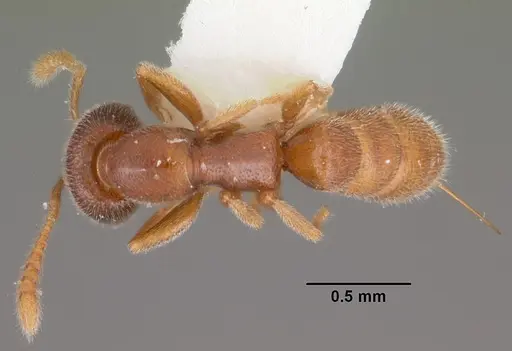
CASENT0172809
View on AntWeb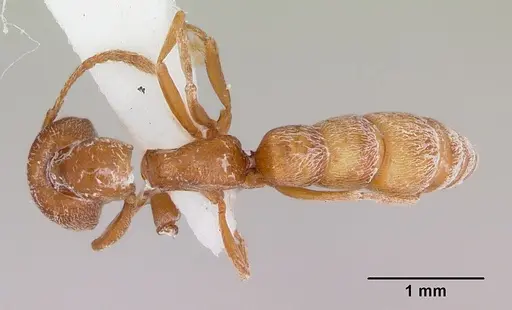
Literature
Loading...Loading products...