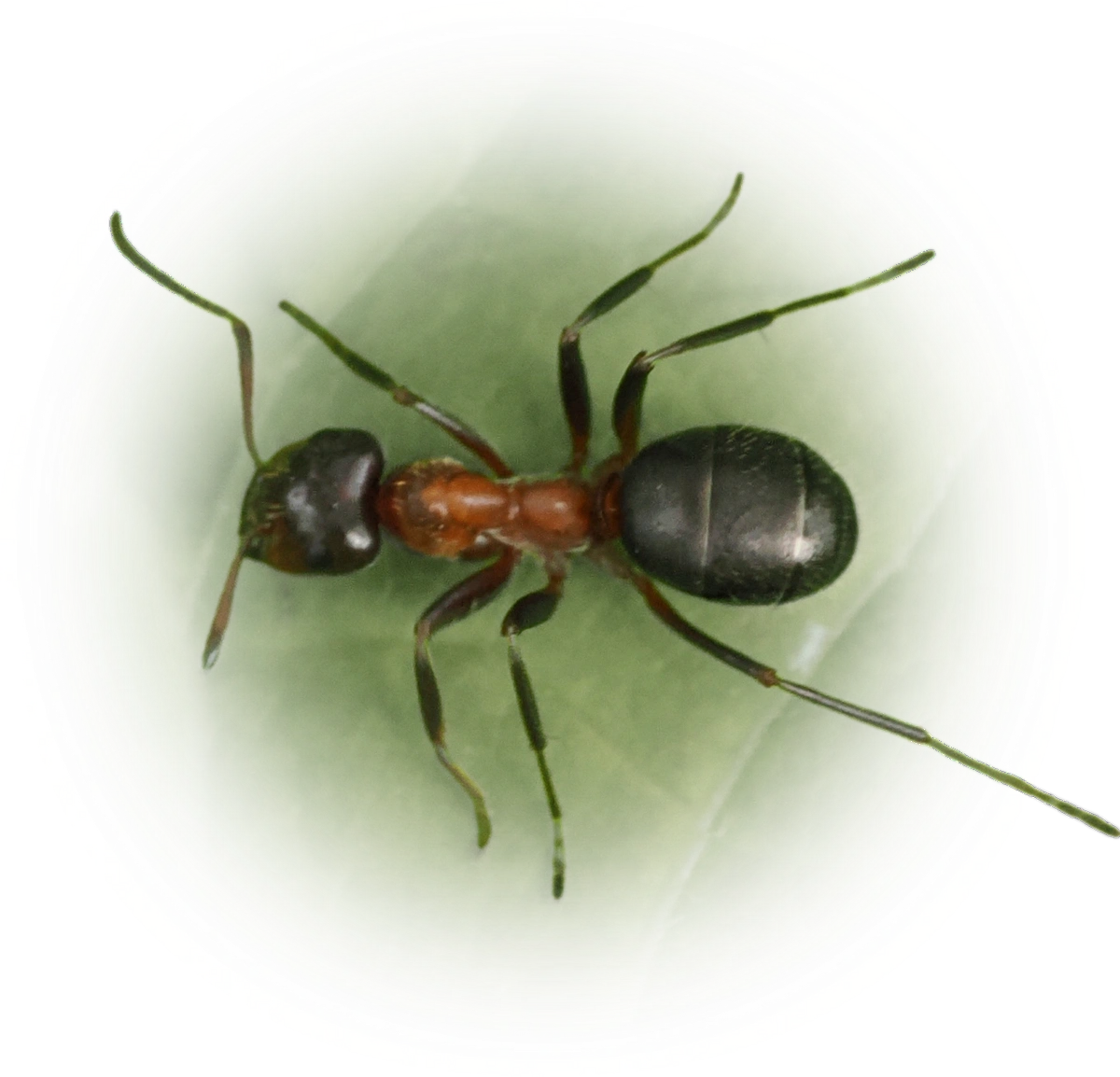

Formica ulkei
- Scientific Name
- Formica ulkei
- Tribe
- Formicini
- Subfamily
- Formicinae
- Author
- Emery, 1893
- Common Name
- Ulke's Mound Ant
- Distribution
- Found in 2 countries
Formica ulkei Overview
Formica ulkei (commonly known as the Ulke's Mound Ant) is an ant species of the genus Formica. It is primarily documented in 2 countries , including Canada, United States of America. Detailed taxonomic data and occurrence records can be further explored via authoritative databases such as AntWeb or the Global Biodiversity Information Facility (GBIF).
Formica ulkei - "Ulke's Mound Ant"
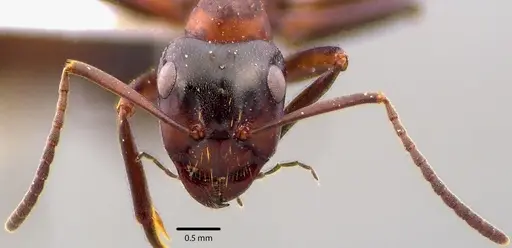
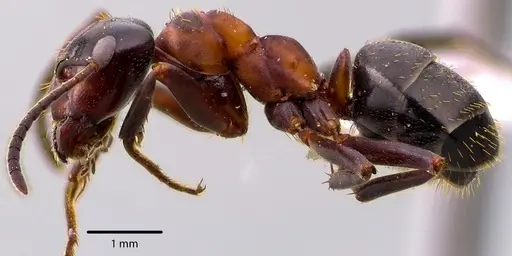
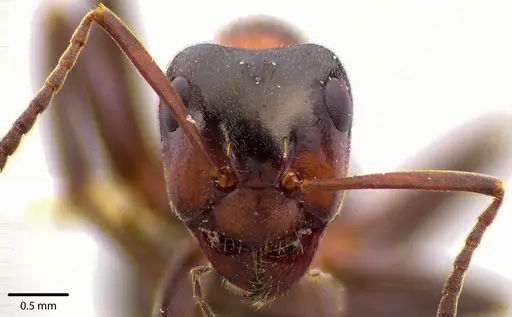
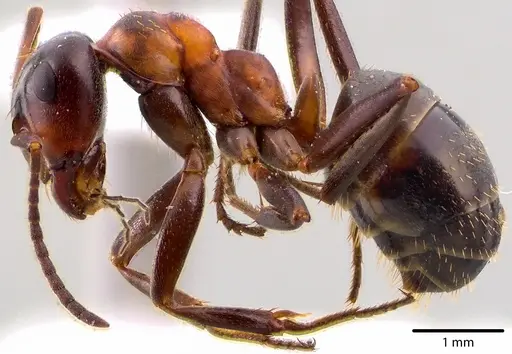
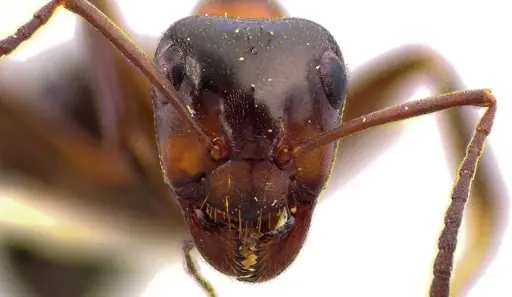
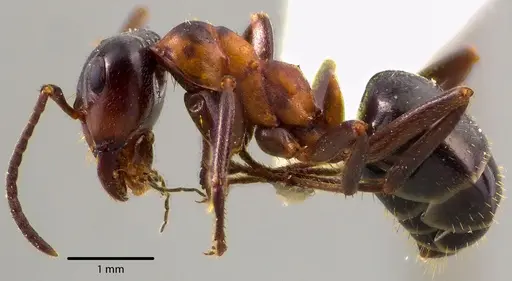
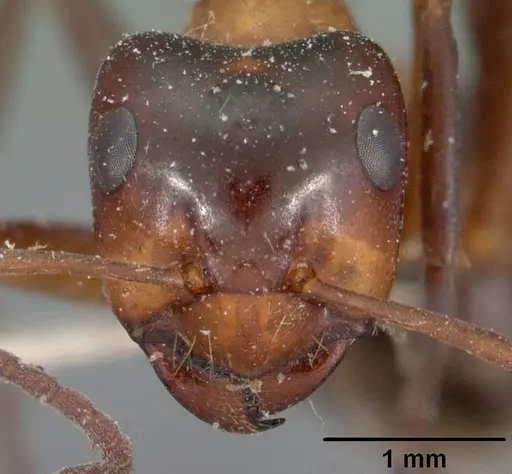
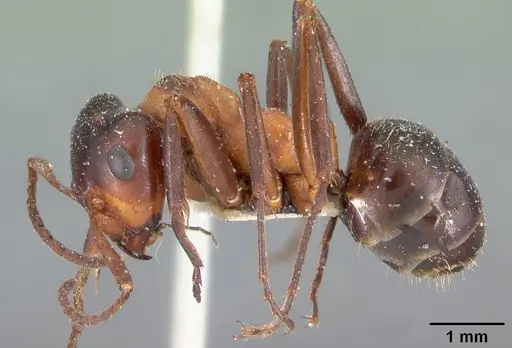
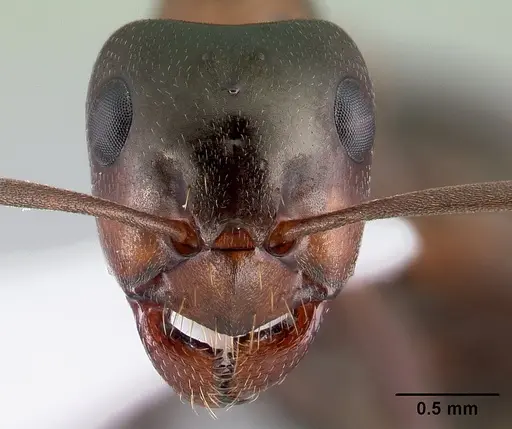
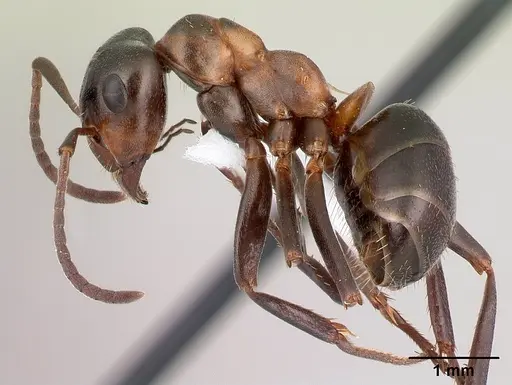
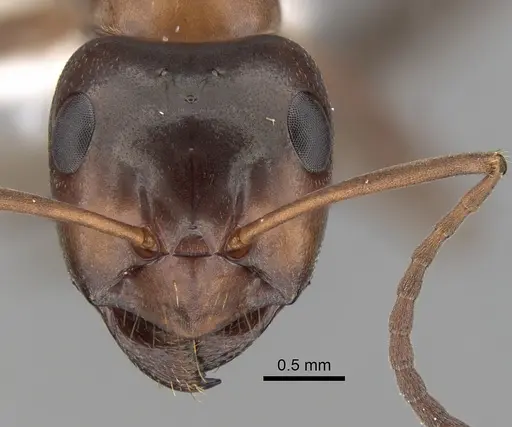
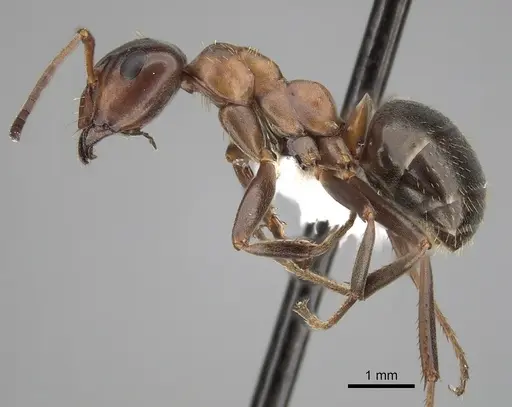
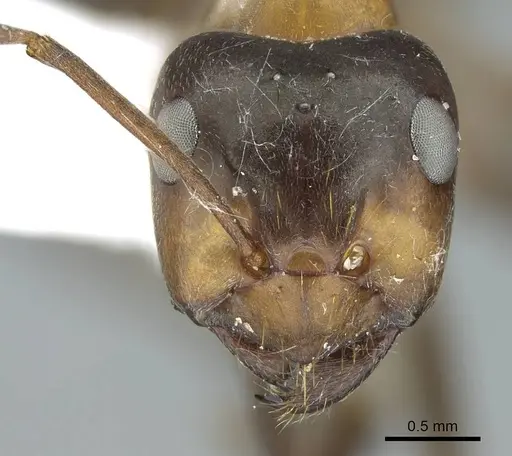
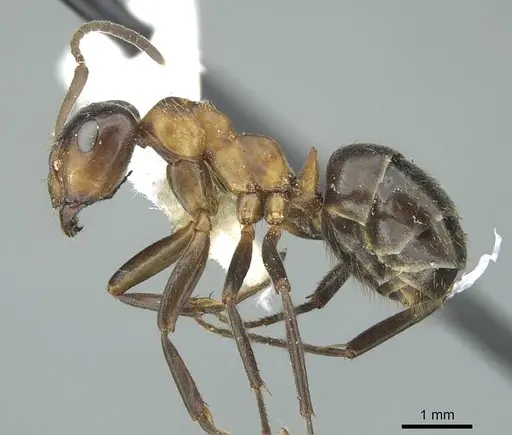
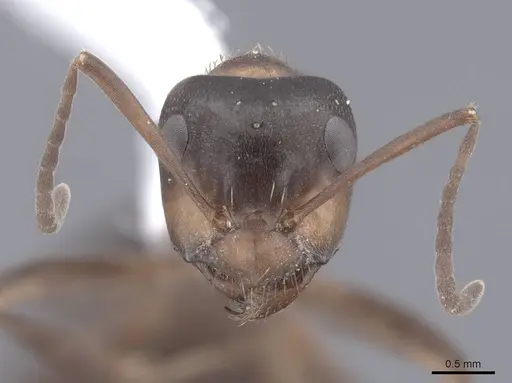
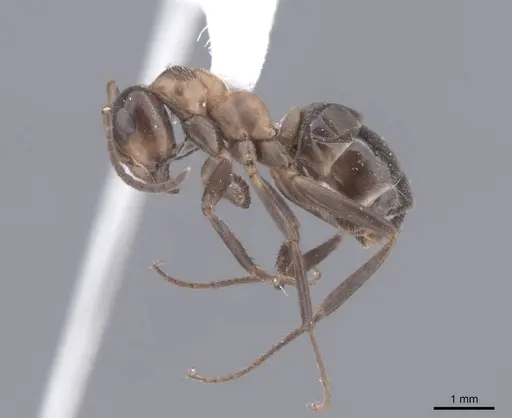
Formica ulkei is a medium-sized ant measuring 5-7mm, belonging to the Formica exsecta group known for their deeply excised (notched) head shape [1]. Workers are reddish-brown to dark brown with a shiny gaster and front of head, while the upper half of the head is dark brown and the thorax has blotches of dark brown against a yellowish-red body [2]. This species is restricted to northeastern North America, ranging from Alberta to Nova Scotia in Canada and southward to Illinois, Indiana, Iowa, and the northern United States [3][1].
These ants are famous for building large earthen mounds in open forests and forest margins. In the wild, mounds can reach massive sizes, the largest on record measured 9 feet long,7 feet wide, and 2 feet high [4]. Unlike many Formica species, F. ulkei is not a slave-making ant and shows no aggression toward other ant species [4]. Queens are temporary social parasites that invade colonies of host species like Formica fusca to establish their colony [5][6]. This species requires specific habitat conditions: open areas with sunlight exposure, proximity to water without flooding, and access to aphid-tending plants [6].
Quick Summary
- Difficulty: Medium
- Origin & Habitat: Northeastern North America (Alberta to Nova Scotia, south to Illinois, Indiana, Iowa) [3]. Found in open oak-elm-hickory forests, forest margins, bogs, wetlands, and fens [4][1][7]. Nests in open areas receiving at least partial sunlight, avoiding deep shade [4]. Soil is typically black, rich loam with yellow clay layer underneath [4].
- Colony Type: Single-queen colonies (monogyne) that can form polydomous systems through budding, multiple connected mounds that may function as one supercolony [6]. Queens are temporary social parasites that initially invade host colonies (typically Formica fusca) before establishing their own colony [5][6].
- Colony: Monogyne
- Queen: Temporary parasitic
- Size & Growth:
- Queen: Approximately 6-7mm (estimated from related Formica species)
- Worker: 5.0-7.0mm [1]
- Colony: Colonies can become very large with mounds reaching several feet in diameter. Maximum colony lifetime estimated at 25-30 years based on mound growth studies [8].
- Growth: Moderate
- Development: Approximately 6-8 weeks at optimal temperature. Eggs hatch in 9-16 days (average 12-12.5 days) [4]. Larval period at least 21 days [4]. Worker pupae appear mid-June, with first callows emerging by late July [4]. (Development is seasonal, eggs are laid in late April to early June, larvae present through August-September, and workers emerge through the summer. This means founding colonies may take longer to produce first workers if started outside the natural breeding season.)
- Antkeeping:
- Temperature: Keep nest at 20-25°C. Mound temperatures during active season range from 17-22°C, warmer than surrounding soil [3]. Provide a temperature gradient allowing ants to choose their preferred zone.
- Humidity: Requires moderate to high humidity. Keep substrate consistently moist but not waterlogged. This species naturally nests in areas with access to soil moisture and cannot tolerate dry conditions [4][6]. Provide a water reservoir in test tube setups.
- Diapause: Yes, required. This species undergoes a prolonged hibernation period of 5-8 months (October/November to April) in the wild [9]. Hibernate at 5-8°C in a dark, quiet location. Ants hibernate in dense aggregations in wet clay just above soil water level [4][9]. This is 'false hibernation' (temperature-dependent), not true diapause, metabolism slows but doesn't stop completely [9].
- Nesting: Provide deep substrate or a naturalistic setup allowing mound construction. In captivity, a Y-tong or plaster nest with chambers works well. Must maintain moisture in the nest material. Avoid completely dry environments. Given their large colony size potential, plan for expandable housing.
- Behavior: Generally non-aggressive toward humans but will vigorously defend the nest. Workers swarm to threats in large numbers and deliver painful bites combined with formic acid spray [4]. They are not slave-makers and show no aggression toward other ant species [4]. Foragers travel up to 57 feet from the nest [4]. Workers tend aphids for honeydew and will readily accept sugar water. Escape risk is moderate, use standard barrier methods (Fluon) but they're not particularly escape-prone like tiny species.
- Common Issues: colonies often fail during hibernation if substrate becomes too dry or temperatures fluctuate wildly, founding queens may struggle without a host colony, consider providing workers from related Formica species or expect high initial mortality, large colony size requires significant space, cramped conditions lead to stress and abandonment of brood, mold can be a problem in moist setups, ensure adequate ventilation while maintaining humidity, laboratory rearing shows high cannibalism, ensure adequate food and space to reduce worker stress
Nest Preferences and Mound Building
In the wild, Formica ulkei builds conspicuous mounds in meadows, pastures, and forest margins where they receive plenty of sunlight [3]. The mounds serve multiple purposes: they provide thermal regulation by absorbing solar heat in early spring, maintain warmer and more stable temperatures than surrounding soil, and create proper conditions for brood development [3][4]. Mounds start around 1 foot in diameter but can grow to several feet across with age, the largest recorded was 9 feet long,7 feet wide, and 2 feet high [4].
The mound structure consists of excavated soil covered with a layer of thatch made from grass, small twigs, and plant debris. This thatch layer insulates the nest and helps with temperature regulation [3]. Burrows extend deep into the ground, often reaching the soil water level. In captivity, provide deep substrate (at least several inches) or a naturalistic setup with flat stones where they can construct their nest. A Y-tong or plaster formicarium with moisture-retaining material works well. The key is maintaining consistent moisture while ensuring adequate ventilation to prevent mold.
Feeding and Diet
Formica ulkei has a varied diet similar to other Formica species. They are highly associated with aphids and rely heavily on honeydew as a food source [10]. In captivity, provide constant access to sugar water or diluted honey. They will lap up sweet fluids voraciously, honey is especially attractive due to its strong odor [4].
For protein, offer insects such as mealworms, small crickets, or other arthropods. Workers will cut up insect bodies into manageable pieces [4]. In the wild, they also consume tree buds and have been observed tending both wooly aphids and black aphids on various plants [4]. Feed protein 2-3 times per week, and keep sugar water available at all times. Remove uneaten prey within 24-48 hours to prevent mold.
Temperature and Seasonal Care
These ants are adapted to temperate climates with distinct seasons. Mound temperatures during active months range from 17-22°C, significantly warmer than surrounding soil [3]. Keep your nest at 20-25°C during the active season (spring through fall). A heating cable on one side of the nest creates a gradient allowing ants to regulate their temperature.
Hibernation is essential for this species. In the wild, they hibernate for 5-8 months (typically October/November through April) in the Chicago region [9]. During hibernation, ants aggregate in wet clay just above the soil water level, where temperatures remain above freezing [4][9]. This is 'false hibernation' or homodynamic, metabolism slows but doesn't stop completely, and ants can become active if warmed [9]. For captive colonies, hibernate at 5-8°C in a dark, quiet location like a refrigerator vegetable drawer or cool basement. Keep the substrate slightly moist during hibernation.
Behavior and Colony Dynamics
Formica ulkei colonies have fascinating social structure. Queens are temporary social parasites, they invade colonies of host species like Formica fusca, get adopted by the host workers, and eventually the host colony is replaced by the new queen's offspring [5][6]. This differs from slave-making ants because F. ulkei workers are not kidnapped from other species.
Colonies can also expand through budding, where workers excavate a new nest and transport larvae and pupae to it. Over time, a queen is added to the new satellite nest [6]. This behavior can lead to polydomous colonies, multiple connected mounds that function as one supercolony. In captivity, you may observe workers caring attentively for the queen, keeping her body clean and sometimes feeding her regurgitated food [4]. Workers can lay eggs if the queen dies, which has been observed in laboratory colonies [4].
Defensively, these ants are not aggressive toward humans but will vigorously defend their nest. When threatened, workers swarm to the point of attack, bite aggressively, and spray formic acid [4]. The formic acid can be strong enough to kill other ants confined in the same space.
Colony Founding
Colony founding in Formica ulkei is unique among ants. Unlike most Formica species that are claustral (queen seals herself in and raises first workers alone), F. ulkei queens are temporary social parasites [5]. After mating during nuptial flights in late June to mid-July, the newly mated queen seeks out a small, established colony of a host species, typically Formica fusca [5].
The queen invades the host colony, and if accepted, she is cared for by the host workers. Over time, she kills or replaces the host queen and her offspring gradually take over the colony [5][6]. This gives rise to a pure F. ulkei colony. In captivity, this founding behavior is difficult to simulate. You have two options: obtain an already-established colony, or try introducing a newly mated queen to a small group of Formica fusca workers (a difficult process with uncertain results). Most keepers find it easier to capture a colony that has already been established.
Growth and Development Timeline
Understanding the seasonal development helps set expectations for your colony. In the wild, egg-laying begins toward the end of April and ends by early June [4]. Eggs are laid in batches of 1-51 eggs, with an average of about 14 eggs per batch. Each female can lay 126-190+ eggs during the season if eggs are removed immediately [4].
Eggs hatch in 9-16 days, averaging about 12-12.5 days [4]. Larvae are fed regurgitated food by workers and develop through the summer. Worker pupae first appear around June 18,with large male and female pupae appearing by early July [4]. First callows (newly emerged workers) appear around July 23. By September, all pupae have emerged and the colony prepares for hibernation.
This means if you obtain a colony in spring, you might see first workers within 6-8 weeks. However, if you're starting from a queen alone, the process is much more complex due to their parasitic founding behavior. Expect slower growth in captivity compared to wild colonies.
Frequently Asked Questions
Is Formica ulkei a good beginner ant?
No, this species is not ideal for beginners. While not extremely difficult, they have specific requirements: a long hibernation period (5-8 months), need for moisture, large colony size potential requiring significant space, and the complexity of their parasitic founding behavior. They're better suited for keepers with some experience who can provide proper hibernation conditions and have the space for large colonies.
How long does it take for Formica ulkei to produce first workers?
If you obtain an established colony with a laying queen and workers, you should see new workers within 6-8 weeks during the active season. However, if you're trying to found a colony from a single queen, success is unlikely due to their temporary social parasitic founding behavior, they need to invade a host colony to survive. Most keepers obtain established colonies rather than attempting queen adoption.
Do Formica ulkei need hibernation?
Yes, hibernation is essential. In the wild, they hibernate for 5-8 months (typically October/November through April) [9]. This is not optional, attempting to keep them active year-round will stress the colony and likely lead to colony failure. Hibernate at 5-8°C in a dark, quiet location with slightly moist substrate.
What do Formica ulkei eat?
They need a balanced diet: constant access to sugar water or diluted honey for energy, and protein sources like mealworms, small crickets, or other insects 2-3 times per week [4]. They are highly associated with aphids in the wild and readily consume honeydew. Remove uneaten prey within 24-48 hours to prevent mold issues.
Can I keep multiple Formica ulkei queens together?
No. This species is monogyne, colonies have a single queen [5]. While they can form polydomous colonies (multiple connected mounds) through budding, this involves one queen plus satellite nests, not multiple queens in the same nest. Combining unrelated queens will result in fighting.
How big do Formica ulkei colonies get?
Very large. In the wild, mounds can reach several feet in diameter with thousands of workers. Maximum colony lifetime is estimated at 25-30 years based on mound growth studies [8]. You'll need to plan for significant space as the colony grows.
When do Formica ulkei have nuptial flights?
Nuptial flights occur from late June through mid-July, typically in the early morning between 5:20 and 9:05 a.m. [6]. Males take off from grasses surrounding the mound while females walk to higher ground (trees, shrubs, or tall plants) before flying [6]. This timing is important if you're hoping to catch a newly mated queen.
Why are my Formica ulkei dying?
Common causes include: improper hibernation (too dry, too warm, or too cold), insufficient moisture in the nest, mold from poor ventilation, or stress from overcrowding. These ants need consistent moisture and proper hibernation conditions. Also check that you're not keeping them too dry, they're adapted to wetland edges and bogs [1][7].
What temperature should I keep Formica ulkei at?
Keep nest temperatures at 20-25°C during the active season. Research shows mound temperatures during active months range from 17-22°C, which is warmer than surrounding soil due to solar heating and insulation [3]. A heating cable on one side of the nest creates a gradient allowing ants to choose their preferred temperature.
What is the best nest type for Formica ulkei?
A naturalistic setup with deep substrate or a Y-tong/plaster formicarium with moisture-retaining chambers works best. They need space for potential mound construction and consistent moisture. Avoid completely dry environments. Given their large colony size potential, choose a nest that can be expanded or plan to transfer to larger housing as the colony grows.
References

This caresheet is licensed under CC BY-SA 4.0 .
ANTWEB1041667
View on AntWeb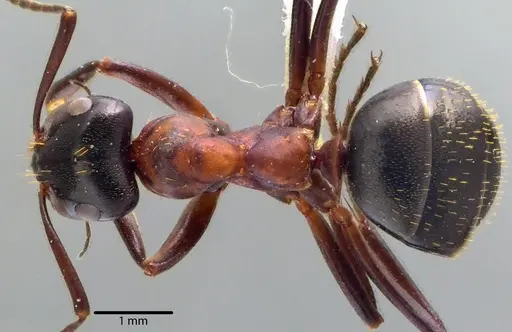
ANTWEB1041668
View on AntWeb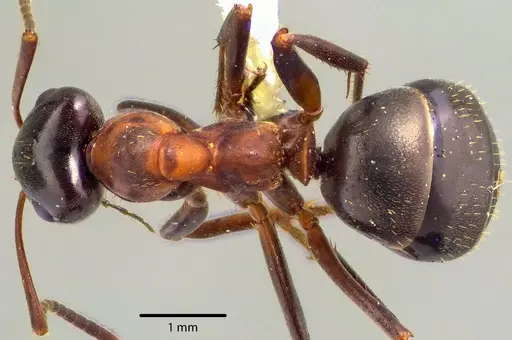
ANTWEB1041731
View on AntWeb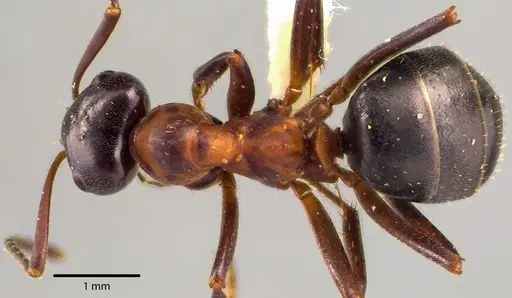
CASENT0102160
View on AntWeb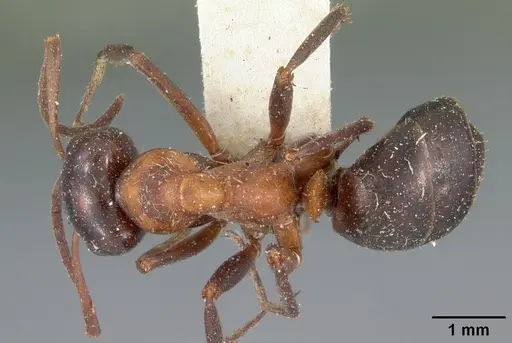
CASENT0179860
View on AntWeb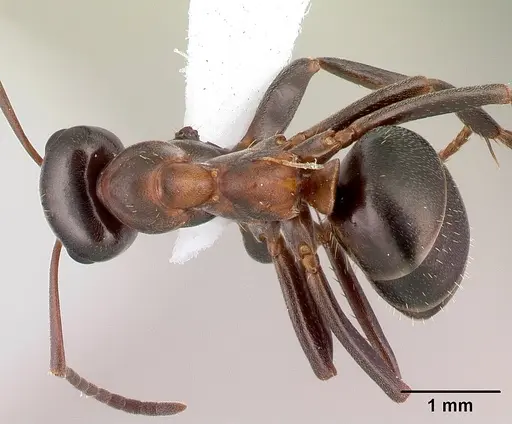
CASENT0280394
View on AntWeb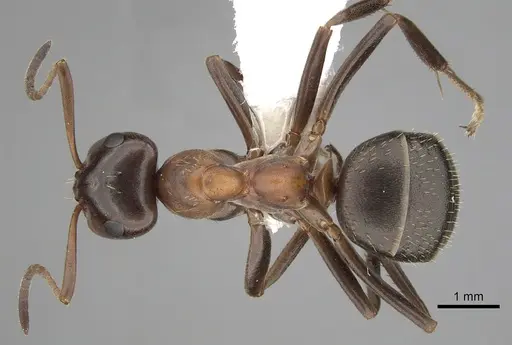
CASENT0914454
View on AntWeb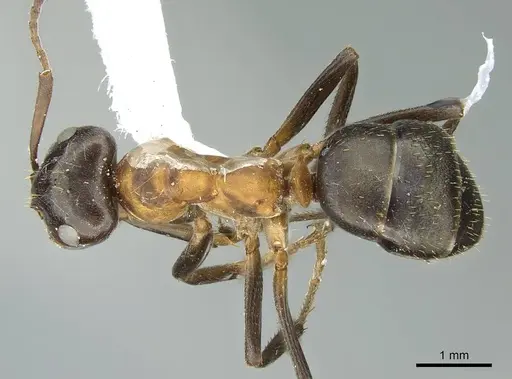
FMNHINS0000062557
View on AntWeb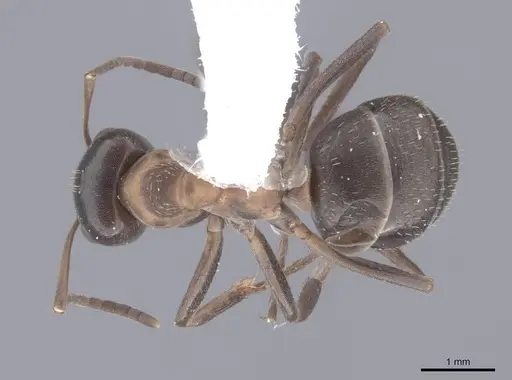
Literature
Loading...Loading products...