Hypoponera opaciceps - ""
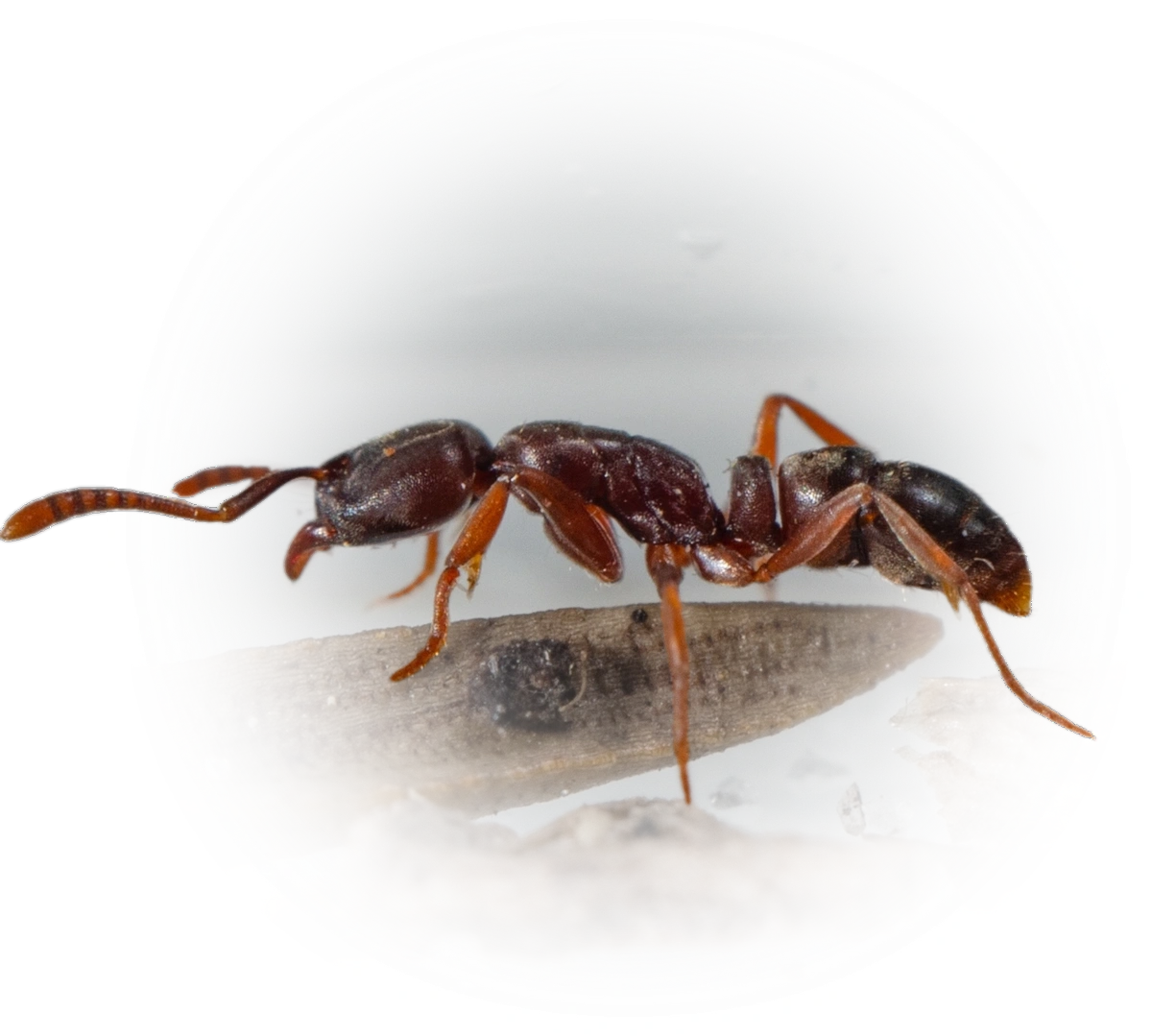
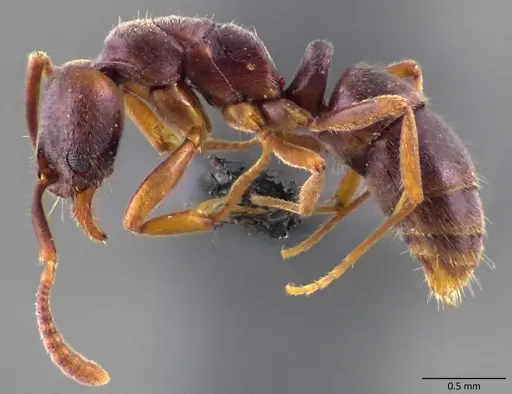
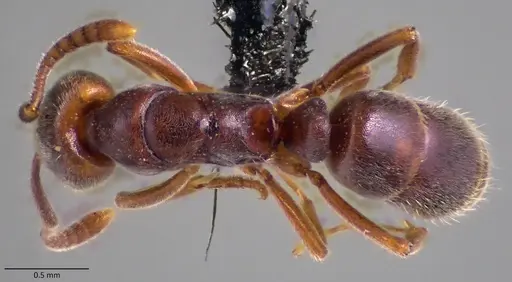
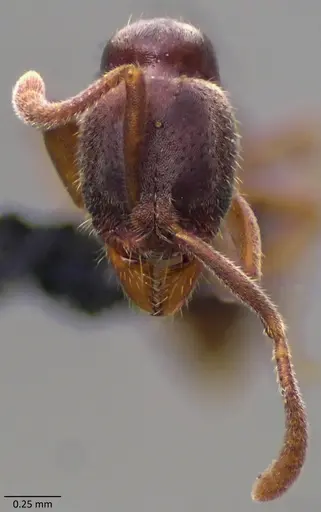
Hypoponera opaciceps is a small, fascinating ant species belonging to the Ponerinae subfamily. These ants typically measure around 2-3 millimeters in length and are characterized by their dark brown to brownish-black bodies, with reddish-brown legs, mandibles, and funiculus. A key identifying feature is their distinctive, dark-colored head, which gives the species its name: 'opaciceps'. They have very small eyes, often with fewer than 5 facets, and their antennal scapes barely extend past the posterior margin of their head. While not often seen foraging openly, these ants are known for their dense, punctate, and opaque body sculpture.
- Difficulty: Medium
- Origin & Habitat: South America (presumably native to much of this range, including Brazil and Uruguay). Widely introduced across Nearctic (e.g., US, including Florida, Louisiana, Mississippi, California, New Mexico), Neotropical, and Pacific Islands regions (e.g., Hawaii, Fiji, French Polynesia, Philippines). in This species is primarily found in tropical and subtropical regions, thriving in warm and humid climates. They typically nest in soil or under rocks, and are commonly found in leaf litter, rotten wood, and within the soil itself. They can be found in a variety of disturbed and undisturbed habitats, including tropical forests, grasslands, open wooded areas, bottomland forests, pine/hardwood forests, and even urban environments and potted plants..
- Colony Type: Monogyne or polygynous with both alate and ergatoid queens possible. While often described as monogyne, some Hypoponera species can be polygynous and polydomous, and Hypoponera opaciceps is known to produce ergatoid males, suggesting complex reproductive strategies. Hawaiian populations are noted to form small colonies with less than 50 workers and can contain multiple queens. It's noted that queens were sometimes not found in nests with aberrant workers that have large compound eyes, similar to a queen's., claustral (though detailed information is limited, many ponerinae ants are semi-claustral or dependent, but reports suggest budding in related species with wingless queens and workers. further research needed for definitive answer on this species.) founding.
- Size & Growth:
- Queen: 3.0-5.0mm
- Worker: 2.0-3.4mm
- Colony: Small (hundreds, typically 100-500 individuals; Hawaiian populations noted with less than 50 workers).. Medium (While specific data for H. opaciceps is limited, the genus Hypoponera generally has a medium growth rate. The Hawaiian populations are described as forming small colonies.) growth.
- Antkeeping:
- Temperature: Warm temperatures are preferred, reflecting their tropical and subtropical origins. A range of 24-28°C is generally suitable. Consistency is key, as extreme fluctuations can stress the colony..
- Humidity: High humidity is crucial for this species, as they typically inhabit areas with high moisture levels. Aim for 70-90% humidity within the nest. Keeping a portion of the substrate damp or providing a humidity gradient is beneficial..
- Diapause: Not required. Not specified at Not specified.
- Nesting: They prefer nesting in natural materials like soil, rotten wood, and leaf litter. In captivity, a naturalistic setup with fine soil or loam substrate, possibly mixed with some decaying wood pieces, would be ideal. Acrylic nests with good humidity retention and a substrate layer could also work. They are known to nest opportunistically in rotting logs, dead stumps, and even in the bases of sawgrass plants..
- Behavior: Low (towards handler, may sting if disturbed) aggressiveness.
- Common Issues: Humidity fluctuations, Lack of suitable substrate for nesting, Difficulty observing due to cryptic nature, Finding suitable food sources given their cryptic foraging behavior.
One interesting aspect of Hypoponera opaciceps is their cryptic nature. These ants are rarely observed foraging in the open and typically prefer to stay within their subterranean or leaf litter nests. This means that keepers might not see their colonies as actively as with more surface-dwelling species. Providing them with an enclosure that mimics their natural dark, humid, and substrate-rich environment will encourage natural behaviors and reduce stress, making observation more challenging but rewarding.
This species is known to be less aggressive towards disturbances compared to many other ant species. However, they do possess a sting, which they may use if severely provoked or disturbed. While not considered highly aggressive, it's always wise for antkeepers to exercise caution when handling the nest or workers, especially if directly interacting with them.
Hypoponera opaciceps are reported to produce ergatoid males, which are worker-like males. This is a fascinating reproductive strategy that is not common across all ant species. In some related Hypoponera species, these ergatoid males mate within the nest, and wingless queens can disperse with workers to found new colonies through budding. While further research on H. opaciceps specifically would be beneficial, this insight suggests a potentially unique colony development pattern that differs from typical nuptial flights.
Their diet in the wild is thought to consist primarily of small arthropods found within leaf mold and soil. They are not known to readily recruit to food baits in the same way many other ant species do, implying they are more specialized predators or scavengers in their microhabitat. Keepers should consider offering a variety of small, soft-bodied insects and potentially other protein sources, placing them directly into the nest or close to the entrance. This might require some experimentation to find their preferred food items.
Frequently Asked Questions
What kind of habitat does Hypoponera opaciceps prefer?
These ants love warm, humid environments. Think tropical forests and grasslands, where they can nest in soil, under rocks, or in rotting wood and leaf litter. They're also quite adaptable and can even be found in urban areas or potted plants.
How big do Hypoponera opaciceps colonies get?
Typically, these are smaller colonies, ranging from a few hundred individuals down to less than 50 workers, as observed in some Hawaiian populations.
Are Hypoponera opaciceps easy to keep for antkeepers?
They are considered a 'Medium' difficulty species. While they aren't overly aggressive, their need for consistent high humidity and their cryptic nature, meaning they stay mostly hidden, can be a bit challenging for new antkeepers to manage and observe.
Do Hypoponera opaciceps sting?
Yes, they do have a sting, but they're not generally aggressive towards keepers. They might sting if they feel threatened or are directly disturbed, so handle with care.
What should I feed my Hypoponera opaciceps colony?
In the wild, they likely prey on small arthropods found in leaf litter. For your colony, try offering small, soft-bodied insects. They aren't known to readily come out for baits, so you might need to place food directly near their nest entrance. Experiment to see what they prefer!
What's unique about Hypoponera opaciceps reproduction?
Interestingly, H. opaciceps can produce 'ergatoid males,' which look more like workers than typical winged males. In some related species, these males mate within the nest, and new colonies can be founded by queens and workers budding off from the main colony, rather than through classic nuptial flights.
What kind of nest is best for Hypoponera opaciceps?
They thrive in nests that mimic their natural environment. A naturalistic setup with fine soil or loam, perhaps with some decaying wood, would be ideal. Acrylic nests that maintain high humidity well and allow for a substrate layer can also work, as long as the humidity is consistently high.
Do they need diapause (hibernation)?
Information on mandatory diapause for Hypoponera opaciceps is limited, but given their tropical and subtropical distribution, a true hibernation period like temperate species is likely not required.
How can I tell the queen from the workers?
The queen is generally slightly larger than the workers, though not dramatically so. In Hypoponera species, queens can be winged (alate) or wingless (ergatoid). Some aberrant workers can also have larger eyes, similar to a queen's, which can make identification tricky.
Are there any specific humidity requirements for Hypoponera opaciceps?
Absolutely! High humidity is critical for Hypoponera opaciceps. Aim for 70-90% humidity within their nest setup. They are found in naturally damp environments, so maintaining this moisture level is vital for their well-being.