

Formica accreta
- Scientific Name
- Formica accreta
- Tribe
- Formicini
- Subfamily
- Formicinae
- Author
- Francoeur, 1973
- Distribution
- Found in 2 countries
Formica accreta Overview
Formica accreta is an ant species of the genus Formica. It is primarily documented in 2 countries , including Canada, United States of America. Detailed taxonomic data and occurrence records can be further explored via authoritative databases such as AntWeb or the Global Biodiversity Information Facility (GBIF).
Formica accreta
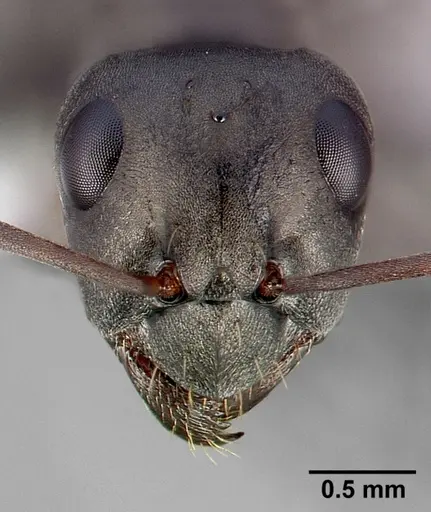
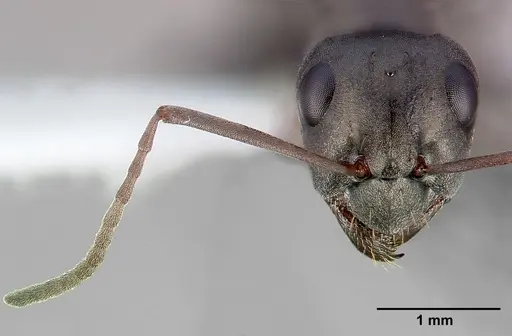
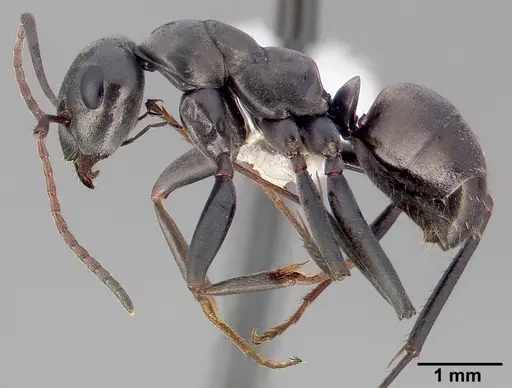
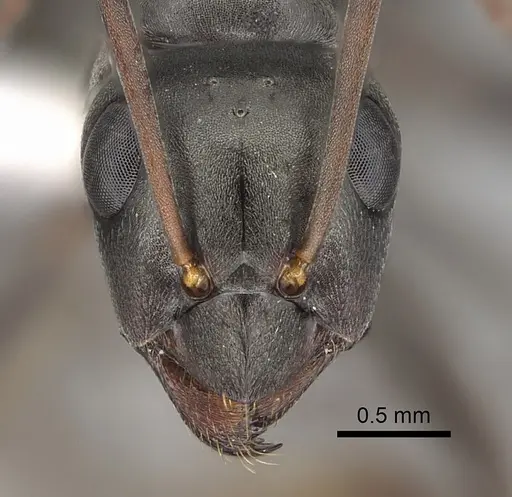
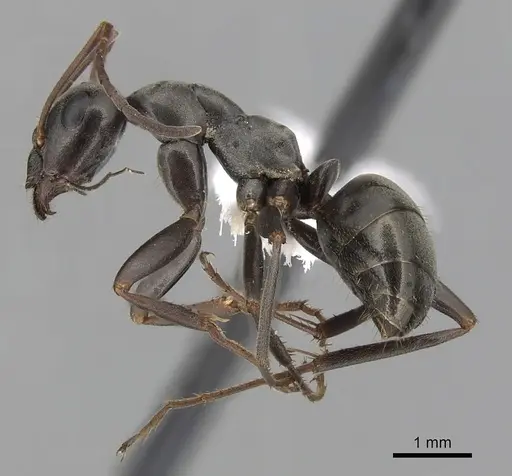
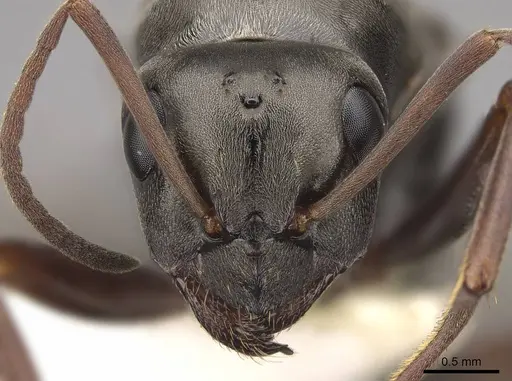
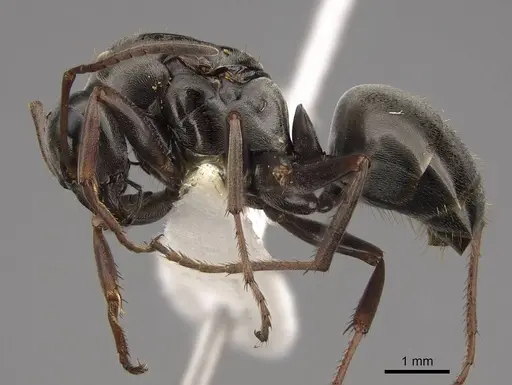
Formica accreta is a medium-sized black ant native to western North America, ranging from British Columbia and Alberta south through California to New Mexico [1]. Workers are typically 4-7mm with a distinctive black coloration, long scapes that extend past the head, and large eyes. The dorsal surfaces have a weakly shining appearance, and the first abdominal segment has only 3-4 short blunt hairs [1]. This species plays an important ecological role as a decomposer, building tunnel networks in woody debris that facilitate decomposition and nutrient release in forest ecosystems [2]. They are also known hosts for the slave-making ant Polyergus breviceps [3].
Quick Summary
- Difficulty: Medium
- Origin & Habitat: Western North America, from British Columbia and Alberta south to California, east to Montana and New Mexico. Found primarily in forest environments, including boreal forests, aspen parkland, and sand hill habitats [4][5][2].
- Colony Type: 1) [6]. The worker caste is weakly polymorphic, meaning workers show only slight variation in size [6].
- Colony: Polygyne
- Founding: Claustral
- Size & Growth:
- Queen: Estimated 7-9mm (typical for Formica fusca group)
- Worker: 4-7mm [1]
- Colony: Likely several thousand workers based on typical Formica colony sizes
- Growth: Moderate, development time varies with temperature as workers' shape varies with environmental gradients [7]
- Development: Estimated 6-8 weeks at optimal temperature based on typical Formica development (Development is temperature-dependent, size increases with temperature [7])
- Antkeeping:
- Temperature: Keep around 20-24°C. This species shows morphological variation with temperature, with size increasing in warmer conditions [7]. A temperature gradient allows ants to self-regulate.
- Humidity: Moderate humidity preferred. In nature they nest in rotting wood and stumps with brown rotted heartwood, which maintains consistent moisture [8][9]. Keep nest substrate moderately moist but not waterlogged.
- Diapause: Yes, as a northern species, colonies require a winter hibernation period. Reduce temperature to around 5-10°C for 3-4 months during winter.
- Nesting: Natural nesting occurs in rotting wood, downed woody debris (DWD), stumps, and large diameter logs with brown rotted heartwood [8][9]. In captivity, a naturalistic setup with wood pieces or a formicarium with wood-based substrate works well. They prefer decaying wood with higher sapwood decay class [8].
- Behavior: Generally non-aggressive for a Formica species. Workers are active foragers that search for food both in the nest area and throughout the outworld. As decomposers, they process woody material and likely tend aphids for honeydew. They are medium-sized ants with moderate escape risk, standard barrier methods like Fluon on smooth surfaces will contain them. Workers can bite but are not particularly aggressive toward keepers.
- Common Issues: Rotting wood nests can mold if kept too wet, monitor moisture levels carefully, Polygynous colonies may have multiple egg-laying queens, which can complicate colony dynamics if you're trying to establish a single-queen colony, As a decomposer species, they need woody material in their setup, pure soil or sand setups are less ideal, Wild-caught colonies may introduce parasites or pathogens that can cause colony losses, Being a northern species, improper hibernation (too warm or too short) can weaken or kill colonies
Nest Preferences and Housing
In the wild, Formica accreta nests exclusively in rotting wood, both downed woody debris (fallen logs and branches) and standing stumps [8][9]. They show a preference for wood with higher sapwood decay class (around 2.9), indicating they favor moderately to well-decomposed wood [8]. The brown rotted heartwood type in large diameter logs is particularly favored [9]. For captive care, provide a naturalistic setup with pieces of decaying wood or a formicarium filled with wood chips/rotted wood material. Avoid completely dry wood as they need some moisture retention. A layer of moist soil beneath the wood pieces helps maintain appropriate humidity. Test tube setups can work for founding colonies but will need to be transitioned to a more naturalistic setup as the colony grows.
Feeding and Diet
Formica accreta is a decomposer species that processes woody material in nature [2]. They likely supplement their diet with honeydew from aphids and small insects, typical for Formica species. In captivity, offer a varied diet including sugar water or honey as an energy source, and protein sources like small insects (fruit flies, small crickets, mealworms). Since they're decomposers, having some decaying wood material in the setup may help simulate their natural foraging behavior. Feed protein 2-3 times per week and keep sugar water available at all times. Remove uneaten prey after 24-48 hours to prevent mold.
Temperature and Seasonal Care
This species shows temperature-dependent morphological variation, workers grow larger in warmer conditions [7]. Keep the nest area at 20-24°C for optimal development and activity. A heating cable on one side of the nest creates a temperature gradient allowing ants to self-regulate. As a northern species ranging into Canada, Formica accreta requires a winter hibernation period. In autumn, gradually reduce temperature to around 5-10°C and maintain this for 3-4 months. Do not feed during hibernation and keep the colony slightly moist (not dry, not wet). Return to room temperature gradually in spring. Proper hibernation is essential for colony health and queen longevity.
Colony Structure and Dynamics
Formica accreta is polygynous, meaning colonies naturally have multiple queens [6]. This is unusual compared to many Formica species and affects how you might house them. The worker caste is weakly polymorphic, showing only slight size variation among workers [6]. In the wild, colonies can be quite large with thousands of workers. If you capture a wild colony, expect multiple queens, this is normal for this species and they typically coexist peacefully. When combining foundress queens, they should be introduced while still in founding stages for best results. The presence of multiple egg-laying queens can lead to faster colony growth initially.
Ecological Role and Defense
Formica accreta plays an important ecological role as a decomposer in forest ecosystems. Their tunnel networks in woody debris facilitate decomposition and nutrient release [2]. They are also a known host species for the socially parasitic slave-making ant Polyergus breviceps, which raids Formica colonies to steal pupae that emerge as slaves [3]. In captivity, this host relationship isn't relevant unless you keep Polyergus, but it explains why F. accreta has evolved defensive behaviors. Workers can bite if threatened but are not particularly aggressive toward humans. They lack a painful sting, though larger Formica species can deliver a mild sting. Standard escape prevention with Fluon on smooth surfaces works well for this medium-sized ant.
Frequently Asked Questions
How long does it take for Formica accreta to produce first workers?
Expect first workers (nanitics) around 6-8 weeks after the queen lays eggs, assuming temperatures around 22-24°C. Development is temperature-dependent, so cooler conditions will slow growth [7].
Can I keep multiple Formica accreta queens together?
Yes, this species is naturally polygynous with multiple queens per colony [6]. Unlike many ants, they don't require queen separation. However, if combining unrelated foundresses, introduce them while still in founding claustral chambers.
What do Formica accreta ants eat?
They need a balanced diet: sugar sources (honey water or sugar water constantly available) and protein (small insects like fruit flies, pinhead crickets, or mealworms 2-3 times weekly). As decomposers, they also benefit from having decaying wood material in their setup.
Do Formica accreta ants need hibernation?
Yes, as a northern species ranging into Canada, they require a winter dormancy period. Reduce temperature to 5-10°C for 3-4 months during winter. Proper hibernation is essential for colony health.
What is the best nest type for Formica accreta?
They naturally nest in rotting wood, so a naturalistic setup with decaying wood pieces or a formicarium with wood-based substrate works best. They prefer wood with moderate decay (brown rotted heartwood) [8][9].
Are Formica accreta ants aggressive or dangerous?
They are not particularly aggressive toward keepers. Workers may bite if handled roughly but pose no real danger to humans. They are medium-sized black ants that can be handled gently without major concerns.
How big do Formica accreta colonies get?
Based on typical Formica species, colonies likely reach several thousand workers. They are polygynous (multiple queens) which supports larger colony sizes.
Why are my Formica accreta dying?
Common causes include: improper hibernation (too warm or too short), excessive moisture causing mold in rotting wood nests, or stress from wild capture. Ensure proper winter dormancy at 5-10°C and monitor substrate moisture carefully.
Are Formica accreta good for beginners?
They are moderate difficulty. While not as challenging as tropical or specialized species, they do require proper hibernation setup and naturalistic housing with rotting wood. Not the easiest choice for a first ant but manageable for those with some experience.
References

This caresheet is licensed under CC BY-SA 4.0 .
CASENT0003046
View on AntWeb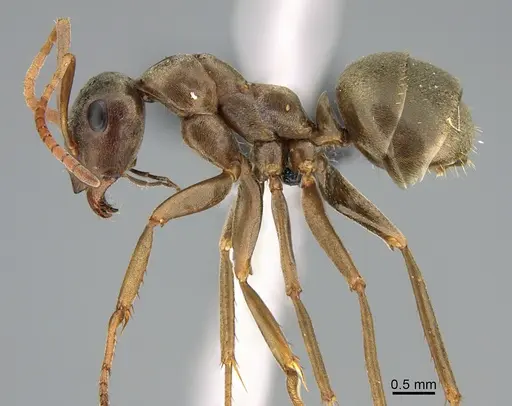
CASENT0005358
View on AntWeb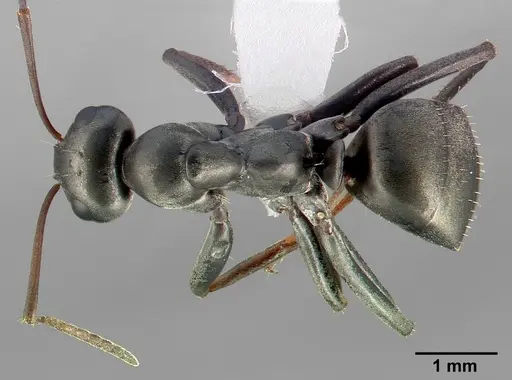
CASENT0280363
View on AntWeb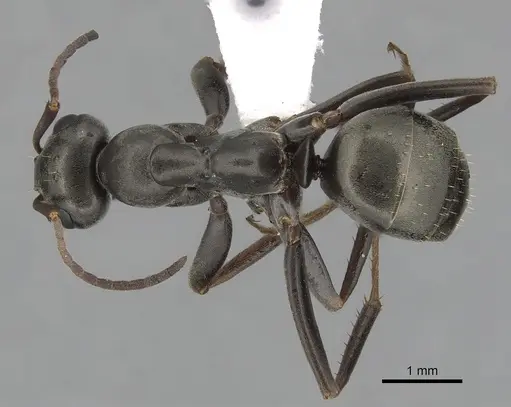
CASENT0843689
View on AntWeb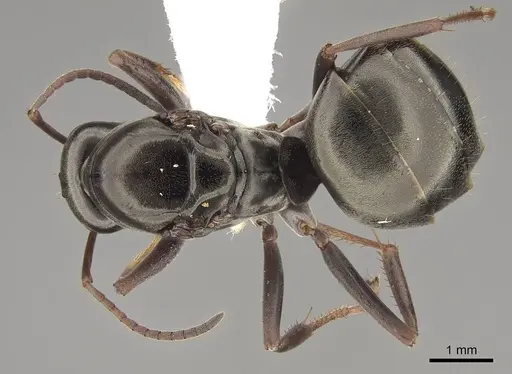
Literature
Loading...Loading products...