

Formica ravida
- Scientific Name
- Formica ravida
- Tribe
- Formicini
- Subfamily
- Formicinae
- Author
- Creighton, 1940
- Common Name
- Isabelline Mound Ant
- Distribution
- Found in 2 countries
Formica ravida Overview
Formica ravida (commonly known as the Isabelline Mound Ant) is an ant species of the genus Formica. It is primarily documented in 2 countries , including Canada, United States of America. Detailed taxonomic data and occurrence records can be further explored via authoritative databases such as AntWeb or the Global Biodiversity Information Facility (GBIF).
Formica ravida - "Isabelline Mound Ant"
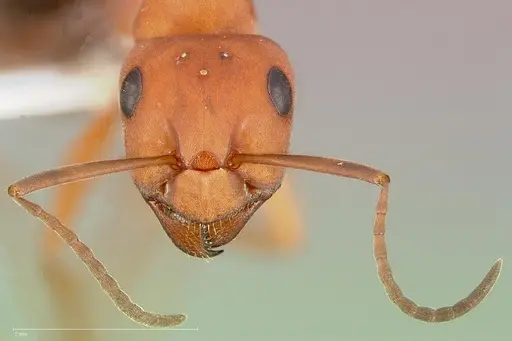
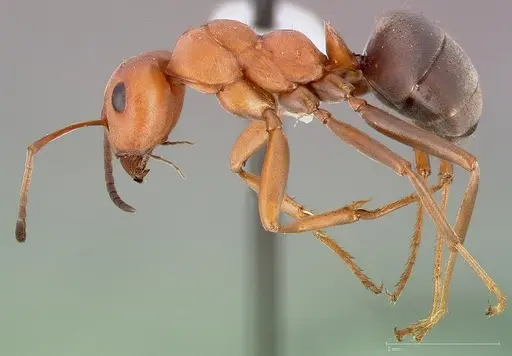
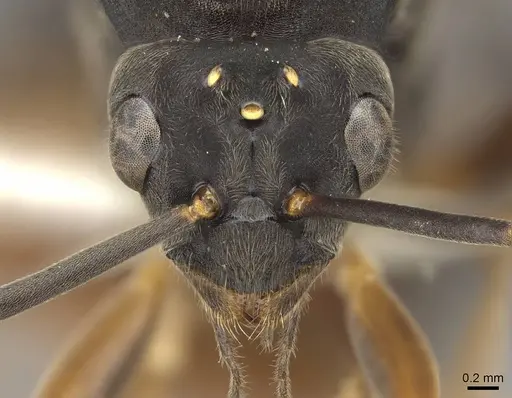
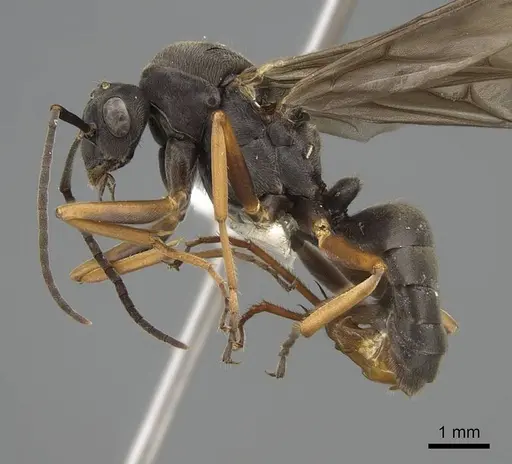
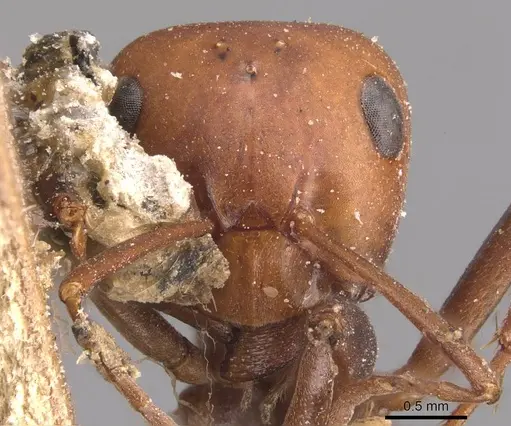
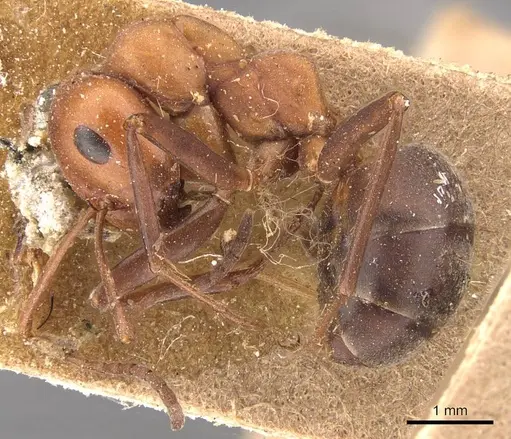
Formica ravida is a large, aggressive ant native to western North America. Workers measure 4-6mm with a distinctive red and black coloration, the head and thorax are deep red while the gaster is black with dense gray pubescence. Queens are significantly larger at 8.5-9mm, showing the pronounced queen-worker dimorphism typical of Formica ants [1]. This species builds characteristic thatch mounds from collected plant material, often found around logs, stumps, or at the base of plants like sagebrush. They are extremely aggressive defenders, capable of squirting formic acid several centimeters, strong enough to cause skin blistering with repeated contact [2].
What makes F. ravida particularly interesting is its lifestyle as a temporary social parasite. The queen invades colonies of other Formica species (specifically the fusca group), kills the host queen, and uses the host workers to raise her first brood before her own workers take over [2]. This parasitic founding method means you cannot simply start a colony from a lone queen, she needs a host colony to succeed.
Quick Summary
- Difficulty: Expert
- Origin & Habitat: Western North America, found across Canada and the United States in diverse habitats ranging from prairies and grasslands to pine forests and pinyon-juniper woodlands [2]. They nest in open areas, typically building thatch mounds that can reach 20cm height and 60cm diameter.
- Colony Type: Temporary social parasite, queens must invade and take over host colonies of Formica fusca group species to establish their colony. Once established, colonies become independent with single queens.
- Colony: Monogyne
- Queen: Temporary parasitic
- Size & Growth:
- Queen: 8.5-9mm [2]
- Worker: 4-6mm [2]
- Colony: Large colonies typical of rufa group, likely thousands of workers
- Growth: Moderate to Fast
- Development: 6-8 weeks (estimated based on Formica genus patterns) (Development time estimated from related Formica species. First workers (nanitics) are raised by host workers before the parasite colony becomes independent.)
- Antkeeping:
- Temperature: Keep at room temperature, around 20-24°C. Western North American species suggests they can tolerate cooler conditions than tropical ants. Provide a temperature gradient if possible.
- Humidity: Moderate humidity around 50-60%. These ants are adaptable to various conditions from prairie to forest habitats.
- Diapause: Yes, as a temperate species, they require a winter hibernation period. Reduce temperature to 5-10°C for 3-4 months during winter.
- Nesting: Thatch-building ant, in captivity they do well in naturalistic setups with soil and plant material for thatching. Y-tong or acrylic nests also work once colonies are established. They need space to build their characteristic mounds.
- Behavior: Extremely aggressive and defensive. Workers will readily bite and spray formic acid when threatened. They are active foragers that tend aphids for honeydew and hunt insects. Colonies can be large and dominant in their habitat. Escape risk is moderate, they are large enough that standard barriers work well, but their aggressive nature means handling requires care.
- Common Issues: temporary social parasitism makes founding extremely difficult, queens require host colonies to establish, formic acid spray can cause skin irritation, handle with care and avoid direct contact with eyes, large colony size requires significant space and resources as colony matures, aggressive temperament makes them difficult to handle and observe directly, winter diapause is essential, failure to hibernate can weaken or kill colonies
Colony Founding and Acquisition
Formica ravida presents a unique challenge for antkeepers due to its temporary social parasitic lifestyle. Unlike most ants where you can start a colony with a single mated queen, F. ravida queens cannot establish colonies independently. The queen must find and invade an established colony of Formica fusca group species, kill or replace the host queen, and use the host workers to raise her first brood [2].
This means the most practical approach for keeping this species is to acquire an already-established colony rather than attempting to found one from scratch. If you obtain a queen, you would need to introduce her to a host colony (typically F. fusca or related species) and hope she successfully integrates, a process with uncertain outcomes. Most antkeepers interested in this species obtain established colonies or colony fragments.
Once established, the parasite queen's workers gradually replace the host workers, and the colony becomes a pure F. ravida colony. This transition can take several months to a year.
Housing and Nest Setup
These ants are versatile in their nesting preferences. In the wild, they build characteristic thatch mounds from collected plant debris, grass, and pine needles around the base of logs, stumps, or plants. Mounds can reach 60cm in diameter and 20cm height with multiple entrances [2].
For captivity, you have several options. A naturalistic setup with a soil chamber and available plant material allows them to build thatch, this most closely mimics their natural behavior and is recommended if you want to observe their interesting mound-building activities. Use a deep substrate (at least 10-15cm) with materials like dried grass, moss, or pine needles for thatching.
Alternatively, Y-tong (acrylic) nests work well for established colonies. These provide good visibility and humidity control. Because they are a larger species, they do well with chambers sized appropriately for 4-6mm workers. Always provide an outworld for foraging, these are active ants that need space to hunt and forage.
Feeding and Diet
Formica ravida is a generalist predator with a strong preference for honeydew from aphids. In the wild, they tend various aphid species and benefit from the mutualistic relationship, the ants protect aphids while collecting their sweet honeydew secretions [3]. They are also active predators, hunting insects and other small invertebrates.
In captivity, provide a varied diet. Protein sources should include live or frozen insects like fruit flies, small crickets, mealworms, and waxworms. Offer these 2-3 times per week for established colonies. Sugar sources are important given their association with aphids, offer sugar water, honey, or diluted honey water in a shallow dish. Change these sugar sources every few days to prevent fermentation.
Because they are adapted to tending aphids, they may show strong interest in sugar solutions. You can also offer small pieces of fruit. Always ensure fresh water is available, these active ants consume significant amounts, especially when maintaining large colonies.
Temperature and Seasonal Care
As a western North American species found from prairies to pine forests, Formica ravida adapts to various temperatures but prefers moderate conditions. Room temperature in the range of 20-24°C is ideal for active colonies. They can tolerate temperatures as low as 15°C without issue and may become less active at cooler temperatures.
Winter diapause is essential for this temperate species. Reduce temperatures to 5-10°C for 3-4 months during winter (typically November through February in the Northern Hemisphere). During this period, reduce food offerings but ensure some moisture is available. Do not feed during deep hibernation.
If you use heating, apply it to one side of the nest to create a temperature gradient. This allows ants to choose their preferred temperature. Avoid heating the entire nest uniformly, and never exceed 28°C. Place heating on top of acrylic nests rather than underneath to prevent moisture evaporation issues. [2]
Behavior and Defense
Formica ravida is notoriously aggressive and defensive of its nest. Workers will readily attack threats, biting with their mandibles and simultaneously squirting formic acid from their gaster. This formic acid spray can reach several centimeters and is strong enough to cause skin blistering with repeated exposure [2].
When working with this species, wear gloves and protect your eyes. Even calm-looking colonies can suddenly erupt in defensive aggression when their nest is disturbed. This aggressive temperament also means they are not suitable for observing directly without protective measures, they will readily swarm and attack.
Despite their aggression toward threats, they are efficient foragers and interesting to observe when they are out hunting or tending aphids. They use chemical trails to guide nestmates to food sources, and you'll see coordinated foraging efforts once a food discovery is made.
Growth and Development
After the parasitic queen successfully integrates with a host colony, brood development follows typical Formica patterns. Eggs develop through larval stages to pupae, with the entire process taking approximately 6-8 weeks at optimal temperatures (around 22-24°C). The first workers raised by host workers (nanitics) are typically smaller than normal workers.
Once the colony establishes its own worker force, growth can be relatively rapid. Large, established colonies can contain thousands of workers. The queen continues laying eggs throughout the year (though reduced during diapause), and colony growth depends on available resources and seasonal conditions.
Mature colonies produce sexuals (alates, winged males and queens) for nuptial flights. These typically occur during warm summer months. If you maintain a large, healthy colony, you may observe alates developing in the nest. [2]
Frequently Asked Questions
How do I start a Formica ravida colony?
Starting a colony is challenging because F. ravida is a temporary social parasite. Unlike most ants, a lone queen cannot found a colony independently, she must invade and take over a host colony of Formica fusca group species. The most practical approach is to obtain an already-established colony. If you acquire a queen, you would need to introduce her to a host colony, but success is uncertain.
What do Formica ravida ants eat?
They are generalist predators with a strong preference for honeydew. Feed protein (live or frozen insects like fruit flies, small crickets, mealworms) 2-3 times per week. Also provide sugar sources, sugar water, honey, or diluted honey water should be available constantly. They will also accept small fruit pieces.
What temperature do Formica ravida ants need?
Keep them at room temperature, around 20-24°C. They can tolerate cooler conditions down to 15°C. A temperature gradient is ideal, allow them to choose their preferred spot. During winter, they require a 3-4 month diapause at 5-10°C.
Are Formica ravida good for beginners?
No. This species is considered expert-level due to several challenges: their temporary social parasitic founding method makes starting colonies extremely difficult, their aggressive defense with formic acid spray requires careful handling, and their large colony size demands significant space and resources. They are best suited for experienced antkeepers.
How big do Formica ravida colonies get?
As members of the rufa group, they form large colonies with thousands of workers. Mature colonies can be quite substantial, with the characteristic thatch mounds in the wild reaching 60cm diameter.
Do Formica ravida need hibernation?
Yes. As a temperate species from western North America, they require a winter diapause. Reduce temperatures to 5-10°C for 3-4 months during winter (typically November-February). Failure to provide proper hibernation can weaken or kill the colony.
What type of nest is best for Formica ravida?
Naturalistic setups with deep soil (10-15cm) and plant material for thatching most closely mimic their natural behavior. Y-tong or acrylic nests also work well for established colonies. They need an outworld for foraging as they are active hunters.
Why are my Formica ravida dying?
Common causes include: improper founding (queen needs host colony), insufficient protein leading to starvation, incorrect humidity (too dry or too wet), failure to provide winter diapause, or stress from excessive disturbance. Their formic acid defense can also cause self-injury if colonies are kept in poorly ventilated enclosures.
Can I keep multiple queens together?
No. After colony establishment, F. ravida is monogyne (single queen). Multiple unrelated queens will fight. The parasitic founding process involves one queen taking over a host colony, this is not the same as pleometrosis (multiple queens founding together).
References

This caresheet is licensed under CC BY-SA 4.0 .
CASENT0005251
View on AntWeb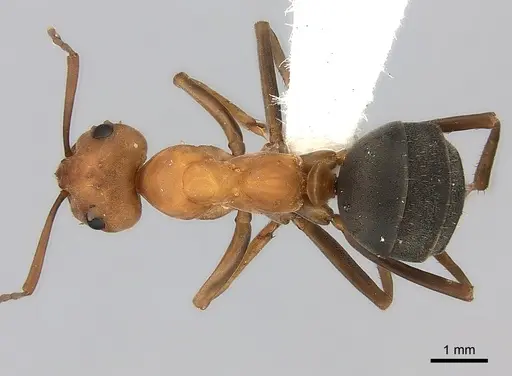
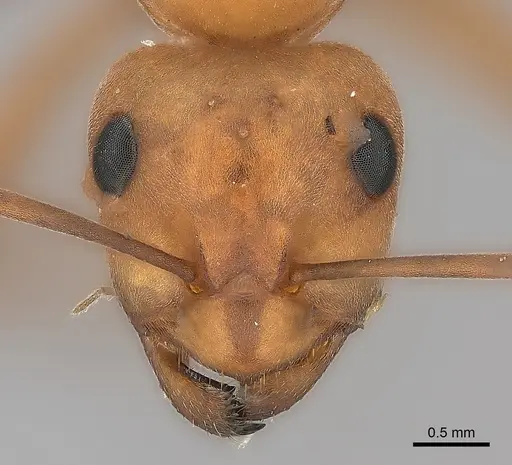
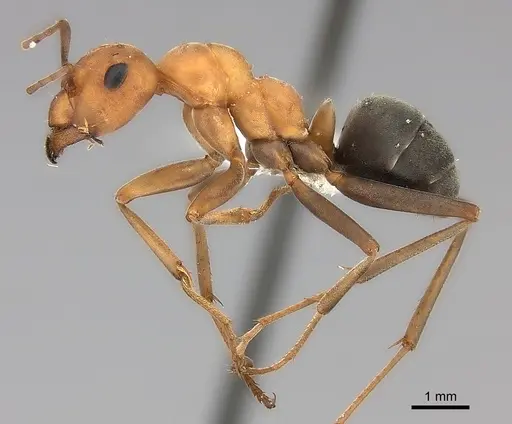
CASENT0005393
View on AntWeb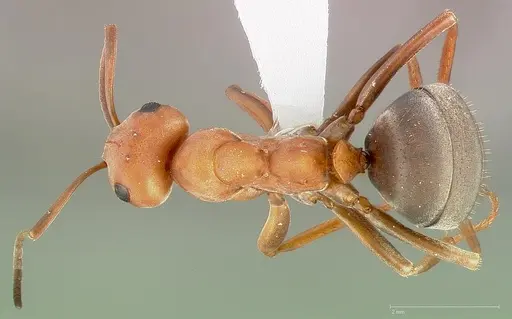
CASENT0280405
View on AntWeb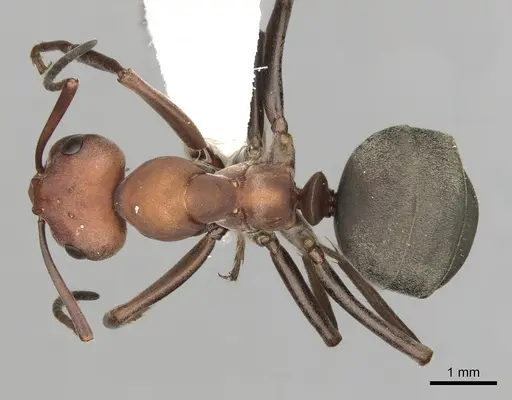
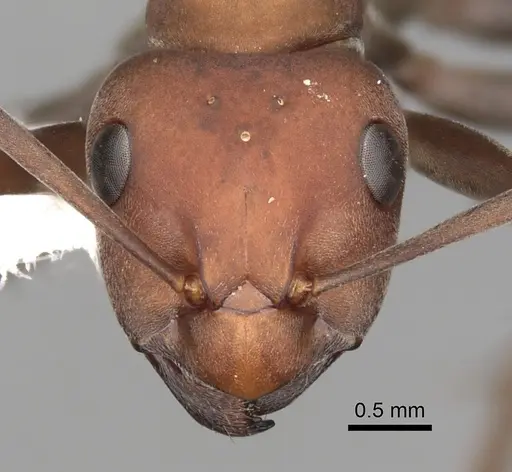
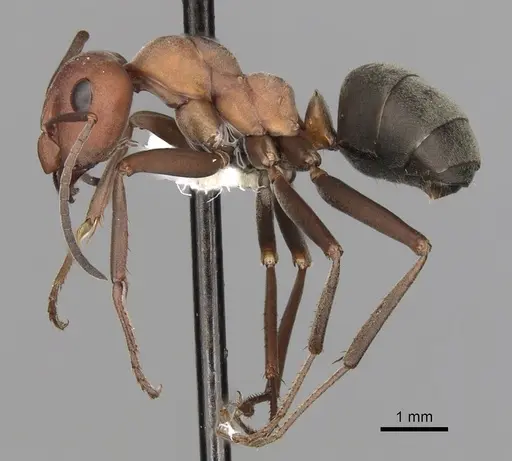
CASENT0842042
View on AntWeb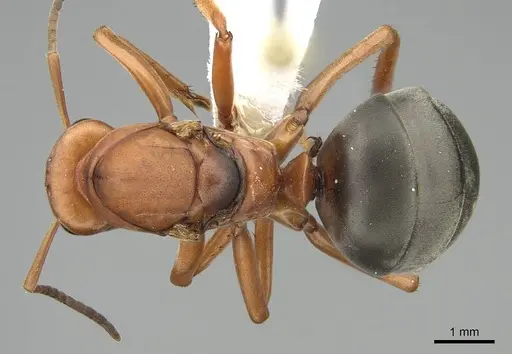
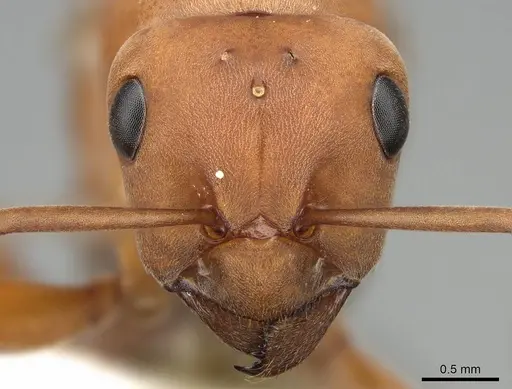
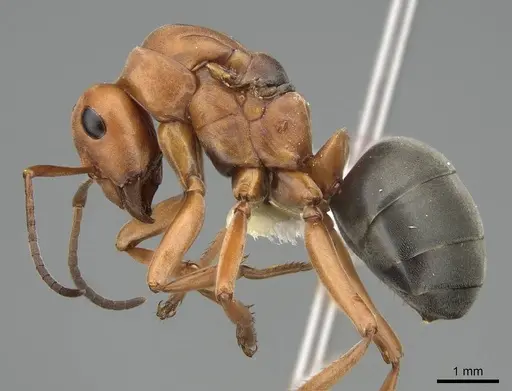
CASENT0843936
View on AntWeb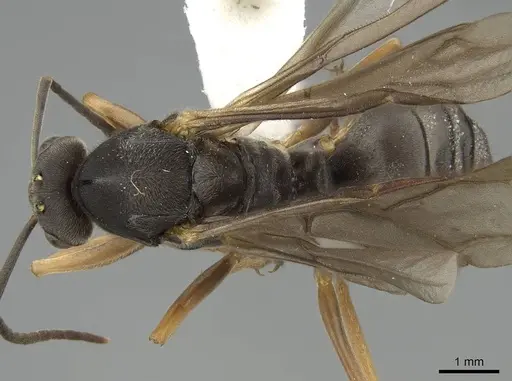
CASENT0905700
View on AntWeb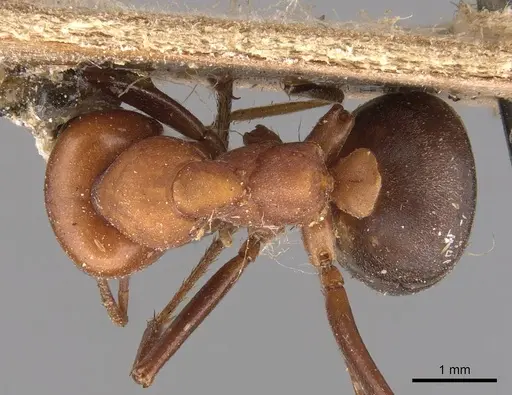
Literature
Loading...Loading products...