

Formica sinensis
- Scientific Name
- Formica sinensis
- Tribe
- Formicini
- Subfamily
- Formicinae
- Author
- Wheeler, 1913
- Distribution
- Found in 1 countries
Formica sinensis Overview
Formica sinensis is an ant species of the genus Formica. It is primarily documented in 1 countries , including China. Detailed taxonomic data and occurrence records can be further explored via authoritative databases such as AntWeb or the Global Biodiversity Information Facility (GBIF).
Formica sinensis
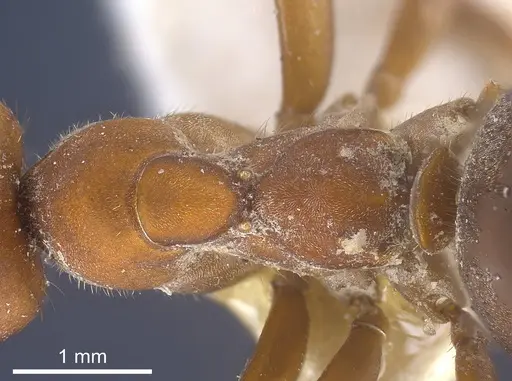
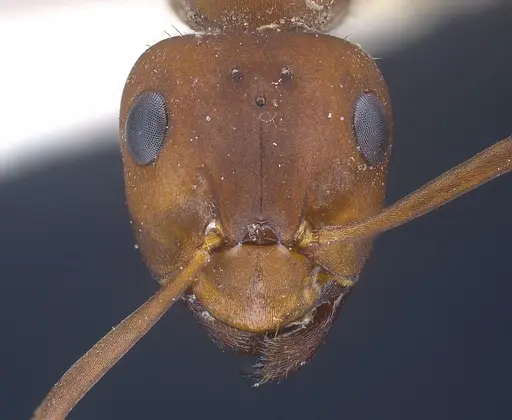
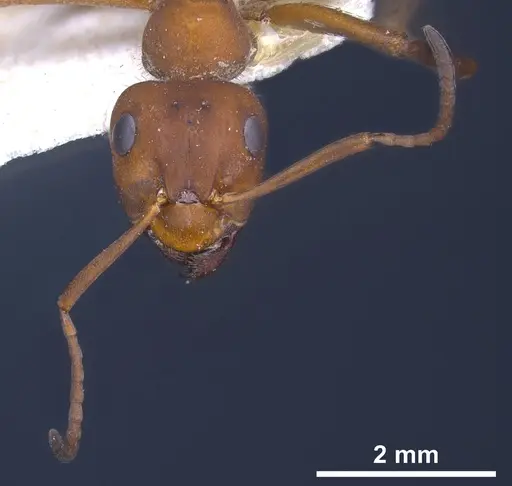
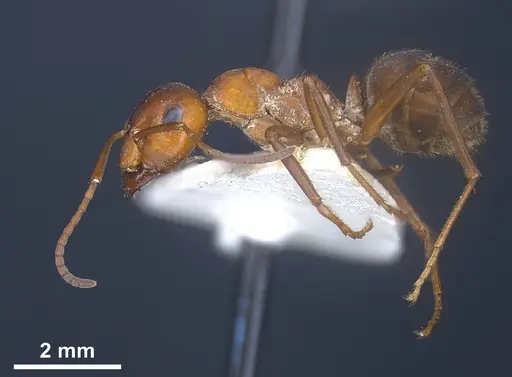
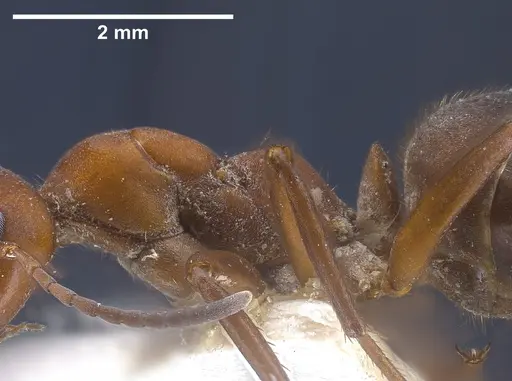
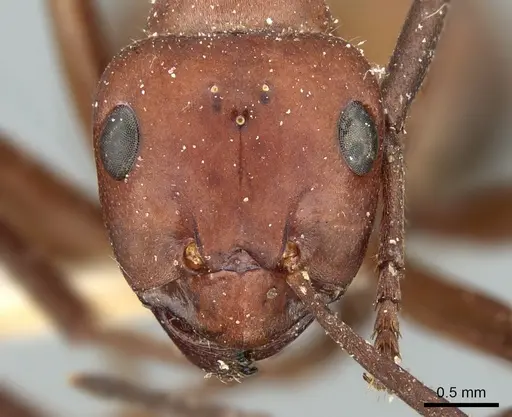
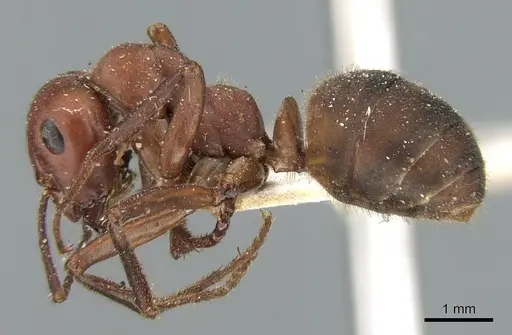
Formica sinensis is a medium-sized ant native to China, belonging to the Formica rufa group (the red wood ants). Workers measure 6-7mm with an elongated head and notably long, slender antennae. The body is relatively bright compared to related species, with dense pubescence on the frontal triangle. This ant is endemic to China, found in high-altitude regions across Qinghai, Gansu, Sichuan, Chongqing, and Jilin provinces at elevations ranging from 560m to over 3300m [1]. The species is closely related to Formica truncorum, F. polyctena, and F. aquilonia, forming a distinct phylogenetic lineage within the rufa group [2][3].
Quick Summary
- Difficulty: Medium
- Origin & Habitat: Endemic to central and western China, specifically found in high mountain coniferous and mixed forests at elevations between 560-3400m. In Sichuan province, they inhabit conifer-broadleaf forests and nest under stones or in soil at ground level [4][5].
- Colony Type: Likely single-queen (monogyne) colonies based on typical Formica rufa group patterns. Colony size likely reaches several thousand workers given the species is in the rufa group which typically forms large colonies.
- Colony: Monogyne
- Founding: Claustral
- Size & Growth:
- Queen: Approximately 7-8mm (estimated from mean CS 2192 µm = 2.19mm, for Formica, CS 2192 µm suggests ~7-8mm total length) [1]
- Worker: 6-7mm (mean CS 1783 µm = 1.78mm suggests ~6-7mm total length) [1]
- Colony: Likely several thousand workers, typical for Formica rufa group species [1]
- Growth: Moderate, typical for Formica genus
- Development: Approximately 6-8 weeks at optimal temperature, based on typical Formica rufa group development [1] (Development time inferred from related Formica species, exact timeline unconfirmed for this specific species)
- Antkeeping:
- Temperature: Keep around 20-24°C. Given their high-altitude habitat in Sichuan (2056-2554m) and Qinghai/Gansu (2480m average), they prefer cooler conditions than many tropical ants. Room temperature is likely suitable, with a slight gradient if needed [4]
- Humidity: Moderate humidity preferred. In their natural habitat (conifer-broadleaf forests at high elevation), they experience moderate moisture. Keep nest substrate moist but not waterlogged, with some drier areas available [4]
- Diapause: Yes, required. As a high-altitude Chinese species, they need a winter dormancy period. Provide 3-4 months of cold conditions around 5-10°C during winter [5]
- Nesting: In captivity, standard formicarium setups work well. In the wild, they nest under stones and in soil at ground level [4]. Y-tong nests, plaster nests, or naturalistic setups with soil and stones all work. Provide a water tube for humidity.
- Behavior: Workers are active foragers, searching for food on plants, ground surfaces, and within soil [4]. They are likely moderately aggressive when defending the colony, typical of Formica rufa group ants. Workers can deliver a moderately painful sting. Escape risk is moderate, they are not tiny ants but can climb well. Ensure formicarium barriers are secure. They likely show typical Formica behavior of forming prominent mound nests in the wild.
- Common Issues: High elevation origin means they need cooler temperatures, avoid overheating, Winter diapause is essential for colony health, skipping hibernation can cause problems, As a large colony species, they need adequate space as they grow, Wild-caught colonies may have parasites, quarantine and monitor, Escape prevention needed though not as critical as for tiny ants
Housing and Nest Setup
Formica sinensis does well in standard formicarium setups. In the wild, they nest under stones and in soil at ground level, so a naturalistic setup with a soil chamber works well [4]. Y-tong (acrylic) nests or plaster nests are also suitable. Provide a water tube or hydration system to maintain moderate humidity. Since they come from high elevations, avoid overheating, room temperature is typically ideal. The colony will need space to expand as it grows, so plan for a larger setup than you might need for smaller ants. Outworld space is important for foraging, these ants actively search for food across multiple areas.
Feeding and Diet
Like other Formica rufa group ants, Formica sinensis is a generalist forager. They collect honeydew from aphids and other insects, hunt small invertebrates, and will accept nectar. In captivity, offer a varied diet: sugar water or honey as an energy source, and protein sources like mealworms, crickets, or other small insects. Feed protein 2-3 times per week and keep sugar water available constantly. Remove uneaten prey after 24-48 hours to prevent mold. Given their high-altitude origin, they may have seasonal food availability patterns in the wild, consider varying diet intensity seasonally. [4]
Temperature and Seasonal Care
This species prefers cooler temperatures than many common ant pets. Keep the nest area around 20-24°C, which is typical room temperature in most homes. They naturally occur at high elevations (up to 3300m in Sichuan) where temperatures are cooler [1]. Avoid placing the formicarium in direct sunlight or near heat sources. During winter, provide a diapause period of 3-4 months at 5-10°C, this is essential for colony health. The cooling period mimics their natural high-altitude seasonal cycle. Reduce feeding during diapause and keep the colony in a cool location like an unheated garage or refrigerator (if safe and pest-free).
Colony Development
Formica sinensis is a large, long-lived species. The queen is relatively large (estimated 7-8mm), which supports claustral founding where she seals herself in a chamber and raises the first workers alone on stored body fat. Development from egg to worker likely takes 6-8 weeks at optimal temperature, similar to other Formica rufa group species. The first workers (nanitics) will be smaller than mature workers. Growth rate is moderate, colonies build up over several years to several thousand workers. Be patient during the founding phase, queen ants can take time to lay their first eggs and raise the initial brood. [1]
Behavior and Defense
Workers are active foragers that search for food on plants, ground surfaces, and can even forage within soil [4]. They are moderately aggressive when defending the colony, typical of the Formica rufa group. Workers have a functional sting and can deliver a moderately painful sting if handled roughly or if the colony is threatened. They are not typically aggressive toward keepers but will defend if provoked. Escape risk is moderate, they are good climbers but not tiny enough to squeeze through typical formicarium barriers. Still, use standard escape precautions. In the wild, these ants often build prominent mound nests.
Frequently Asked Questions
How long does it take for Formica sinensis to have first workers?
Expect first workers (nanitics) in about 6-8 weeks after the queen lays eggs, at optimal temperature around 20-24°C. This is typical for Formica rufa group species. The exact timeline can vary based on temperature and feeding.
Do Formica sinensis ants need hibernation?
Yes, they require a winter diapause. As a high-altitude species from China, provide 3-4 months of cold conditions (5-10°C) during winter. Skip hibernation only if you can replicate their natural seasonal cycle perfectly, which is difficult. Without proper dormancy, colony health may decline over time.
What temperature is best for Formica sinensis?
Keep them around 20-24°C. They naturally live at high elevations where temperatures are cooler, so avoid overheating. Room temperature is typically ideal. They can tolerate slightly cooler conditions better than many tropical ant species.
How big do Formica sinensis colonies get?
Based on their position in the Formica rufa group, colonies likely reach several thousand workers over several years. They are large, long-lived colonies typical of red wood ants.
Can I keep multiple Formica sinensis queens together?
Not recommended. Formica sinensis is likely monogyne (single-queen), and combining unrelated queens typically leads to fighting. Only keep one queen per colony unless you have specific guidance from research on this species.
What do Formica sinensis eat?
They are generalist foragers. Offer sugar water or honey for energy, and protein sources like mealworms, crickets, or other small insects. Feed protein 2-3 times per week with sugar constantly available. They also collect honeydew in the wild.
Are Formica sinensis good for beginners?
They are intermediate in difficulty. They have specific temperature needs (prefer cooler conditions) and require hibernation, which adds complexity. If you have experience with other Formica species and can provide proper seasonal care, they are manageable. Not the best choice for a first ant but suitable for committed beginners.
References

This caresheet is licensed under CC BY-SA 4.0 .
ANTWEB1041264
View on AntWeb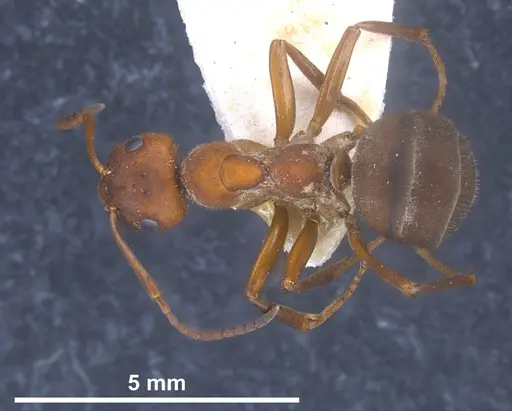
CASENT0906319
View on AntWeb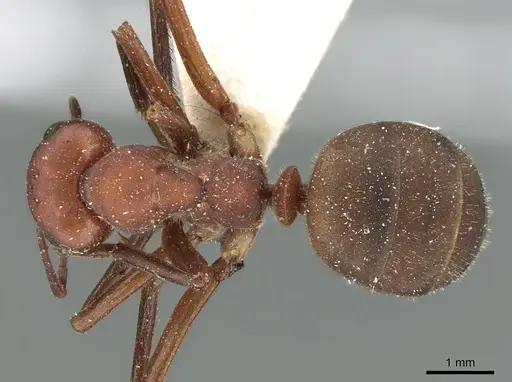
Literature
Loading...Loading products...