

Formica retecta
- Scientific Name
- Formica retecta
- Tribe
- Formicini
- Subfamily
- Formicinae
- Author
- Francoeur, 1973
- Distribution
- Found in 2 countries
Formica retecta Overview
Formica retecta is an ant species of the genus Formica. It is primarily documented in 2 countries , including Honduras, Mexico. Detailed taxonomic data and occurrence records can be further explored via authoritative databases such as AntWeb or the Global Biodiversity Information Facility (GBIF).
Formica retecta
Formica retecta is a small to medium-sized ant species native to the Neotropical region, specifically found in Honduras and central to southern Mexico [1]. Workers and queens were originally described by Francoeur in 1973 from Mexican specimens [1]. The genus Formica is known for being active foragers that often tend honeydew-producing insects and hunt small prey. This species represents one of the more southern-ranging Formica species, occurring in warmer Neotropical habitats rather than the temperate regions where most Formica are found.
Quick Summary
- Difficulty: Unknown, limited captive care data available
- Origin & Habitat: Native to Honduras and central-southern Mexico, specifically recorded in Guerrero, Jalisco, and Tlaxcala states [2]. Found in Neotropical habitats ranging from tropical to subtropical zones.
- Colony Type: Colony structure is unconfirmed for this species. Most Formica species are single-queen (monogyne) colonies, but this has not been documented for F. retecta specifically.
- Size & Growth:
- Queen: Undocumented in primary literature, estimated based on typical Formica dimensions (8-12mm)
- Worker: Undocumented in primary literature, estimated based on typical Formica dimensions (4-7mm)
- Colony: Unknown for this species
- Growth: Unknown
- Development: Unconfirmed, estimated 6-10 weeks based on typical Formica development at warm temperatures (Development time is unconfirmed for this species. Related Formica species in warm climates typically develop faster than temperate species.)
- Antkeeping:
- Temperature: Keep at 24-28°C initially, this species occurs in warmer Neotropical latitudes and likely prefers higher temperatures than temperate Formica species [3]. Adjust based on colony activity.
- Humidity: Provide moderate humidity with a moisture gradient. Neotropical species typically prefer 50-70% humidity with access to both moist and drier areas.
- Diapause: Likely reduced or absent, this is a Neotropical species from warm latitudes. However, a brief cool period during winter months may be beneficial if the colony shows signs of slowing.
- Nesting: Natural nesting preferences are unconfirmed. Most Formica species nest in soil, under stones, or in rotting wood. A test tube setup or Y-tong nest with moderate moisture works as a starting point.
- Behavior: Behavior is unconfirmed for this species. Most Formica are active foragers that readily hunt small prey and tend honeydew-producing insects. They are typically not aggressive toward keepers but will defend their nest. Escape risk is moderate, use standard barrier methods.
- Common Issues: limited species-specific care information makes proper husbandry challenging, natural colony size and structure are unknown, making it difficult to plan for colony growth, diet preferences are unconfirmed, start with standard Formica foods and observe acceptance, temperature requirements are estimated from related species rather than documented for this specific ant, wild-caught colonies may have parasites or diseases that are difficult to identify and treat
Species Overview and Identification
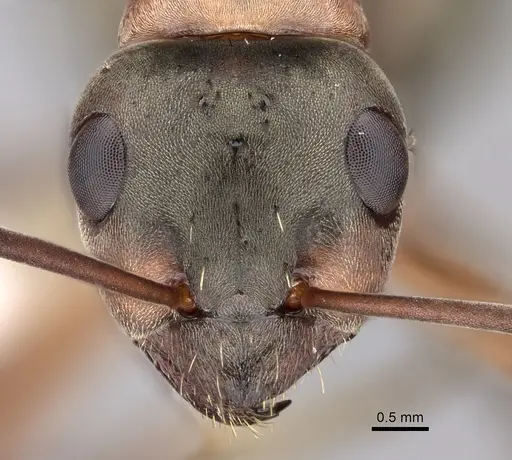
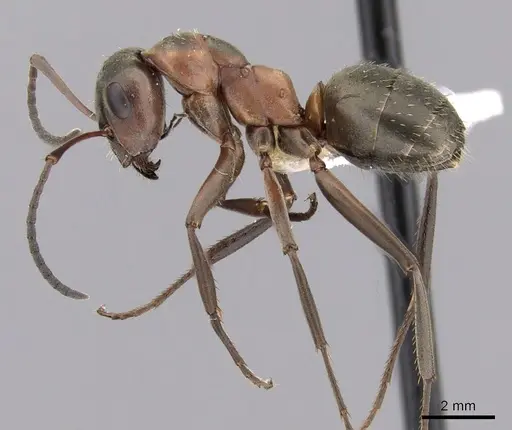
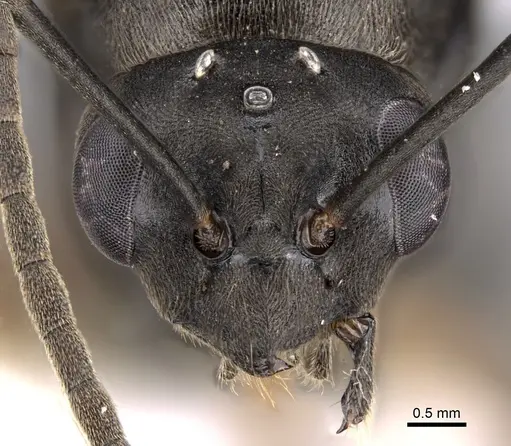
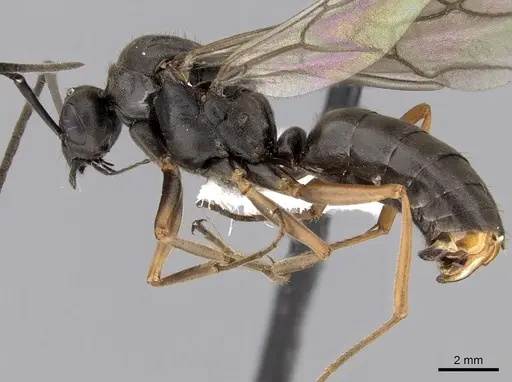
Formica retecta is a Neotropical ant species described by Francoeur in 1973 from specimens collected in Mexico. The species is part of the Formicinae subfamily and Formicini tribe, which includes many of the familiar mound-building ants in temperate regions. However, F. retecta represents one of the more southern-ranging species in the genus, adapted to warmer Central American climates. The specific identification features were illustrated in the original description by Francoeur (1973), showing worker and queen morphology. This species remains poorly studied in the scientific literature, with most records coming from Mexican state surveys. [2][1]
Distribution and Habitat
Formica retecta is found in the Neotropical region, specifically in Honduras and central to southern Mexico. In Mexico, it has been recorded in Guerrero, Jalisco, and Tlaxcala states [2]. This distribution covers areas with warm subtropical to tropical climates, generally at elevations ranging from mid to high altitudes in central Mexican highlands. The species appears to prefer these warmer Neotropical latitudes rather than the cooler temperate zones where many Formica species thrive.
Temperature and Thermal Requirements
While direct thermal requirements are unconfirmed for F. retecta, research on related Formica species shows that size and development are influenced by temperature [3]. This Neotropical species likely prefers warmer conditions than temperate Formica species, aim for 24-28°C as a starting point. Observe your colony's behavior: if workers are active and foraging consistently, the temperature is likely suitable. If they cluster together and show reduced activity, consider slightly increasing warmth. Unlike temperate Formica that require distinct hibernation periods, this species may only need a minor temperature reduction during winter months.
Feeding and Nutrition
The specific diet of Formica retecta has not been documented in scientific literature. As a Formica species, it likely follows the general genus pattern of being an omnivorous forager that consumes honeydew from aphids and scale insects, hunts small insects and arthropods, and will accept sugar sources. Start with standard Formica husbandry: provide a constant sugar source (honey water or sugar water) and offer protein foods such as small insects (fruit flies, small crickets, mealworms). Observe your colony's acceptance of different foods and adjust accordingly. Due to the species' Neotropical origin, it may have slightly different dietary preferences than temperate Formica species.
Colony Structure and Development
The colony structure of Formica retecta has not been documented in scientific literature. Most Formica species form single-queen (monogyne) colonies, though some can have multiple queens (polygyne). Without specific data for this species, assume single-queen colony structure until observed otherwise. Similarly, founding behavior is unconfirmed, most Formica queens are claustral, sealing themselves in a chamber and raising their first workers on stored fat reserves. The development timeline from egg to worker is estimated at 6-10 weeks based on related Formica species in warm climates, but this has not been directly measured for F. retecta.
Housing and Nesting
Natural nesting preferences for Formica retecta are unconfirmed. Most Formica species nest in soil, under stones, or in rotting wood in nature. For captive care, start with standard setups: a test tube setup for founding colonies works well, with a moisture reservoir to maintain moderate humidity. Once the colony reaches 20-30 workers, you can consider moving to a Y-tong (acrylic) nest or a naturalistic setup with soil and hiding structures. Provide a moisture gradient so ants can choose their preferred humidity zone. Ensure adequate ventilation to prevent mold while maintaining appropriate humidity levels.
Frequently Asked Questions
How long does it take for Formica retecta to produce first workers?
The exact development timeline is unconfirmed for this species. Based on related Formica species in warm climates, expect approximately 6-10 weeks from egg to first worker at optimal temperatures (24-28°C). This is an estimate, actual timing may vary.
What temperature should I keep Formica retecta at?
Start with 24-28°C. This species is from warm Neotropical latitudes in Mexico and Honduras, so it likely prefers higher temperatures than typical temperate Formica species. Adjust based on colony activity, active foragers indicate suitable temperatures.
Is Formica retecta a good species for beginners?
This species is not recommended for beginners due to limited species-specific care information. The lack of documented husbandry details means you may encounter challenges that more commonly kept species do not present. Consider starting with better-documented Formica species like Formica fusca or Formica rufa if you are new to ant keeping.
What do Formica retecta ants eat?
Specific dietary preferences are unconfirmed, but like most Formica species, they likely accept sugar sources (honey water, sugar water) and protein from small insects. Start with standard Formica foods and observe what your colony accepts best.
How big do Formica retecta colonies get?
Colony size is unknown for this species. Most Formica colonies can reach several thousand workers, but without specific data for F. retecta, we cannot provide accurate estimates.
Does Formica retecta need hibernation?
Likely no or only minimal hibernation required. This is a Neotropical species from warm latitudes in Mexico and Honduras. A slight temperature reduction during winter months may be beneficial if the colony naturally slows, but distinct hibernation is probably not necessary.
Can I keep multiple Formica retecta queens together?
Colony structure is unconfirmed for this species. Most Formica are single-queen (monogyne) colonies. Without documented evidence for F. retecta, it is not recommended to attempt combining unrelated queens.
References

This caresheet is licensed under CC BY-SA 4.0 .
CASENT0614913
View on AntWeb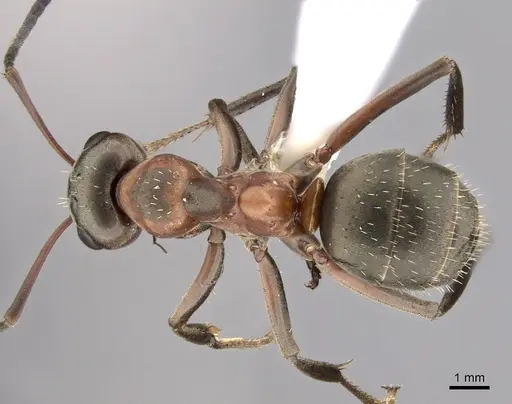
JTLC000010210
View on AntWeb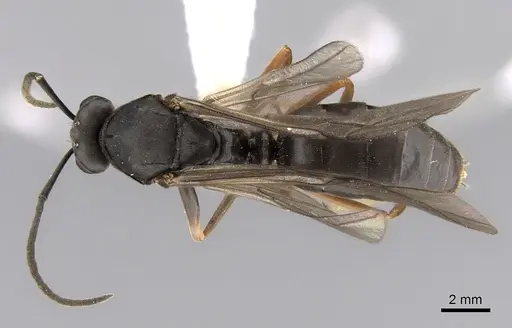
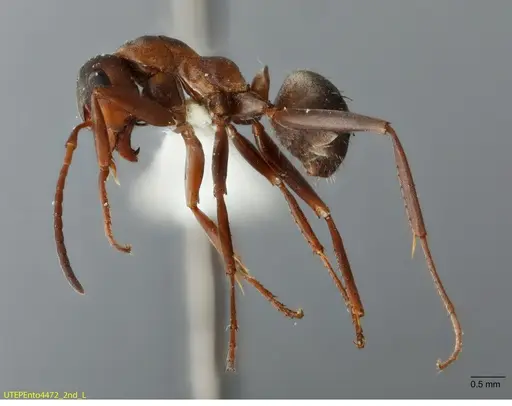
UTEPENTO4472-01
View on AntWeb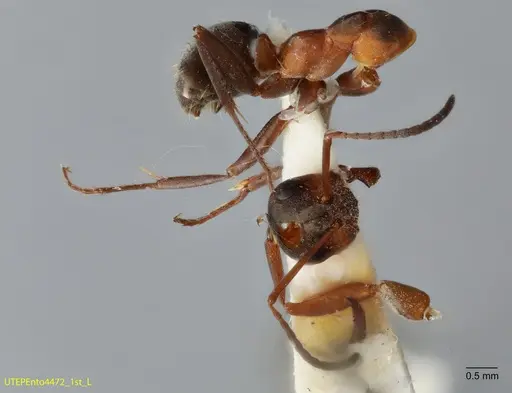
UTEPENTO4472-02
View on AntWeb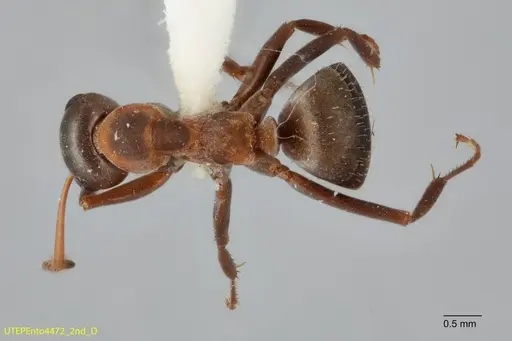
Literature
Loading...Loading products...