

Formica reflexa
- Scientific Name
- Formica reflexa
- Tribe
- Formicini
- Subfamily
- Formicinae
- Author
- Buren, 1942
- Common Name
- Bent-haired Mound Ant
- Distribution
- Found in 2 countries
Formica reflexa Overview
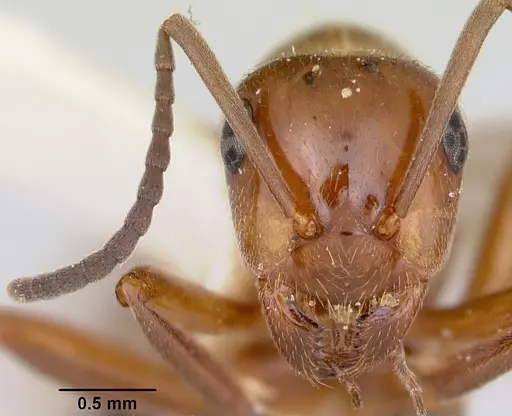
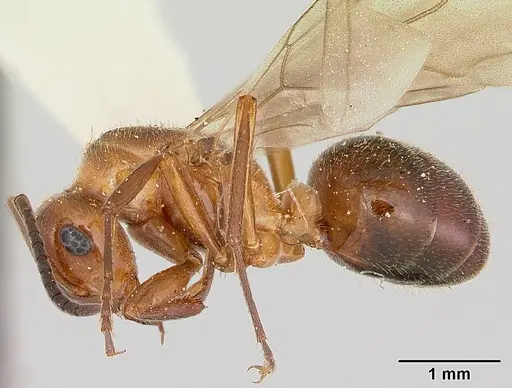
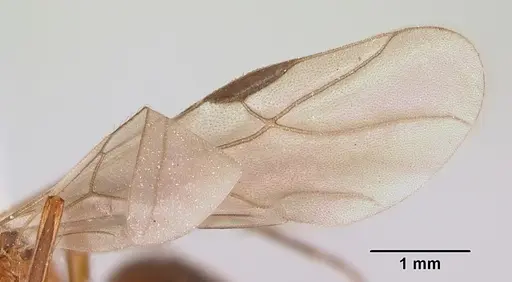
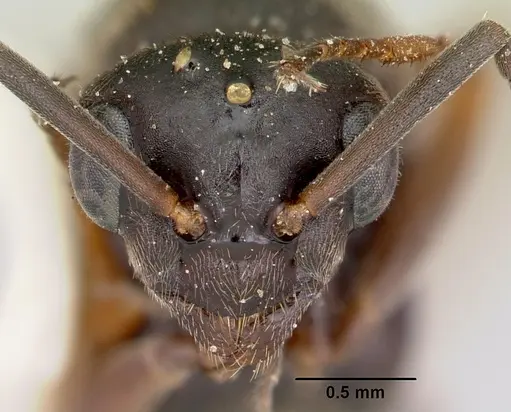
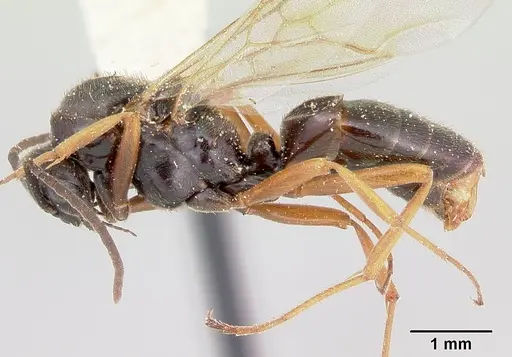
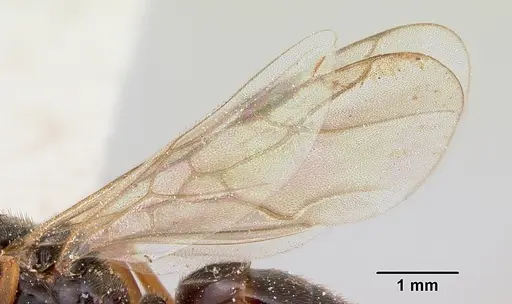
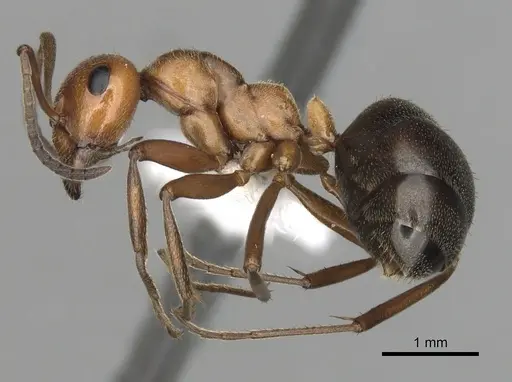
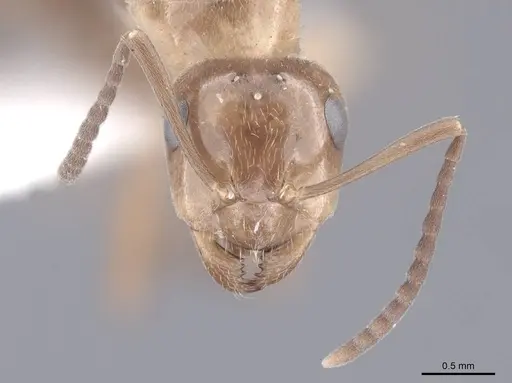
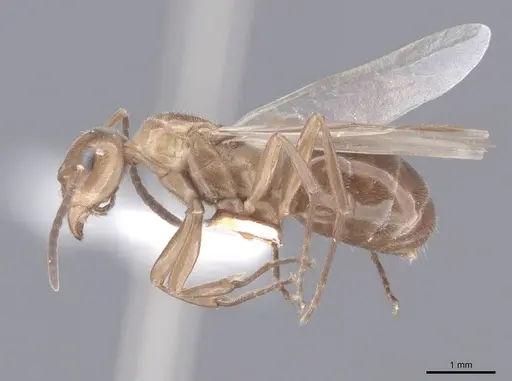
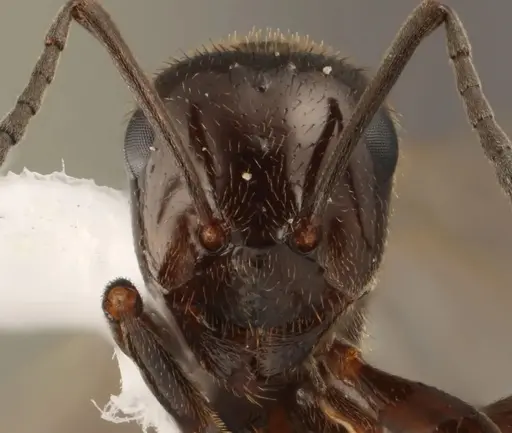
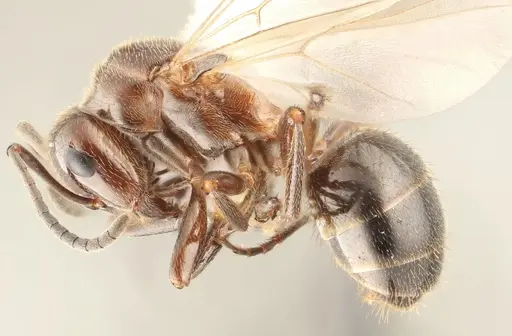
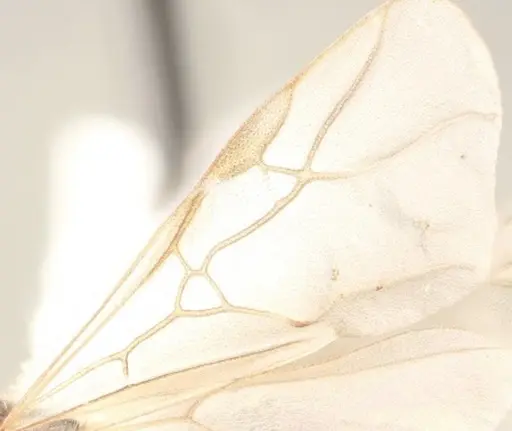
Formica reflexa (commonly known as the Bent-haired Mound Ant) is an ant species of the genus Formica. It is primarily documented in 2 countries , including Canada, United States of America. Detailed taxonomic data and occurrence records can be further explored via authoritative databases such as AntWeb or the Global Biodiversity Information Facility (GBIF).
Formica reflexa - "Bent-haired Mound Ant"
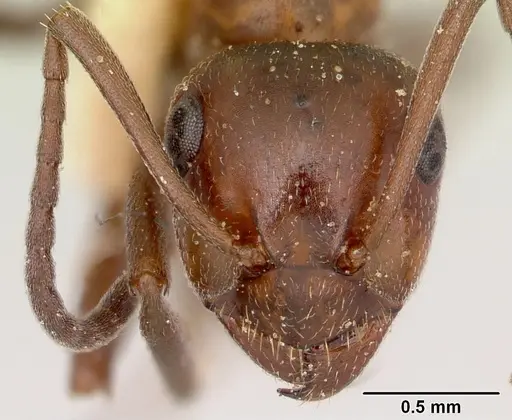
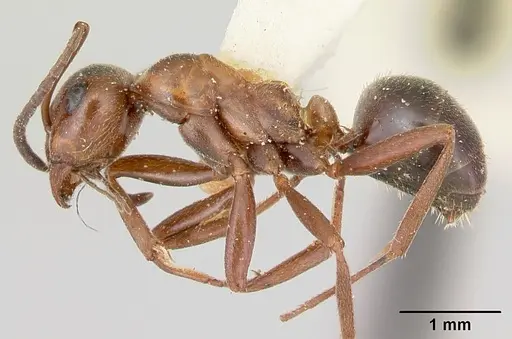
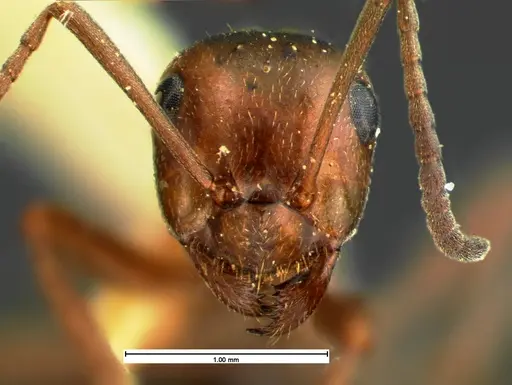
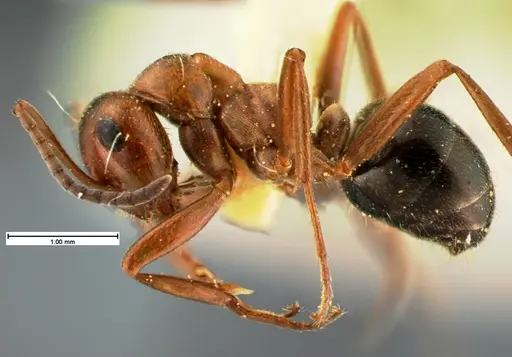
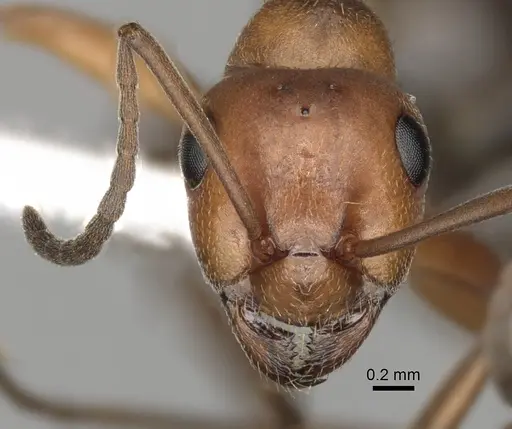
Formica reflexa is a small, rare ant species native to northern North America. Workers are typically dark brown to black, measuring around 4-6mm. This species is distinctive because it is a permanent social parasite, meaning it cannot form its own colony and must live permanently inside nests of host ant species in the fusca group. The queens are notably miniature compared to typical Formica queens, an adaptation that helps them integrate into host colonies [1]. Found primarily in bogs, wetlands, and heath habitats across Canada and the northern United States, these ants are considered one of the rarer Formica species due to their specialized parasitic lifestyle [2].
Quick Summary
- Difficulty: Expert
- Origin & Habitat: Northern North America (Canada and United States). Found in bogs, wetlands, and heath habitats. Prefers transition environments between different habitat types [2][3].
- Colony Type: Permanent social parasite (inquiline). This species cannot found its own colony, queens must invade and permanently live within host colonies of the fusca group. The host workers raise the parasite's brood [1].
- Queen: Socially parasitic
- Size & Growth:
- Queen: Small/miniature, significantly reduced compared to typical Formica queens [1]
- Worker: 4-6mm (estimated based on genus)
- Colony: Unknown, depends entirely on host colony size
- Growth: Unknown, development occurs within host colony
- Development: Unknown, occurs within host colony using host workers (All brood development depends on host workers raising the parasitic brood)
- Antkeeping:
- Temperature: Keep at room temperature (20-24°C) matching typical host colony conditions
- Humidity: Moderate to high, reflects bog/wetland natural habitat. Keep nest substrate slightly moist
- Diapause: Yes, likely requires winter dormancy matching host colony hibernation patterns
- Nesting: Cannot be kept independently. Requires established host colony (fusca group species like Formica fusca, Formica argentea, or related species). A naturalistic setup with multiple chambers works once integrated with host
- Behavior: Extremely docile within host colony. Outside host context, workers are not aggressive. This species has completely lost independent colony-founding ability, queens must be introduced to an existing host colony. Escape risk is moderate for a Formica-sized ant. The main challenge is establishing the parasite-host relationship successfully [1].
- Common Issues: This species cannot found colonies independently, you must introduce the queen to an established host colony, Finding compatible host fusca-group colonies can be difficult, Integration failure, host workers may reject or kill the parasitic queen, The parasite colony may be outcompeted or neglected by host workers, Rare in the wild, making wild collection challenging
Understanding Social Parasitism in Formica reflexa
Formica reflexa is what researchers call a permanent social parasite, or inquiline. Unlike typical ants where a queen founds a new colony alone, F. reflexa queens cannot survive independently. Instead, they must find an established colony of host species in the fusca group and integrate themselves into it. The host workers then raise the parasite's brood alongside their own. This is a specialized lifestyle that has led to physical adaptations, F. reflexa queens are miniature compared to their non-parasitic relatives, making them less threatening and easier to accept into host colonies [1]. This is not a species you can keep like a normal ant colony, it requires a host colony to survive.
Housing Requirements and Host Integration
Keeping Formica reflexa requires a two-part setup: an established host colony (typically Formica fusca, Formica argentea, or related fusca-group species) and then introducing the parasite queen. The integration process is delicate, the parasite queen should be introduced gradually, often by placing her near the host colony's entrance and allowing workers to discover her naturally. Some keepers report success by cooling both colonies before introduction to reduce aggression. Once integrated, the two colonies coexist, with host workers caring for the parasite's brood. The nest setup should match what the host species prefers, typically a naturalistic setup with soil chambers or a Y-tong style formicarium [1].
Feeding and Care
Once successfully integrated with a host colony, feeding is straightforward, the host workers will forage and share food with the parasite colony. Offer the same diet you would feed the host species: sugar water or honey water as a constant energy source, and protein sources like mealworms, crickets, or other insects 2-3 times per week. The host workers will distribute food to both colonies. Ensure fresh water is always available. Because the parasite depends entirely on host workers for food distribution, ensure the host colony is healthy and well-fed so they can support both populations.
Temperature and Seasonal Care
Keep Formica reflexa at room temperature, ideally around 20-24°C, which matches typical conditions for fusca-group host species. Like most northern ants, both host and parasite will require a winter dormancy period. During autumn, gradually reduce temperatures to simulate winter (around 5-10°C) and keep them cool for 3-4 months. This diapause period is essential for the health of both colonies. Do not attempt to keep them active year-round, the hibernation period is natural and important for their lifecycle.
Legal and Ethical Considerations
Formica reflexa is native to North America and should not be released outside its natural range. If you collect from the wild, ensure you comply with local regulations regarding ant collection. Because this species is rare in the wild and requires specific host species, captive breeding is challenging. If you succeed in establishing a parasite-host colony, consider connecting with other antkeepers to share stock rather than attempting to release or spread colonies. The specialized nature of this species means it is not suitable for beginners, stick with non-parasitic species until you have experience with ant keeping fundamentals. [2]
Frequently Asked Questions
Can Formica reflexa form colonies independently like other ants?
No. Formica reflexa is a permanent social parasite and cannot found a colony on its own. The queen must invade and permanently live within a host colony of fusca-group ants. This makes it one of the most challenging ant species to keep.
What host species do I need for Formica reflexa?
You need a colony of fusca-group Formica species, such as Formica fusca, Formica argentea, or related species. These are the only known hosts for F. reflexa in the wild [1].
How do I introduce a Formica reflexa queen to a host colony?
Introduction is delicate. Cool both colonies before introduction to reduce activity and aggression. Place the parasite queen near the host colony entrance and allow workers to discover her naturally. Some keepers have success with gradual introduction over several days. Be prepared for the possibility that host workers may reject or kill the queen.
Are Formica reflexa ants good for beginners?
No. This species is not recommended for beginners due to its parasitic lifestyle and the complexity of maintaining a host-parasite relationship. Start with non-parasitic species like Lasius, Camponotus, or Formica species that can found colonies independently.
What do Formica reflexa eat?
Once integrated with a host colony, they eat whatever the host workers bring back, typically sugar sources (honey water, sugar water) and protein (insects like mealworms, crickets). The host workers distribute food to both colonies.
How big do Formica reflexa colonies get?
This is unknown and entirely dependent on the host colony. The parasite population will be limited by what the host colony can support. In the wild, F. reflexa is considered rare, suggesting parasite populations are typically small relative to hosts [2].
Do Formica reflexa need hibernation?
Yes. As northern species, both host and parasite require a winter dormancy period. Reduce temperatures to around 5-10°C for 3-4 months during winter to simulate natural conditions.
Where can I find Formica reflexa in the wild?
This species is rare and found primarily in bogs, wetlands, and heath habitats across northern North America. It is only found where fusca-group host colonies are present. Due to its rarity and specialized habitat requirements, wild collection is difficult and may be regulated [2][3].
Why is Formica reflexa considered rare?
F. reflexa is rare because it is an obligate social parasite, it cannot survive without a host colony. This limits its distribution to areas where compatible host colonies exist. Additionally, successful integration into host colonies is not guaranteed, making population growth challenging [1].
References

This caresheet is licensed under CC BY-SA 4.0 .
CASENT0103510
View on AntWeb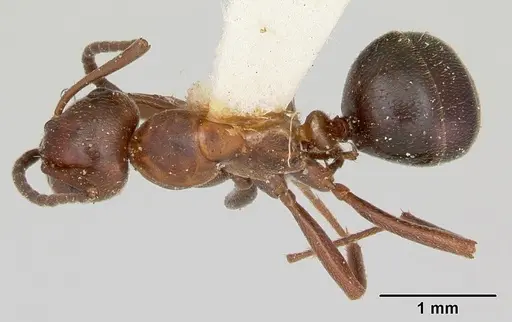
CASENT0103511
View on AntWeb
CASENT0103512
View on AntWeb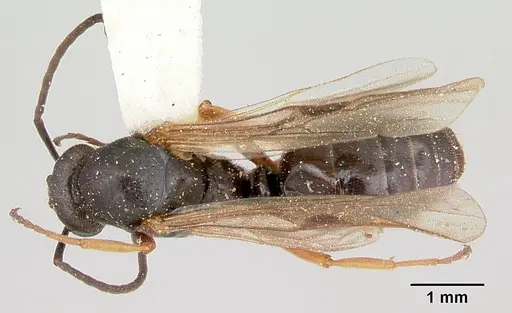
CASENT0105605
View on AntWeb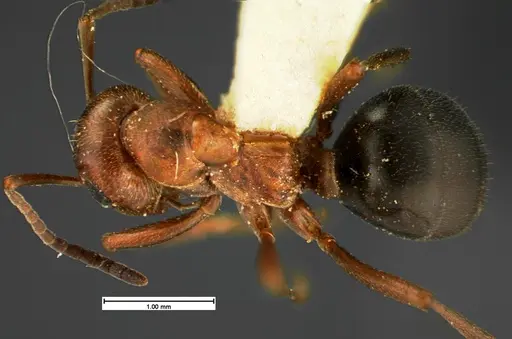
CASENT0280399
View on AntWeb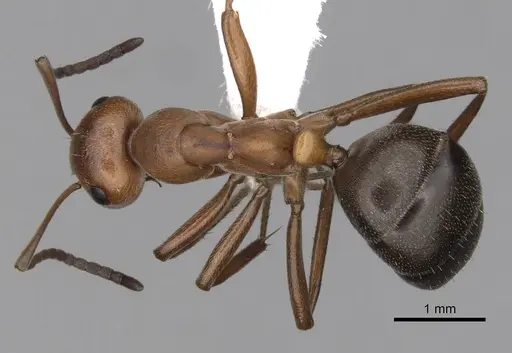
FMNHINS0000046401
View on AntWeb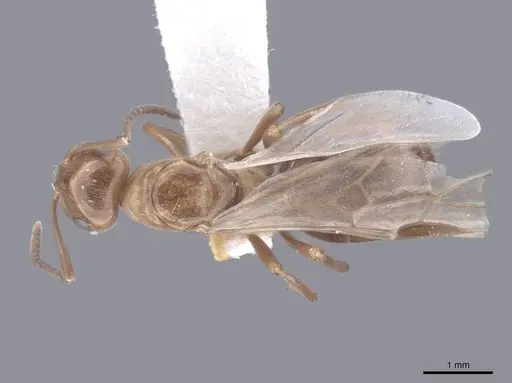
WRME532156
View on AntWeb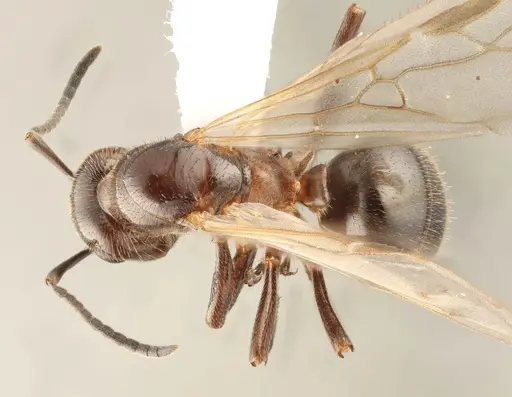
Literature
Loading...Loading products...