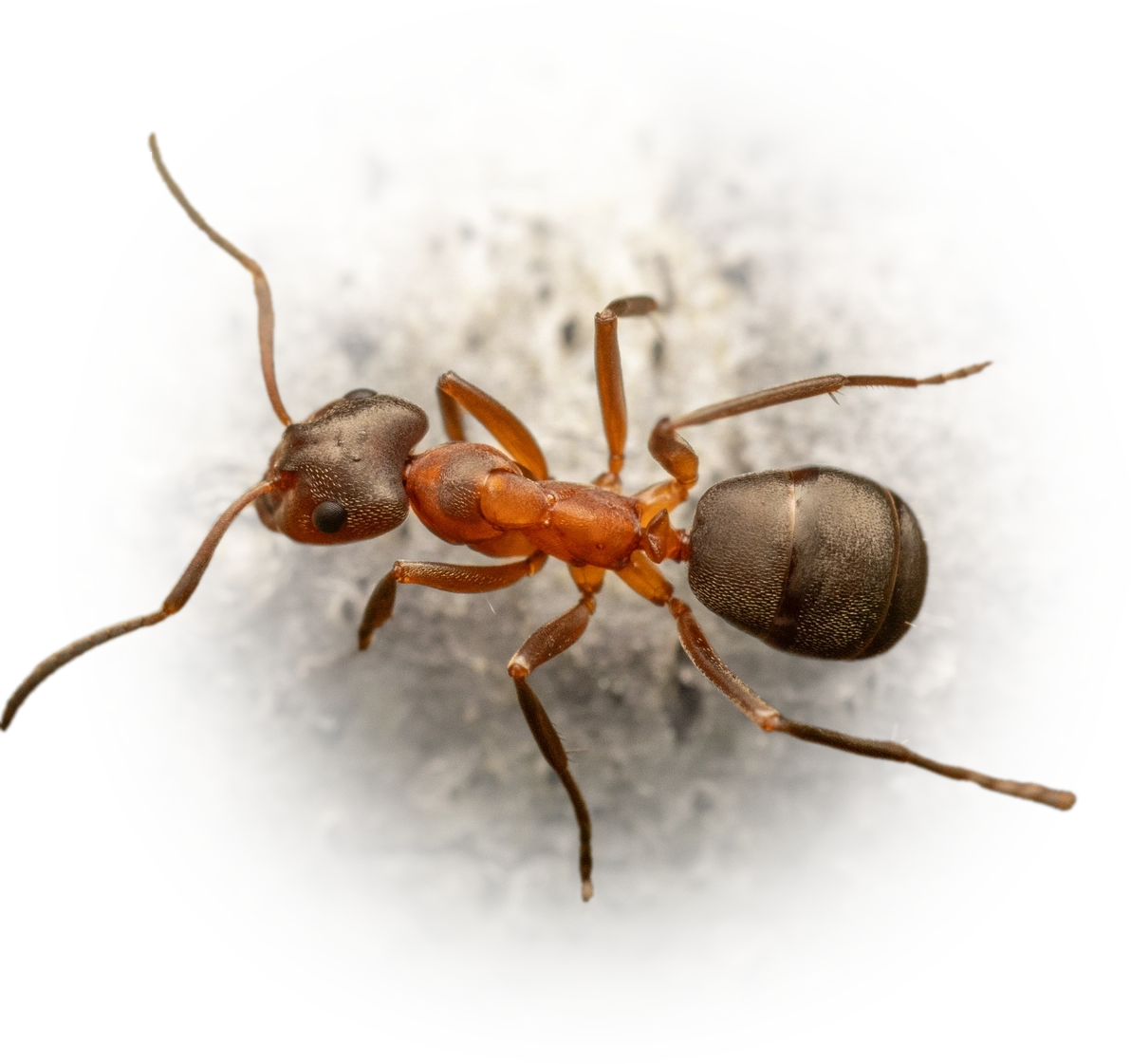

Formica pressilabris
- Scientific Name
- Formica pressilabris
- Tribe
- Formicini
- Subfamily
- Formicinae
- Author
- Nylander, 1846
- Distribution
- Found in 12 countries
Formica pressilabris Overview
Formica pressilabris is an ant species of the genus Formica. It is primarily documented in 12 countries , including Switzerland, Denmark, Spain. Detailed taxonomic data and occurrence records can be further explored via authoritative databases such as AntWeb or the Global Biodiversity Information Facility (GBIF).
Formica pressilabris
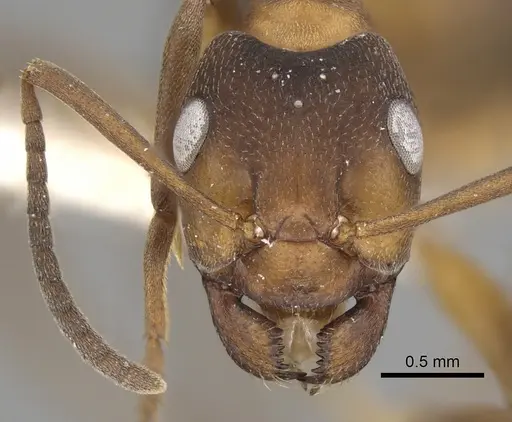
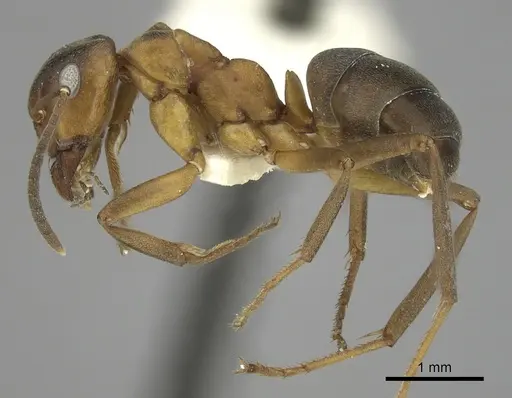
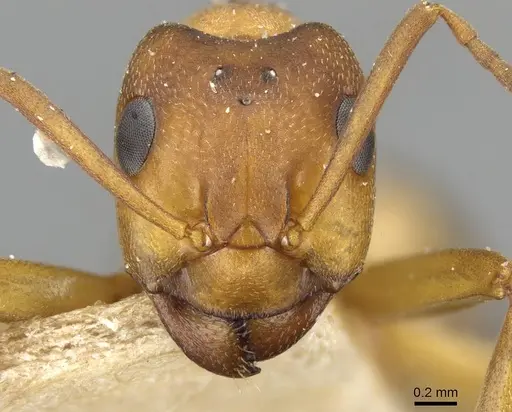
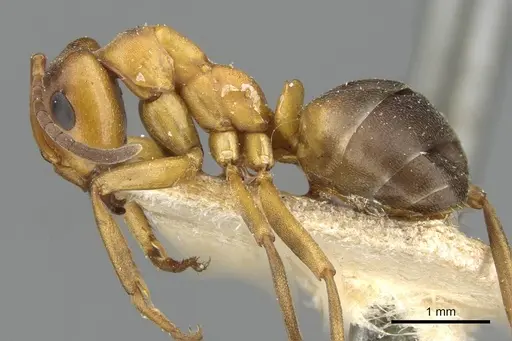
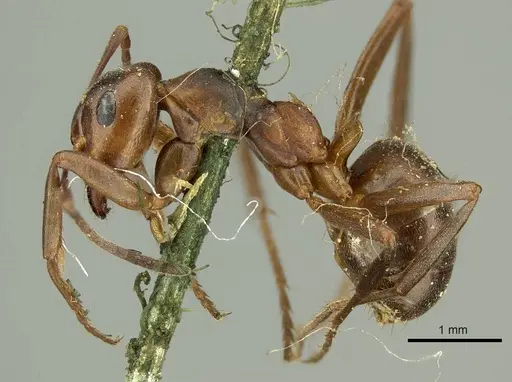
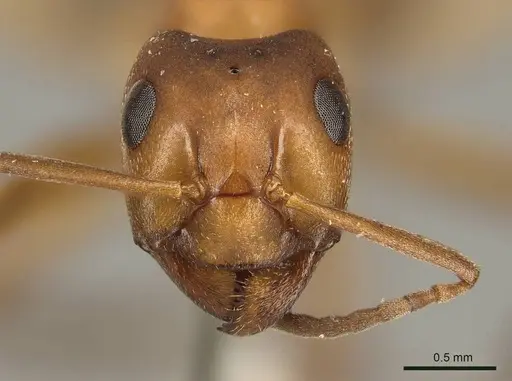
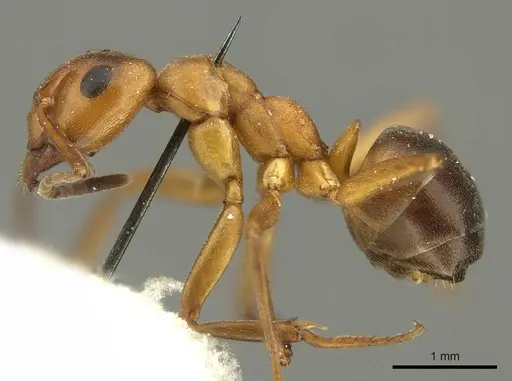
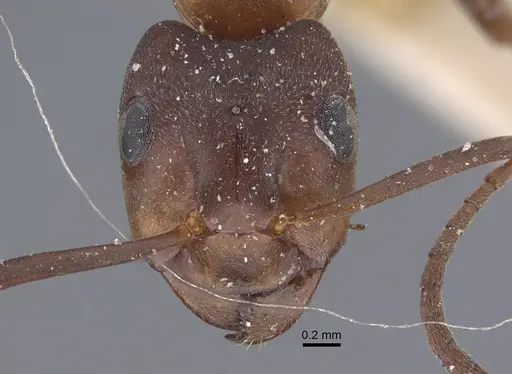
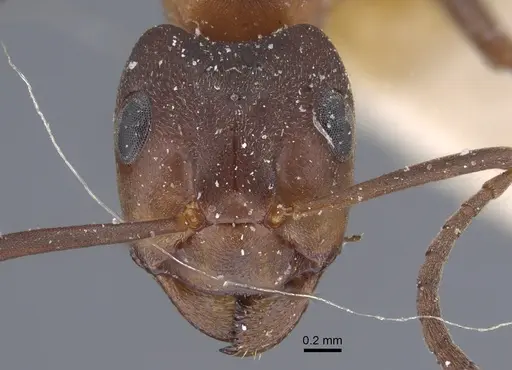
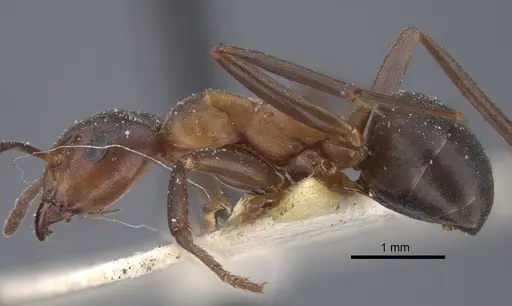
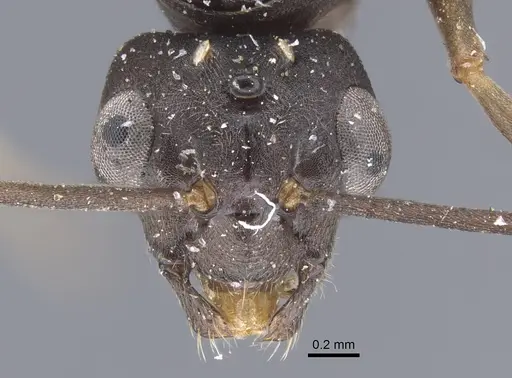
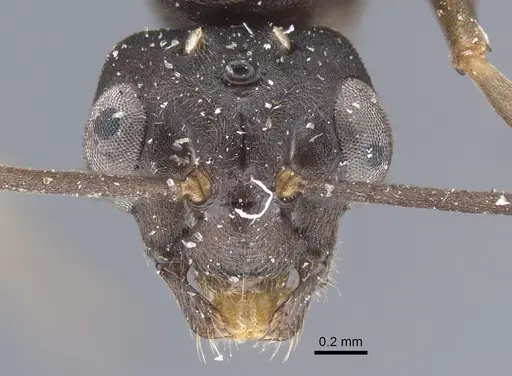
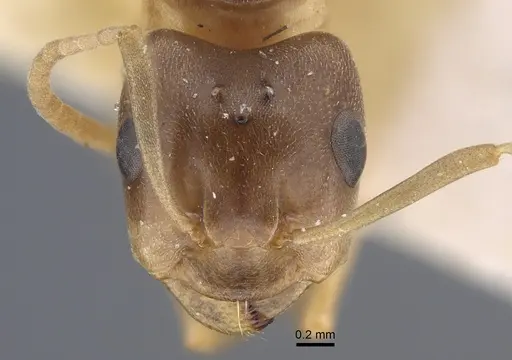
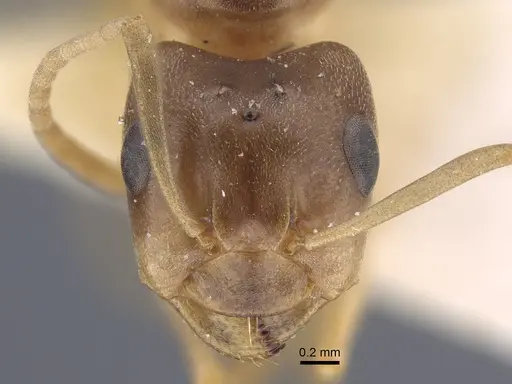
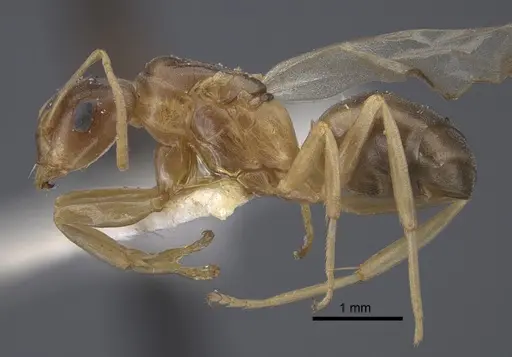
Formica pressilabris is a small, bicoloured ant belonging to the subgenus Coptoformica, easily recognized by the deeply excised (hollowed) back of its head and the notch in its waist scale. Workers measure 4-6mm, while queens are only slightly larger at 4.5-5.5mm, making them notably smaller than the similar Formica exsecta queens [1]. This boreo-alpine-continental species builds characteristic grass mounds in open, dry habitats like pastures, alpine meadows, and forest clearings across the Palaearctic region from the Netherlands east to Lake Baikal and southern Tibet [2]. The species forms polygynous (multiple-queen) colonies that can become polycalic, networks of many interconnected nests that may contain over 100 mounds spanning thousands of square meters [3]. Unlike many Formica species, F. pressilabris relies heavily on aphid honeydew as its primary food source rather than predation [4].
Quick Summary
- Difficulty: Medium
- Origin & Habitat: 4000m elevation). Prefers semidry to fresh oligotrophic grassland, pastures, alpine meadows, forest clearings, and continental steppes [2][5].
- Colony Type: Polygynous (multiple queens) and polycalic (multiple nests). Colonies can contain several hundred queens in large polycalic networks, though single-nest (monocalic) colonies occur in parts of their range. Monodomous nests more common in continental Russia, while polygynous/polycalic colonies dominate in Central Europe [3][2].
- Colony: Optionally polygyne, Supercolonial
- Queen: Socially parasitic, Temporary parasitic
- Size & Growth:
- Queen: 4.5-5.5mm [1]
- Worker: 4-6mm [1]
- Colony: Up to several thousand workers per nest, polycalic colonies can exceed 100 nests [3][4]
- Growth: Moderate
- Development: 6-10 weeks (estimated based on related Formica species) (Development time inferred from typical Coptoformica patterns. Alates appear in nests from late June through September, with peak in July [2].)
- Antkeeping:
- Temperature: Keep at 20-25°C. As a species from temperate to boreal regions with alpine populations, they prefer cooler conditions than tropical ants but need warmth for brood development. Room temperature is often suitable, avoid overheating [6].
- Humidity: Moderate. Native to dry to fresh oligotrophic grasslands, keep substrate moderately moist but allow to dry partially between waterings. Good ventilation is essential to prevent mold [2].
- Diapause: Yes. Requires hibernation period during winter months, typical for temperate Formica species. Reduce temperature to 5-10°C for 3-4 months [7].
- Nesting: Y-tong (AAC) or plaster nests work well. Provide a moisture area and keep nest substrate moderately damp. They will build small grass mounds if given loose nesting material. Test tube setups are suitable for founding colonies [7].
- Behavior: Generally non-aggressive compared to Formica s. str. species. Workers are active foragers but do not form distinct trails to food sources, they search more haphazardly, mainly tending aphids for honeydew. Can be defensive when guarding aphid colonies, chasing away lady beetles. Queens are miniature and cannot found colonies independently, they require adoption into Serviformica host nests (temporary social parasitism). Escape risk is moderate, standard formicarium barriers are sufficient [4][1].
- Common Issues: temporary social parasitism makes founding difficult, queens need host workers to establish, polycalic colony structure means they may not thrive in single-nest setups if adapted to multi-nest networks, rare and threatened in many European countries, ethical concerns about wild collection, slow colony growth compared to many ant species can lead to keeper impatience, habitat destruction is the primary threat in the wild, captive colonies need stable, appropriate conditions
Colony Structure and Social Organization
Formica pressilabris exhibits remarkable flexibility in colony structure. In Central Europe, colonies are typically polygynous (multiple reproductive queens) and polycalic (multiple interconnected nests), with some supercolonies containing over 100 nests spanning thousands of square meters [3]. Within polycalic colonies, different nests show no aggression toward each other, workers move freely between nests, and there is active exchange of brood and resources [4]. The species can form three types of colony structures: single isolated nests (monocalic), associations of several nests, and extensive polycalic networks. In Poland, colonies are always polygynous even when occurring singly, with excavations revealing up to 20 queens in smaller mounds and likely several hundred in large ones [4]. This polygynous structure combined with polydomy (multiple nest sites) makes F. pressilabris one of the most socially complex European ants. The integration between nests is so strong that workers from endangered nests can be aided by neighboring nests in conflicts, and brood can be transferred collectively between nests [4].
Temporary Social Parasitism and Colony Founding
Like other Coptoformica species and Formica s. str., F. pressilabris cannot establish colonies independently. New queens must invade nests of Serviformica species (primarily Formica lemani in mountainous regions) and be accepted by host workers [3][8]. This temporary social parasitism means the queen relies on host workers to raise her first brood. The host species varies by region, in the Alps, F. lemani is the major host, while in lowland areas like Brandenburg, other Serviformica species may be used since F. lemani is absent [8]. This parasitic founding method makes captive colony establishment challenging. Wild-caught colonies may already contain both F. pressilabris and host species (F. lemani) together, as observed in Austria where small nests contained workers of both species [8]. For antkeepers, obtaining an established colony with host workers or successfully introducing a queen to a Serviformica host colony is essential for success.
Feeding and Diet
F. pressilabris is primarily a trophobiont, it relies heavily on honeydew from aphids as its main energy source. Workers tend aphid colonies on stems of herbaceous plants and young shoots of trees and bushes, actively protecting these aphid colonies from predators like lady beetles (Coccinella septempunctata) [4]. They construct protective sheaths of plant material over larger aphid colonies on twigs. Protein intake comes mainly from easily captured prey like small caterpillars and earthworms, but predatory activity is notably less than in similar species like F. exsecta [3]. For captive care, offer sugar water or honey constantly, and provide protein sources like small insects (fruit flies, small mealworms) regularly. The species is less carnivorous than other Formica, so sugar sources should form a significant part of their diet. They will readily accept aphid honeydew if kept near live plants with aphids.
Nesting and Mound Building
In the wild, F. pressilabris builds characteristic mounds from chewed grass and plant debris, similar to other Coptoformica species but typically smaller than F. exsecta mounds. Average nest diameter is 15-20cm, though exceptional colonies can reach nearly 1 meter across [4]. The above-ground portion consists of dried grass, moss, seeds, tiny pebbles, and other plant matter arranged in a haystack-like pile. Nests are often found in groups, with distances between mounds sometimes less than 20-50cm in dense polycalic colonies. The species prefers sunny, dry locations and avoids shaded environments [1]. For captive colonies, provide a Y-tong or plaster nest with a moisture chamber, but also offer loose nesting material like grass clippings or peat moss in the outworld if you want to observe natural mound-building behavior. They do well with moderate humidity in the nest but need a dry outworld area.
Distribution and Conservation Status
F. pressilabris has a wide but fragmented Palaearctic distribution. The boreal range extends north to 65°N in Fennoscandia with an Atlantic extension to Denmark and the Netherlands. The continental range reaches west to central Poland and western Slovakia. Alpine populations exist in the Swiss, French, and Italian Alps at 1802 ± 200m elevation [2]. The species is considered extinct in Germany (Red List 0), threatened in Switzerland (Red List 3), and endangered in many other European countries including the Czech Republic where it was found only once recently after being thought extinct [5]. In the Netherlands, it is very rare with isolated populations in dune areas and heathlands [1]. This rarity makes wild collection ethically questionable, and potential keepers should seek captive-bred colonies. The primary threats are habitat destruction through succession to taller vegetation, afforestation programs, and development of open grassland habitats [5].
Frequently Asked Questions
How long does it take for Formica pressilabris to develop from egg to worker?
Based on typical Coptoformica development patterns, expect 6-10 weeks from egg to first worker at optimal temperatures around 22-25°C. This is slower than many common ant species, so patience is required during the founding stage.
Can I keep Formica pressilabris in a test tube setup?
Yes, test tubes work well for founding colonies. Provide a water reservoir and keep the tube in moderate humidity. Once the colony reaches 20-30 workers, consider moving to a small formicarium. They prefer drier conditions than many ants, so ensure good ventilation.
Do Formica pressilabris queens need to be parasitic to found colonies?
Yes. Like all Coptoformica species, F. pressilabris queens cannot found colonies independently. They are temporary social parasites that must invade and be accepted by Serviformica host colonies (like Formica lemani or F. fusca). This makes captive founding challenging, most keepers start with established colonies.
What do Formica pressilabris eat?
They primarily need sugar sources, offer sugar water, honey, or diluted honeydew. For protein, provide small insects like fruit flies, pinhead crickets, or small mealworms. They are less predatory than other Formica species and rely heavily on aphid honeydew in the wild.
Are Formica pressilabris good for beginners?
No, they are not ideal for beginners. They are rare, threatened in the wild, and have complex colony structure requirements. Additionally, their temporary parasitic founding method makes captive establishment difficult. They are better suited for experienced antkeepers who can provide proper conditions.
Do Formica pressilabris need hibernation?
Yes, they require a winter rest period typical of temperate Formica species. Reduce temperatures to 5-10°C for 3-4 months during winter. This is essential for colony health and reproductive development.
How big do Formica pressilabris colonies get?
Individual nests typically contain 1,000-2,000 workers, but polycalic supercolonies can have over 100 interconnected nests. In captivity, expect moderate growth, colonies may reach several thousand workers over several years with proper care.
Can I keep multiple Formica pressilabris queens together?
Yes, this is natural for the species, they are polygynous and multiple queens coexist in established colonies. However, combining unrelated foundress queens is not recommended as it hasn't been studied. If you obtain a colony, it likely already contains multiple queens.
Why are my Formica pressilabris dying?
Common causes include: improper humidity (too wet), overheating, lack of sugar sources, or stress from disturbance. They prefer drier conditions than many ants. Also ensure they have appropriate protein. If founding, verify they have access to host-colony workers if they arrived without them.
References

This caresheet is licensed under CC BY-SA 4.0 .
CASENT0173872
View on AntWeb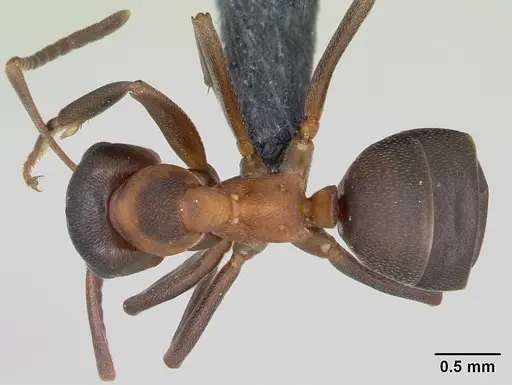
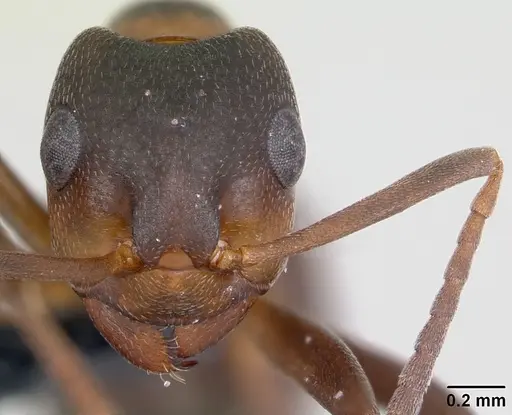
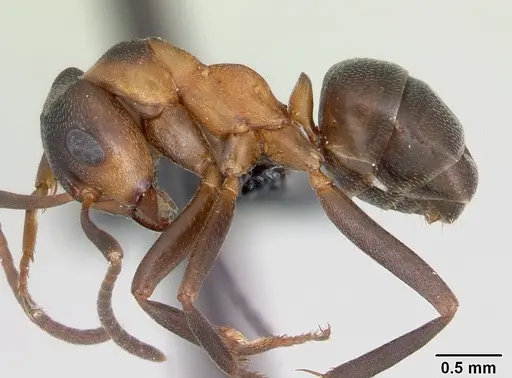
CASENT0280393
View on AntWeb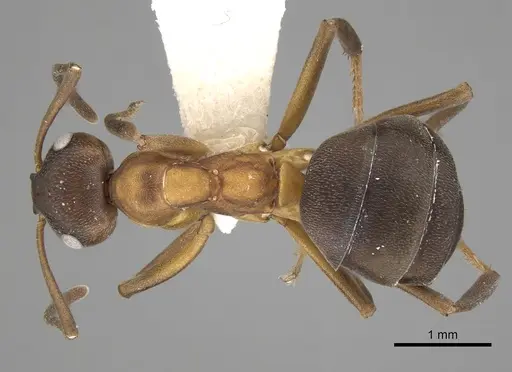
CASENT0911092
View on AntWeb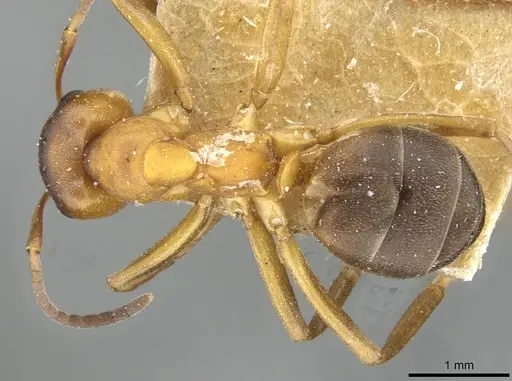
CASENT0915633
View on AntWeb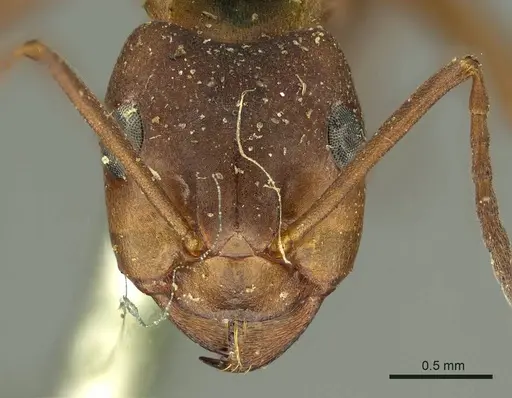
CASENT0915634
View on AntWeb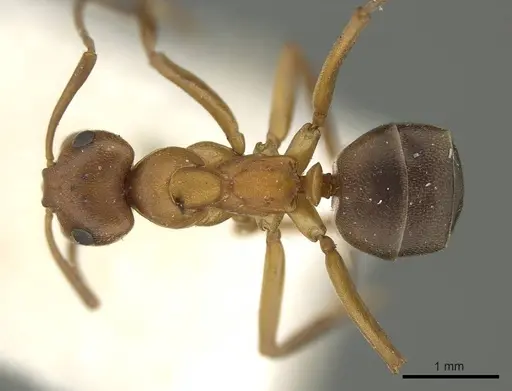
CASENT0917259
View on AntWeb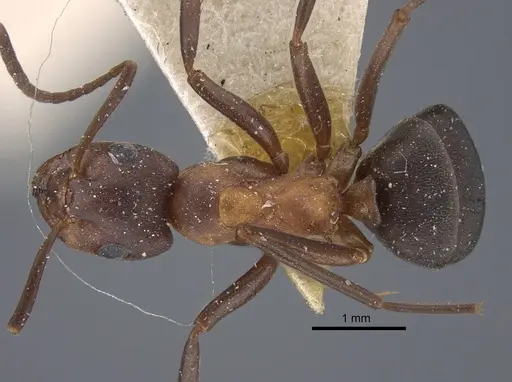
CASENT0917260
View on AntWeb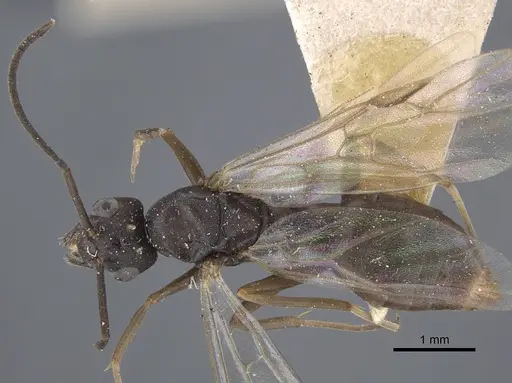
CASENT0917261
View on AntWeb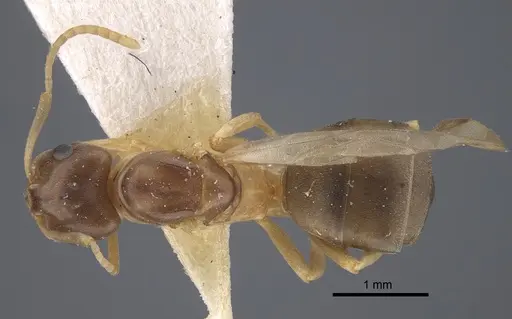
Literature
Loading...Loading products...