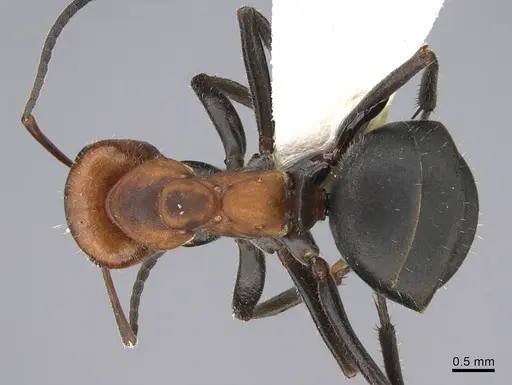
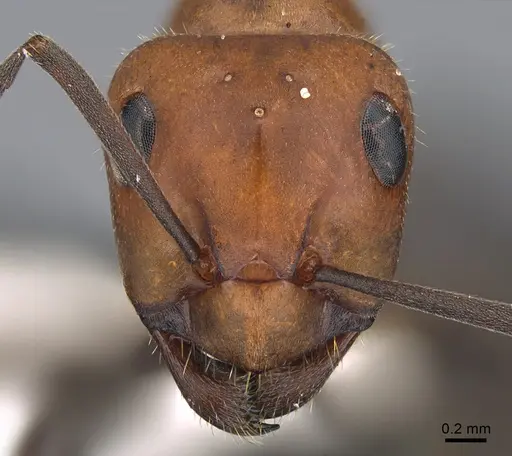
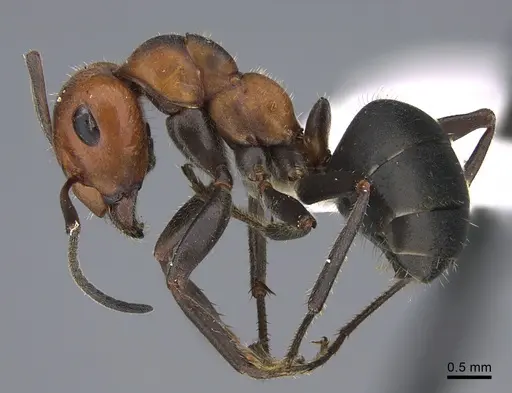
Formica obscuripes shows a April to June flight window. Peak activity occurs in May, with nuptial flights distributed across 3 months.
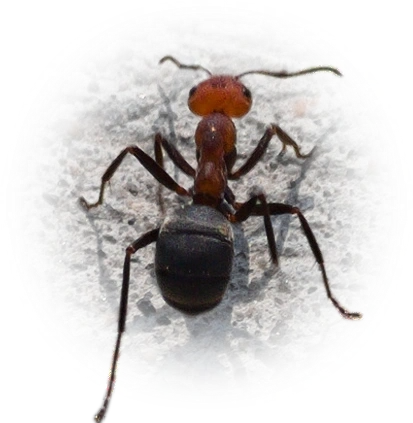
Formica obscuripes
- Scientific Name
- Formica obscuripes
- Tribe
- Formicini
- Subfamily
- Formicinae
- Author
- Forel, 1886
- Common Name
- Western Thatching Ant
- Distribution
- Found in 2 countries
- Nuptial Flight
- from April to June, peaking in May
AI Identifiable
try →
Formica obscuripes Overview
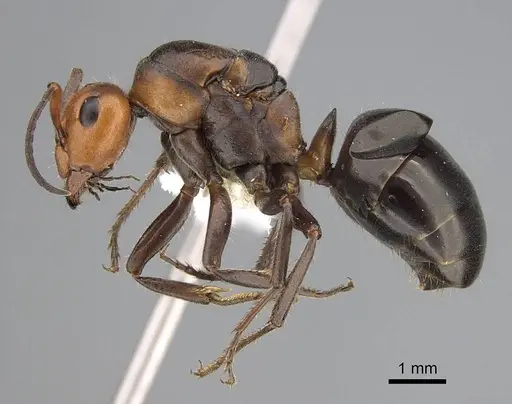
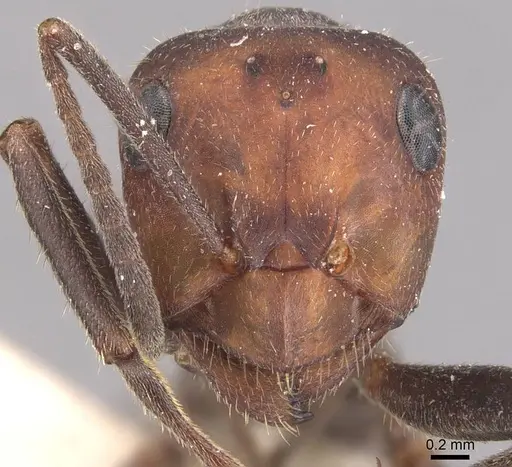
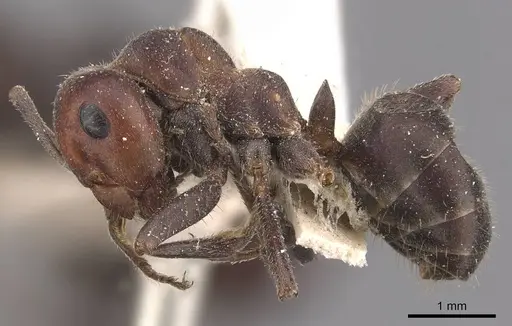
Formica obscuripes (commonly known as the Western Thatching Ant) is an ant species of the genus Formica. It is primarily documented in 2 countries , including Canada, United States of America. Detailed taxonomic data and occurrence records can be further explored via authoritative databases such as AntWeb or the Global Biodiversity Information Facility (GBIF).
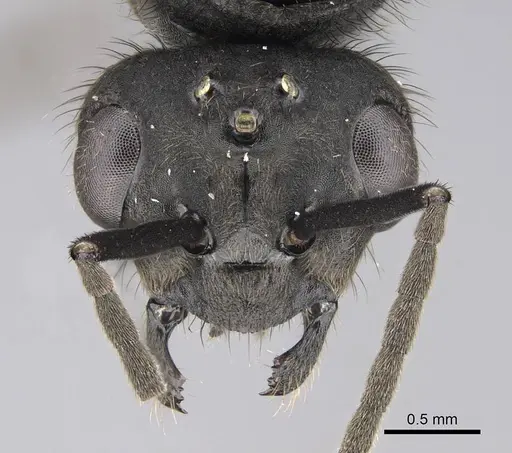
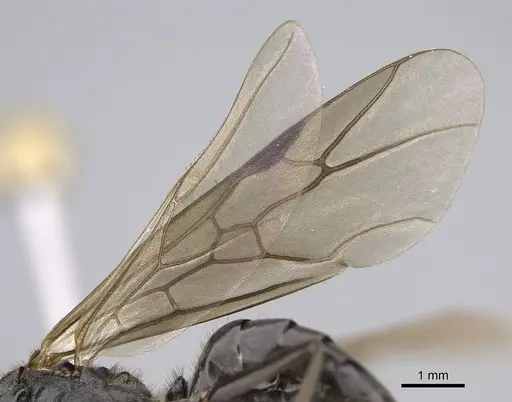
The nuptial flight of Formica obscuripes is a significant biological event, typically occurring from April to June, peaking in May. During this time, winged queens and males leave the nest to mate and establish new colonies.
Formica obscuripes - "Western Thatching Ant"
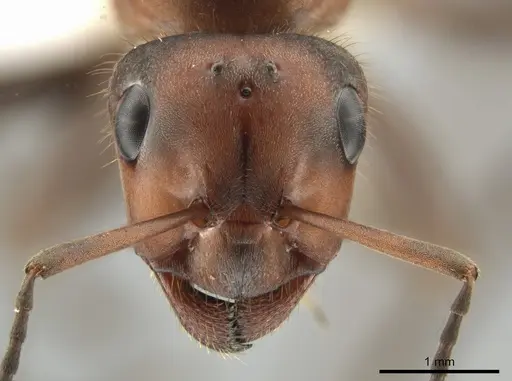
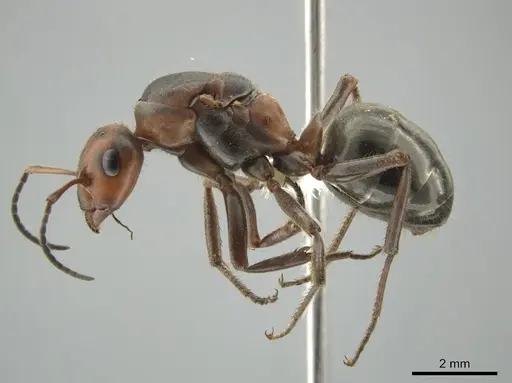
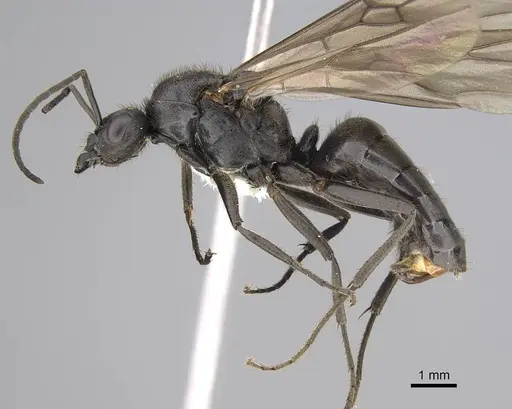
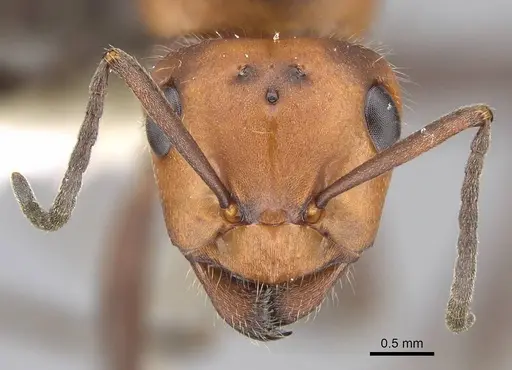
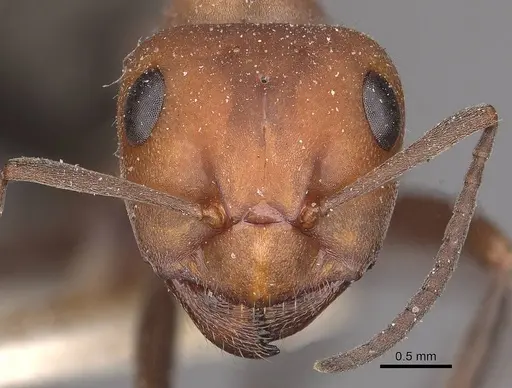
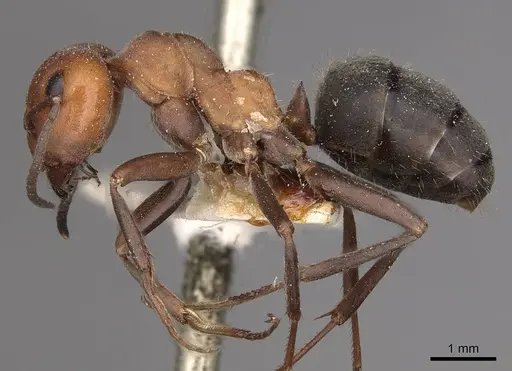
Formica obscuripes is a large, polymorphic ant native to western North America. Workers measure 4.5-7.0mm and vary in size within the same colony [1]. They are famous for building massive thatched mounds made entirely of plant material like twigs, grass stems, and conifer needles, one of the only true thatching ants [AntWiki]. Colonies are polygynous (multiple queens) and polydomous (multiple nests), with some supercolonies reaching over 200 nests and 56 million workers [2]. These ants are aggressive defenders that spray formic acid when disturbed.
This species is notable for its complex foraging system. They use a column-and-fan structure where pheromone-marked columns extend several meters before foragers spread out to hunt arthropods or climb into vegetation to farm aphids for honeydew [3]. They navigate using celestial compasses and familiar panoramic views, with sophisticated behaviors like backtracking when they lose their pheromone trail [3]. This combination of massive mound-building, multi-queen colonies, and advanced navigation makes them one of the most fascinating North American ants to keep.
Quick Summary
- Difficulty: Medium
- Origin & Habitat: Western North America, from British Columbia south to California and east to the Rocky Mountains. Found in grasslands, prairies, sagebrush, shrub-steppe, coniferous forests, and alpine meadows [AntWiki]. Nests are typically built along edges of meadows and open areas.
- Colony Type: Polygynous (multiple queens) and polydomous (multiple nests). Colonies can have tens to hundreds of thousands of workers, with documented supercolonies reaching over 56 million workers across 210 nests [2]. Queens are macrogynous (large) [4].
- Size & Growth:
- Queen: size data unavailable, inferred from Formica genus as macrogynous (large) queen
- Worker: 4.5-7.0mm polymorphic [1]
- Colony: up to hundreds of thousands of workers, supercolonies can exceed 56 million [2]
- Growth: moderate
- Development: unconfirmed, estimated 6-8 weeks at optimal temperature based on related Formica species (brood develops very early in spring, larvae present by late May in Michigan [5])
- Antkeeping:
- Temperature: keep at room temperature (20-24°C). Workers become active above 9.4°C [6]. Mound temperatures naturally run warmer than ambient air, especially on sunny faces [7].
- Humidity: moderate, the thatch mounds naturally moderate humidity levels inside the nest. Keep substrate moderately moist but allow drying between waterings.
- Diapause: yes, requires winter hibernation. As a northern species, they need a cold period (5-10°C) during winter months to simulate natural dormancy.
- Nesting: this species needs space to build thatch mounds. In captivity, provide a naturalistic setup with abundant plant material (twigs, grass, leaves) they can use for thatching. A formicarium with a large foraging area works well. They will build characteristic dome-shaped mounds if given the materials.
- Behavior: aggressive defenders that spray formic acid when threatened, the spray is irritating to human eyes and noses [AntWiki]. Foragers are active during two daily periods: roughly 09:30-11:30 and 17:00-20:00 [3]. They use long-term trail networks and will return daily to the same honeydew-producing insects [8]. Workers are polymorphic (major and minor castes). Escape risk is moderate, standard formicarium barriers are sufficient for these large ants.
- Common Issues: fire is devastating, the thatch catches fire easily and kills workers and brood [20], large colony size requires significant space, not suitable for small setups, polydomous nature means they may establish secondary nests outside the main enclosure, bears and other predators can damage mounds in outdoor setups, aggressive defense makes them difficult to handle, formic acid spray is irritating
Nuptial Flight Activity Analysis 111 observations
Flight Activity by Hour 111 observations
Formica obscuripes nuptial flight activity peaks around 13:00 during the late morning to early afternoon. Activity is spread across a 11-hour window (08:00–18:00). A secondary activity peak occurs around 15:00. Times may be influenced by human observation patterns.
Nest Preferences and Mound Building
Formica obscuripes is one of the few true thatching ants, they build large mounds entirely from plant material (twigs, grass stems, conifer needles, leaves) rather than soil [AntWiki]. In the wild, mounds range from 25mm to nearly 2 meters tall, built around a central dead plant (often sagebrush) [4]. The thatch contains numerous entrances (3-44 documented) and houses a large central brood chamber [4]. The thatch extends underground as twigs and grass rest on a crateriform base, with galleries extending 15-24 inches deep into the soil [5]. The thatch center is almost impervious to water and usually stays dry even when the surface is wet [5]. For captive care, provide abundant plant material they can arrange into thatch structures. A naturalistic setup with a deep substrate and various nesting materials works best. They will chew bark from plants at the base and spray formic acid to kill vegetation near their mound, this is normal behavior [4].
Feeding and Diet
These ants are generalist omnivore-predators. They obtain food primarily by scavenging dead insects and preying on arthropods, both on the ground and in vegetation [4]. They also farm aphids and other homopterans, collecting honeydew as a sugar source [9][3]. Workers forage in two daily bouts, early morning (roughly 09:30-11:30) and late afternoon/evening (roughly 17:00-20:00) [3]. They use a column-and-fan foraging structure where a pheromone-marked column extends several meters before foragers spread out [3]. Some foragers climb into bushes to tend aphids while others fan out along the ground to hunt prey [3]. In captivity, offer a varied diet: protein sources (dead insects, mealworms, crickets), sugar sources (honey water, sugar water), and they will readily take honeydew from aphids if provided. They occasionally eat plant tissue and seeds [AntWiki].
Temperature and Seasonal Care
As a northern species, Formica obscuripes requires winter hibernation. In the wild, they become active in early spring, one of the first ants active in areas like Idaho [7]. Workers emerge onto mound surfaces when temperatures exceed 9.4°C and are most active above 10.5°C [6]. Mound temperatures run significantly warmer than ambient air, especially on sunny faces (recorded up to 94°F on sunny mound faces vs. 70°F air temperature) [7]. The thatch naturally collects solar radiation to warm the nest during cool periods. For captive care, keep them at room temperature (20-24°C) with a heat gradient if possible. During winter, provide a cold period at 5-10°C for 3-4 months to simulate natural dormancy. Nuptial flights occur in June-July, with alates (winged reproductives) appearing in large numbers during these months [4][5].
Colony Structure and Reproduction
This species is polygynous (multiple queens per colony) and polydomous (multiple nests) [10][11]. Queens are macrogynous (large) and colonies always have two or more queens present [4]. Colony founding is temporary social parasitic, a fertilized F. obscuripes queen enters a nest of Formica fusca-group species and is accepted by host workers. The host queen is eventually killed or driven off, and host workers raise the invading queen's brood. Eventually only F. obscuripes workers remain as the original host workers die off [AntWiki]. This is a monandrous species, queens mate only once [12]. Supercolonies can be massive, one documented colony near Lehman Hot Springs, Oregon occupied 4 hectares with 210 active nests and an estimated 56 million workers [2]. Colonies can produce 5-16 nuptial flights per season, with males often outnumbering queens [5][13].
Defense and Behavior
When disturbed, these ants become aggressively defensive. Workers assume a characteristic pose with heads raised, mandibles spread wide, and gaster turned forward ready to spray formic acid [AntWiki]. Many workers begin spraying immediately, creating an invisible cloud of formic acid vapor that irritates human eyes and noses [AntWiki]. Their bites are also painful. This species is behaviorally dominant and known for suppressing local abundance of other ant species [14]. They maintain long-term trail networks and return daily to the same foraging locations and honeydew sources [3][8]. Workers navigate using a sophisticated combination of celestial compass-based path integration and familiar panoramic views, they can backtrack when they lose their pheromone trail [3]. This is a highly intelligent forager with complex spatial memory.
Ecological Relationships
Formica obscuripes hosts numerous other species. They are the primary host for the inquiline ant Formica talbotae and the myrmecophilous cricket Myrmecophilus manni [15][AntWiki]. Various beetles (Cremastocheilus, Euphoria) and other insects live in their mounds [16]. They tend many aphid species including Aphis asclepiadis, Aphis salicariae, Aphis varians, and Rhopalosiphum nymphaeae [9]. They are also mutualists with treehoppers (Publilia modesta), protecting them from predators in exchange for honeydew [8][17]. This creates complex ecological cascades, ants benefit plants by preying on herbivores, but their protection of treehoppers can actually reduce plant reproduction [18]. In captivity, you may observe these mutualistic relationships if you provide aphids or treehoppers.
Frequently Asked Questions
Are Formica obscuripes good for beginners?
not ideal for beginners. Their large colony size, need for thatch-building materials, aggressive defense with formic acid spray, and winter hibernation requirements make them better suited for intermediate to advanced antkeepers. They also require significant space as colonies can grow enormous.
How long does it take for Formica obscuripes to produce first workers?
unconfirmed, estimated 6-8 weeks from egg to worker at optimal temperature based on related Formica species. However, since they are temporary social parasites, founding colonies depend on finding and invading a host colony, this is handled differently in captivity where you would start with an established colony.
Do Formica obscuripes need hibernation?
yes, they require a winter dormancy period. As a northern species native to regions with cold winters, they need 3-4 months at cold temperatures (5-10°C) to simulate natural seasonal cycles. This is essential for colony health and reproduction.
Can I keep multiple queens together?
yes, this species is naturally polygynous (multiple queens per colony) and will accept multiple queens. In fact, colonies always have two or more queens present in the wild [4]. However, combining unrelated foundresses in captivity has risks, introduce queens carefully.
What do Formica obscuripes eat?
they are generalist omnivores. Feed them protein (dead insects, mealworms, crickets), sugar sources (honey water, sugar water), and they will tend aphids for honeydew if provided. They forage actively for arthropods and scavenge carrion.
How big do Formica obscuripes colonies get?
very large, tens to hundreds of thousands of workers. Some supercolonies can exceed 56 million workers across 210 nests [2]. In captivity, expect significant growth over several years.
What kind of nest do they need?
they need to build thatch mounds. Provide a naturalistic setup with abundant plant material (twigs, grass, leaves) they can use for thatching. A formicarium with a large foraging area and deep substrate works well. They will arrange materials into characteristic dome-shaped structures.
When do Formica obscuripes have nuptial flights?
June through early July. Alates (winged reproductives) appear in large numbers during these months, with flights occurring in mornings when temperatures reach 69-71°F. Individual colonies may have 5-16 flights per season [5].
Why are my Formica obscuripes dying?
common causes include: improper hibernation (they need cold winter rest), too small enclosure (they need space for large colonies), lack of thatching materials, or stress from disturbance. Also ensure they have proper protein sources and sugar water. Fire near their nest would be fatal, the thatch catches fire easily [20].

This caresheet is licensed under CC BY-SA 4.0 .
CASENT0005389
View on AntWeb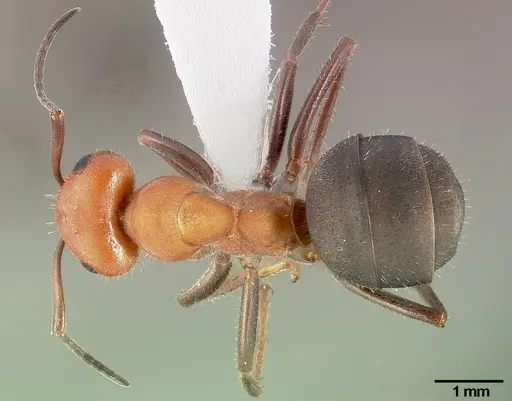


CASENT0179852
View on AntWeb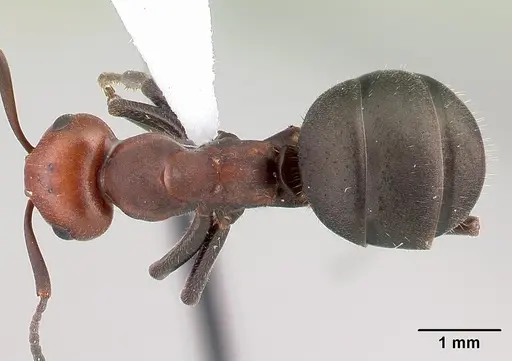
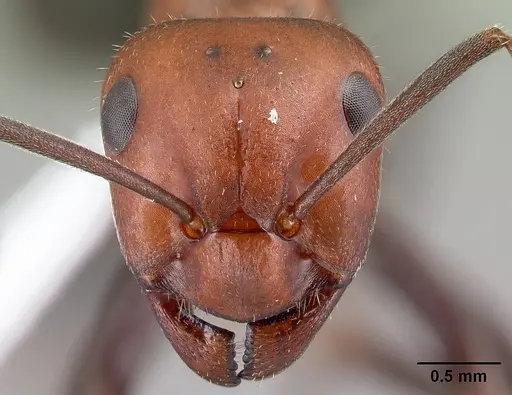
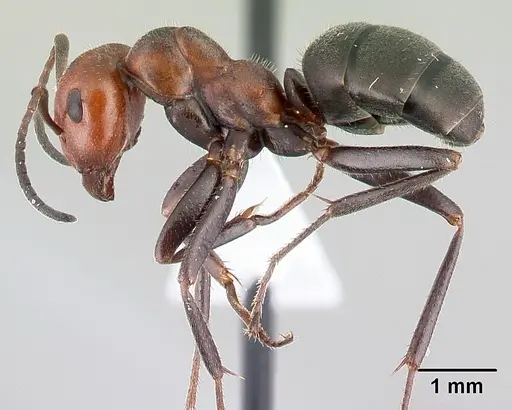
CASENT0280401
View on AntWeb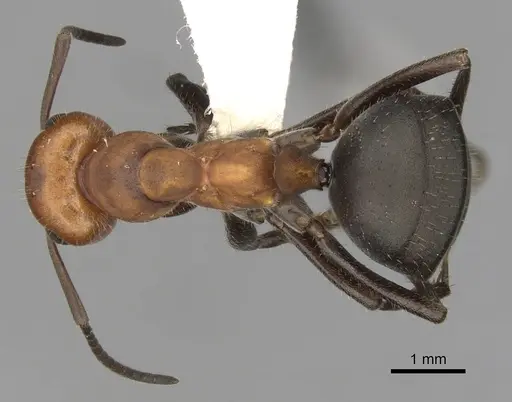
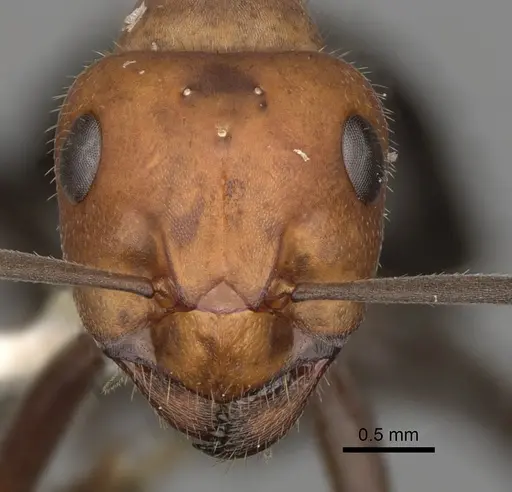
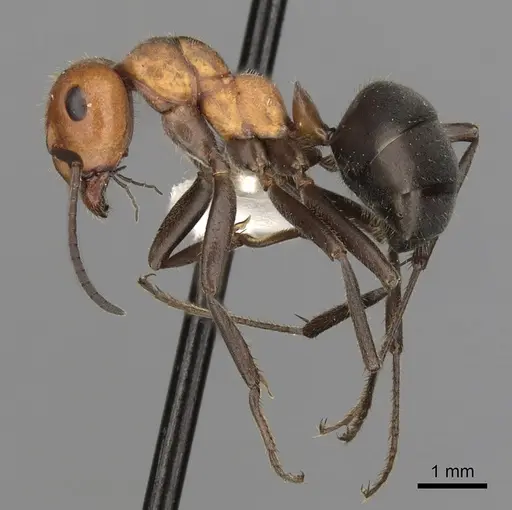
CASENT0648009
View on AntWeb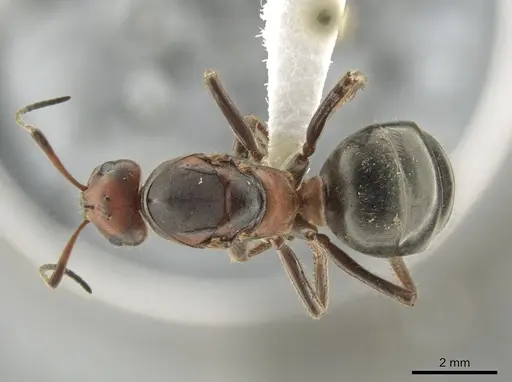
CASENT0843926
View on AntWeb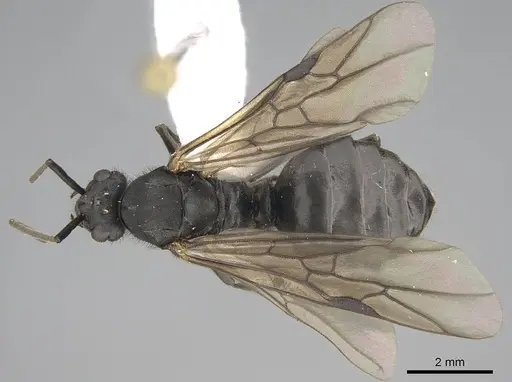
CASENT0843927
View on AntWeb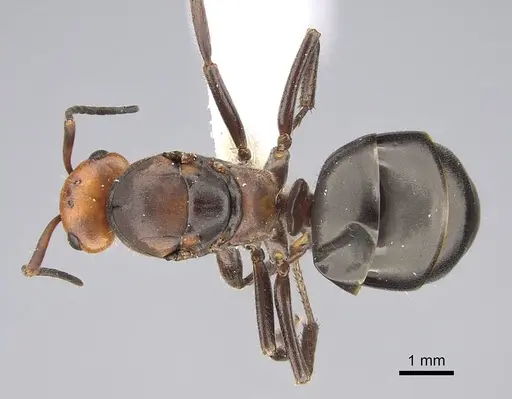
CASENT0905698
View on AntWeb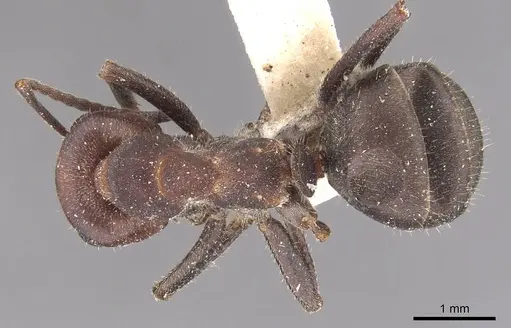
CASENT0911081
View on AntWeb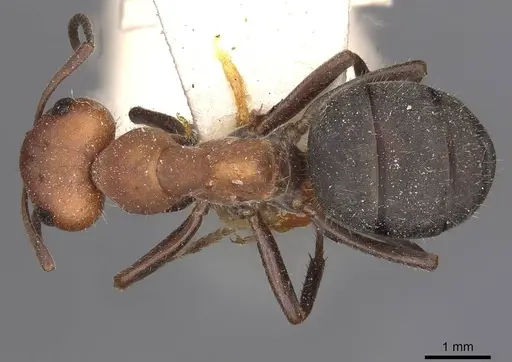
CASENT0923670
View on AntWeb