
Formica integra exhibits a clear seasonal flight window. Peak flight activity is concentrated in July, with the overall period spanning May to August.

Formica integra
- Scientific Name
- Formica integra
- Tribe
- Formicini
- Subfamily
- Formicinae
- Author
- Nylander, 1856
- Common Name
- Eastern Mound Ant
- Distribution
- Found in 2 countries
- Nuptial Flight
- from May to August, peaking in July
AI Identifiable
try →
Formica integra Overview
Formica integra (commonly known as the Eastern Mound Ant) is an ant species of the genus Formica. It is primarily documented in 2 countries , including Canada, United States of America. Detailed taxonomic data and occurrence records can be further explored via authoritative databases such as AntWeb or the Global Biodiversity Information Facility (GBIF).
The nuptial flight of Formica integra is a significant biological event, typically occurring from May to August, peaking in July. During this time, winged queens and males leave the nest to mate and establish new colonies.
Formica integra - "Eastern Mound Ant"
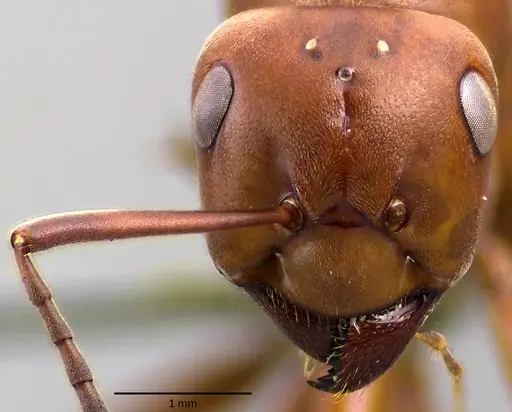
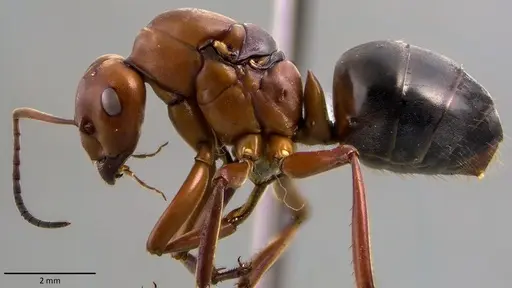
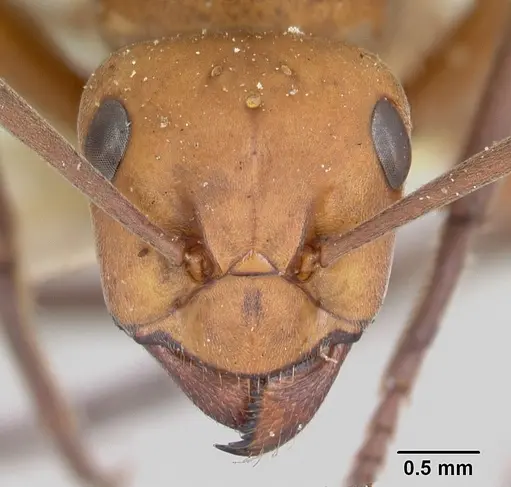
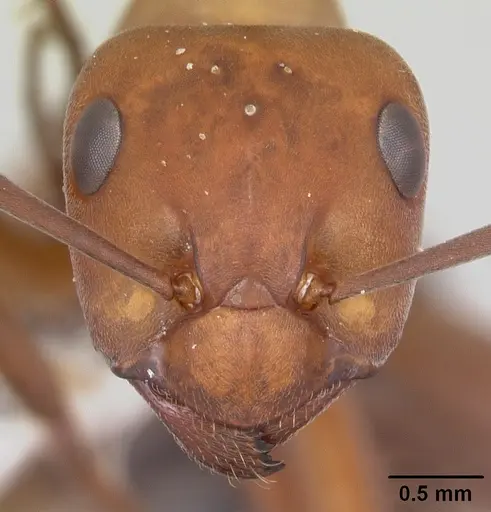
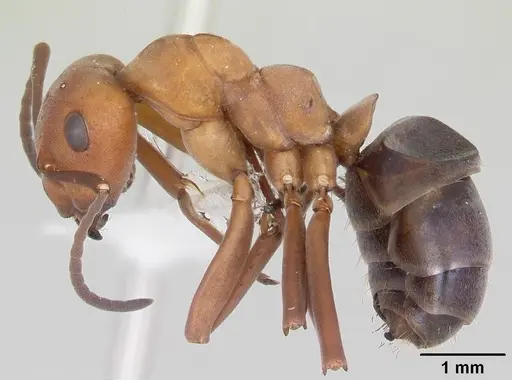
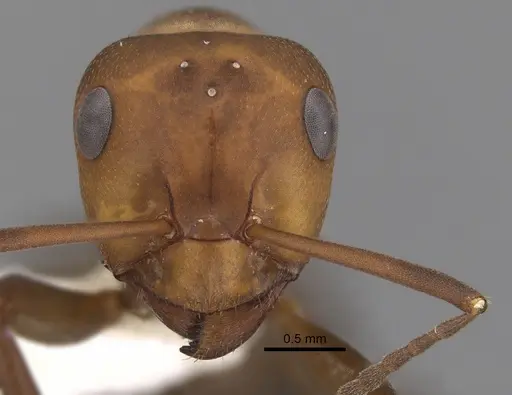
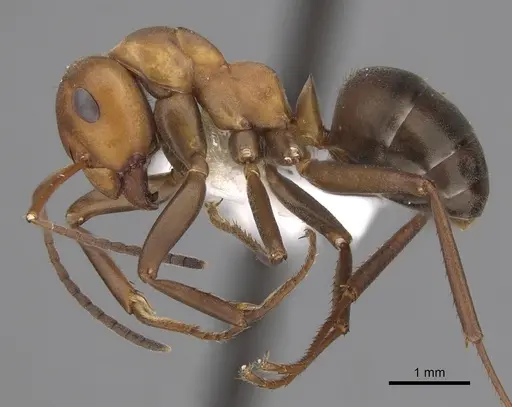
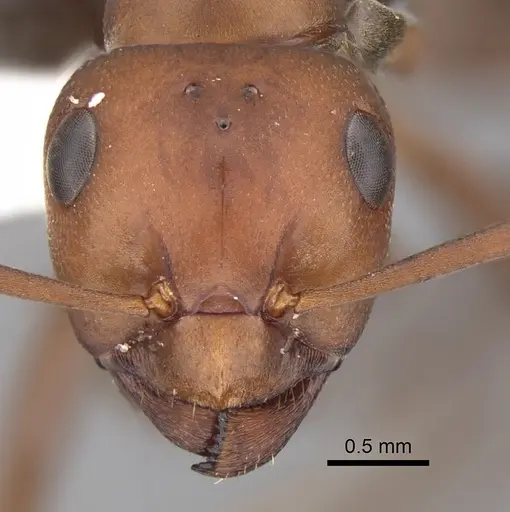
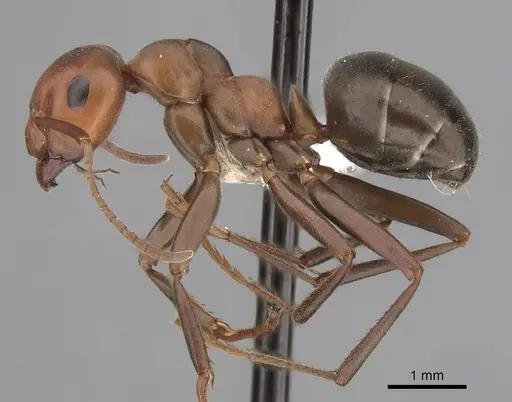
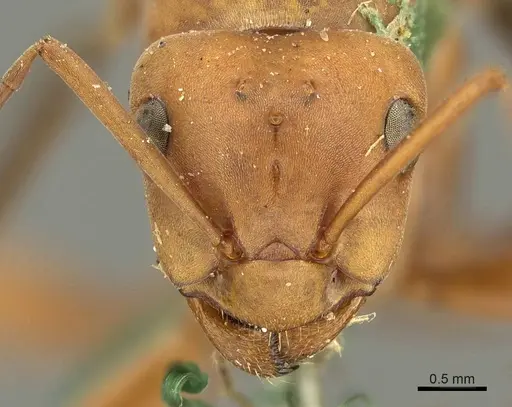
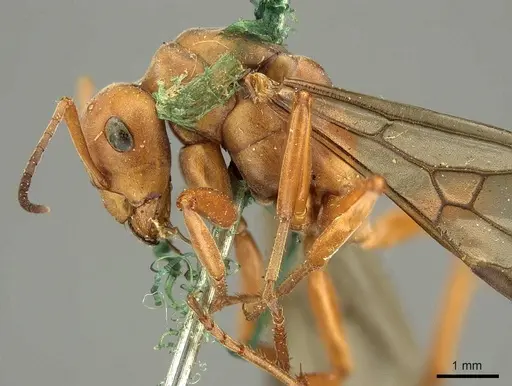
Formica integra is a large, handsome ant species native to eastern North America, ranging from Nova Scotia and Québec south to Mississippi [1]. Workers measure 4.5-7mm and are reddish-brown to dark brown with a distinctive ashy black abdomen [1][2]. This species belongs to the Formica rufa group, which is known for pronounced queen-worker dimorphism [3]. In the wild, they build extensive nests in or under logs and stumps, using thatching behavior where they pile vegetable debris and pine needles around and over their nest entrances [4]. Colonies often create connected networks of nests with covered runways leading to trees and between nest sites [2].
Quick Summary
- Difficulty: Medium
- Origin & Habitat: Eastern North America from Nova Scotia to Mississippi, found in wooded areas with moderate to heavy cover [4][1]. Nests in or under logs, stumps, or fallen bark slabs in deciduous forests [4][5].
- Colony Type: Facultatively polygyne with colony budding, single or multiple queens possible with temporary social parasitism [3]. Colonies can establish multiple connected nests.
- Colony: Optionally polygyne
- Queen: Temporary parasitic
- Size & Growth:
- Queen: Larger than workers with pronounced dimorphism, estimated 9-12mm based on rufa group patterns [3]
- Worker: 4.5-7mm [1]
- Colony: Large colonies with multiple nests, one observation recorded about thirty connected nests [2]
- Growth: Moderate, based on typical Formica development
- Development: Estimated 6-8 weeks at optimal temperature based on genus patterns (Development time inferred from related Formica species, exact timeline unconfirmed for this species)
- Antkeeping:
- Temperature: Keep at room temperature around 20-24°C. As a temperate species from eastern North America, they do best with a mild temperature gradient [1].
- Humidity: Moderate humidity, they nest in wooded areas so aim for 50-70% relative humidity with some drier areas in the nest
- Diapause: Yes, eastern North American temperate species requires winter hibernation. Keep at 5-10°C for 3-4 months during winter.
- Nesting: Naturalistic setups work best. They naturally nest under logs, in stumps, and under fallen bark with extensive thatching behavior. A formicarium with soil substrate and access to wood pieces or cork bark allows natural nesting. They collect and arrange debris, so provide materials like small leaves, pine needles, or sand for thatching.
- Behavior: These ants are defensive and will protect their nests vigorously. When threatened, workers rise on their hind legs and curve their abdomen forward, spraying venom, a behavior shared with European Formica pratensis [2]. They are active foragers that build covered runways and highways between nest sites. Workers are medium-sized at 4.5-7mm and can deliver a moderately painful sting. Escape prevention should be good but not as critical as for tiny species, they are large enough that standard formicarium barriers work well.
- Common Issues: winter hibernation is required, colonies that don't cool down properly may fail to thrive or have shortened lifespans, they need space for debris collection and thatching behavior, bare acrylic nests may not suit their natural instincts, large colony size means they need expanding housing as the colony grows, wild colonies may host myrmecophilous beetles, quarantine and observe new colonies, they can be aggressive defenders, handle with care during nest maintenance
Nuptial Flight Activity Analysis 186 observations
Flight Activity by Hour 186 observations
Formica integra nuptial flight activity peaks around 12:00 during the late morning to early afternoon. Activity is spread across a 12-hour window (07:00–18:00). A secondary activity peak occurs around 10:00. Times may be influenced by human observation patterns.
Nest Preferences and Housing
Formica integra naturally nests in and under decaying wood, logs, stumps, and fallen bark slabs are their preferred sites [4][5]. They build extensive nests that can spread across multiple locations, with one documented colony having about thirty connected nests linked by covered runways [2]. In captivity, naturalistic setups work best: a formicarium with soil or earth mixture substrate combined with wood pieces, cork bark, or similar materials allows them to exhibit natural nesting behavior. They are famous for thatching, collecting and arranging vegetable debris, pine needles, and sand to cover nest entrances and create covered runways [2]. Provide plenty of small debris materials like leaf fragments, sand, or small twigs. A Y-tong or acrylic nest can work but may limit their natural thatching behavior, consider hybrid setups with a naturalistic outworld connected to a nest chamber.
Feeding and Diet
Like other Formica species, Formica integra is a generalist predator and scavenger. They hunt insects and other small arthropods, and also collect honeydew from aphids and scale insects. In captivity, offer protein sources like small crickets, mealworms, fruit flies, and other small insects. Sugar water, honey, or commercial ant sweets provide carbohydrates. They are active foragers, so place food in the outworld where they can easily find it. Workers will carry food back to the nest and share with colony members through regurgitation. A constant sugar source is recommended along with protein offerings 2-3 times per week depending on colony size. [2]
Temperature and Seasonal Care
As a temperate species from eastern North America, Formica integra does best at moderate temperatures around 20-24°C [1]. Room temperature in this range is typically suitable. They are adapted to seasonal temperature changes and require a winter dormancy period. In autumn as temperatures drop, reduce heating and allow the colony to gradually cool. Provide 3-4 months of hibernation at 5-10°C, a basement, garage, or refrigerator (if pest-free) works well. Do not feed during hibernation but ensure some moisture is available. Return to normal temperatures in spring when natural temperatures rise. Colonies that don't receive proper hibernation may be weakened or have reduced lifespans.
Defense and Behavior
Formica integra has well-developed defensive behaviors. When disturbed, workers rise on their hind legs and curve their abdomen forward in a threatening posture, similar to European Formica pratensis [2]. They can spray formic acid venom from this position, which can cause mild to moderate pain on human skin. This is a defensive species that will vigorously protect its nest, so use caution during maintenance. Workers are active foragers that create extensive covered runways, in the wild these can extend 12 meters or more from the nest [6]. They collect vegetable debris to build and maintain these runways, banking material around nest entrances. This is a diurnal species active during daylight hours.
Colony Structure and Growth
This species shows facultatively polygyne colony structure, colonies can have single or multiple queens [3]. They also practice colony budding, where a portion of the colony splits off to establish a new nest nearby, leading to the extensive multi-nest colonies observed in the wild [2][3]. The rufa group shows pronounced queen-worker dimorphism, meaning queens are noticeably larger than workers [3]. Mature colonies can become quite large with thousands of workers spanning multiple connected nests. Growth is moderate, expect several months to a year for first workers (nanitics) to develop, then steady growth through the first year. Colonies reach full size over several years.
Frequently Asked Questions
How long does it take for Formica integra to have first workers?
Based on typical Formica development, expect 6-8 weeks from egg to first worker at optimal temperature (around 22-24°C). The exact timeline for F. integra specifically is unconfirmed, but genus-level data suggests this timeframe.
What temperature do Formica integra ants need?
Keep them at room temperature around 20-24°C. As a temperate eastern North American species, they don't need high heat. A mild temperature gradient is beneficial but not required.
Do Formica integra ants need hibernation?
Yes, they require winter dormancy. Provide 3-4 months at 5-10°C during winter. This is essential for colony health, colonies that don't hibernate may be weakened or have shortened lifespans.
What do Formica integra ants eat?
They are generalist feeders. Offer small insects (crickets, mealworms, fruit flies) for protein, and sugar water, honey, or commercial ant sweets for carbohydrates. They also collect honeydew in the wild.
Can I keep multiple Formica integra queens together?
This species is facultatively polygyne, colonies can have single or multiple queens. However, combining unrelated foundress queens is not recommended as aggression may occur. Established colonies with multiple queens should not be split.
What type of nest is best for Formica integra?
Naturalistic setups work best. They naturally nest in decaying wood and under bark with extensive thatching behavior. Provide soil substrate with wood pieces, cork bark, or similar materials for them to build their characteristic debris-covered nests.
How big do Formica integra colonies get?
Large colonies with thousands of workers. In the wild, colonies can span thirty or more connected nests. In captivity, expect steady growth over several years to a substantial colony size.
Are Formica integra good for beginners?
They are medium difficulty, more challenging than simple species like Lasius but manageable for intermediate antkeepers. Their size, temperature needs, and hibernation requirements are straightforward, but their large colony size and specific nesting preferences require some experience.
Why are my Formica integra dying?
Common causes include: lack of proper hibernation, wrong humidity (too dry or too wet), insufficient protein, or stress from nest disturbances. They also host myrmecophilous beetles in the wild, wild-caught colonies may bring parasites. Ensure proper temperature, hibernation, and varied diet.
References

This caresheet is licensed under CC BY-SA 4.0 .
ANTWEB1041714
View on AntWeb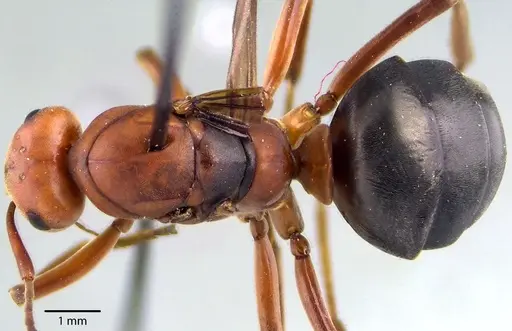
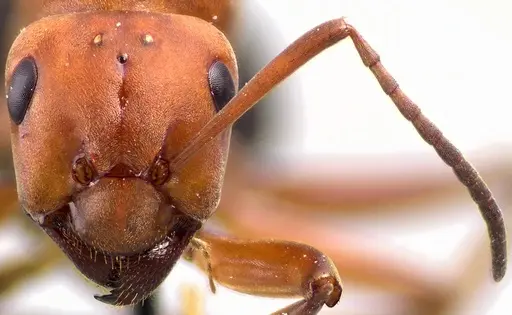
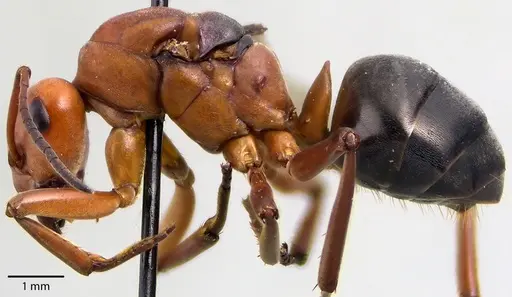
ANTWEB1041778
View on AntWeb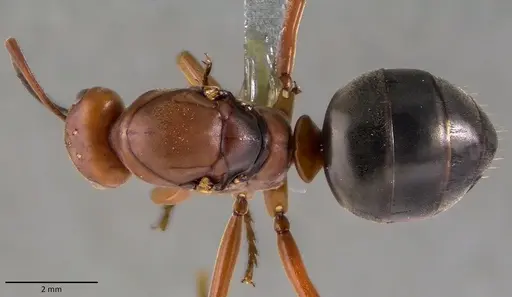
CASENT0103370
View on AntWeb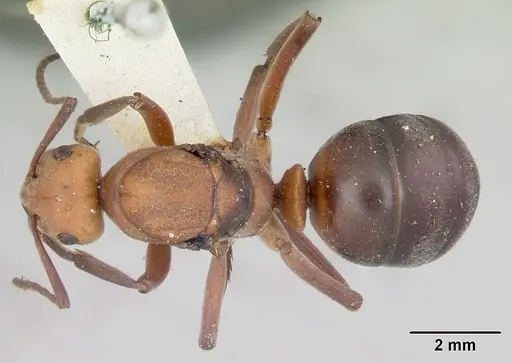
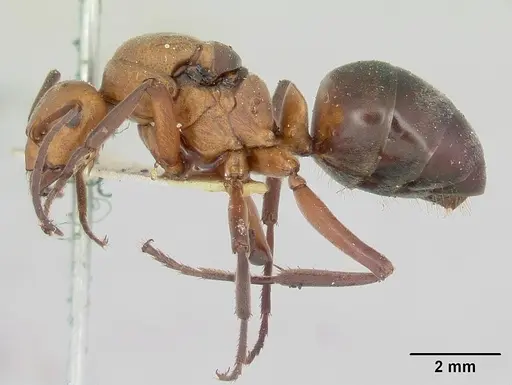
CASENT0103371
View on AntWeb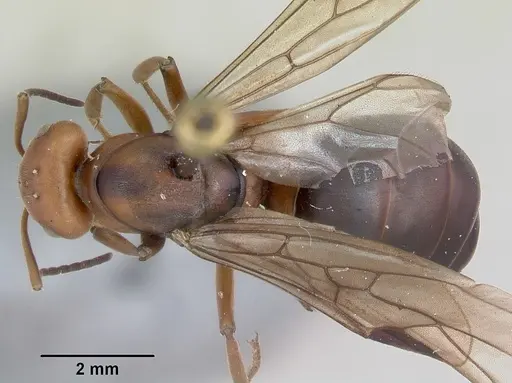
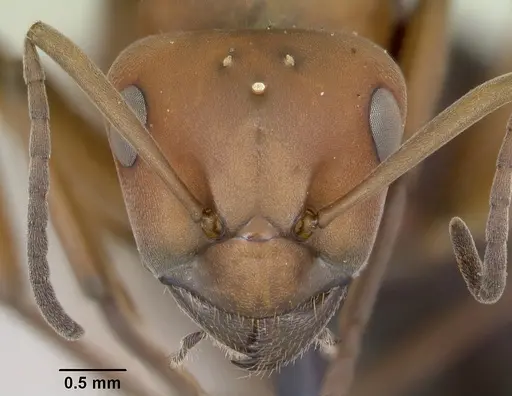
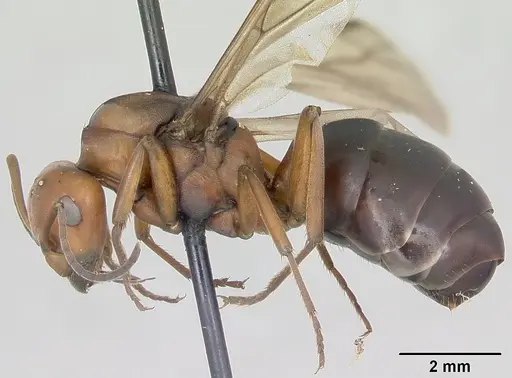
CASENT0105554
View on AntWeb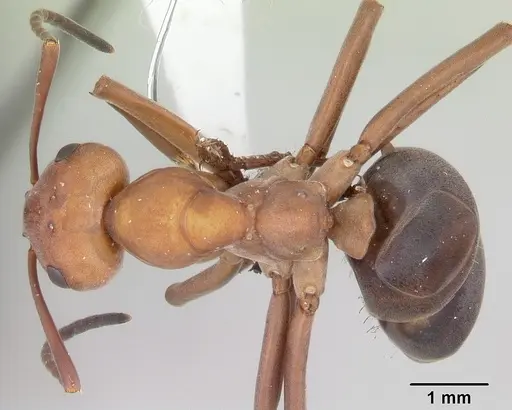
CASENT0280396
View on AntWeb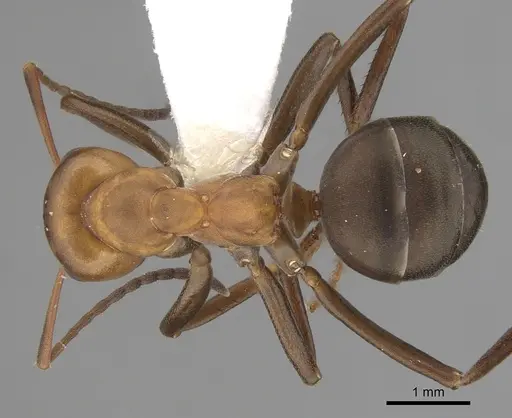
CASENT0280397
View on AntWeb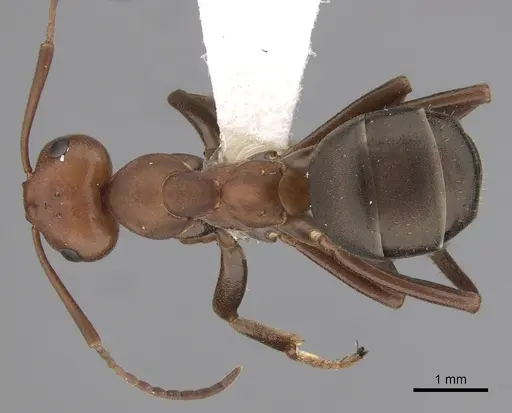
CASENT0915636
View on AntWeb
Literature
Loading...Loading products...