

Formica impexa
- Scientific Name
- Formica impexa
- Tribe
- Formicini
- Subfamily
- Formicinae
- Author
- Wheeler, 1905
- Distribution
- Found in 2 countries
Formica impexa Overview
Formica impexa is an ant species of the genus Formica. It is primarily documented in 2 countries , including Canada, United States of America. Detailed taxonomic data and occurrence records can be further explored via authoritative databases such as AntWeb or the Global Biodiversity Information Facility (GBIF).
Formica impexa
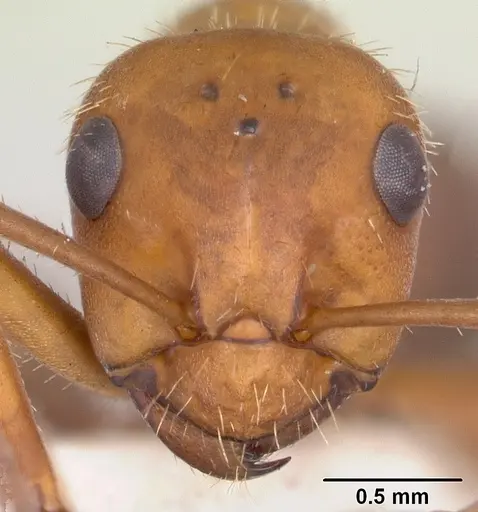
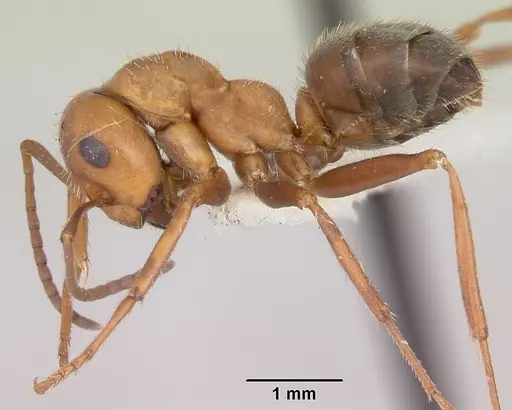
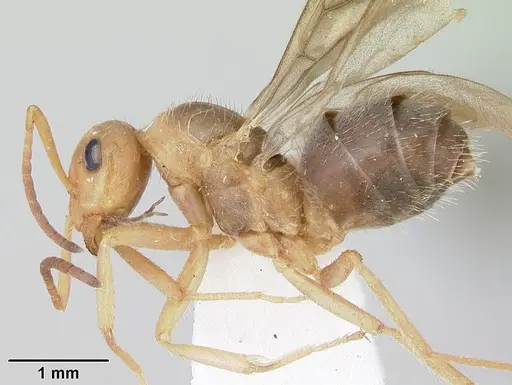
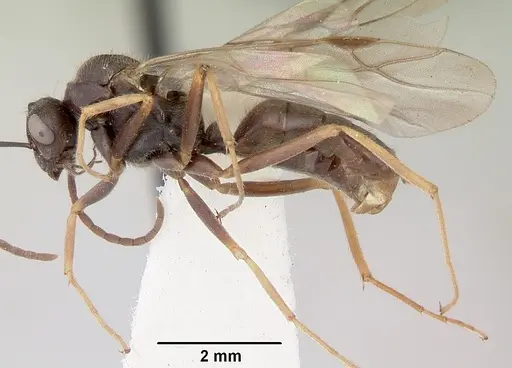
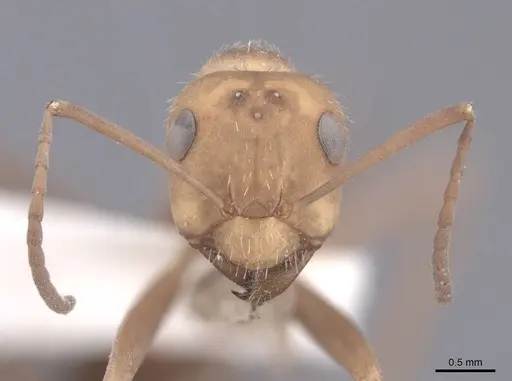
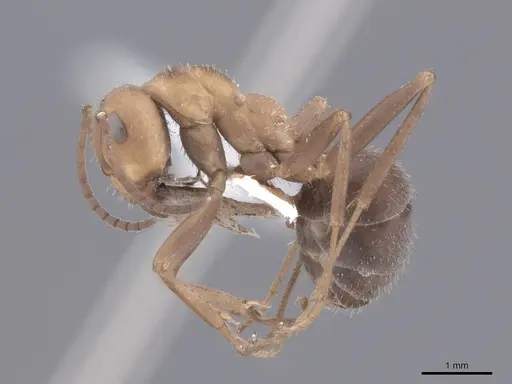
Formica impexa is a small, hairy ant native to boreal regions of Canada and the northern United States. Workers measure around 4-6mm with a distinctive appearance featuring reddish-brown head and mesosoma, medium brown legs, and a dark brown gaster covered in dense erect hairs. The most recognizable feature is the numerous suberect hairs along the tibiae (the lower leg segments) and the scape (the first antenna segment). This species belongs to the difficilis group and may eventually be classified as synonymous with Formica microgyna when more specimens are studied [1].
This ant is a temporary social parasite, the queen invades a host colony (typically another Formica species), kills or displaces the host queen, and uses the host workers to raise her first brood before her own workers take over. This makes them fascinating but challenging to keep, as you'll need a host colony to establish a founding queen.
Quick Summary
- Difficulty: Expert
- Origin & Habitat: Boreal regions of Canada and northern United States, particularly Alberta, Minnesota, and Rhode Island. Found in sand hill grassland and woodland habitats with mineral soil and tree-dominated vegetation [2][3][4].
- Colony Type: Temporary social parasite, single queen colonies where the queen invades a host Formica colony. Queens are miniature, not significantly larger than their largest workers [5].
- Colony: Monogyne
- Queen: Socially parasitic, Temporary parasitic
- Size & Growth:
- Queen: Small, approximately 2/3 the size of the largest major worker, likely 5-7mm [1]
- Worker: 4-6mm [1]
- Colony: Unknown, likely moderate sized like other boreal Formica
- Growth: Moderate, growth depends on host colony integration
- Development: Unknown, development timeline unconfirmed for this species (Development occurs within the host colony during the parasitic phase, making timing difficult to observe)
- Antkeeping:
- Temperature: Keep cool, this is a boreal species. Aim for 18-22°C, with slight variations. Avoid overheating as they naturally occur in cooler climates
- Humidity: Moderate humidity matching their boreal woodland habitat. Keep nest substrate moist but not waterlogged. They prefer areas with some moisture but good drainage
- Diapause: Yes, as a boreal species, they require a winter hibernation period. Provide 4-6 months of cold conditions around 5-10°C during winter
- Nesting: This is a social parasite requiring a host colony. In captivity, you must establish a host Formica colony first (commonly F. fusca or related species). The parasite queen needs to successfully integrate with host workers. Natural nests are in soil under stones or in rotting wood in forested areas
- Behavior: Temporary social parasite with specific founding behavior. Queens must invade and integrate with a host colony. Workers are moderately active and foragers. Escape risk is moderate, standard Formica escape prevention measures (fluon barriers) are sufficient. They are not particularly aggressive but the parasitic lifestyle creates unique behavioral dynamics. The dense erect hairs on the gaster are a distinguishing identification feature [6].
- Common Issues: establishing a founding queen requires a healthy host colony, this is the primary challenge and most common failure point, host colony rejection, host workers may attack and kill the invading queen, queen mortality during integration, many queens fail to successfully replace the host queen, borrowing parasite queens is difficult, they cannot be founded like typical claustral ants, winter die-off if hibernation conditions are not provided properly
Understanding Temporary Social Parasitism
Formica impexa is a temporary social parasite, meaning the queen cannot found a colony alone like most ants. Instead, she must invade an established colony of another Formica species (typically a related species like Formica fusca). The invading queen kills or displaces the host queen and uses the host workers to raise her first brood. Once her own workers emerge, they gradually replace the host workers, and the colony becomes self-sustaining. This is a fascinating but challenging lifecycle that requires planning, you need TWO colonies: a host colony and the parasite colony [7][8][5].
Housing and Setup Requirements
Keeping F. impexa requires a multi-colony setup. First, establish a healthy host colony (Formica fusca or a similar common Formica species works well). Then, introduce the parasite queen to the host colony. This introduction must be done carefully, queen introductions often fail, and host workers may attack and kill the intruder. Some keepers have success by introducing the parasite queen through the outworld rather than directly into the nest, allowing her to integrate gradually. The nest should be a standard formicarium with appropriate humidity and temperature gradients.
Temperature and Seasonal Care
As a boreal species, F. impexa prefers cooler temperatures than many tropical ants. Keep the nest around 18-22°C, avoiding prolonged periods above 25°C. During winter, provide a diapause (hibernation) period of 4-6 months at temperatures between 5-10°C. This winter rest is essential for colony health and likely triggers reproductive behavior. Place the colony in an unheated garage or refrigerator during winter months. Failure to provide adequate hibernation often leads to colony decline [2].
Feeding the Colony
Once established, F. impexa workers will forage for food similar to other Formica species. They likely consume honeydew from aphids, small insects, and sugar sources. Offer a varied diet including sugar water or honey, small insects (fruit flies, small crickets, mealworms), and occasional protein sources. Feed every 2-3 days, removing uneaten prey after 24 hours. During the parasitic integration phase, ensure the host colony is well-fed to reduce stress and aggression toward the intruding queen.
Behavior and Colony Dynamics
The defining behavior of F. impexa is the parasitic colony founding. A newly mated queen seeks out a host colony, enters the nest, and either kills the host queen or establishes herself alongside her. Host workers initially may be aggressive toward the intruder, but if the queen survives, she produces pheromones that gradually cause host workers to accept her. The first brood is raised entirely by host workers. Once the parasite's own workers emerge (typically nanitics smaller than normal workers), they begin to replace host workers over time. This integration process can take many months and success is not guaranteed [7][8].
Frequently Asked Questions
How do I start a Formica impexa colony?
You need two colonies: a host Formica colony (like F. fusca) and the parasite colony. The parasite queen must invade and integrate with the host colony, this is much harder than starting a typical claustral ant colony. Many keepers find it easier to purchase an already-established colony rather than attempting the difficult introduction process.
Can I keep Formica impexa with other ant species?
No. F. impexa is a temporary social parasite that specifically requires a host Formica colony. Keeping them with other species (even other Formica) will result in aggression and likely death. They must be kept separately from potential host colonies except during controlled introduction attempts.
Do Formica impexa queens need to hibernate?
Yes. As a boreal species from Canada and northern regions, they require a winter diapause. Provide 4-6 months of cold conditions around 5-10°C annually. Without proper hibernation, the colony will likely decline over time.
What do Formica impexa eat?
They eat typical ant foods: sugar sources (honey water, sugar water) and small insects. Once established in a host colony, they forage like normal Formica workers. Offer protein (small insects) 2-3 times weekly and keep sugar water available constantly.
How long does it take for Formica impexa to establish?
The establishment phase is lengthy and uncertain. Even after a successful queen introduction, it can take 6-12 months or longer for the parasite's workers to emerge and for the colony to become self-sustaining. Many introduction attempts fail. This is not a species for beginners due to the complexity of colony founding.
Are Formica impexa good for beginners?
No. This is an expert-level species due to the complex temporary parasitic founding behavior. You need to maintain two colonies (host and parasite), successfully introduce the queen, and manage the integration process. Most antkeepers should start with easier species like Lasius niger or Formica fusca before attempting parasitic Formica.
References

This caresheet is licensed under CC BY-SA 4.0 .
CASENT0103361
View on AntWeb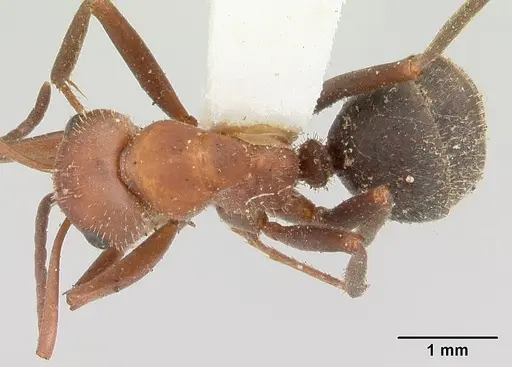
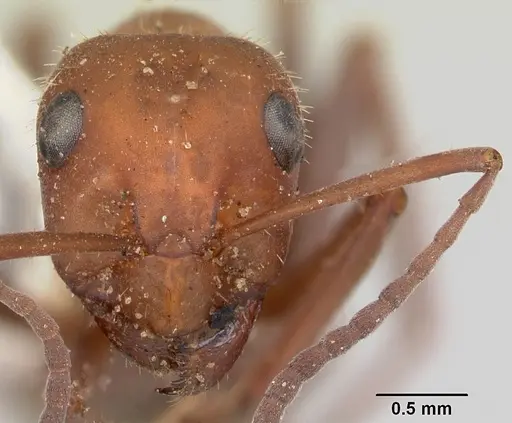
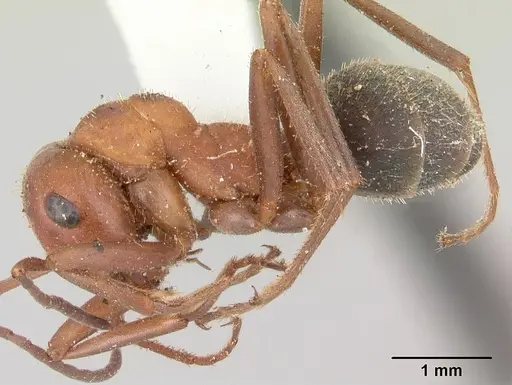
CASENT0103362
View on AntWeb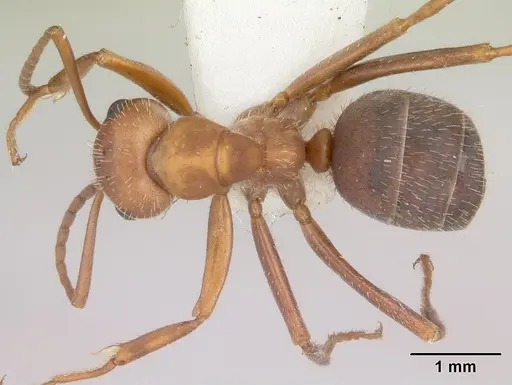
CASENT0103363
View on AntWeb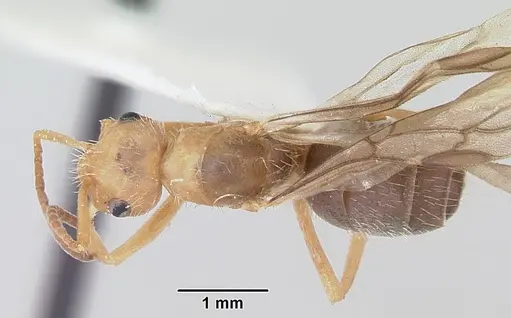
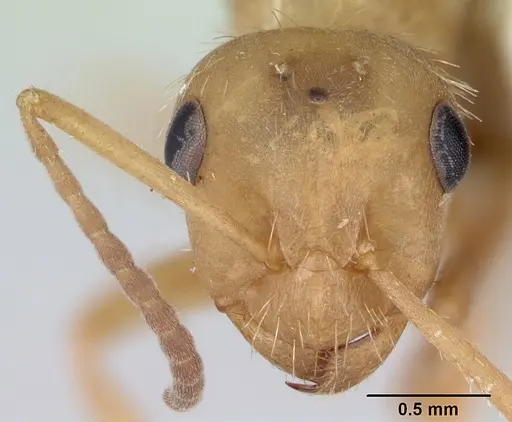
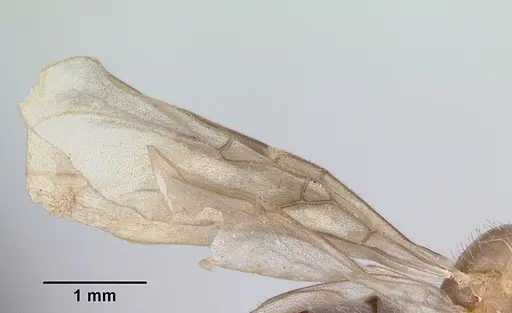
CASENT0103364
View on AntWeb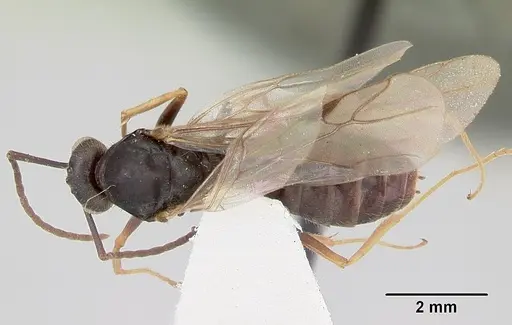
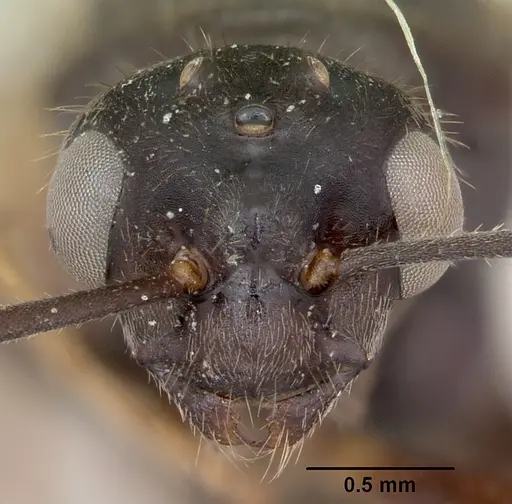
FMNHINS0000046297
View on AntWeb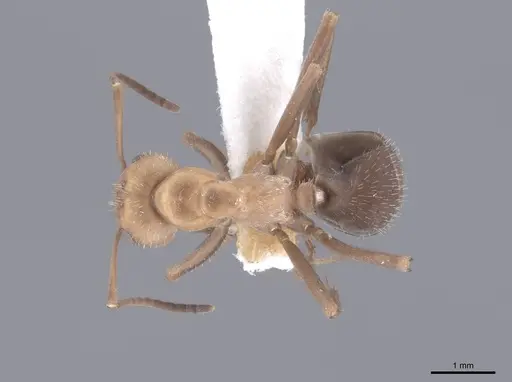
Literature
Loading...Loading products...