

Formica gerardi
- Scientific Name
- Formica gerardi
- Tribe
- Formicini
- Subfamily
- Formicinae
- Author
- Bondroit, 1917
- Distribution
- Found in 3 countries
Formica gerardi Overview
Formica gerardi is an ant species of the genus Formica. It is primarily documented in 3 countries , including Spain, France, Portugal. Detailed taxonomic data and occurrence records can be further explored via authoritative databases such as AntWeb or the Global Biodiversity Information Facility (GBIF).
Formica gerardi
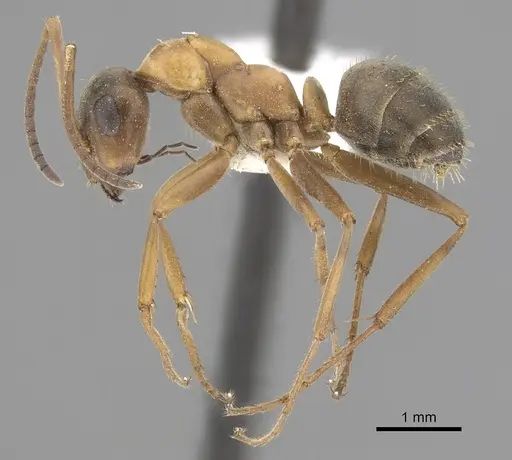
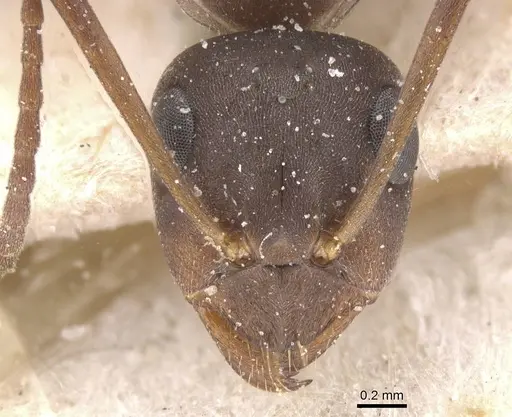
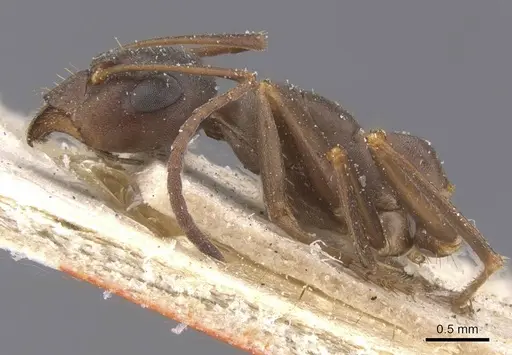
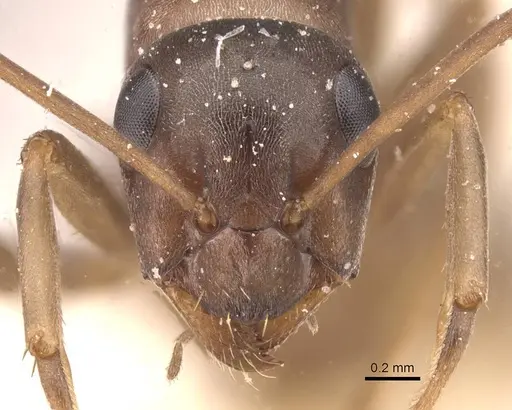
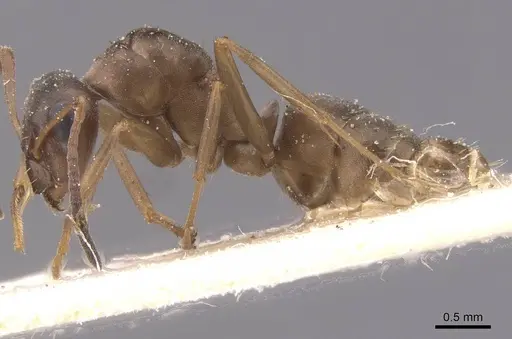
Formica gerardi is a medium-sized ant native to the Iberian Peninsula and southern France. Workers are light to dark brown, sometimes with reddish-brown markings on the sides of the pronotum, and have a distinctly dull, matte body surface [1]. Queens are chunky at 3.13mm in mesosoma length with a dark brown to black body and reddish bands on the pronotum and mesopleurae [1]. This species belongs to the subgenus Serviformica and the fusca species group, making it a close relative of the common Formica fusca. What makes F. gerardi special is its role as a preferred host for the slave-making ant Polyergus rufescens, researchers have found this ant being enslaved in several locations across Spain [1][2]. It's also one of the most timid ants in the Formica group, fleeing rather than fighting when disturbed [2].
Quick Summary
- Difficulty: Medium
- Origin & Habitat: Native to the Iberian Peninsula, southern France, Andorra, and Gibraltar. Found in Mediterranean forest clearings and oak woodlands, preferring forest-shaded areas, though it's the most xerothermic (warmth-loving) species within European Formica [1][3]. Elevation ranges from sea level to about 1,400m [4][5].
- Colony Type: Single-queen colonies (monogyne). This species is known to be enslaved by Polyergus rufescens, which raids their colonies to steal brood and make them work as slaves [1][2].
- Colony: Monogyne
- Founding: Claustral
- Size & Growth:
- Queen: Queens: HL 1.7mm, HW 1.71mm, WL 3.13mm [1]
- Worker: Workers: 4-6mm typical for Serviformica [6]
- Colony: Colony size data not specifically documented, but typical for Serviformica, likely several hundred workers [6]
- Growth: Moderate, typical Formica development
- Development: 6-10 weeks (estimated based on typical Formica/Serviformica development at warm temperatures) (Development time estimated from related Formica species. Nuptial flights occur June to July [5].)
- Antkeeping:
- Temperature: Keep at 20-26°C. As a Mediterranean species, they prefer warmer conditions but less extreme than truly thermophilic species. A temperature gradient allows them to regulate [1].
- Humidity: Moderate humidity. They prefer forest soils and shaded microhabitats, keep substrate slightly moist but not waterlogged [3].
- Diapause: Yes, as a Mediterranean species from temperate latitudes, they benefit from a winter rest period around 10-15°C for 2-3 months.
- Nesting: Natural nesting under stones and in soil. In captivity, a Y-tong or plaster nest works well. They prefer darker, more enclosed spaces compared to open-nesting ants. Keep nesting area dark and secure.
- Behavior: Very timid and docile, one of the most peaceful Formica species. Workers will flee rather than fight when threatened [2]. They are not aggressive and rarely bite. Foraging is opportunistic, they collect nectar, honeydew, and small insects. Escape prevention is moderate, they're not particularly small but use standard barriers. They are nectarivorous and will attend aphids for honeydew [7][8].
- Common Issues: colonies may fail if kept too dry, they prefer forest soil conditions, timid nature means they may be outcompeted by more aggressive ants in multi-species setups, known host for Polyergus rufescens, wild colonies may be raided by this slave-making ant, slow to establish compared to more robust Formica species, may be sensitive to disturbance during founding, keep founding colonies in quiet, dark locations
Housing and Nest Preferences
Formica gerardi prefers darker, more enclosed nesting spaces compared to some of their more open-nesting relatives. In the wild, they nest under stones and in soil, often in forested areas with good shade cover [3][1]. For captivity, a Y-tong (acrylic) nest or plaster nest works well. Keep the nesting area relatively dark, these ants are shy and will be more active if their nest isn't in direct light. A small outworld connected to the nest allows foraging. Because they're not large climbers, ensure the outworld has smooth walls or barrier coating to prevent escapes. The colony will appreciate some substrate in the outworld for foraging opportunities.
Feeding and Diet
Like other Serviformica ants, F. gerardi is omnivorous with a preference for sweet liquids. They will readily consume sugar water, honey, or honeydew from aphids [8][7]. For protein, offer small insects like fruit flies, small crickets, or mealworms. In the wild, they forage for nectar and have been observed feeding at hellebore flowers [7]. They're considered nectarivorous and will attend aphids for honeydew [7][3]. Feed protein prey 2-3 times per week and keep a constant sugar source available. Unlike some Formica, they're not known for carrying seeds (0% diaspore-carrying behavior observed) [7].
Temperature and Seasonal Care
As a Mediterranean species from the Iberian Peninsula, F. gerardi prefers warm but not extreme temperatures. Keep the nest at 20-26°C, with a slight gradient if possible. They're less thermophilic than Iberoformica subrufa but still prefer warmer conditions than many northern Formica species [1]. During summer, room temperature is usually suitable. In winter, they benefit from a diapause (winter rest) period of 2-3 months at 10-15°C. This simulates their natural seasonal cycle in the Mediterranean. Reduce feeding during diapause and keep the nest slightly cooler but not cold. Nuptial flights occur from June to July in the wild [5].
Behavior and Temperament
This is one of the most timid and docile ants in the Formica group. When disturbed, their first response is to flee rather than fight [2]. Workers are small, quick, and generally non-aggressive. They won't bite much even when handled. This makes them suitable for observation but means they can be outcompeted by more aggressive ant species. In the wild, their timidity makes them vulnerable to raids by slave-making ants like Polyergus rufescens, which is why they're a common host species for this parasite [1][2]. Interestingly, when F. gerardi workers are brought up in a Polyergus nest (as slaves), they become much bolder than their wild counterparts [2]. In captivity, they will establish well if given peaceful conditions and won't bother keepers.
Colony Development
Colony founding is claustral, the queen seals herself in a chamber and raises the first workers alone on her stored fat reserves. Queens are substantial at 3.13mm mesosoma length with good fat stores [1]. First workers (nanitics) will be smaller than mature workers. Growth rate is moderate, expect 6-10 weeks from egg to first worker at optimal temperature. Mature colonies likely reach several hundred workers based on related Serviformica species. The colony will expand gradually over several years. Unlike some Formica, they don't produce massive colonies quickly, so patience is needed during the founding phase.
Ecological Relationships
F. gerardi has several notable ecological relationships. Most importantly, it's a preferred host for the slave-making ant Polyergus rufescens, researchers have documented this relationship in multiple Spanish locations, including Valencia province and the Pyrenees [1][2]. They also attend butterfly pupae, particularly Laeosopis rovis (Spanish oak blue butterfly) and Favonius quercus (purple hairstreak), protecting them in their nests under stones [9][3]. This is an unusual behavior, the ants attend these butterfly pupae and the caterpillars benefit from ant attendance. In seed dispersal, they're non-carrying (0% diaspore-carrying), meaning they eat elaiosomes but don't transport seeds [7]. These ecological relationships make them an interesting species for observing natural behaviors.
Frequently Asked Questions
Is Formica gerardi good for beginners?
Formica gerardi is moderately difficult. They're docile and don't require extreme conditions, but they're slower to establish than species like Lasius or more robust Formica. Their timid nature means they need peaceful conditions. If you have experience with at least one Formica species before, this is a good choice.
How long does it take for Formica gerardi to have first workers?
Expect 6-10 weeks from egg to first worker at optimal temperature (around 22-26°C). This is typical for Serviformica species. The queen will seal herself in during claustral founding and emerge with her first nanitic workers after this period.
What do Formica gerardi eat?
They're omnivorous but prefer sweet liquids. Offer sugar water, honey, or honeydew from aphids regularly. For protein, provide small insects like fruit flies, pinhead crickets, or mealworms 2-3 times per week. They'll also forage for nectar in captivity.
Do Formica gerardi need hibernation?
Yes, they benefit from a winter rest period. As a Mediterranean species from temperate latitudes, they expect seasonal temperature changes. Provide 2-3 months at 10-15°C during winter. Reduce feeding and keep them cooler but not frozen.
Can I keep multiple Formica gerardi queens together?
Not recommended. This is a monogyne (single-queen) species. Unlike some Formica that can be polygynous, F. gerardi typically has one queen per colony. Combining unrelated queens has not been documented and would likely result in fighting.
How big do Formica gerardi colonies get?
Colony size is not specifically documented, but based on related Serviformica species, expect several hundred workers at maturity. They grow gradually over several years and don't produce massive colonies like some Lasius species.
Why are my Formica gerardi dying?
Common causes include: too dry conditions (they prefer forest soil moisture), disturbance during founding (keep quiet), being outcompeted by other ants, or keeping them too cold. They're sensitive to poor conditions but otherwise hardy once established. Check humidity, temperature, and ensure no aggressive ant species are in the same enclosure.
What is the best nest type for Formica gerardi?
Y-tong (acrylic) or plaster nests work well. They prefer darker, more enclosed spaces than some ants. Keep the nesting area shaded and secure. A small outworld allows foraging. Avoid very dry nests, they need some moisture in the substrate.
Are Formica gerardi endangered by any predators?
In the wild, they're commonly targeted by the slave-making ant Polyergus rufescens [1][2]. This species raids F. gerardi colonies to steal brood and raise them as slaves. If you're collecting from the wild, check for signs of Polyergus activity. In captivity, they have no special predators.
References

This caresheet is licensed under CC BY-SA 4.0 .
ANTWEB1008399
View on AntWeb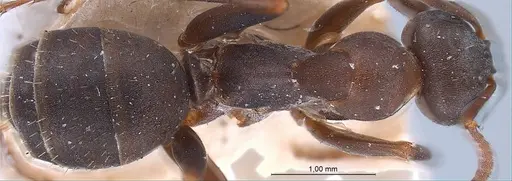
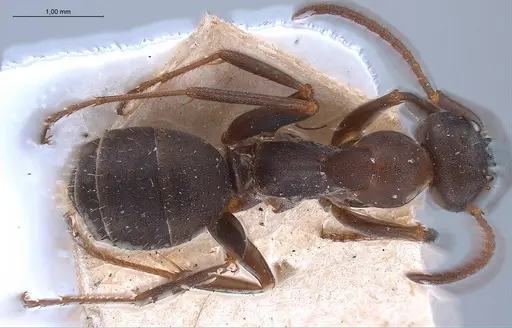
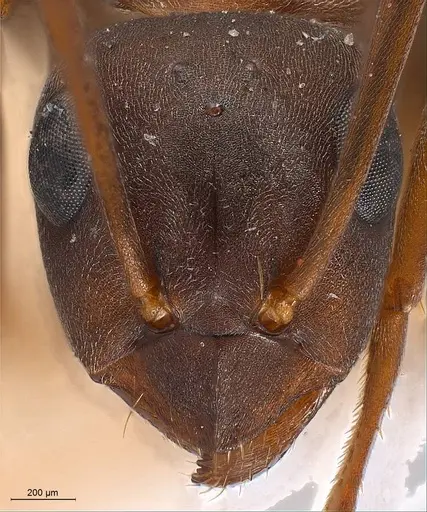
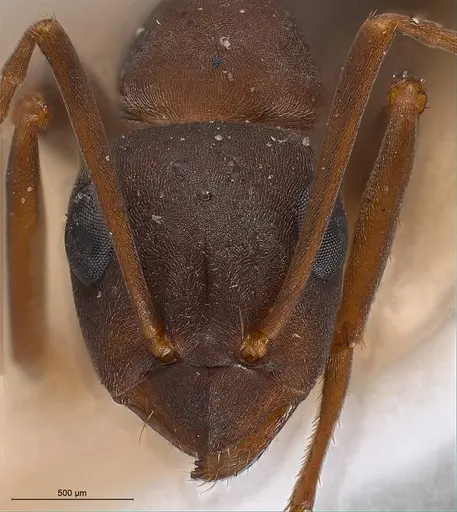
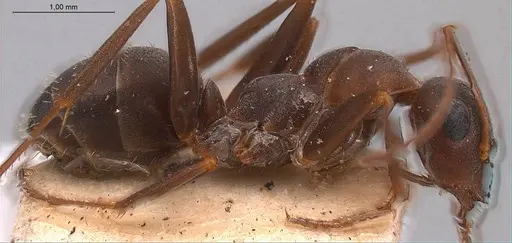
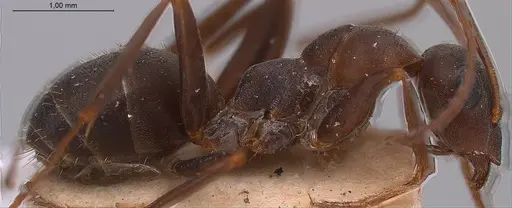
CASENT0280387
View on AntWeb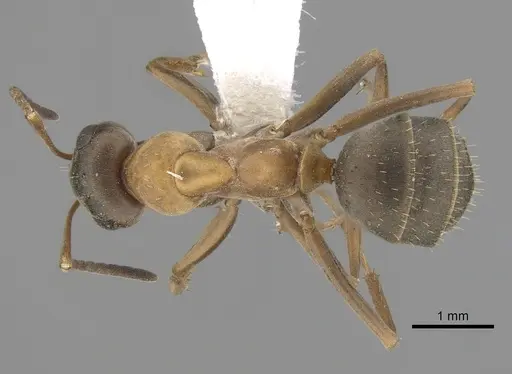
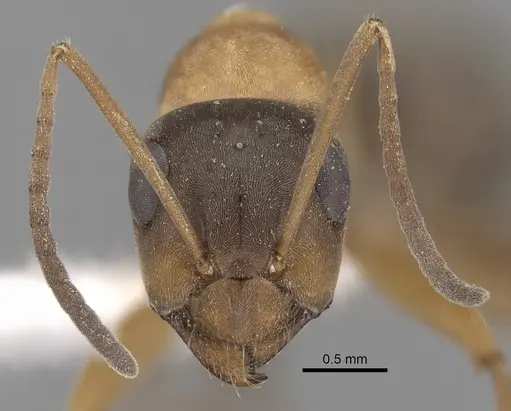
CASENT0912260
View on AntWeb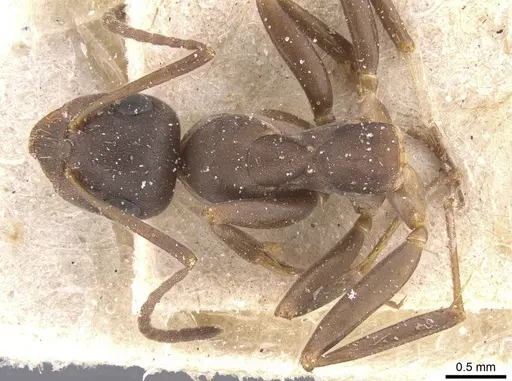
CASENT0912261
View on AntWeb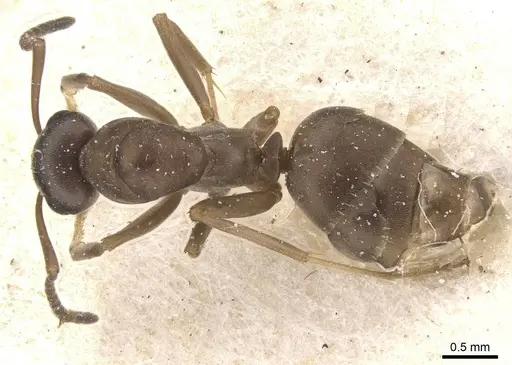
Literature
Loading...Loading products...