

Formica foreliana
- Scientific Name
- Formica foreliana
- Tribe
- Formicini
- Subfamily
- Formicinae
- Author
- Wheeler, 1913
- Distribution
- Found in 2 countries
Formica foreliana Overview
Formica foreliana is an ant species of the genus Formica. It is primarily documented in 2 countries , including Mexico, United States of America. Detailed taxonomic data and occurrence records can be further explored via authoritative databases such as AntWeb or the Global Biodiversity Information Facility (GBIF).
Formica foreliana
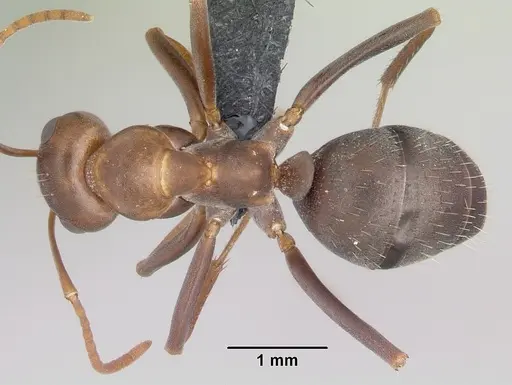
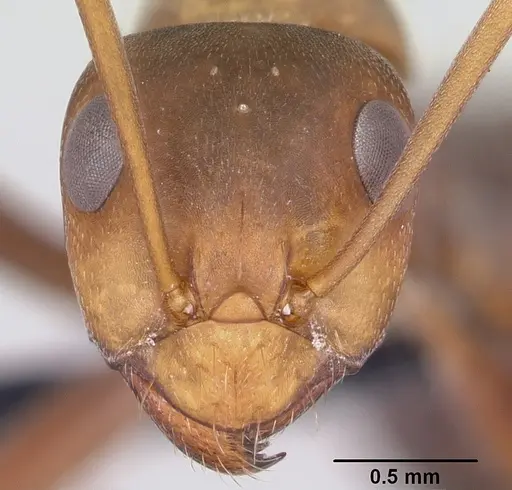
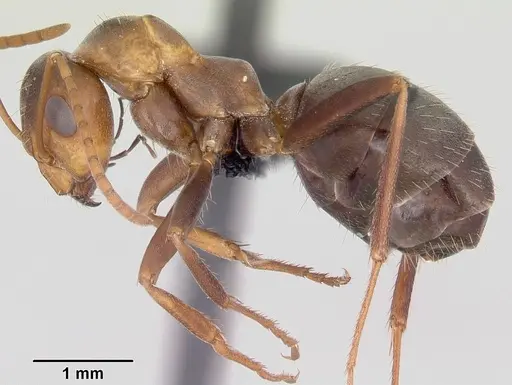
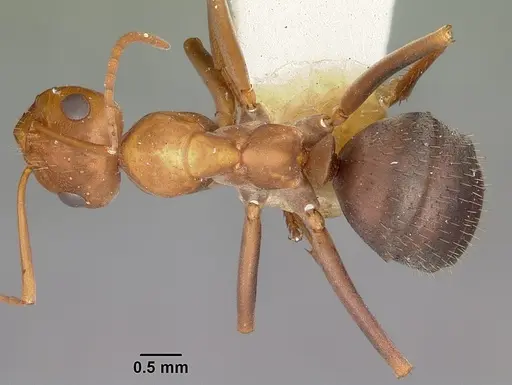
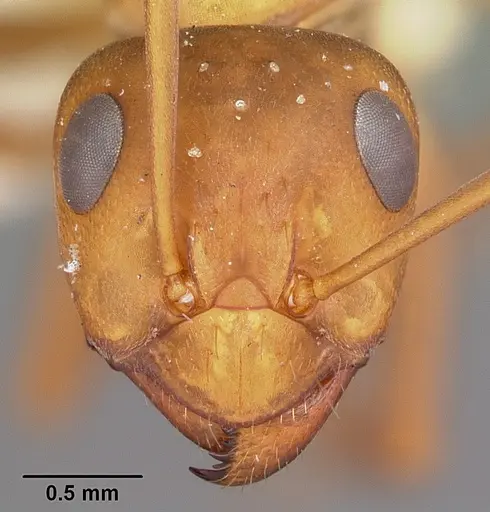
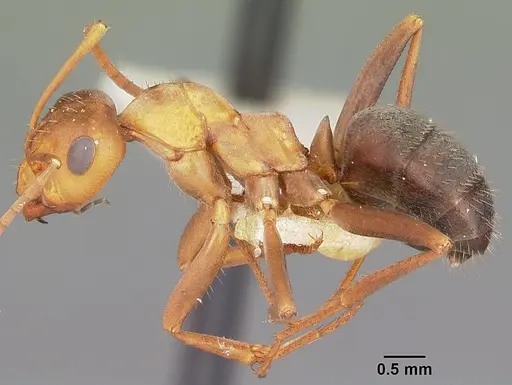
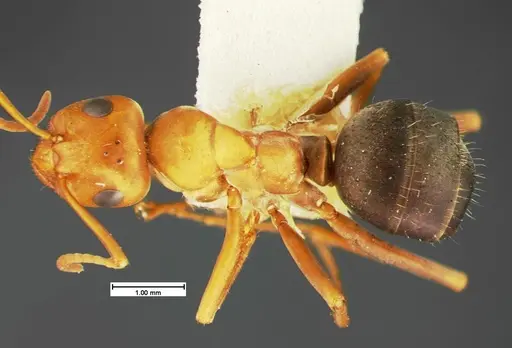
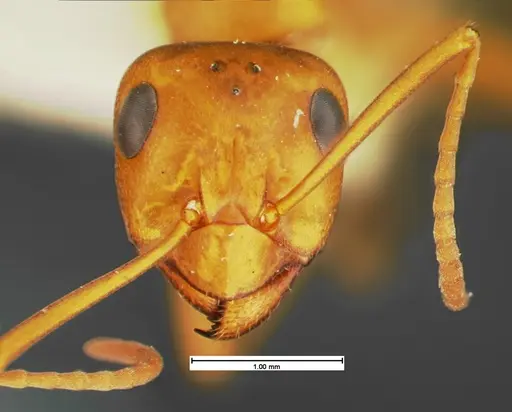
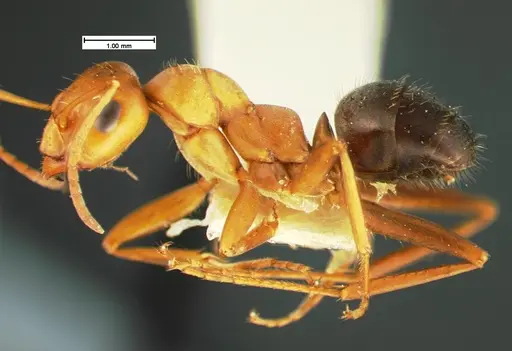
Formica foreliana is a North American ant species belonging to the fusca group. Workers measure 4-6mm and have a distinctive bicolored appearance with a mostly red head and mesosoma contrasting against a black gaster. They are characterized by abundant long erect hairs (24-43 on the first abdominal segment) and notably long maxillary palpi. This species closely resembles Formica rubicunda but can be distinguished by its projecting anterior clypeus border and more slender antennae. Found in mountainous regions of the southwestern United States and Mexico at elevations between 1370-1760 meters, very little has been documented about their specific biology in the wild [1].
Quick Summary
- Difficulty: Medium
- Origin & Habitat: Mountainous regions of the southwestern United States and Mexico, including the Huachuca Mountains (Arizona) and Uinta Mountains (Utah). They inhabit areas at elevations between 1370 and 1760 meters [1][2].
- Colony Type: Likely monogyne (single queen colonies) based on typical Formica patterns, though colony structure has not been directly documented for this species.
- Colony: Monogyne
- Founding: Claustral
- Size & Growth:
- Queen: Not directly measured, estimated at 7-9mm based on related Formica fusca group species [1]
- Worker: 4-6mm [1]
- Colony: Unknown, likely several hundred workers based on typical fusca group colony sizes
- Growth: Moderate, inferred from related Formica species
- Development: Estimated 6-10 weeks at optimal temperature based on typical Formica development (Development time is estimated from related species in the fusca group, specific data for F. foreliana is not available)
- Antkeeping:
- Temperature: Keep at 20-24°C with a slight gradient. Research shows worker morphology (antenna length) varies with temperature, suggesting they adapt to thermal conditions [3]. Room temperature within this range is typically suitable.
- Humidity: Moderate humidity around 50-60%. These are not moisture-dependent ants like some tropical species, standard formicarium humidity is appropriate.
- Diapause: Yes, as a temperate species from mountainous regions, they require a winter rest period. Provide 4-6 weeks of cold storage at 5-10°C during winter months.
- Nesting: Y-tong (AAC) nests or plaster formicariums work well. In nature they likely nest in soil or under stones, common for fusca group species. Provide a test tube water reservoir for moisture.
- Behavior: Formica ants are not aggressive but will defend their nest if threatened. They lack a stinger but can spray formic acid as a defense. Workers are active foragers that hunt small insects and tend aphids for honeydew. They are medium-sized ants that adapt well to captive conditions but may attempt escapes, use standard barrier methods. They are diurnal and typically show good activity levels during daylight hours.
- Common Issues: Limited available care information makes specific guidance difficult, be prepared to experiment with conditions, Temperature management is important as research shows morphological variation with thermal conditions, Winter hibernation is essential for this temperate species, skipping diapause may harm the colony, Wild-caught colonies may have parasites or diseases that can cause colony failure, Growth rate is moderate, avoid overfeeding which can lead to mold problems
Housing and Nest Setup
Formica foreliana can be kept in standard ant keeping setups. A Y-tong (AAC) nest or plaster formicarium works well for this species. They are medium-sized ants (4-6mm workers) so standard chamber sizes are appropriate. Provide a test tube water reservoir connected to the nest area for humidity control. A small outworld for foraging allows you to observe their hunting behavior. Escape prevention should be moderate, while not particularly small, they are active and may explore gaps. Standard barrier methods like fluon on the rim of the outworld are sufficient. [1]
Feeding and Diet
Like other Formica species, F. foreliana is predatory and will accept small insects like fruit flies, pinhead crickets, and mealworms. They also likely tend aphids for honeydew in captivity. Offer protein foods 2-3 times per week and provide a constant sugar source like honey water or sugar water. Remove uneaten prey after 24-48 hours to prevent mold. Young colonies may prefer very small prey items, start with fruit flies or small crickets and scale up as the colony grows.
Temperature and Seasonal Care
Maintain nest temperatures around 20-24°C. Research on related Formica species shows that temperature affects worker morphology, with workers developing relatively longer antennae in warmer environments [3]. This suggests they can adapt to a range of conditions within their tolerance. During winter (roughly November-February in the northern hemisphere), provide a diapause period at 5-10°C for 4-6 weeks. This mimics their natural mountain habitat where winters are cold. Do not skip hibernation as it is important for colony health and reproduction.
Colony Founding
Queens are likely claustral, they seal themselves in a chamber and raise the first generation of workers alone, living off stored fat reserves. This is typical for the Formica genus. When a queen founds a colony, she will lay eggs and tend the brood without leaving the nest. The first workers (nanitics) are typically smaller than normal workers. After the first workers emerge, the colony enters a growth phase. Founding colonies should be kept undisturbed in a warm, dark location until workers emerge.
Behavior and Defense
Formica foreliana workers are active foragers that search for food on the ground and low vegetation. They are not particularly aggressive toward humans but will defend their nest if disturbed. Like all Formicinae ants, they lack a stinger but can spray formic acid as a defensive secretion. This is usually not harmful to humans but can be irritating. Workers are diurnal and show peak activity during daylight hours. They communicate through chemical signals and will recruit nestmates to good food sources.
Frequently Asked Questions
How long does it take for Formica foreliana to produce first workers?
Based on typical Formica development, expect first workers (nanitics) approximately 6-10 weeks after the queen lays eggs. This timeline depends on temperature, warmer conditions within their range can speed development slightly.
What do Formica foreliana eat?
They are predatory ants that hunt small insects. Offer protein sources like fruit flies, small crickets, mealworms, and other small insects. They also likely accept sugar sources like honey water or sugar water, similar to related Formica species.
Do Formica foreliana need hibernation?
Yes, as a temperate species from mountainous regions, they require a winter diapause. Provide 4-6 weeks at 5-10°C during winter months. This is essential for colony health and triggering reproductive behavior.
How big do Formica foreliana colonies get?
Colony size is not directly documented, but based on related fusca group species, colonies likely reach several hundred workers. Growth is moderate, expect several months to a year before seeing significant colony growth.
Can I keep multiple Formica foreliana queens together?
This is not recommended. While colony structure is not well studied for this species, Formica ants are typically monogyne (single queen). Combining unrelated queens typically leads to fighting. If you obtain a wild colony, it likely has one founding queen.
What is the best nest type for Formica foreliana?
Y-tong (AAC) nests or plaster formicariums work well. They are medium-sized ants so standard chamber dimensions are appropriate. Ensure the nest has a water reservoir for humidity control.
Are Formica foreliana good for beginners?
They are rated as medium difficulty. While not as challenging as some exotic species, the limited available care information means you may need to adapt conditions based on colony behavior. Their moderate size and typical Formica care requirements make them manageable for intermediate ant keepers.
What temperature should I keep Formica foreliana at?
Keep nest temperatures around 20-24°C. Room temperature in this range is typically suitable. Research shows temperature affects their morphology, so avoid extreme temperatures. A slight thermal gradient allows the ants to choose their preferred zone.
Where is Formica foreliana found in the wild?
They inhabit mountainous regions of the southwestern United States and Mexico, including the Huachuca Mountains in Arizona and the Uinta Mountains in Utah. They are found at elevations between 1370-1760 meters.
References

This caresheet is licensed under CC BY-SA 4.0 .
Literature
Loading...Loading products...