

Formica ferocula
- Scientific Name
- Formica ferocula
- Tribe
- Formicini
- Subfamily
- Formicinae
- Author
- Wheeler, 1913
- Distribution
- Found in 1 countries
Formica ferocula Overview
Formica ferocula is an ant species of the genus Formica. It is primarily documented in 1 countries , including United States of America. Detailed taxonomic data and occurrence records can be further explored via authoritative databases such as AntWeb or the Global Biodiversity Information Facility (GBIF).
Formica ferocula
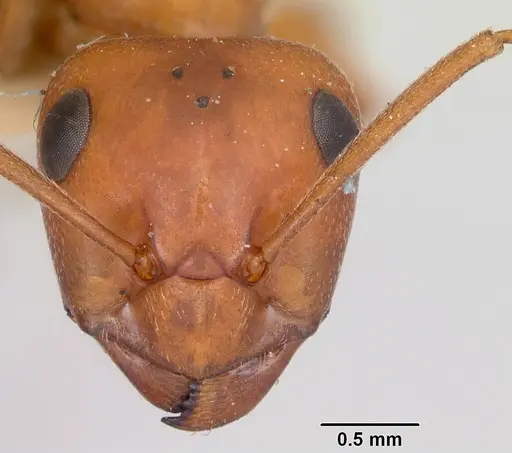
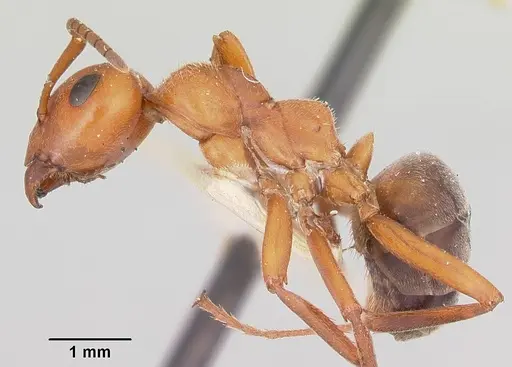
Formica ferocula is a medium-sized ant native to the United States, ranging from New York south to Florida and west to Texas. Workers measure 4.5-6.5mm with a bright yellowish-red head and thorax, while the gaster is dark brown with a red spot at the base of the first segment [1]. The species is closely related to Formica comata, criniventris, ciliata, and oreas, distinguished by its peculiar petiole shape and hair arrangement [2]. These ants build crater-style nests about 3-4 inches in diameter at the base of weeds like Erigeron canadense in dry, open fields [2].
This species belongs to the Formica rufa group, known for their mound-building tendencies and active foraging behavior. They are a great choice for intermediate antkeepers looking for a visually striking species with engaging behaviors.
Quick Summary
- Difficulty: Medium
- Origin & Habitat: Native to the Nearctic region, eastern United States from New York south to Florida, west to Michigan, Illinois, Missouri, and Texas [1]. Found in dry, open fields and wooded areas [2][1].
- Colony Type: Likely single-queen (monogyne) colonies based on typical Formica patterns. Colony size reaches up to several thousand workers in mature colonies.
- Colony: Monogyne
- Founding: Claustral
- Size & Growth:
- Queen: Approximately 9-11mm (estimated based on related Formica species)
- Worker: 4.5-6.5mm [1]
- Colony: Several thousand workers in mature colonies (estimated based on rufa-group patterns)
- Growth: Moderate
- Development: Approximately 6-8 weeks at optimal temperature based on typical Formica development [2] (Development time varies with temperature, warmer conditions speed development while cooler temperatures slow it down)
- Antkeeping:
- Temperature: Keep nest area at 20-24°C with a slight gradient. Room temperature within this range works well. A heating cable on one side of the nest can create beneficial warmth if needed [2].
- Humidity: Moderate humidity around 50-60%. These ants prefer drier conditions compared to many ants, their natural habitat is dry, open fields. Allow substrate to dry out partially between water additions [2].
- Diapause: Yes, requires winter hibernation. Provide a cold period at 5-10°C for 3-4 months during winter months (roughly November to February in the Northern Hemisphere) [2].
- Nesting: Y-tong (AAC) nests work well, or a naturalistic setup with soil and stones. They prefer compact chambers and will readily move into formicariums. Avoid overly humid conditions that can cause mold [2].
- Behavior: Formica ferocula workers are active foragers, readily hunting for insects and collecting honeydew from aphids. They are not particularly aggressive but will defend the nest vigorously if threatened. Workers are medium-sized and good climbers, capable of escaping through standard barriers but not as prone to escape as tiny species. They maintain clear foraging trails and can be quite bold once established. These ants are diurnal, with peak activity during daylight hours.
- Common Issues: colonies often struggle if humidity stays too high, keep conditions relatively dry, hibernation failure is common, ensure proper cold period or queens may die, slow initial growth can lead to overfeeding, resist the urge to overfeed founding colonies, wild-caught colonies may have parasites, quarantine and observe new colonies carefully, test tube setups can flood if water reservoirs are too large, use appropriate sized tubes
Nest Preferences
Formica ferocula naturally nests in dry, open fields, building crater-style nests about 3-4 inches in diameter near the roots of weeds and grasses [2]. In captivity, they adapt well to various nest types. Y-tong (acrylic) nests work excellently, providing dark, compact chambers that these ants prefer. Naturalistic setups with a soil layer and flat stones on top also work well, mimicking their natural above-ground mound building. Avoid overly humid conditions, these ants prefer drier substrate that mimics their native dry field habitat. A thin layer of substrate in the outworld helps them feel secure during foraging.
Feeding and Diet
Like other Formica species, F. ferocula is omnivorous with a strong preference for protein. Offer small insects like fruit flies, mealworms, and crickets as primary protein sources. They also readily accept sugar water, honey, or diluted honeydew. Feed protein 2-3 times per week for established colonies, and offer sugar water constantly via a cotton ball or feeder. During founding, the queen does not eat, she relies entirely on stored fat reserves. Once workers arrive, they will readily take small prey items. Avoid overfeeding as leftover food can mold and cause health problems. [2]
Temperature and Seasonal Care
Maintain nest temperatures between 20-24°C for optimal brood development. Room temperature often falls within this range, making this species relatively easy to temperature-manage. A gentle heat gradient allows workers to choose their preferred temperature zone. During winter, these ants require a true hibernation period, reduce temperature to 5-10°C and keep them there for 3-4 months. This diapause is essential for colony health and triggers reproductive behavior in the following season. Do not skip hibernation as it can weaken or kill colonies over time. In late autumn, gradually reduce temperature over 1-2 weeks to simulate natural cooling. [2]
Behavior and Colony Dynamics
Formica ferocula workers are active and bold foragers that establish clear trails to food sources. They are not as aggressive as some Formica species but will readily defend their nest if disturbed. Workers communicate through chemical signals and can coordinate complex foraging efforts. The colony will grow from a few workers (nanitics) to several thousand over several years. Queens are long-lived and can persist for 15-20 years in optimal conditions. Workers typically live for 1-3 years. The colony establishes distinct castes with major workers developing over time. These ants are primarily diurnal, showing peak activity during daylight hours. [2]
Frequently Asked Questions
How long does it take for Formica ferocula to get their first workers?
First workers (nanitics) typically appear 6-8 weeks after the queen lays eggs, assuming temperatures around 22-24°C. Development is temperature-dependent, cooler conditions will slow this timeline significantly.
Can I keep multiple Formica ferocula queens together?
Not recommended. Unlike some Formica species, F. ferocula appears to be monogyne (single-queen). Combining unrelated queens typically results in fighting and colony failure. Start with one founding queen per setup.
What temperature do Formica ferocula need?
Keep them at 20-24°C. Room temperature often works well. A slight gradient allowing workers to choose warmer or cooler areas is ideal. Avoid temperatures above 30°C or below 15°C for extended periods.
Do Formica ferocula need hibernation?
Yes, they require a winter diapause. Provide 3-4 months at 5-10°C during winter (roughly November-February). This rest period is essential for colony health and triggers reproductive behavior the following spring.
Are Formica ferocula good for beginners?
They are rated as medium difficulty. They are more forgiving than some species regarding temperature but require proper hibernation. Beginners should research diapause requirements thoroughly before starting with this species.
What do Formica ferocula eat?
They need a balanced diet of protein and sugar. Feed small insects (fruit flies, mealworms) 2-3 times weekly and provide constant access to sugar water or honey. They will also collect honeydew from aphids if available.
When should I move Formica ferocula to a formicarium?
Wait until the colony has at least 50-100 workers before moving to a formicarium. Moving too early can stress the colony. Ensure the formicarium provides appropriate humidity (moderate, not overly wet) and has proper escape prevention.
How big do Formica ferocula colonies get?
Mature colonies can reach several thousand workers over several years. Growth is moderate, expect 2-3 years to reach several hundred workers under good conditions.
Why is my Formica ferocula colony dying?
Common causes include: too high humidity (keep them drier), improper hibernation, overfeeding leading to mold, or stress from moving too early. Check humidity levels first, these ants prefer drier conditions than many species.
References

This caresheet is licensed under CC BY-SA 4.0 .
CASENT0105598
View on AntWeb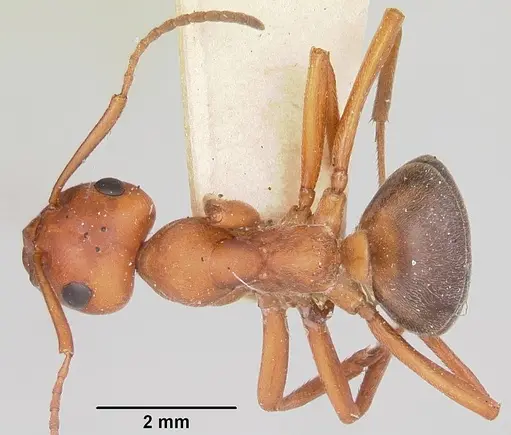
Literature
Loading...Loading products...