

Formica comata
- Scientific Name
- Formica comata
- Tribe
- Formicini
- Subfamily
- Formicinae
- Author
- Wheeler, 1909
- Distribution
- Found in 1 countries
Formica comata Overview
Formica comata is an ant species of the genus Formica. It is primarily documented in 1 countries , including United States of America. Detailed taxonomic data and occurrence records can be further explored via authoritative databases such as AntWeb or the Global Biodiversity Information Facility (GBIF).
Formica comata
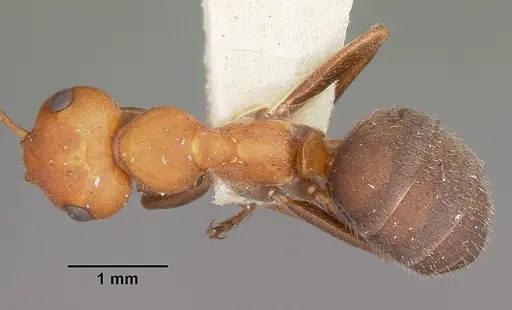
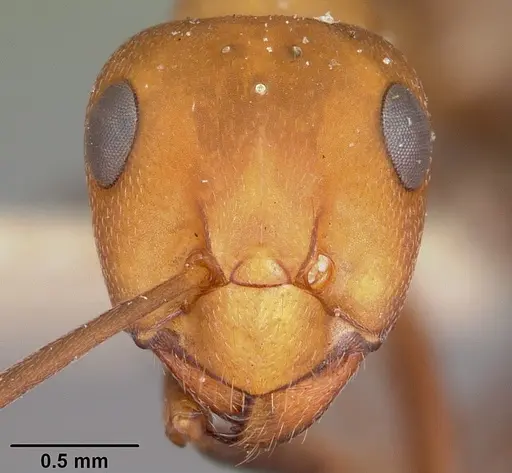
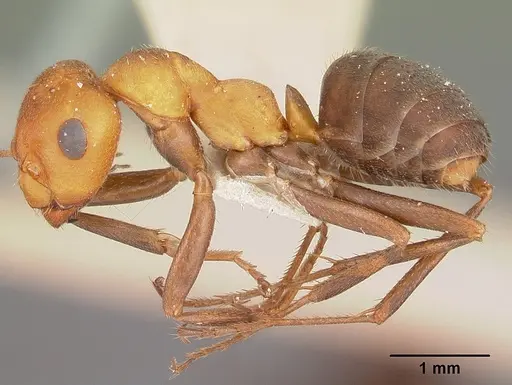
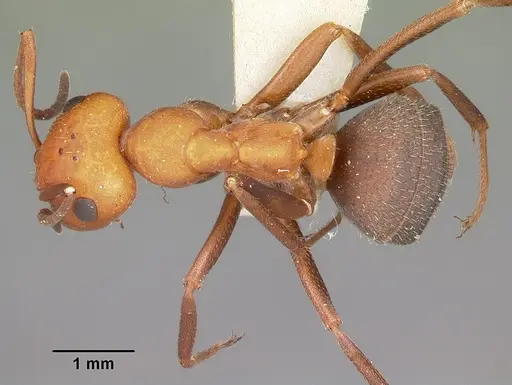
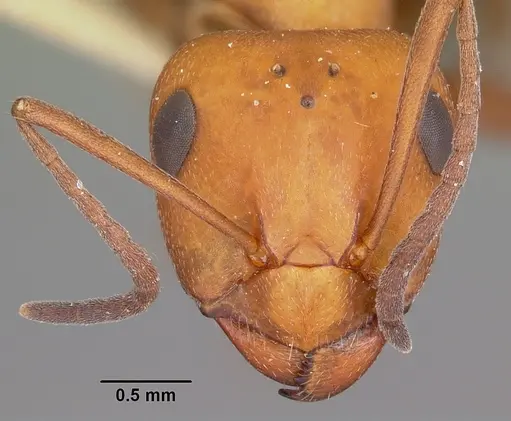
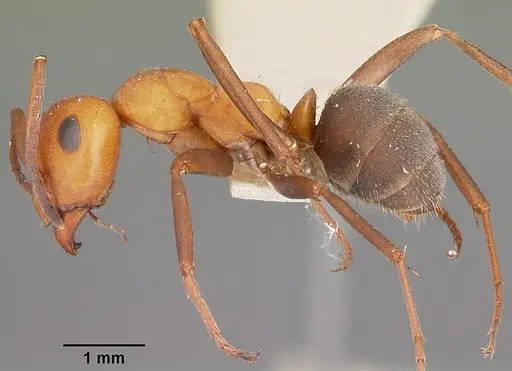
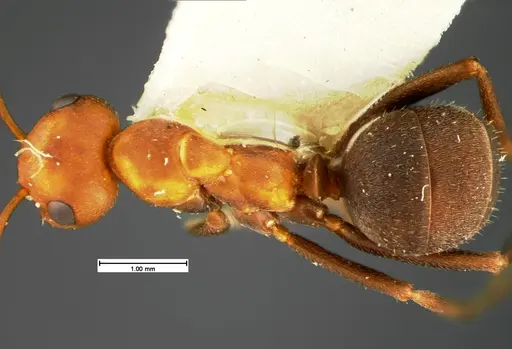
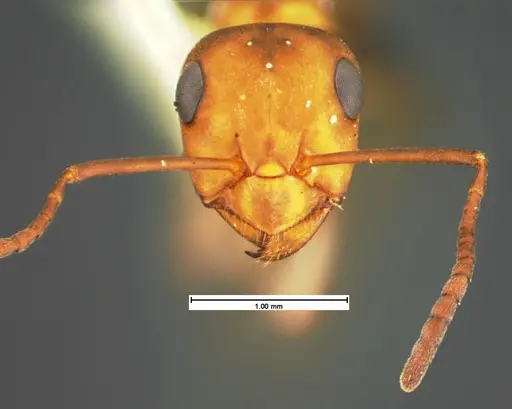
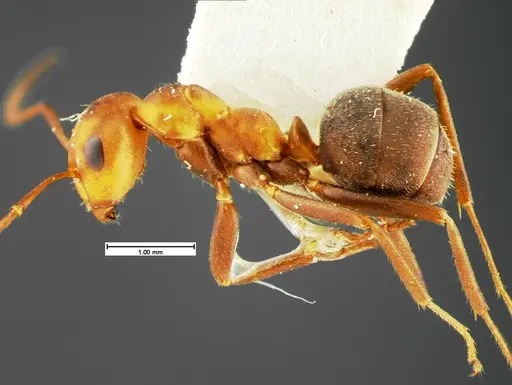
Formica comata is a large, aggressive ant species belonging to the Formica rufa group, native to the southwestern United States (Arizona, New Mexico) and potentially extending into Utah and North Dakota [1]. Workers are recognizable by their dense covering of fine, silver, appressed hairs on the gaster and the numerous short, erect hairs on the underside of the head [2]. This species builds characteristic low mounds of earth and grass covered by a thin layer of thatch, typically in grasslands, Ponderosa pine forests, and sagebrush habitats [2]. As a member of the rufa group, these ants are known for their large colony sizes and aggressive defense of their nests.
Quick Summary
- Difficulty: Medium
- Origin & Habitat: Southwestern United States (Arizona, New Mexico, Utah, potentially North Dakota). Found in grasslands, Ponderosa pine forests, and sagebrush habitats at higher elevations [2][1].
- Colony Type: Likely single-queen colonies (monogyne) based on typical rufa group patterns, though not directly documented for this species. The rufa group typically forms large colonies with one founding queen that establishes a permanent nest.
- Colony: Monogyne
- Founding: Claustral
- Size & Growth:
- Queen: Estimated 9-11mm based on rufa group morphology
- Worker: 5-8mm based on rufa group morphology [2]
- Colony: Large colonies, rufa group species commonly reach several thousand workers
- Growth: Moderate to fast, typical for Formica
- Development: Estimated 6-8 weeks at optimal temperature based on typical Formica development (Development time inferred from related rufa group species. Temperature around 20-24°C supports optimal brood development.)
- Antkeeping:
- Temperature: Keep nest area at 20-24°C with a slight gradient. Room temperature (20-22°C) is typically suitable. Provide a heating option on one side of the nest for cooler months
- Humidity: Moderate humidity (50-60%). These ants prefer drier conditions than many tropical species, think upland forest floor, not rainforest. Provide a water tube but avoid over-wetting the nest
- Diapause: Yes, as a temperate species from higher elevations, they require a winter rest period. Reduce temperature to 5-10°C for 3-4 months (roughly November-February in the Northern Hemisphere)
- Nesting: Y-tong (AAC) nests or plaster nests work well. Provide chambers scaled to their medium-large size. They prefer干燥 conditions but need access to water. Naturalistic setups with soil and thatching material mimic their natural mound-building behavior
- Behavior: Very aggressive, they will vigorously defend their nest and attack intruders. Workers can spray formic acid as a defense mechanism, which is a key trait of the Formicinae subfamily [2]. Foragers are active on vegetation and ground, hunting insects and tending aphids. They are omnivorous, accepting both protein (insects) and sugar sources (honeydew from aphids). Escape risk is moderate, use standard barrier techniques but they are not particularly prone to escaping like tiny species. Their large size makes them visible and manageable.
- Common Issues: colonies may fail if not given proper hibernation, these ants need a winter rest period, aggressive temperament means they will attack and may escape when the nest is disturbed, formic acid spray can irritate eyes and skin, handle gently and avoid putting your face near the nest, wild-caught colonies may have parasites that cause problems in captivity, slow initial founding, claustral queens may take months to raise first workers
Nest Preferences and Housing
Formica comata builds characteristic low mounds of earth and grass thatched with a thin layer of vegetation, this gives them their common name 'thatch ant.' In captivity, Y-tong (AAC) nests or plaster nests work well for this species. They prefer chambers scaled to their medium-large size (5-8mm workers). Unlike many ants, they tolerate drier conditions, aim for 50-60% humidity rather than high humidity. Provide a water tube for drinking but avoid creating overly wet conditions. A naturalistic setup with soil and dried grass on top can mimic their natural mound-building behavior. Keep the nest in a quiet location with minimal disturbance, these ants are defensive of their nest and will react aggressively to vibrations or repeated disturbances. [2]
Feeding and Diet
These ants are omnivorous, foraging for insect prey and tending aphids for honeydew [2]. In captivity, offer a varied diet: protein sources like small crickets, mealworms, or other insects 2-3 times per week, and constant access to sugar sources (honey water, sugar water, or commercial ant nectar). The Formica genus shows high association with aphid species, they will readily tend aphids if provided in an outworld setup [3]. Fresh killed insects are preferred over dried. Remove uneaten prey within 24-48 hours to prevent mold. A varied diet supports colony growth and egg production.
Temperature and Seasonal Care
Keep the nest area at 20-24°C with a gentle gradient, room temperature in most homes (20-22°C) is typically suitable. A small heating cable or heat mat on one side of the nest allows workers to regulate their temperature by moving between warmer and cooler areas. As a species from higher elevations in the southwestern US (Arizona, New Mexico), they experience cold winters and require a proper hibernation period. From late October through February, reduce temperatures to 5-10°C (a garage or unheated room works well). Do not feed during hibernation but ensure water is available. Gradual temperature changes are important, avoid sudden shifts that could stress the colony. [2]
Behavior and Defense
Formica comata is described as a very aggressive ant species with effective colony defense [2]. Workers belong to the Formicinae subfamily, which means they can spray formic acid when threatened, this is their primary defense mechanism. When disturbed, workers will rapidly emerge, attack the source of disturbance, and may spray formic acid. This spray can irritate skin and eyes, so handle gently and avoid putting your face near the nest opening. The rufa group is known for 'false attacks', they may rush out aggressively but are primarily defending their territory rather than pursuing intruders far from the nest. Their large size and aggressive temperament make them impressive to observe but require careful handling.
Colony Development
Little is published specifically about Formica comata biology, but they follow typical rufa group patterns. Sexuals (alates) have been found in nests in July, suggesting nuptial flights occur in mid-summer [2]. Near Flagstaff, Arizona, nests are active from early summer until late October, then the colony enters winter dormancy [2]. Queens are likely claustral, they seal themselves in a chamber and raise the first brood alone using stored fat reserves. Initial colony growth is slow (first workers may take 6-8 weeks), but once established, colonies can grow rapidly. A mature colony can reach several thousand workers over several years.
Frequently Asked Questions
How long does it take for Formica comata to raise first workers?
Expect 6-8 weeks from egg to first worker at optimal temperature (around 20-24°C). Initial colony growth is slow, the queen raises the first brood alone while sealed in her founding chamber. Once nanitic (first) workers emerge, growth typically accelerates.
What do Formica comata eat?
They are omnivorous, offer protein (insects like crickets, mealworms) 2-3 times per week and constant access to sugar sources (honey water, sugar water). They also tend aphids for honeydew and will accept fresh killed insects over dried food.
Do Formica comata need hibernation?
Yes. As a temperate species from higher elevations in Arizona and New Mexico, they require a winter rest period. Reduce temperature to 5-10°C for 3-4 months (roughly November-February). Do not feed during hibernation but ensure water is available.
Are Formica comata good for beginners?
They are rated Medium difficulty. While rewarding to keep, their aggressive temperament and need for hibernation make them better suited for keepers with some experience. Their large size and impressive behavior make them appealing once you understand their care requirements.
How big do Formica comata colonies get?
As a rufa group species, colonies can grow to several thousand workers over several years. They are known for large, established colonies with impressive forager numbers.
Can I keep multiple Formica comata queens together?
Not recommended. While not directly studied for this species, rufa group ants are typically monogyne (single queen). Combining unrelated queens has not been documented and likely results in fighting.
When should I move Formica comata to a formicarium?
Wait until the colony has at least 50-100 workers and is actively foraging in an outworld. Moving too early can stress the founding queen. A Y-tong or plaster nest works well once the colony reaches moderate size.
Why are my Formica comata dying?
Common causes include: improper hibernation (no winter rest or temperatures too warm), overwatering (they prefer drier conditions), disturbance stress, or parasites from wild-caught colonies. Ensure proper temperature gradient, adequate but not excessive humidity, and minimal disturbance.
What temperature is best for Formica comata?
Keep nest areas at 20-24°C. Room temperature (20-22°C) is typically suitable. Provide a gentle gradient so workers can choose their preferred temperature. Avoid temperatures above 28°C or below 15°C for extended periods.
References

This caresheet is licensed under CC BY-SA 4.0 .
Literature
Loading...Loading products...