

Formica densiventris
- Scientific Name
- Formica densiventris
- Tribe
- Formicini
- Subfamily
- Formicinae
- Author
- Viereck, 1903
- Common Name
- Compact Mound Ant
- Distribution
- Found in 2 countries
Formica densiventris Overview
Formica densiventris (commonly known as the Compact Mound Ant) is an ant species of the genus Formica. It is primarily documented in 2 countries , including Canada, United States of America. Detailed taxonomic data and occurrence records can be further explored via authoritative databases such as AntWeb or the Global Biodiversity Information Facility (GBIF).
Formica densiventris - "Compact Mound Ant"
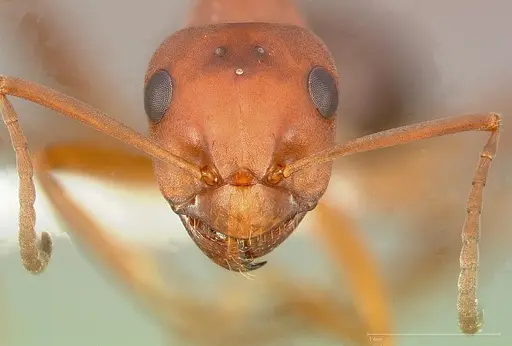
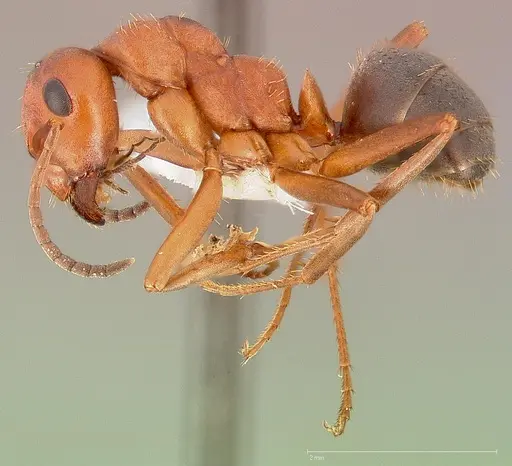
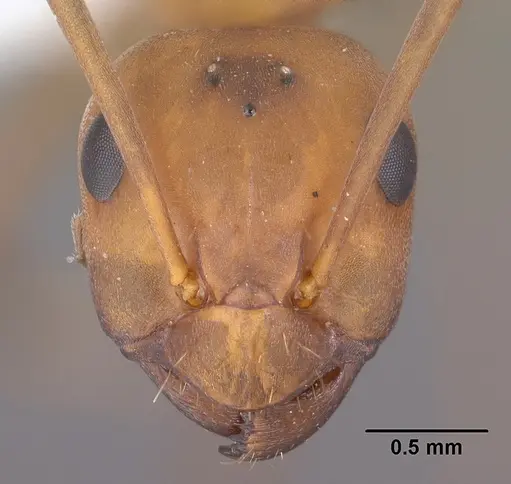
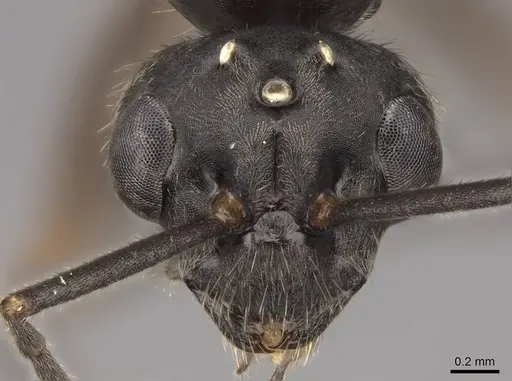
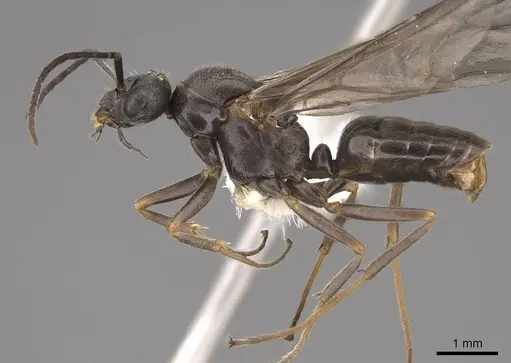
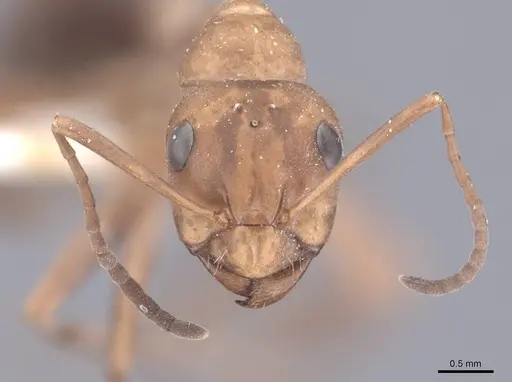
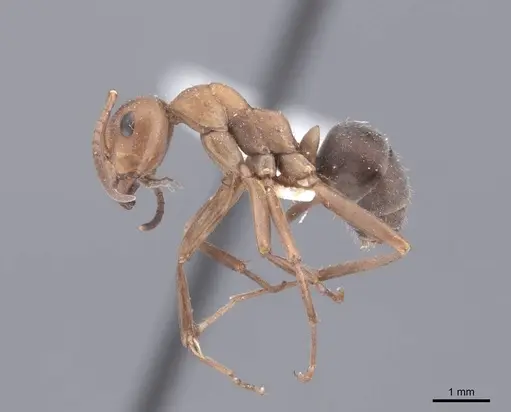
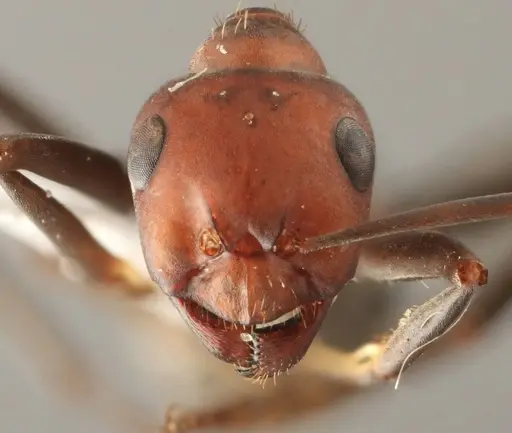
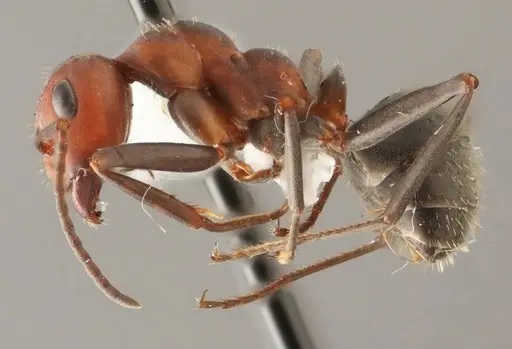
Formica densiventris is a small, aggressive ant belonging to the microgyna species group. Workers are typically dark brown to black with dense fine hairs on the abdomen and erect hairs on the body. They measure around 4-6mm as workers, with queens in the microgyna group being notably small, not much larger than their largest workers. This species ranges across western North America from Alberta, Canada through the western United States into northern Mexico, living in habitats ranging from prairies and weedy areas to pinyon-juniper forests and spruce-fir zones at elevations of 5,500-10,000 feet [1].
What makes F. densiventris particularly interesting is its social parasitic lifestyle. Like other species in the microgyna group, it practices temporary social parasitism, the queen invades a host Formica colony, kills or replaces the host queen, and uses the host workers to raise her brood until her own workers emerge. This species is also a known slave-maker, enslaving workers from various other Formica species to work in its colony [1].
Quick Summary
- Difficulty: Medium
- Origin & Habitat: Western North America, Alberta, Canada through western United States to northern Mexico. Found in prairies, weedy areas, semiarid scrub, pinyon-juniper, ponderosa pine-riparian, Douglas fir, and spruce-fir forests at elevations of 5,500-10,000 feet [1][2].
- Colony Type: Temporary social parasite, queen invades host Formica colony, kills host queen, uses host workers until her own brood matures. Slave-making species that enslaves workers from other Formica species [1].
- Colony: Monogyne
- Queen: Socially parasitic, Temporary parasitic
- Special: Slave-making
- Size & Growth:
- Queen: Small, similar in size to largest workers (microgyna group characteristic) [3]. Estimated 5-7mm.
- Worker: 4-6mm [1]
- Colony: Colony size data limited, likely moderate, several thousand workers at maturity based on typical Formica patterns.
- Growth: Moderate, depends on successful host colony adoption
- Development: Estimated 6-10 weeks based on typical Formica development at warm temperatures. (Development depends heavily on having a functional host colony to care for the brood)
- Antkeeping:
- Temperature: Keep at room temperature or slightly warm, 20-26°C. They naturally occur in areas with significant seasonal temperature variation, so they tolerate a range [1].
- Humidity: Moderate humidity is acceptable. They nest under stones and in rotting wood, so some moisture is preferred but they are not humidity-dependent like tropical species [1].
- Diapause: Yes, likely requires winter dormancy similar to other temperate Formica species. In their native range, they experience cold winters at high elevations [1].
- Nesting: Natural nests are under stones, in logs and stumps, and under bark. May have thatching mounds. In captivity, a naturalistic setup with stones or a formicarium with soil substrate works well. They need a host colony present for the queen to parasitize [1].
- Behavior: Workers are very aggressive when the nest is disturbed, they move rapidly and attack promptly. Their bite can be annoying. Foragers tend aphids for honeydew. This is a slave-making species that raids other Formica colonies to obtain workers. Escape risk is moderate, they are not tiny but active foragers [1].
- Common Issues: temporary social parasitism makes founding very difficult, queen must successfully invade a host colony, slave-making means you need to maintain a host colony alongside the parasite colony, aggressive workers will defend the nest vigorously, handle with care, colonies may fail if the host colony dies before the parasite's own workers mature, winter dormancy is required in temperate climates
Understanding Their Social Parasite Lifestyle
Formica densiventris is one of the more challenging ants to keep because of its temporary social parasitic lifestyle. Unlike most ants where a queen founds a colony alone, F. densiventris queens must invade an established colony of another Formica species, typically a species in the fusca or rufa groups. The invading queen kills or displaces the host queen and uses the host workers to raise her own brood. This is called 'temporary' parasitism because once her first workers (called worker reproductives or 'parasite workers') emerge, they take over the colony duties and the host workers eventually die out [1][3].
This has major implications for antkeepers. You cannot simply set up a founding queen in a test tube like you would with Lasius or Camponotus. Instead, you need to establish a host colony first, then introduce the parasitic queen. Common host species include Formica fusca, Formica subaenescens, Formica podzolica, and other native Formica species in your region. The success rate for introduced parasitic queens is variable, and many keepers find this species challenging to establish [1].
Housing and Nest Setup
In the wild, F. densiventris nests under stones, in rotting logs and stumps, and under bark. Nests may have thatching material on top. They occur from prairie habitats up to spruce-fir forests, so they are adaptable to various conditions. In captivity, a naturalistic setup works best, a formicarium with a soil substrate allows them to dig chambers and tunnels. You can add flat stones on top of the substrate to mimic their natural nest sites under rocks [1].
Because this is a social parasite, your setup must accommodate TWO colonies: the host colony and the parasite colony. Keep them in separate enclosures that can be connected when you want to attempt queen introduction. Some keepers maintain multiple host colonies to increase chances of successful adoption. The host colony needs to be healthy and established with plenty of workers to care for both the host brood and the incoming parasite's brood [1].
Feeding and Diet
Like most Formica species, F. densiventris workers are omnivorous. They tend aphids in the wild for honeydew and also hunt small insects. In captivity, offer a varied diet: sugar water or honey as an energy source, and protein sources like small insects (fruit flies, small crickets, mealworms). They are active foragers, so place food where workers can find it easily [1].
The host colony also needs to be fed properly since they will be caring for the parasite's brood. A healthy, well-fed host colony is more likely to accept an introduced queen. Both colonies benefit from regular feeding schedules, sugar water constantly available, protein prey offered several times per week.
Temperature and Seasonal Care
F. densiventris occurs across a wide elevation range from 5,500 to 10,000 feet in the western United States, so they are adapted to significant seasonal temperature variation. In captivity, room temperature (20-24°C) is suitable, with slight warming benefiting brood development. They can tolerate cooler temperatures than many tropical ants [1].
Winter dormancy is likely required. In their native range, they experience cold winters, and like other temperate Formica species, they probably enter a dormant state during winter. Reduce temperatures to around 10-15°C for 2-3 months in winter, similar to how you would overwinter other North American Formica species. Keep the host colony similarly cooled during dormancy [1].
Behavior and Defense
Workers are described as 'very aggressive when the nest is disturbed' and 'move rapidly and attack promptly' when a populous nest is bothered. Their bite is described as 'annoying.' This is typical behavior for many Formica species, they are defensive and will swarm to defend their colony [1].
When working with this species, use caution. They are not dangerously venomous like some tropical ants, but their bites can be irritating. For escape prevention, they are moderate-sized ants (4-6mm), not as prone to escaping as tiny ants like Pheidole, but they are active and determined. Use standard formicarium barriers and ensure connections between enclosures are secure [1].
Frequently Asked Questions
How do I start a Formica densiventris colony?
Starting a colony is challenging because they are temporary social parasites. You cannot simply set up a founding queen in a test tube. Instead, you need to obtain or establish a host colony first (such as Formica fusca or other native Formica species), then introduce the parasitic queen to the host colony. Success rates vary, and this is considered a species for more experienced antkeepers [1].
What do I feed Formica densiventris?
They are omnivorous like most Formica ants. Offer sugar water or honey for energy, and small insects (fruit flies, small crickets, mealworms) for protein. They also tend aphids in the wild, so honeydew substitutes can be offered. Feed both the parasite colony and the host colony [1].
Are Formica densiventris good for beginners?
No, this species is not recommended for beginners. Their temporary social parasitic lifestyle requires maintaining both a host colony and the parasite colony, making them significantly more difficult to keep than typical ants like Lasius or Camponotus. The queen must successfully invade and take over a host colony, which has variable success rates [1].
Do Formica densiventris need hibernation?
Yes, they likely require winter dormancy. In their native range across western North America (Alberta to Mexico at high elevations), they experience cold winters. Reduce temperatures to around 10-15°C for 2-3 months during winter, similar to other temperate Formica species [1].
Can I keep multiple Formica densiventris queens together?
This is not recommended and has not been documented in captivity. In the wild, colonies are founded through temporary social parasitism, a single queen invades a host colony. Multiple unrelated queens introduced together would likely fight, and there is no documented case of pleometrosis (multiple queens founding together) in this species [1].
Why are my Formica densiventris dying?
Several issues could cause colony decline: the host colony may have died or become too weak, the parasitic queen may have been rejected by the host workers, insufficient feeding of either colony, or improper temperature/humidity. Also ensure winter dormancy is provided. This species is challenging and colony failure is common, especially during the founding phase [1].
When will my Formica densiventris get their first workers?
The timeline depends on successful adoption of a host colony. Once the queen is accepted by the host colony, she uses host workers to raise her brood. Based on typical Formica development, expect 6-10 weeks from introduction to first workers emerging, but this varies significantly based on host colony health and temperature.
What happens if my host colony dies?
If the host colony dies before the parasite's own workers mature, the parasite colony will also die. The parasitic queen depends entirely on host workers to care for her brood until her own workers emerge. This is why maintaining healthy host colonies is critical, some keepers maintain multiple host colonies as insurance [1].
References

This caresheet is licensed under CC BY-SA 4.0 .
CASENT0005386
View on AntWeb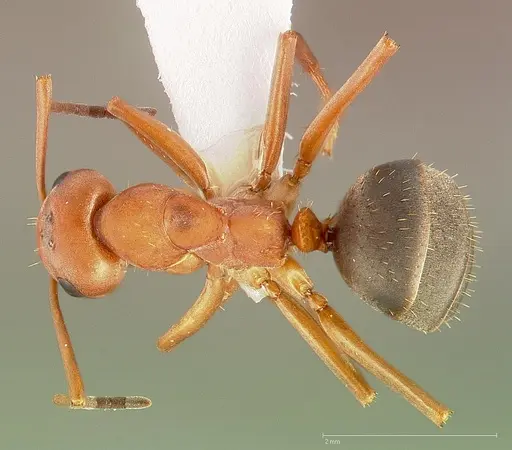
CASENT0102794
View on AntWeb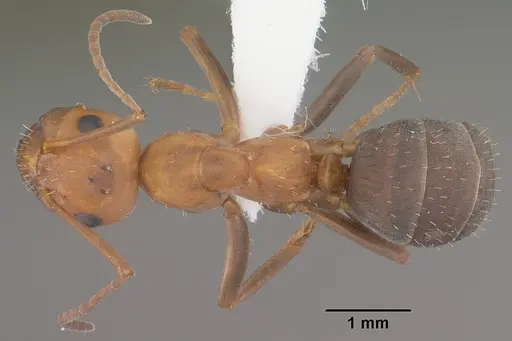
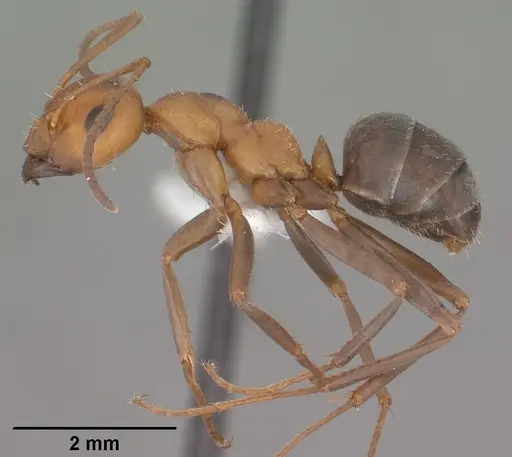
CASENT0280413
View on AntWeb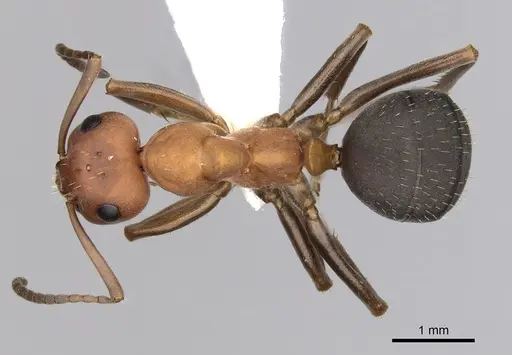
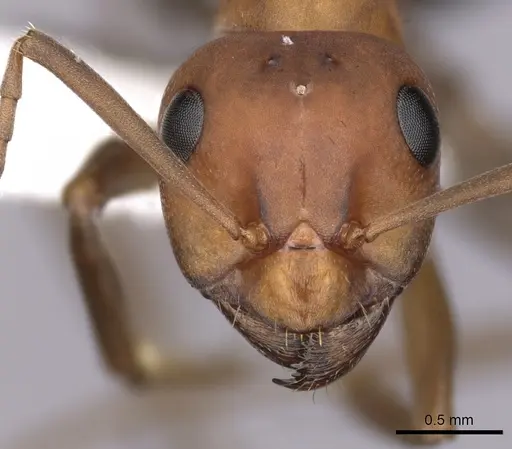
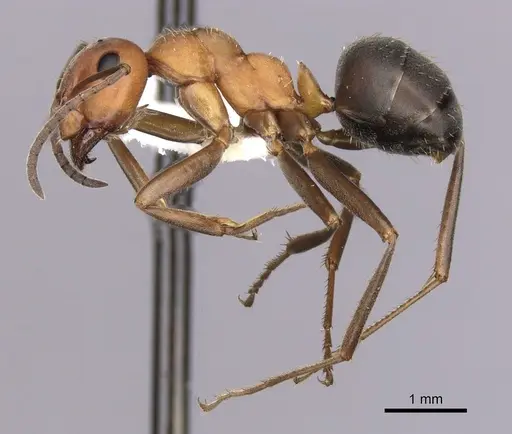
CASENT0843727
View on AntWeb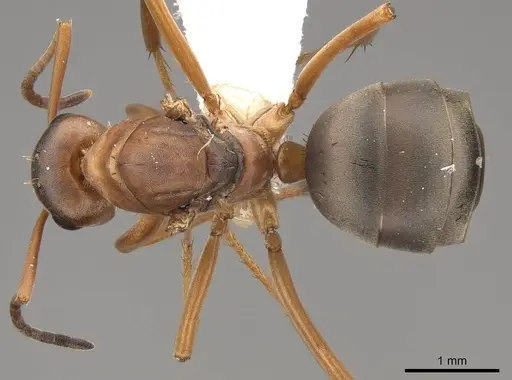
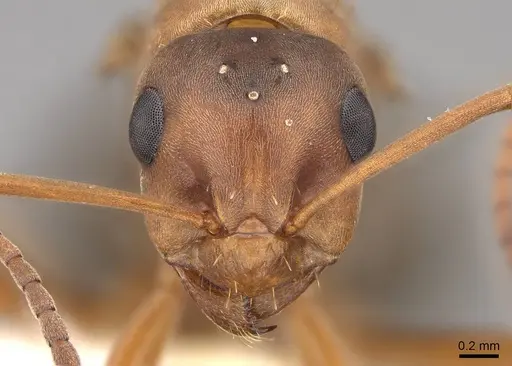
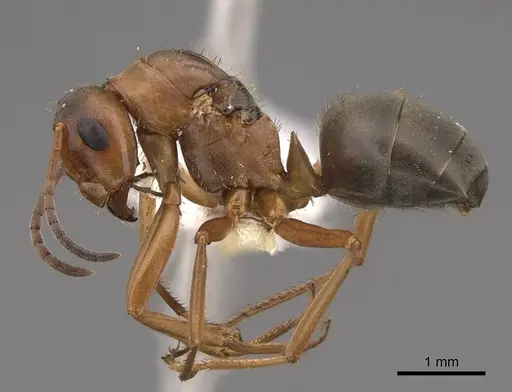
CASENT0843728
View on AntWeb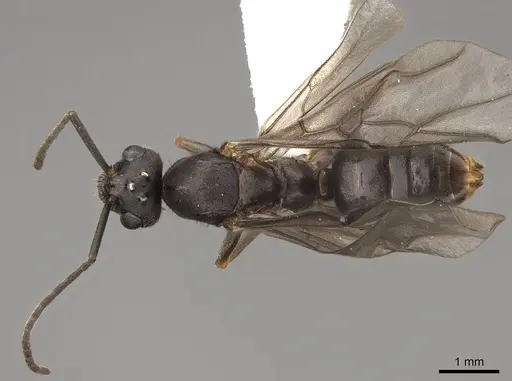
FMNHINS0000046400
View on AntWeb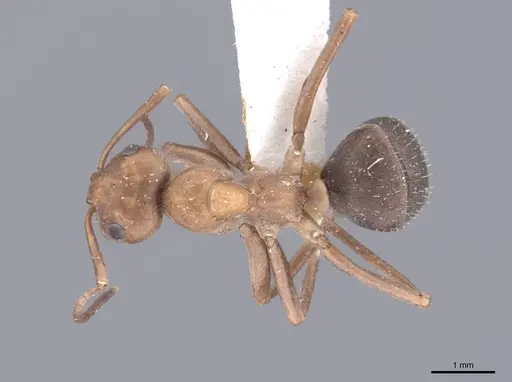
WRME536010
View on AntWeb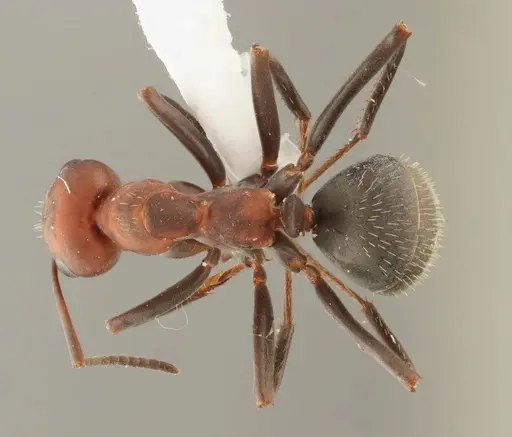
Literature
Loading...Loading products...