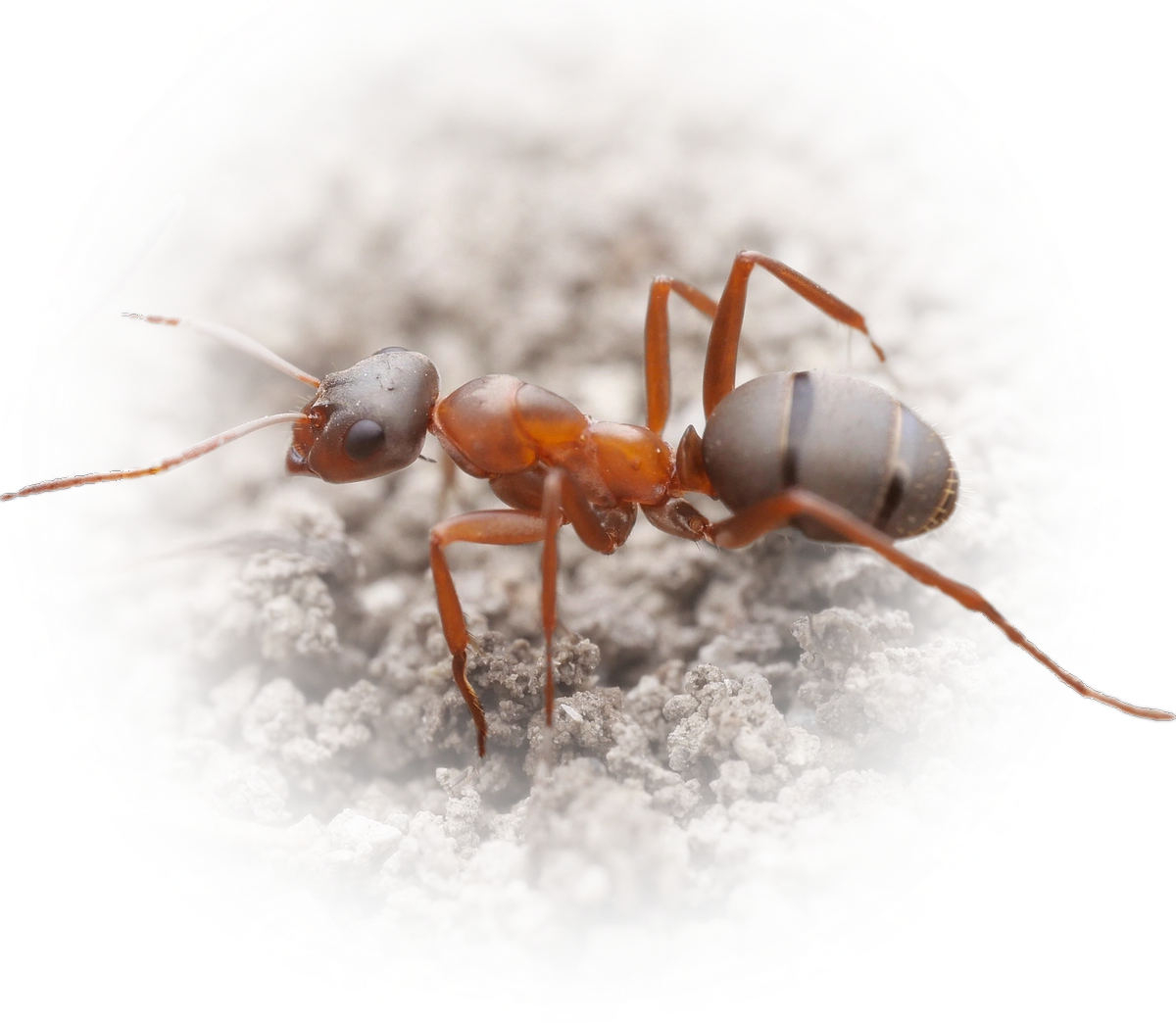

Formica clara
- Scientific Name
- Formica clara
- Tribe
- Formicini
- Subfamily
- Formicinae
- Author
- Forel, 1886
- Distribution
- Found in 24 countries
Formica clara Overview
Formica clara is an ant species of the genus Formica. It is primarily documented in 24 countries , including Afghanistan, Albania, Azerbaijan. Detailed taxonomic data and occurrence records can be further explored via authoritative databases such as AntWeb or the Global Biodiversity Information Facility (GBIF).
Formica clara
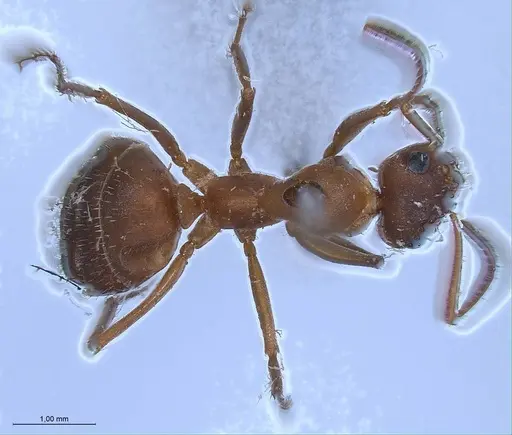
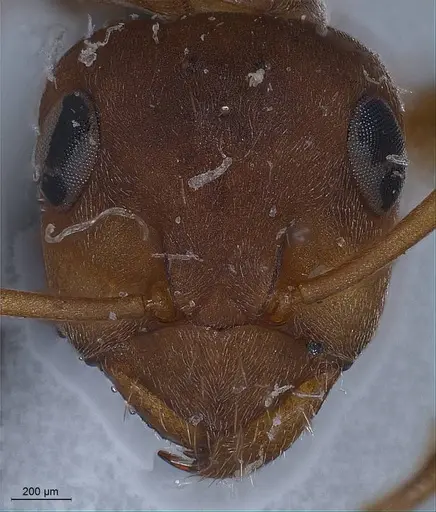
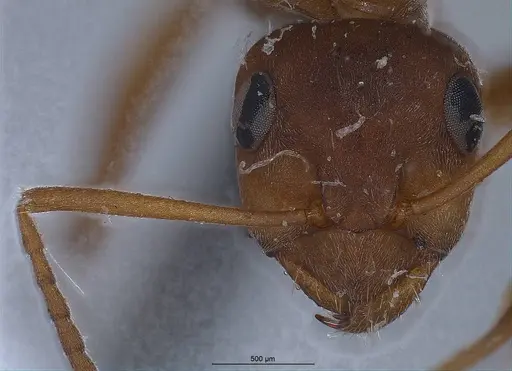
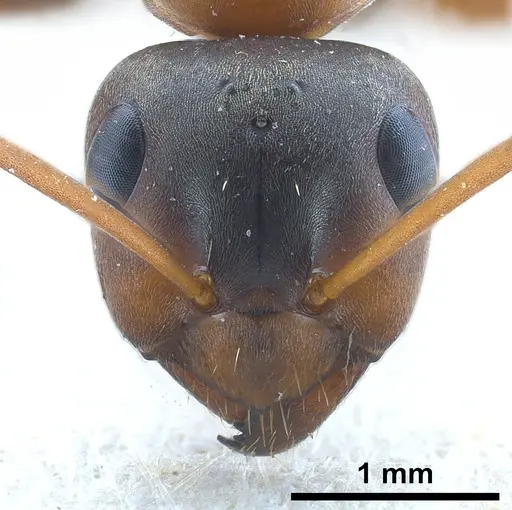
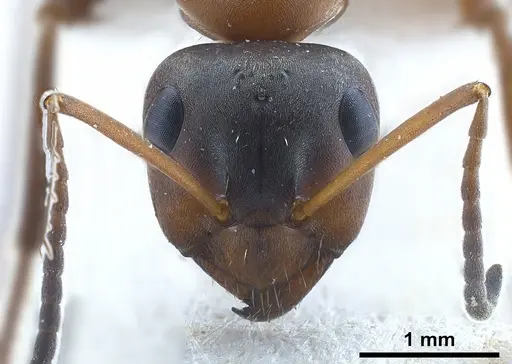
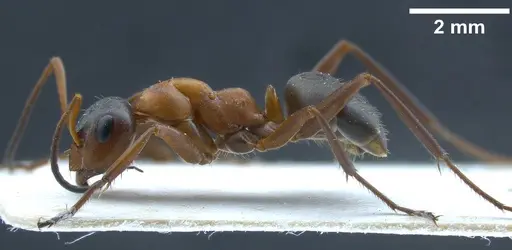
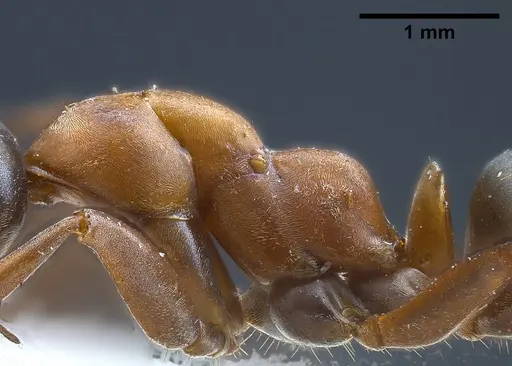
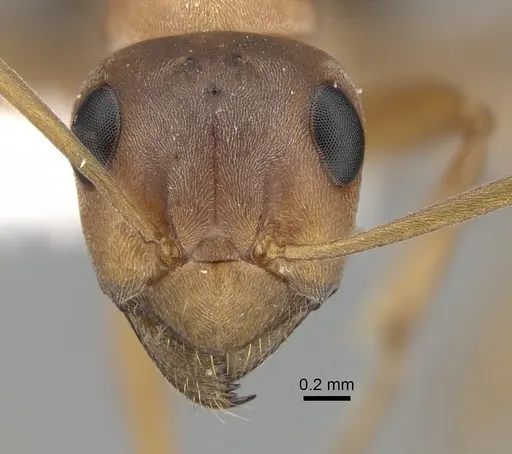
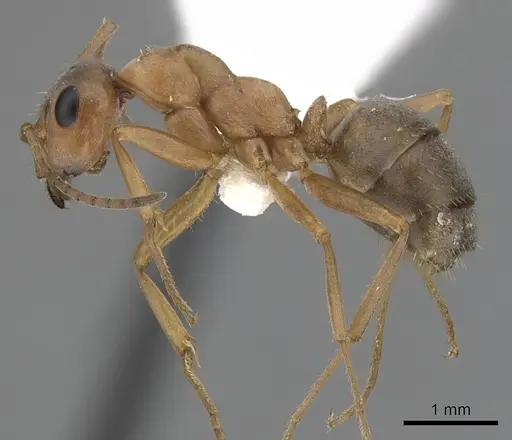
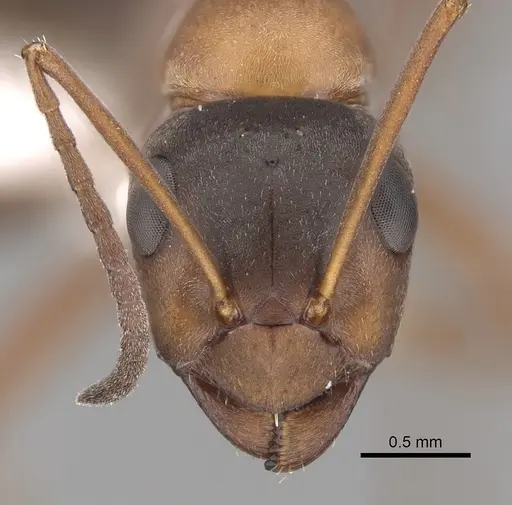
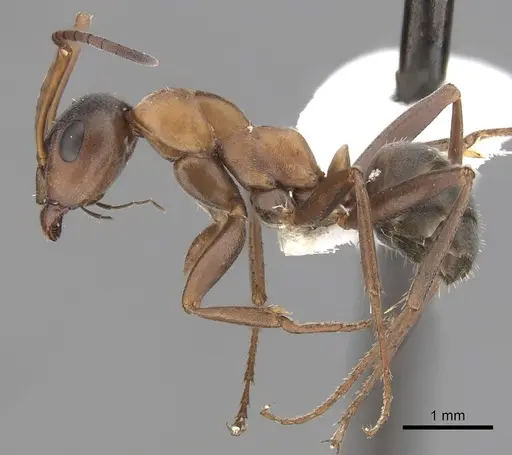
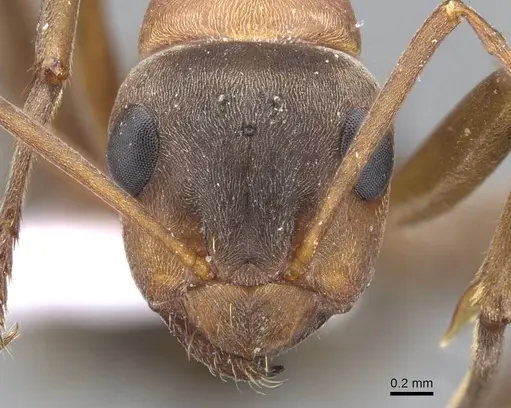
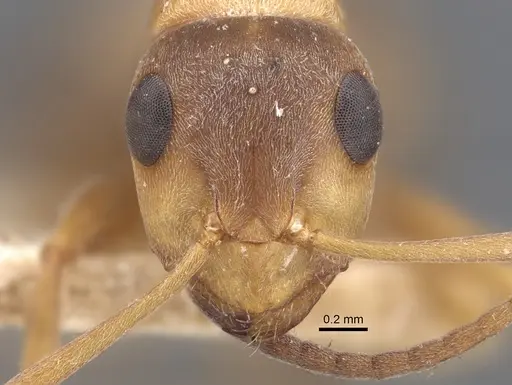
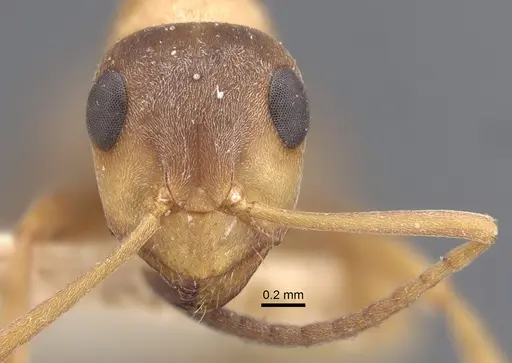
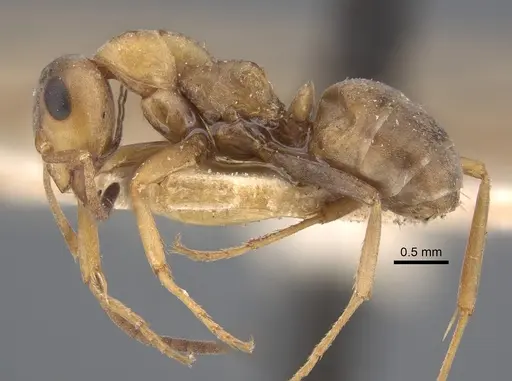
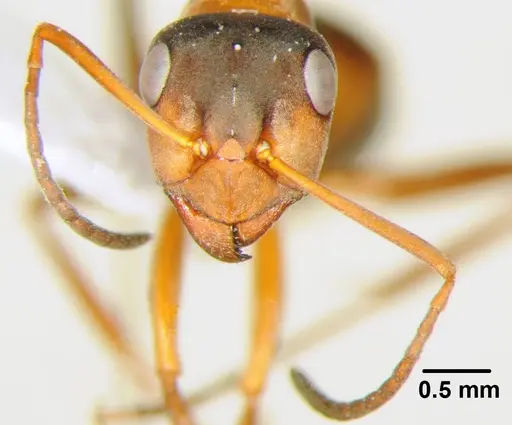
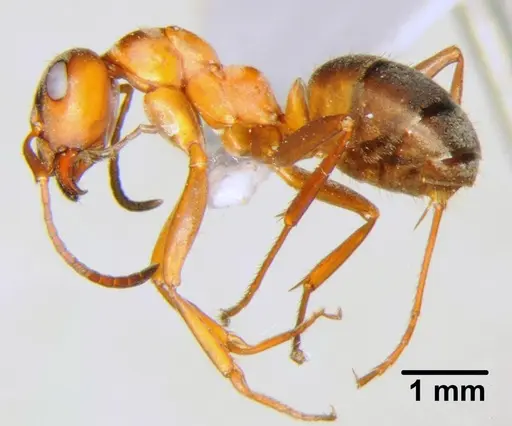
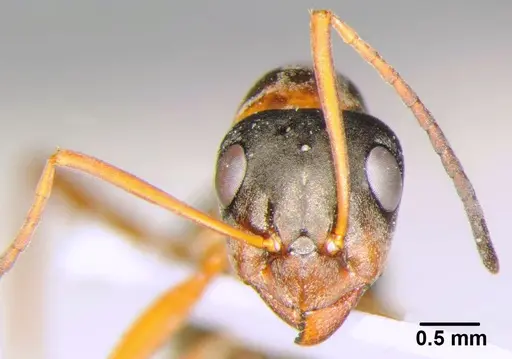
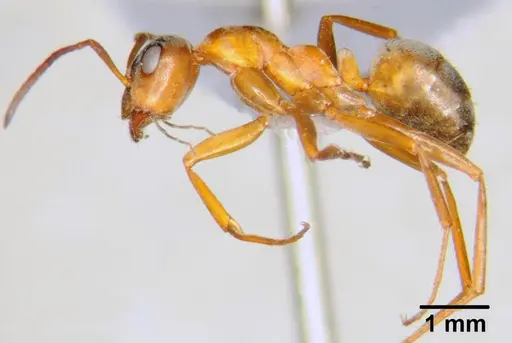
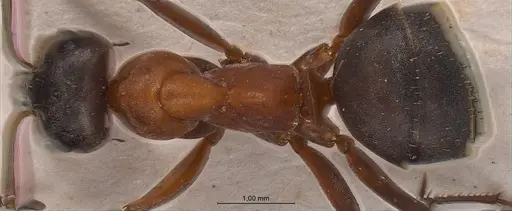
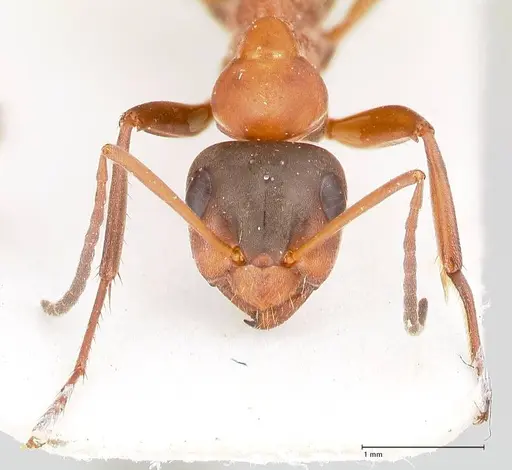
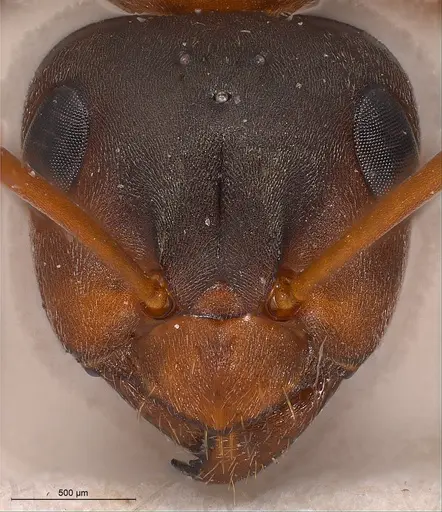
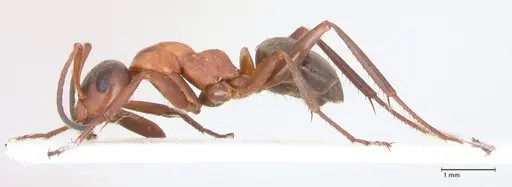
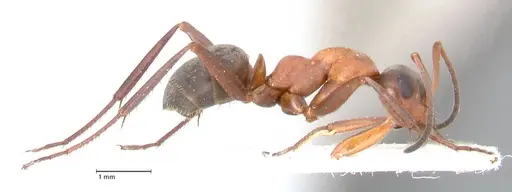
Formica clara is a large, attractive ant belonging to the Formica rufibarbis group. Workers show distinctive bicoloration, the head has yellowish-red markings on the clypeus and cheeks contrasting with dark brown to black on the back of the head, while the mesosoma is typically yellowish-red to reddish. Workers are notably larger than their close relatives Formica cunicularia and F. rufibarbis, with strong size variation within colonies [1]. This species has the widest geographic range of any rufibarbis group member, spanning from Western Europe through Central Asia to China [1]. In Central Europe it is the rarest and most heat-loving of the rufibarbis group, found mainly in warm, dry, open habitats below 700m altitude [1].
Quick Summary
- Difficulty: Medium
- Origin & Habitat: Native across the Palearctic region from Western Europe to China, including Austria, Belgium, Bulgaria, Croatia, Cyprus, Czech Republic, Finland, France, Georgia, Germany, Greece, Hungary, Iran, Israel, Italy, Kyrgyzstan, Mongolia, Netherlands, Poland, Romania, Slovakia, Slovenia, Spain, Switzerland, Turkey, and Turkmenistan [1][2]. Inhabits xerothermous (dry and warm) grasslands at relatively low altitudes, typically below 700m in Central Europe but can reach 1590m in mountainous areas. Prefers open land with patchy herb layer on sandy and limestone grasslands, dry hills, mountain pastures, roadsides in pine forests, and even urban parks in southern parts of its range [3][1][4].
- Colony Type: Monogynous to weakly polygynous, colonies can have a single queen or a few queens working together. Nests are often populous with aggressive workers that defend territories. Larger colonies have a strong defense force [1].
- Colony: Optionally polygyne, Oligogyne
- Founding: Claustral
- Size & Growth:
- Queen: Estimated 9-12mm based on genus typical size (Formica queens generally 9-15mm)
- Worker: HL 1.20-1.82mm, HW 0.97-1.43mm, SL 1.24-1.78mm [3]
- Colony: Up to 1000 workers per colony [5]
- Growth: Moderate, based on typical Formica development patterns
- Development: Estimated 6-8 weeks at optimal temperature based on genus patterns (Development time inferred from related Formica species, exact timing not specifically documented for this species)
- Antkeeping:
- Temperature: Keep warm at 22-26°C. This is the most thermophilic European species in the rufibarbis group, they thrive in hot, dry conditions [1]. Provide a temperature gradient allowing workers to choose their preferred warmth.
- Humidity: Low to moderate, prefer dry to moderately damp conditions. These are xerothermous ants adapted to dry grasslands. Keep nest substrate relatively dry, not waterlogged. Provide a small water tube but avoid excessive moisture [3][1].
- Diapause: Yes, requires winter hibernation. Based on Central European distribution and nuptial flight timing in July, colonies need a cold period around 5-10°C for 3-4 months during winter [1].
- Nesting: Nests in soil or under stones in the wild. In captivity, use a naturalistic setup with dry to moderately moist substrate, or a Y-tong/plaster nest with low humidity chambers. Provide sandy soil mix for nest building. Avoid overly humid conditions [3].
- Behavior: Aggressive and territorial, workers defend nests vigorously and larger colonies actively defend territories against intruders. More aggressive than F. cunicularia and F. rufibarbis. Workers are larger than these relatives and show strong defensive behavior. They will readily attack threats and outcompete rival ant species in their habitat [1]. Foraging occurs in all vegetation layers, they hunt small invertebrates and tend aphids for honeydew. Escape risk is moderate, use standard formicarium barriers. Workers are active foragers and may venture far from the nest [5].
- Common Issues: colonies may fail if kept too humid, these are dry-adapted ants that need low moisture environments, aggressive temperament means they may attack and stress smaller colony mates during any interaction, slow growth compared to more common Formica species may frustrate beginners, wild-caught colonies may have parasites given their rarity and scattered distribution, difficulty distinguishing from F. cunicularia and F. rufibarbis means misidentification is common
Housing and Nest Setup
Formica clara needs dry, warm housing that mimics their natural grassland habitat. These ants are adapted to xerothermic conditions and will not thrive in humid setups. Use a Y-tong or plaster nest with multiple chambers, keeping the nest itself relatively dry. Add a water test tube for drinking but do not saturate the nest material. A thin layer of substrate at the bottom of the outworld is sufficient. Provide a temperature gradient with one side warmed to 24-26°C using a heating cable or mat placed on top of the nest. The outworld can be kept at room temperature. These ants prefer open, sunny nesting spots in the wild, so avoid dark, enclosed nest designs. Escape prevention is important but not as critical as for tiny ants, standard barriers work well for their medium size. [1][5][3]
Feeding and Diet
Like other Formica species, F. clara is an opportunistic feeder with a varied diet. Workers forage for small invertebrates including springtails, small beetles, and other tiny arthropods. They also tend aphids for honeydew and will visit flowers for nectar. In captivity, offer protein sources like small crickets, mealworms, and fruit flies 2-3 times per week. Sugar water, honey, or diluted jam should be available constantly for the workers. Unlike some specialized predators, these ants are generalists and readily accept most offered foods. Remove uneaten prey after 24 hours to prevent mold. Fresh water should always be available. [5]
Temperature and Seasonal Care
This is the most thermophilic (heat-loving) European Formica species, warmth is essential for colony success. Maintain nest temperatures between 24-26°C during the active season. A heating cable on one side of the nest creates a gradient allowing ants to self-regulate. During summer, colonies are highly active and foragers will patrol the outworld extensively. In winter, reduce temperatures to 5-10°C for 3-4 months to simulate hibernation. This cold period is important for colony health and triggers proper reproductive cycles. Nuptial flights occur in Central Europe around mid-July, so timing of the hibernation period should allow for this natural cycle [1].
Behavior and Colony Dynamics
Formica clara colonies display strong territorial behavior. Workers are notably larger than F. cunicularia and F. rufibarbis, and they defend their nests aggressively. Larger colonies maintain defended territories and will engage in battles with rival ant species. Colonies can be monogynous (single queen) or weakly polygynous (2-5 queens). The species shows stronger resistance to social parasites like Polyergus than F. cunicularia does. In Central Asia, F. clara is the main host for the slave-maker Polyergus rufescens because other suitable host species are rare or absent [1]. Workers forage actively during the day, hunting small prey and collecting honeydew from aphids.
Growth and Development
Colony growth is moderate rather than fast. A newly founded colony may take several years to reach 100+ workers. Maximum colony size reaches approximately 1000 workers, which is smaller than some Formica species. The development from egg to worker likely takes 6-8 weeks at optimal temperatures based on typical Formica patterns. Sexual brood (alates) appears in late spring/early summer, with nuptial flights in Central Europe occurring around mid-July [1]. Colonies in Finland showed sexual larvae in early July, pupae in mid-July, and emerged adults by late July with nuptial flights in early August in cooler years [6]. First-year colonies from founding queens will remain small through their first winter.
Frequently Asked Questions
Is Formica clara a good species for beginners?
Formica clara is best suited for intermediate antkeepers. While not as challenging as some exotic species, they have specific humidity requirements (dry conditions) that differ from more common pet ants. Their aggressive temperament and need for warm, xeric housing make them better suited for keepers who have already kept a few colonies successfully.
How long does it take for Formica clara to produce first workers?
Based on typical Formica development patterns, expect first workers (nanitics) approximately 6-8 weeks after the queen lays eggs, assuming optimal temperatures around 24-26°C. The exact timeline is not specifically documented for this species but should be similar to related Formica rufibarbis group members.
Can I keep multiple Formica clara queens together?
This species is weakly polygynous in the wild, meaning colonies can have multiple queens. However, combining unrelated foundress queens in captivity is not recommended as it has not been studied. If you obtain a colony with multiple queens, they can generally coexist, but single-queen colonies are more common and easier to manage.
What temperature do Formica clara colonies need?
Keep nest temperatures between 24-26°C. This is the most thermophilic European Formica species, so warmth is essential. Use a heating cable or heat mat on one side of the nest to create a gradient. Room temperature alone is likely too cool for optimal growth.
How big do Formica clara colonies get?
Mature colonies reach up to approximately 1000 workers. This is smaller than some Formica species like F. rufa which can have thousands. Growth is moderate, expect several years to reach maximum size.
Do Formica clara need hibernation?
Yes, a winter hibernation period of 3-4 months at 5-10°C is recommended for this species. Their natural range includes Central Europe where winters are cold. Hibernation helps trigger proper reproductive cycles and is important for colony health.
Why are my Formica clara dying?
The most common causes are excessive humidity (these are dry-adapted ants), temperatures that are too cool, or poor nutrition. Ensure the nest is relatively dry, provide temperatures above 24°C, and offer varied protein foods. Also check for parasites, which can affect wild-caught colonies.
What do Formica clara eat in captivity?
Offer a varied diet including small insects (crickets, mealworms, fruit flies) for protein 2-3 times weekly, and constant access to sugar sources (honey water, sugar water). They will also accept other small invertebrates and may take fruit. Fresh water must always be available.
References

This caresheet is licensed under CC BY-SA 4.0 .
ANTWEB1008066
View on AntWeb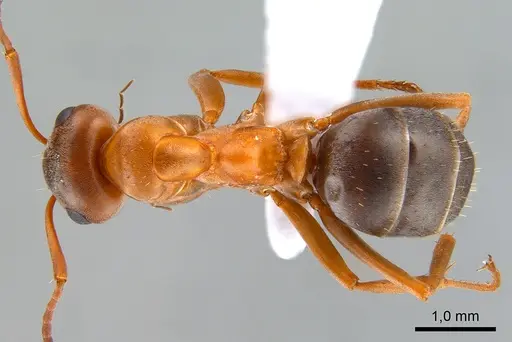
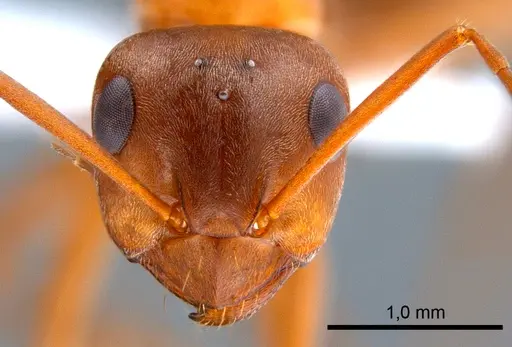
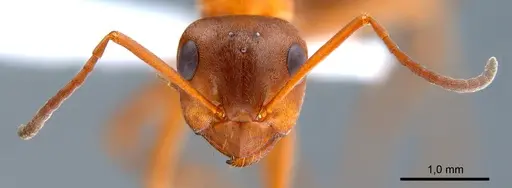
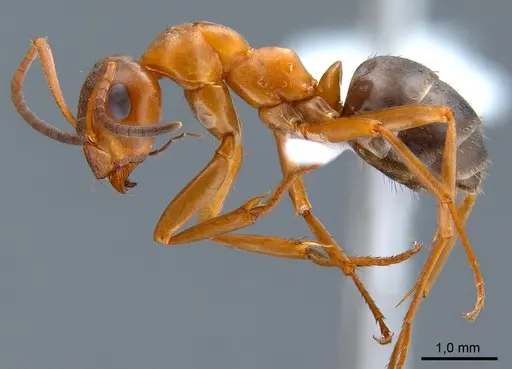
ANTWEB1008067
View on AntWeb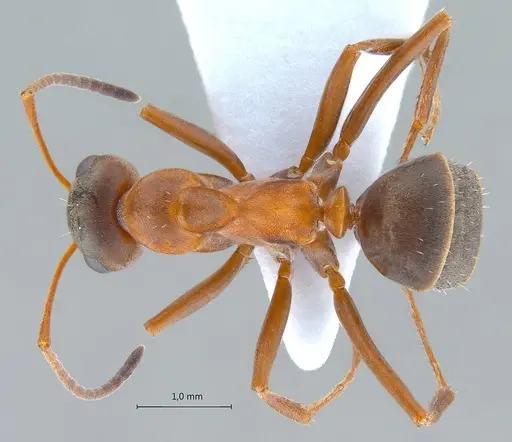
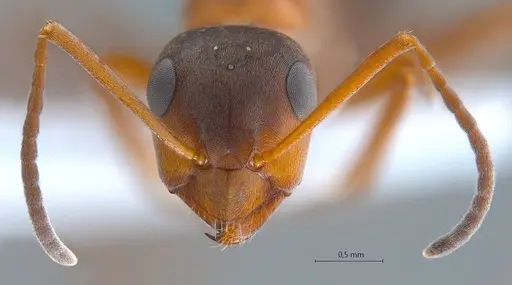
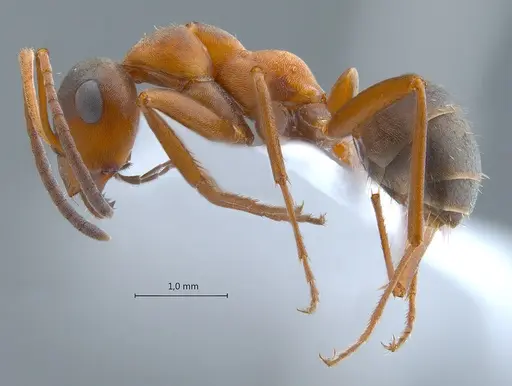
ANTWEB1008388
View on AntWeb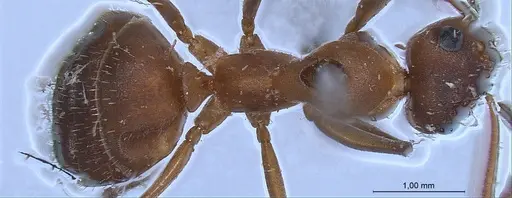
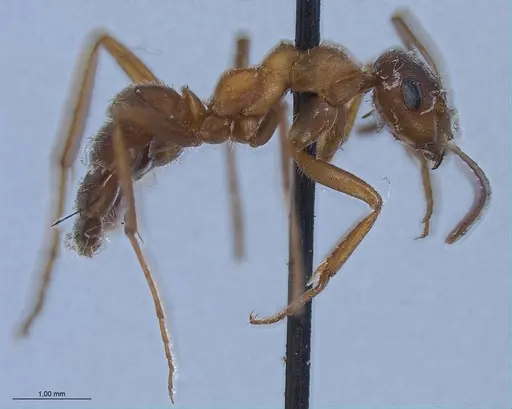
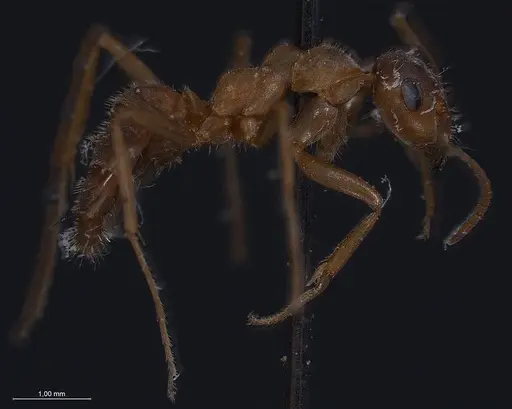
ANTWEB1041261
View on AntWeb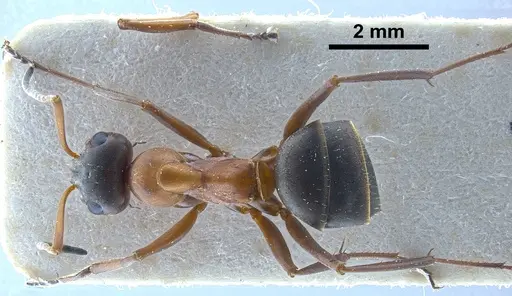
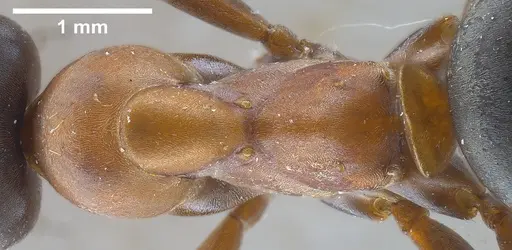
CASENT0280383
View on AntWeb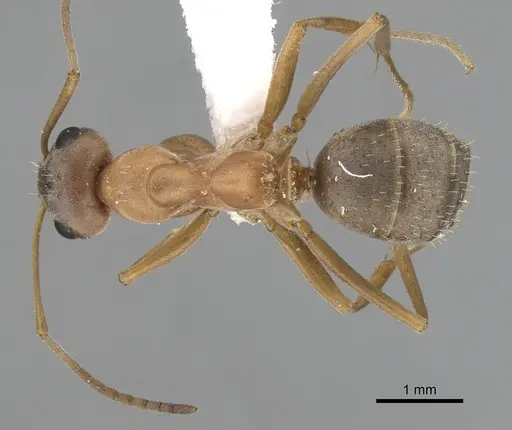
CASENT0280388
View on AntWeb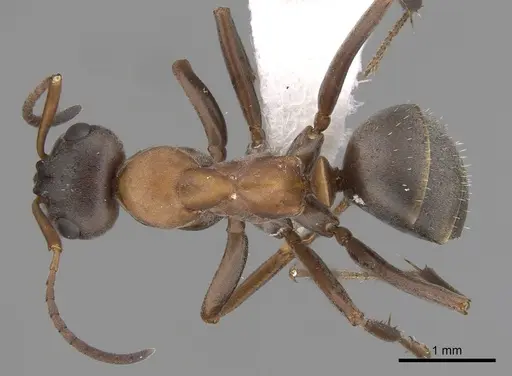
CASENT0910237
View on AntWeb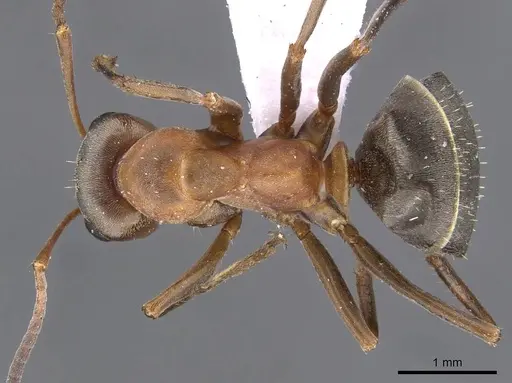
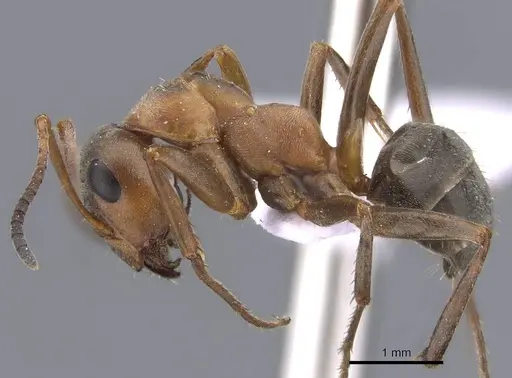
CASENT0911077
View on AntWeb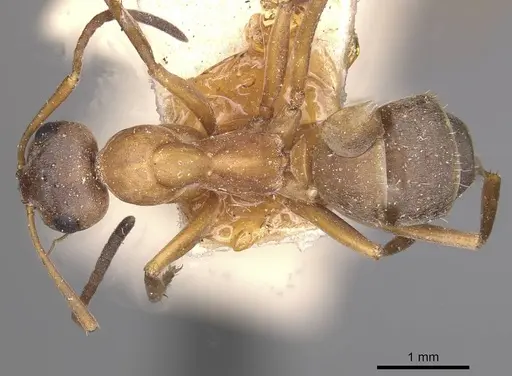
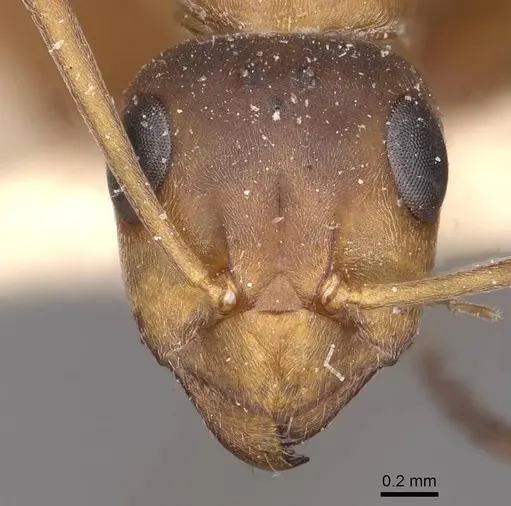
CASENT0917874
View on AntWeb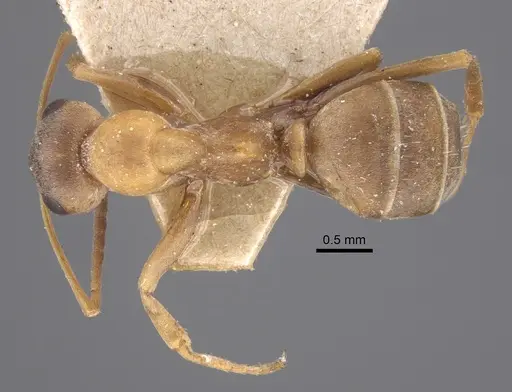
CFH000002
View on AntWeb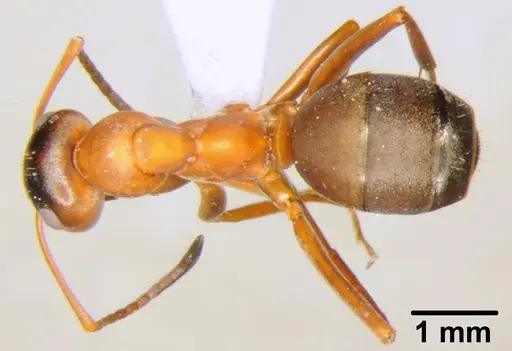
CFH000004
View on AntWeb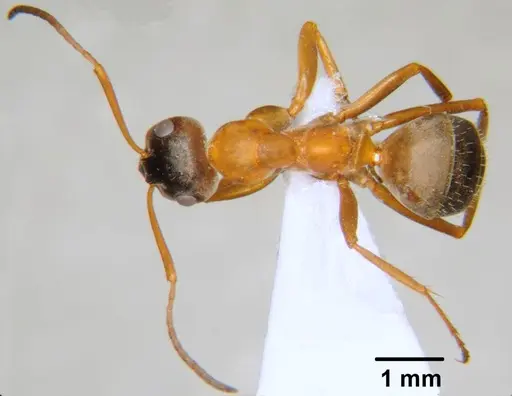
FOCOL0761
View on AntWeb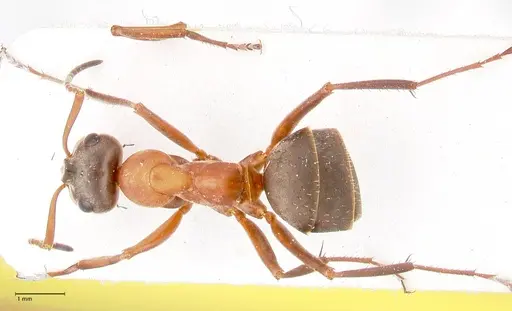
Literature
Loading...Loading products...