

Formica biophilica
- Scientific Name
- Formica biophilica
- Tribe
- Formicini
- Subfamily
- Formicinae
- Author
- Trager, 2007
- Common Name
- Wilson’s Field Ant
- Distribution
- Found in 1 countries
Formica biophilica Overview
Formica biophilica (commonly known as the Wilson’s Field Ant) is an ant species of the genus Formica. It is primarily documented in 1 countries , including United States of America. Detailed taxonomic data and occurrence records can be further explored via authoritative databases such as AntWeb or the Global Biodiversity Information Facility (GBIF).
Formica biophilica - "Wilson’s Field Ant"
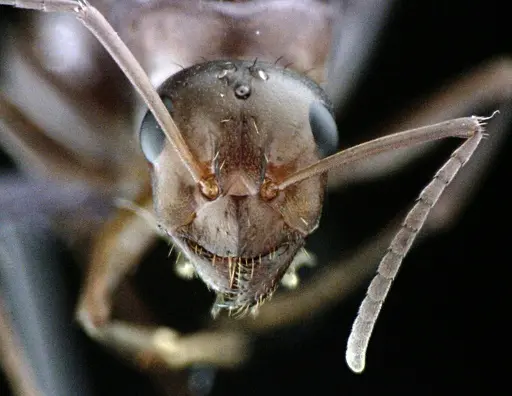
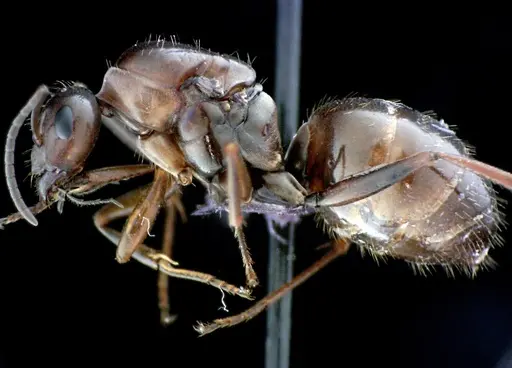
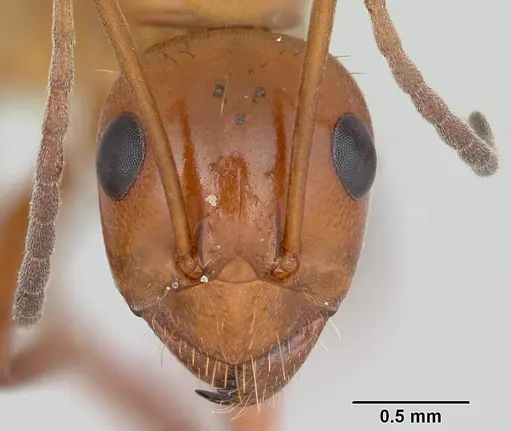
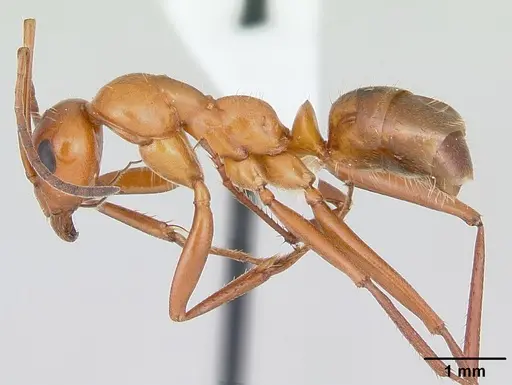
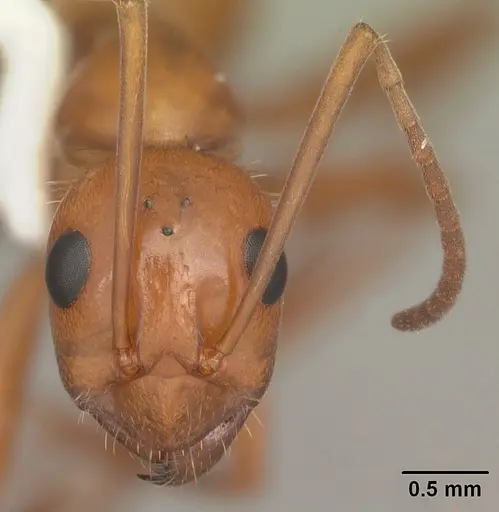
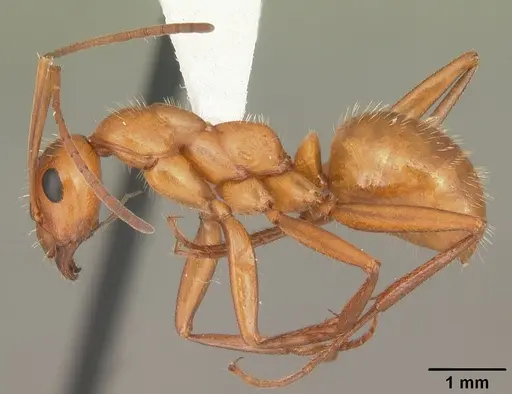
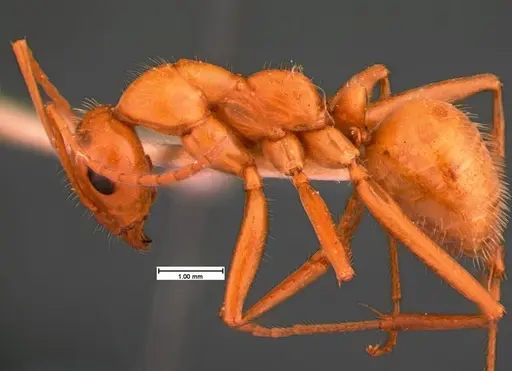
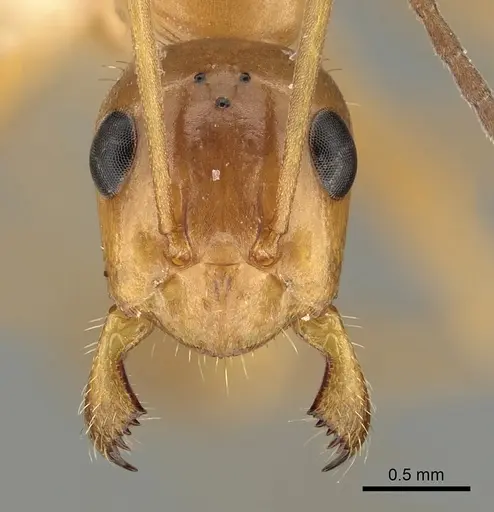
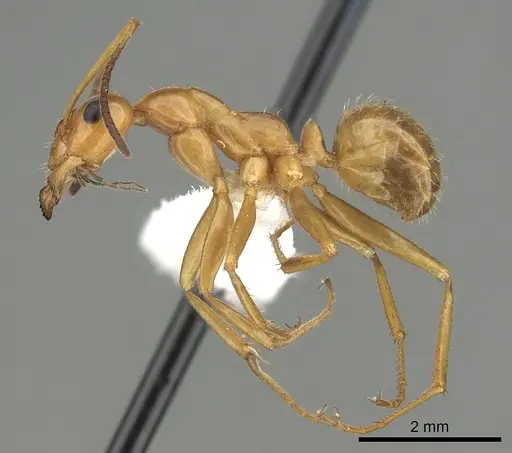
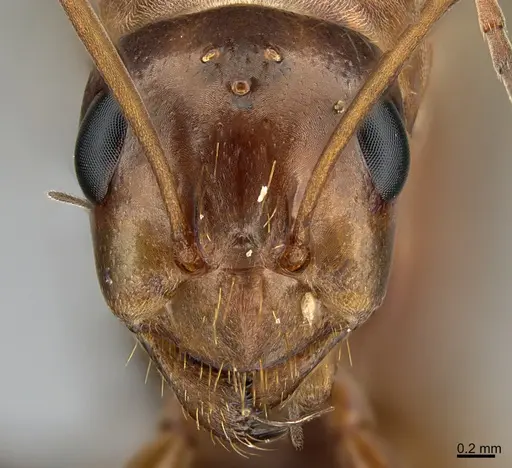
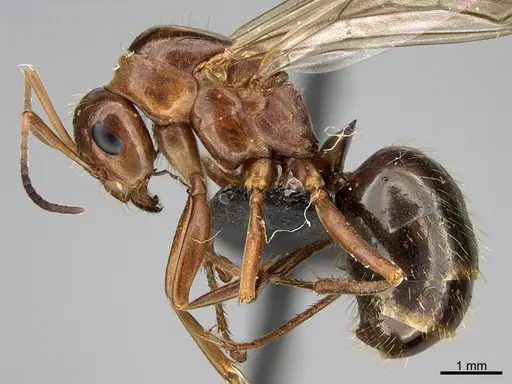
Formica biophilica is a medium-sized Formica ant and the brightest yellow member of the pallidefulva group. Workers are gracile and shiny with light reddish to pale brownish-yellow coloring across the head, mesosoma, and legs. They have long, curved erect hairs (macrochaetae) on their body, and are weakly polymorphic, meaning workers come in slightly different sizes within a colony. This species is found across the eastern United States from the Carolinas to Missouri, south to northern Florida and central Texas [1].
This ant lives in wet to mesic open habitats including fields, prairies, lawns, fens, bogs, marshes, and open woodlands. It is the only southern Formica species that inhabits wetland habitats like fens and bogs, where it nests in elevated hummocks of organic matter formed by grass or sedge tussocks when the ground is saturated [1]. The species was only recognized as distinct in 2007,having been previously confused with related species like Formica incerta and Formica pallidefulva.
Quick Summary
- Difficulty: Medium
- Origin & Habitat: Eastern United States (Carolinas to Missouri, south to northern Florida and central Texas). Found in mesic to hydric open habitats including fields, prairies, lawns, fens, bogs, marshes, and open woodlands [1].
- Colony Type: Likely single-queen (monogyne) colonies based on typical Formica patterns. No multi-queen colonies have been documented.
- Colony: Monogyne
- Founding: Claustral
- Size & Growth:
- Queen: Approximately 9-11mm (estimated from related Formica species)
- Worker: 1.3-2.5mm (HL mean 1.55mm, WL mean 2.52mm) [2]
- Colony: Likely several thousand workers at maturity based on typical Formica colony sizes
- Growth: Moderate, typical for Formica species
- Development: 6-10 weeks (estimated based on related Formica species) (Development time is temperature-dependent. No specific data for this species, but closely related Formica typically take 6-10 weeks at warm room temperature.)
- Antkeeping:
- Temperature: Keep at 20-26°C. Room temperature is often suitable given their temperate range. A gentle gradient allows workers to choose their preferred temperature.
- Humidity: Keep the nest substrate consistently moist. This species naturally inhabits wetlands and damp habitats, so humidity is important. Provide a water tube for drinking water.
- Diapause: Yes, as a temperate species, they need a winter rest period. Reduce temperature to 5-10°C for 3-4 months during winter, mimicking their natural cycle.
- Nesting: An acrylic or plaster formicarium works well. Keep the nest setup humid but ensure some dry areas exist for workers to regulate moisture. A test tube cluster can work for founding colonies.
- Behavior: Fast-moving and long-legged, these ants are active foragers that dominate competing ant species at food sources [3]. They are not particularly aggressive toward keepers but will defend their nest. Workers are adept at finding food and can climb smooth surfaces, though escape prevention is still important. They occasionally collect seeds but are not strong myrmecochores [3].
- Common Issues: colonies may fail if kept too dry, their wetland habitat means they need consistent moisture, winter diapause is essential, skipping hibernation can weaken or kill colonies over time, queens can be difficult to establish in captivity if not given proper claustral conditions, they are hosts to slave-making ants (Polyergus) in the wild, wild-caught colonies may have parasites, slow founding phase means colonies need patience during the first few months
Nest Preferences and Setup
In the wild, Formica biophilica nests in soil with simple, cryptic openings usually hidden amongst grass or sedges. In spring, colonies may build small mounds (10-25cm diameter) of soil and plant fragments against grass clumps, though these collapse during hot summer weather. In wetland habitats like fens and bogs, they nest in elevated hummocks of organic matter above saturated ground [1].
For captive care, an acrylic or plaster formicarium works well. Keep the nest substrate consistently moist but not waterlogged, these ants come from damp habitats but still need some dry areas for workers to regulate their conditions. A test tube cluster with a water reservoir can work for founding colonies, but transfer to a proper formicarium once the colony reaches 20-30 workers. Provide a shallow outworld for foraging with easy access to food and water.
Feeding and Diet
Formica biophilica is an opportunistic forager that accepts a variety of foods. In the wild, they dominate competing ant species at food sources and are known to occasionally collect seeds [3]. Feed them a balanced diet including sugar water or honey as an energy source, and protein sources like mealworms, crickets, or other small insects. Fresh fruit can also be accepted.
Feed protein 2-3 times per week and provide sugar water constantly. Remove uneaten food after 24-48 hours to prevent mold. These ants are active foragers, so they will readily search out and claim food resources in their outworld.
Temperature and Seasonal Care
Keep your colony at room temperature, ideally 20-26°C. This matches their temperate range in the eastern United States and aligns with typical Formica requirements. A heating cable on one side of the nest creates a temperature gradient, allowing workers to choose their preferred spot.
Winter care is critical, as a temperate species, Formica biophilica requires a diapause (hibernation) period. Reduce temperatures to 5-10°C for 3-4 months during winter, typically November through February in the Northern Hemisphere. Place the colony in a cool location like an unheated garage or refrigerator during this time. Do not skip hibernation, it is essential for colony health and triggers proper reproductive cycles. [1]
Behavior and Temperament
These ants are fast-moving and long-legged, making them active foragers that quickly discover and claim food resources [4]. They often dominate competing ant species like Aphaenogaster in direct encounters [3]. Workers are moderately defensive of their nest but not particularly aggressive toward keepers.
Workers have long, curved erect hairs across their body, giving them a somewhat fuzzy appearance. They are weakly polymorphic, minor workers are smaller while major workers are larger, but the size difference is less pronounced than in some other Formica species. Workers can climb smooth surfaces, so use standard escape prevention like fluon on container edges.
Colony Founding
Like other Formica species, F. biophilica likely uses claustral founding. The queen seals herself in a small chamber and survives entirely on her stored fat reserves while raising the first brood alone. She does not leave to forage during this period.
To found a colony in captivity, place a newly mated queen in a test tube setup with a water reservoir. Seal the queen in a small chamber and keep the tube dark and undisturbed. Maintain room temperature and wait 4-8 weeks for eggs to develop into workers (nanitics). The first workers will be smaller than mature workers but will begin foraging to support the growing colony. [1][2]
Frequently Asked Questions
How long does it take for Formica biophilica to raise their first workers?
Expect 6-10 weeks from egg to first worker at room temperature. This is typical for Formica species, though specific development data for F. biophilica is not available. The first workers (nanitics) will be smaller than mature workers.
Do Formica biophilica ants need hibernation?
Yes, they require a winter diapause. Reduce temperatures to 5-10°C for 3-4 months during winter. This is essential for colony health and proper reproductive cycles. Skipping hibernation can weaken or kill colonies over time.
What do Formica biophilica ants eat?
They are opportunistic feeders. Offer sugar water or honey constantly for energy, and protein sources like mealworms, crickets, or other small insects 2-3 times per week. They occasionally accept fruit and seeds.
Are Formica biophilica good for beginners?
They are rated as medium difficulty. They require more attention to humidity than some common ants since they naturally inhabit wetlands. They also need winter hibernation. If you can provide consistent moisture and proper seasonal care, they are manageable for intermediate antkeepers.
How big do Formica biophilica colonies get?
Based on related Formica species, colonies likely reach several thousand workers at maturity. They are moderately fast-growing once established.
Can I keep multiple Formica biophilica queens together?
This is not recommended. Unlike some Formica species, F. biophilica appears to form single-queen colonies. Combining unrelated queens would likely result in fighting.
What makes Formica biophilica different from other Formica?
They are the brightest yellow member of the pallidefulva group and are the only southern Formica species that inhabits wetland habitats like fens and bogs. They were only recognized as a distinct species in 2007,having been previously confused with F. incerta and F. pallidefulva.
When do Formica biophilica alates (reproductives) appear?
Sexuals have been collected in nests in mid-June to early July in the wild, but nuptial flights have not been directly observed. This suggests flights likely occur during early summer.
Why are my Formica biophilica dying?
Common causes include: keeping them too dry (they need damp conditions), skipping hibernation, overfeeding leading to mold, or stress during the founding phase. Check that the nest substrate stays moist but not waterlogged, and ensure you provide proper winter cooling.
References

This caresheet is licensed under CC BY-SA 4.0 .
ANTWEB1041507
View on AntWeb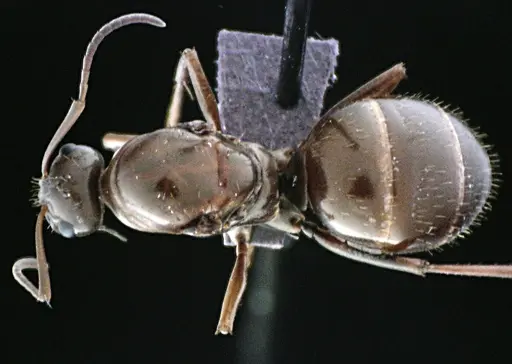
CASENT0103499
View on AntWeb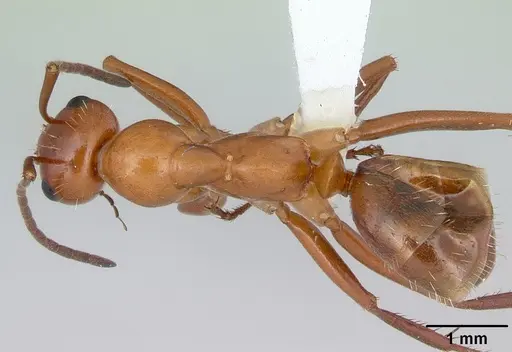
CASENT0103945
View on AntWeb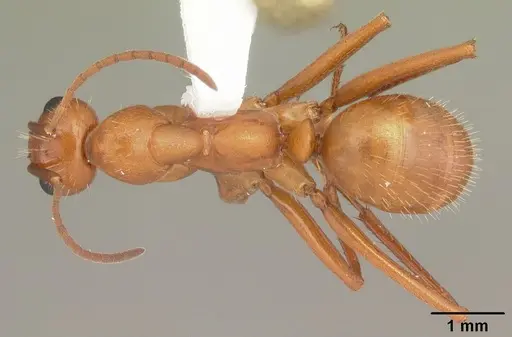
CASENT0105556
View on AntWeb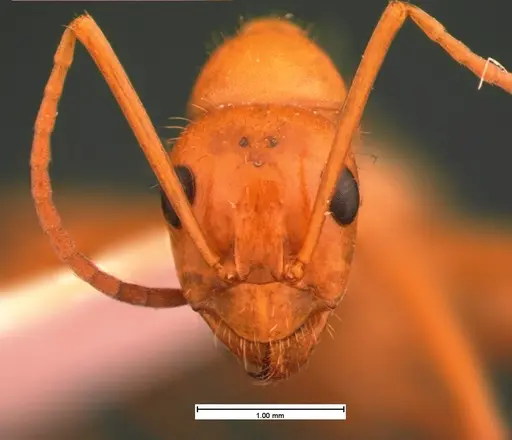
CASENT0280343
View on AntWeb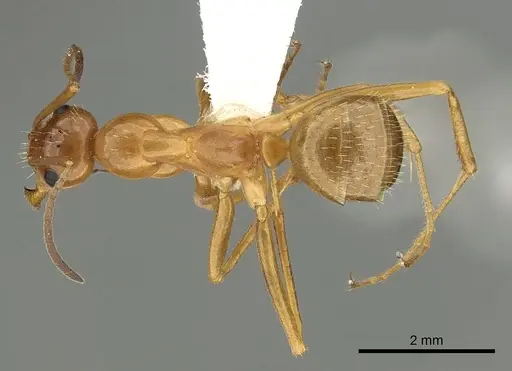
CASENT0923617
View on AntWeb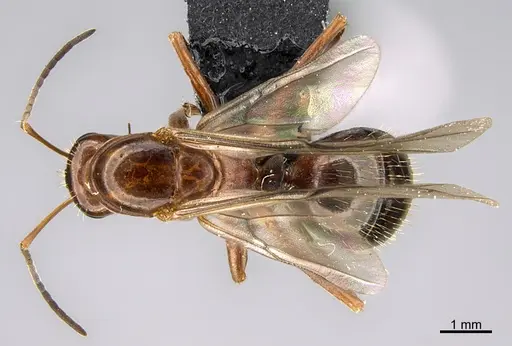
Literature
Loading...Loading products...