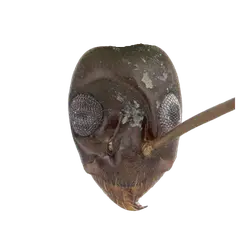
Harpegnathos venator - "Jumping Jack Ant"
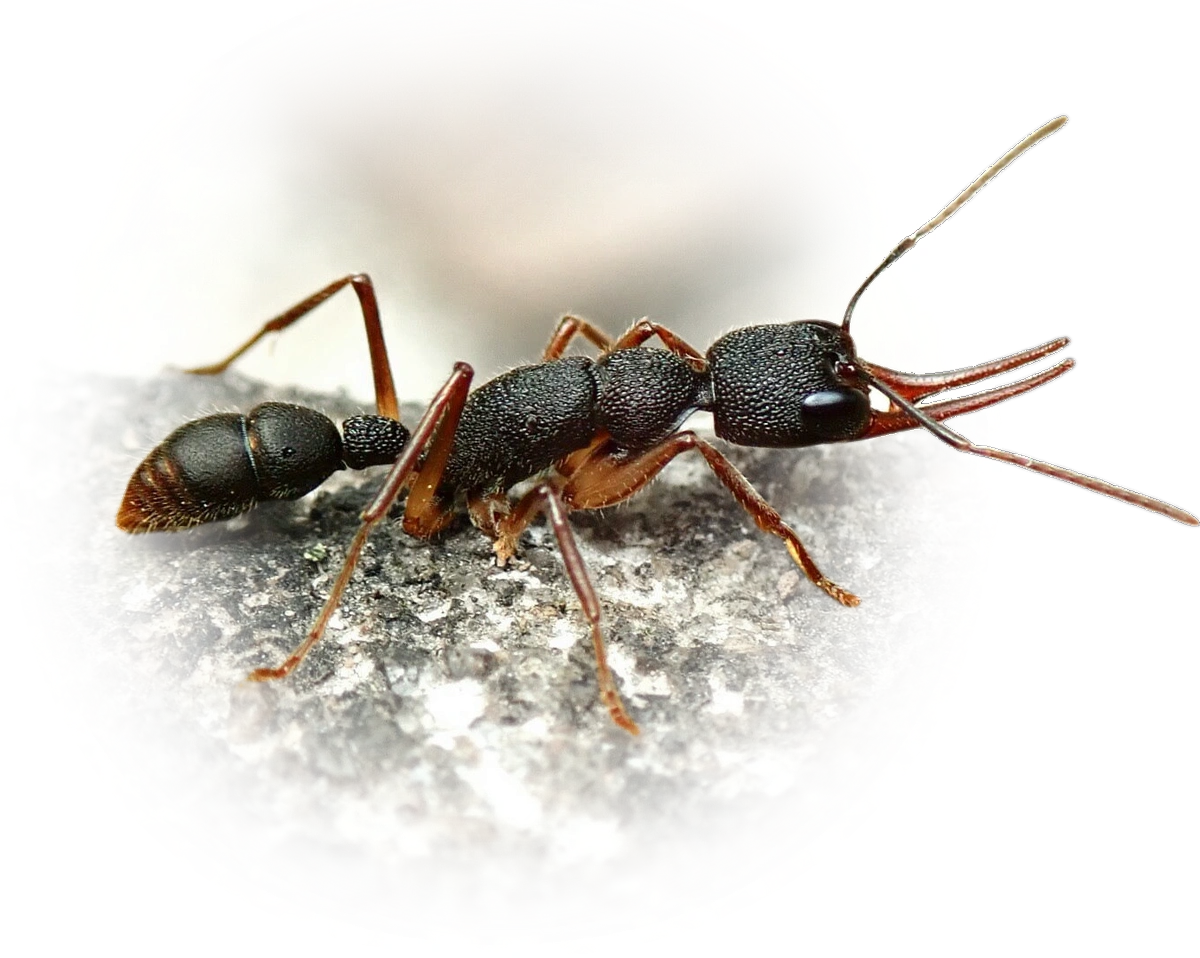
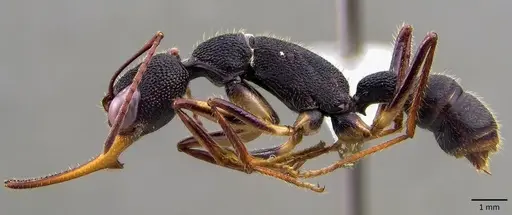
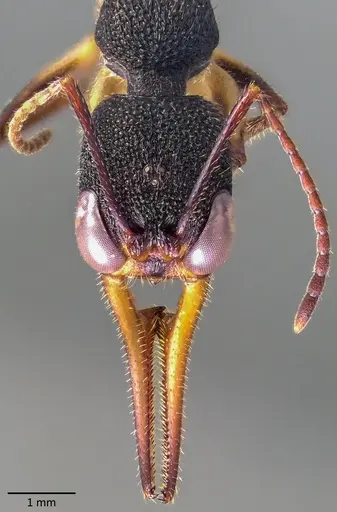
Hailing from the tropical rainforests of Southeast Asia, the Harpegnathos venator, often known as the Jumping Jack Ant, is a captivating and visually striking ant species. These impressive ants are characterized by their large size, typically dark red to brown coloration, and exceptionally long, saber-toothed mandibles. Their most remarkable feature is their highly developed eyesight, which they utilize for their unique hunting style: stalking prey and then leaping up to 10 cm to capture it. They also exhibit an interesting behavior of wiggling their gaster when they spot prey. Unlike many common ant species, Harpegnathos venator workers and queens are quite similar in size, displaying a more primitive caste structure. These active predators are a true spectacle for any dedicated ant keeper.
- Difficulty: Medium
- Origin & Habitat: Southeast Asia (including India, Thailand, Vietnam, China, Borneo, Indonesia, Malaysia, and Burma) in Tropical rainforests, forest edges, and sparse forests, typically nesting underground along dirt trails..
- Colony Type: While some colonies are monogyne (single queen), polygyne (multiple queens) colonies have also been observed. In polygynous setups, one queen is often dominant. This species is also notable for its ability to produce gamergates., semi-claustral founding.
- Size & Growth:
- Queen: 14-17mm
- Worker: 12-18mm
- Colony: Medium (hundreds), typically reaching 200-400 workers in mature colonies.. Slow to Medium. Colony growth is not exceptionally fast, requiring patience from the keeper. growth.
- Antkeeping:
- Temperature: Optimal nest temperature ranges from 24°C to 28°C, with 26-27°C being ideal. The outworld should maintain similar temperatures. While they can tolerate slightly lower temperatures, growth will slow significantly below 20°C..
- Humidity: High humidity is crucial for Harpegnathos venator. The nest area should be kept at 70-80% humidity, while the outworld can be slightly lower, around 50-70%. Consistent humidity levels are vital, and rapid fluctuations should be avoided..
- Diapause: Not required. Not specified at Not specified.
- Nesting: These ants thrive in nests that mimic their natural underground environments. Gypsum, Ytong (aerated concrete), and natural setups with a substrate like soil, coconut fiber, or peat are highly recommended. A spacious nest is preferred. It's essential to provide a substrate layer within the nest chambers, as their larvae require it for spinning cocoons. Avoid plastic nests..
- Behavior: Medium (towards handler if provoked, aggressive hunters) aggressiveness.
- Common Issues: Stress from handling or environmental changes, Lack of consistent humidity, Mold in nest, Mites, particularly affecting pupae, Colony stalling due to improper feeding or stress, Overfeeding leading to waste and mold, Incorrect prey size (too large may intimidate them).
One of the most captivating aspects of Harpegnathos venator care is observing their incredible hunting behavior. These ants boast exceptional eyesight, allowing them to actively stalk their prey rather than relying on chemical trails. You'll often see a worker wagging her gaster excitedly once she's spotted a meal, before executing a precise jump-sometimes up to 10 cm-to subdue her target. They're primarily carnivorous and prefer live insects, such as small crickets, cockroaches, and mealworms. While they can sting to paralyze their prey, it's generally harmless to humans, though a sting can be quite painful. Offering a varied diet of appropriately sized live feeders is key to their success.
A truly fascinating trait of Harpegnathos venator colonies is their ability to produce 'gamergates.' This means that if the queen passes away, certain workers can become reproductive, laying viable eggs to continue the colony. This unique adaptation can, in theory, grant a colony a form of immortality, as new reproductive workers can emerge to maintain the lineage. Keepers often find it incredibly interesting to observe the workers vying for dominance if a gamergate transition occurs, showcasing a complex social dynamic not seen in many common ant species.
Unlike many ant species that practice trophallaxis (mouth-to-mouth food sharing), Harpegnathos venator has a more primitive method of feeding their brood. Workers will drag their live or freshly paralyzed prey directly into the nest, where it is then divided among the workers and the larvae. It's also vital to provide a suitable substrate like coconut fiber or sand within their formicarium, as their larvae require this material to spin their cocoons before pupating. Without this, development can be hindered, impacting the colony's growth and health.
Harpegnathos venator are generally considered an intermediate to advanced species, not typically recommended for beginner ant keepers. They can be quite sensitive to environmental changes and stress, particularly regarding fluctuations in temperature and humidity. Maintaining stable conditions is paramount for their well-being. Issues like mold in the nest or mite infestations can severely impact the colony, especially affecting the vulnerable pupae. Proper ventilation in the outworld and meticulous cleaning are crucial to prevent such problems and ensure your colony thrives.
These Jumping Jack Ants are incredibly active throughout the year, as they do not require a diapause (hibernation) period. This constant activity makes them a dynamic and engaging species to observe, providing continuous entertainment for the dedicated ant enthusiast. Their keen eyesight isn't just for hunting; you might even notice them observing your movements outside the nest, a testament to their remarkable visual acuity. Their unique behaviors and year-round activity make them a highly rewarding species for keepers ready for a slightly more challenging yet fascinating experience.
Frequently Asked Questions
Are Harpegnathos venator a good choice for new ant keepers?
While captivating, Harpegnathos venator are generally considered an intermediate to advanced species. They have specific requirements for humidity and temperature, and their sensitivity to stress means they're best suited for ant keepers who've gained some experience with other ant species.
What do Jumping Jack Ants eat?
These amazing ants are avid hunters! They primarily feast on live insects like small crickets, roaches, and mealworms. Interestingly, they're not typically big fans of sugary liquids like honey water, though you can offer it. They prefer to hunt their own food, so offering pre-killed prey might not always be accepted.
Do Harpegnathos venator need to hibernate?
Good news for year-round observation! Harpegnathos venator are a tropical species and do not require a diapause or hibernation period. You can enjoy their active behaviors throughout the entire year, just be sure to maintain their preferred warm temperatures.
How high can Harpegnathos venator jump?
Their common name isn't just for show! Harpegnathos venator are impressive jumpers, capable of leaping up to 10 cm (about 4 inches). They use this unique ability both for hunting down prey and for escaping potential threats, making them incredibly agile hunters in your formicarium.
What is a gamergate in a Harpegnathos venator colony?
The gamergate phenomenon is one of the most intriguing aspects of Harpegnathos venator biology. If the founding queen unfortunately passes away, certain workers within the colony can develop reproductive capabilities, becoming 'gamergates' capable of laying fertilized eggs. This can allow the colony to continue thriving even without its original queen, a true testament to their evolutionary adaptability!
What kind of nest is best for Jumping Jack Ants?
For these unique ants, a nest that retains high humidity and allows for some substrate is ideal. Many keepers find success with gypsum, Ytong (aerated concrete), or naturalistic setups featuring substrates like coconut fiber or peat. It's crucial that the nest provides a substrate layer, as their larvae need material to spin their cocoons for pupation. Avoid bare plastic setups, as they don't meet their specific needs.
How long does it take for a Harpegnathos venator egg to become a worker?
Patience is key with Harpegnathos venator development! From egg to a full-fledged worker, the process typically takes about 3 months, or around 12-13 weeks. This includes roughly a month for each stage: egg to larva, larva to pupa, and pupa to adult worker. Consistent temperature and humidity are vital for successful brood development.
Do Harpegnathos venator sting, and is it dangerous?
Yes, Harpegnathos venator workers possess a sting, which they primarily use to paralyze their prey. While their venom is potent for insects, a sting to a human is generally not dangerous. However, it can be quite painful, so it's always wise to exercise caution and avoid direct contact when working with your colony.
How large do Harpegnathos venator colonies get?
Harpegnathos venator colonies are not supercolonies like some other ant species. A mature colony will typically reach a modest size, ranging from a few dozen up to several hundred workers, often topping out between 200 and 400 individuals. Their manageable colony size makes them a great species for observation without requiring massive setups.
Why aren't my Harpegnathos venator hunting in the outworld?
These ants are keen observers! If your Harpegnathos venator aren't actively hunting, it could be a few things. They might not be hungry, especially if they've recently had a large meal. Ensure the prey offered is live and appropriately sized; they can be intimidated by overly large insects. Also, check that your outworld provides a secure, stimulating environment where they feel comfortable foraging. Sometimes, high activity levels in the outworld signal they're ready for a hunt!
What humidity levels are best for Harpegnathos venator?
Maintaining high and stable humidity is critical for Harpegnathos venator. In the nest, aim for 70-80% relative humidity. The outworld can be a bit drier, around 50-70%. They are sensitive to desiccation, and their long mandibles mean they can't drink directly from open water sources, so high ambient humidity is crucial for their well-being and hydration.
Do Harpegnathos venator share food by trophallaxis?
Unlike many common ant species, Harpegnathos venator does not practice trophallaxis, which is the direct mouth-to-mouth transfer of food. Instead, workers bring prey items directly into the nest, where the food is then consumed by both the adult ants and the larvae. This more primitive feeding behavior is characteristic of their subfamily, Ponerinae.
What is the typical lifespan of a Harpegnathos venator queen?
A Harpegnathos venator queen can live for a good amount of time, with lifespans reported up to 5 years. This relatively long lifespan, coupled with the potential for gamergate workers to take over reproduction if the queen passes, means that a well-cared-for colony can provide many years of fascinating observation.