

Formica aserva
- Scientific Name
- Formica aserva
- Tribe
- Formicini
- Subfamily
- Formicinae
- Author
- Forel, 1901
- Distribution
- Found in 2 countries
Formica aserva Overview
Formica aserva is an ant species of the genus Formica. It is primarily documented in 2 countries , including Canada, United States of America. Detailed taxonomic data and occurrence records can be further explored via authoritative databases such as AntWeb or the Global Biodiversity Information Facility (GBIF).
Formica aserva
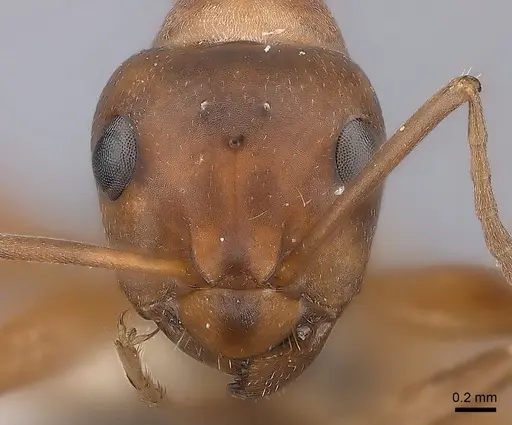
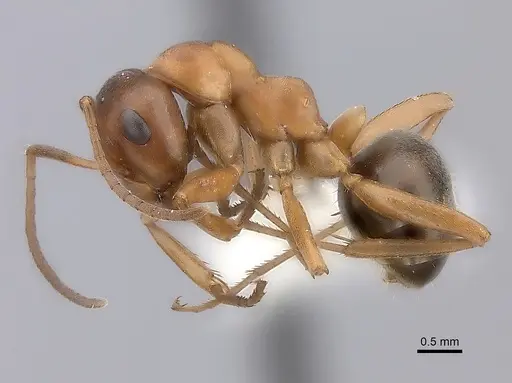
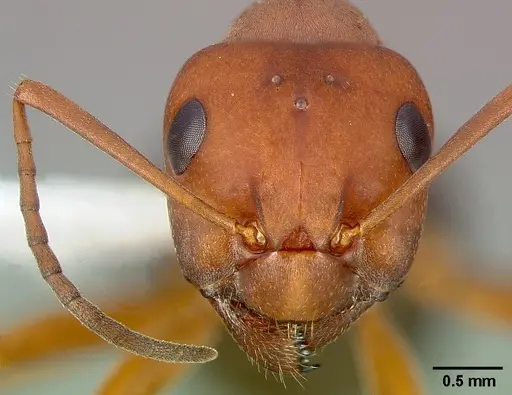
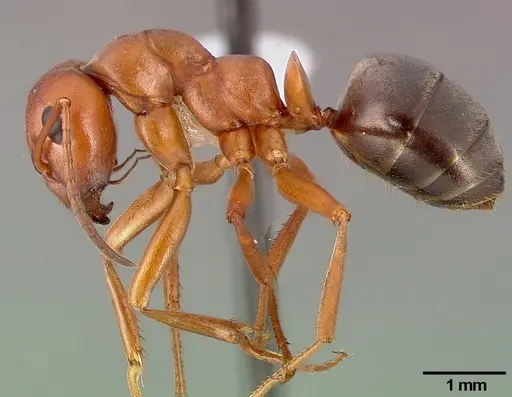
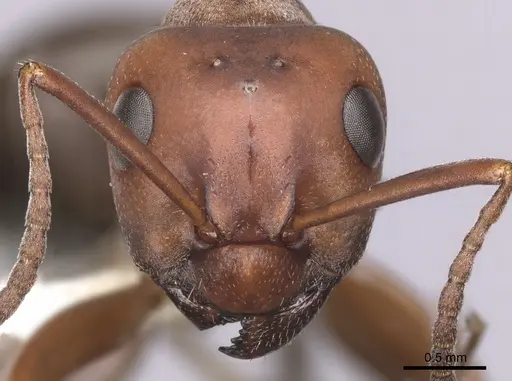
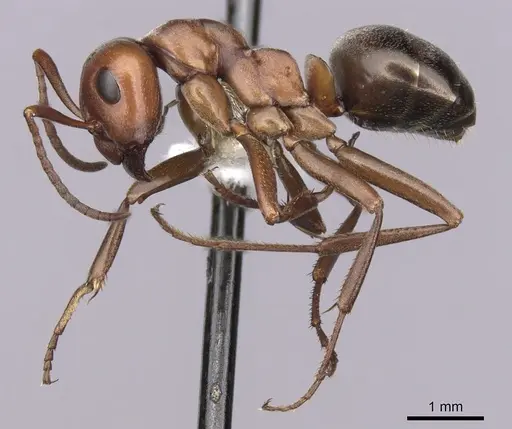
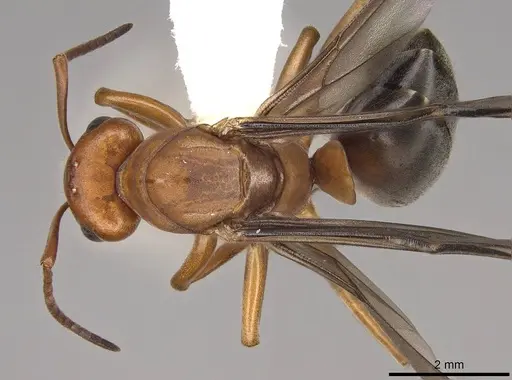
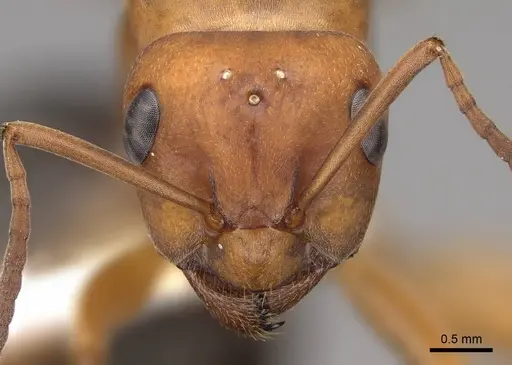
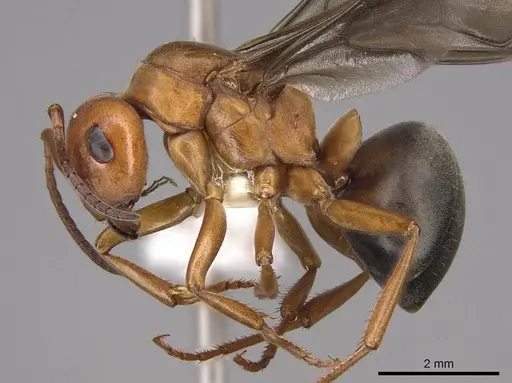
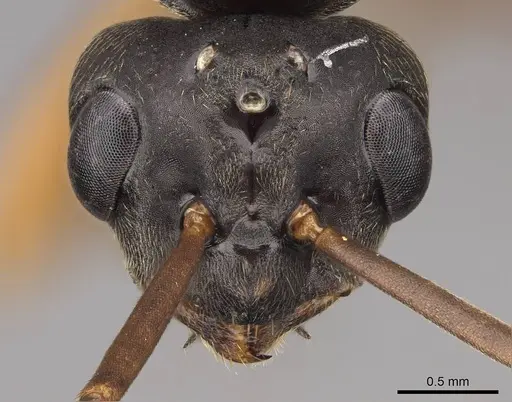
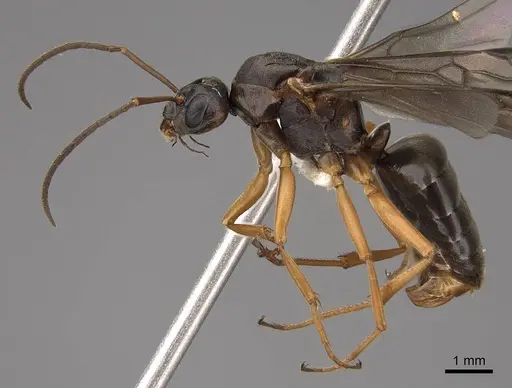
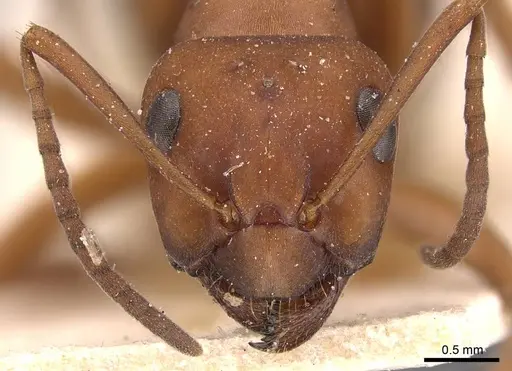
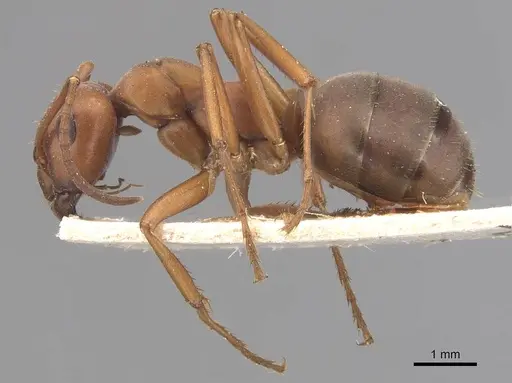
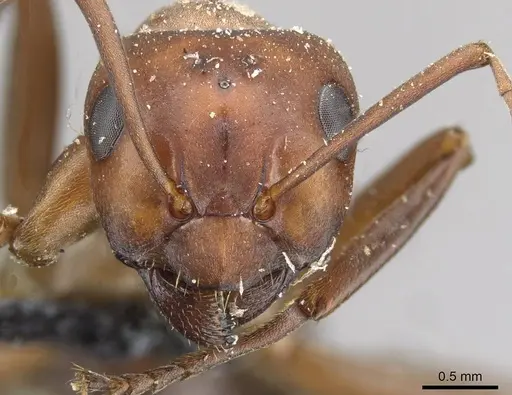
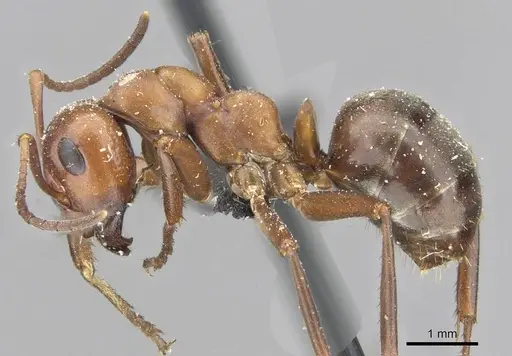
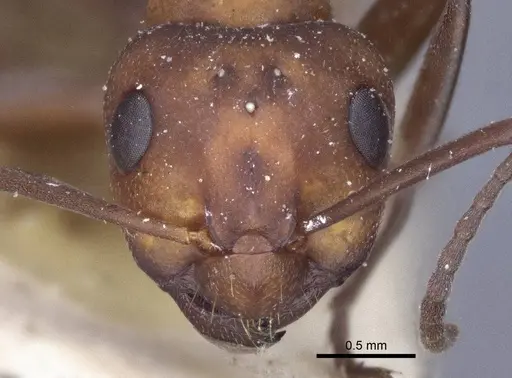
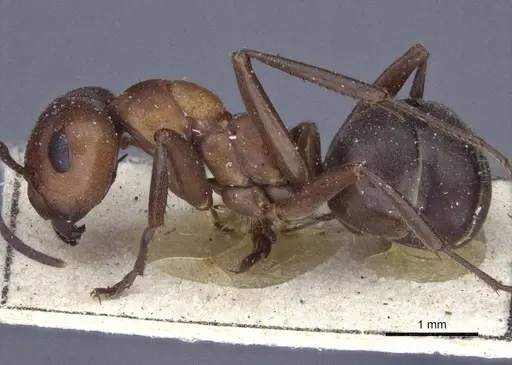
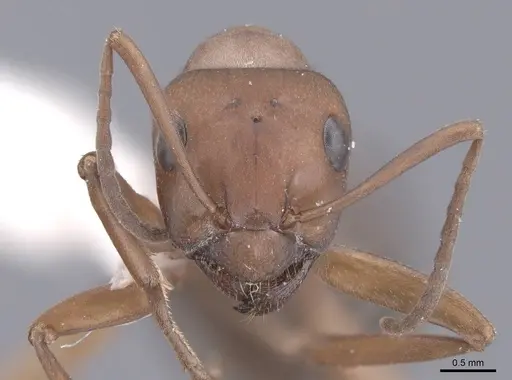
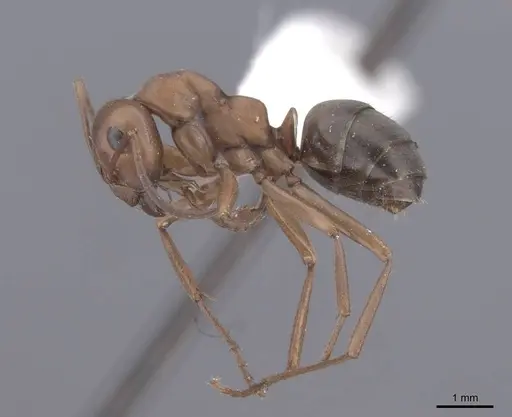
Formica aserva is a medium-sized ant native to North America, ranging from Canada through the western and northeastern United States. Workers measure 4-6mm and are dark brown to black in color [1]. This species belongs to the sanguinea group of Formica ants and is known for its distinctive brood-raiding behavior, it attacks colonies of other Formica species to steal pupae, which then hatch and become enslaved workers that accept the raiding queen as their own [2]. The ventral surface of the head lacks erect hairs, the petiole is broad and fan-shaped when viewed from the front, and the central area of the clypeus has fine striations [3].
What makes F. aserva particularly interesting is its flexible social structure, it's a facultative slavemaker, meaning it can function with or without enslaved workers [4]. When raids occur, you can spot long foraging columns stretching many meters from the nest to the target colony. These ants are aggressive defenders of their territory and mound-building specialists [5]. They also tend aphids for honeydew and are known to attack ladybird beetles that threaten their aphid farms [6].
Quick Summary
- Difficulty: Medium
- Origin & Habitat: Native to North America, found across Canada from Newfoundland west to Yukon, and throughout the western and northeastern United States from Alaska south to California and east to New Mexico [2]. This species inhabits a wide variety of environments including prairies, sagebrush scrub, juniper forests, aspen forests, mixed coniferous forests, and even areas above tree line in subalpine zones [2]. They prefer habitats with high insolation and are often found in disturbed areas [7][8].
- Colony Type: Facultatively polygynous, colonies can have multiple queens (polygynous) or single queens (monogyne) [9][10]. As a facultative slavemaker, colonies typically have some enslaved Formica workers (from species like F. fusca, F. argentea, F. neorufibarbis, and F. podzolica), but they can survive without them [4]. Median slave proportion is around 10% of the workforce, with only about one-third of colonies having slaves at all [11].
- Colony: Optionally polygyne
- Queen: Socially parasitic
- Special: Slave-making
- Size & Growth:
- Queen: Estimated 7-9mm based on genus patterns (no direct measurement in sources)
- Worker: 4.0-6.0mm [1]
- Colony: Colonies can reach several hundred workers based on observations in young post-fire habitats [12]
- Growth: Moderate, development timeline not specifically documented but typical for Formica
- Development: Estimated 6-8 weeks based on typical Formica development at warm temperatures (Development time inferred from genus-level data, specific egg-to-worker timeline not directly studied for this species)
- Antkeeping:
- Temperature: Keep at 20-24°C (68-75°F). This is a thermophilic species that prefers warm conditions [10]. A heating cable on one side of the nest creates a useful gradient.
- Humidity: Moderate humidity around 50-60%. They nest in dead wood and stumps in the wild, so the substrate should be kept slightly moist but not waterlogged. Provide a moisture gradient with a damp area and a drier area.
- Diapause: Yes, this is a northern species requiring hibernation. Provide a winter rest period of 3-4 months at temperatures around 5-10°C (41-50°F) during winter months.
- Nesting: Prefers nesting in stumps and decaying wood rather than soil [10]. In captivity, a naturalistic setup with rotting wood pieces or a Y-tong/plaster nest works well. They also construct thatched nests using plant material [13].
- Behavior: F. aserva is an aggressive, active species that defends its territory vigorously. Workers are polymorphic with distinct task groups: honeydew collectors (smaller workers that tend aphids), nest builders, and protein foragers (larger workers) [5]. They exhibit high task fidelity, over 98% of workers stick to their assigned role [5]. This species conducts raids on other Formica colonies, with fighting similar to predatory behavior rather than typical slave-raiding [11]. They are mound-building ants and prefer high-insolation areas. Escape prevention is important, use standard Formicarium barriers as workers are moderate-sized (4-6mm).
- Common Issues: Slave dependency, while facultative, colonies may struggle initially without access to host species for raiding, Cold sensitivity, being thermophilic, they may decline in cool conditions below 18°C, Colony establishment, founding queens must successfully parasitize a host colony, which can fail, Disturbance intolerance, these ants prefer stable, undisturbed nesting sites, Host species requirement, keeping this species meaningfully requires maintaining or providing access to enslaved Formica species
Colony Founding and Slave-Making
F. aserva is a facultative slavemaker, this means it can function with or without enslaved workers, but typically maintains some enslaved Formica from species in the fusca, neogagates, and pallidefulva groups [2]. The colony-founding queen must invade a small colony of another Formica species. She forces her way in, somehow eliminates the host queen and workers, and takes over the nest and brood [2]. The workers that emerge from the stolen pupae accept the intruding queen as their own. Once the slavemaker workers become numerous enough, they begin raiding other colonies for more slaves. Raids can involve long foraging columns stretching many meters from the nest to the target colony [2]. In captivity, establishing a colony typically requires introducing a founding queen to an established colony of a suitable host species like F. fusca or F. argentea.
Housing and Nest Preferences
In the wild, F. aserva prefers nesting in stumps and decaying wood (decay classes 3-4) rather than downed woody debris [10]. They show a strong preference for standing dead wood and often construct thatched nests using plant material piled against or on top of logs [13]. They also nest under stones and in soil. The species prefers high-insolation areas and is associated with disturbed habitats [7][8]. For captive care, provide a naturalistic setup with rotting wood pieces or a Y-tong/plaster nest with narrow chambers. Include some thatch material or nesting debris they can manipulate. A moisture gradient within the nest allows them to choose their preferred humidity zone.
Feeding and Diet
F. aserva workers are generalist feeders with three distinct task groups: honeydew collectors (smaller workers), nest builders, and protein foragers (larger workers) [5]. They tend aphids for honeydew and have documented mutualistic relationships with several aphid species including Aphis asclepiadis, Aphis salicariae, Aphis varians, and Rhopalosiphum nymphaeae [14]. They also hunt prey and will raid other ant colonies. In captivity, provide a varied diet including sugar water or honey, protein sources like mealworms or crickets, and ensure access to live prey for the hunting workers. They are aggressive defenders of their aphid farms and will attack ladybird beetles that threaten them [6].
Temperature and Seasonal Care
This is a thermophilic species requiring warm conditions, they are restricted to older severely disturbed areas and occur most abundantly after canopy removal [10]. Keep nest temperatures around 20-24°C (68-75°F). A heating cable on one side of the nest creates a useful temperature gradient. As a northern species with a range extending into Canada and Alaska, F. aserva requires a winter hibernation period of 3-4 months at temperatures around 5-10°C (41-50°F). Nuptial flights occur from mid-June through late July, with alates present from June 6 to July 28. Flights happen in early morning at relatively cool temperatures (63-67°F / 17-19°C) and they fly well in the lower 70s°F (~21°C+) [13].
Behavior and Defense
F. aserva is an aggressive, mound-building species that defends its territory vigorously. Workers show high task fidelity, over 98% stick to their assigned role over multiple days [5]. The three main tasks are: honeydew collecting (tending aphids), nest building (carrying materials on the mound), and protein foraging (carrying prey). Honeydew collectors are significantly smaller than nest builders and protein foragers [5]. When conducting raids, serious fighting occurs between slavemakers and workers of raided colonies [11]. They are also known to attack ladybird beetles that threaten their aphid farms, often prioritizing the beetle over the aphids themselves when both threats are present [6]. This species is a disturbance specialist, found most frequently in human-altered habitats [7][8].
Common Problems in Captivity
Keeping F. aserva presents several challenges. First, they require a host species, without enslaved workers, the colony may struggle, though they can function without slaves [4]. Second, being thermophilic, they need warm conditions and may decline in cool environments. Third, colony establishment is difficult since founding queens must successfully parasitize a host colony. Fourth, they prefer stable, undisturbed nesting sites and may abandon or decline if frequently disturbed. Finally, as a northern species, proper hibernation is essential for colony health. Without the 3-4 month winter rest at cool temperatures, colonies may not thrive long-term. Also watch for the parasitic fungus Laboulbenia formicarum, which can infect workers [15].
Frequently Asked Questions
Is Formica aserva a good species for beginners?
No, F. aserva is not recommended for beginners. This is a facultative slavemaker that requires access to host Formica species to establish successfully. The colony founding process is parasitic, which is more challenging than typical claustral founding. They also have specific temperature requirements and need proper hibernation. This species is better suited for experienced antkeepers who can provide the specialized care it requires.
How do I start a Formica aserva colony?
Starting a colony requires introducing a founding queen to an established colony of a suitable host species like Formica fusca, Formica argentea, or Formica neorufibarbis. The queen must successfully invade the host colony, kill or displace the host queen, and take over the nest. The host workers then care for her and the stolen brood. This process can fail, so it's challenging to establish. Some keepers obtain established colonies with already-enslaved workers.
Do Formica aserva need slaves to survive?
No, they are facultative slavemakers, they can function without enslaved workers, though they typically maintain some [4]. Studies show only about one-third of wild colonies have slaves, with slave proportions ranging from 1-30% of the workforce [11]. However, having slaves may provide additional energy that can be allocated to producing more sexual brood.
What temperature do Formica aserva need?
Keep them at 20-24°C (68-75°F). This is a thermophilic species that prefers warm conditions [10]. Use a heating cable on part of the nest to create a temperature gradient, allowing workers to choose their preferred warmth. During summer active season, room temperature in the low-to-mid 20s°C is ideal.
Do Formica aserva need hibernation?
Yes, as a northern species ranging from Canada to the northern United States, they require a winter hibernation period. Provide 3-4 months at temperatures around 5-10°C (41-50°F) during winter. This mimics their natural cycle and is essential for colony health and reproductive success.
What do Formica aserva eat?
They are generalist feeders with distinct worker castes performing different tasks. Offer sugar water or honey for the honeydew-collecting workers, protein sources like mealworms, crickets, or other small insects for the foragers, and ensure they have access to live prey. They also tend aphids for honeydew in the wild [14]. A varied diet is best.
How big do Formica aserva colonies get?
Colonies can reach several hundred workers. Studies in post-fire habitats found colonies with hundreds of workers including nymphs, males, and queens [12]. They are polygynous (multiple queens per colony) which supports larger colony sizes [9].
Can I keep multiple Formica aserva queens together?
Yes, this species is facultatively polygynous, colonies can have multiple queens working together [9][10]. However, introducing unrelated founding queens together (pleometrosis) has not been documented for this species. If combining queens, monitor for aggression.
What makes Formica aserva different from other Formica species?
,
References

This caresheet is licensed under CC BY-SA 4.0 .
CASENT0005296
View on AntWeb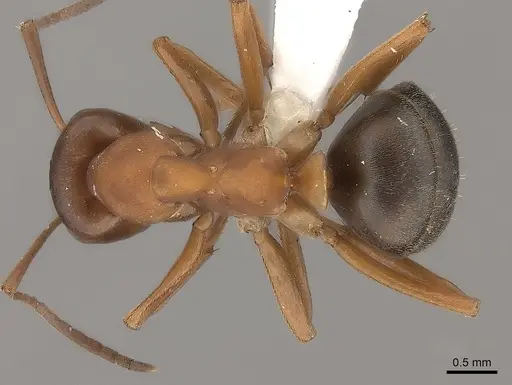
CASENT0005395
View on AntWeb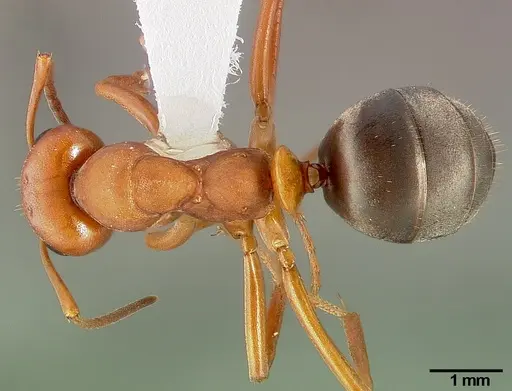
CASENT0280421
View on AntWeb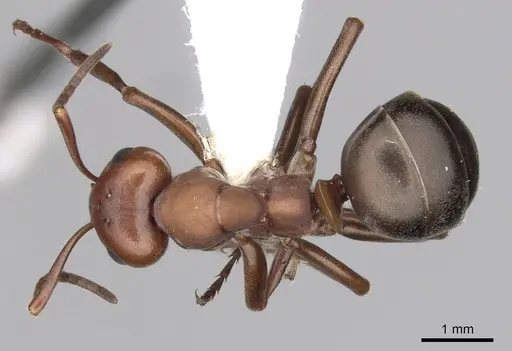
CASENT0843244
View on AntWeb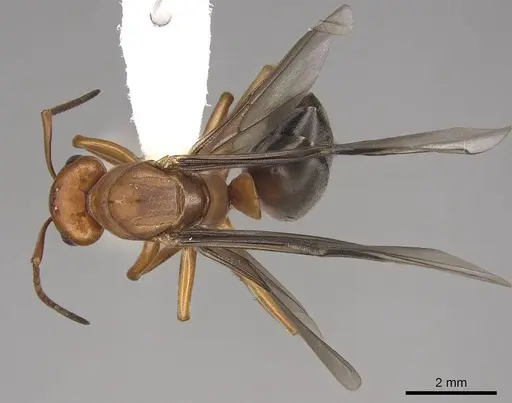
CASENT0843245
View on AntWeb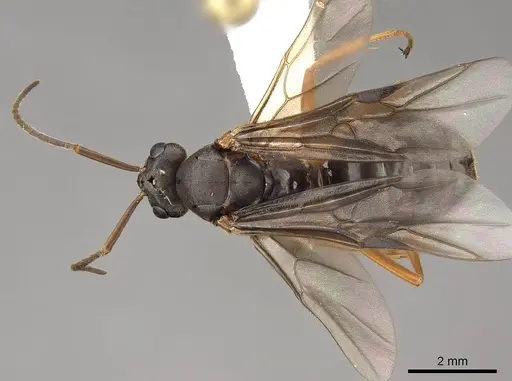
CASENT0905695
View on AntWeb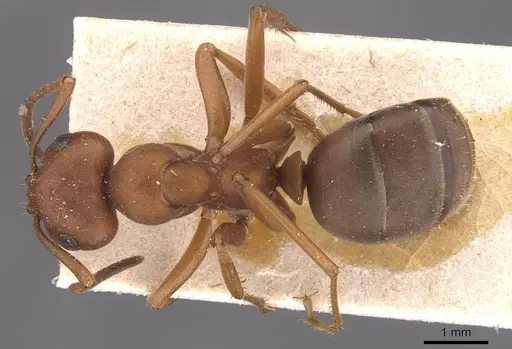
CASENT0911096
View on AntWeb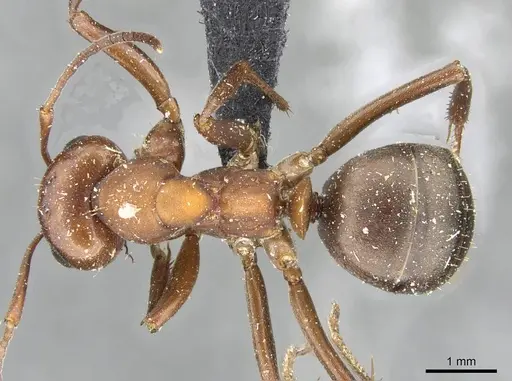
CASENT0916653
View on AntWeb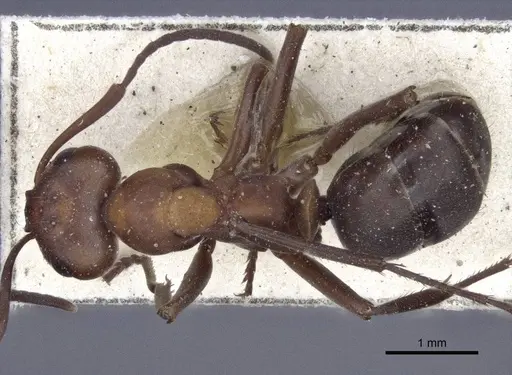
CASENT0923588
View on AntWeb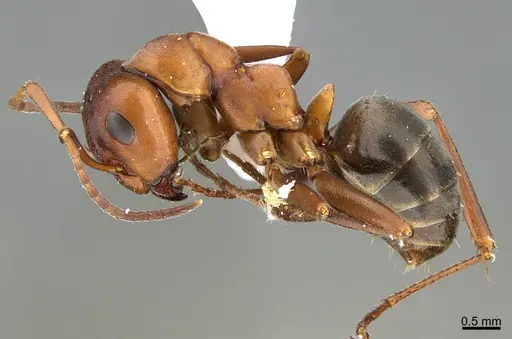
FMNHINS0000062553
View on AntWeb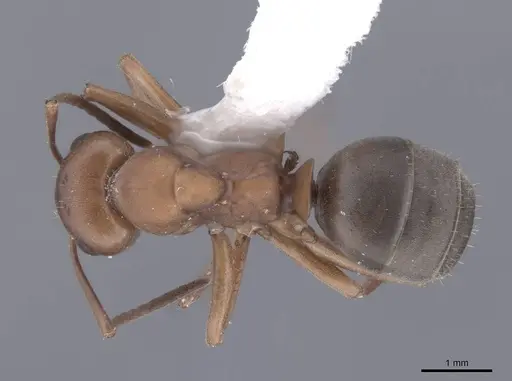
Literature
Loading...Loading products...