

Fisheropone hartwigi
- Scientific Name
- Fisheropone hartwigi
- Tribe
- Ponerini
- Subfamily
- Ponerinae
- Author
- Arnold, 1948
- Distribution
- Found in 4 countries
Fisheropone hartwigi Overview
Fisheropone hartwigi is an ant species of the genus Fisheropone. It is primarily documented in 4 countries , including Malawi, Mozambique, Tanzania. Detailed taxonomic data and occurrence records can be further explored via authoritative databases such as AntWeb or the Global Biodiversity Information Facility (GBIF).
Fisheropone hartwigi
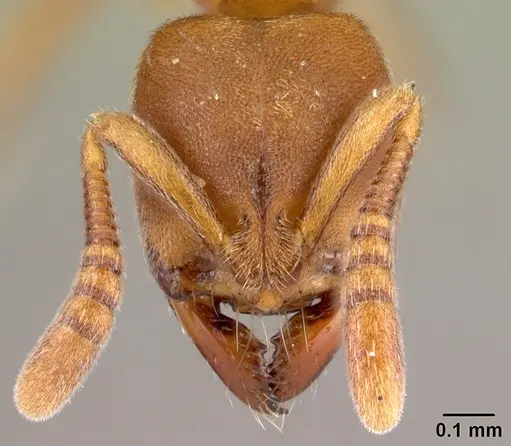
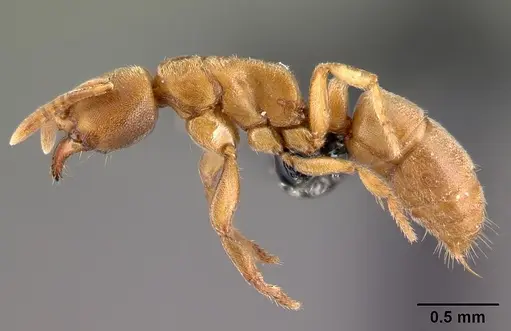
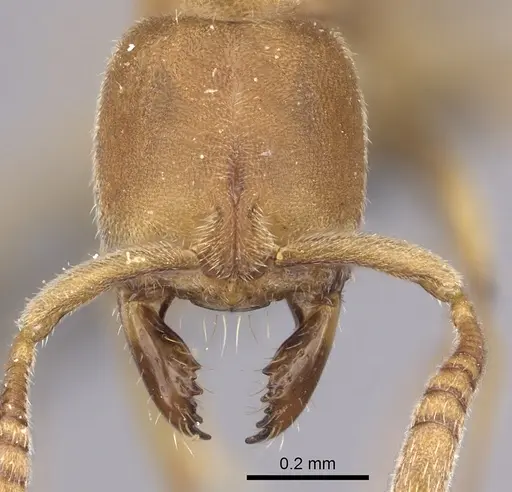
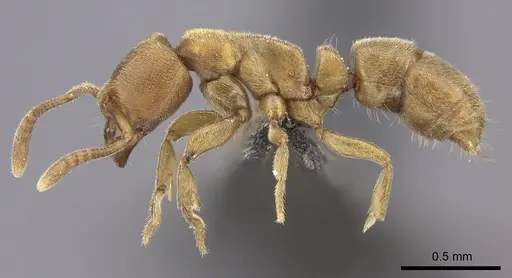
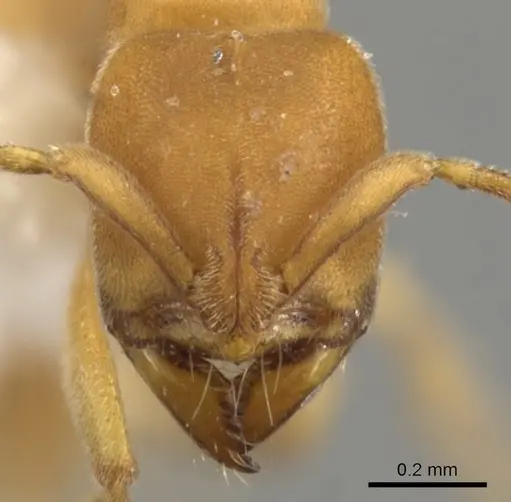
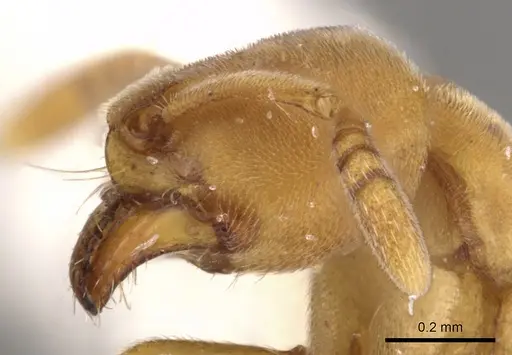
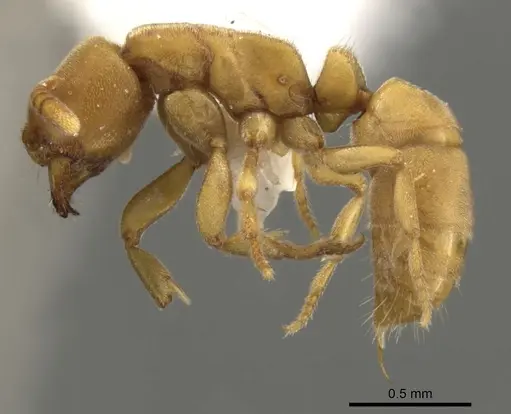
Fisheropone hartwigi is a small, rare ant species native to South Africa, specifically the Pretoria region. Originally described as Fisheropone hartwigi in 1948,molecular evidence recently placed it in the genus Fisheropone, where it's closely related to F. ambigua and part of the Odontomachus genus-group [1][2]. Workers are small Ponerine ants with the characteristic stout traction setae on the mesotibia and distinct mandibular pit that led to its original misplacement in Cryptopone [3]. This species remains one of the least studied ants in the Ponerinae subfamily, with virtually no published biological or ecological data available.
Quick Summary
- Difficulty: Unknown, likely Expert
- Origin & Habitat: South Africa (Pretoria region) in the Afrotropical Region [4]. The specific habitat type is unrecorded, but the region experiences warm temperate to subtropical conditions with distinct seasons.
- Colony Type: Unconfirmed. Colony structure (single-queen vs multi-queen) has not been documented in scientific literature.
- Size & Growth:
- Queen: Undocumented, no measurements available
- Worker: Undocumented, only syntype specimens exist without published measurements
- Colony: Unknown, no colony size data available
- Growth: Unknown
- Development: Unconfirmed, no development data exists. Estimates based on related Ponerine ants suggest 6-10 weeks at optimal temperature, but this is highly speculative. (Development timeline is entirely unstudied. Any estimate would be conjecture.)
- Antkeeping:
- Temperature: Inferred: Based on Pretoria, South Africa location (roughly 25°S), aim for warm conditions around 22-26°C with a gentle gradient. Related Ponerine ants in similar climates prefer moderate warmth. Adjust based on colony activity.
- Humidity: Inferred: South African interior typically has moderate humidity. Aim for 50-70% relative humidity with a moist nest substrate. Avoid both drying out and waterlogging.
- Diapause: Unknown, no seasonal data available. Pretoria experiences mild winters (May-August) with temperatures around 10-20°C. A cool period during these months may be beneficial, but specific diapause requirements are unstudied.
- Nesting: Unknown in the wild. Ponerine ants typically nest in soil, under stones, or in rotting wood. Captive recommendations: test tubes or small acrylic nests with moist substrate. Start with a simple setup and observe preferences.
- Behavior: Behavior is unstudied. As a Ponerine ant, they are likely predatory on small invertebrates. Escape risk cannot be assessed without worker size data, but most Ponerines are moderate-sized and not particularly prone to escaping. Use standard escape prevention as a precaution.
- Common Issues: no biological data exists, all care recommendations are speculative inferences, extremely rare in captivity with no established husbandry protocols, wild-caught colonies may have unknown parasites or diseases, cannot confirm dietary requirements, must experiment cautiously, temperature and humidity requirements are inferred, not confirmed
Species Background and Taxonomy
Fisheropone hartwigi was originally described by Arnold in 1948 as Fisheropone hartwigi based on two worker specimens collected in Pretoria, South Africa [4]. For decades, it remained in the genus Cryptopone until molecular phylogenetic research by Branstetter and Longino in 2022 reclassified it into Fisheropone based on genetic analysis [3]. The species shows only distant relation to Cryptopone gilva and is actually sister to Fisheropone ambigua within the Odontomachus genus-group [1][2]. The transfer was necessary because F. hartwigi retains the distinct mandibular pit and stout traction setae on the mesotibia that characterize Fisheropone, features that led to its incorrect original placement in Cryptopone [3]. This species represents one of the rarest and least-studied members of the Ponerinae subfamily.
Housing and Nest Setup
Since no specific nesting data exists for this species, housing recommendations must be based on general Ponerine ant husbandry. Start with a simple test tube setup with a water reservoir, as this allows you to easily monitor colony progress and maintain humidity. The test tube should be kept in a dark area, as Ponerine ants generally prefer dim conditions. If the colony establishes and grows, you can consider transitioning to a small acrylic nest or naturalistic setup with moist substrate. Given the complete lack of captive breeding records for this species, be prepared to experiment and document your observations carefully. The Pretoria region suggests they may tolerate some temperature variation, but stability is generally safer for unstudied species.
Feeding and Diet
Dietary requirements are entirely unconfirmed for Fisheropone hartwigi. As a Ponerine ant, they almost certainly prey on small invertebrates like other ants, springtails, and tiny arthropods. Related Ponerines in the Odontomachus group are active predators with stingers. For captive care, start by offering small live prey such as fruit flies, pinhead crickets, or small mealworms. You might also try offering sugar water or honey occasionally, though many Ponerines rarely consume sweets. Begin with very small prey items and observe acceptance. Document what foods are accepted and which are ignored, this species-level data simply does not exist in scientific literature and your observations could be genuinely valuable.
Temperature and Seasonal Care
Pretoria, South Africa experiences a subtropical highland climate with warm summers and mild winters. Summer temperatures regularly reach 25-30°C while winter temperatures typically range from 10-20°C [4]. For captive care, maintain temperatures in the low-to-mid 20s Celsius (around 22-26°C) as a starting point. A heating cable on one side of the nest can create a temperature gradient, allowing the ants to self-regulate. During the Southern Hemisphere winter (roughly May to August), consider providing a cooler period around 15-20°C, mimicking the natural seasonal temperature drop. However, since no specific diapause research exists for this species, observe your colony's behavior, if they become less active during cooler months, this suggests a seasonal rest period may be beneficial.
Challenges and Considerations
Fisheropone hartwigi represents a significant challenge for antkeepers because virtually no captive husbandry information exists. This is not a species for beginners, it requires someone comfortable with experimentation and careful observation. Obtaining colonies may also be difficult, as this species is rarely collected and not commercially available. If you do acquire a wild-caught colony, watch for signs of parasites or disease, as unstudied species can harbor unknown pathogens. Document everything: feeding responses, temperature preferences, humidity tolerance, egg-laying rates, and development times. Any captive data you gather would be genuinely useful for advancing knowledge of this rarely-kept species. Consider connecting with researchers studying Ponerine ants if you successfully maintain a colony, your observations could contribute to scientific understanding.
Frequently Asked Questions
How do I care for Fisheropone hartwigi ants?
Care is largely unconfirmed since this species has no published biological data. Start with standard Ponerine ant care: test tube housing, moderate warmth (22-26°C), and 50-70% humidity. Offer small live prey as they are likely predatory. This is an expert-level species requiring experimentation and careful observation.
What do Fisheropone hartwigi eat?
Diet is unconfirmed, but as a Ponerine ant they are almost certainly predatory. Offer small live invertebrates like fruit flies, springtails, and tiny crickets. Sugar water may be accepted occasionally but should not be a primary food source. Start with small prey and document what is accepted.
What temperature do Fisheropone hartwigi need?
Temperature requirements are not scientifically confirmed. Based on their South African origin, aim for 22-26°C with a temperature gradient. A heating cable on part of the nest allows self-regulation. During winter months, a cooler period around 15-20°C may be beneficial.
How long does it take for Fisheropone hartwigi to develop from egg to worker?
Development timeline is completely unstudied. Estimates based on related Ponerine ants suggest 6-10 weeks at optimal temperature, but this is highly speculative. Without any captive data, no accurate timeline exists.
Are Fisheropone hartwigi good for beginners?
No. This species is not suitable for beginners. There is no published captive care information, and all recommendations are speculative inferences from related species. Keeping this ant requires extensive antkeeping experience and comfort with experimentation.
Do Fisheropone hartwigi sting?
Sting behavior is unconfirmed, but most Ponerine ants possess functional stingers. Related species in the Ponerinae subfamily can deliver painful stings. Handle with caution and avoid direct contact.
How big do Fisheropone hartwigi colonies get?
Colony size is unknown. No published colony size data exists for this species. Most Ponerine ants maintain colonies of several hundred workers at most, but this is just a general pattern with no specific data for F. hartwigi.
Can I keep multiple Fisheropone hartwigi queens together?
Colony structure (monogyne vs polygyne) is unconfirmed. No research documents whether this species is single-queen or multi-queen. Combining unrelated queens is not recommended given the lack of data on their social structure.
Where is Fisheropone hartwigi found?
This species is known only from Pretoria, South Africa in the Afrotropical Region. The type locality is Pretoria, collected in January 1948 by E.K. Hartwig [4]. No other locations have been documented.
Is Fisheropone hartwigi hard to keep?
Yes, likely expert difficulty. This is one of the least-studied ant species in the Ponerinae subfamily with zero captive husbandry information. Keeping it successfully requires significant experience with ant care and willingness to experiment and document observations.
Do Fisheropone hartwigi need hibernation?
Diapause requirements are unknown. Pretoria experiences mild winters (10-20°C), so a cool period during Southern Hemisphere winter (May-August) may be appropriate. Observe your colony's activity levels, reduced activity suggests they benefit from seasonal cooling.
What nest type is best for Fisheropone hartwigi?
No specific nesting data exists. Start with a simple test tube setup with water reservoir, as this allows easy monitoring and humidity control. Small acrylic nests work well once the colony establishes. Avoid elaborate setups until you understand their preferences.
References

This caresheet is licensed under CC BY-SA 4.0 .
CASENT0217039
View on AntWeb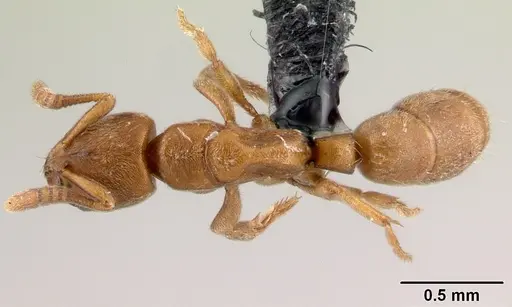
CASENT0235879
View on AntWeb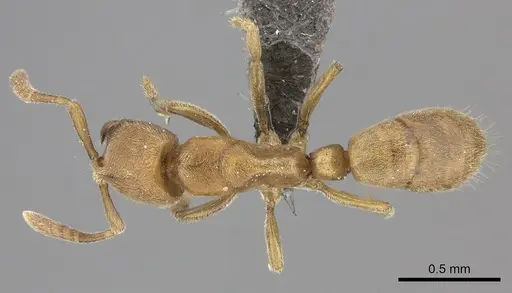
CASENT0251956
View on AntWeb
CASENT0900371
View on AntWeb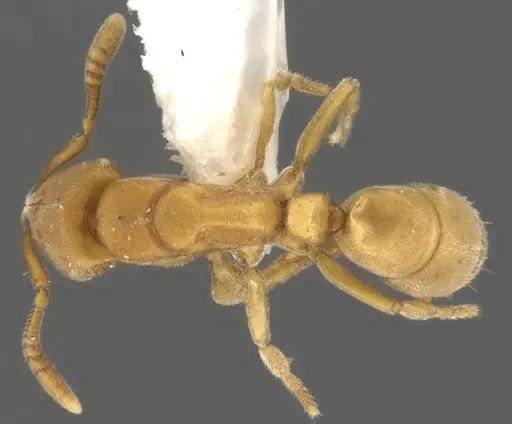
Literature
Loading...Loading products...