

Fisheropone ambigua
- Scientific Name
- Fisheropone ambigua
- Tribe
- Ponerini
- Subfamily
- Ponerinae
- Author
- Weber, 1942
- Distribution
- Found in 1 countries
Fisheropone ambigua Overview
Fisheropone ambigua is an ant species of the genus Fisheropone. It is primarily documented in 1 countries , including Tanzania, United Republic of. Detailed taxonomic data and occurrence records can be further explored via authoritative databases such as AntWeb or the Global Biodiversity Information Facility (GBIF).
Fisheropone ambigua
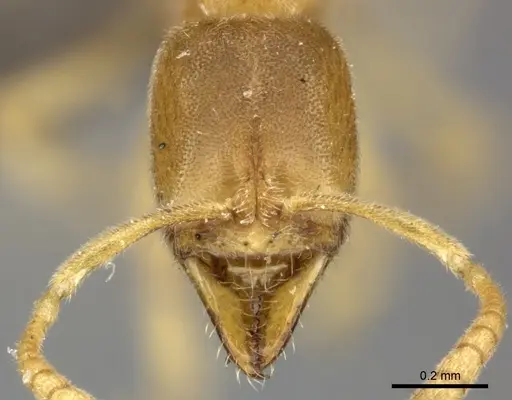
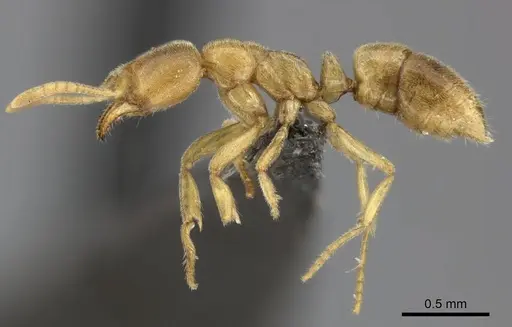
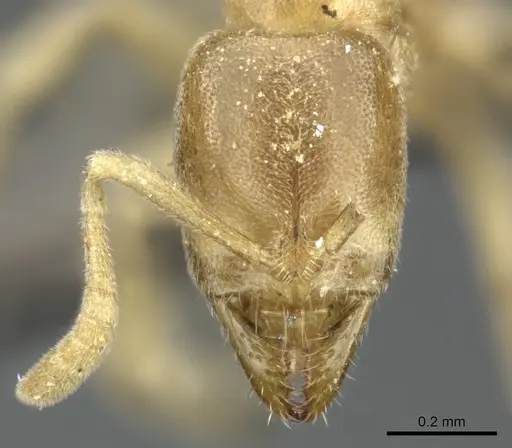
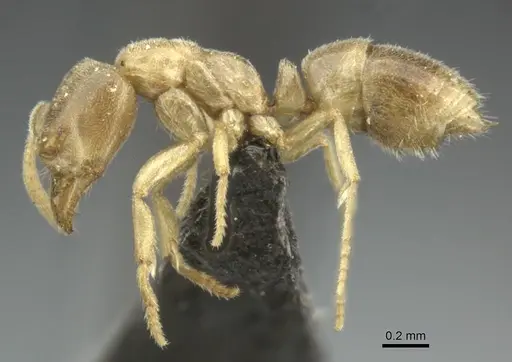
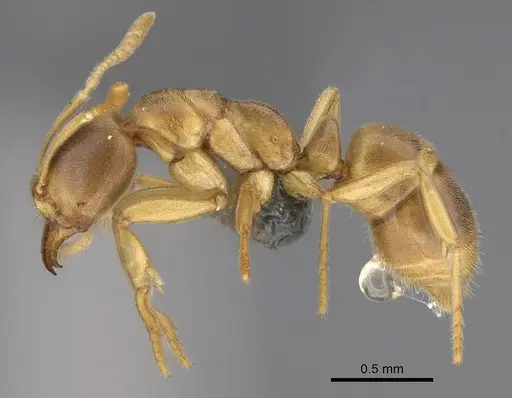
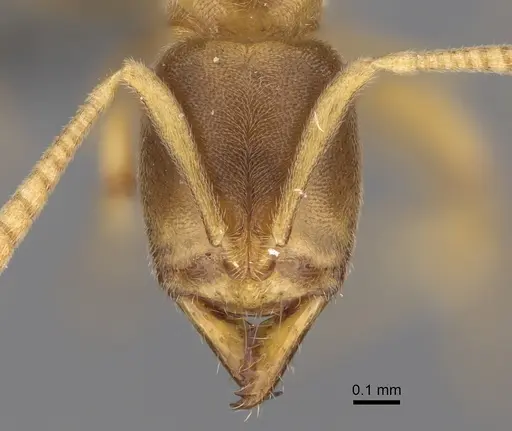
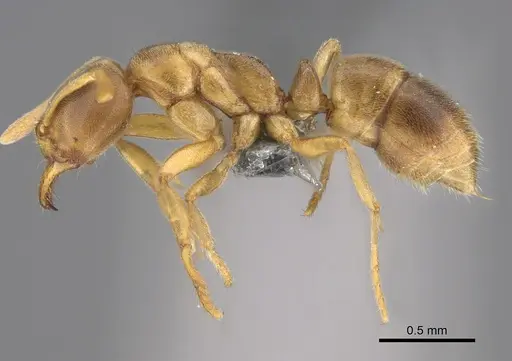
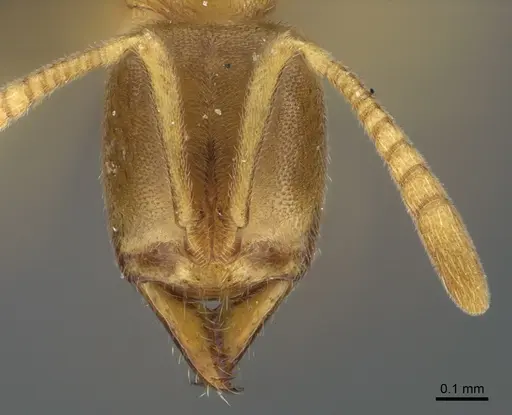
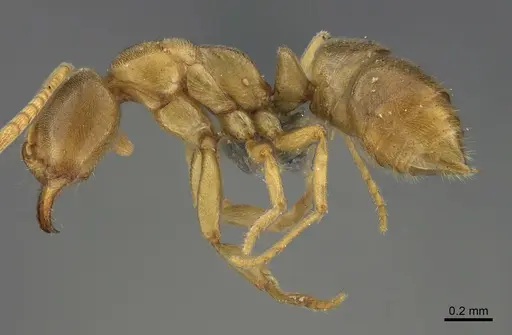
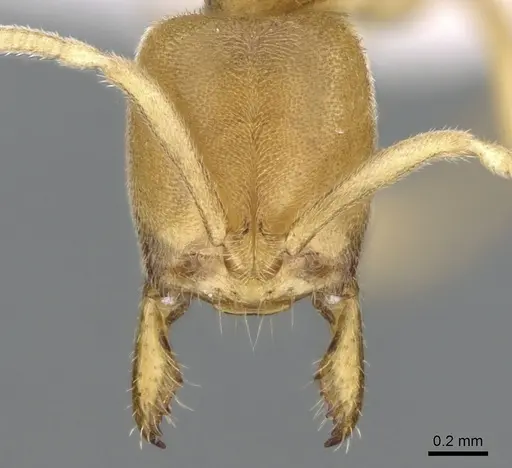
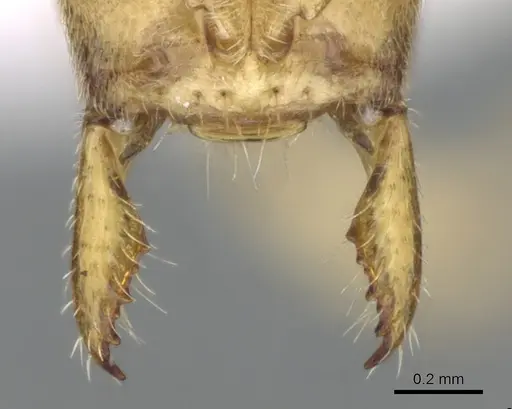
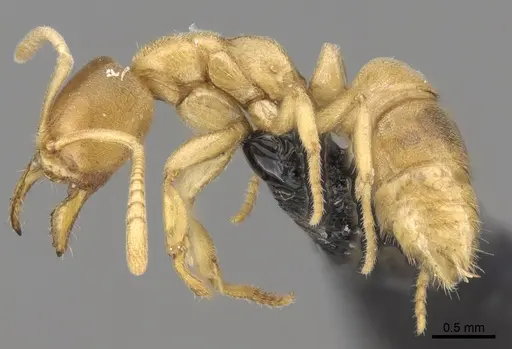
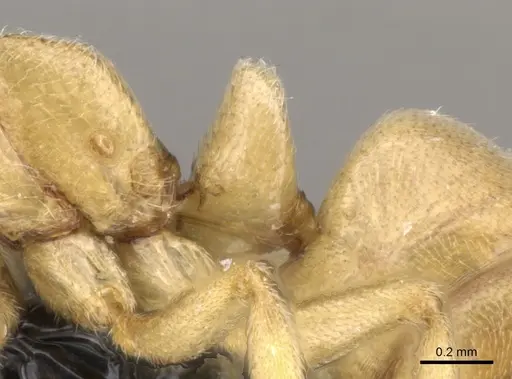
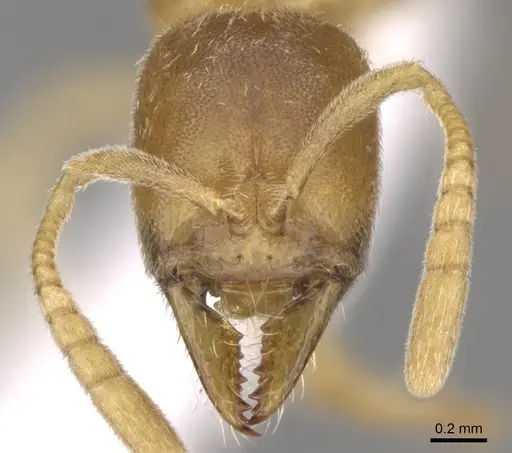
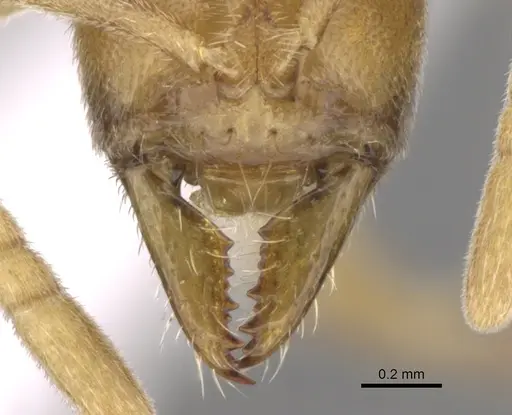
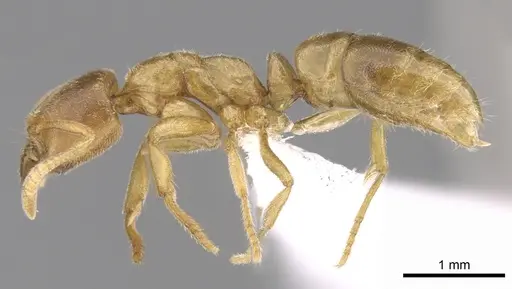
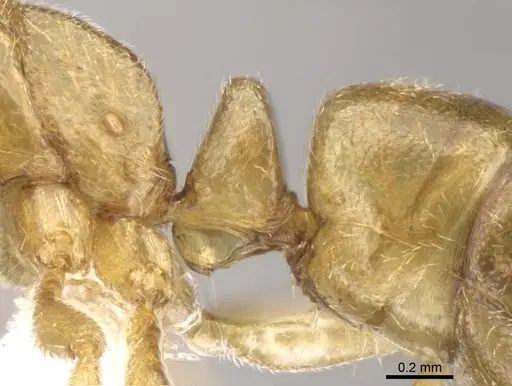
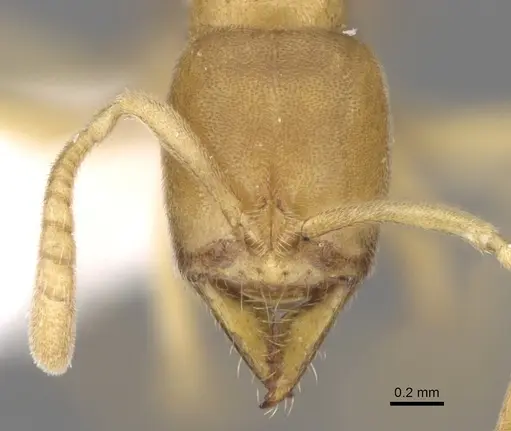
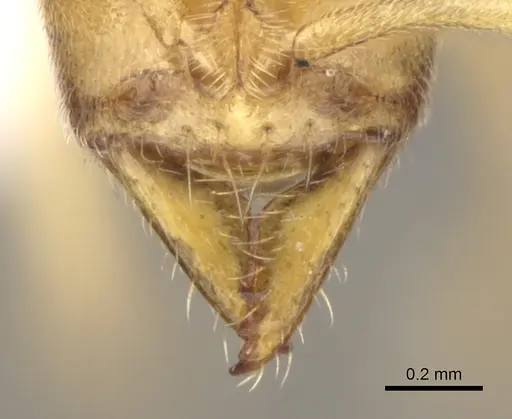
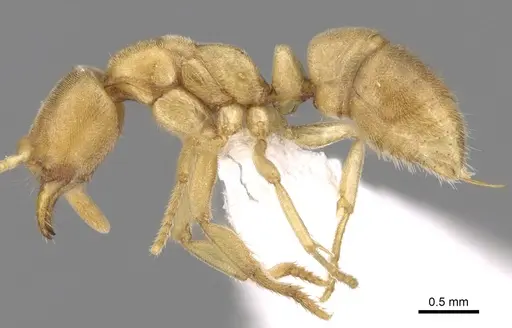
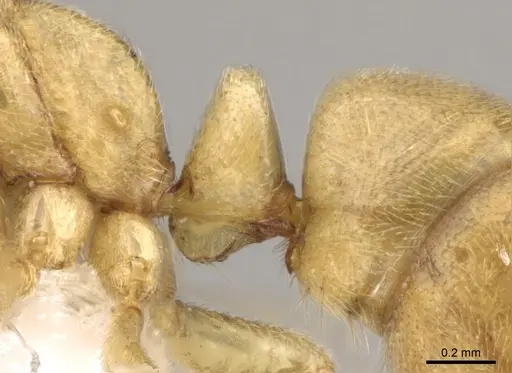
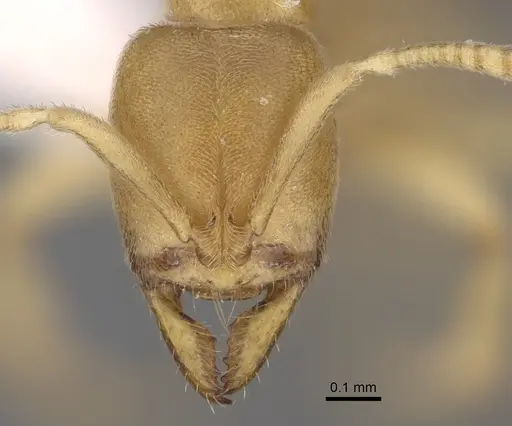
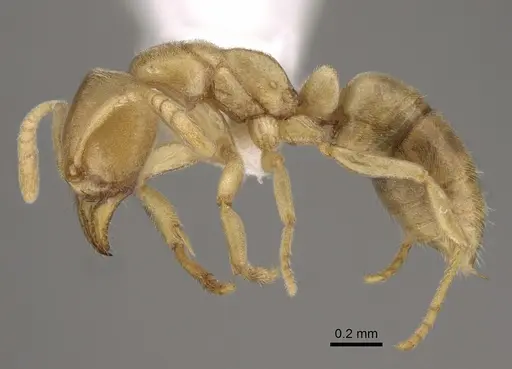
Fisheropone ambigua is a tiny, ground-dwelling ant native to the Afrotropical region, ranging from Senegal across to Yemen and down to South Africa. Workers measure just 2.5mm and are pale yellowish-orange to orange-brown in color, with notably reduced eyes that can be almost absent in some specimens. This species was previously classified under Ponera and Pachycondyla before being placed in its own genus Fisheropone. Unlike many ants, they nest in soil and leaf litter rather than in wood, making them a cryptic, litter-dwelling species that forages among roots and in the topsoil layer. The genus is named after Fisher (the ant researcher) and represents a small group of tiny Ponerine ants that are closely related to Fisheropone hartwigi.
Quick Summary
- Difficulty: Medium
- Origin & Habitat: Afrotropical region, found across sub-Saharan Africa from Senegal to South Africa, also recorded in Yemen and the Arabian Peninsula. Inhabits moist forest habitats and semi-arid environments, living in soil and leaf litter rather than in wood. Collections come primarily from litter sampling, indicating they are soil or litter dwelling ants that forage among roots and in the topsoil layer [1][2][3].
- Colony Type: Colony structure is unconfirmed. Based on typical Ponerinae patterns, likely single-queen colonies, but founding behavior and colony size in the wild have not been directly studied.
- Size & Growth:
- Queen: Undescribed, queen caste has not been documented in scientific literature
- Worker: 2.5mm total length, more precise measurements: HW 0.61-0.71mm, HL 0.86-0.99mm [2]
- Colony: Unknown, likely small colonies based on related Cryptopone species and their tiny worker size
- Growth: Unknown, likely slow to moderate like other Ponerinae
- Development: Unconfirmed, no direct development studies exist. Based on typical Ponerinae patterns and their small size, estimate 6-10 weeks at optimal temperature. (No specific development data available for this species. Related Cryptopone species suggest moderate development times. Temperature dependency is unstudied.)
- Antkeeping:
- Temperature: Keep at room temperature around 22-26°C. This range covers typical tropical to subtropical conditions matching their Afrotropical range. No specific thermal studies exist for this species, so observe colony activity and adjust accordingly, workers should be active and foraging consistently.
- Humidity: High humidity is essential. These ants live in soil and leaf litter in moist forest habitats, so keep the nest substrate consistently damp but not waterlogged. Provide a gradient with a moister side and a slightly drier area for workers to self-regulate. Mist or rehydrate when the substrate surface begins drying out.
- Diapause: Unknown, no studies on overwintering requirements. Their wide distribution across Africa and Yemen includes both tropical and more temperate regions, suggesting some seasonal adaptation may occur, but specific diapause behavior has not been documented.
- Nesting: Naturalistic setup with soil or a moist plaster/acrylic nest works best. They are litter-dwelling ants that prefer tight, humid chambers scaled to their tiny size. Avoid dry, airy setups. A Y-tong or plaster nest with small chambers kept consistently moist mimics their natural soil environment. Provide some cover or debris on the foraging area to reduce stress.
- Behavior: These are cryptic, ground-dwelling ants that spend most of their time hidden in soil and leaf litter. They are generalist predators, hunting small invertebrates in the topsoil and among roots. Workers are not aggressive and rarely venture into open spaces, they stay concealed in the substrate. Their tiny size (2.5mm) and reduced eyes suggest a fossorial (burrowing) lifestyle. Escape prevention is critical due to their small size, they can squeeze through very small gaps. They are not known to sting and pose no danger to keepers.
- Common Issues: escape prevention is critical due to their tiny 2.5mm size, they can slip through the smallest gaps, high humidity requirements can lead to mold problems if ventilation is poor, slow colony growth may cause keepers to lose patience or overfeed, leading to mold in the nest, they are cryptic and often hidden in substrate, making it hard to observe the colony, wild-caught colonies may have parasites that can decimate the colony in captivity
Housing and Nest Setup
Fisheropone ambigua requires a setup that mimics their natural soil and leaf litter habitat. A naturalistic terrarium-style formicarium with several centimeters of moist soil substrate works well. You can also use a Y-tong or plaster nest with small, tight chambers kept consistently moist. The key is maintaining high humidity while preventing the substrate from becoming waterlogged or developing mold. These tiny ants need chambers and passages scaled to their 2.5mm size, avoid tall, open spaces that would make them feel exposed. Provide a foraging area with some leaf litter, small stones, or other debris to give them cover. Because they are so small and cryptic, a nest that allows you to observe the colony (like a thin layer of soil in a clear container) will help you monitor their activity and health. [3][1]
Feeding and Diet
As generalist predators, these ants hunt small invertebrates in the soil. In captivity, offer small live prey such as springtails, fruit flies, and other tiny arthropods. They are too small to take standard ant feeds like mealworms or crickets, focus on micro-prey that fits their size. You can also offer very small amounts of protein paste or crushed insects, but live prey is preferred. Sugar sources are not typically important for this species, as they are primarily predatory. Feed every 2-3 days and remove any uneaten prey to prevent mold. The small colony size means they won't consume large quantities of food. [3]
Temperature and Humidity
Keep the nest at room temperature, ideally 22-26°C. This range covers the tropical to subtropical conditions of their native Afrotropical range. No specific thermal studies exist for this species, so observe your colony, if workers are active and foraging consistently, the temperature is likely appropriate. Humidity is more critical than temperature for this species. They naturally live in moist forest soil and leaf litter, so keep the nest substrate consistently damp. Use a moisture-retaining substrate and check it regularly. Allow one side of the nest to be slightly drier so ants can self-regulate if needed. Poor humidity will quickly stress and kill these delicate ants. [2][3]
Behavior and Colony Life
Fisheropone ambigua is a cryptic, fossorial species that spends most of its time hidden in soil and leaf litter. Workers are not aggressive and rarely come into the open. Their eyes are greatly reduced (sometimes to just 1-2 ommatidia or completely absent), which is typical of subterranean ant species that don't rely on vision. They forage among roots and in the topsoil layer, hunting small invertebrates. Colonies are likely small, possibly under 100 workers, given their tiny size. The queen has not been described in scientific literature, suggesting this species is rarely collected during nuptial flights or that queens are also cryptic. These ants pose no sting threat to keepers due to their tiny size. [2][3]
Handling and Observation
Due to their tiny size and cryptic lifestyle, these ants are challenging to observe directly. They are not suitable for keepers who want a visible, active ant colony. Instead, they appeal to those interested in the more hidden aspects of ant biology. When setting up the colony, minimize disturbances, these ants stress easily when exposed to light or vibration. Use red film or dim lighting if you want to observe them without disturbing them. Because they live in soil, you may not see the queen or brood easily. A thin-layer naturalistic setup allows the best observation while still providing the humid, soil-based environment they need. [1]
Frequently Asked Questions
How long does it take for Fisheropone ambigua to produce first workers?
The egg-to-worker timeline is unconfirmed for this species. Based on typical Ponerinae development and their small size, estimate 6-10 weeks at optimal temperature (22-26°C). No specific studies exist on their development, so this is an educated guess.
Can I keep Fisheropone ambigua in a test tube setup?
Test tubes are not ideal. These are soil-dwelling ants that need high humidity and a substrate to burrow in. A naturalistic setup with moist soil or a plaster/acrylic nest with small chambers works much better. Test tubes dry out too quickly and don't provide the environment they need.
What do Fisheropone ambigua ants eat?
They are generalist predators that hunt small invertebrates. Feed them tiny live prey like springtails, fruit flies, and other micro-arthropods. They are too small for larger prey. Remove uneaten food promptly to prevent mold.
Are Fisheropone ambigua ants aggressive?
No, they are not aggressive. These are cryptic, non-aggressive ants that avoid confrontation. They pose no threat to keepers and are not known to sting.
How big do Fisheropone ambigua colonies get?
Colony size is unknown but likely small (under 100 workers) based on their tiny 2.5mm worker size and related Cryptopone species. They are cryptic, litter-dwelling ants that don't form large colonies.
Do Fisheropone ambigua ants need hibernation?
Diapause requirements are unknown. Their wide distribution across Africa includes both tropical and more temperate regions, but specific overwintering behavior has not been documented. Keep them at stable room temperature (22-26°C) and observe for any seasonal changes in activity.
Why can't I see my Fisheropone ambigua ants?
This is normal, they are cryptic, soil-dwelling ants that spend most of their time hidden in the substrate. They are not like typical ants that forage openly. A naturalistic setup with a thin soil layer can help with observation while maintaining proper humidity.
Are Fisheropone ambigua good for beginners?
They are not ideal for beginners. Their small size, high humidity requirements, cryptic behavior, and the difficulty of observing the colony make them a more challenging species. They are better suited for antkeepers with experience maintaining humid, naturalistic setups for small Ponerinae species.
What temperature should I keep Fisheropone ambigua at?
Room temperature around 22-26°C is appropriate. This matches their Afrotropical range. No specific thermal studies exist, so observe colony activity and adjust if workers seem sluggish (try slightly warmer) or stressed (try slightly cooler).
References

This caresheet is licensed under CC BY-SA 4.0 .
CASENT0235606
View on AntWeb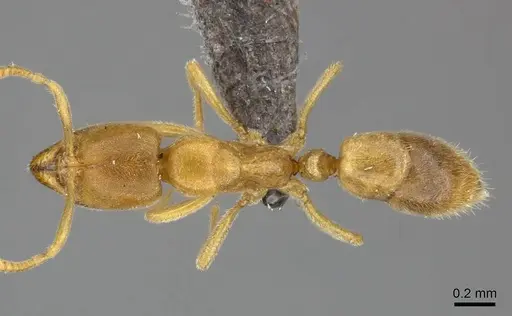
CASENT0235965
View on AntWeb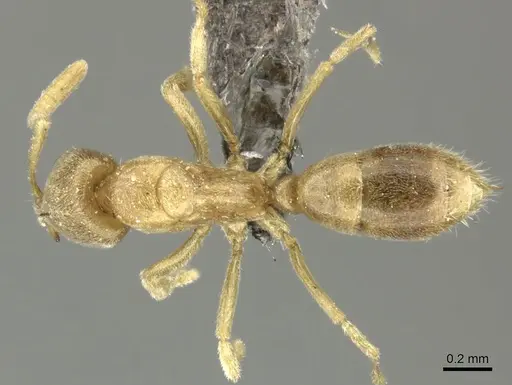
CASENT0250464
View on AntWeb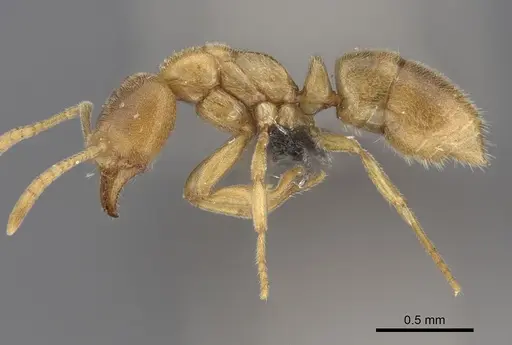
CASENT0289205
View on AntWeb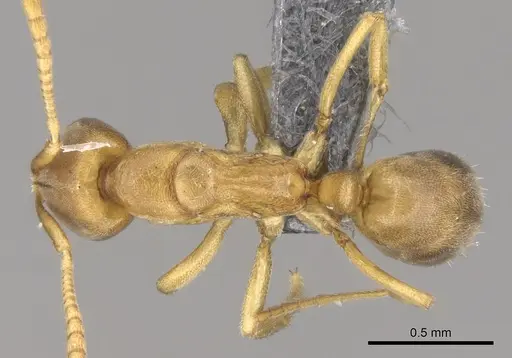
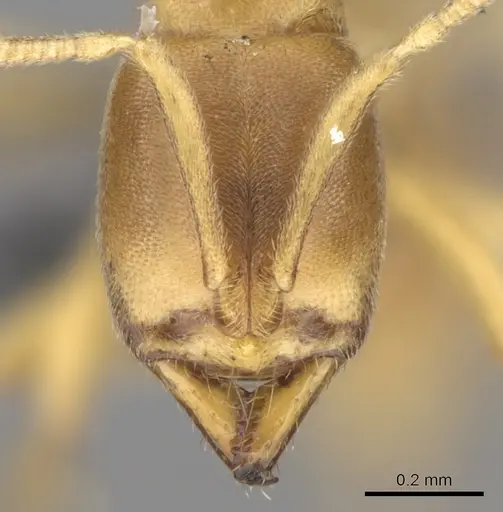
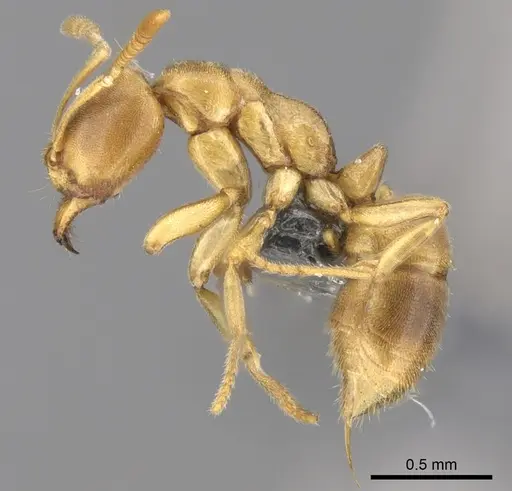
CASENT0290558
View on AntWeb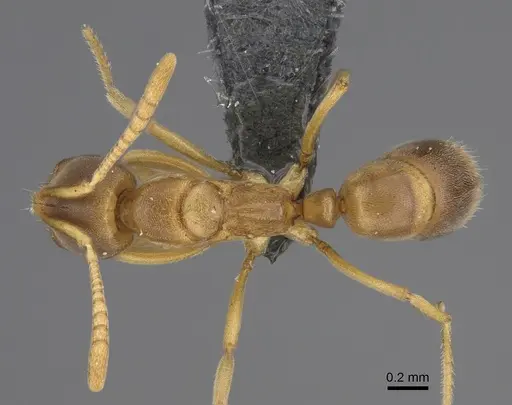
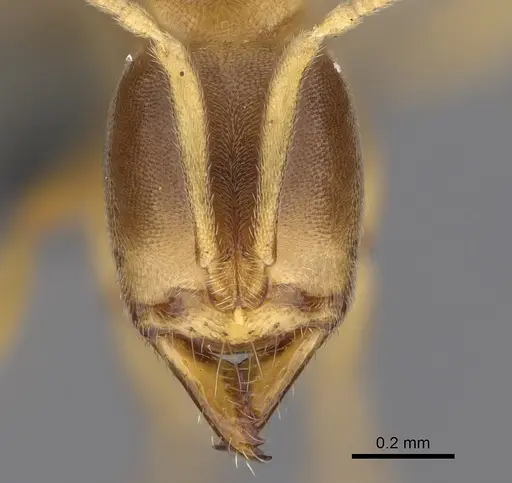
CASENT0295217
View on AntWeb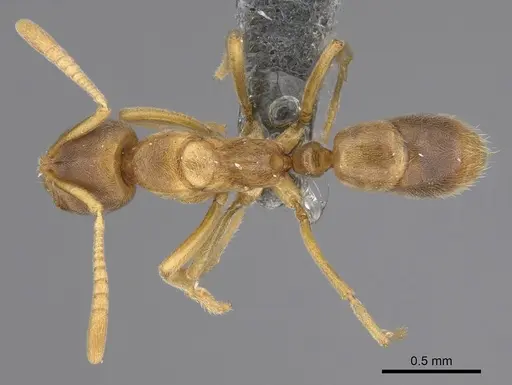
CASENT0774577
View on AntWeb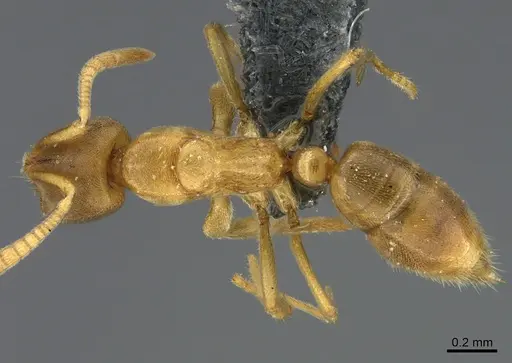
CASENT0906209
View on AntWeb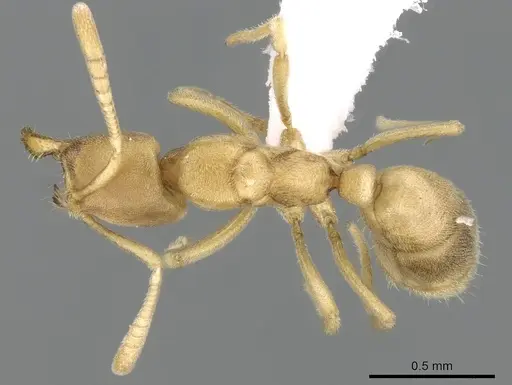
CASENT0906215
View on AntWeb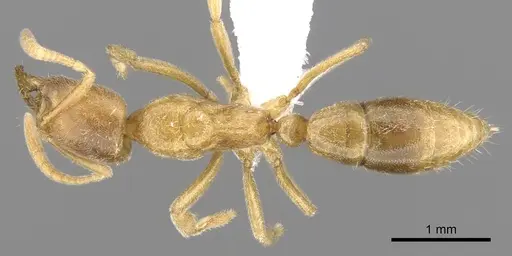
CASENT0906216
View on AntWeb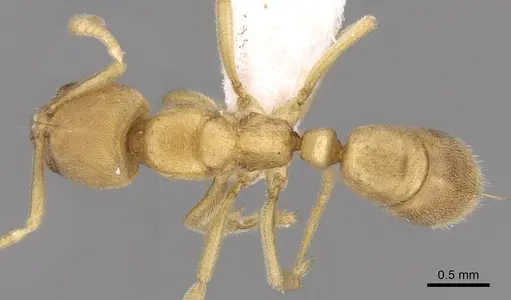
CASENT0923385
View on AntWeb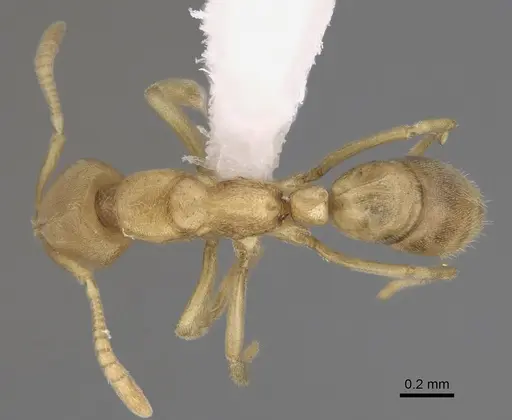
Literature
Loading...Loading products...