

Cryptopone gilva
- Scientific Name
- Cryptopone gilva
- Tribe
- Ponerini
- Subfamily
- Ponerinae
- Author
- Roger, 1863
- Common Name
- Southern Pit-jawed Ant
- Distribution
- Found in 6 countries
Cryptopone gilva Overview
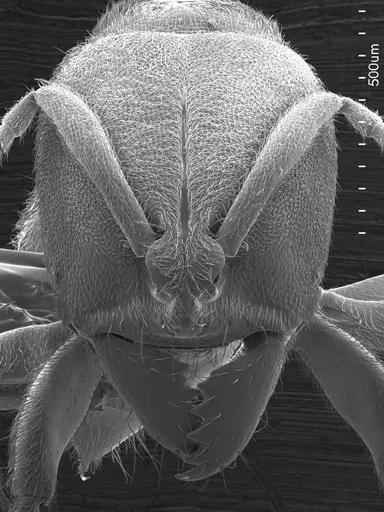
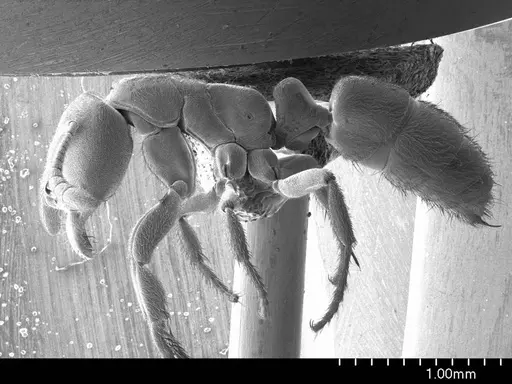
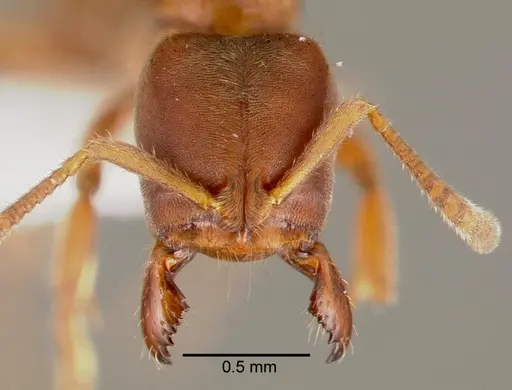
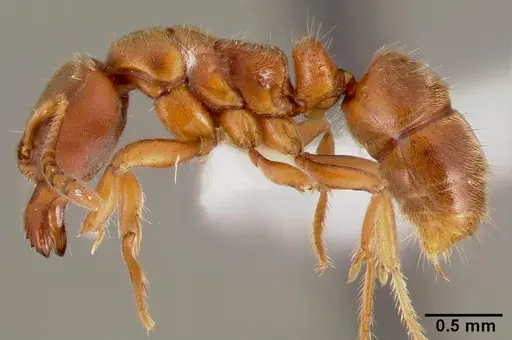
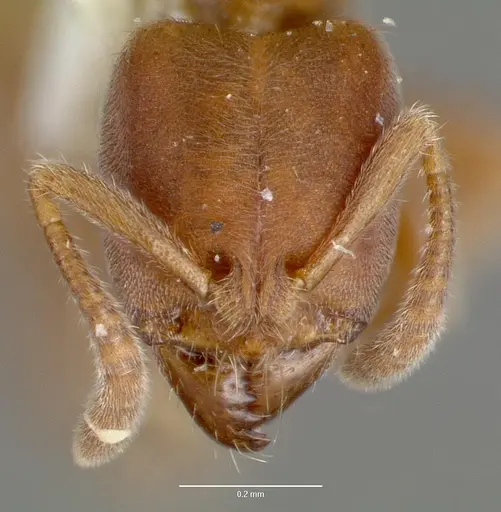
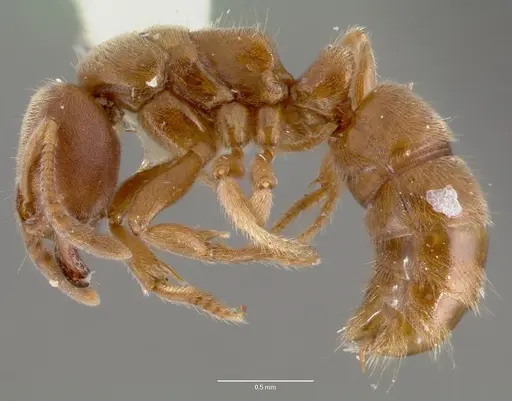
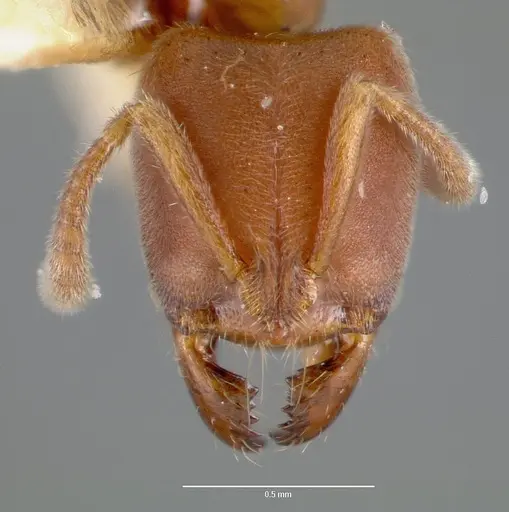
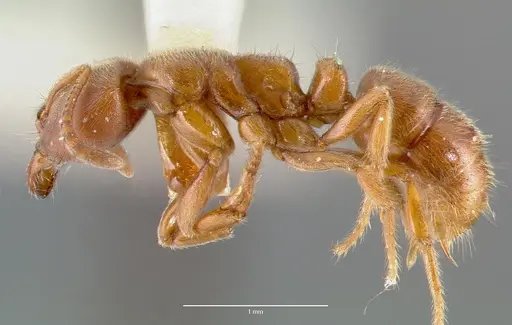
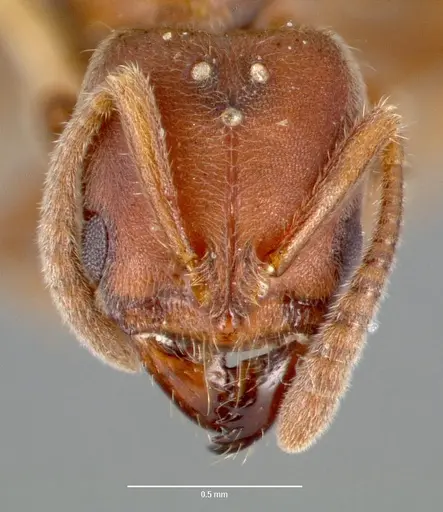
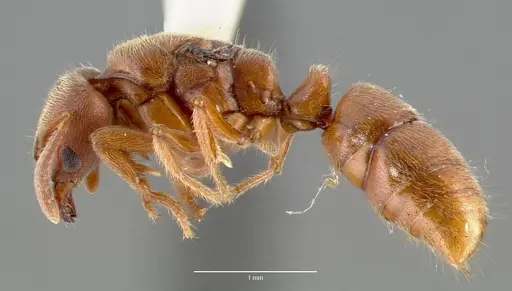
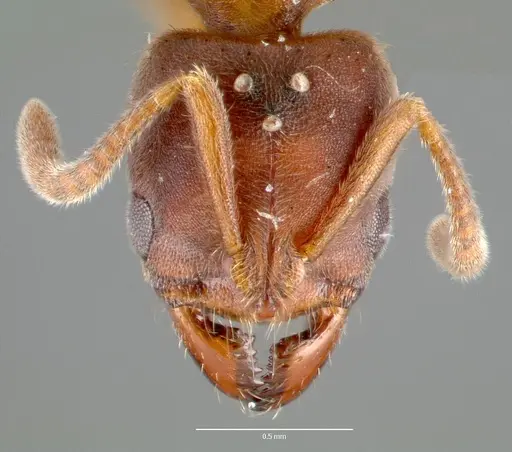
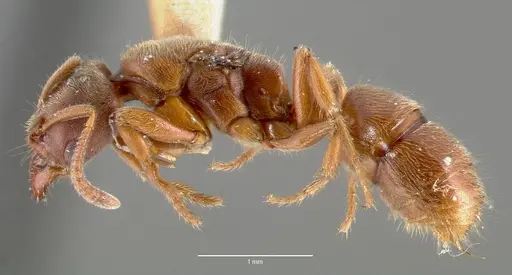
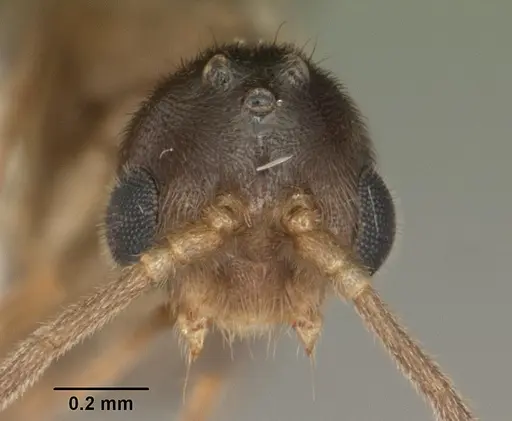
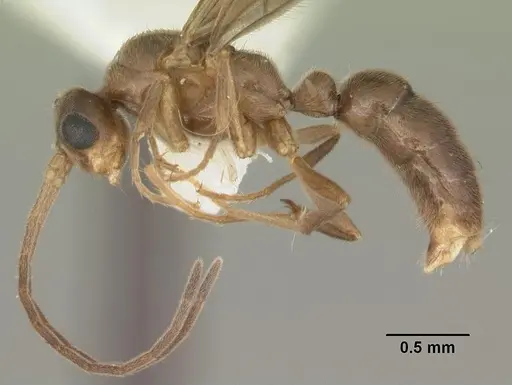
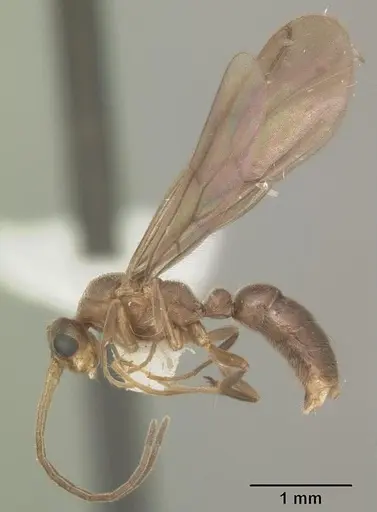
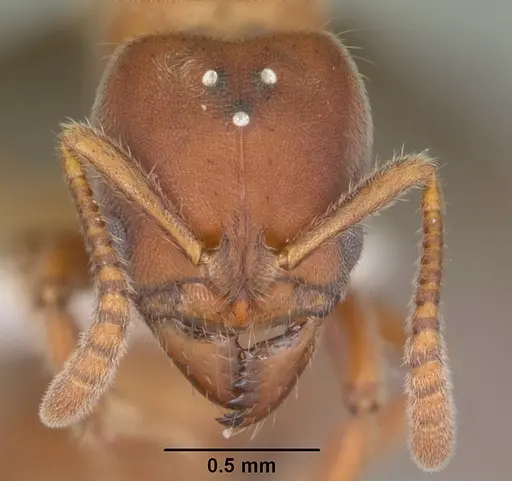
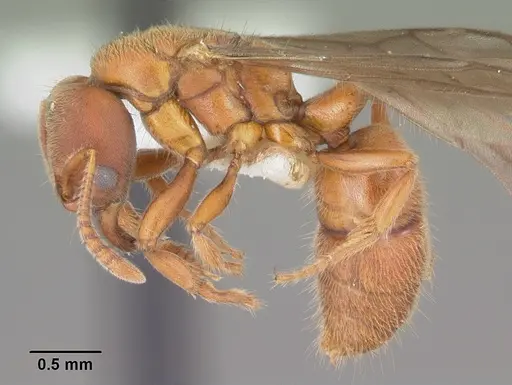
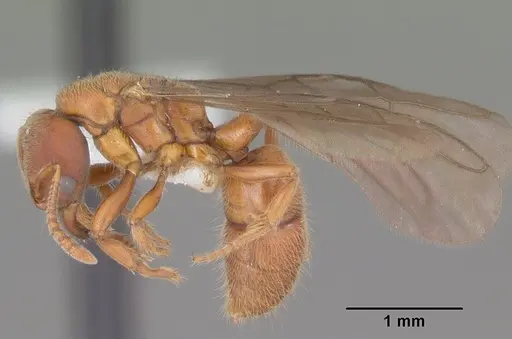
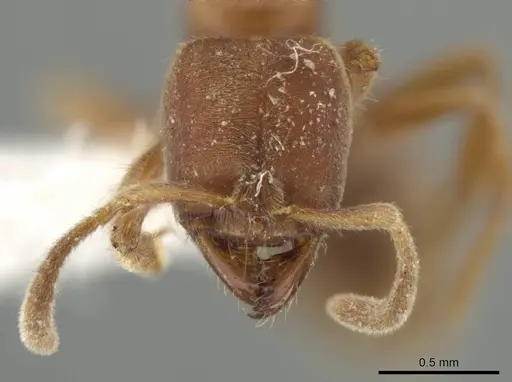
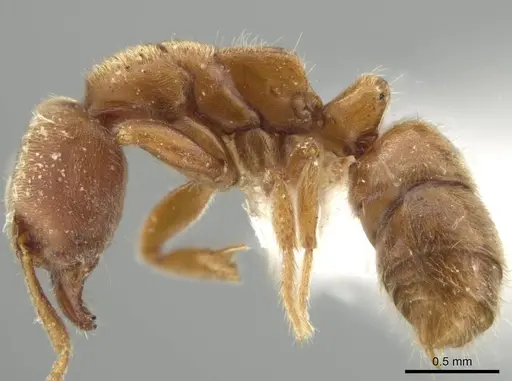
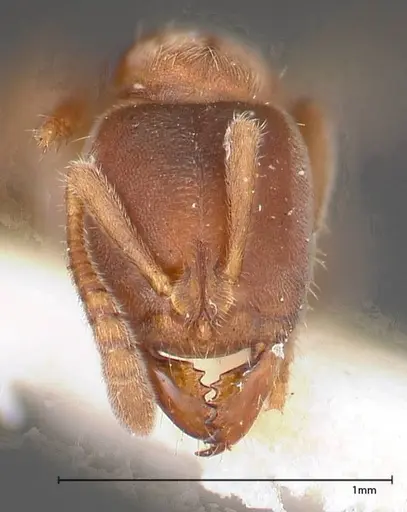
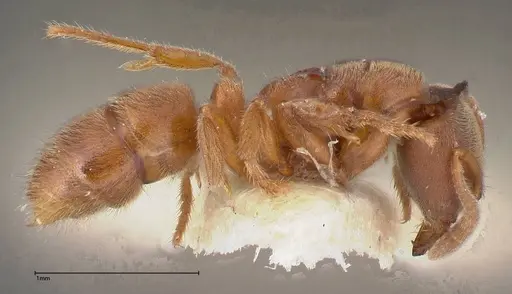
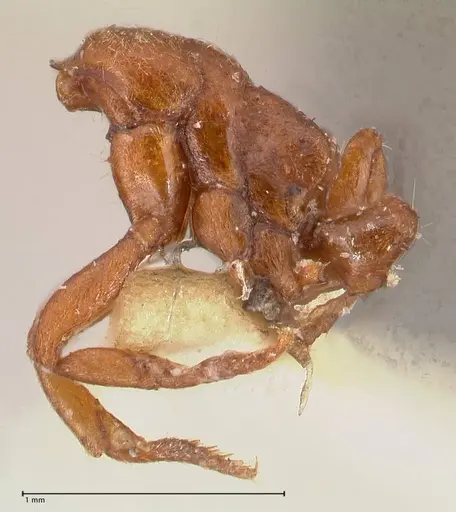
Cryptopone gilva (commonly known as the Southern Pit-jawed Ant) is an ant species of the genus Cryptopone. It is primarily documented in 6 countries , including Costa Rica, Guatemala, Honduras. Detailed taxonomic data and occurrence records can be further explored via authoritative databases such as AntWeb or the Global Biodiversity Information Facility (GBIF).
Cryptopone gilva - "Southern Pit-jawed Ant"
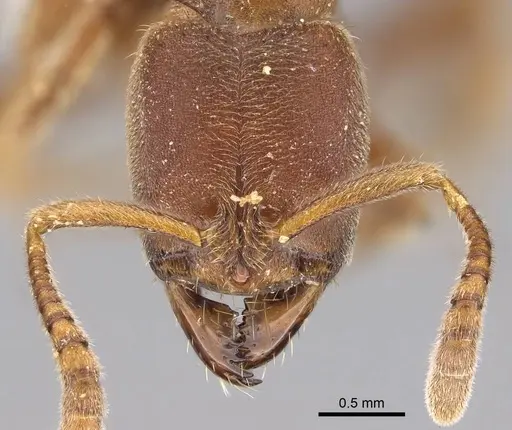
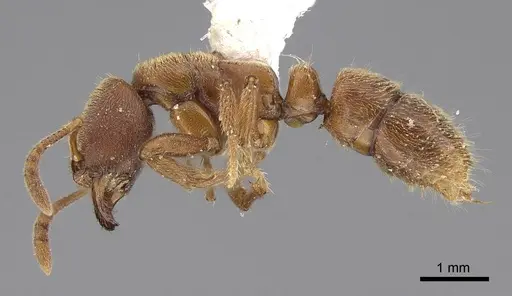
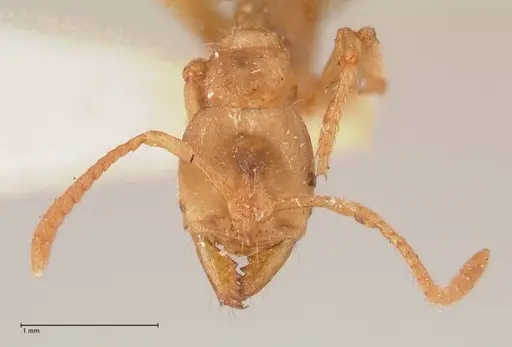
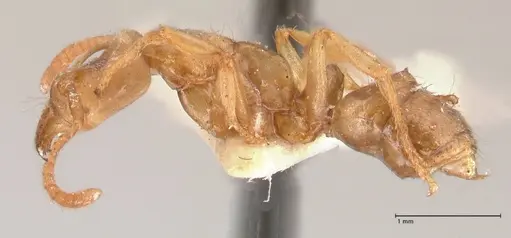
Cryptopone gilva is a small reddish-brown to yellowish ant (workers 2.8-4mm) native to the southeastern United States through Central America [1]. They belong to the Ponerinae subfamily and are known for their slow movement and tendency to feign death when disturbed [2]. These ants nest in rotting logs and under loose bark, typically in forests at elevations ranging from sea level to 2000 meters. Colonies are relatively small, usually containing a few dozen to several hundred workers, and can be polygynous with multiple queens [3][1].
Quick Summary
- Difficulty: Medium
- Origin & Habitat: Southeastern United States through Central America, found in forests, cloud forests, and disturbed urban areas from sea level to 2000m elevation [1][2]. Nests in rotten logs or under bark on the forest floor in areas with rocky loam soils [2].
- Colony Type: Polygynous, colonies can have multiple queens (often up to 10 dealate queens) and several hundred workers [3][2]. Lone founding queens are commonly encountered in the wild [1].
- Colony: Polygyne
- Size & Growth:
- Queen: Slightly over 4mm [2]
- Worker: 2.8-4mm [2]
- Colony: A few dozen to several hundred workers [3][2]
- Growth: Slow, development takes approximately 11-12 weeks from egg to first worker
- Development: 11-12 weeks (approximately 77-86 days) at 23°C [2] (Egg stage ~30 days, larval stage ~25 days, pupal stage ~32 days for workers (36 days for males) at 23°C)
- Antkeeping:
- Temperature: Keep around 22-24°C based on documented development at 23°C [2]
- Humidity: High humidity required, they naturally live in moist rotting wood. Keep nest substrate consistently damp but not waterlogged.
- Diapause: Not clearly documented, given their range extending into temperate areas (southern US), a mild winter cool period (15-18°C for 2-3 months) may benefit colonies but is likely not strictly required.
- Nesting: Naturalistic setup works best, rotting wood, bark sections, or a Y-tong/plaster nest with high humidity. They prefer tight spaces similar to their natural nesting in bark humus layers [1].
- Behavior: Slow-moving and docile. Workers feign death (thanatosis) when disturbed [2]. Predatory by nature but will accept protein foods like meat and insects in captivity, plus fruit and honey [2]. Workers occasionally forage briefly on the ground surface but are primarily nest-dwelling. Escape risk is moderate, use standard barrier methods.
- Common Issues: high humidity needs can lead to mold if ventilation is poor, slow growth may frustrate beginners expecting quick colony development, colonies are small even at maturity, don't expect large numbers, wild-caught colonies may have parasites, they feign death making it easy to overlook workers during nest checks
Nest Preferences
Cryptopone gilva naturally nests in rotting logs and under loose bark on the forest floor. They prefer wood that is still solid but with loose bark and a thin layer of decayed humus between the bark and wood [1]. In captivity, a naturalistic setup with pieces of rotting wood or bark works well. A Y-tong (acrylic) nest or plaster nest with high humidity also suits them. They do best in tight chambers that mimic the narrow tunnels they create in the humus layer under bark. Avoid dry conditions, these ants need consistent moisture [1].
Feeding and Diet
In the wild, workers are predatory and hunt small invertebrates [2]. However, they readily accept a variety of foods in captivity. Haskins (1931) documented that they accept meat, fruit, and honey in artificial nests [2]. Feed them small protein sources like fruit flies, small crickets, or mealworm pieces twice weekly. Sugar water or honey can be offered as a supplement. Fresh fruit (especially sweet fruits) is often accepted. Remove uneaten food after 24-48 hours to prevent mold.
Temperature and Care
Keep the nest at around 22-24°C. The documented development study was conducted at 23°C, so this is a reliable target [2]. A heating cable on one side of the nest can create a gentle gradient if your room temperature runs cool. These ants come from warm climates but can tolerate brief cool periods. Given their range into the temperate US Southeast, a mild winter rest at 15-18°C for 2-3 months may be beneficial but is not strictly required. Monitor colony activity, if workers become sluggish and cluster together, they may be too cool.
Behavior and Temperament
Cryptopone gilva is a docile, slow-moving species. When disturbed, workers feign death by remaining motionless, this is a natural defense mechanism called thanatosis [2]. They are not aggressive and rarely bite. Workers are primarily nest-dwelling but can occasionally forage briefly on the ground surface [3]. They are not escape artists but standard barrier methods like Fluon should still be used. Colonies remain relatively small even when mature, typically maxing out at a few hundred workers.
Growth and Development
Haskins (1931) documented detailed development at 23°C: eggs hatch after about 30 days, larvae develop for approximately 25 days, and pupae require about 32 days (workers) or 36 days (males). This totals roughly 77-86 days from egg to adult worker [2]. Newly hatched larvae are immediately moved to a separate chamber from the eggs, likely to prevent cannibalism. Workers cover mature larvae with soil before they spin cocoons. The cocoon stage lasts about 19 hours for spinning, then workers uncover and clean them. Callows (newly emerged workers) remain helpless for about a day before participating in nest duties and begin foraging after 21 days when they are still light in color [2].
Frequently Asked Questions
How long does it take for Cryptopone gilva to produce first workers?
Approximately 11-12 weeks (77-86 days) from egg to adult worker at 23°C. This includes about 30 days for eggs,25 days for larvae, and 32 days for pupae [2].
Can I keep Cryptopone gilva in a test tube?
Test tubes can work for founding colonies, but these ants prefer higher humidity than typical test tube setups provide. A naturalistic setup with rotting wood or a plaster/Y-tong nest with moisture retention is better suited to their needs [1].
How big do Cryptopone gilva colonies get?
Colonies typically reach a few dozen to several hundred workers. They are not large colony ants, expect a maximum of around 100-300 workers in a mature colony [3][2].
Can I keep multiple queens together in one colony?
Yes, this species is naturally polygynous, colonies commonly have multiple queens (often up to 10 dealate queens) [3][2]. Multiple queens can be kept together successfully.
What do Cryptopone gilva ants eat?
They are predatory but accept varied foods. Offer small insects (fruit flies, small crickets, mealworms), and supplement with sweet foods like honey or fruit. Protein should be offered regularly [2].
Are Cryptopone gilva good for beginners?
They are rated as medium difficulty. Their main challenges are the high humidity requirements and slow growth. They are docile and fascinating to watch, but beginners may find the slow development and humidity needs challenging [2].
Do Cryptopone gilva need hibernation?
Not strictly required, but given their range into the temperate US Southeast, a mild cool period (15-18°C for 2-3 months) during winter may benefit colony health. This is optional rather than essential.
Why are my Cryptopone gilva dying?
Common causes include: too dry conditions (they need moist rotting wood habitat), mold from excess humidity without ventilation, or stress from disturbance. They are slow-growing so patience is needed. Wild-caught colonies may also carry parasites [2].
When should I move Cryptopone gilva to a formicarium?
Wait until the colony has at least 20-30 workers and is actively foraging. A naturalistic setup with wood pieces or a plaster nest works best for this species. They do not do well in overly dry conditions [1].
References

This caresheet is licensed under CC BY-SA 4.0 .
ANTWEB1008514
View on AntWeb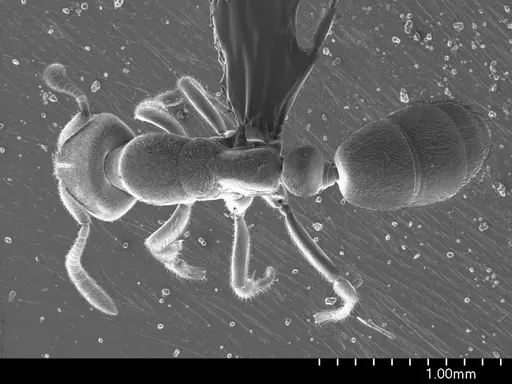
CASENT0003325
View on AntWeb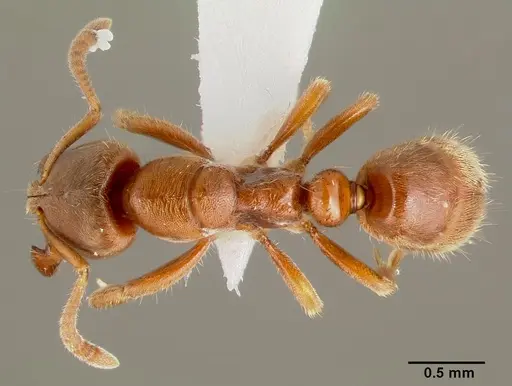
CASENT0006007
View on AntWeb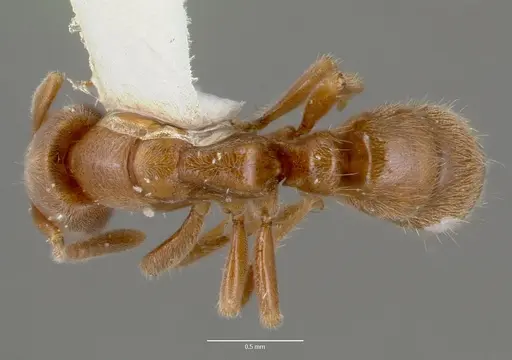
CASENT0006054
View on AntWeb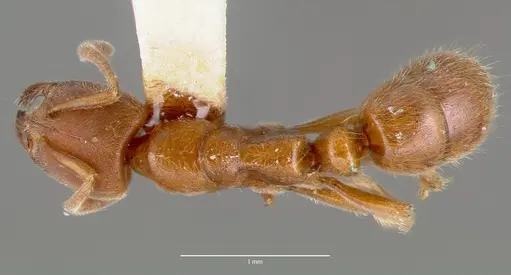
CASENT0006055
View on AntWeb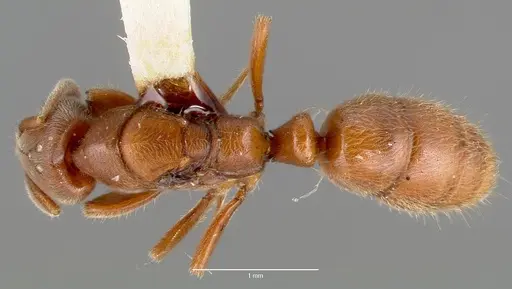
CASENT0006056
View on AntWeb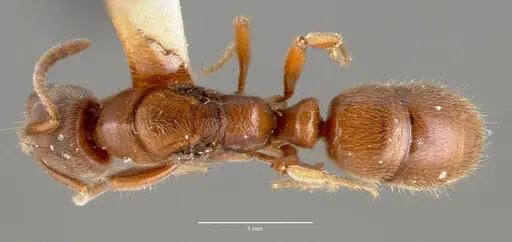
CASENT0103825
View on AntWeb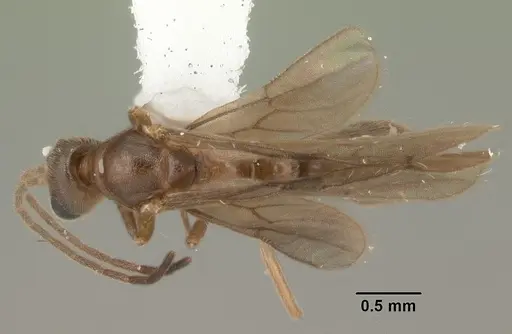
CASENT0103829
View on AntWeb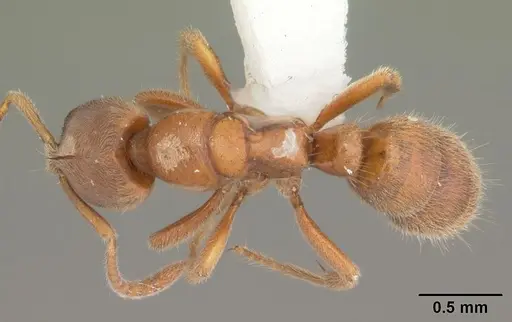
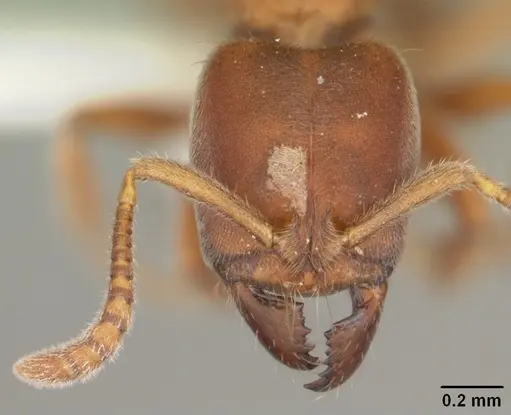
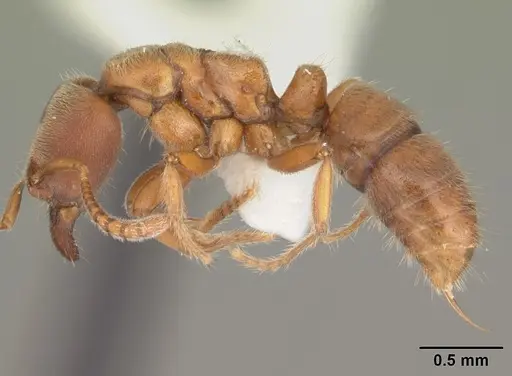
CASENT0104163
View on AntWeb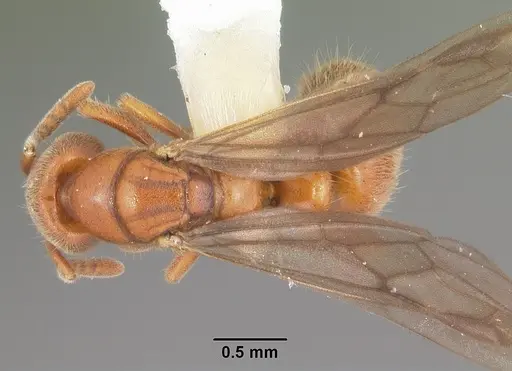
CASENT0106309
View on AntWeb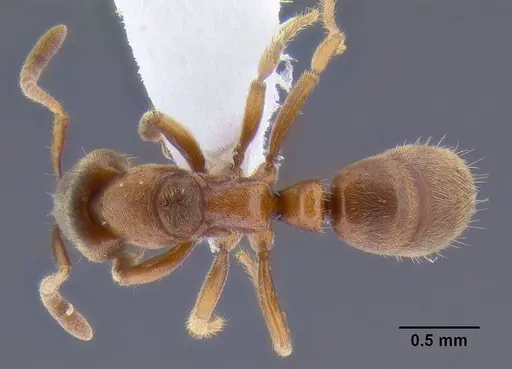
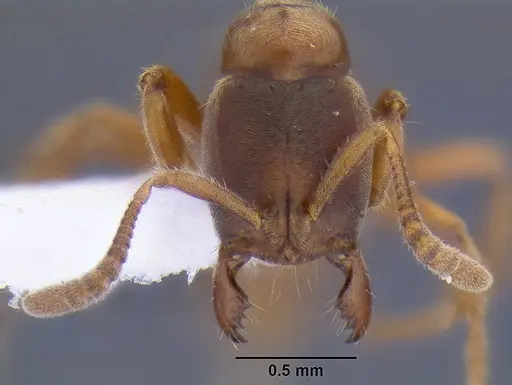
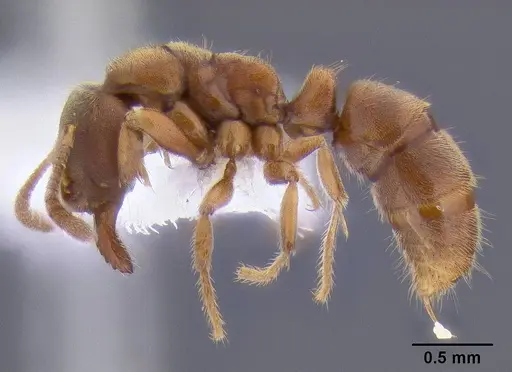
CASENT0260410
View on AntWeb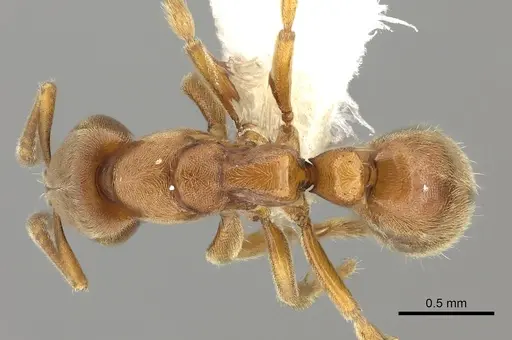
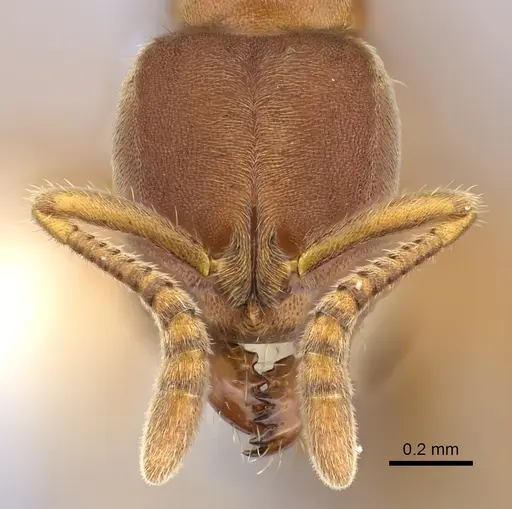
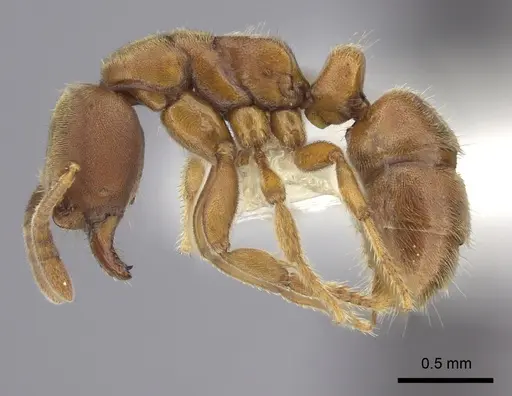
CASENT0260411
View on AntWeb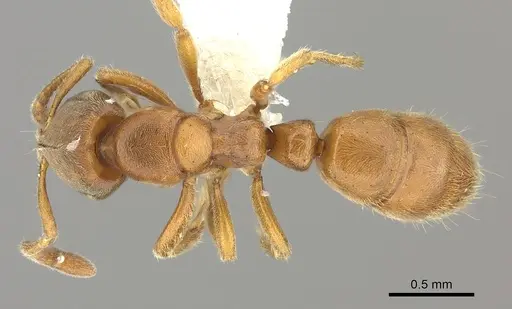
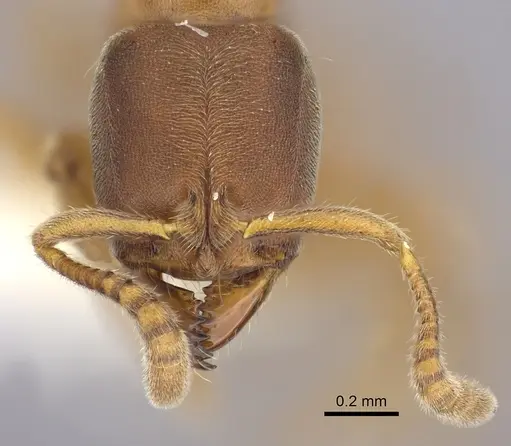
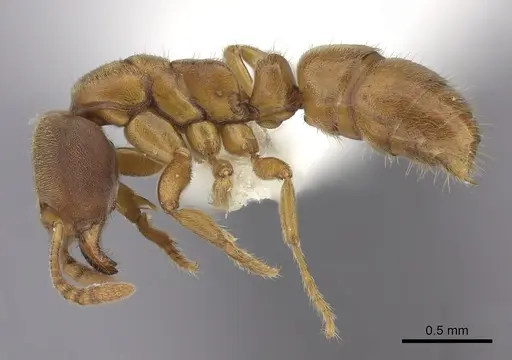
CASENT0646799
View on AntWeb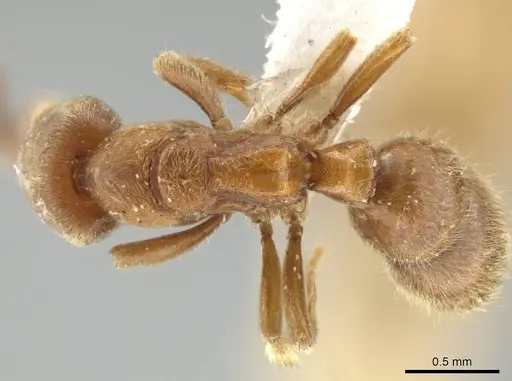
CASENT0914509
View on AntWeb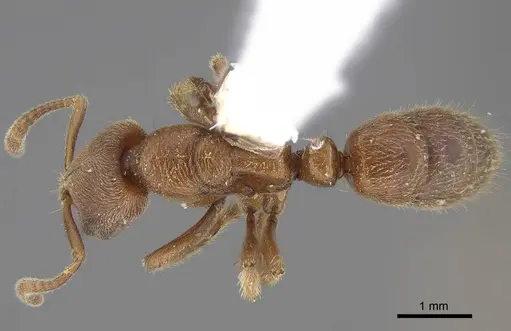
CASENT0915270
View on AntWeb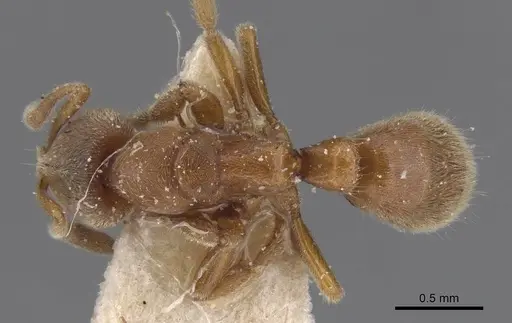
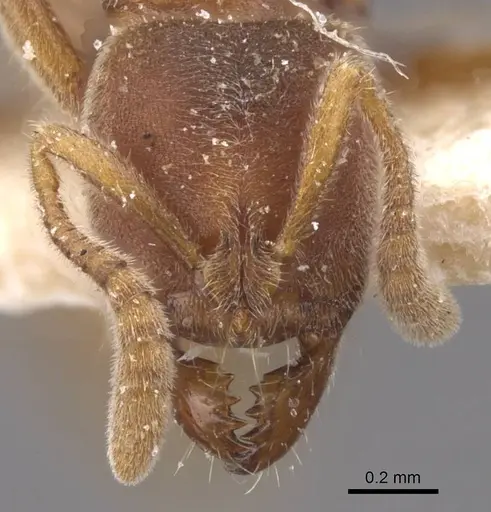
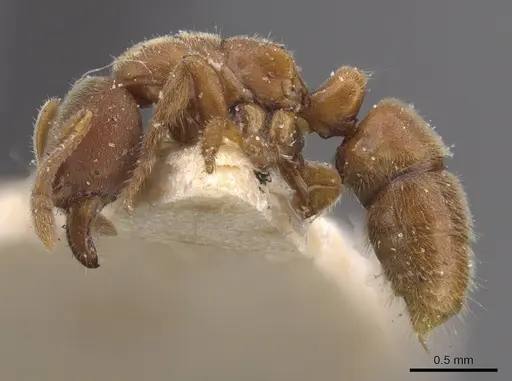
FMNHINS0000050343
View on AntWeb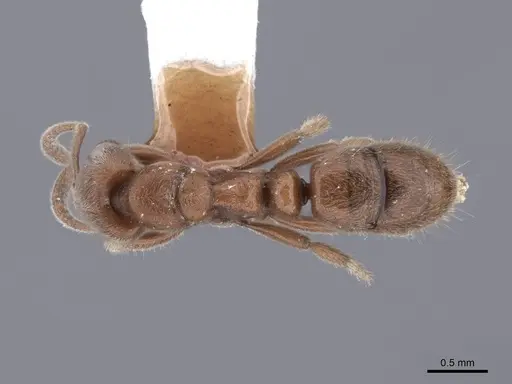
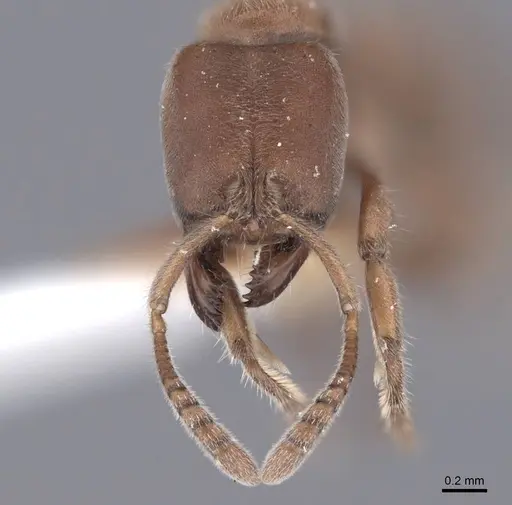
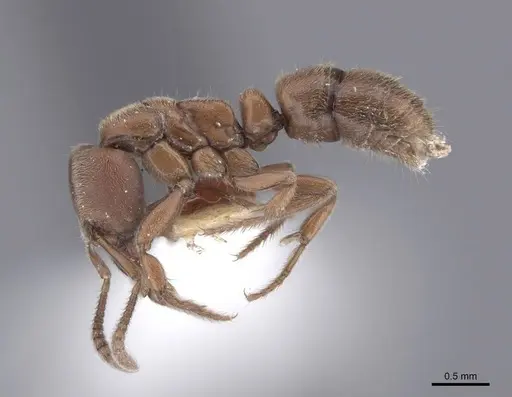
FOCOL0354-1
View on AntWeb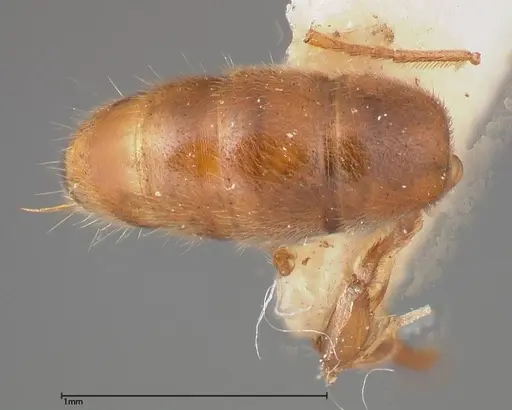
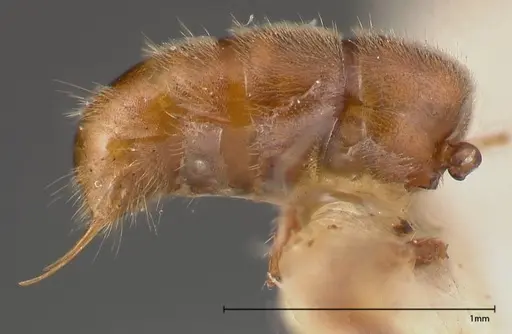
FOCOL0354-2
View on AntWeb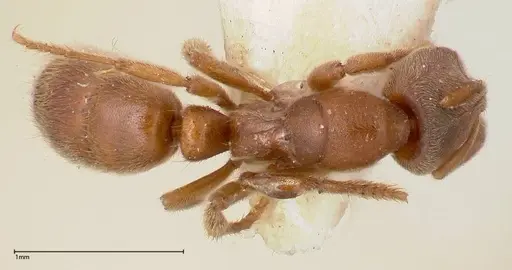
FOCOL0978
View on AntWeb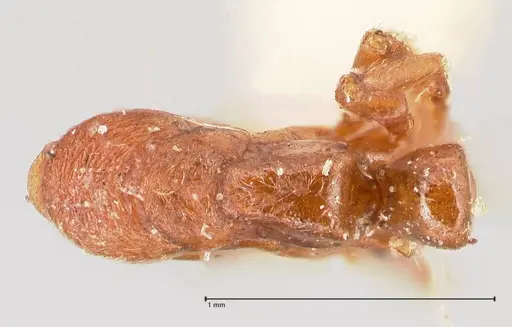
FOCOL0979
View on AntWeb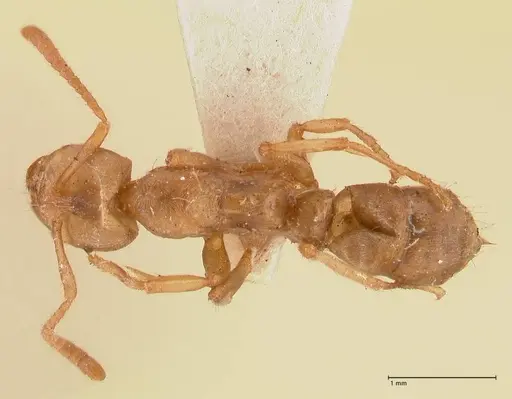
Literature
Loading...Loading products...